
 en


1 May 2026
Ryokan Kurashiki: where history and community come together
As you walk across the Nakabashi Bridge and see the soft light reflecting off Kurashiki’s willow-lined canal, time seems to stand still for a moment. At the foot of this bridge lies Ryokan Kurashiki, a special place where you don’t just spend the night, but where centuries of stories can still be felt. This exclusive ryokan invites you not only to visit Japan, but to experience it with all your senses.
Discover Ryokan Kurashiki
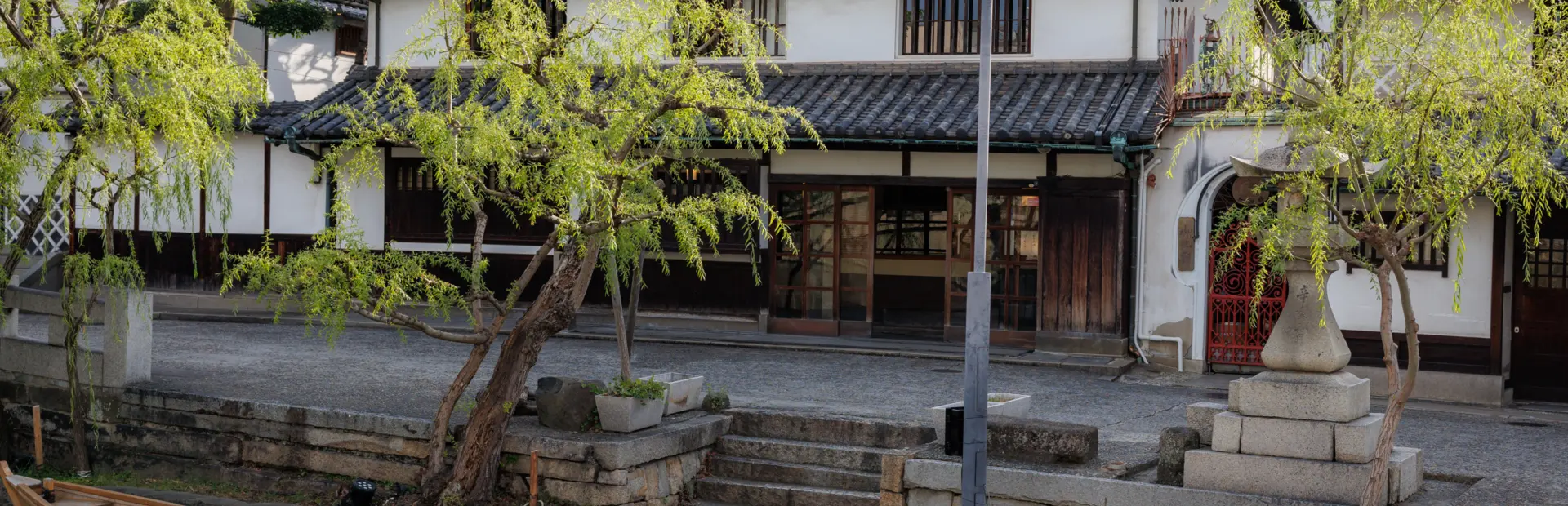
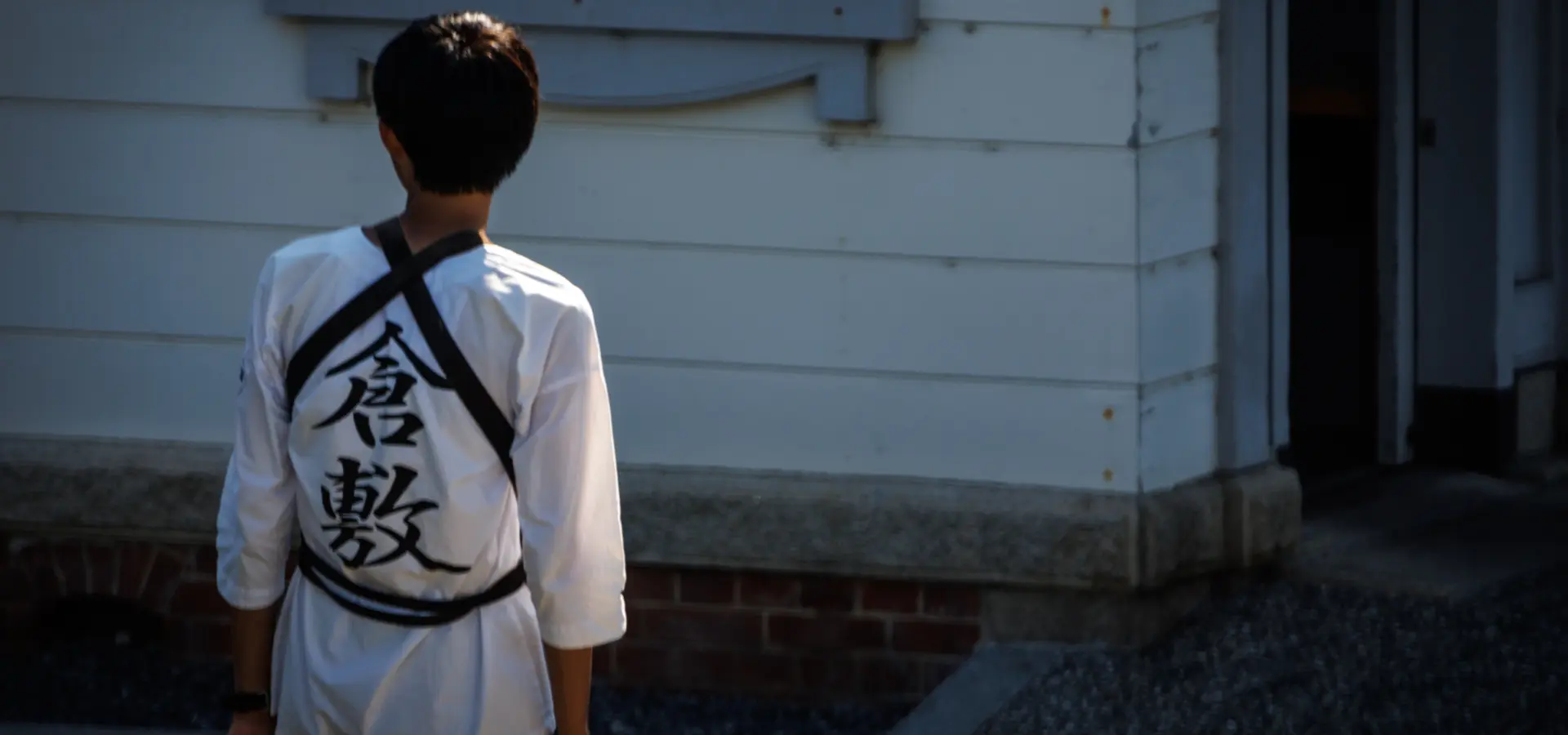
What makes Ryokan Kurashiki truly special is its deep connection with the village and its inhabitants. Since opening in 1957, a network has been built up comprising local craftspeople, sake brewers, restaurant owners, temples and shops. These partnerships form the basis for unique experiences, often off the beaten track. A meeting with a local potter, an exclusive visit to a small sake brewery or a stroll through workshops where textiles, woodwork and traditional utensils are crafted by hand; these are the encounters that bring Kurashiki to life.
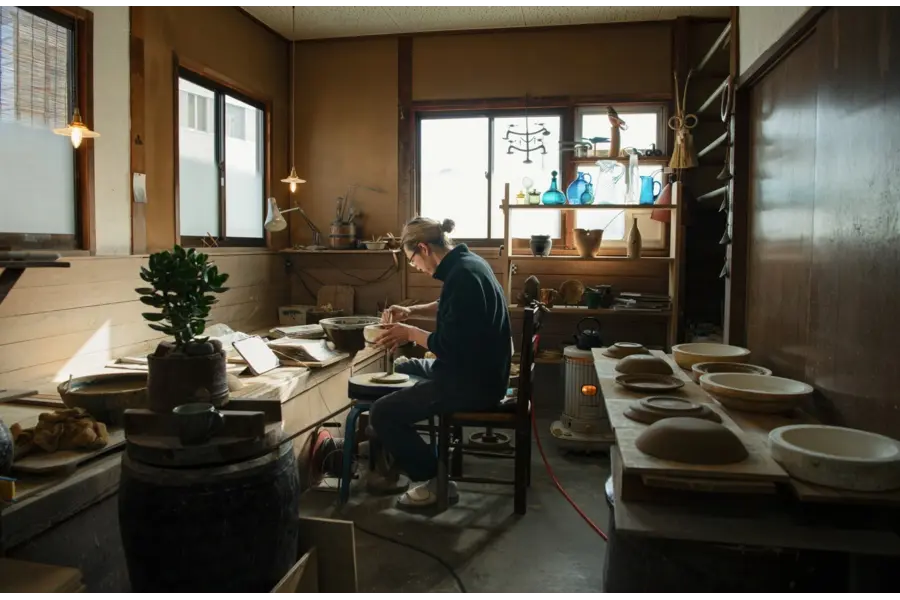
Kota Miyake; potter from the Sakazu region
Ceramic tradition
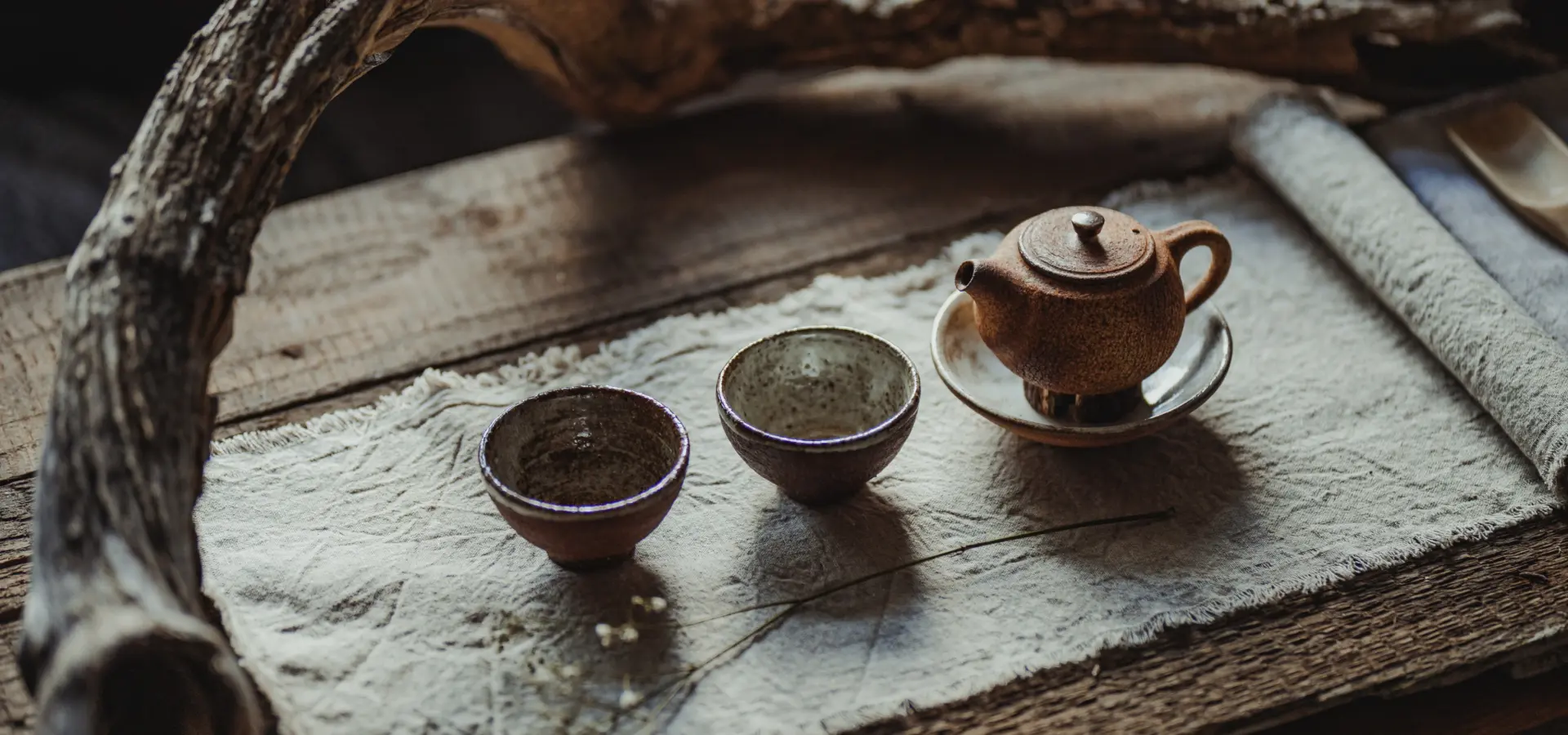
In the tranquil streets of Kurashiki, Mr Kota Miyake began his lifelong dialogue with clay. Born and raised in this historic city, he was inspired from an early age by the local pottery and centuries-old craft traditions. His quest for deeper understanding led him to spend six years under the tutelage of master potter Masao Moriyama, a direct heir to an important Japanese ceramic lineage.
After this period of training, Miyake returned to Kurashiki, where he works with clay from the nearby Sakazu area – the cradle of the region’s oldest ceramic tradition. In his studio, past and present come together. Using techniques such as tsutsugaki, impressed patterns and flowing glazes, he creates durable, functional objects. Pieces that are not only suitable for everyday use, but which also radiate tranquillity, warmth and a tangible connection with nature and their place of origin.
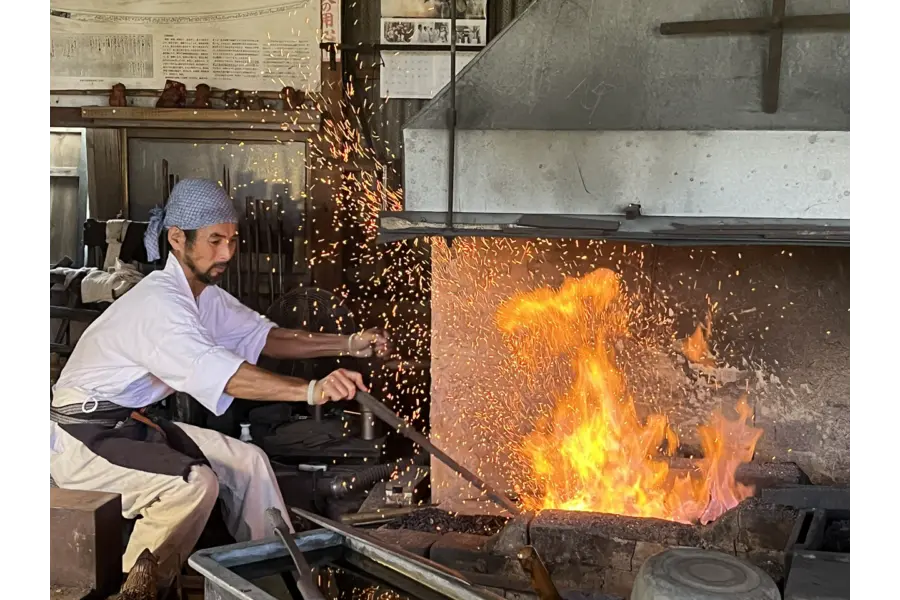
Kazuki Kawashima; Bizen-style swordsmith
A centuries-old craft
An hour’s journey from Kurashiki lies Osafune; a town that has been regarded for centuries as the heart of the Japanese sword-making tradition. Since the Kamakura period, this region has been known for its refined Bizen style, renowned for the elegance, balance and exceptional quality of the blade. To this day, this centuries-old craft is kept alive here by a small group of master smiths who pass on their knowledge from generation to generation.
A contemporary example of this tradition is Kazuki Kawashima, a swordsmith whose roots run deep in the craft. Coming from a family of blacksmiths and trained by leading masters, he spent years immersing himself in the classical techniques of the Bizen school. In Osafune, near the famous Bizen Osafune Sword Museum, he eventually established his own workshop: the Kawashima Kazuki Japanese Sword Forging Studio.
These swords are internationally acclaimed and in high demand, not only as works of art but also as cultural heritage. At the same time, the craft is also finding its way into everyday life, for example in hand-forged kitchen knives. In this way, the sword-making craft of Osafune remains not merely an echo of the past, but a living tradition with contemporary significance.



The story of Ryokan Kurashiki
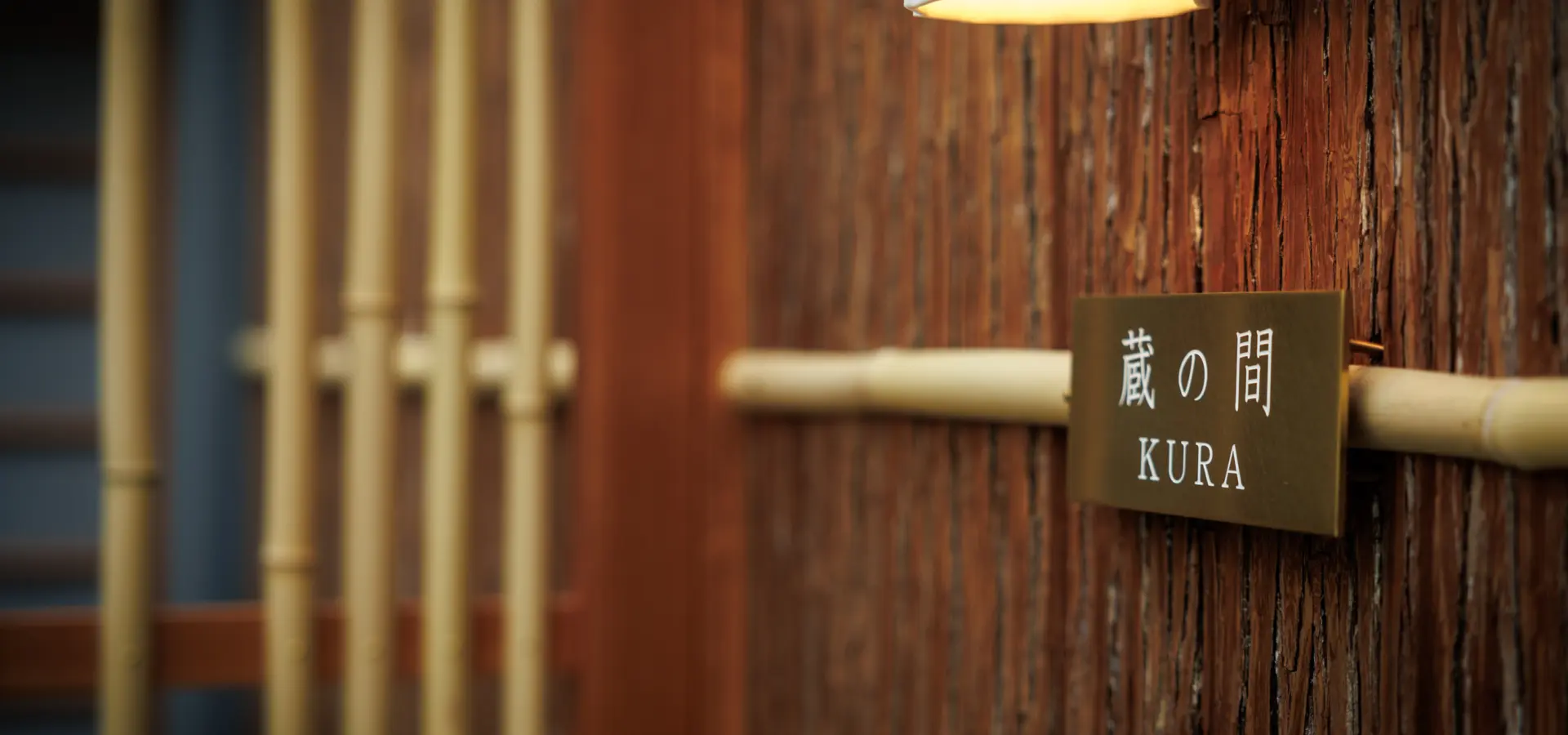
The origins of Ryokan Kurashiki date back to the Edo period (1603–1867), when Kurashiki flourished as a trading town. At that time, the building served as the home, office and warehouse of a prosperous sugar merchant. Sugar was a precious commodity in those days and formed the basis of the success of local merchant families. The massive kura – traditional storehouses – in which the goods were kept still bear witness to this period of economic prosperity. In 1957, the complex was transformed into a ryokan with great respect for its history, with several kura combined into a single harmonious whole, designed by architect Shizutaro Urabe.
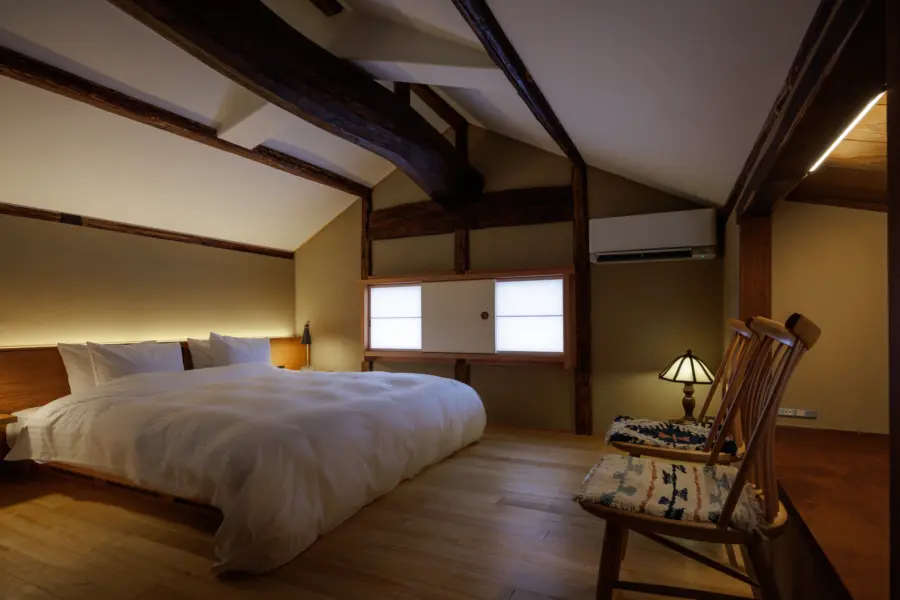
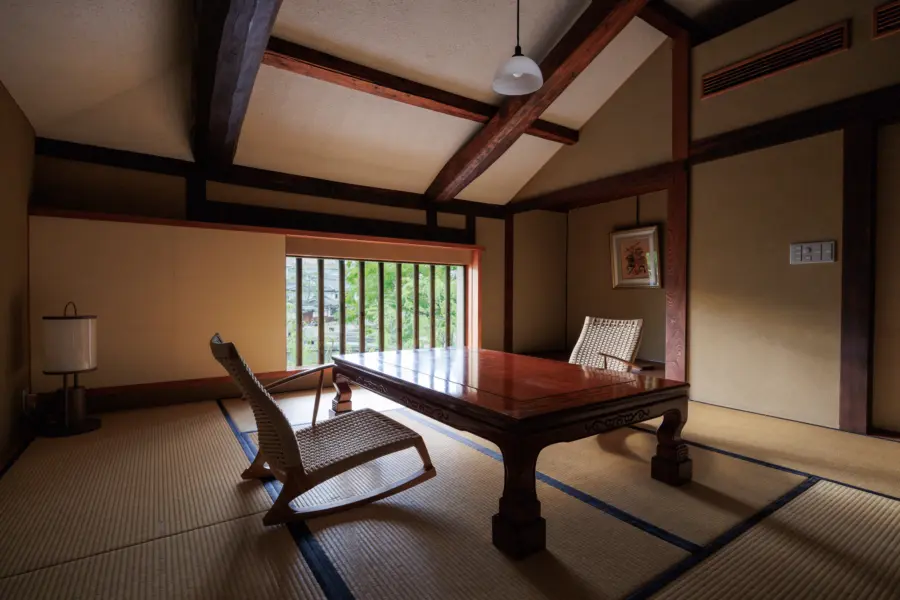
Ryokan Kurashiki has continually evolved with the times, without losing its soul. Renovations in 2005, 2017, 2023 and 2024, led by architects Ryusuke and Naoko Fujioka, added new suites and villas that combine traditional craftsmanship with contemporary comfort. Each room is unique, featuring a private bath, Western-style beds and carefully selected materials that exude tranquillity and refinement. With just eight rooms and two villas, personal attention is paramount here; hospitality is not a service, but a matter of course.
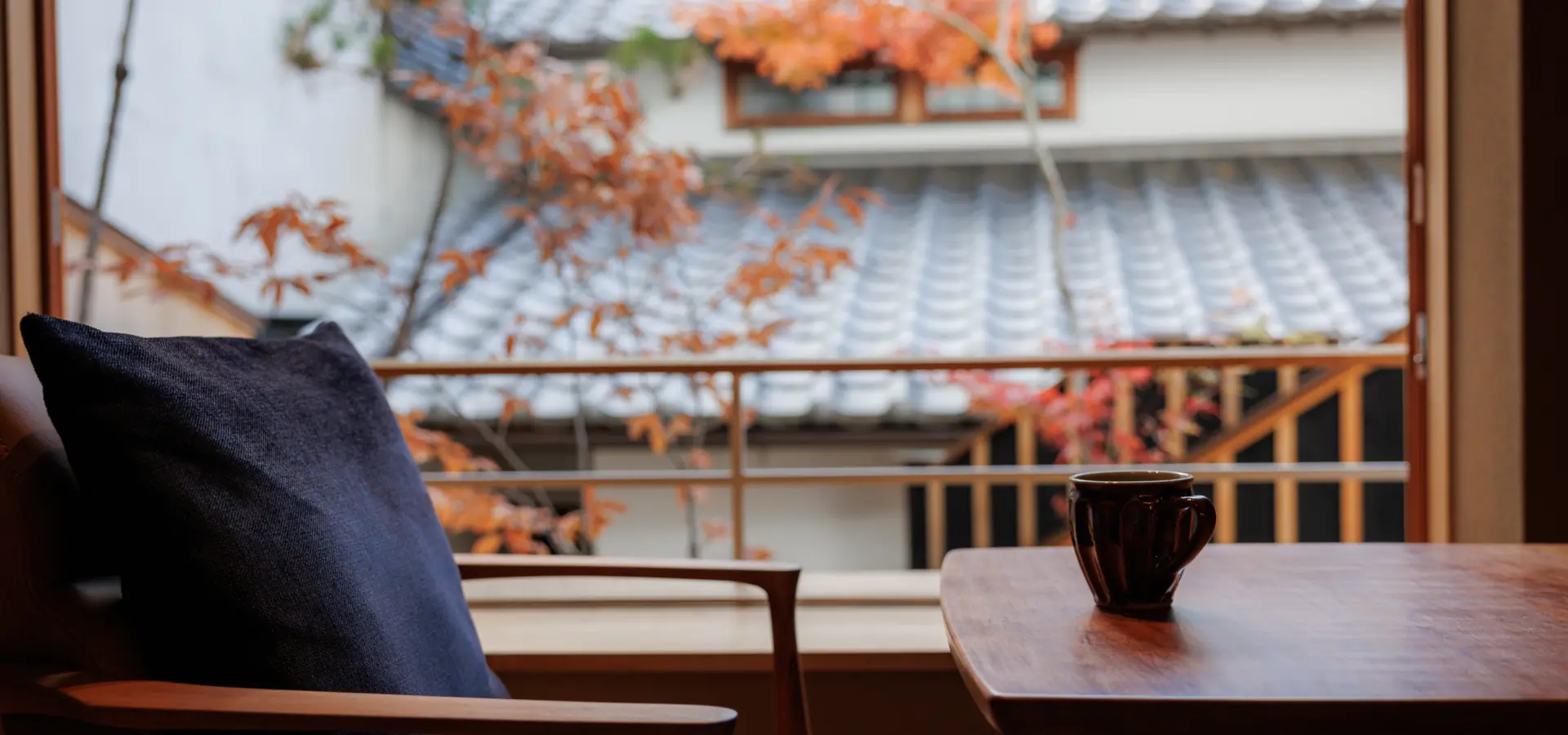
The suites are housed in former kura and merchant’s residences dating from the Edo period and combine tatami rooms with comfortable Western-style bedrooms. Some rooms are spread over several floors, whilst others overlook the courtyard or the canal. All rooms feature a private bathroom and are furnished with an eye for detail, blending traditional Japanese design with modern comfort. For those seeking extra privacy, the recently restored villas offer self-contained accommodation right in the heart of the historic district.
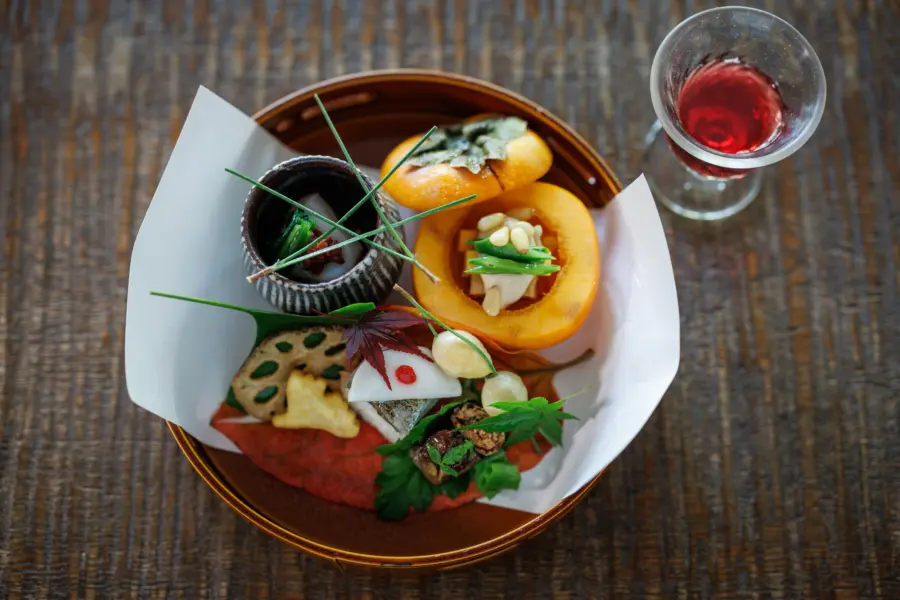
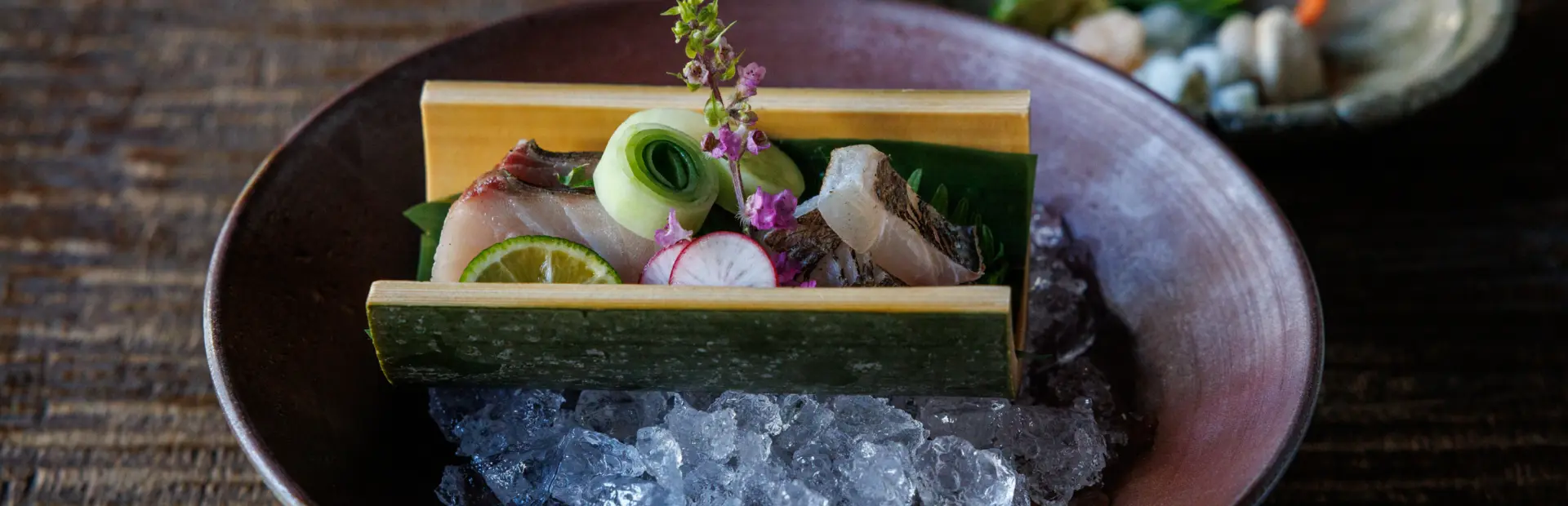
Ryokan Kurashiki features a number of small-scale yet refined facilities that enhance the ryokan’s intimate character. The cuisine is deeply rooted in the rhythm of the seasons and makes the most of the region’s abundant ingredients. The restaurant serves traditional kaiseki dishes. This refined Japanese cuisine is based on seasonal ingredients from the region, with fresh fish and seafood from the Seto Inland Sea playing a prominent role. Each dish is prepared with great precision and presented aesthetically, bringing together flavour, texture and the seasonal experience in perfect balance. Dining here is not merely a meal, but an experience that tells the story of the region, course by course.
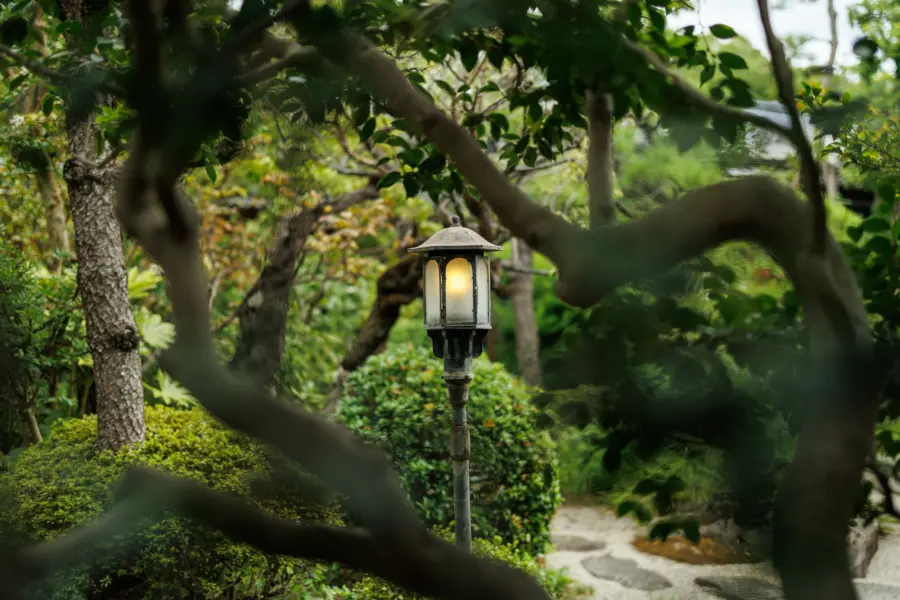
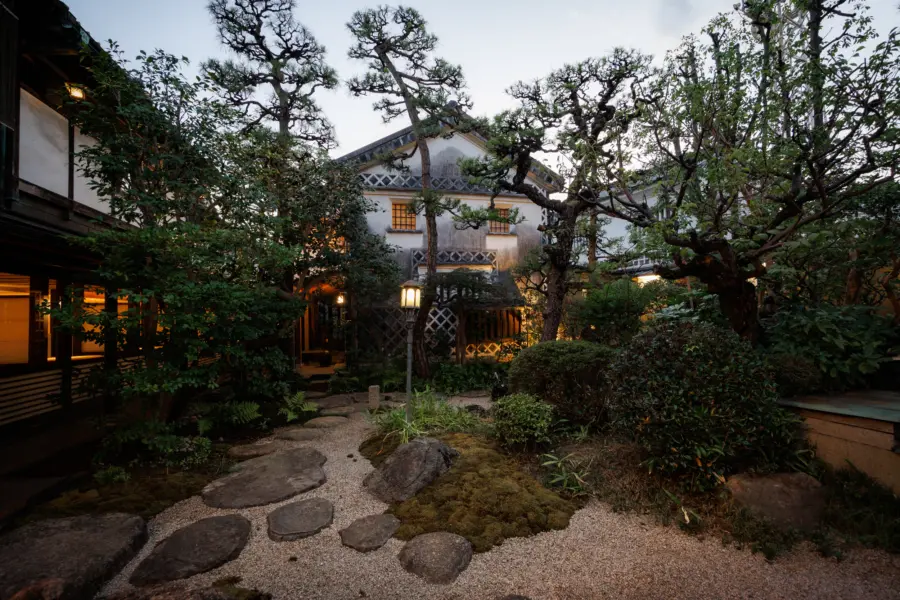
In addition to the restaurant, Ryokan Kurashiki offers various tranquil communal areas that invite you to relax. The traditional Japanese garden, which has been cherished for generations, forms an oasis of tranquillity in the heart of the historic district. Here, the landscape changes subtly with the seasons, from fresh green in spring to warm hues in autumn. After a stroll through the Bikan Historical Quarter, this is the ideal place to unwind for a while.
The garden and other communal areas exude tranquillity, authenticity and a timeless Japanese aesthetic, making a stay at Ryokan Kurashiki feel like a serene and personal experience, far removed from the hustle and bustle of everyday life.
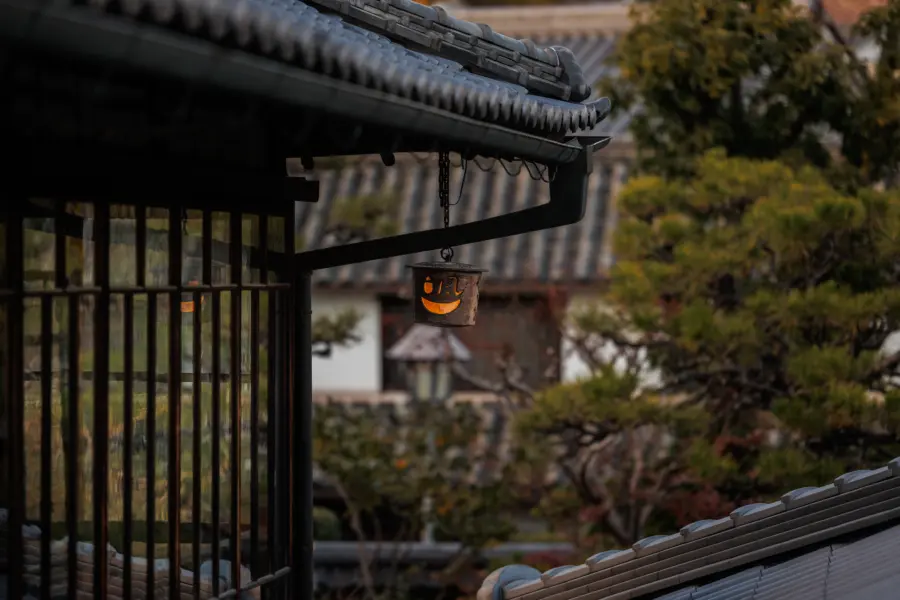
The architecture of Ryokan Kurashiki is deeply rooted in the Edo period and forms a harmonious blend of heritage and contemporary sophistication. The ryokan comprises several former kura, traditional storehouses, and the merchant’s house of a wealthy sugar trader, built between the 17th and 19th centuries. Characteristic features include the whitewashed walls, wooden beams, black roof tiles and the decorative namako joints, typical of Kurashiki’s historic architecture.
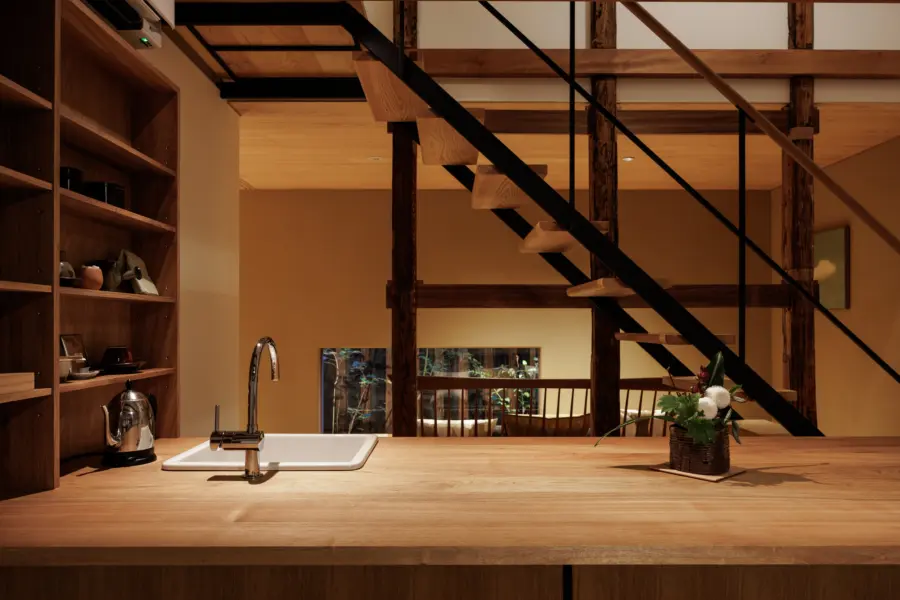
During its conversion into a ryokan in 1957 and subsequent renovations, the original character has been carefully preserved, whilst modern comforts have been subtly integrated. Inside, the materials and structures of the kura are echoed in the corridors and rooms, creating a seamless connection between the interior and exterior. In this way, the architecture reflects not only the history of the building, but also that of the village itself.
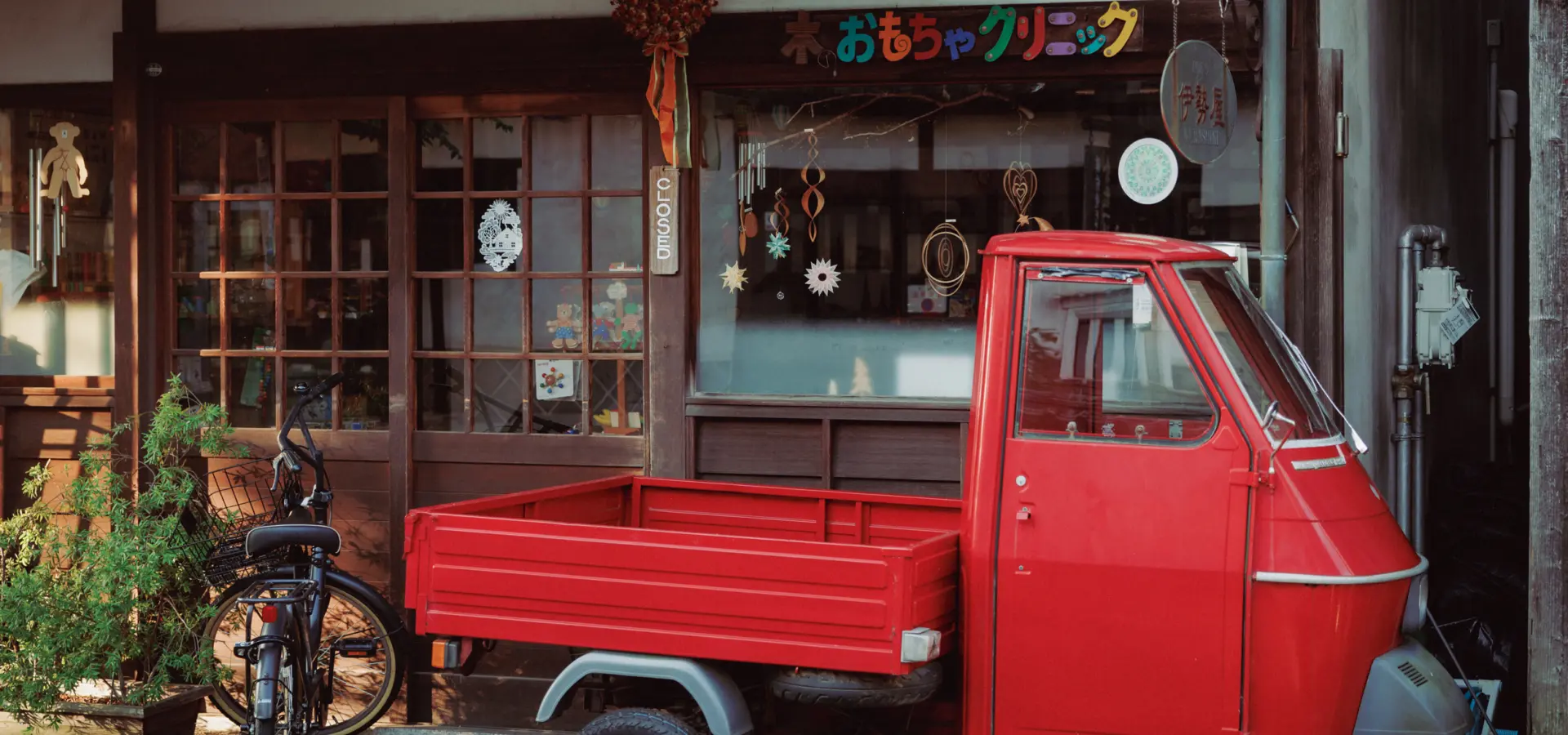
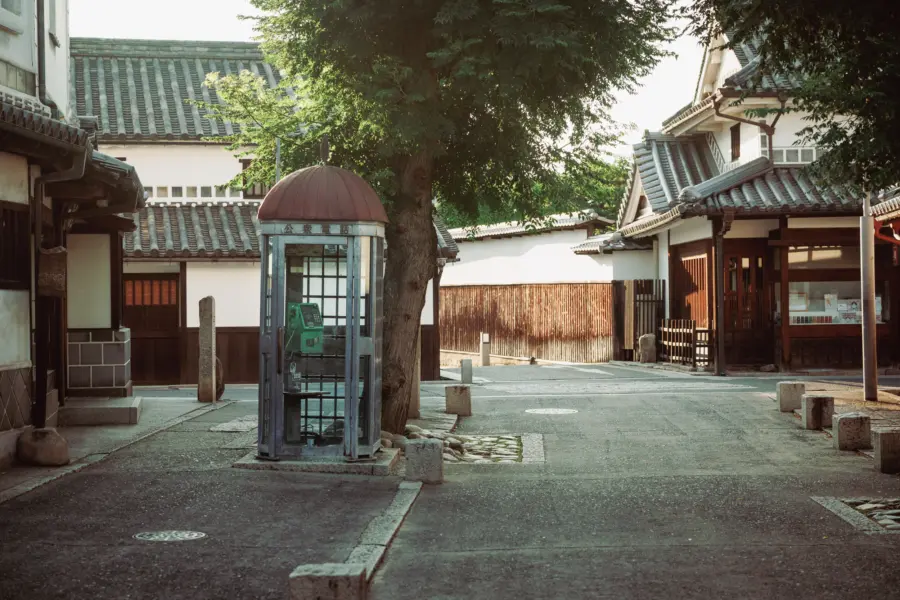
Kurashiki is a city that preserves its history with great care and pride. At the heart of the city lies the Bikan Historical Quarter, an exceptionally well-preserved neighbourhood where the past is still tangibly present. Narrow streets wind their way past white- and black-plastered warehouses, some of which are over four centuries old. These former storehouses, recognisable by their distinctive walls and dark roof tiles, tell the story of Kurashiki as an important trading centre during the Edo period.
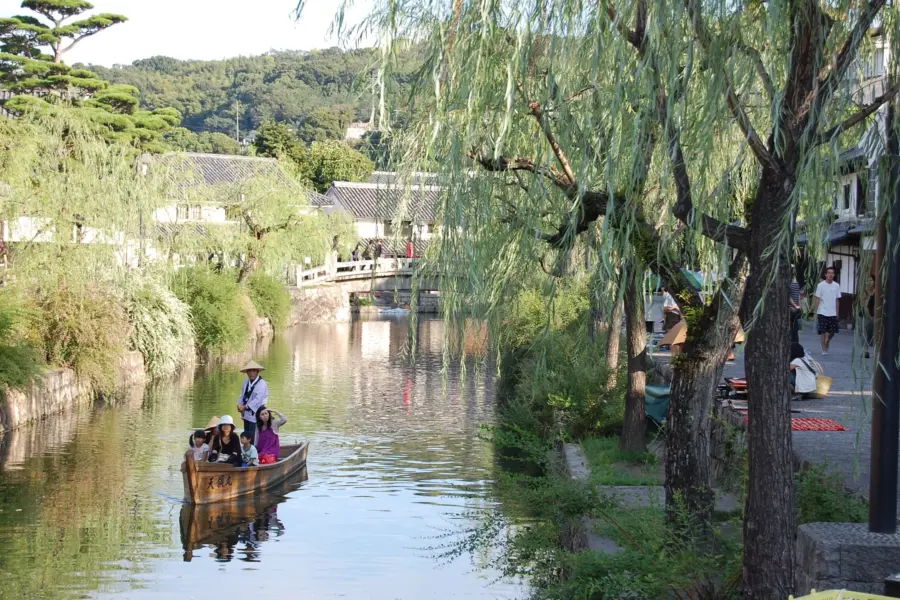
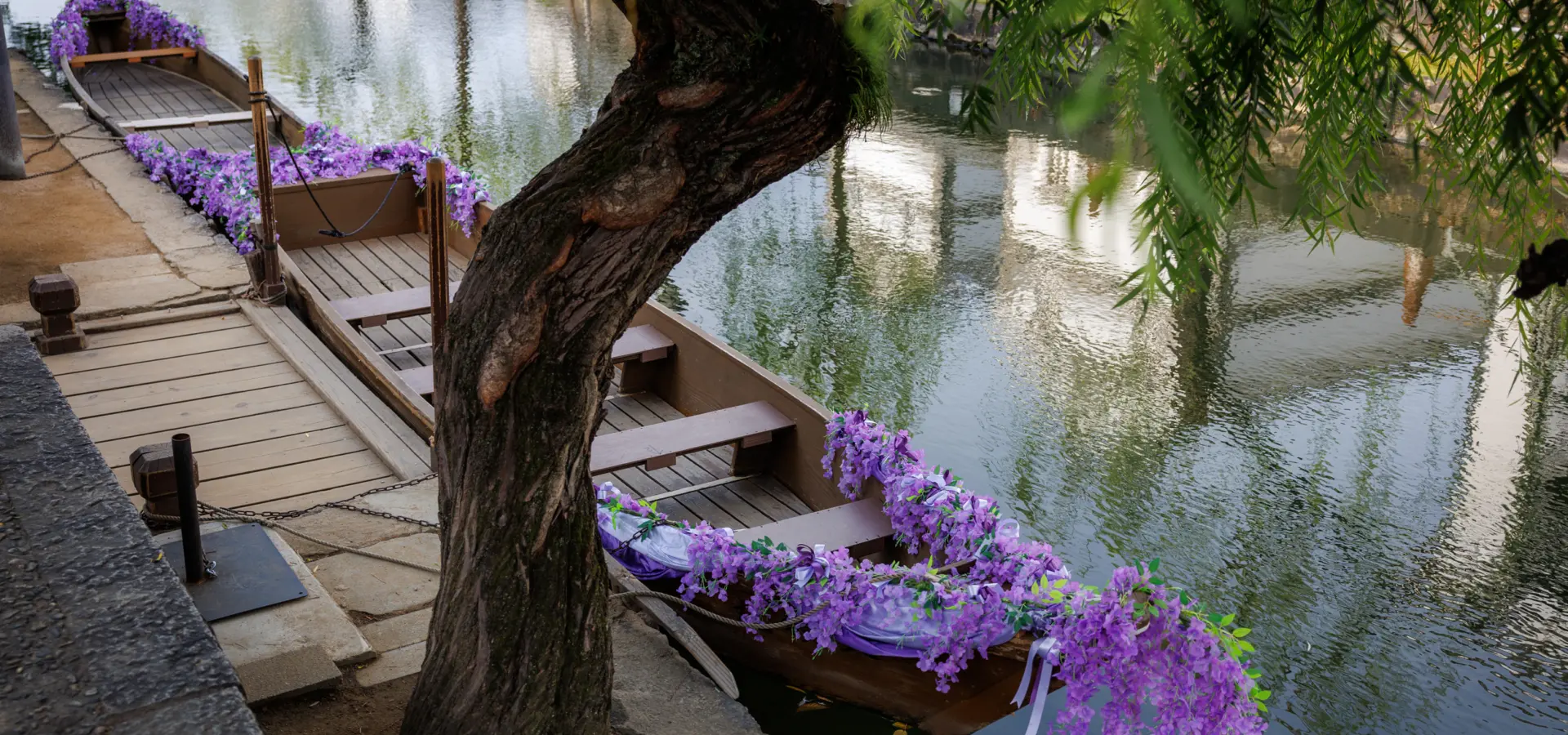
Small boats glide peacefully past along the historic canal, beneath overhanging willows and elegant stone bridges. The water reflects the façades, creating an almost picturesque setting that invites you to slow down and take in the sights. Behind the wooden façades, a rich cultural life unfolds: museums, art galleries and craft shops showcase ceramics, textiles and other traditional art forms that have been passed down through the generations.
What makes Kurashiki so special is that this neighbourhood is not an open-air museum, but a living community where living, working and culture come together. From Ryokan Kurashiki, all of this is literally at your feet. You can simply step straight into the neighbourhood and experience historic Kurashiki in an intimate and authentic way, at the tranquil pace of the town itself.
Kurashiki Local Dining Experience
Kurashiki offers a surprisingly rich culinary experience. In the Bikan Historical Quarter, former warehouses and merchants’ houses have been transformed into atmospheric restaurants, cafés and izakayas. Here you’ll find refined Japanese cuisine, traditional soba and udon restaurants, and small eateries that use local, seasonal ingredients. Fresh fish, vegetables from the surrounding region and locally brewed sake play a central role in these dishes. In addition, artisan coffee houses and dessert shops lining the canal guarantee moments of relaxation. Together, these eateries reflect Kurashiki’s culinary identity: small-scale, authentic and deeply rooted in the region.
Why we recommend Ryokan Kurashiki
A deep sense of connection
A stay at Ryokan Kurashiki is more than just luxury or comfort. It is an invitation to become part of a community, to discover the crafts hidden within everyday life, and to experience a Japan that does not preserve its past in museums, but lives it in the present. Those who stay here leave not only with memories, but with a deeper connection to the place, its people and its history.

Tradition & mysticism
Japan Travel


Magic in Japan
Asia


Read our other Blogs


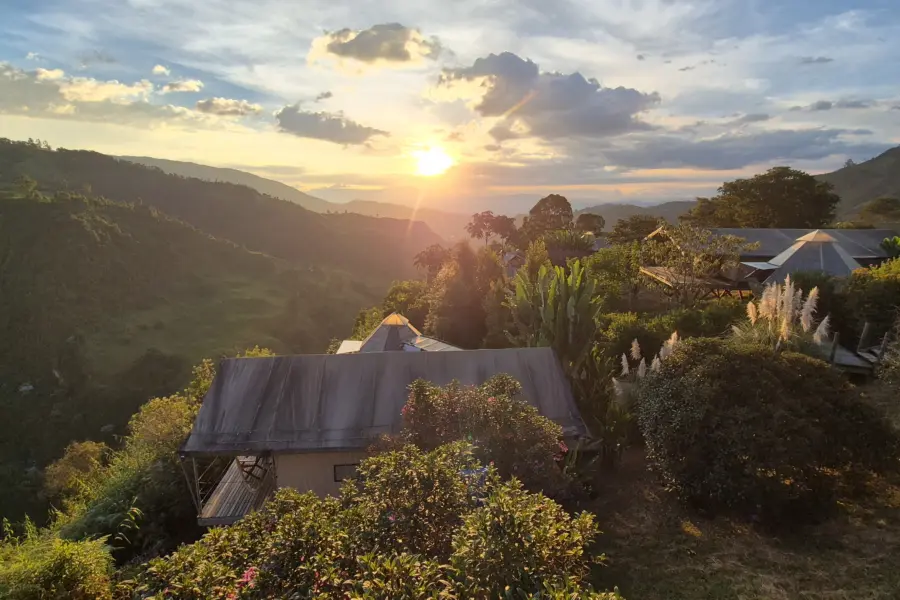
A family holiday in Colombia
In July, our travel specialist Ilse travelled to Colombia with her family – her two children (aged 7 and 8) – to experience the country’s diversity and see just how family-friendly it is. Read about her travel experience here!

Air France and KLM Corporate SAF programme
At Avila Travel, we want to continue to inspire people with extraordinary travel experiences. At the same time, we believe it is important to take responsibility for the impact of travel. By participating in the Air France and KLM Corporate SAF programme, we are taking a step in that direction.

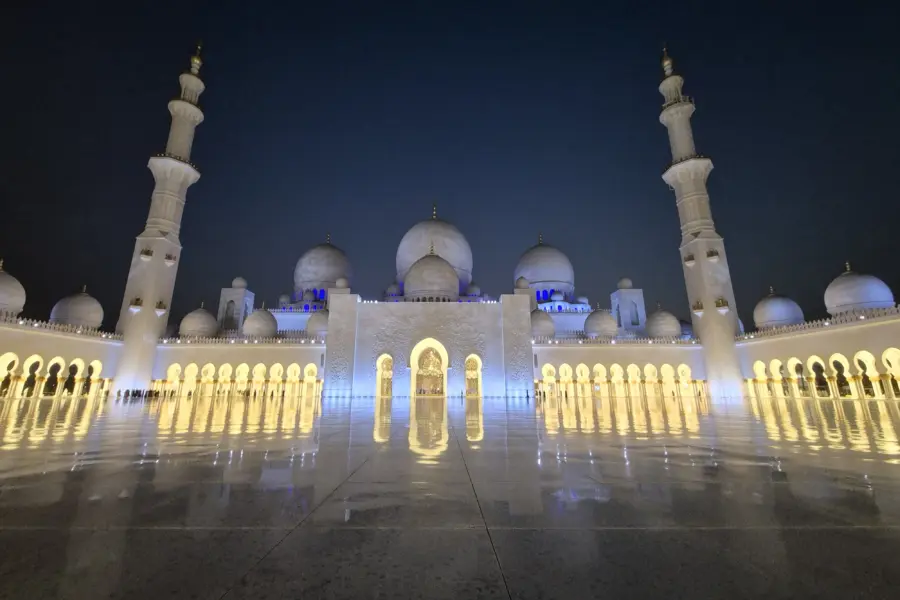
The Wondrous World of Abu Dhabi
Join Mirna on a journey through the fascinating city of Abu Dhabi!

Safari adventure in Tanzania
Join Rosalie on a journey through the impressive country of Tanzania!


Surprising Costa Rica
Join Merlijn on a journey through beautiful Costa Rica!

Magical North-West Argentina
Join Ilse on a journey through the spectacular north-west of Argentina


On safari in Namibia
Join Maité on a journey through beautiful Namibia.


The seventh continent: Antarctica
Travel with Elena to the unique Antarctica.

Ultimate enjoyment in Baja California Sur, Mexico
Travel with Ilse through beautiful Baja California Sur in Mexico.


Inspiring Cambodia
Travel with Maité through authentic Cambodia.


Sun, culture and green surprises in Barbados
Travel with Isabel to paradisiacal Barbados.

An exclusive encounter with Mayan culture
Travel with Annemarie and Michiel on an impressive journey through Guatemala & Belize.

Discovering Mexico; Yucatán, Campeche & Quintana Roo
Travel with Rosalie through the provinces of Yucatán, Campeche & Quintana Roo in Mexico.

From Muscat to the Sharqiyah Sands
Travel with Annemarie on an unforgettable journey through Oman.

Laba Laba Tanzania
Travel with Ingrid through beautiful Tanzania and learn more about Laba Laba's exclusive accommodations.

Exploring beautiful Ticino in Switzerland
Travel with Sophie through Switzerland's diverse Ticino region.

Special accommodations in Ticino
Read our blog here with an exclusive selection of special accommodations in Ticino, the sunny and atmospheric Mediterranean heart of Switzerland, for an unforgettable stay.

Exclusive activities in Ticino
Here is an inspiring blog on exclusive activities in the Ticino region of Switzerland, based on experiences and luxury experiences found in the region.

Wildlife watching in Uganda
Travel with Sietske through adventurous Uganda.

The unforgettable Rovos Rail; 35th anniversary in style
Travel with Annemarie aboard the amazing Rovos Rail.

Our adventure in Madagascar
Travel with Arno and Annemieke on their wonderful trip to Madagascar


Larger than life in Yukon
Travel with Rianne through Canada's spectacular Yukon.


Dreams come true!
Travel with Rita and Vincent on their wonderful trip to Chile and Antarctica.


Ponant cruise Venice - Athens
Travel with Freek aboard Ponant's Le Lyrial on the cruise from Venice to Athens.

Time travel with the Venice Simplon Orient Express
Travel with Sietske aboard the unique Venice Simplon Orient Express train.


