French Polynesia enjoys a pleasant tropical climate with warm temperatures all year round. The best time to visit depends on your preferences, but generally speaking, the dry months are ideal for making the most of the islands. Below is an overview by season:
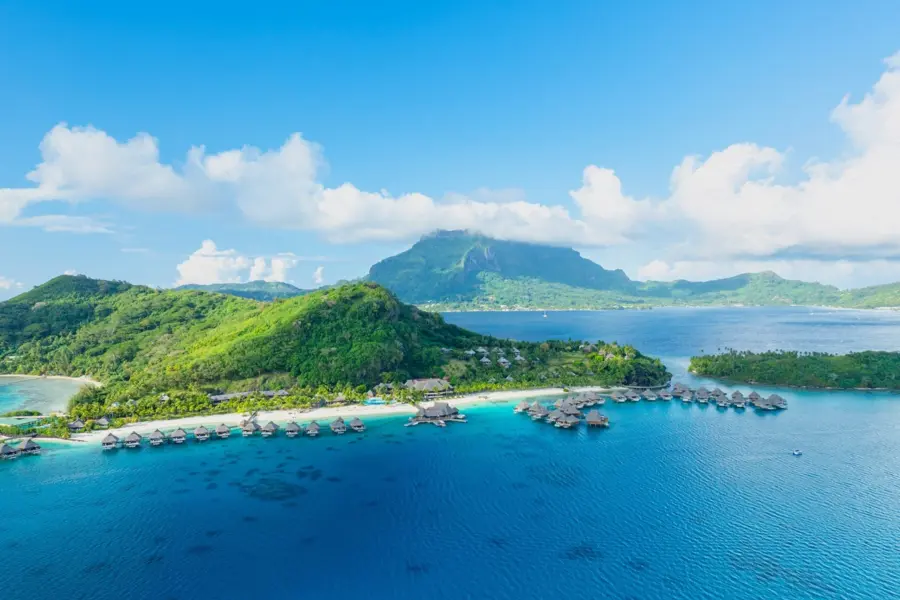
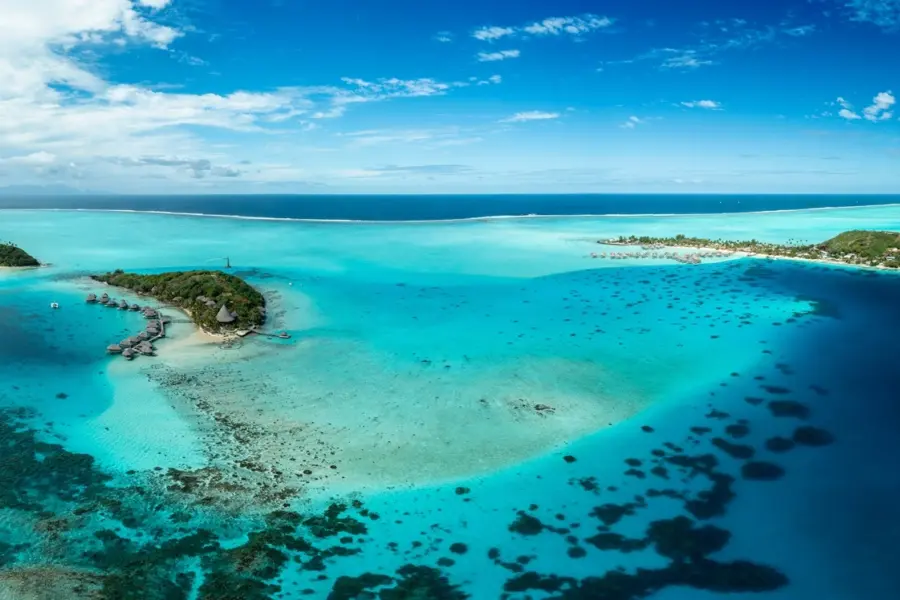
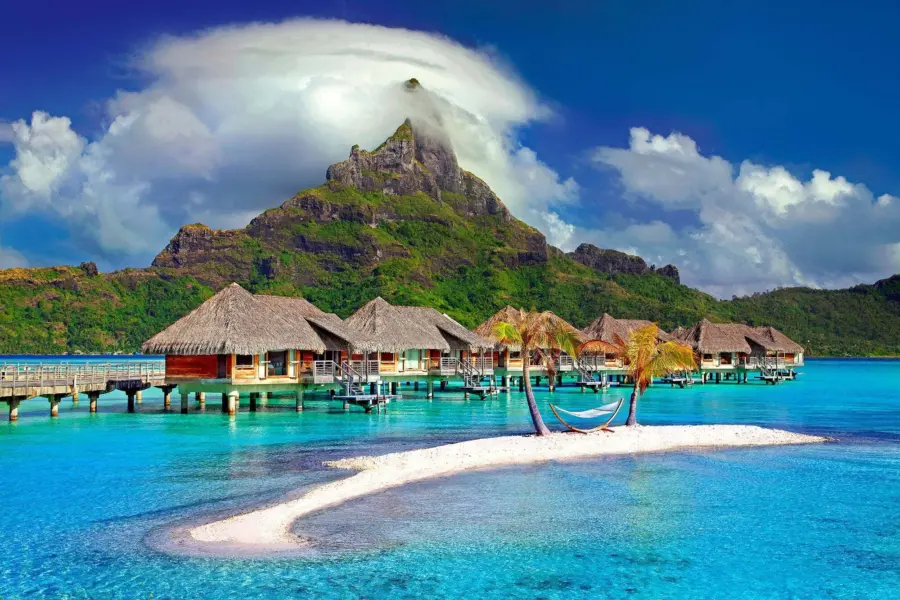
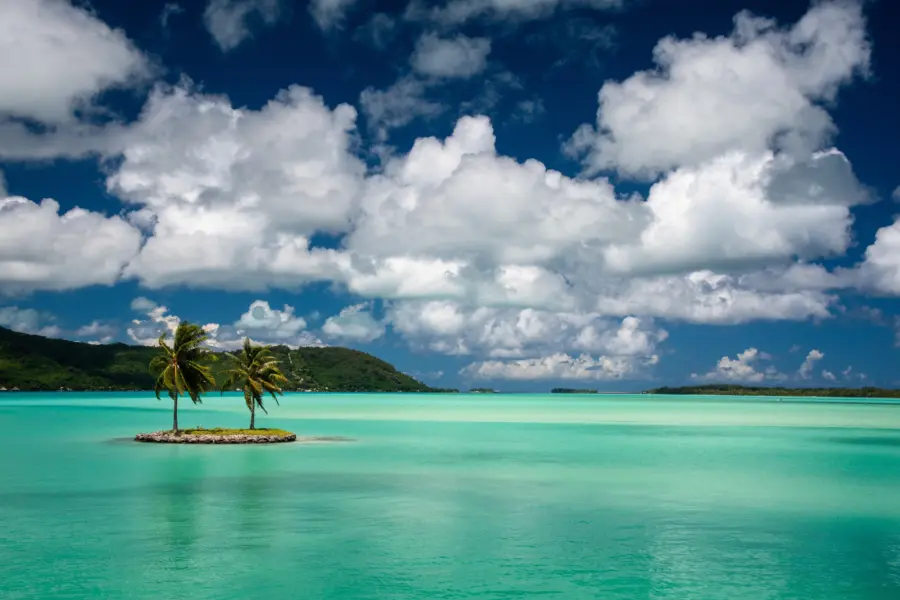
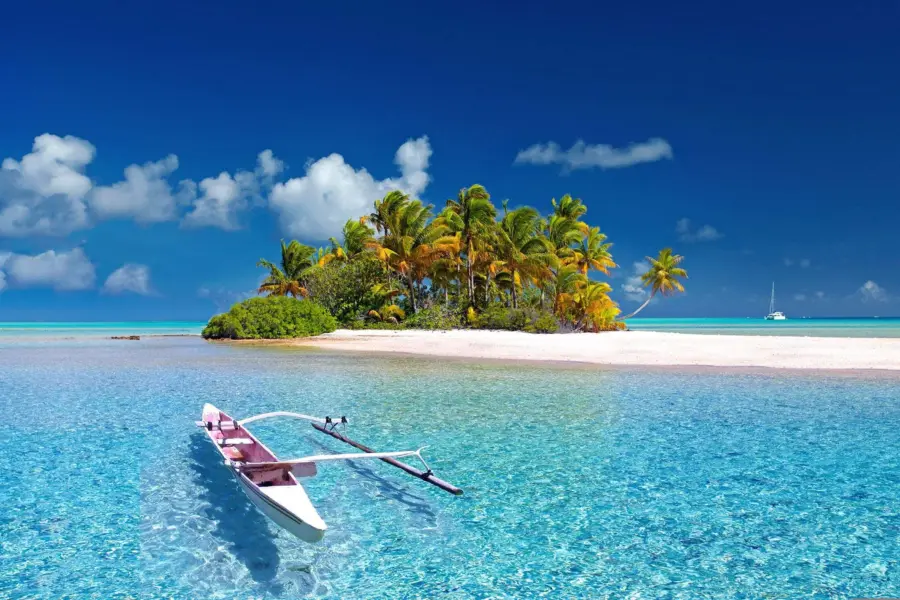
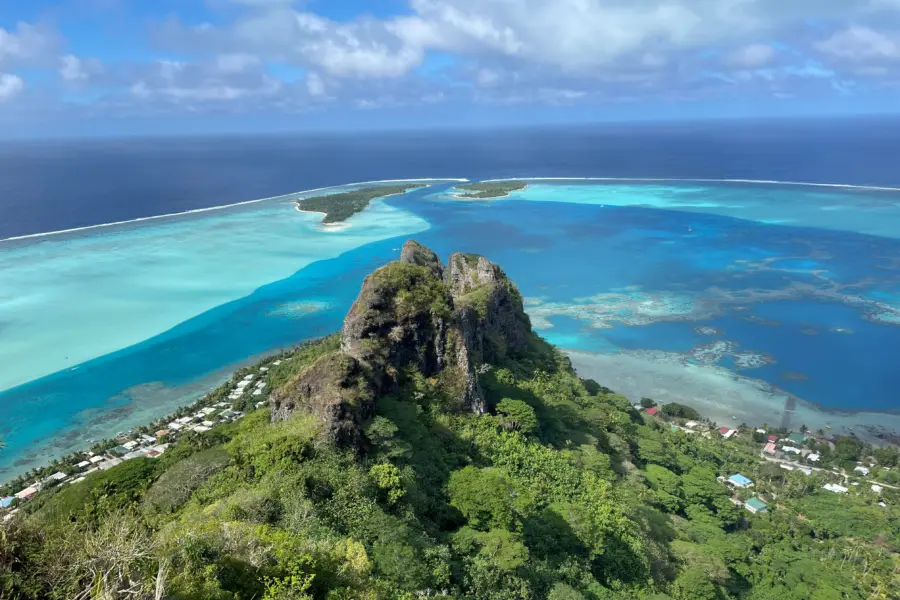
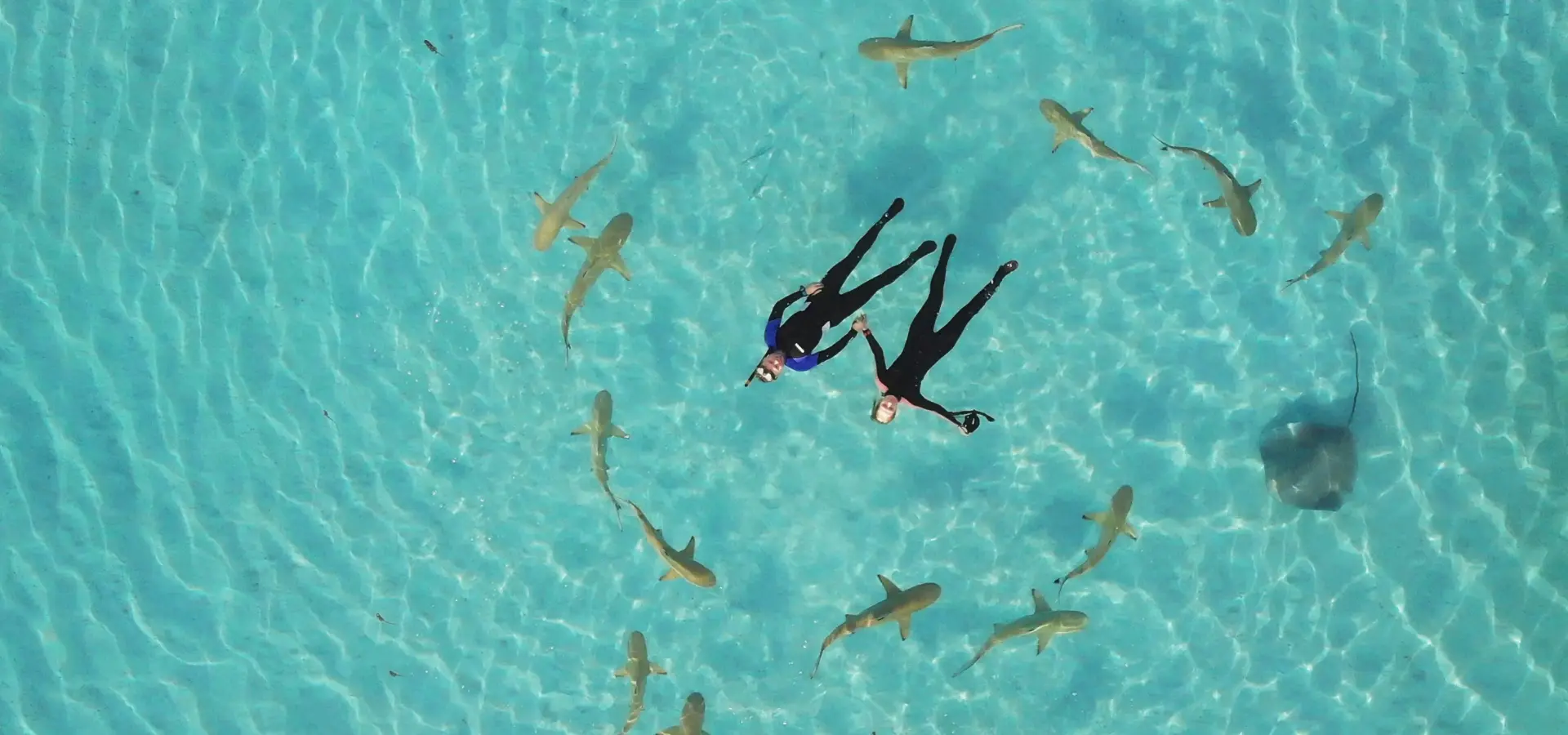
Dry season (May – October): This is generally considered the best time to visit French Polynesia. Temperatures are pleasant, humidity is lower and the chance of rainfall is minimal. These months are perfect for island hopping, snorkelling, diving and exploring the spectacular lagoons of Bora Bora, Moorea and Tahiti. Thanks to the clear days, you can also enjoy stunning views of the volcanic mountain landscapes.
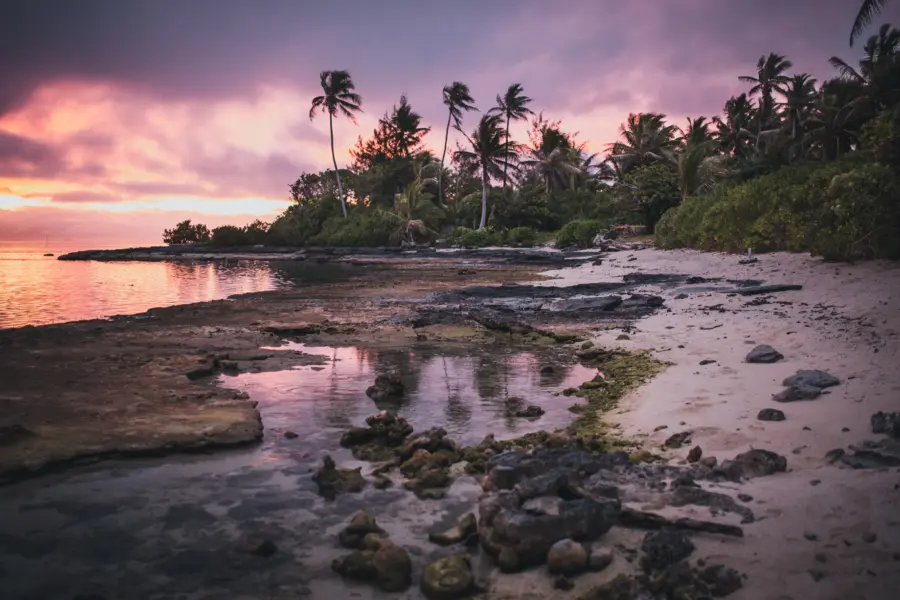
Transition period (April and November): These months offer an excellent balance between favourable weather and fewer crowds. Temperatures are warm, the landscape is green and the chance of rain remains relatively low. For travellers who enjoy peace and quiet, attractive rates and pleasant conditions, these are often ideal months to travel.
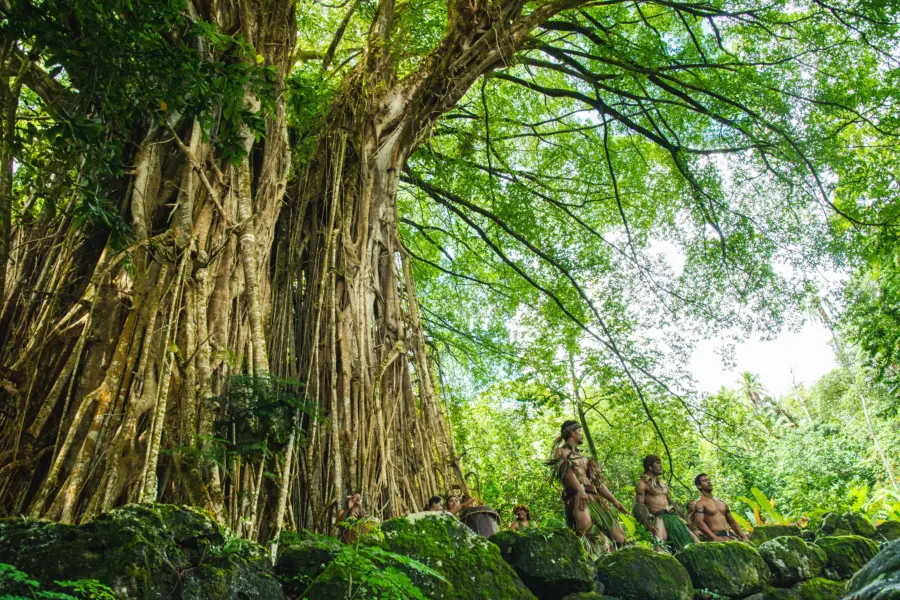
Wet season (December – March): During this period, temperatures are at their highest and humidity increases. Short, sometimes heavy tropical downpours occur regularly, although these are often interspersed with sunny spells. Nature is at its most lush during these months, and the islands are generally quieter than in the high season.
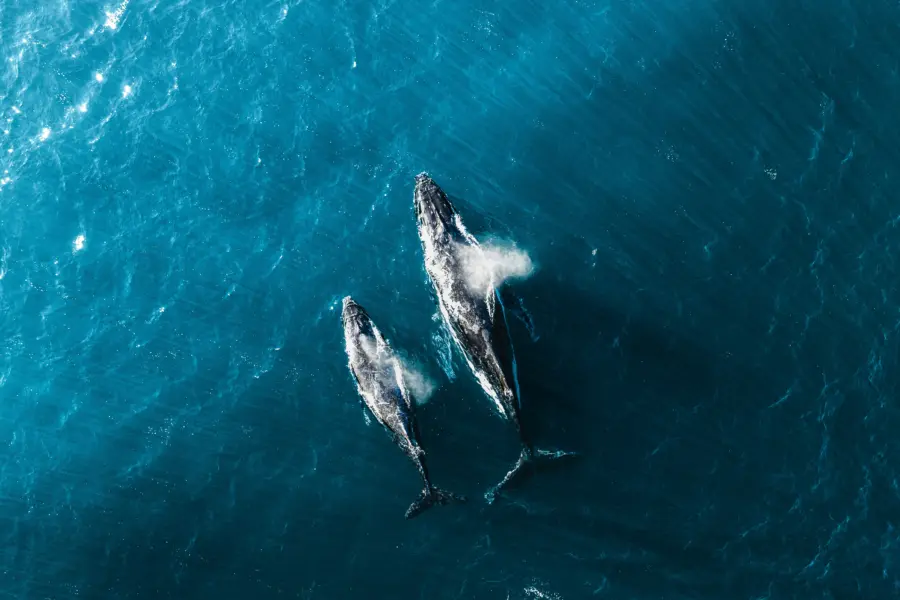
Whale season (July – October): This is a special time of year for nature and wildlife enthusiasts. Humpback whales migrate annually to the warm waters around French Polynesia to mate and give birth to their calves. There are excellent opportunities to observe these impressive animals, particularly around Moorea and Tahiti.
Please note: Although French Polynesia is a great place to visit all year round, the months from May to October are generally the best time for a tour. Thanks to the dry, sunny weather and pleasant temperatures, these are the ideal months to explore the islands, lagoons, beaches and underwater world of this tropical destination.

 en