
 en


- Adventure
- 18-day trip
- From €11,425 p.p.
Iceland trip | Undiscovered Faroe Islands and self-drive Iceland
Your journey begins on the rugged, green Faroe Islands, where, from charming Tórshavn, you will discover the dramatic cliffs, waterfalls and villages that make this archipelago so unique. After five days in this remote world, sail by comfortable night boat to East Iceland, where the second part of your adventure begins. Through scenic fjords and volcanic landscapes, you will reach the ice lagoon of Jökulsárlón and the south-coast town of Vík í Mýrdal, where waterfalls, black beaches and a super jeep trip to the hidden Þórsmörk National Park await. Then travel via the famous Golden Circle to the geothermal valley at Geysir and historic Þingvellir National Park. On the rugged Snæfellsnes Peninsula, explore lava caves and spot whales off the coast. In Reykjavík, you finish with rest in hot springs, a bike ride along the coast and - for those who want - an impressive helicopter flight over active volcanoes. A trip full of contrasts, forces of nature and unique encounters, from the Atlantic islands to the heart of Iceland.
Travel programme
Travel overview
- Day 1 – 5 Arrival in the Faroe Islands
- Day 6 Overnight ferry to Iceland
- Day 7 Arrival in Iceland
- Day 8 Arrival in Iceland
- Day 9 – 10 Waterfalls , glaciers and volcanoes
- Day 11 Bláskógabyggð Geothermal Area
- Day 12 Thingvellir National Park
- Day 13 – 14 Lava caves and whale-watching safari
- Day 15 – 16 Relaxation in Reykjavik
- Day 17 Cycling tour along the coast
- Day 18 End of your trip
Arrival on the Faroe Islands
Islands
Upon arrival on the island of Vágar, you’ll collect your hire car and drive through the rugged, green landscape to your accommodation in Tórshavn, one of the smallest yet most charming capital cities in the world. This is where you’ll be staying for the next few nights. The town boasts colourful thatched cottages, narrow streets and a cosy harbour bustling with life. Tórshavn is not only a charming base, but also an important hub: ferries depart from here to Iceland and Denmark.
Driving in the Faroe Islands is surprisingly easy. Most of the islands are connected by tunnels, bridges or ferries, making it easy for you to explore at your own pace.
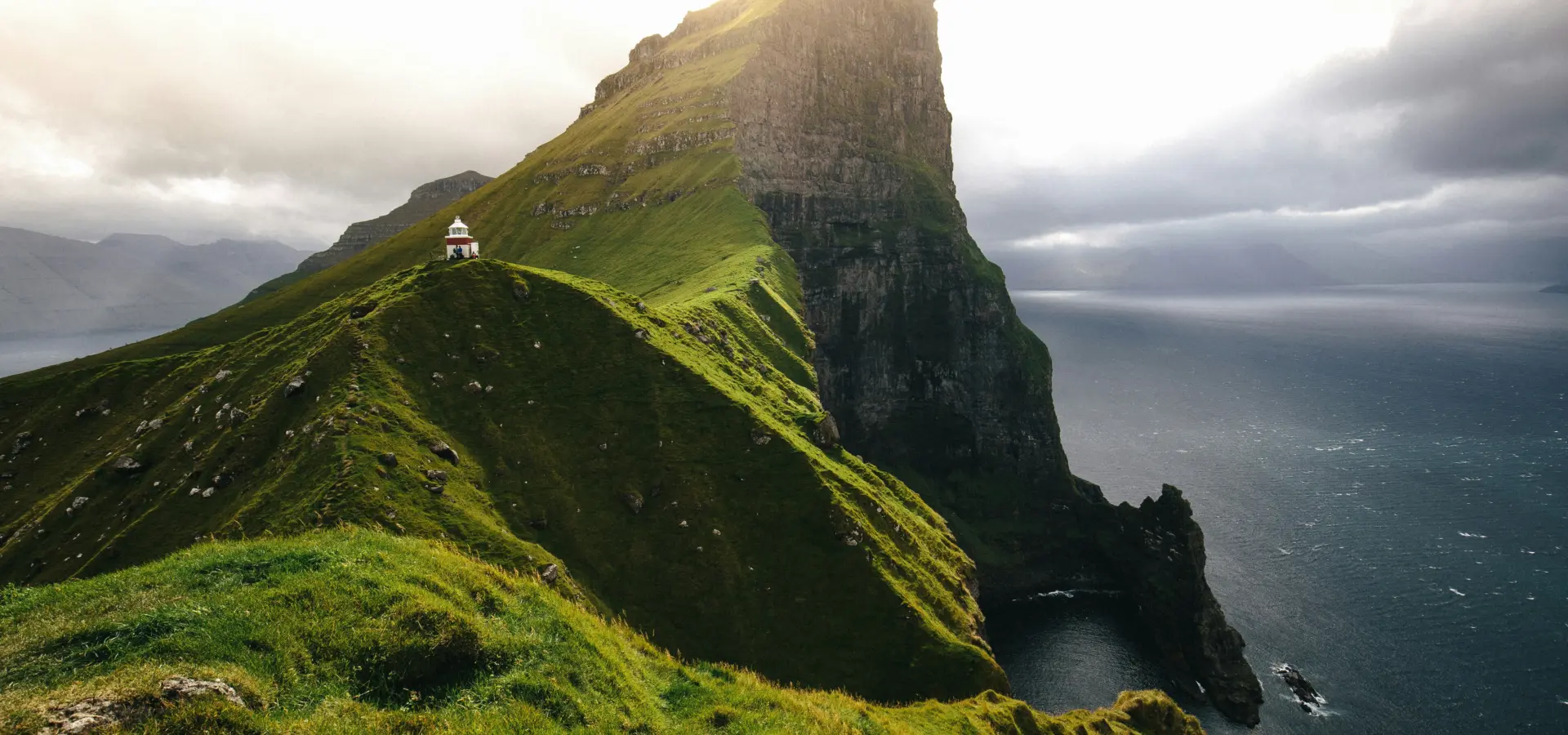
Be sure to take a trip to the Múlafossur waterfall, which plunges spectacularly from a cliff into the ocean, less than an hour’s drive from Tórshavn. This is also where you’ll find Gásadalur and the Gásadalur viewpoint, a breathtaking village nestled in a valley between steep mountains. The picturesque village of Kirkjubøur, to the south of the city, is also a must-see. This small village is one of the oldest settlements on the islands and forms the cultural heart of the Faroe Islands, with centuries-old buildings and a rich history. Be sure to visit the Trælanípan cliff, which creates an optical illusion: it looks as though Lake Sørvágsvatn is floating above the ocean. The traditional villages of Saksun and Gjógv are highly recommended for their authentic charm. The island of Kalsoy is also a must-see on your trip. A short ferry ride and a tunnel will take you to this narrow island, known for its dramatic landscapes. The walk to the iconic Kallur lighthouse is breathtaking, offering panoramic views of the ocean and steep cliffs – a location that even served as a backdrop in the James Bond film *No Time To Die*.
Inclusief:
- Rental car SUV Subaru Forester or similar model
- Overnight accommodation including breakfast
Exclusief:
- International flight
Arrival in Iceland
You’ll arrive in Sedisfjordur in the morning. Welcome to the land of ‘Fire and Ice’. Upon arrival, you’ll collect your hire car and the second part of your adventure begins. You’ll spend the night in Faskrudisfjordus. You’ll drive along picturesque roads and across vast plains through the impressive volcanic landscape. On the way, you’ll pass through Egilstaddir, the largest town in East Iceland. The town has a relaxed atmosphere and is the starting point for many beautiful walks in the surrounding area.
Inclusief:
- Rental car Toyota RAV or similar model
- Overnight accommodation including breakfast
Arrival in Iceland
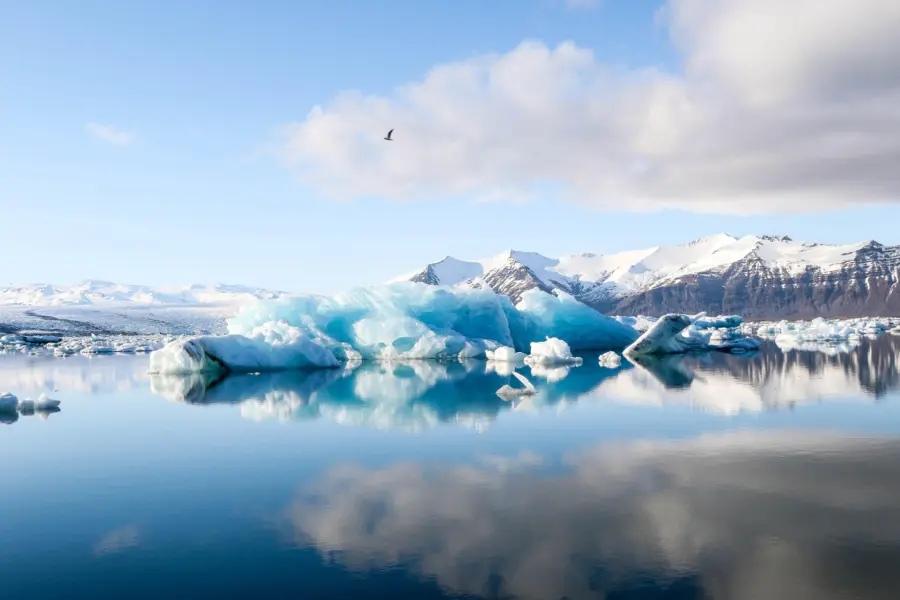
Upon arrival in Iceland, you’ll head south towards one of the country’s most iconic landscapes: the Jökulsárlón glacier lagoon. Your accommodation for the coming night is the stylish and modern Glacier Lagoon Hotel, beautifully situated amongst glaciers, mountains and the rugged coastline. From your room or the restaurant, you’ll enjoy breathtaking views of the lagoon’s serene icy world and the nearby Vatnajökull, Europe’s largest glacier.
At the end of the afternoon, an unforgettable experience awaits you here: a Zodiac tour across the crystal-clear waters of the lagoon. Wrapped in a warm overall, you’ll board a small, manoeuvrable boat that will take you through the floating ice floes. The impressive ice formations – ranging from pure white to deep blue – are constantly shifting, having broken away from the glacier and slowly drifting towards the sea.
Accompanied by an experienced guide, you’ll learn more about the lagoon’s formation, the glacier’s melting process and the fragile beauty of this unique nature reserve. With a bit of luck, you’ll also spot seals resting on the ice floes or swimming curiously around the boat. A magical experience that brings the immense and unspoilt character of Iceland to life.
Inclusief:
- Rental car
- Group excursion: Zodiac tour through Glacier Lagoon
- Overnight accommodation including breakfast
Waterfalls, glaciers and volcanoes
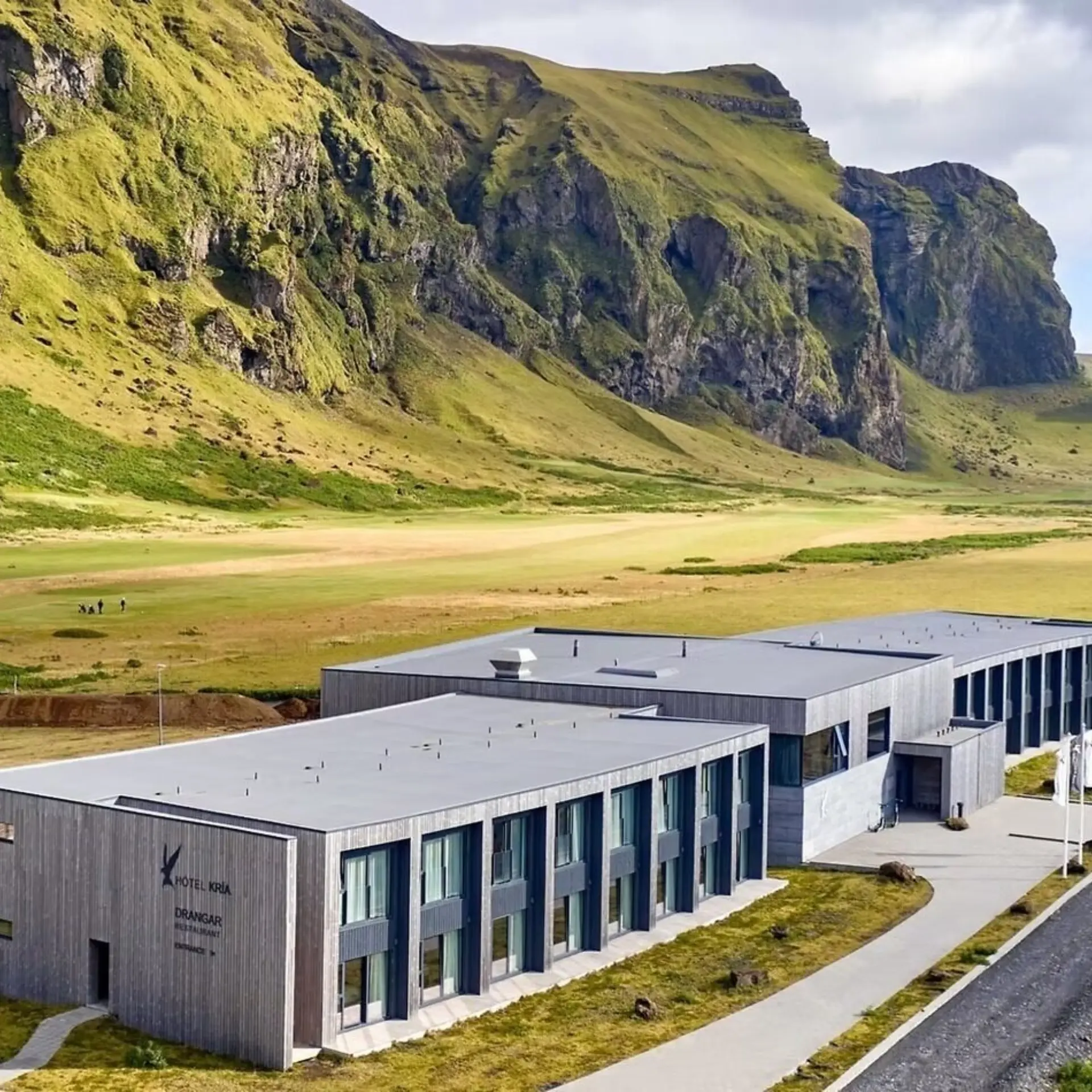
You’ll continue your journey to the charming coastal village of Vík í Mýrdal, beautifully situated between black sand beaches and green mountains on Iceland’s south coast. On the way, a stop at the fairytale-likeFjaðrárgljúfur Gorge is highly recommended. This deep, jagged gorge winds its way through the landscape like a meandering river and offers spectacular viewpoints where nature reveals its wildest side. In Vík, you’ll stay in a charming hotel, perfectly situated for exploring the surrounding area. From here, the famous black sands of Reynisfjara, impressive basalt formations and nearby glaciers are all within easy reach.
The next day, a special adventure is on the programme. You’ll meet your private driver and guide at Brú Basecamp, near the iconic Seljalandsfoss waterfall. Together, you’ll climb into a rugged super jeep for a journey straight through the rugged interior to the magical Þórsmörk National Park. This remote valley, surrounded by glaciers, volcanic peaks and deep gorges, is only accessible via rugged rivers and unpaved tracks. During a stunning hike, you’ll explore the heart of this unique nature reserve, followed by a well-deserved picnic lunch in one of South Iceland’s most idyllic spots.
On the way back, you’ll enjoy the Seljalandsfoss and Skógafoss waterfalls in peace and quiet, once most of the tourists have gone.
Tips from a Travel Specialist
Make sure you bring warm outdoor clothing, a hat, gloves, good walking shoes, snacks and plenty of water.
Inclusief:
- Rental car
- Private excursion Þórsmörk National Park including English-speaking guide and picnic lunch
- Overnight accommodation including breakfast
Geothermal Bláskógabyggð
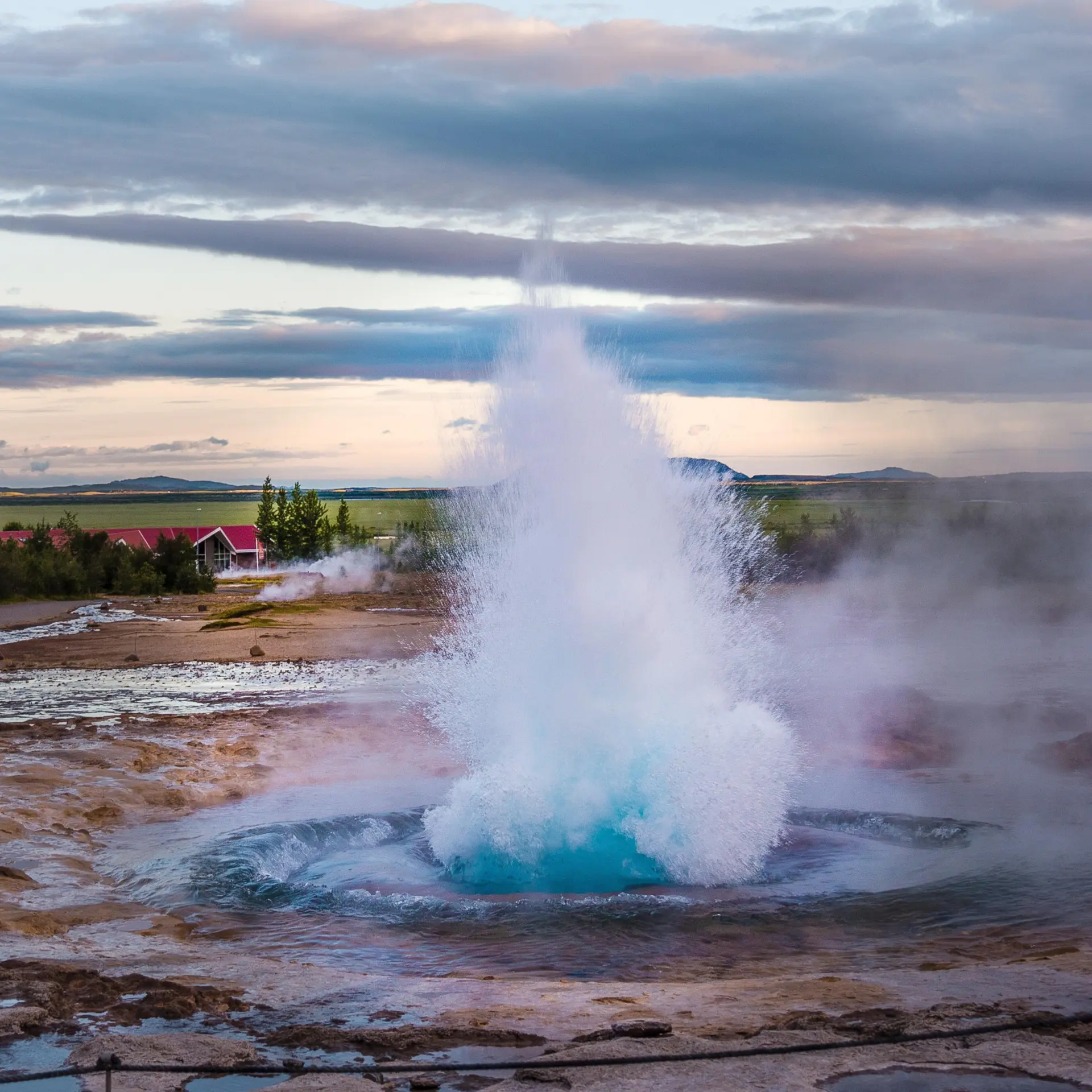
Today, the journey continues northwards to the picturesque municipality of Bláskógabyggð. This area forms the heart of the world-famous Golden Circle, one of the country’s most iconic and impressive routes.
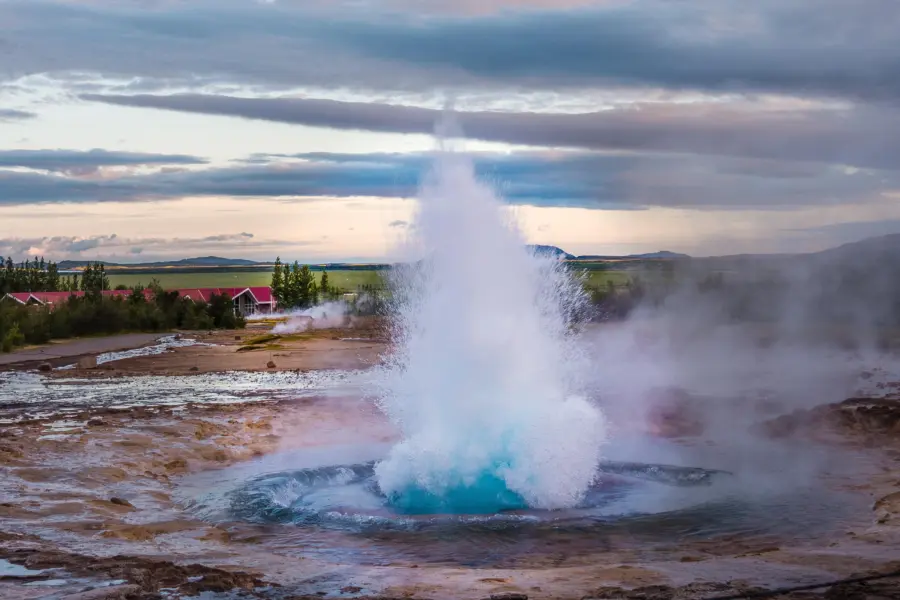
Your accommodation for the night is the stylish Hotel Geysir, beautifully situated on the edge of the geothermally active Haukadalur valley. This valley is a hotspot of bubbling mud pools, steaming vents and impressive geysers. The best known of these is Strokkur, which at regular intervals shoots a powerful jet of water up to 30 metres into the air – a fascinating spectacle that repeats itself every few minutes.
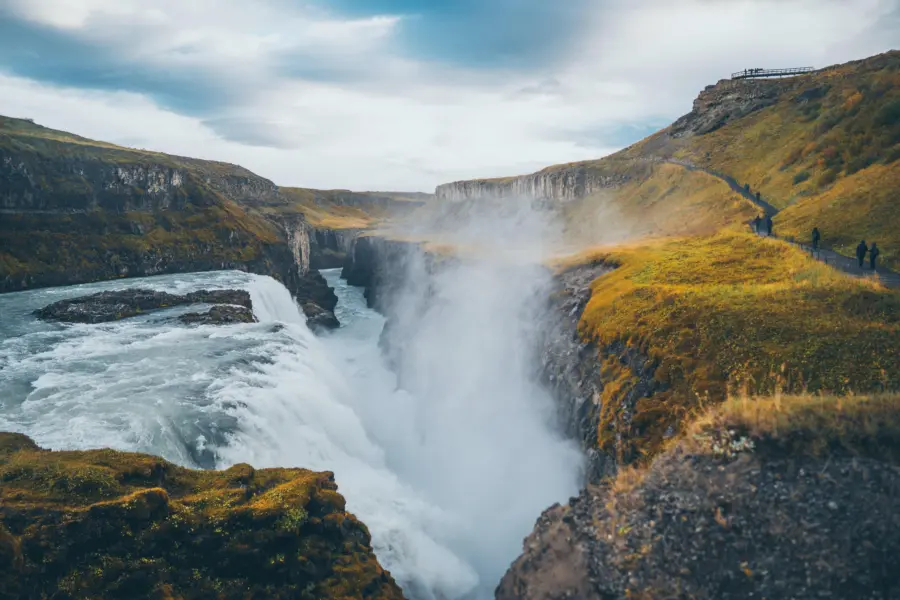
Just a ten-minute drive from the hotel lies the mighty Gullfoss waterfall, one of Iceland’s most beloved natural wonders. Here, the waters of the Hvítá River plunge in two stages into a deep gorge, surrounded by basalt formations and mist that, in sunny weather, is often crowned by rainbows.
Inclusief:
- Rental car
- Overnight accommodation including breakfast
Thingvellir National Park
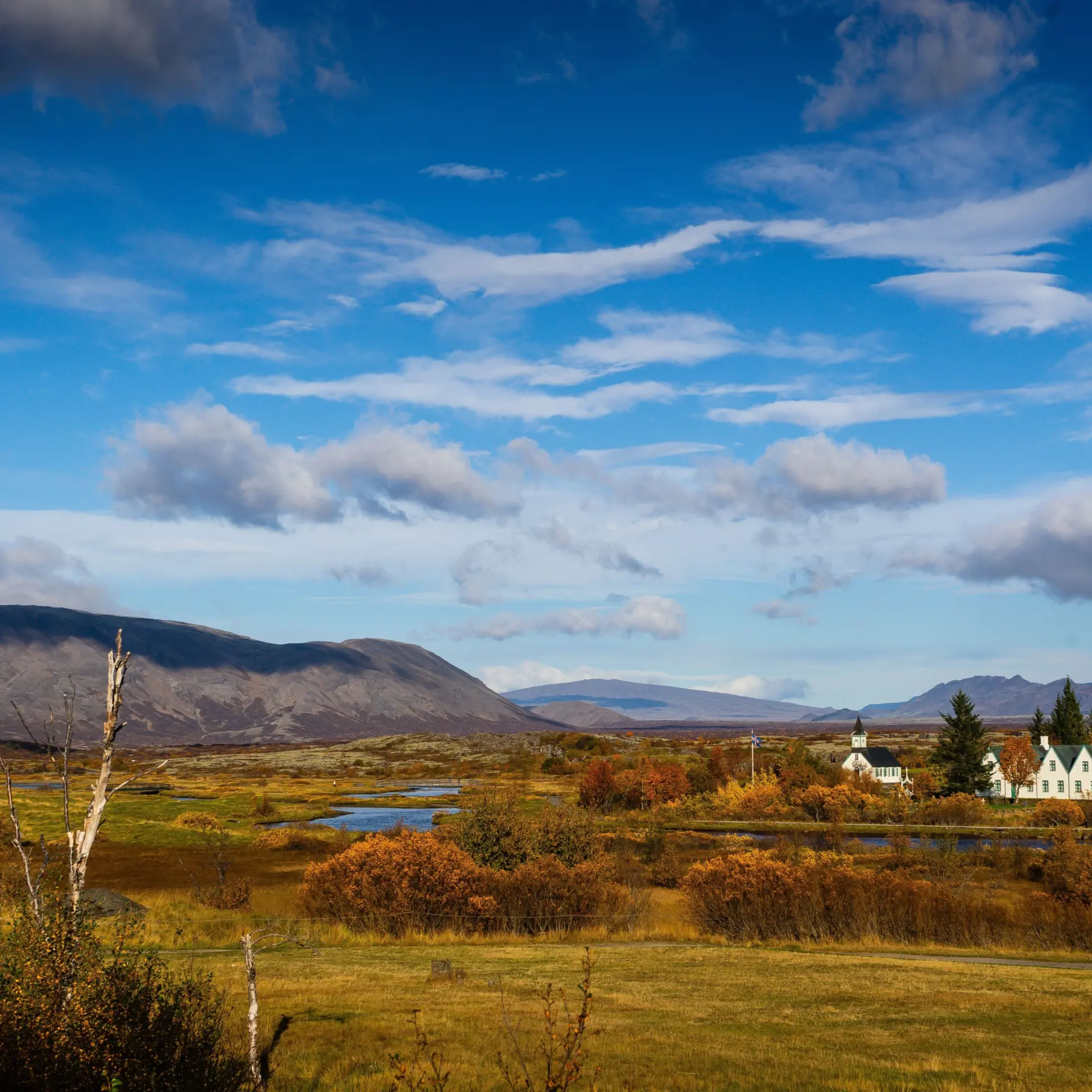
After a night at Geysir, it’s time to travel on to a place of unparalleled historical and natural significance: Þingvellir National Park. This UNESCO World Heritage Site is not only a geological wonder, situated on the boundary between two tectonic plates, but also the place where Iceland’s first parliament was established over a thousand years ago.
The park is a paradise for walkers and nature lovers. Vast lava fields, clear lakes, gorge walls and waterfalls form the backdrop to a network of well-marked walking trails. Whether you opt for a short walk to the impressive Almannagjá Gorge, a trek along the crystal-clear Lake Silfra, or a longer route that takes you deeper into the park, every step offers new vistas and an intense experience of Iceland’s rugged beauty.
Inclusief:
- Rental car
- Overnight accommodation including breakfast
Lava caves and whale safari
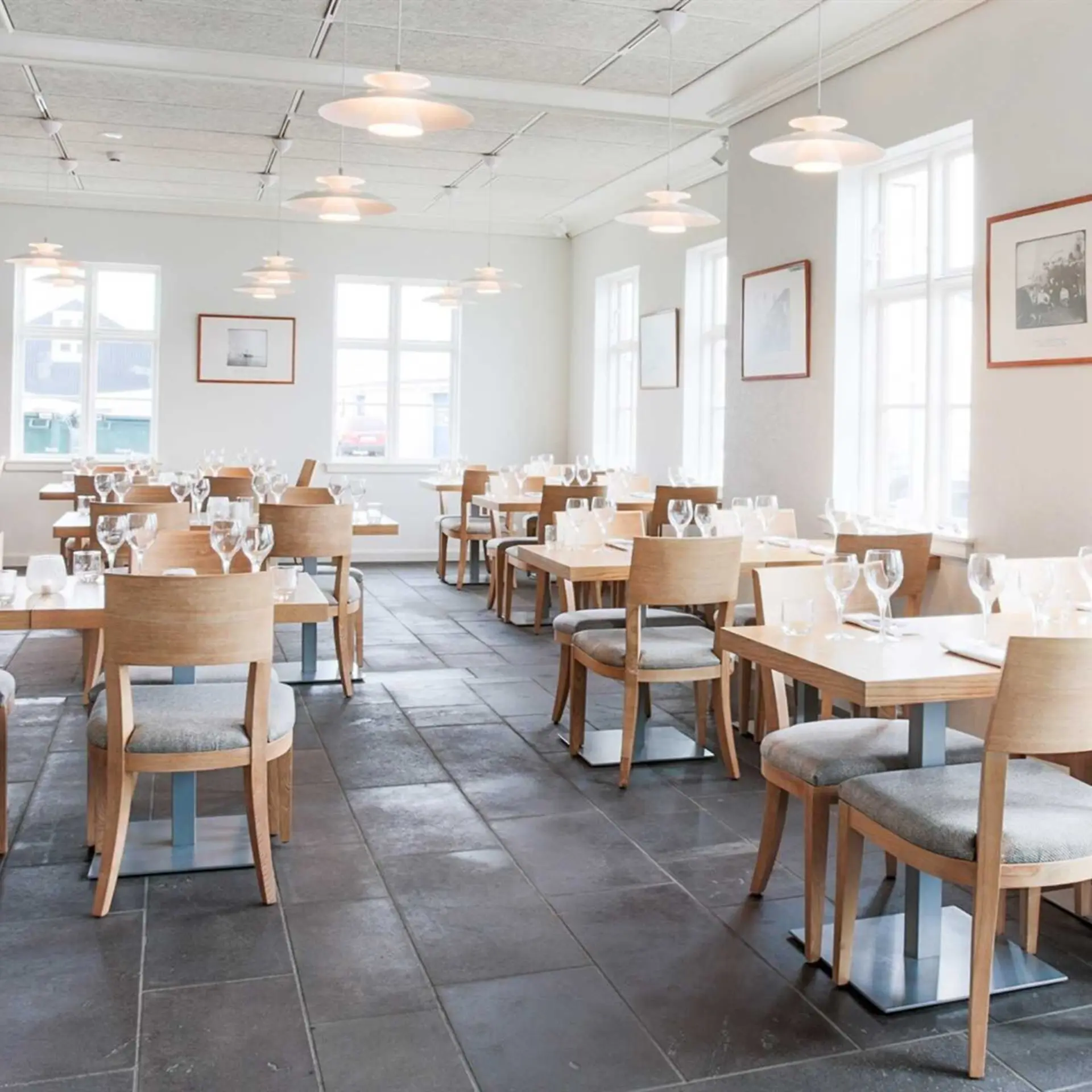
You’ll continue your journey to the peaceful coastal village of Hellnar, situated on the southern tip of the spectacular Snæfellsnes Peninsula. This region is often referred to as ‘Iceland in miniature’ due to its enormous variety of landscapes: from glaciers and volcanoes to black sand beaches, lava fields and steep cliffs.
The following day, an underground adventure awaits you. You’ll visit the impressive Víðgelmir lava cave, one of Iceland’s largest and deepest caves. On a guided tour, you’ll descend into this mysterious world of frozen lava flows, jagged rock formations and extraordinary colours, shaped by centuries of volcanic activity. After this excursion, you’ll still have time to further explore the lesser-known but surprisingly beautiful Silver Circle. Think hot springs, deserted valleys and historic sites – a perfect complement to the famous Golden Circle, but without the crowds.
On your final day in this region, you’ll experience another absolute highlight: a small-group whale-watching trip from the fishing village of Ólafsvík. Depending on the time of year, there’s a good chance you’ll spot sperm whales, humpback whales and even orcas here. The small-scale nature of the tour ensures an intimate experience on the open sea, with the impressive mountains of Snæfellsnes in the background.
Inclusief:
- Rental car
- Group excursion: Vogelmir Lava cave tour including English-speaking guide
- Group excursion: Whale safari including English-speaking guide
- Overnight stays including breakfast
Relaxation in Reykjavik
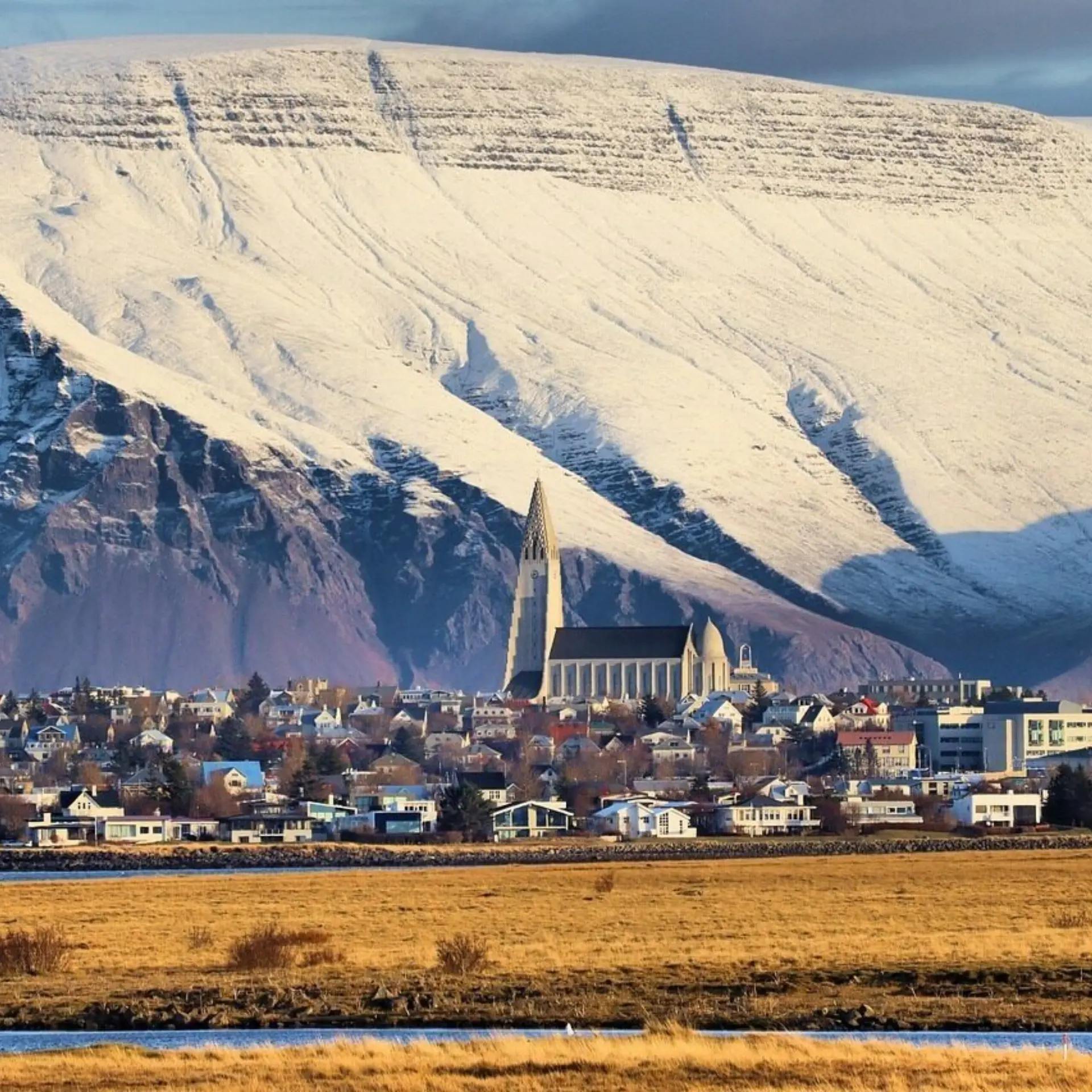
You’ll begin the final leg of your journey and travel on to the Icelandic capital, Reykjavík, where you’ll be staying for the next few nights. This vibrant city combines charming, colourful houses with modern architecture and a surprising array of cultural attractions. In the historic centre, you’ll find, amongst other things, the National Art Museum, cosy cafés and the quirky Icelandic Phallological Museum. Around the serene Lake Tjörnin, in the heart of the city, you can enjoy a lovely walk, go birdwatching and soak up the relaxed atmosphere.
On the way to Reykjavík, you’ll make a special stop at the soothing Hvammsvík Hot Springs. These eight natural pools are situated right by the sea, surrounded by rugged mountains and black sand beaches. Here you can completely unwind, far away from the hustle and bustle. As the warm water and fresh sea air envelop you, you’ll enjoy a truly Icelandic wellness experience in the heart of nature.
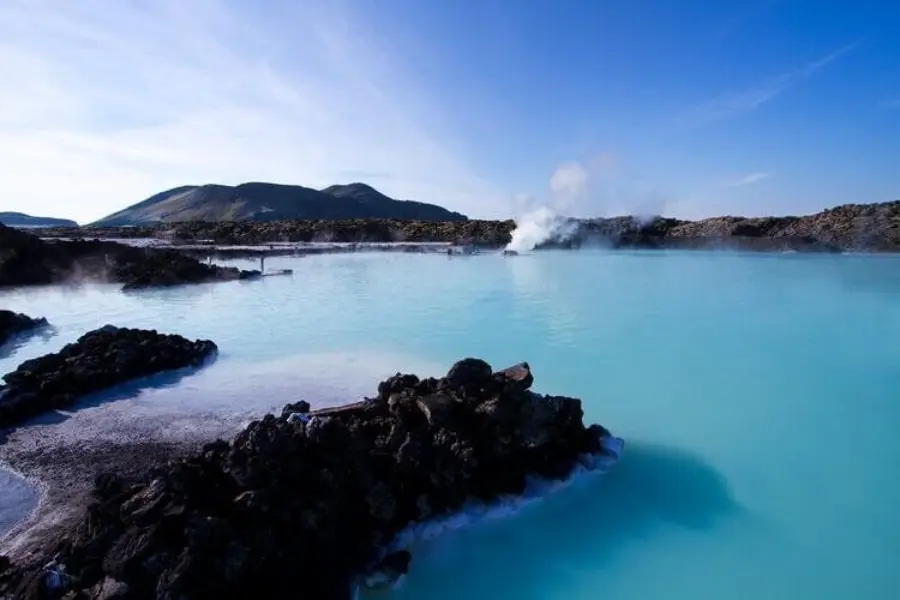
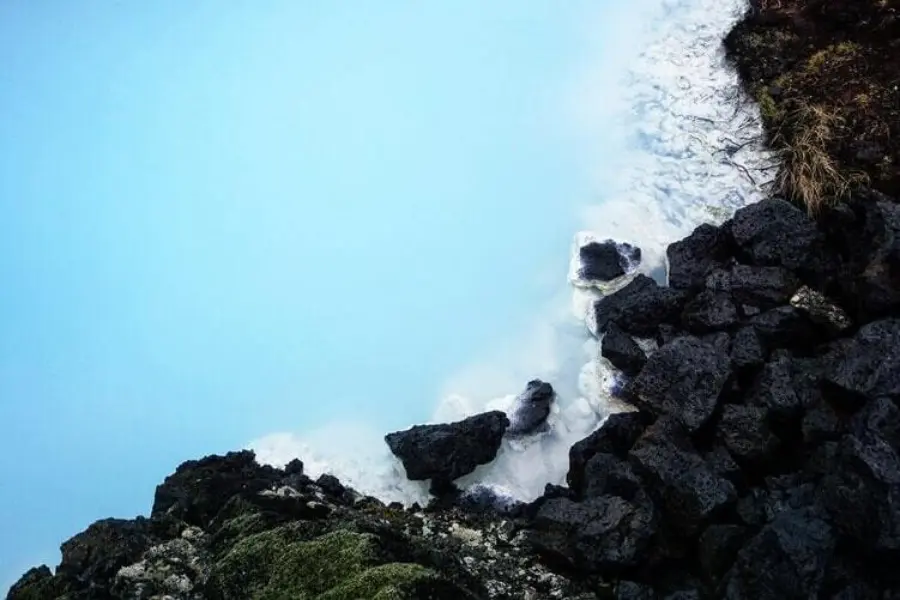
Upon arrival in Reykjavík, round off the day in style with one last treat: an evening visit to the famous Blue Lagoon. As the steam rises from the azure-blue water and the sun sets behind the lava fields, you’ll relax and reflect on a journey full of unforgettable experiences.
Optionally, you can discover Iceland from the air on an unforgettable helicopter flight, flying over one of Iceland’s most active and colourful volcanic regions. During the tour, you’ll land at a remote spot for an unrivalled experience. You’ll fly over highlights including the Hellisheiði Plateau, the Hengill Geothermal Area, Nesjavallavirkjun and Reykjavik.
Inclusief:
- Rental car
- Entrance fees Hvammsvik Seabaths
- Entrance fees to the Blue Lagoon
- Overnight accommodation including breakfast
Exclusief:
- Helicopter Geothermal Tour, bookable at €350 per person
Bike tour along the coast
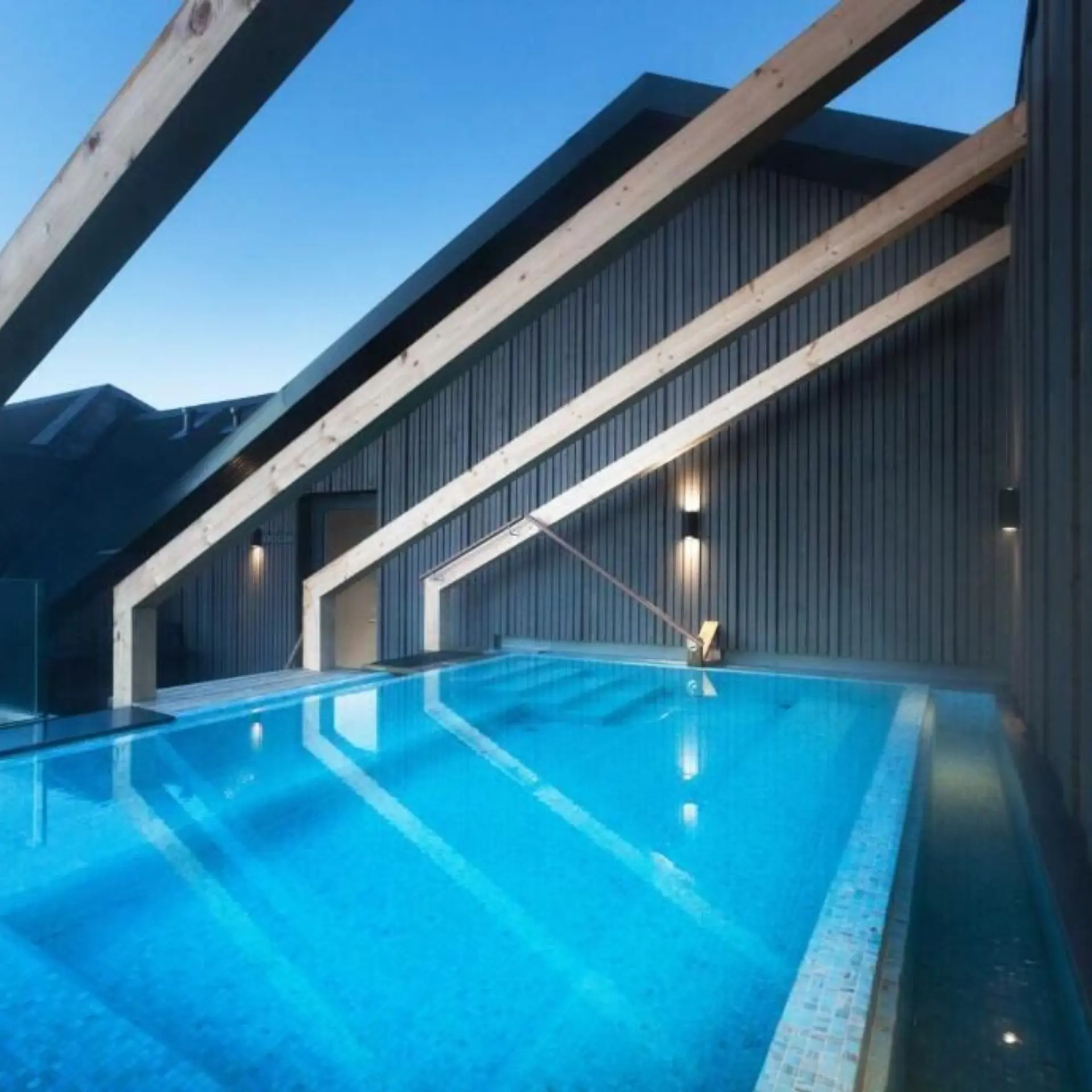
Your final morning in Reykjavík has arrived, but you won’t be leaving without one more special experience. In the morning, you’ll hop on a bike for a private cycling tour along the city’s rugged and varied coastline. Accompanied by a local guide, you’ll cycle at a leisurely pace past special spots such as the warm sands of Nauthólsvík Geothermal Beach, the tidal island of Grótta and its lighthouse at the city’s westernmost point. Along the way, you’ll enjoy sweeping views of the bay, the fresh sea air and the contrast between the city and nature.
At the end of the day, you’ll travel to your final overnight stop: the small coastal town of Keflavík, just a ten-minute drive from the international airport. Here, you’ll bring your journey to a peaceful close.
Inclusief:
- Rental car
- Private excursion: E-bike tour "Coast of Reykjavik''
- Accommodation based on lodging
Accommodations
Hotel Brandan
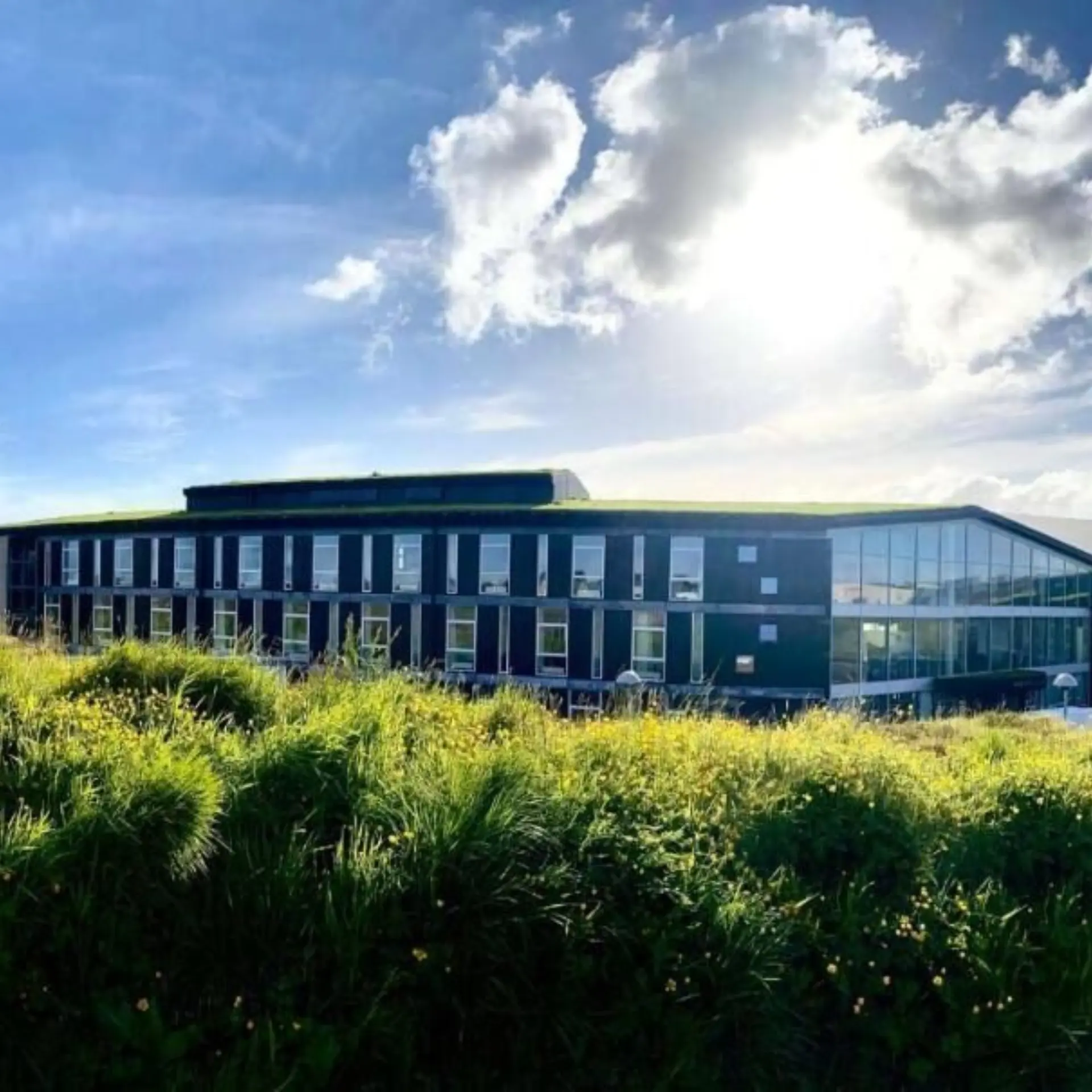
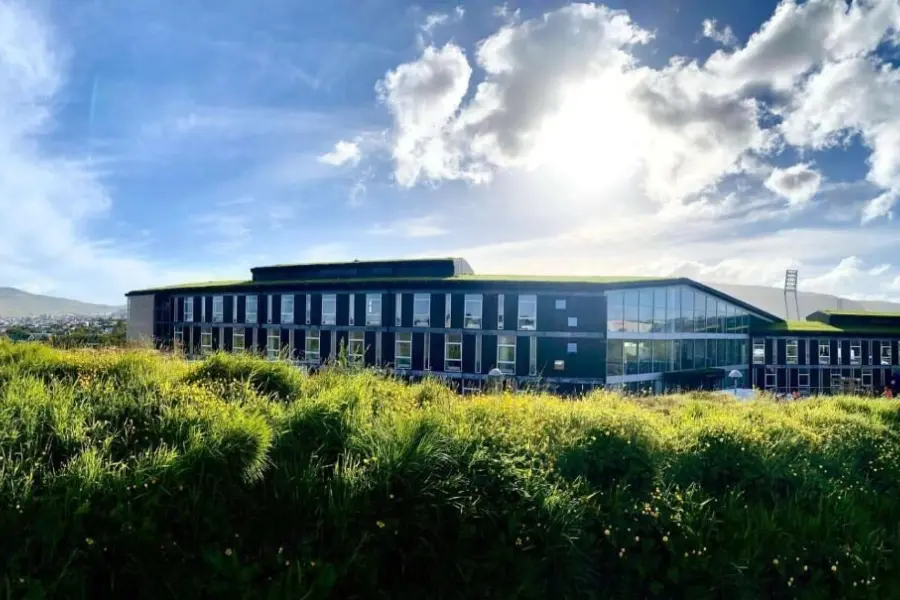
Hotel Brandan is a 4-star hotel with Green Key certification. The hotel is perfectly located in the capital Tórshavn, just a few minutes from the city centre, shopping centre, football stadium and sports centre. The hotel has a total of 124 rooms, all lovingly decorated and equipped with modern...
Hotel Brandan is a 4-star hotel with Green Key certification. The hotel is perfectly located in the capital Tórshavn, just a few minutes from the city centre, shopping centre, football stadium and sports centre. The hotel has a total of 124 rooms, all lovingly decorated and equipped with modern amenities. Hotel facilities include 4 meeting rooms, a sauna, a fitness centre and hot tubs.
Your stay: 5 nights
Fosshotel Eastfjords
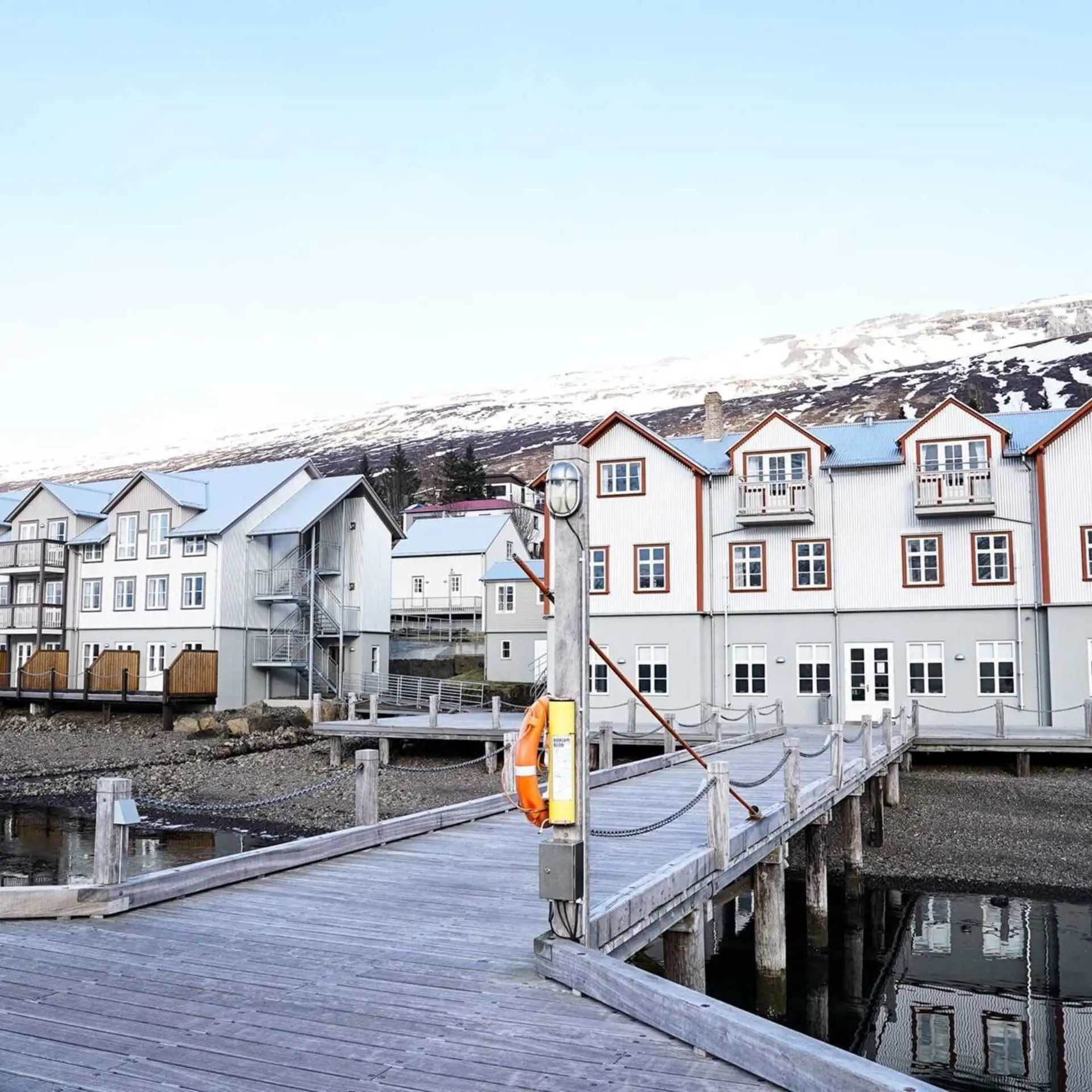
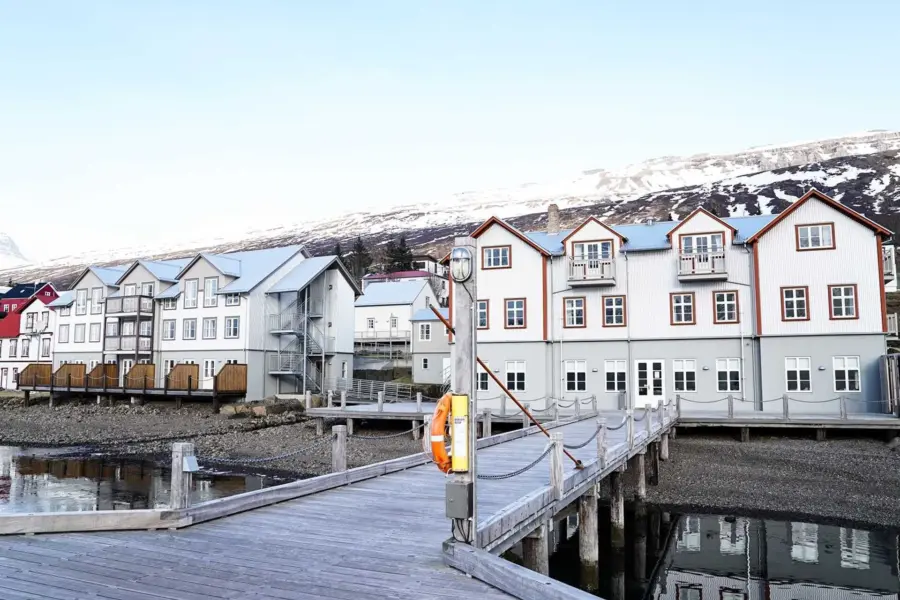
Located on the east coast of Iceland, Fosshotel Eastfjords is a great option for an oceanfront holiday. Accommodation options include a range of room types with city or ocean views and are equipped with Wi-Fi and TVs. The hotel features a restaurant serving French, local and international...
Located on the east coast of Iceland, Fosshotel Eastfjords is a great option for an oceanfront holiday. Accommodation options include a range of room types with city or ocean views and are equipped with Wi-Fi and TVs. The hotel features a restaurant serving French, local and international dishes.
Your stay: 1 night
Fosshotel Glacier Lagoon
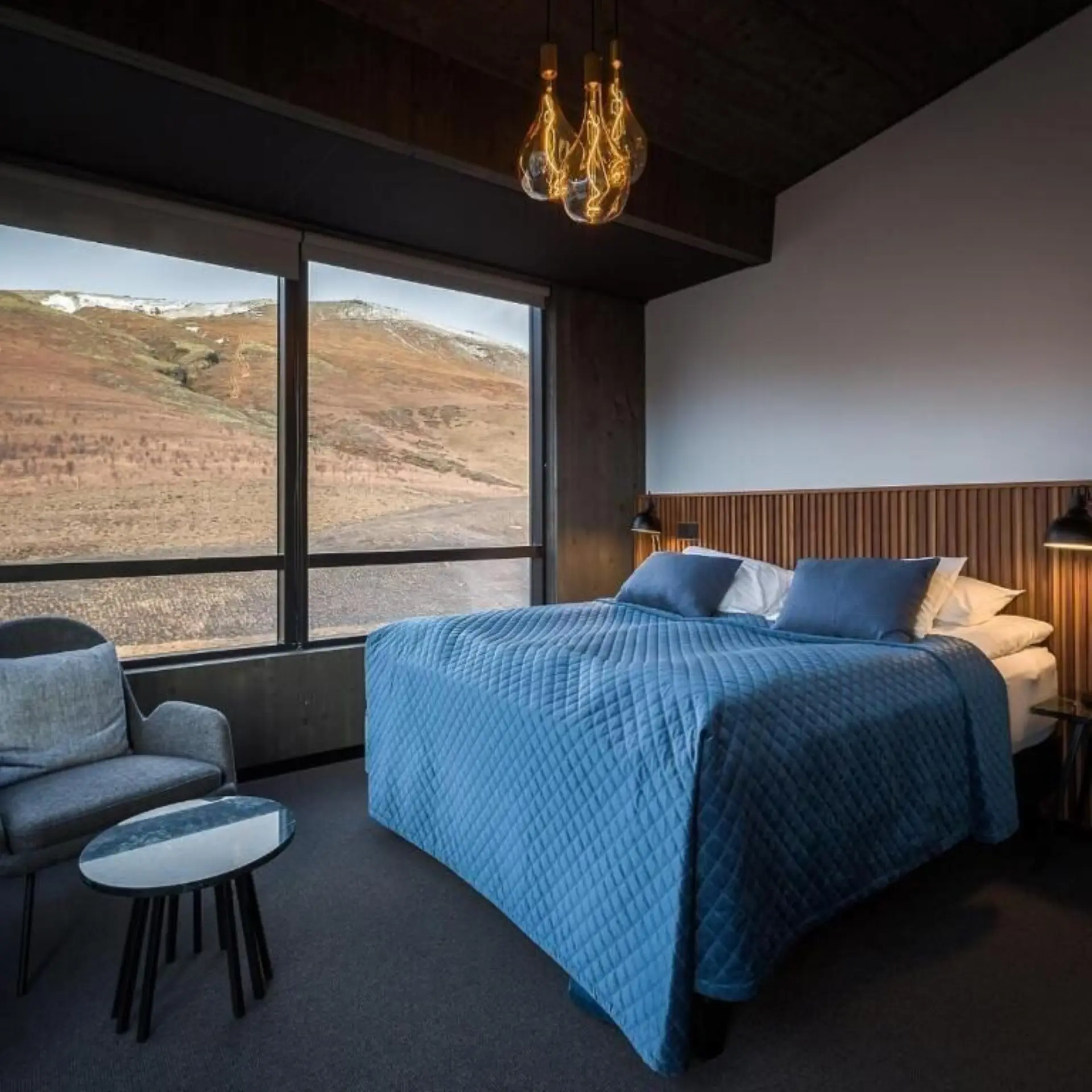
Fosshotel Glacier Lagoon is a new 4-star hotel in Hnappavellir; a popular climbing area. The location is perfect for nature lovers with two of Iceland's most spectacular natural attractions nearby: Skaftafell nature park and the Jökulsárlón glacier lagoon. Real hiking destinations.
The...
Fosshotel Glacier Lagoon is a new 4-star hotel in Hnappavellir; a popular climbing area. The location is perfect for nature lovers with two of Iceland's most spectacular natural attractions nearby: Skaftafell nature park and the Jökulsárlón glacier lagoon. Real hiking destinations.
The hotel has a modern look and features 104 rooms equipped with all the necessary facilities to make the stay comfortable. The restaurant seats 150 guests and serves delicious local dishes.
Your stay: 1 night
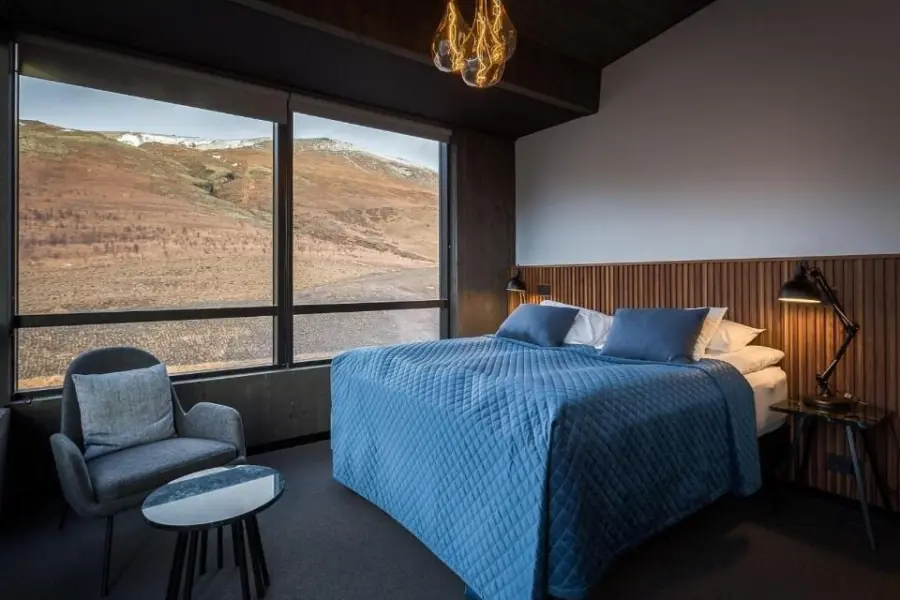
Hótel Kría
Hótel Kría is located in the charming village of Vík in the Myrdalur Valley on the south coast of Iceland. The hotel has several rooms and a suite, each equipped with an LCD TV, harddryer, telephone and bathroom. There is also a restaurant and a cocktail bar.
Your stay: 2 nights

Hotel Geysir
Hotel Geysir is a stone's throw from the Geysir and Strokkur geothermal area in the historic Haukadalur Valley. The hotel's rooms and suites are bright and all have views of the beautiful landscape. The rooms also feature free Wi-Fi, a flat-screen TV, tea and coffee making facilities,...
Hotel Geysir is a stone's throw from the Geysir and Strokkur geothermal area in the historic Haukadalur Valley. The hotel's rooms and suites are bright and all have views of the beautiful landscape. Rooms also feature free Wi-Fi, a flat-screen TV, tea and coffee making facilities, a private bathroom, free toiletries and a daily maid service. There are large windows throughout the hotel, allowing guests to admire the landscape, including the beautiful Geysir and hot spring area, while walking through it. The dining rooms are located on the first and second floors and open onto the hotel's garden. The rooftop terrace has an incredible 360-degree panorama of the surroundings and an herb garden.
Your stay: 1 night
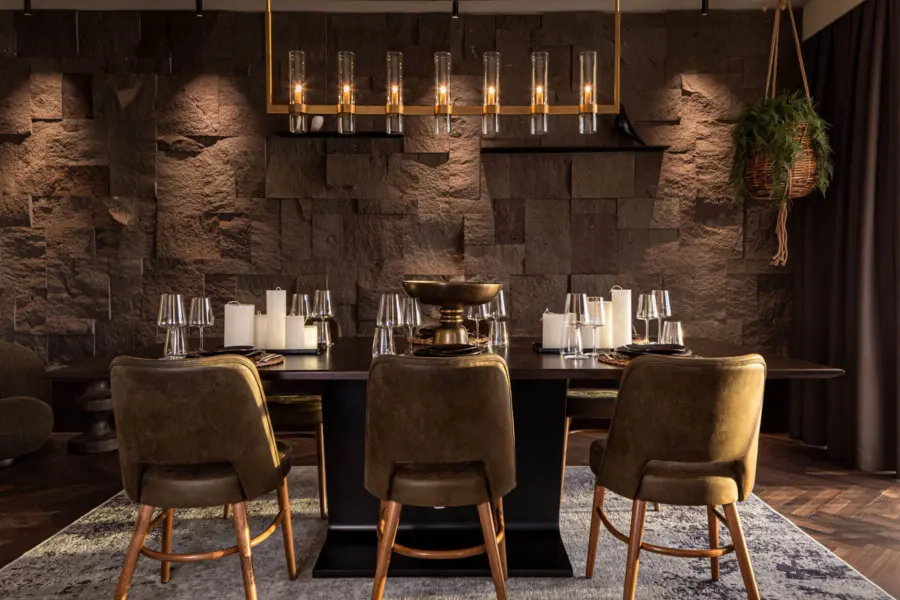
Fosshotel Reykholt
Located in Reykholt, Borgarfjorour, Fosshotel Reykholt is a romantic country hotel. The accommodation consists of spacious rooms and suites, each equipped with private bathrooms, TVs, hairdryers, telephones, coffee makers and Wi-Fi. Guests can enjoy Icelandic dishes at the on-site restaurant and can enjoy...
Located in Reykholt, Borgarfjorour, Fosshotel Reykholt is a romantic country hotel. The accommodation consists of spacious rooms and suites, each equipped with private bathrooms, TVs, hairdryers, telephones, coffee makers and Wi-Fi. Guests can enjoy Icelandic cuisine at the on-site restaurant, as well as spend the day hiking to the lava fields, waterfalls, caves and mountains.
Your stay: 1 night
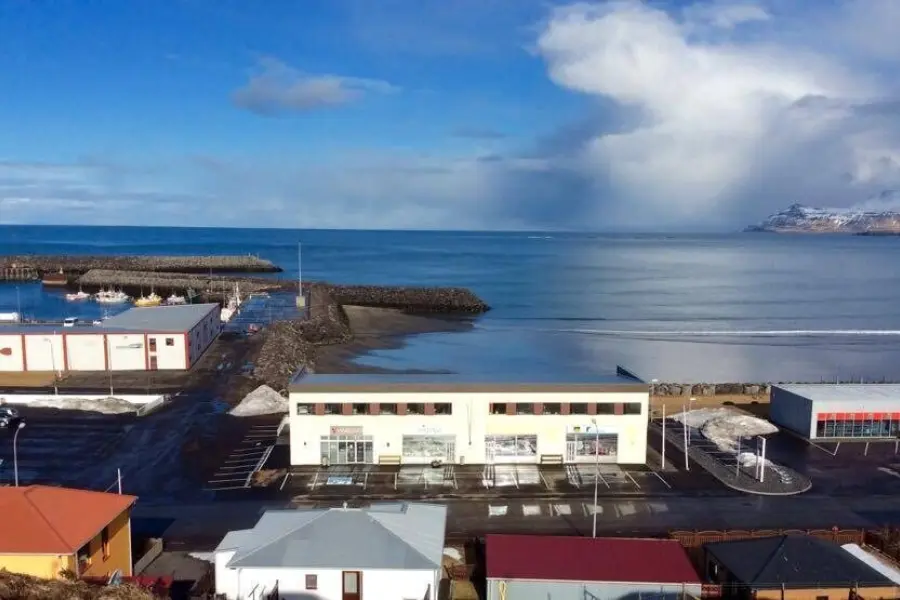
Gistiheimilið Við Hafið Ólafsvík
Overlooking the ocean, Gistiheimilið Við Hafið Ólafsvík offers accommodation located in Ólafsvík, Iceland. The establishment features 10 sound-proofed rooms with amenities such as heating, toiletries, shared or private bathrooms, and kitchen and laundry facilities. Guests can prepare their own meals and restaurants are...
Overlooking the ocean, Gistiheimilið Við Hafið Ólafsvík offers accommodation located in Ólafsvík, Iceland. The establishment features 10 sound-proofed rooms with amenities such as heating, toiletries, shared or private bathrooms, and kitchen and laundry facilities. Guests can prepare their own meals and restaurants are available nearby. Guesthouse amenities include car rental, concierge service, a fitness centre, free Wi-Fi, free parking, an indoor swimming pool and shops. Activities in the area include golfing, horseriding, fishing and hiking.
Your stay: 1 night
Fosshotel Hellnar
Fosshotel Hellnar is located in the countryside of Hellnar. The hotel's rooms are equipped with Wi-Fi, a TV and a private bathroom. The hotel features its own restaurant and a library lounge. Guests can spend a day exploring the area's attractions, such as the...
Fosshotel Hellnar is located in the countryside of Hellnar. The hotel's rooms are equipped with Wi-Fi, a TV and a private bathroom. The hotel features its own restaurant and a library lounge. Guests can spend a day exploring the area's attractions, including the Snaefellsjokull Glacier and Snaefellsjokull National Park.
Your stay: 2 nights

Hotel Reykjavík Saga
Hotel Reykjavík Saga is located in the heart of downtown Reykjavik, just steps away from picturesque Lake Tjörnin, the cathedral, art museum, shops and restaurants. The hotel offers air-conditioned rooms and suites equipped with smart TVs, tea and coffee making facilities,...
Hotel Reykjavík Saga is located in the heart of downtown Reykjavik, just steps away from picturesque Lake Tjörnin, the cathedral, art museum, shops and restaurants. The hotel offers air-conditioned rooms and suites equipped with smart TVs, tea and coffee making facilities, blackout curtains and Wi-Fi. Guests can enjoy additional hotel facilities and services, including a bar, restaurant, breakfast, gym and sauna, daily housekeeping and luggage storage.
Your stay: 2 nights
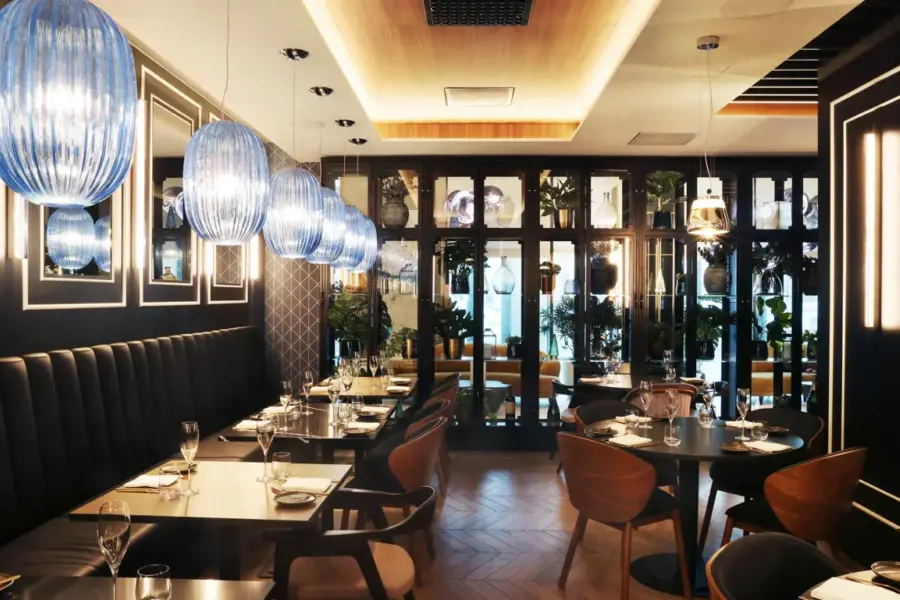
Hotel Berg
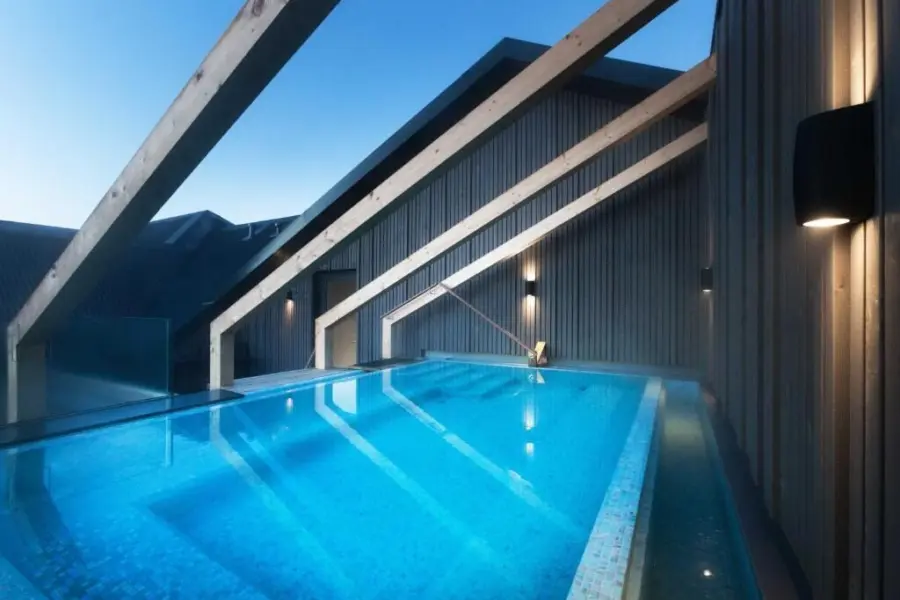
Hotel Berg is a four-star boutique hotel located above a small marina in Keflavík, Iceland. The hotel features 36 charming rooms equipped with free Wi-Fi, flat-screen TVs, refrigerators, desks and bathrobes. Guests can enjoy a delicious breakfast on site and there are...
Hotel Berg is a four-star boutique hotel located above a small marina in Keflavík, Iceland. The hotel features 36 charming rooms equipped with free Wi-Fi, flat-screen TVs, refrigerators, desks and bathrobes. Guests can enjoy a delicious breakfast on site, and nearby restaurants are available for lunch and dinner. Other hotel facilities include a spacious lounge with a fireplace and bar, a rooftop pool and free coffee and tea. Local activities include hiking, golfing, whale watching and visiting museums.
Your stay: 1 night
Destinations
Golden Circle Iceland
The Golden Circle is a popular 300-kilometre route in south-western Iceland which takes you from the capital, Reykjavik, past several of the country’s highlights, such as Thingvellir National Park, Gullfoss waterfall and the Geysir geothermal field.
The first stop is Thingvellir National Park, which is about an hour’s drive from Reykjavik. The park is renowned for its remarkable geology; it lies directly above the rift line between the Eurasian and North American tectonic plates, which is clearly visible in the landscape. The Sifra Gorge offers visitors the chance to dive or snorkel in crystal-clear glacial water right between the two continents.
The Geysir geothermal field near Haukadalur consists mainly of bubbling hot springs, fumaroles and two geysers, one of which is extremely active, spouting steaming water up to 40 metres high every 5 to 10 minutes.
Gullfoss waterfall is a place of exceptional beauty, where you’ll be amazed by the power and volume of the water as it plunges 36 metres to the ground.
Thingvellir National Park
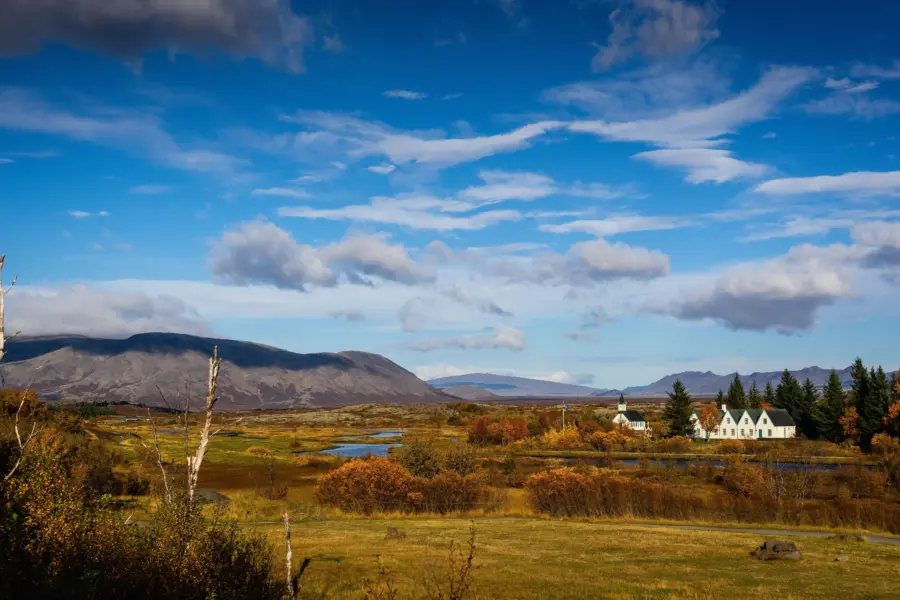
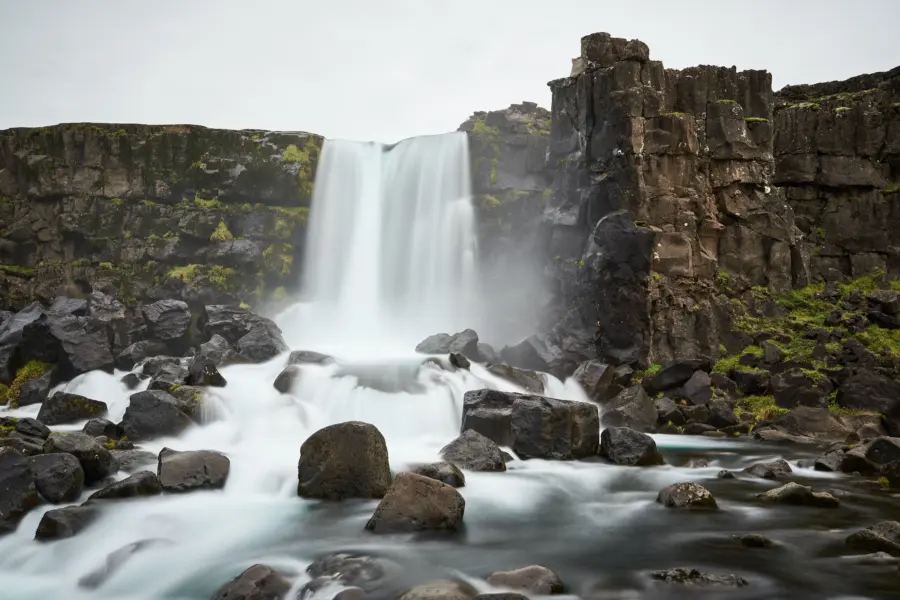
Thingvellir (Þingvellir) is a vast lava field on the shores of Iceland's largest natural lake - Pingvallavatn. It lies directly on the Mid-Atlantic Ridge, where the Eurasian and North American tectonic plates are slowly sliding away from each other. It is classified as a Unesco World Heritage Site. The area around Pingvellir is of great geological value as its unique mineral-rich landscape is combined with an abundance of diverse animal and plant species.
Iceland
No matter how much you hear about the awe-inspiring natural phenomena on this island at the edge of the Arctic Circle, nothing can prepare you for the breathtaking spectacle of Iceland. Also known as 'the land of fire and ice', this small island state is characterised by contrasts and contradictions. It is a place where steaming geysers emerge from icy glaciers, where molten hot lava sprays from icy, snow-capped peaks, where the astonishing aurora borealis shines across the night sky, and where perpetually dark winters are offset by summer's beautiful midnight sun. With the exception of Reykjavik, the country's population centres are small, with small towns, fishing villages, farms and small hamlets along the coastal fringes. The centre of the country, meanwhile, remains totally uninhabited. What Icelanders lack in numbers, they certainly make up for in warmth, individuality and boundless creativity. Add to that one of the highest standards of living on earth and you simply have one of the world's most intriguing destinations.
South Iceland
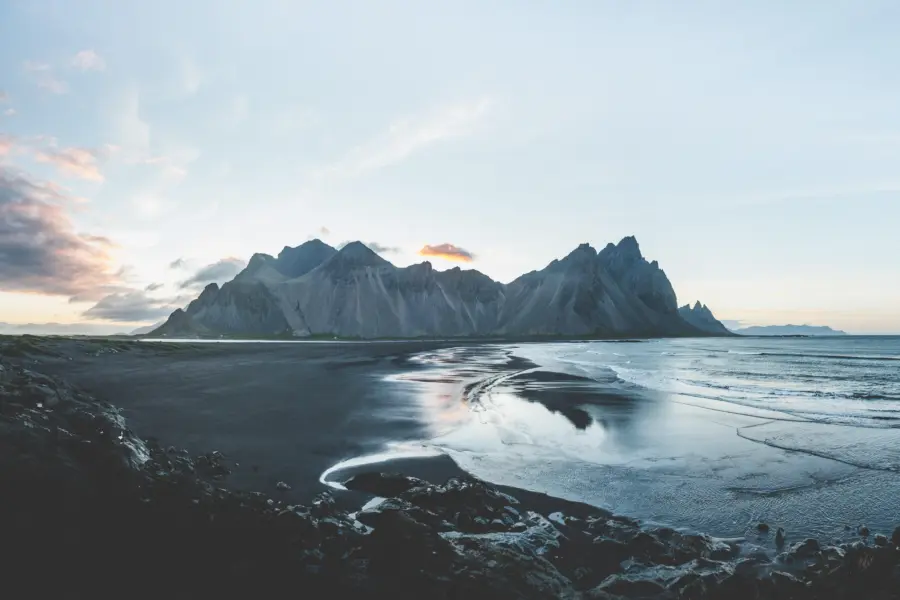
South Iceland is a beautifully scenic region of 'The Land of Fire and Ice'. This volcanic paradise has breathtaking landscapes, a rich cultural heritage and picturesque Icelandic villages. Southern Iceland is home to the country's most popular natural attractions, including numerous volcanoes, hot springs, geysers, waterfalls and glaciers. Explore Europe's largest glacier in Vatnajokull National Park, take a boat trip past floating icebergs in the Jokulsarlon glacial lagoon and catch a glimpse of the magical northern lights. Visitors can also look forward to exploring other spectacular locations, including: Thingvellir National Park, a UNESCO World Heritage Site and a highlight of the popular 'Golden Circle' route; the Great Geysir, one of Iceland's main attractions; and Gullfoss, a powerful two-tiered waterfall.
Bláskógabyggð
Blaskogabyggo, located in western Iceland, is a popular destination on the famous Golden Circle route. The area is known for its incredible landscapes of fire and ice. Visitors can look forward to visiting Laugaras and Laugarvatn, the two main settlements of the area. However, visitors flock to this remote region to enjoy its spectacular landscapes. It is every photographer's dream with steaming geysers, azure waterfalls and crystal-clear rivers. Some highlights include: Bruarfoss waterfall, a remote destination with a series of small, creeping waterfalls with a bright blue colour; and Stokkur, Iceland's most visited active geyser and one of the three main attractions on the world-famous Golden Circle sightseeing route. Other popular activities include golfing, hiking and viewing Faxi or Vatnsleysufoss, the waterfall on the nearby Tungufljot River.
Reykjavik
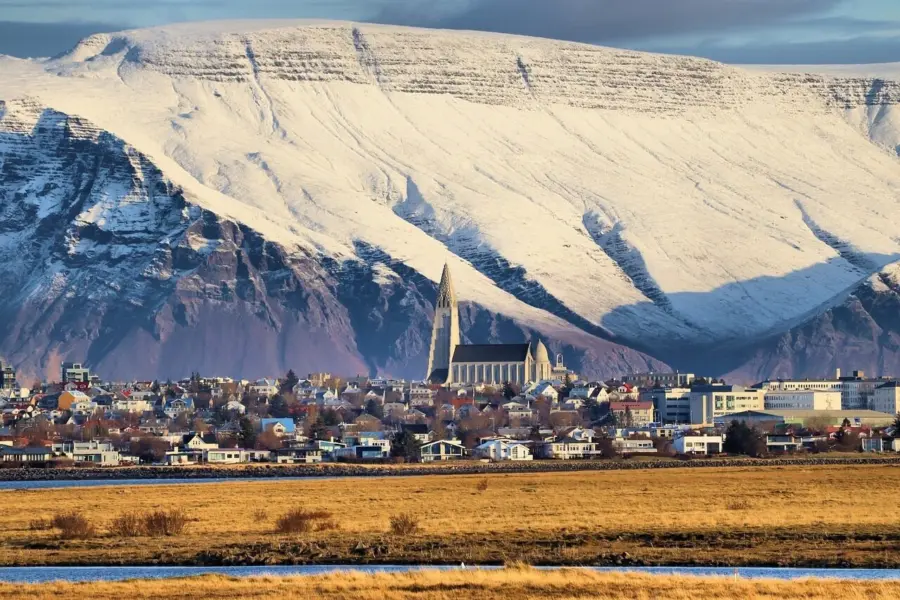
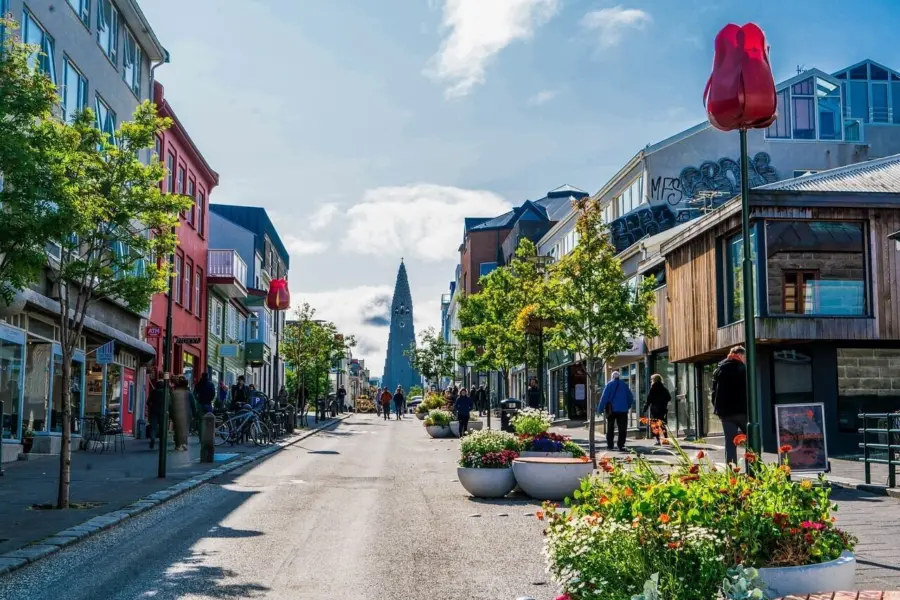
Situated on a bay presided over by the mighty Mount Esja, Iceland's sprawling capital stands in stark contrast to the quiet fishing villages and small hamlets that can be found in this remarkable island state. It is extremely progressive, yet proudly traditional; extremely remote, yet surprisingly cosmopolitan; inseparable from the natural landscape, but with modern technology. The small town centre is characterised by an eclectic mix of brightly coloured houses, elegant shops, stylish bars and sophisticated museums. A host of restaurants serve a delicious array of culinary delights, as well as an array of exotic delicacies such as sour ram testicles and rotten shark meat! Whether you plan to spend your holiday gallery-hopping while repeatedly listening to Bjork, diving between tectonic plates or relaxing in the numerous geothermal baths, Reykjavik is the ultimate destination for pleasure seekers and adventure junkies alike.
Reykjanes Peninsula
The Reykjanes (or Southern) Peninsula is located in the southwest corner of Iceland. The Keflavík International Airport is located in this region, making almost all visitors to Iceland familiar with this area. The Reykjanes Peninsula boasts beautiful sights worth visiting. Don't miss the Blue Lagoon, a world-famous geothermal spa; the bubbling mud pools of Gunnuhver; or the 'Bridge Between Continents' at Sandvik (a structure where the Eurasian and North American tectonic plates meet).
Keflavik
Keflavik is one of Iceland's larger fishing villages and contemporary part of the larger community of Reykanesbaer. Iceland's international airport is located just outside the village, making it a hub for travellers arriving or leaving the country. Cultural and recreational activities in the area are formed by an indoor swimming pool, a number of pubs, a cinema and a number of museums, including Vikingaheimar (Viking World); a Norwegian exhibition with the main attraction being a Viking boat to built in original style.
Vík í Mýrdal
Located at the foot of the magnificent Mýrdalsjökull glacier, the remote village of Vik, also known as Vík í Mýrdal is a beautiful spot on the south coast of Iceland. The village is a popular base to explore the natural wonders in the area. Close to the village is the majestic Katla volcano and the Myrdalsjokull glacier. You can also find black pebble beaches and intriguing rock formations here. You can swim here in Seljavallalaug, Iceland's oldest hot spring bath, visit Reynisfjall mountain (known for its many bird species), or admire the iconic Reynisdrangar - black balzant pillars formed by the sea.
Faskrudsfjordur
More than a century ago, the town of Faskrudsfjordur in eastern Iceland became known as a hub for French fishermen, who came here every winter in sailing ships to fish the Icelandic shores. Faskrudsfjordur is dedicated to keeping this connection alive and organises French Days, held over a weekend to celebrate and commemorate this annual migration of days gone by. Those who want to know the full story of the sailors can go to the French Hospital Museum, where a reconstructed hospital room gives an insight into the medical history of the time. On a more chilling note, the cemetery of 46 French sailors lies just outside the city. For active travellers and nature lovers, there are many trails around the village where you can enjoy breathtaking views of the Arctic forests and catch a glimpse of the various wildlife it protects.
Snaefellsness Peninsula
The Snaefellsnes Peninsula is located on the west coast of Iceland. Also called 'Iceland in miniature', this beautiful region offers glaciers, fjords, hot springs, volcanoes and lava fields to admire. Generally, it is less crowded here than Iceland's famous Golden Circle route. Real highlights include the impressive Gerduberg cliffs; the Ytri Tunga seal beach, which is best visited in summer; the beautiful Bjarnarfoss waterfall; and the picturesque Budakirkja black church, a wooden structure from the 19th century. The extreme west of the peninsula is made up of the Snaefellsjokull National Park, which contains a glacier of the same name, the interesting Djupalonssandur black beach, and the Saxholar crater. Active travellers can take the Arnarstapi to Hellnar hike, which winds its way through lava fields with spectacular rock formations and sea caves.
Reykholt
The tiny town of Reykholt lies in the wide open space of the Reykholtsdalur valley, a forty-minute drive from Borgarnes. The tiny hamlet of Reykholt is the cultural highlight of any trip along Iceland's west coast. Visitors can look forward to the breathtaking natural beauty of the area and enjoy stunning views of dusky mountains and the tranquil Reykjadalsá River. Don't miss the chance to learn more about local history at the Reykholt Museum, sample summer produce at roadside stalls and visit Deildartunguhver - Europe's largest hot spring. Visitors can also see the statue of Snorri Sturluson, the most famous figure in Icelandic literature, who lived here in the Middle Ages and is famous as a politician and poet of Norse mythology. Don't miss the lava waterfalls of Hraunfossar and the caves of Surtshellir in the lava field of Hallmundarhraun.
Faroe Islands
The Faroe Islands are located in the North Atlantic Ocean between Iceland and Norway and fall under the Kingdom of Denmark. They consist of almost 20 volcanic islands connected by tunnels, ferries and bridges. Visitors can look forward to exploring the incredibly picturesque landscapes, including: vast valleys, grasslands and dramatic cliffs along the coast. Taste traditional Faroese food, such as langoustines and fermented lamb and fish; visit Torshavn, Europe's smallest capital; hike over the towering peak of Slaettaratindur, the highest mountain in the Faroes; and see the puffin colony and roofed houses of Mykines.
Eastfjords Iceland
The Eastfjords is a 120-kilometre coastline in eastern Iceland, stretching from the fishing village of Borgarfjorour Eystri in the north, to the town of Berufjorour in the south. The region boasts spectacular landscapes, shimmering lakes, charming fishing villages, beautiful waterfalls and lush forests and is inhabited by Iceland's most famous wildlife; reindeer. The region is known for the sunniest weather in the country and remote areas, silence and herds of wild reindeer set the mood here. Don't miss the opportunity to explore remote villages along the coast, relax at a colourful local café, and explore at the many huge fjords that dot the coast, such as Borgarfjorour, Seyoisfjorour and Faskruosfjorour.
Torshavn
Located on the island of Streymoy, Torshavn is the capital of the Faroe Islands. It is said to be the smallest capital in the world and is known for its quaint charm, historic buildings and spectacular surrounding landscapes. This charming town has a collection of traditional wooden houses with grass roofs, some of which are more than 100 years old. Visitors can look forward to a variety of activities and attractions. See Torshavn's 19th-century cathedral, browse local independent boutiques, visit the Nordic House Cultural Centre and explore Torshavn's Old Town, with narrow cobbled streets, an old fortress and enchanting fairytale houses. Other highlights include sampling traditional Faroese cuisine, enjoying panoramic views from Torshavn's waterfront, exploring the rugged cliffs of Vestmanna and Lake Sorvagsvatn, and the beautiful Gasadalur waterfall.
Court
Hof is a picturesque rural settlement between the ocean and the huge Öræfajökull glacier, in the Öræfi region of Iceland. Here, visitors will find the country's youngest peat church, a beautiful and intriguing building that seems to emerge from the grassy landscape. The town was transformed from a collection of farms to a small village in the 2000s and now offers more services, allowing explorers to stock up on supplies for their next adventures, or simply relax and enjoy the view at their leisure.
West Iceland
Stretching north from Reykjavik, West Iceland (or Vesturland) is a beautiful region where nature takes centre stage. With a stunning patchwork of volcanoes, hot springs, steep cliffs, rolling green hills, amazing waterfalls and beautiful bays, this area is a paradise of discovery inextricably linked to local folklore. Highlights include the dramatic Djúpalón beach, the Glymur waterfall, accessible via an exciting path with diverse landscapes and the spectacular Snæfellsjökull National Park, where the Snæfellsjökull glacier has inspired artists and poets for centuries. Delve into the area's rich heritage with a visit to unique and varied museums; be sure to stop by the living museum Eiríksstaðir to see how Vikings once lived. Animal lovers can enjoy Icelandic goats at Háafell and Icelandic horses at Sturlu Reykir.

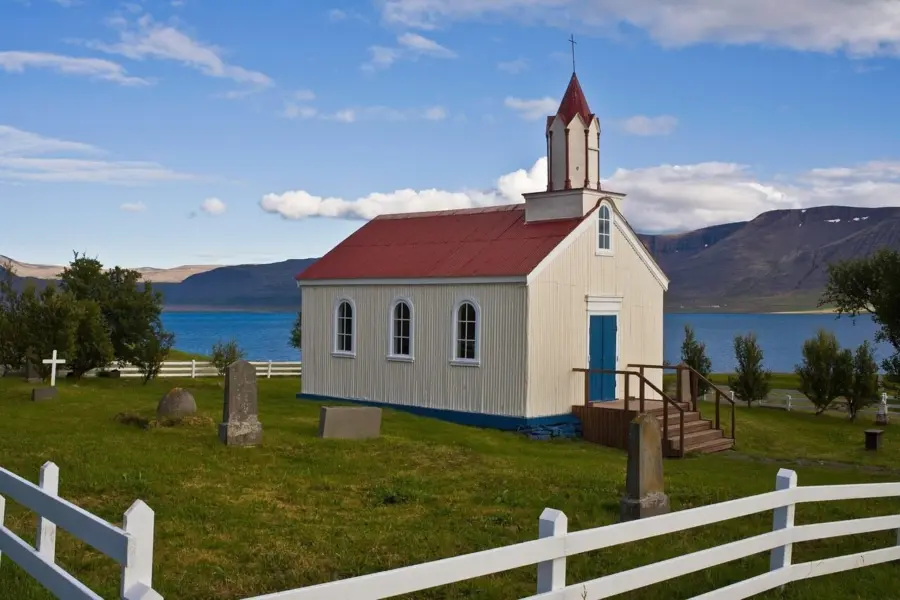
Hellnar
Hellnar lies on a dramatic coastline with spectacular cliffs rising from the sea. It is an enchanting old fishing village nestled on the westernmost part of the Snaefellsnes peninsula, once a bustling fishing station with the oldest recorded seafaring history dating back to 1560. Although fishing and trading industries have since declined, this idyllic town, characterised by a quaint cluster of wooden houses, is making a name for itself, with outdoor enthusiasts eager to explore the surrounding awe-inspiring natural wonders. Visitors can explore the nearby village of Arnarstapi, Snӕfellsnes National Park and the majestic Snæfellsjökull glacier. The iconic sea mountains of Lóndrangar, the imposing mountain Kirkjufell and the tranquil seal beach Ytri Tunga offer breathtaking views. For the adventurous, the volcanic crater Eldborg and the fascinating cave Vatnshellir offer unique exploration opportunities.
Faroe Islands
Dotting the North Atlantic, the Faroe Islands offer a captivating blend of rugged landscapes, rich cultural heritage, and untouched natural beauty. This remote archipelago, located between Iceland and Norway, boasts dramatic cliffs plunging into the sea, pristine waterfalls cascading down sheer rock faces, and picturesque villages tucked into verdant valleys. Visitors can immerse themselves in the traditional Faroese way of life, sampling local delicacies like wind-dried mutton and freshly caught seafood. Outdoor enthusiasts will find endless opportunities for exploration, from hiking scenic trails with breathtaking vistas to birdwatching along steep coastal cliffs. With its temperamental yet enchanting weather and warm, hospitable locals, the Faroe Islands promise an unforgettable journey into the heart of unspoiled Nordic charm. Whether seeking solitude in nature or a cultural adventure off the beaten path, this hidden gem invites travellers to discover its unique allure year-round.
Iceland trip | Undiscovered Faroe Islands and self-drive Iceland
We offer this itinerary from €11,425 per person
The tour price is an indication and is subject to availability and travel dates, amongst other factors.
Included
• Smyril Line ferry crossing from Throshavn to Sedifjordur, based on a Nordic Deluxe Cabin, including breakfast and dinner
• Accommodation in excellent and distinctive lodges and hotels
• Car hire, including insurance, taxes and excess waiver
• All meals as specified in the itinerary
• All excursions as mentioned in the programme, including a Zodiac tour of the Glacier Lagoon, a whale-watching safari and a cycle tour along the coast of Reykjavik
• National Geographic or similar travel guide
• Administration fees (€50 per booking)
Positive impact of your trip:
• A contribution of €25 per person towards positive impact via the Avila Foundation
Not included
• International flights
• Room category upgrade
• Local car hire charges, such as administration fees, parking charges and fuel
• Seat reservations
• Travel and/or cancellation insurance
• Meals and excursions not specified
• Any departure tax when leaving the destination
• Any entrance fees not mentioned, where applicable
• Personal expenses/tips
• Tourist tax (where applicable)
• Contribution to the contingency fund (€2.50 per booking)
• SGR contribution (€5 per person)