
 en


- Boutique
- 22-day trip
- From €6,125 p.p.
Colombia trip | The best of Colombia
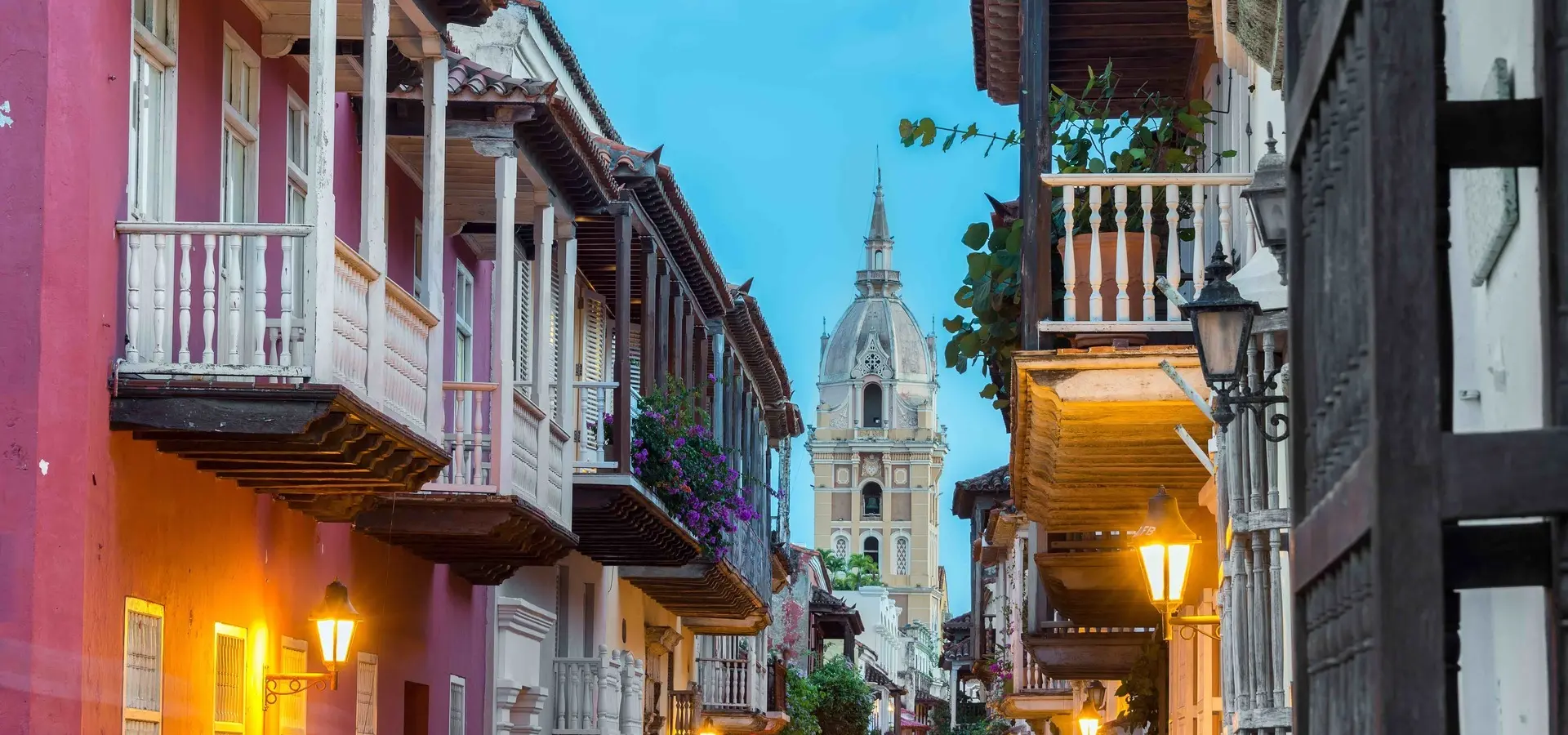
Colonial architecture, small streets, coloured houses and authentic squares - start your journey in Bogotá, the country's vibrant capital. Then travel via the extraordinary Zipaquira Cathedral and Guatavita to the quaint village of Villa de Leyva and beautiful colonial Barichara. In Colombia's famous coffee region, you'll dive into nature, after which the dynamic city of Medellín is on the programme. From Medellín, you'll travel on to Colombia's Pacific coast. This region is known for its lush rainforests, secluded beaches, diverse marine ecosystems and rich indigenous culture. After this special stay, you will travel back to Medellín where you will visit beautiful Guatapé, known for its El Peñol mountain, before travelling north to Cartagena.After visiting historic Cartagena, considered by many to be the most beautiful city in South America, you will end the trip on the paradisiacal beaches of Isla Barú.
Travel programme
Travel overview
- Day 1 – 2 Flight to Colombia
- Day 3 – 4 Zipaquirá and Villa de Leyva
- Day 5 – 6 Colonial Barichara
- Days 7–9 Colombian coffee region
- Day 10 – 11 Journey to Medellín and city tour
- Days 12–14 Colombian Pacific coast
- Day 15 – 16 Return journey to Medellín and day trip to Guatapé
- Day 17 – 18 Caribbean Cartagena
- Days 19–21 Relaxation on the idyllic island of Barú
- Day 22 End of the trip
- Day 23 Arrival
Air travel to Colombia

Your trip begins in Colombia’s capital, Bogotá! This colourful city is the country’s main hub. You’ll be transferred to your hotel, where you’ll spend the first few nights of your trip. You’re free to spend your arrival day as you wish.
After your first night’s stay, you’ll set off on a guided cycle tour of the city. This will include a visit to the historic Candelaria district, where Monserrate Mountain stands in the heart of the city centre. You’ll also visit other key neighbourhoods in the Colombian capital.
Included:
• Private transfer to your hotel
• Private cycling tour of Bogotá, including an English-speaking guide, bike and snacks
• Accommodation including breakfast
Exclusive:
• Intercontinental flight
Zipaquira and Villa de Leyva
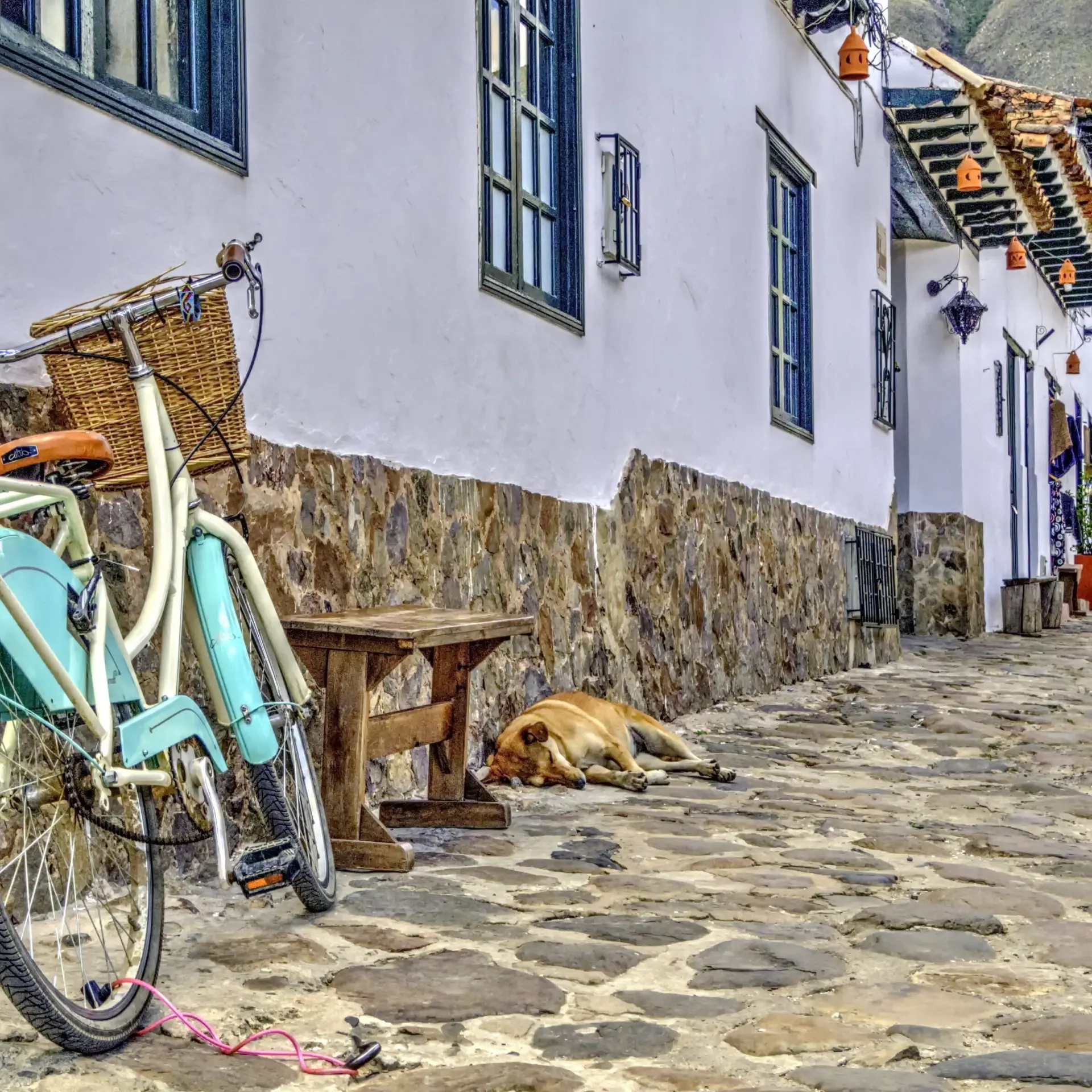
By private transfer, you will travel to your next destination; Villa de Leyva, a colonial town even considered one of the most beautiful colonial towns in Colombia. On the way, you will make a stop at the Zipaquira salt cathedral, this is an underground cathedral built in the tunnels of a salt mine. Colombians affectionately call this place the wonder of Colombia. A walk through the tunnels is a special experience. You will also visit the town of Guatavita. This town is best known for Lake Guatavita and its historical significance as the site of the El Dorado ceremony. The lake was the sacred lake of the Muisca Indians and has great cultural value.
Included:
• Private transfer to your hotel, including a stop en route at the Zipaquirá Salt Cathedral and Guatavita, with an English-speaking guide, entrance fees and lunch
• Accommodation including breakfast
Colonial Barichara
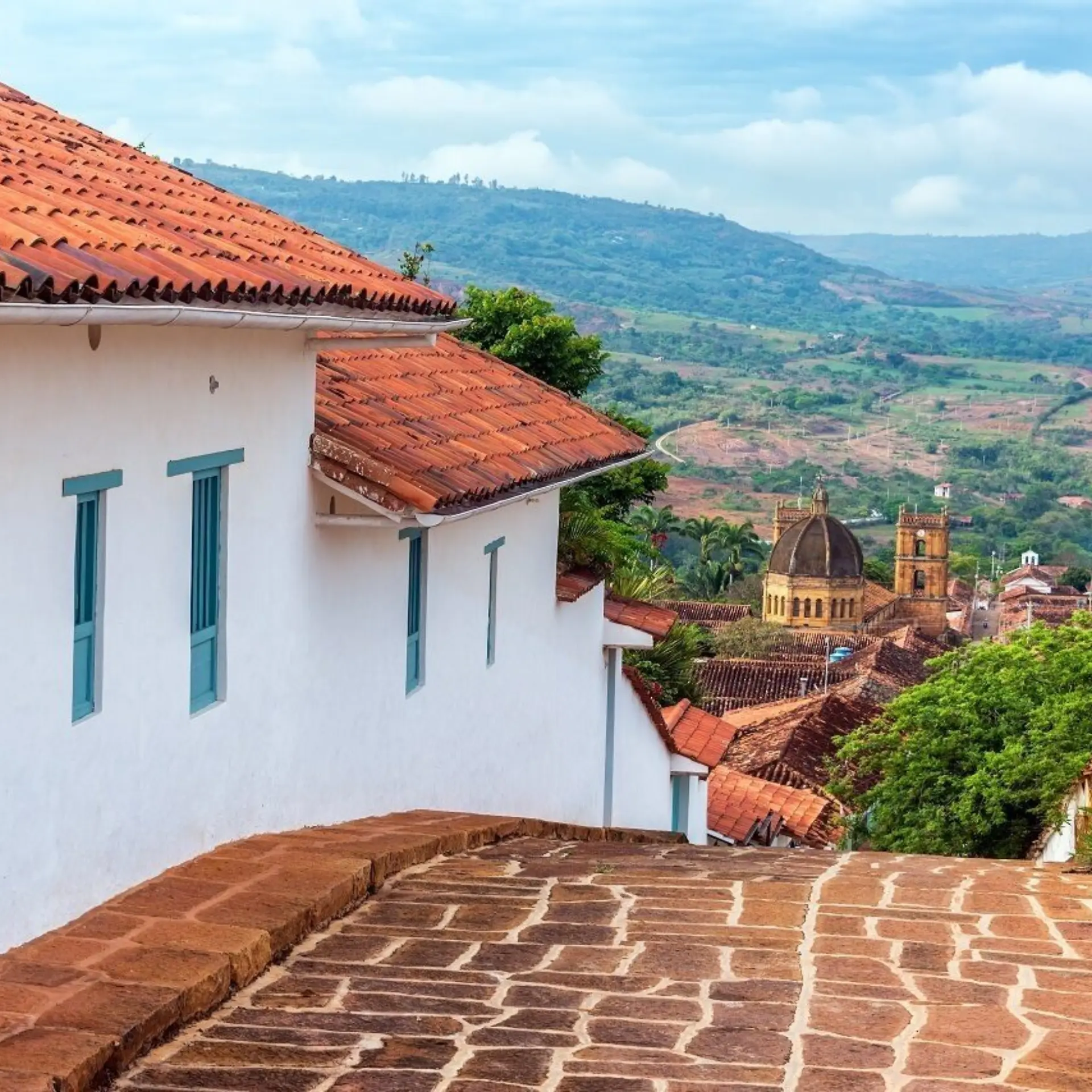
You’ll be taken to Barichara by private transfer. Barichara is yet another beautiful Colombian village, built entirely in colonial style. The surroundings are stunning!
The day after your arrival, you’ll visit the tranquil horse-riding village of Guané. Here you’ll find various horse-riding centres, and the views of the mountains and canyons are fantastic. You’ll then have a tour of Barichara planned for the afternoon. The historic town centre boasts beautiful architecture, squares and churches to explore.
Included:
• Private transfer to your accommodation
• Private trek through Guané and walking tour of Barichara, including an English-speaking guide, entrance fees and transport by tuk-tuk
• Accommodation including breakfast
Colombian coffee region

Today, you’ll travel by domestic flight to the town of Pereira in the coffee region. Upon arrival, a transfer will be waiting to take you to the luxury hacienda where you’ll be staying for the next few nights. The Colombian coffee region, also known as the Coffee Triangle (Spanish: Triángulo del Café), is renowned for the cultivation and production of the majority of Colombian coffee, considered by many to be the best coffee in the world.
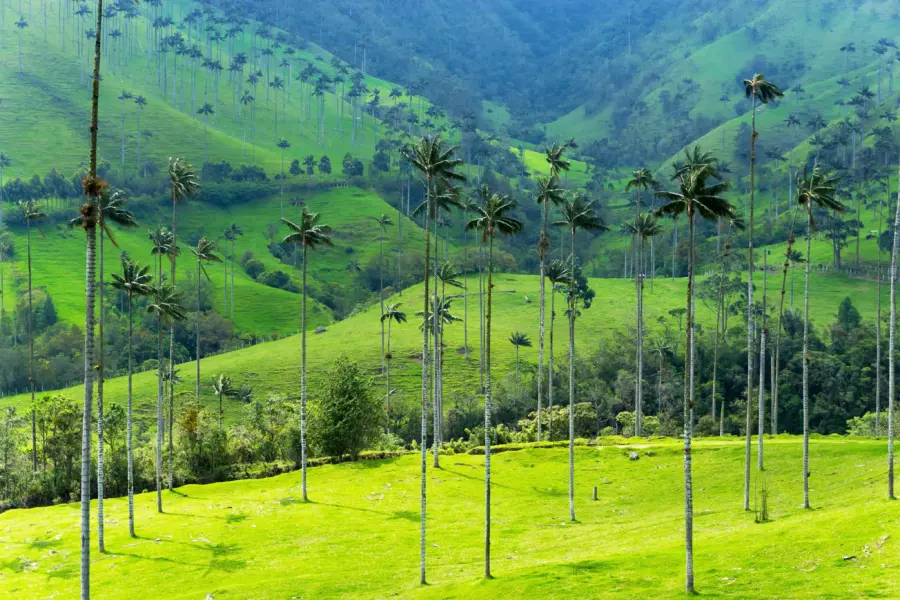
The day after your arrival, you’ll go on a private excursion to the Cocora Valley, where the wax palms – the tallest species of palm tree in the world and Colombia’s national tree – grow in abundance, and you’ll be treated to a stunning mountain landscape. As well as the valley, you’ll also visit the small, colonial town of Salento and the coffee plantations.
Included:
• Private transfer to the airport
• Domestic flight Barichara – Bogotá – Pereira
• Private transfer to your hotel
• Private excursion to the Cocora Valley & Salento, including entrance fees, transport, an English-speaking guide and lunch
• Overnight stay including breakfast
Trip to Medellín and city tour
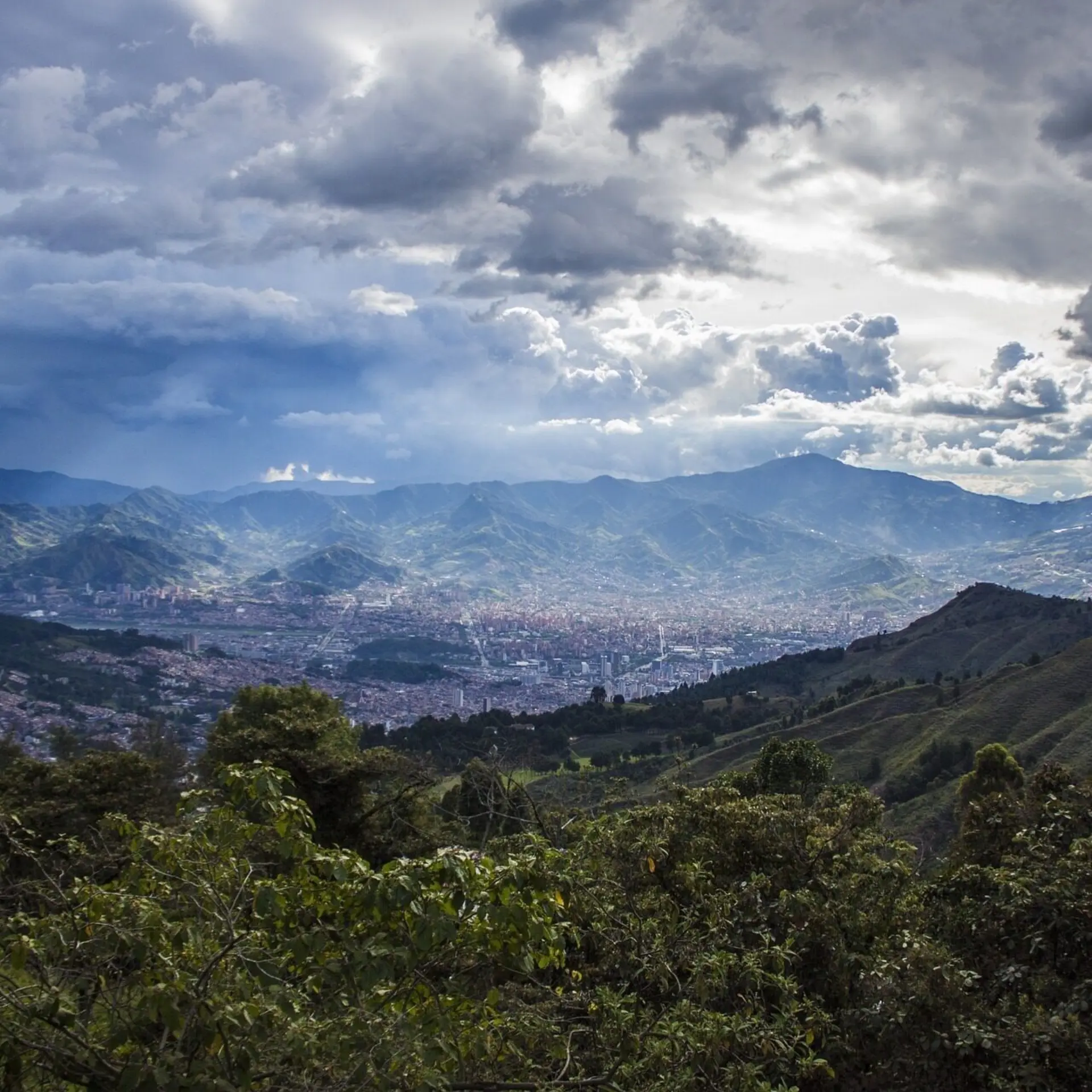
A private transfer will take you to the bustling city of Medellín, which, thanks to its favourable climate, is also known as the city of eternal spring. The city is situated in the Aburrá Valley and has a turbulent past linked to Escobar’s drug trade. Nowadays, however, Medellín is often cited as one of the safest cities in Latin America, and this vibrant city is thriving, boasting an impressive skyline.
In Medellín, we have organised a city tour for you, during which you will learn more about the social and cultural transformation the city has undergone. As well as visiting the city centre and Botero Plaza, you’ll also visit ‘Comuna 13’, one of the neighbourhoods that has undergone the most dramatic changes in recent years. A local guide will teach you about the city’s culture, traditions and social development.
Included:
• Private transfer to your hotel
• Private city tour of Medellín, including an English-speaking guide, entrance fees and lunch
• Accommodation including breakfast
Colombian Pacific coast

From Medellín, you’ll travel by domestic flight and transfer to your next destination: the Colombian Pacific coast. You’ll find yourself in a stunning nature reserve in the Chocó province, where the ocean and jungle meet, offering immense biodiversity. The area remains largely undiscovered, and tourism here is still on a small scale. The region is mainly inhabited by Afro-Colombians. Furthermore, the Chocó region is almost as lush as the Amazon.
During your stay, meals are included, and activities are organised by the lodge. For example, you can go whale watching, fishing, hiking and take day trips to various nature-rich spots in the surrounding area.
Included:
• Private transfer to the airport
• Charter flight from Medellín to Nuqui
• Boat transfer to your accommodation
• Accommodation on a full-board basis, including activities organised by the accommodation
Return trip to Medellín and day trip Guatapé

Today marks the end of your stay on the Pacific coast. You’ll fly back to Medellín on a charter flight. Once you arrive in Medellín, you’ll be taken to your hotel by private transfer.
The following day, you’ll go on a day trip to the colourful town of Guatapé. In Guatapé lies El Peñol, a 200-metre monolithic formation offering one of the most beautiful views in Colombia. You’ll climb the steps up El Peñol to enjoy a stunning view of the beautiful lake dotted with dozens of little islands, which make this landscape unique and incredibly magical. In Guatapé, you’ll stroll with your guide through the colourful streets lined with little coffee bars that lend the village a lovely atmosphere. You’ll also take a boat trip out onto the lake.
Included:
• Boat transfer to the airport
• Charter flight to Medellín
• Private transfer to your hotel
• Day trip to Guatapé including an English-speaking guide, boat trip and lunch
• Accommodation including breakfast
Caribbean Cartagena

A private transfer will take you to the airport and a domestic flight will take you north to Cartagena. Cartagena is without a doubt Colombia's most famous destination. The days in Cartagena are free to spend, such as visiting the Convento de La Popa on Popa Hill, which is Cartagena's highest point. You can also stroll through the Getsemani district next to the colonial centre, where there is a lot of street art. A great way to end the day is with a refreshing drink while enjoying the view of the sea and the setting sun from the north side of the city.
Included:
• Private transfer to the airport
• Domestic flight from Medellín to Cartagena
• Private transfer to your hotel
• Accommodation including breakfast
Relaxation on the paradise island of Barú

You’ll swap the bustling city for a delightful island, which you’ll reach by private boat. Barú is a two-hour boat ride from Cartagena. The island forms part of the San Bernardo Archipelago, which has been part of the Corales del Rosario and San Bernardo National Park since 1996. You’ll be staying at the luxury eco-hotel Las Islas. Hotel Las Islas is set amidst lush tropical vegetation and overlooks the crystal-clear waters of the Caribbean Sea. The location offers a secluded and peaceful setting for guests to enjoy the natural beauty.
The island is the ideal destination for anyone who wishes to be surrounded by the soothing sounds of the sea, the rustling of the palm trees and a refreshing sea breeze. In the surrounding area, you can enjoy various water sports such as diving and windsurfing, or simply do nothing at all. The ultimate in relaxation!
Included:
• Private transfer to the harbour
• Boat transfer to Barú
• Accommodation including breakfast
Accommodations
Casa Legado
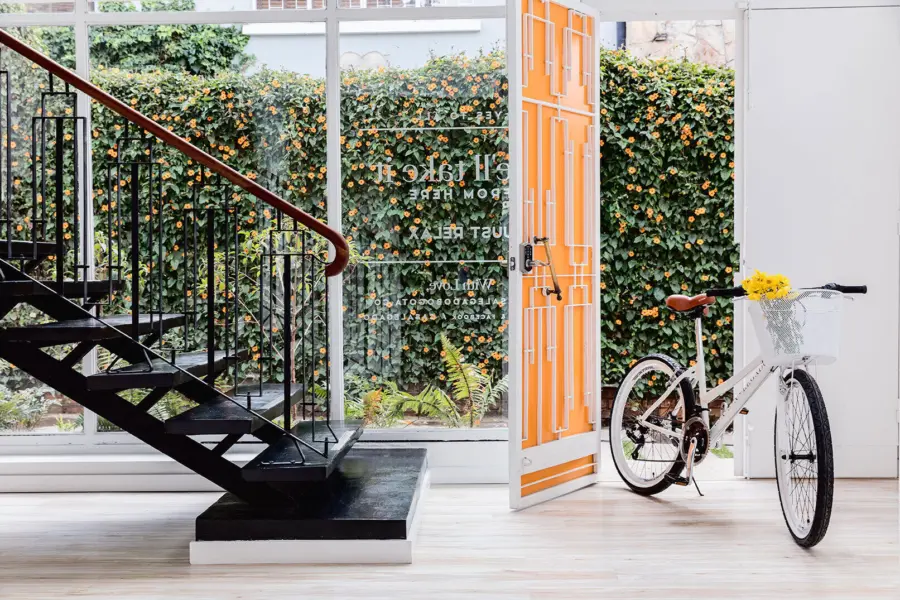
Casa Legado is located in the Quinta Camacho district of Bogota. The hotel has 7 rooms and offers guests shared lounge areas, a bar, a garden and free use of the hotel's bicycles. Nearby attractions include the Fanny Mikey National Theatre, El Campin Coliseum and...
Casa Legado is located in the Quinta Camacho district of Bogota. The hotel has 7 rooms and offers guests shared lounge areas, a bar, a garden and free use of the hotel's bicycles. Nearby attractions include the Fanny Mikey National Theatre, El Campin Coliseum and Bolivar Square.
Your stay: 2 nights
Hotel Casa Real Villa De Leyva
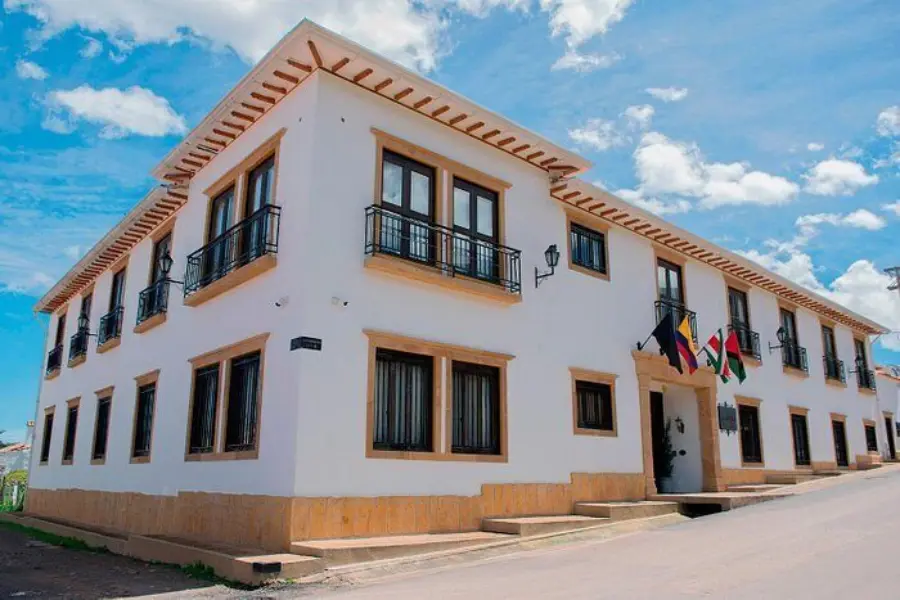
Hotel Casa Real Villa de Leyva offers the unique experience of travelling to the past with the comforts of the present era. The hotel is conveniently located a five-minute walk from the city centre and 300 metres from the main square. During your stay, after a busy day, you can enjoy a relaxing...
Hotel Casa Real Villa de Leyva offers the unique experience of travelling to the past with the comforts of the present era. The hotel is conveniently located a five-minute walk from the city centre and 300 metres from the main square. During your stay, relax in the hotel's heated indoor pool after a busy day or enjoy a drink or snack in the hotel restaurant.
Your stay: 2 nights
Casa Barichara Boutique
Casa Barichara Boutique is located in a beautiful location in Barichara. The accommodation features several cosy rooms, each equipped with a private bathroom and views of the courtyard garden with swimming pool.
Your stay: 2 nights

Hotel Casa San Carlos Lodge
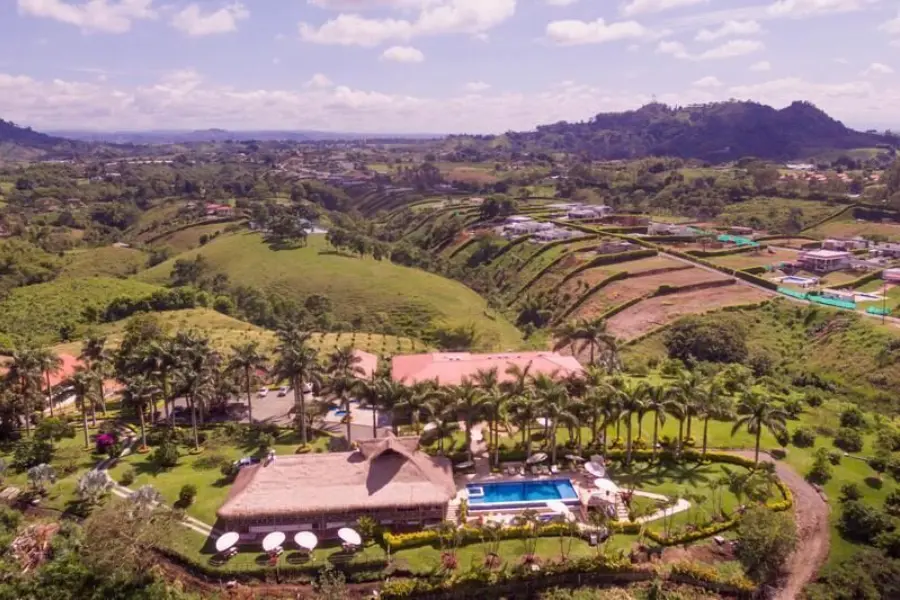
Located in the heart of Colombia's cultural coffee landscape near Pereira, Casa San Carlos Lodge offers a unique and luxurious experience for nature lovers. The lodge is very focused on the sustainability of nature and is surrounded by the rainforest. You will also find unique handmade products, made...
Located in the heart of Colombia's cultural coffee landscape near Pereira, Casa San Carlos Lodge offers a unique and luxurious experience for nature lovers. The lodge is very focused on the sustainability of nature and is surrounded by the rainforest. You will also find unique handmade products made by artisans.
There are different room types to stay in, from superior to suite, with stylish furnishings made up of natural materials. The bathrooms have brass accessories and the rooms all have air conditioning, minibar & wifi.
The La Ceiba restaurant has a relaxed atmosphere with mountain views, where you can treat yourself gastronomically with a modern interpretation of ancestral Colombian dishes combined with an international touch. Relax by the pool, or by the campfire in the evening.
Your stay: 3 nights
Patio del Mundo
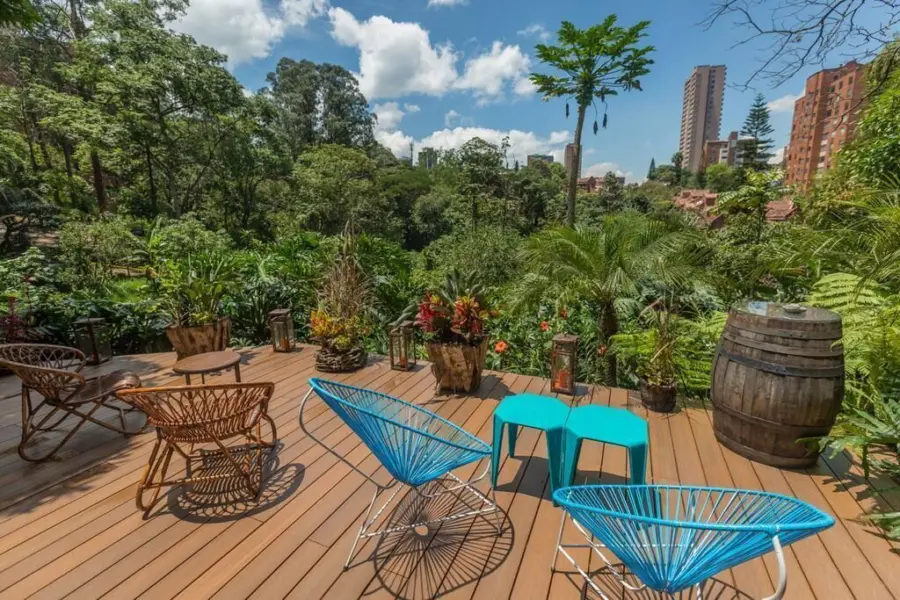
Patio Del Mundo is a charming villa in the heart of Medellín. The villa has been lovingly restored by a French family. With a lush tropical garden and enchanting views, it offers you a unique setting to enjoy your stay in "the city of eternal spring". The villa is a haven of peace and...
Patio Del Mundo is a charming villa in the heart of Medellín. The villa has been lovingly restored by a French family. With a lush tropical garden and enchanting views, it offers you a unique setting to enjoy your stay in "the city of eternal spring". An oasis of calm, the villa is perfectly located in the centre of the El Poblado Provenza neighbourhood, close to bars, restaurants, boutiques, museums and parks. The design of its common area consists of unique art from different Colombian cultures.
Your stay: 2 nights
MorroMico
MorroMico is located on the Gulf of Tribuga, nestled among mangroves and reefs. Be surprised by a place full of marine life, beautiful green mountains, cool breezes and the smell of the forest and the sea. The accommodation consists of a spacious, rustic cottage with four comfortable rooms and a private bungalow with a...
MorroMico is located on the Gulf of Tribuga, nestled among mangroves and reefs. Be surprised by a place full of marine life, beautiful green mountains, cool breezes and the smell of the forest and the sea. Accommodation consists of a spacious, rustic cottage with four comfortable rooms and a private bungalow with a double and a single bed. Dinner consists of several exquisite dishes typical of the region.
Your stay: 3 nights

Patio del Mundo
Patio Del Mundo is a charming villa in the heart of Medellín. The villa has been lovingly restored by a French family. With a lush tropical garden and enchanting views, it offers you a unique setting to enjoy your stay in "the city of eternal spring". The villa is a haven of peace and...
Patio Del Mundo is a charming villa in the heart of Medellín. The villa has been lovingly restored by a French family. With a lush tropical garden and enchanting views, it offers you a unique setting to enjoy your stay in "the city of eternal spring". An oasis of calm, the villa is perfectly located in the centre of the El Poblado Provenza neighbourhood, close to bars, restaurants, boutiques, museums and parks. The design of its common area consists of unique art from different Colombian cultures.
Your stay: 2 nights
Hotel Boutique Casa del Arzobispado
Hotel Casa del Arzobispado is located in the historic centre of Cartagena de Indias. It is a colonial mansion that originated in the seventeenth century and has hosted the most illustrious guests.
In 2002, it was bought and restored by Grupo Del Sol, making it one of the most...
Hotel Casa del Arzobispado is located in the historic centre of Cartagena de Indias. It is a colonial mansion that originated in the seventeenth century and has hosted the most illustrious guests.
In 2002, it was bought and restored by Grupo Del Sol, making it one of the most renowned Boutique Hotels in the city of Cartagena. Our establishment has 11 comfortable rooms, for single or double occupancy, which have their own personality and charm, each room has a different magic!
The hotel has an impressive outdoor swimming pool, SPA, Turkish bath, gazebo, the popular Época café and an exclusive branded clothing shop, Sãncte. Come and enjoy a unique and exclusive atmosphere at our facilities Hotel Casa del Arzobispado!
Your stay: 2 nights

Hotel Las Islas
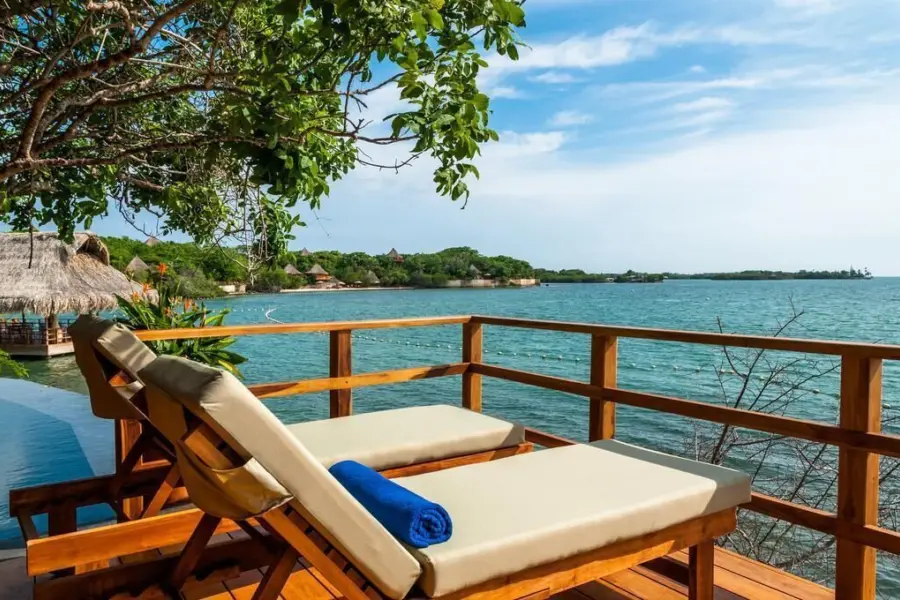
Hotel Las Islas is located in the middle of the wilds of Baru and surrounded by turquoise waters and white beaches. It offers the perfect setting for relaxation and comfort. The resort offers elegant, bungalows and villas with spectacular ocean views, equipped with free Wi-Fi and minibars. You have the choice...
Hotel Las Islas is located in the middle of the wilds of Baru and surrounded by turquoise waters and white beaches. It offers the perfect setting for relaxation and comfort. The resort offers elegant, bungalows and villas with spectacular ocean views, equipped with free Wi-Fi and minibars. You can choose between 3 restaurants, one of which serves Mediterranean dishes, a steakhouse-grilled dishes and the other Colombo-latina-fusion. There are also 2 beach bars serving drinks and cocktails. In addition, the resort has private beaches, hammocks, a solarium, a yoga room, a gym and a spa.
Your stay: 3 nights
Experiences
Private excursion Cocora valley & Salento
You will take a day excursion to the Cocora Valley, located in Quindío in Colombia. Located in the Cordillera Central, the valley is part of the Los Nevados National Natural Park. After hiking through the cloud forest, you will arrive at the best vantage point. Here you will have views of a beautiful green valley with...
You will take a day excursion to the Cocora Valley, located in Quindío in Colombia. Located in the Cordillera Central, the valley is part of the Los Nevados National Natural Park. After hiking through the cloud forest, you will arrive at the best vantage point. Here you have a view of a beautiful green valley with towering palm trees that can reach 60 metres. You will also visit the colourful town of Salento, part of Colombia's coffee cultural landscape.

Day trip Guatapé
Today's programme includes a fun tour to the village of Guatapé, one of Colombia's most colourful villages. Guatapé is about a two-hour drive from Medellín and the buildings in this village have at least three different colours on their walls. There is a cosy and relaxed atmosphere and there are many...
Today's programme includes a fun tour to the village of Guatapé, one of Colombia's most colourful villages. Guatapé is about a two-hour drive from Medellín and the buildings in this village have at least three different colours on their walls. There is a cosy and relaxed atmosphere and many coffee bars and shops. You will also visit El Peñol, a gigantic rock located just outside the village, which you can reach by boat (and then up a long staircase to the top). From the top, you will have breathtaking views of the natural surroundings.

Destinations
Zipaquira
Zipaquira is located in north-central Colombia, about 46 kilometres northeast of Bogota. While the main attraction of this city is the underground Catedral de Sal (Salt Cathedral) - built in the old Salt Mine building complex just outside of town - Zipaquira offers visitors some other interesting cultural attractions in addition to this magnificent subterranean temple, which is best explored via guided tour. Be sure to check out the pedestrian-friendly Gonzales Forero Square (in the old city centre), which is flanked by colonial-style national monuments like the City Hall and the beautiful Catedral Diocesana (which was constructed between 1760 and 1870). Finally, after soaking up its architectural wonders, travellers can look forward to sampling Zipaquira's strong selection of restaurants and enjoying its vibrant nightlife scene.
Colombia
Pereira
The university town of Pereira is situated in Colombia’s famous coffee region. The town is usually used as a base from which to explore the colourful town of Salento. The region is characterised by a stunning landscape of lush, green rolling hills, dotted with coffee plantations where some of the world’s finest coffee is produced. As well as the National Coffee Park, where you can learn a great deal about the region’s coffee, there are also fantastic opportunities for walking or horse riding. Furthermore, the surrounding area is home to the relaxing thermal springs of Santa Rosa and San Vicente.
Pereira itself also has its own charm, with its coffee culture, nightlife, a number of fascinating museums, state-of-the-art shopping centres, and some interesting sights, such as the Bolívar Desnudo Monument and the viaduct built in honour of former President César Gaviria. This modern city has so much more to offer than just its delicious coffee.

Medellin
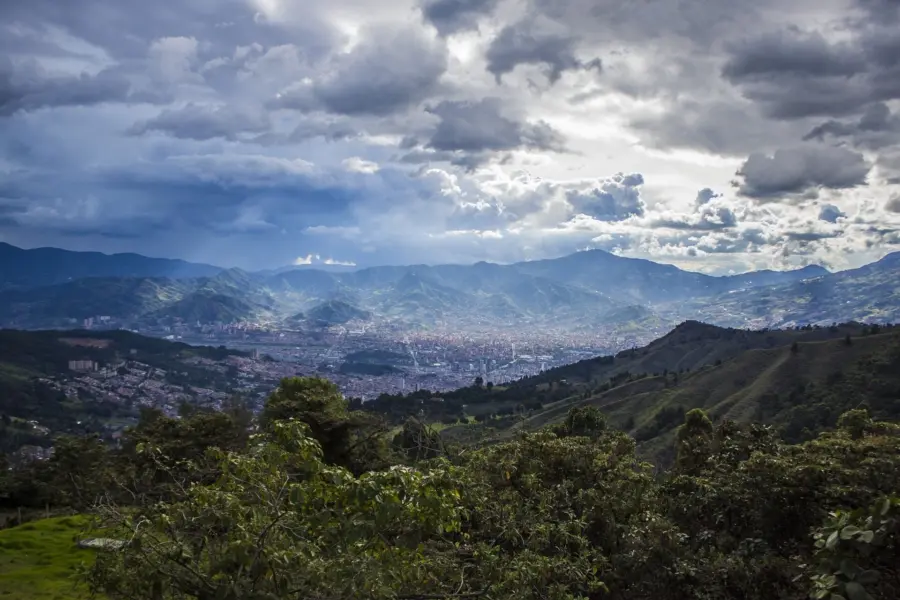
Medellín is a city located in northwestern Colombia and is also known as the city of eternal spring due to its favourable climate. Despite a notorious past (Medellín was the hometown of famed drug lord Pablo Escobar), Medellín today is a must-see for city lovers. Vibrant, modern, and in full bloom. A hotspot in South America. The famous artist Fernado Botero is also from Medellín. Many of his artworks can be admired in the city's museums. You will also find some of his statues in the city.
Antioquia
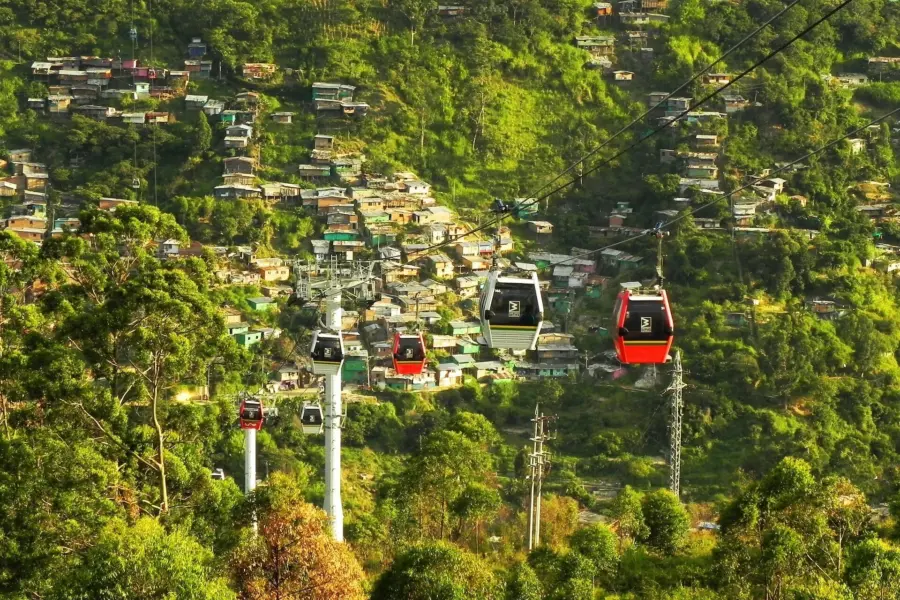
The department of Antioquia is situated in north-western Colombia and stretches across the majestic Andes Mountains. It boasts a diverse cultural heritage, remarkably picturesque landscapes and historic architecture. Antioquia is renowned for its gold, coffee, textile and flower industries and has developed the country’s second-largest economy.
It is home to the city of Medellín, which serves as the region’s capital and boasts the impressive, unmissable Museo de Antioquia, showcasing works by Fernando Botero, a famous Colombian artist. Visit a coffee plantation and enjoy a cup of locally grown, freshly roasted coffee; discover the charming town of Santa Fe de Antioquia with its colonial buildings, tamarind sweets and winding cobbled alleys; and enjoy a weekend break in Guatape, a seaside resort on the shores of the Penol-Guatape reservoir.
Cartagena
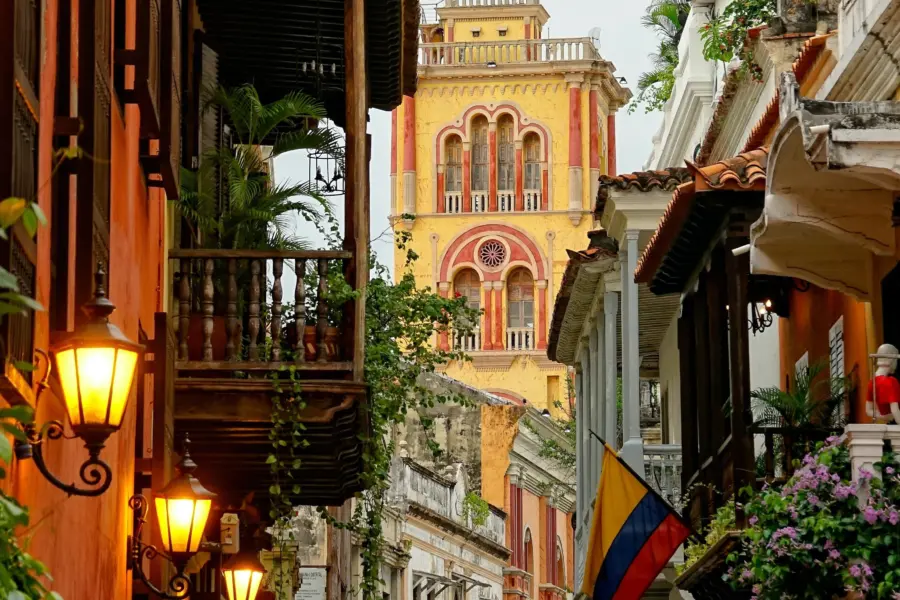
Cartagena is undoubtedly Colombia’s best-known destination. Few cities capture the imagination quite like this one (Cartagena is generally ranked alongside Cusco and Ouro Preto as one of South America’s most beautiful colonial cities). Within the city’s fortified walls, everything has remained intact, just as it has been for centuries. The magnificent squares, cathedrals and mansions in Caribbean pastel colours offer visitors a ‘postcard-perfect’ scene. The famous Colombian writer Gabriel García Márquez wrote in his memoirs: ‘When I first visited Cartagena, I couldn’t suppress the feeling of being reborn’.
Beyond its fascinating setting, the city also offers plenty of a lively atmosphere. Shops, restaurants, bars, terraces, salsa clubs and so on. A place every traveller simply must visit at least once. From the city, you can also organise lovely boat trips, for example to the Rosario Islands.

Bolivar
Spreading down inland from its coastal capital of Cartagena, the Colombian department of Bolivar lies in the north of the country. In Magangue, take scenic ferry rides along the river, explore colonial architecture and learn about the art of gold filigree, before heading towards the historic Santa Cruz de Mompox; or explore the lush Botanical Gardens in Turbaco to meet parrots, frogs, and monkeys. In the capital, meander through thirteen kilometres of the UNESCO-listed Old Town, dance the night away on a party bus or learn to salsa at one of the many clubs, or while away the day sunbathing on gorgeous beaches or watching fishermen bring in their catch. See 280 species of birds at the Wildlife Sanctuary Los Colorados, or delve into Colombian heritage by visiting the house of Rafael Nunez, four-time president and composer of the national anthem.
Bogota
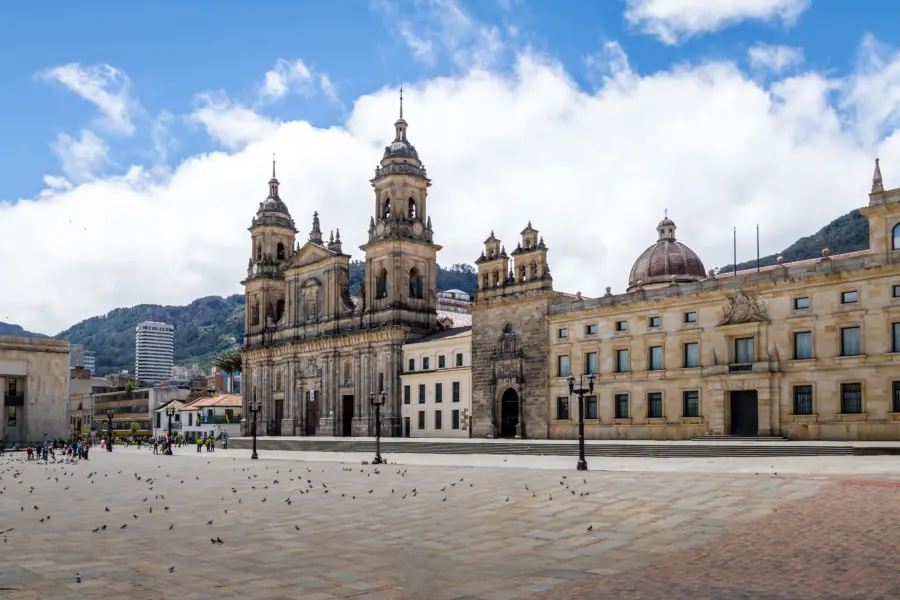
The name Bogotá derives from Bacatá which is a residence of the Muisca Indians. The city is located high up at around 2,600 metres. Because the city is far from the sea, it was not immediately obvious that it would become the capital of Colombia. Initially, therefore, the city grew slowly. Later, many Colombians moved from the countryside to the city in search of a better economic situation. Today, Bogotá is Colombia's most important centre politically, financially and culturally. As such, it is a modern, growing metropolis with many high-rise buildings in the centre and surrounded by suburbs with mostly low-rise buildings. For travellers, the extensive colonial centre and the lively district of 'la zona rosa', where most restaurants, shopping centres and clubs can be found, are the ideal starting points to explore the city. Be sure to visit the city's gold museum, undoubtedly one of the most interesting museums on the continent. For great views of the city, catch the cable car up Monsterrate Mountain.

Villa de Leyva
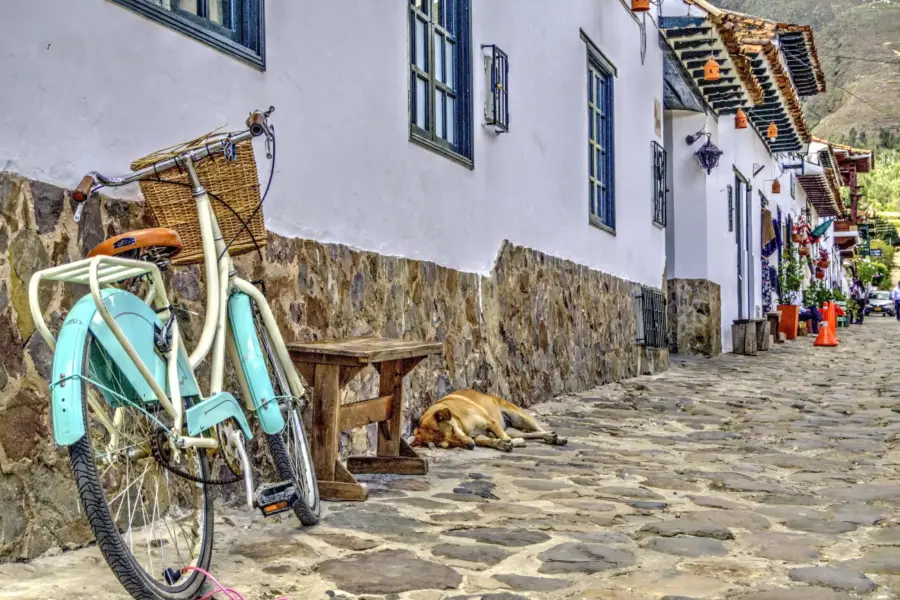
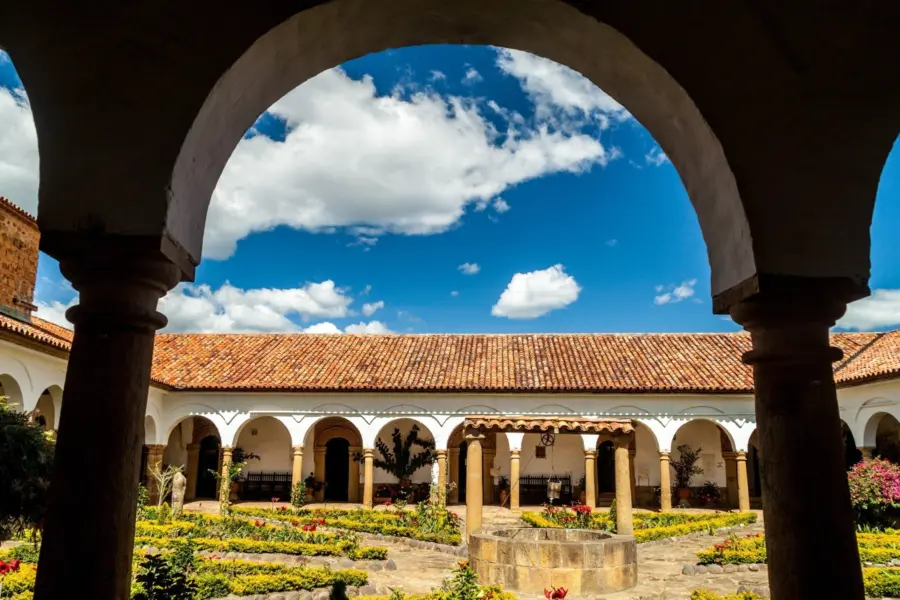
Villa de Leyva is a colonial town and is even regarded as one of the most beautiful colonial towns in Colombia. Villa de Leyva is situated in a high valley at an altitude of approximately 2,144 metres, where fossils from various periods have been found.The picturesque cobbled streets eventually lead to the Main Square, where, alongside the church, there are also many restaurants.
This is Colombia’s largest central square and the only one in the country not named after the freedom fighter Simón Bolívar. You’ll also find plenty of shops selling handmade art and other items. There are also several attractions in the vicinity of Villa de Leyva. For example, if you have enough time, you can visit a fossil museum or go to the astronomical observatory dating from the Muisca culture. If you’re a fan of waterfalls, you might also want to visit the La Periquera waterfalls. This is a group of seven waterfalls.
The Coffee Triangle
The Zona Cafetera is the coffee region of Colombia. This area produces almost half of all coffee within Colombia. There are small family plantations to large-scale coffee plantations that together cover almost the entire area. It is recommended to definitely visit a plantation here. Besides the coffee national park, where you can learn a lot about the region's coffee, you can also do some fantastic hiking or horseback riding here. On a horseback ride, you can visit the mountains with their snow-capped peaks in Los Nevados National park.

Rosario Islands
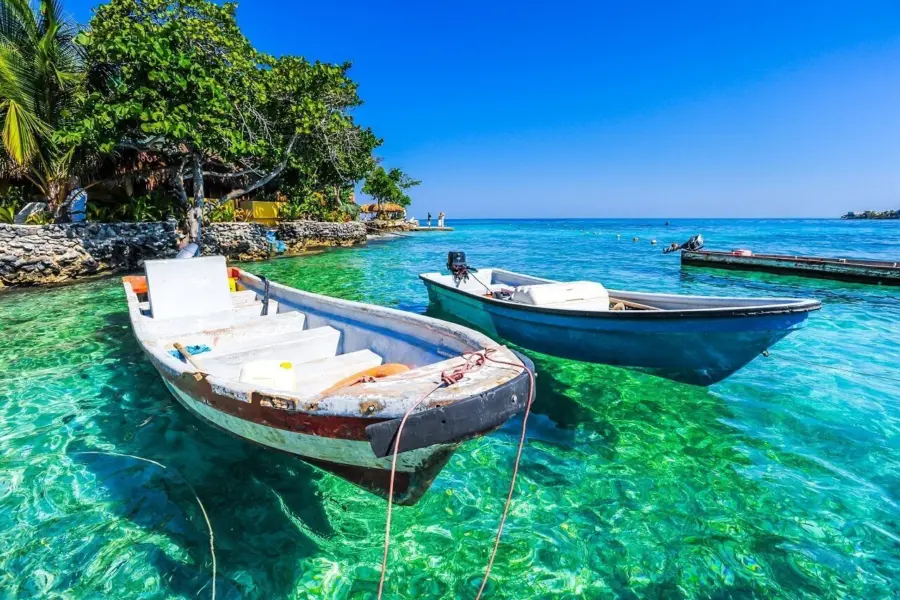
Located right off the coast of Colombia, 35 kilometres from the historic city of Cartagena. The Rosario Islands are a small archipelago consisting of 27 small picturesque islands, all part of a national park, the PNN Corales del Rosario and San Bernardo . These islands are known for their impossibly blue crystal clear waters and abundant offshore coral reefs. This Caribbean paradise offers spectacular sunsets, world-class snorkelling and pristine beaches. Highlights include hiring a private boat to spend a day on and in the shimmering waters around these spectacular islands, enjoying an exclusive night of luxury on Isla Coralina and visiting the secluded secret Chiringuito beach on Tierra Bomba island.
Colombia Pacific Coast
Colombia's Pacific coast is a ruggedly beautiful stretch with hidden beaches, wild jungles and waterfalls. This remote area boasts natural thermal pools surrounded by lush tropical forests and rushing waterfalls that turn into sandy beaches. Visitors can look forward to a wide range of wonderful activities such as: whale and dolphin spotting in the beautiful Uramba National Park, one of the best whale-watching sites in Colombia. But also discovering an array of picturesque indigenous villages along the remote coast and learning to surf at Almejal beach. Other popular activities include diving, snorkelling, swimming, jungle trekking and bird watching.
Barichara
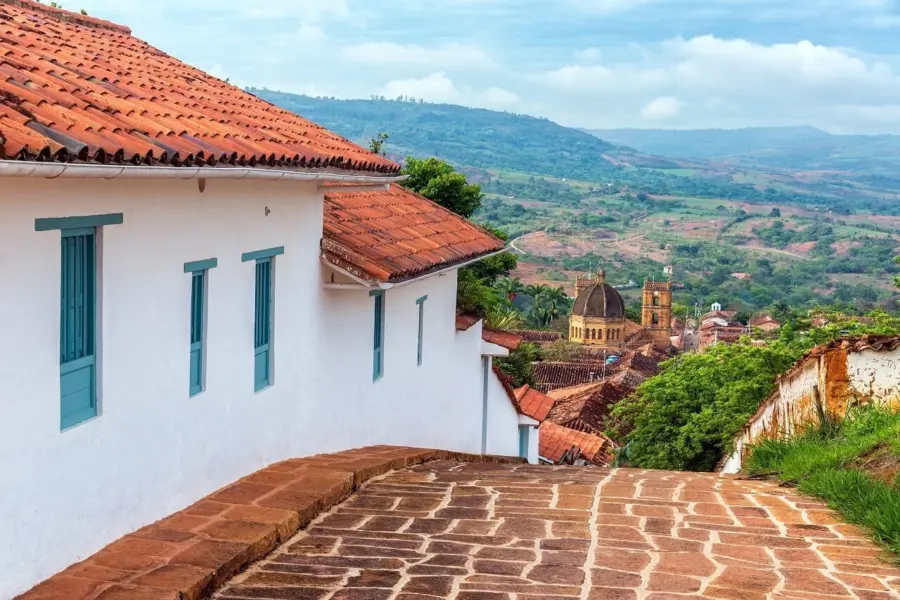
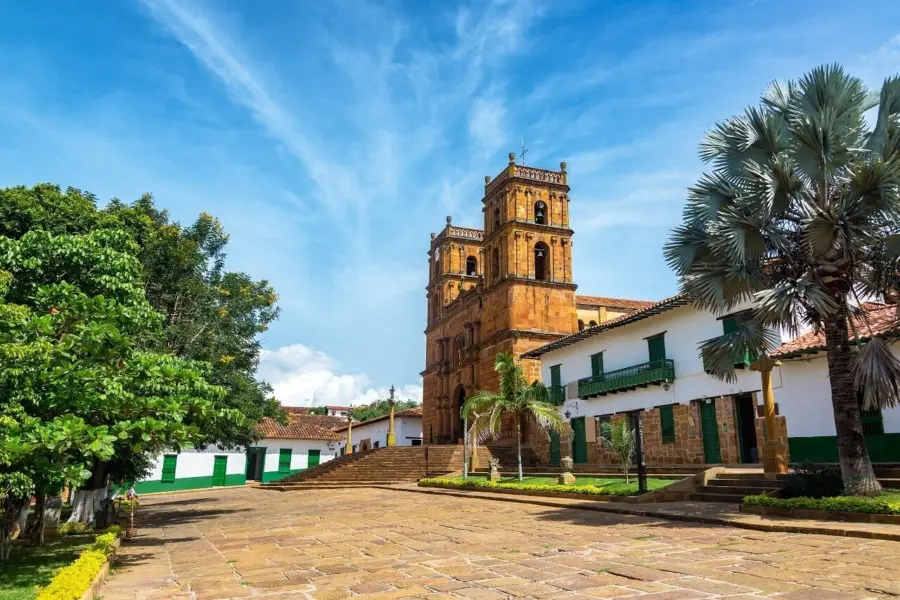
Located near the small traditional village of Guane in the Santander region, the charming heritage town of Barichara is said to be one of the most beautiful small towns in Colombia. It features colonial-style architecture, whitewashed houses with red clay tile roofs and cobbled streets. Major attractions include Capilla de Santa Barbara, the Cathedral of the Immaculate Conception, the Suarez River Canyon, the Museum of Guane, Cementerio Barichara and San Gil. For adventure lovers, there is also plenty to do such as rafting, hiking, paragliding and mountain biking.
Santander
Santander is a Colombian department stretching across the Andes Mountains. Known for its incredible scenery, unique architecture in quaint colonial towns and delicious local cuisine, Santander is the most visited region in Colombia. Visitors can look forward to a number of activities, including visiting the green capital of Bucaramanga known for its many parks or exploring the Parque Nacional Chicamocha which is home to the majestic Chicamocha Gorge. San Gil is the 'adventure capital of Colombia', offering a wide range of adventure sports such as whitewater rafting, abseiling, canyoning and paragliding.
Isla Baru
Isla Baru is part of the Islas del Rosario and is located near colonial Cartagena, Colombia. This tropical paradise is home to the famous palm-fringed beach, Playa Blanca, with powder-fine white sand and lapped by impossibly blue Caribbean waters. Visitors can join a boat trip to nearby Islas del Rosario, snorkel in an underwater wonderland, wake up in an airy beach room to the sound of the waves, laze in a hammock by the sea and taste 'arepas', a traditional Colombian bread . Don't miss the chance to visit the Avario Nacional de Colombia, a bird sanctuary with a variety of bird species including flamingos, condors, peacocks and macaws.

Utria National Natural Park
Situated in Colombia's Choco Department, the Utría National Natural Park is set halfway between Bahía Solano and Nuquí. It is known for its mountainous landscapes dotted with diverse fauna and flora. Its high altitude rainforest receives some of the highest rainfall in the world at over more than 10,000 millimetres annually. Encompassing 54,000 hectares, the landscape features lush tropical forest, mangroves, secluded beaches and intricate waterways. Visitors can look forward to exploring the network of nature trails, spotting wildlife and soaking up beautiful natural scenery. Other popular activities include: kayaking, whale watching, a jungle hike to Playa Cocalito, and a boat trip to Playa Blanca for snorkelling. Don't miss the opportunity to search for glow-in-the-dark mushrooms, an unusual but popular evening activity.
Boyaca Department
The Bocaya district stretches across the Andes Mountains and borders Venezuela. It is known for its charming villages, lush landscape and peaceful countryside. There is a collection of picturesque colonial villages, including Villa de Leyva; famous for its white buildings and pebbled streets. Other highlights of this district include: a visit to Lake Tota, Colombia's largest lake; a hike across Paramo de Oceta, known for a wide variety of alpine tundra; and a visit to El Cocuy National Park, which features imposing snow-capped peaks, glacier lakes and highland heathland. Don't miss the opportunity to visit Mongui; the most beautiful village in Bocaya.
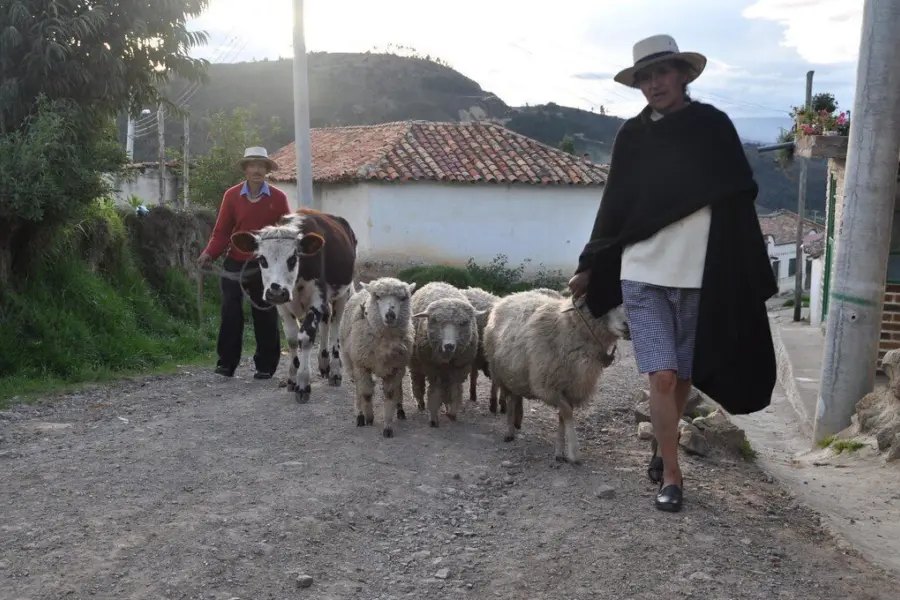

Northern Andes, Colombia
The northern Andes, located in the heart of Colombia, has spectacular snow-capped mountains and lush rolling hills dotted with fertile farmland. This picturesque area has a rich history and culture and an incredible natural environment. Visitors can look forward to exploring the varied ecosystems in the Northern Ades, including the wet forests of Chocó, the Magdalena Medio rainforests, the upper peaks of the Paramillo and sea level mangroves. The incredible landscapes attract countless adventure sports enthusiasts, who come to this part of Colombia to hike, climb, raft and paraglide; and discover picturesque colonial villages with quaint cobbled streets and clay tile roofs.
Colombia trip | The best of Colombia
We offer the described trip from €6,125 per person.
The tour price is an estimate and is subject to factors including availability and travel dates.
Included
• Domestic flights as specified in ‘your itinerary’
• 21 nights’ accommodation in high-quality and distinctive properties
• All meals as mentioned in the itinerary
• All necessary (private) transfers as mentioned
• All excursions as mentioned in the itinerary, including a city tour of Bogotá, a trek through Guané and a visit to the Cocora Valley and the town of Salento
• Entrance fees to national parks for scheduled excursions
• Booking fees (worth €50)
Positive impact of your trip:
• A contribution of €50 per person towards positive impact via the Avila Foundation
• Cycle tour in Bogotá
• Stay at Playa Morromico on the Pacific coast
Not included
• Intercontinental flights
• Room category upgrade
• Travel and/or cancellation insurance
• Seat reservations
• Personal expenses/tips
• Meals not specified and optional excursions
• Calamity Fund contribution (€2.50 per booking)
• SGR contribution (€5 per person)