
 en


- Boutique
- 17-day trip
- From €4,995 p.p.
Brazil trip | Car trip gold route Brazil
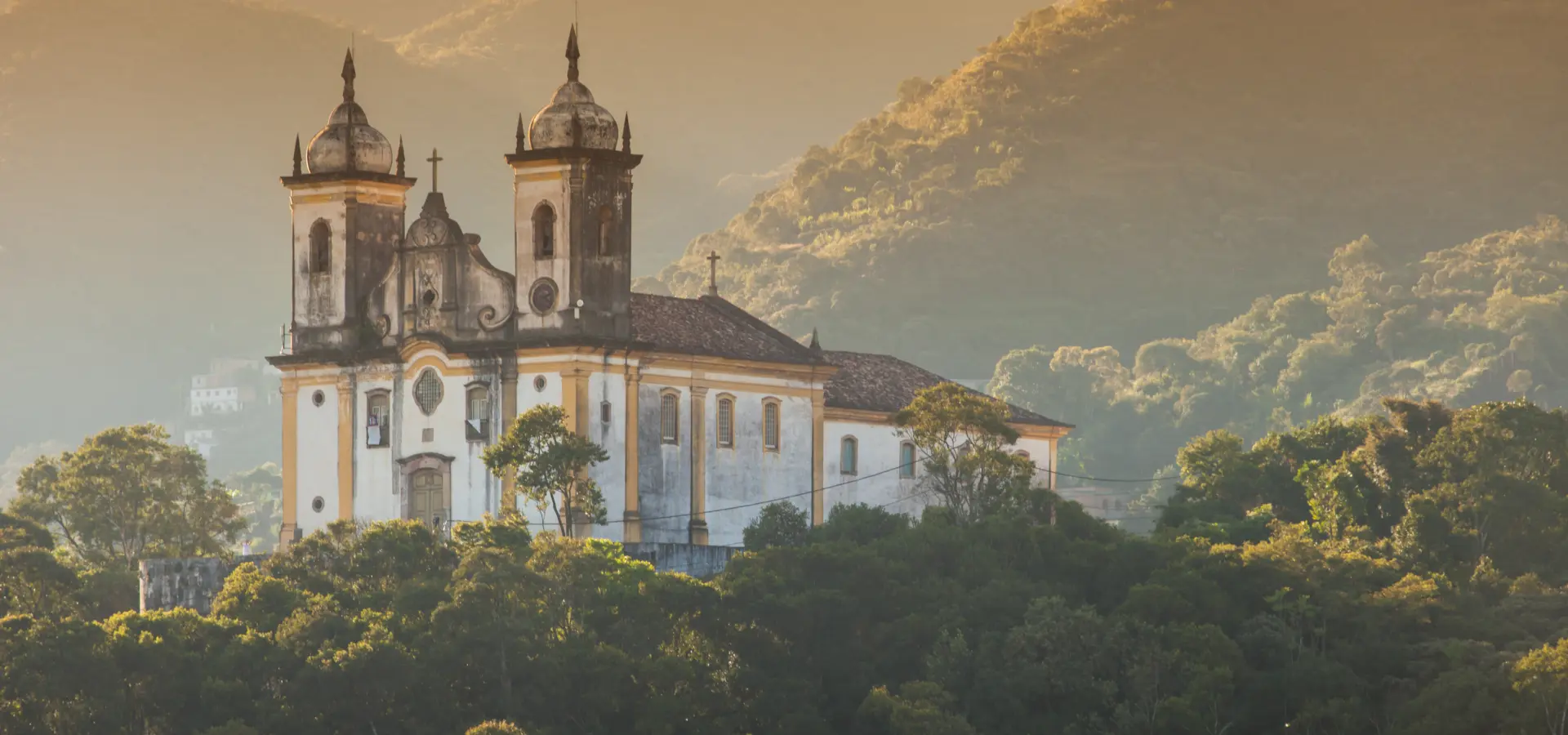
This 18-day road trip through Brazil follows the famous Gold Route across the country. This is the route between Diamantina, Ouro Preto, Tiradentes and Paraty, along which gold was transported to be shipped from Paraty, with Portugal as its final destination. During this tour, you will drive the route yourself.
Start your journey in the cosmopolitan city of Rio de Janeiro, in the bohemian neighbourhood of Santa Teresa. Marvel at the city’s two most iconic mountains, then set off on your self-drive tour of Brazil. First, you’ll spend the night at a unique spot near the town of Brumadinho, where you ’ll visit the Inhotim art museum. You’ll then drive to the colonial town of Ouro Preto, which was the main settlement for gold prospectors. Over the following days, you’ll visit Tiradentes and the rural surroundings of Queluz. From Queluz, you’ll drive to the final stop on the Gold Route, the colonial gem of Paraty. The journey ultimately concludes in the small fishing village of Picinguaba, situated between Rio de Janeiro and São Paulo. Enjoy the golden sandy beaches and unspoilt nature.
Travel programme
Travel overview
- Day 1 Flight to Brazil and arrival in Rio de Janeiro
- Day 2 – 3 Discovering the famous mountains around Rio
- Day 4 Rio de Janeiro – Belo Horizonte
- Day 5 Visit to the Inhotim Museum
- Day 6 – 7 Self-drive : Brumadinho – Ouro Preto (2–2.5-hour drive)
- Day 8 – 9 Self-drive : Ouro Preto – Tiradentes (3–3.5-hour drive)
- Day 10 – 11 Self-drive : Tiradentes – Queluz (4.5–5 hours’ drive)
- Day 12 – 13 Self-drive : Queluz – Paraty (3-hour drive)
- Day 14–16 Picinguaba beach (1.5–2 hours’ drive)
- Day 17 Departure from Brazil
- Day 18 Arrival
Air travel to Brazil and arrival Rio de Janeiro
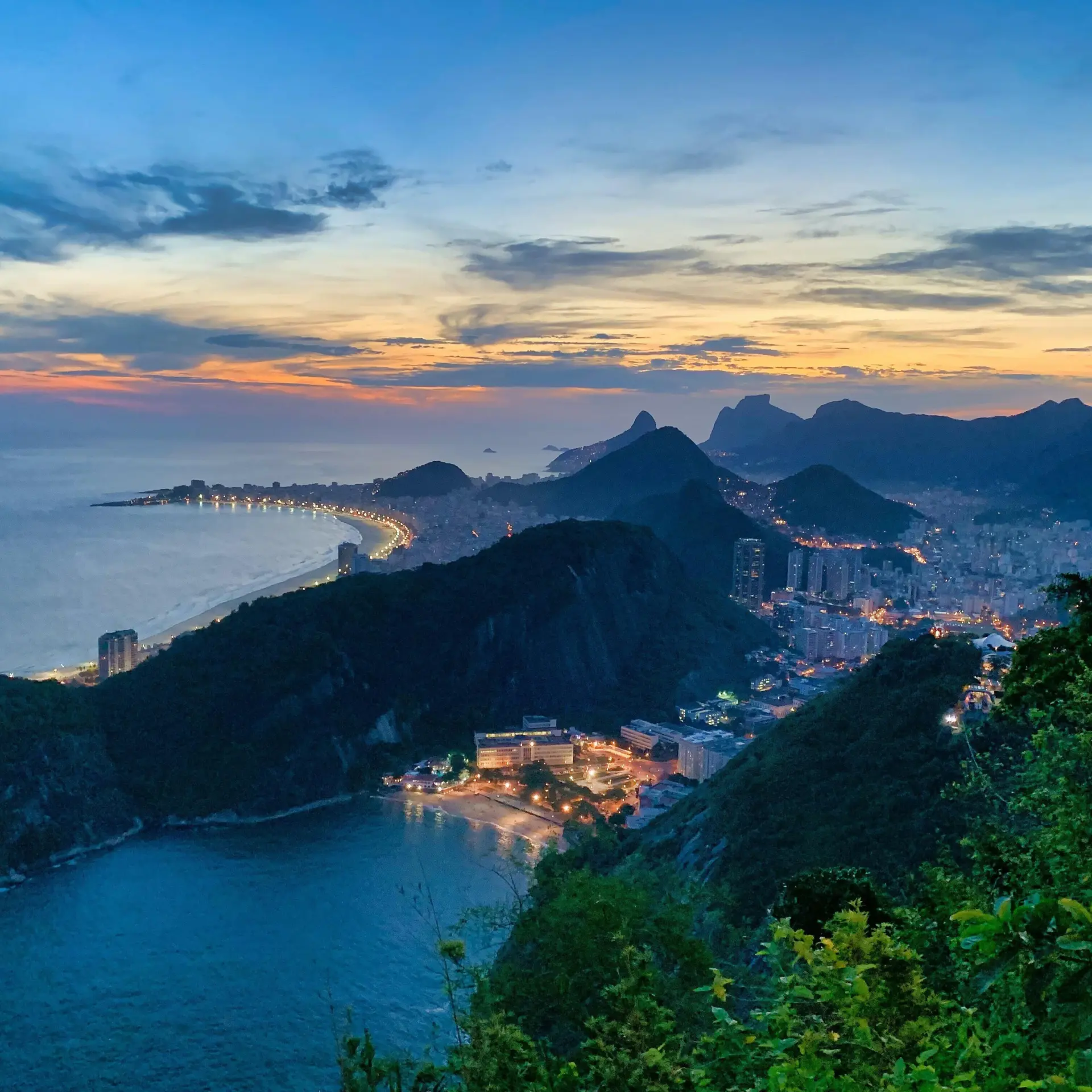
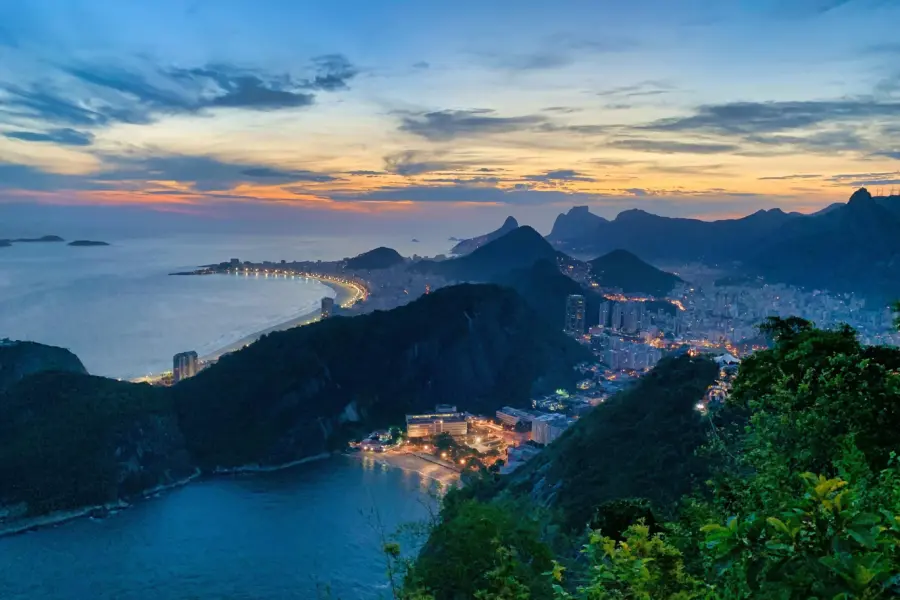
Today you’ll arrive in the cosmopolitan city of Rio de Janeiro, where (beach) life is in full swing all day long. Rio lies on a strip of land approximately 24 kilometres long, nestled between the mountains and the sea; lush greenery on one side and vibrant blue on the other.
On arrival, you’ll be taken to your boutique hotel, situated in the charming and bohemian neighbourhood of Santa Teresa. The neighbourhood is situated on a hill and offers stunning views over the city. It’s known for its colonial architecture, cobbled streets and many cosy bars and excellent restaurants, with interesting graffiti adorning the walls.
Included:
• Private transfer to your hotel
• Overnight stay including breakfast
Exclusive:
• Intercontinental flight to Rio de Janeiro
Discovering the famous mountains around Rio

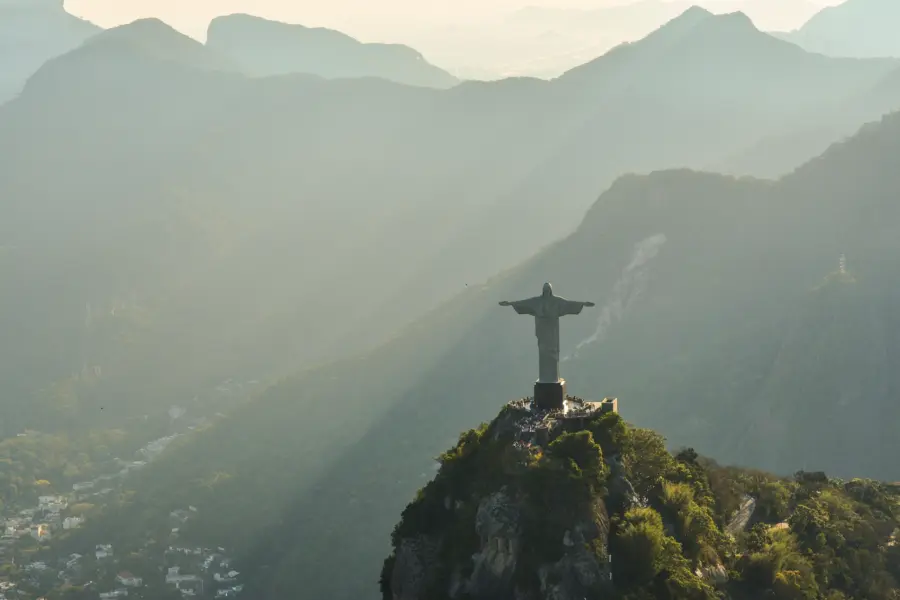
Accompanied by an English-speaking guide, you’ll visit two of Rio’s most iconic mountains. You’ll visit Corcovado Mountain, where the world-famous statue of Christ the Redeemer towers high above the city. You’ll take a small train and climb the 220 steps up the steep mountain to reach the summit. At the top of the mountain, you’ll be richly rewarded with a magnificent view over Rio de Janeiro. You’ll also admire Sugarloaf Mountain, which you’ll reach by cable car. Lunch is included during the tour.
The following day is free for you to spend as you wish. Take a stroll around the neighbourhood where you’re staying, go for a bike ride or visit the colourful Selaron Steps. Of course, you can also relax on one of the beaches amongst the Cariocas (the inhabitants of Rio de Janeiro) who are exercising or strolling along.
Included:
• Day trip to Corcovado and Sugarloaf Mountain with private service, including an English-speaking guide, transport, entrance fees and lunch
• Overnight stays including breakfast
Rio de Janeiro - Belo Horizonte
You’ll leave the ever-lively Rio de Janeiro and fly on to Belo Horizonte, a major city in Minas Gerais. On arrival, you’ll collect your hire car and drive on to the town of Brumadinho. Here you’ll find Brazil’s most important art centre: the Ihotim Museum.
You’ll be staying near this remarkable museum for the next few nights before setting off on your wonderful self-drive tour along the historic route used to transport gold from the interior to the coast. This gold was subsequently exported to Portugal.
Included:
• Private transfer to the airport
• Domestic flight to Belo Horizonte
• Car hire, including assistance with collection
• Overnight accommodation including breakfast
Visit to the Inhotim musuem

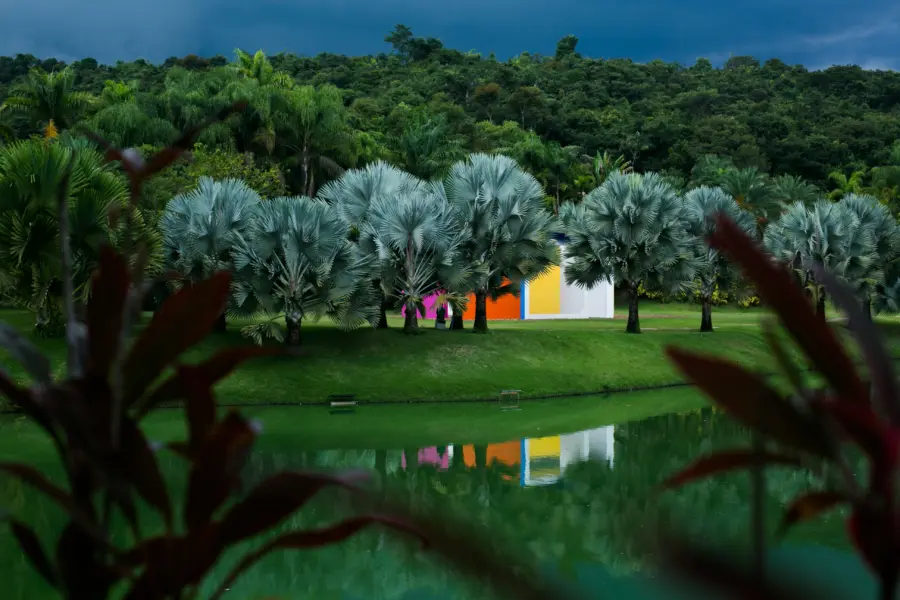
From Brumadinho, you’ll visit the world’s largest open-air centre, Inhotim, with your guide, where contemporary art and nature come together. This 87-hectare park combines impressive art installations, architectural masterpieces and a botanical garden featuring the world’s largest collection of palm trees. The park was partly designed by the legendary landscape architect Roberto Burle Marx.
The combination of the vegetation and the architecture is so unique that you’ll need a full day to explore it all. Admire more than 500 works by 100 artists from 30 countries, spread across pavilions and gardens. Stroll amongst the artworks, discover hidden installations and enjoy the peace and beauty. A must-see for art and nature lovers!
Included:
• Visit to the Inhotim Museum with an English-speaking guide
• Overnight stay including breakfast
Self-drive: Brumadinho - Ouro Preto (2 - 2.5 hours' drive)

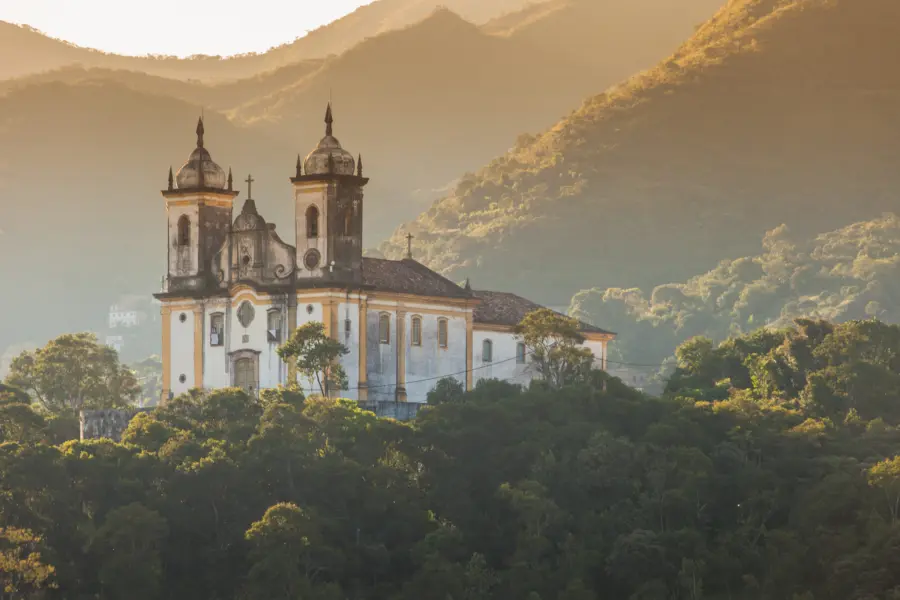
By car, you will drive on to the colonial city of Ouro Preto. You will stay two nights in this city, whose historic centre is a World Heritage Site. In the 17th and 18th centuries, Ouro Preto was the main town where prospectors, who descended in large numbers on the region's discovered gold, settled. Along its steep cobbled streets are many baroque monuments from this era. Besides visiting this beautiful city, you can also drive to Congonhas, Mariana and the gold mines from Ouro Preto in your rental car.
Includes:
• Hire car
• Accommodation including breakfast
Self-drive: Ouro Preto - Tiradentes (3 - 3.5 hours' drive)

Next stop is the town of Tiradentes. Another colonial beauty of Minas Gerais province. Small Tiradentes is one of Brazil's best-preserved colonial villages and is known as a culinary centre. The village has many highly regarded local and international restaurants. A high-class culinary festival takes place here every August.
Includes:
• Hire car
• Accommodation including breakfast
Self-drive: Tiradentes - Queluz (4.5 - 5 hours drive)
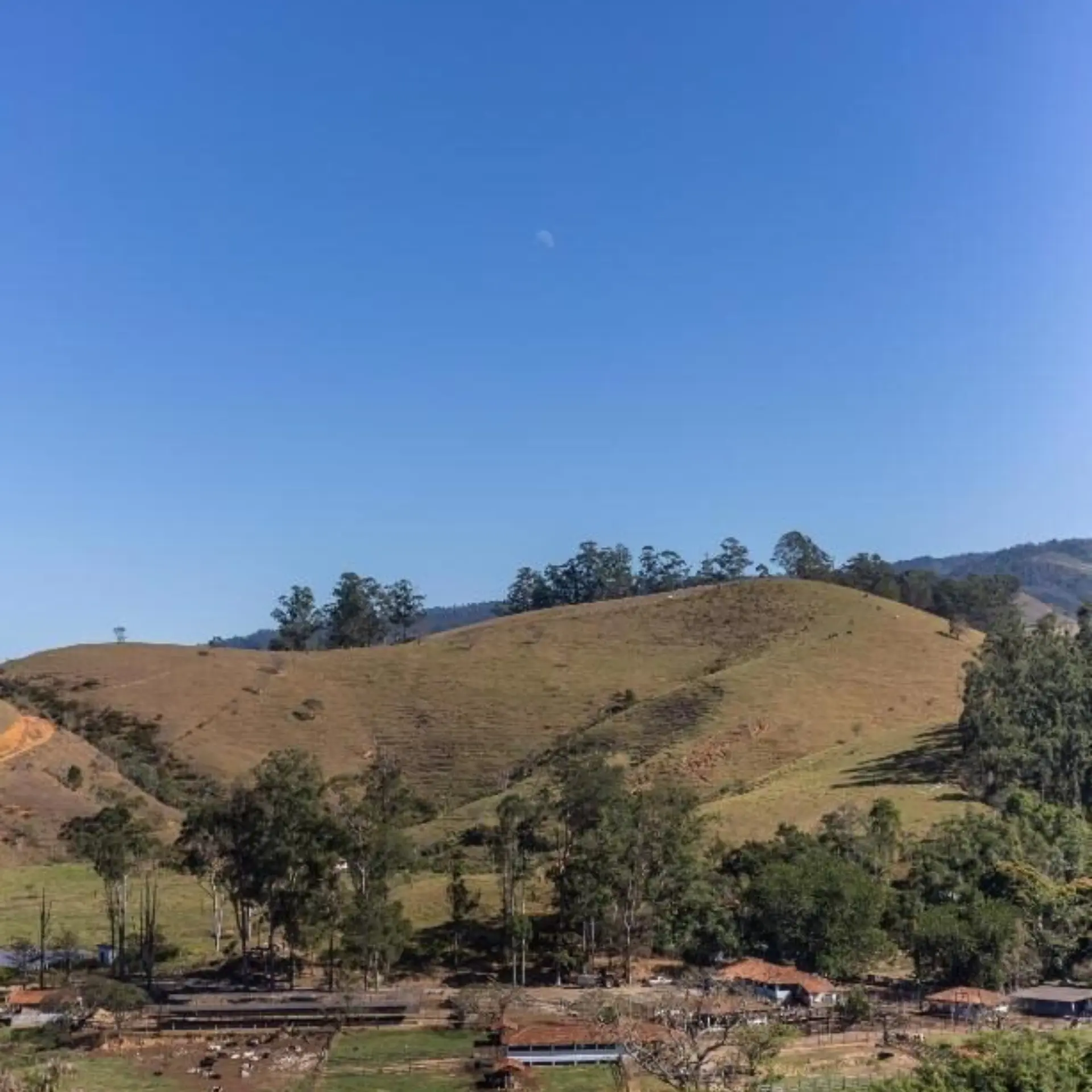
Today you’ll drive to Queluz in the Paraíba Valley. The perfect place for an authentic experience to connect with the local culture and nature. Fazenda Santa Vitória is an organic farm where local produce such as milk, cheese and yoghurt is made. All meals are included during your stay, allowing you to enjoy the fresh produce. You can also take a guided tour of the dairy to learn more about life in this area and how everything is produced.
Furthermore, there are various activities to enjoy in the vicinity, such as walking or horse-riding through the surrounding countryside, or exploring the picturesque villages and rural landscape by bike. For those interested in culture and history, there are excursions to local markets and historical sites, allowing you to discover the region in an authentic way.
Includes:
• Car hire
• Accommodation on a full-board basis
Self-drive: Queluz - Paraty (3-hour drive)

From Queluz, you’ll drive to the final stop on the Gold Route, the colonial town of Paraty, where the gold was loaded onto ships for the voyage to Europe. This charming town, with its cobbled streets, colourful buildings and relaxed atmosphere, exudes history and a warm, welcoming feel. Stroll through the charming streets, discover little boutiques and sample the local cuisine in one of the charming little restaurants.
Paraty lies on an idyllic bay dotted with dozens of islets featuring beautiful beaches and lush vegetation. The following day, you’ll set off on a private boat to explore these stunning islands, with the chance to go snorkelling too. The waters are perfect for swimming and snorkelling. A relaxing day on the water.
Includes:
• Hire car
• Private boat trip in Paraty, including a guide and snorkelling equipment (day 13)
• Accommodation including breakfast
Beach exit Picinguaba (1.5 - 2 hours' drive)
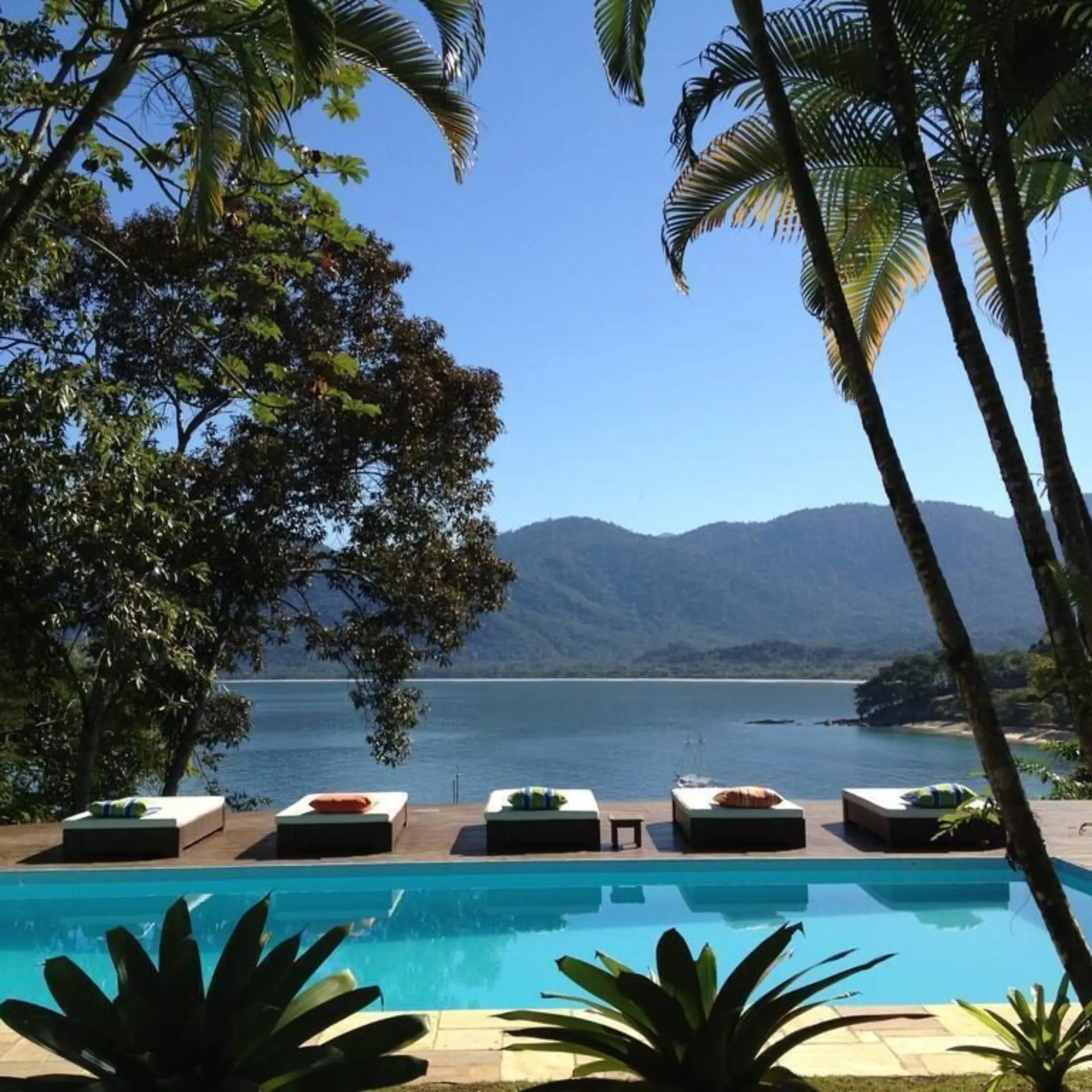
From Paraty, you’ll drive on to Ubatuba, where you’ll stay at the charming and beautiful Pousada Picinguaba. Over the next few days, enjoy the peaceful beaches and the surrounding rainforest. You can enjoy swimming, sunbathing or snorkelling in the crystal-clear water. There are also various walking trails in the nearby nature reserves, where you can discover the local flora and fauna, or pay a visit to the fishing village.
For the adventurous traveller, there’s the chance to go kayaking or stand-up paddleboarding on the calm waters of the bay. You can also take a boat trip to secluded beaches and islets in the region and enjoy the stunning coastline.
Pousada Picinguaba offers the perfect base for relaxation and experiencing nature. A wonderful place to round off your trip.
Includes:
• Hire car
• Accommodation including breakfast
Accommodations
Santa Teresa Hotel RJ - MGallery
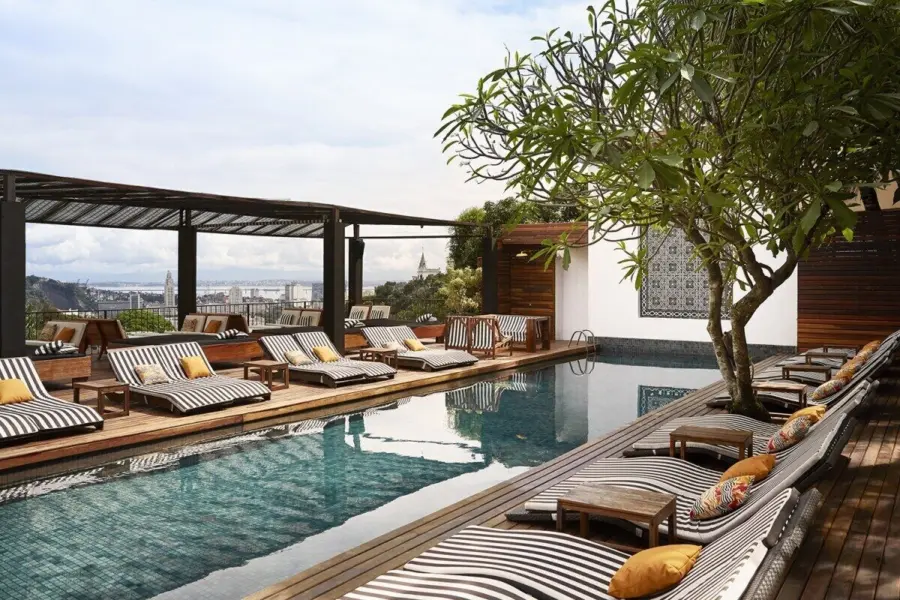
The atmospheric Santa Teresa hotel is a former private mansion in the historic Santa Teresa district in the hills of Rio de Janeiro. For those looking for 'the other Rio', the Santa Teresa boutique hotel is an ideal choice. During your stay, enjoy stunning panoramic views from your room or hotel garden,...
The atmospheric Santa Teresa hotel is a former private mansion in the historic Santa Teresa district in the hills of Rio de Janeiro. For those looking for 'the other Rio', the Santa Teresa boutique hotel is an ideal choice. During your stay, enjoy stunning panoramic views of the city, port and Guanabara Bay from your room or hotel garden. The Santa Teresa hotel is a haven of tranquillity, luxury and sophistication, located on a colonial estate in the most aristocratic area of Santa Teresa.
More than just an extraordinary hotel, Hotel Santa Teresa offers tranquillity and security to all its guests, with tropical gardens, panoramic pools, a complete Natura SPA, a lounge bar and the restaurant Térèze, where chef Damien Montecer's French-Brazilian gastronomy takes centre stage.
A hotel as they describe themselves: "In the true heart of Rio, a unique place with a soul"
Your stay: 3 nights
Estalagem do Mirante
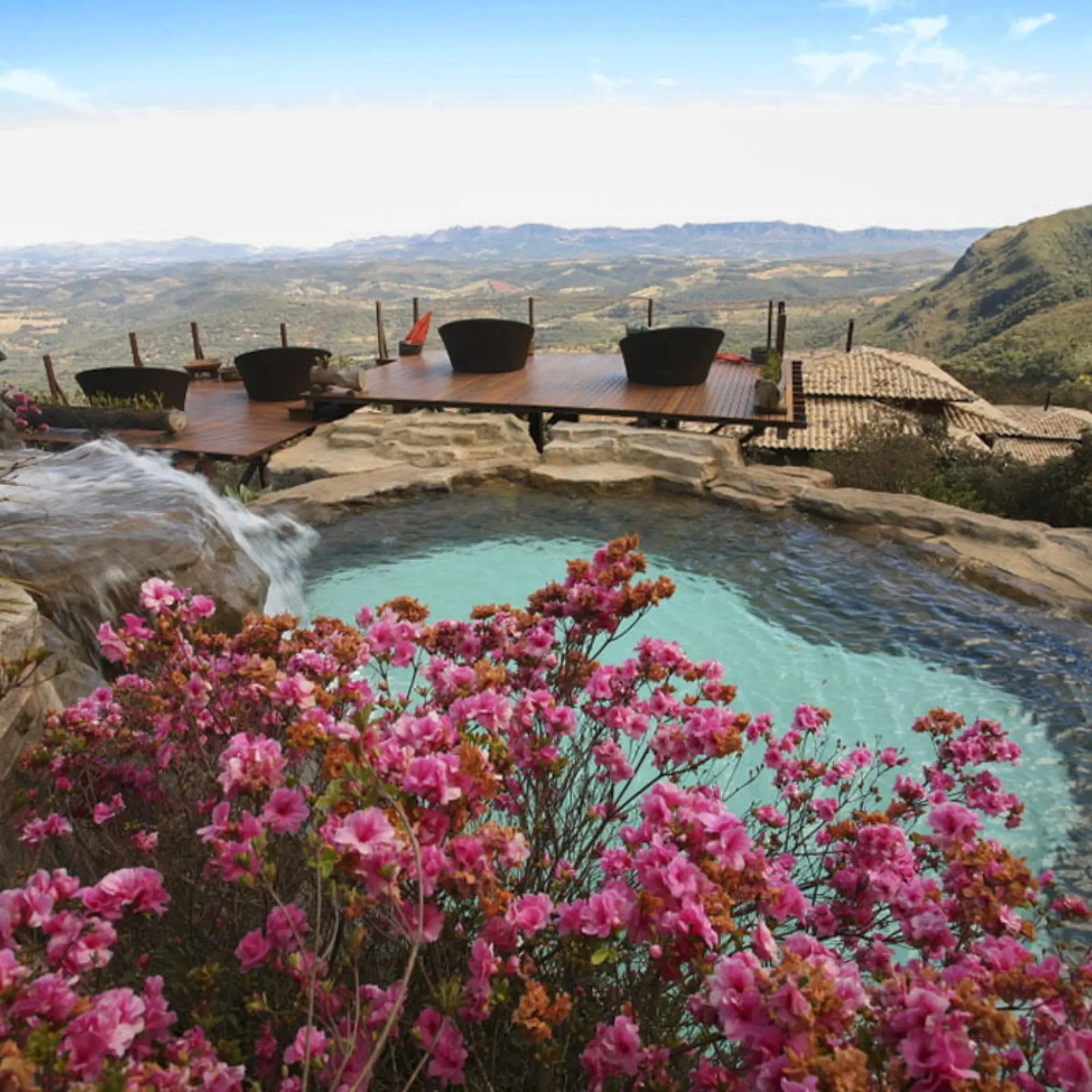
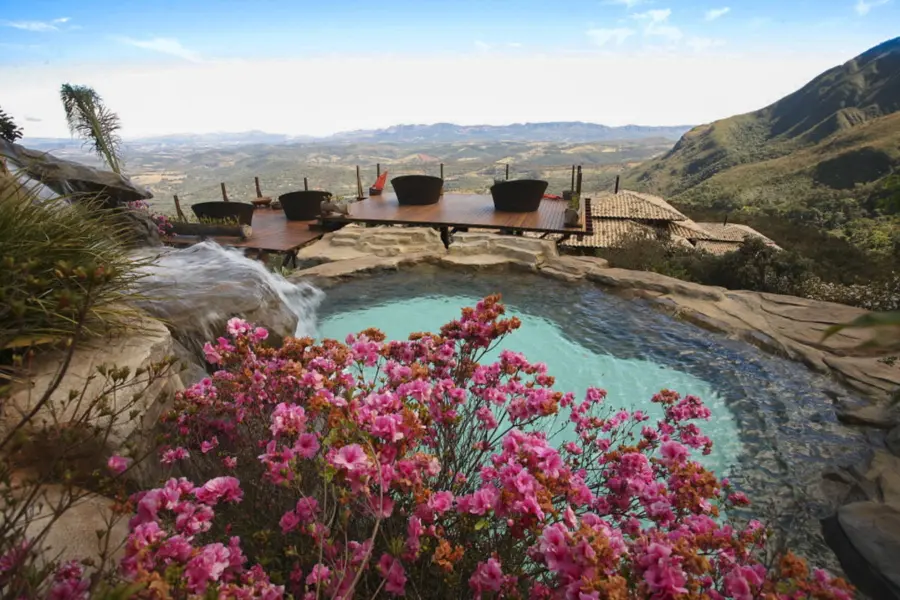
Located at the top of the Serra da Moeda (altitude of 1,200m) is Estalagem do Mirante. Offering unique and beautiful views of the Vale do Paraopeba, the pousada is a place to enjoy peace, tranquillity and balance. All rooms have views of the valley and the sunset, and were named after the Brazilian...
Located at the top of the Serra da Moeda (altitude of 1,200m) is Estalagem do Mirante. Offering unique and beautiful views of the Vale do Paraopeba, the pousada is a place to enjoy peace, tranquillity and balance. All rooms have views of the valley and the sunset, and were named after the Brazilian mountains and local insect. There are 16 individual chalets divided into deluxe, master and top master, equipped and furnished with great comfort and good taste. The hotel features a restaurant, wireless internet and an on-site waterfall.
Your stay: 2 nights
Hotel Solar do Rosario
Solar do Rosario is located in Ouro Preto, a city known for its beautiful colonial architecture. The mansion was built in the nineteenth century and has been completely renovated and restructured to provide 41 flats. The flats consist of 11 standard, 18 golden, 8 executive suites and 4...
Solar do Rosario is located in Ouro Preto, a city known for its beautiful colonial architecture. The mansion was built in the nineteenth century and has been completely renovated and restructured to provide 41 flats. The flats consist of 11 standard, 18 golden, 8 executive suites and 4 superior suites. Hotel facilities include room service (15:00 to 23:00), laundry service, messenger service, wireless internet and parking.
Your stay: 2 nights
Solar da Ponte
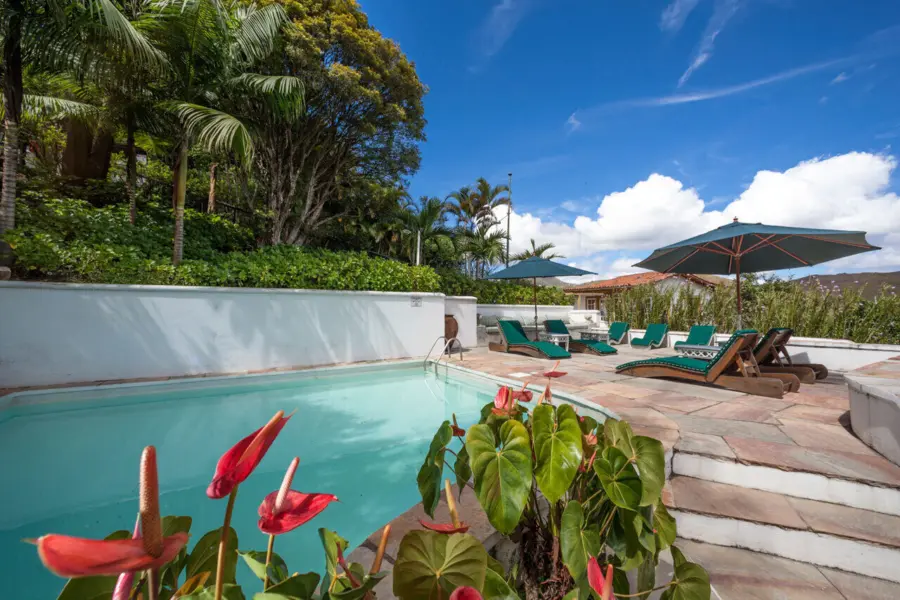
Solar da Ponte is located in the historical centre of Tiradentes, Minas Gerais. Nearby attractions include the Santo Antonio Church and the traditional train station. The rooms feature elegant décor with air-conditioning, free Wi-Fi, and flat-screen TVs. Guests can enjoy a breakfast buffet with fresh bread and cornbread,...
Solar da Ponte is located in the historical centre of Tiradentes, Minas Gerais. Nearby attractions include the Santo Antonio Church and the traditional train station. The rooms feature elegant décor with air-conditioning, free Wi-Fi, and flat-screen TVs. Guests can enjoy a breakfast buffet with fresh bread and cornbread, served overlooking the gardens. Leisure facilities include an outdoor pool and a sauna.
Your stay: 2 nights
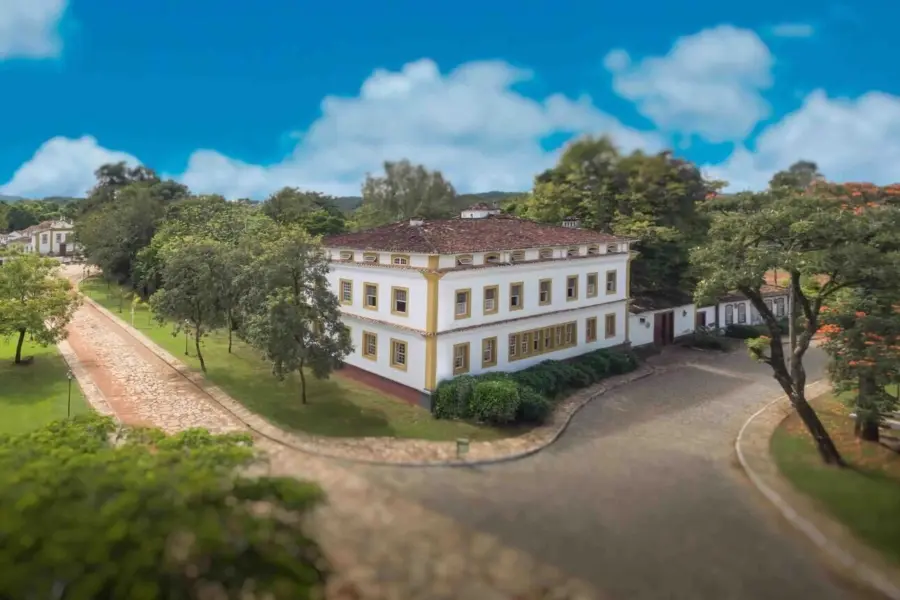
Fazenda Santa Vitória
Fazenda Santa Vitória offers an authentic farm experience in Queluz between São Paulo and Rio de Janeiro and at the foot of Mantiqueira. The accommodation features spacious guest rooms and suites with private bathrooms and air conditioning, while selected rooms have terraces. Guests can enjoy a...
Fazenda Santa Vitória offers an authentic farm experience in Queluz between São Paulo and Rio de Janeiro and at the foot of Mantiqueira. The accommodation features spacious guest rooms and suites with private bathrooms and air conditioning, while selected rooms have terraces. Guests can enjoy a delicious breakfast or lunch at the hotel's restaurant. It is also possible to participate in activities, such as hiking on the many trails in the area, enjoying cheese tastings or visiting the waterfall.
Your stay: 2 nights
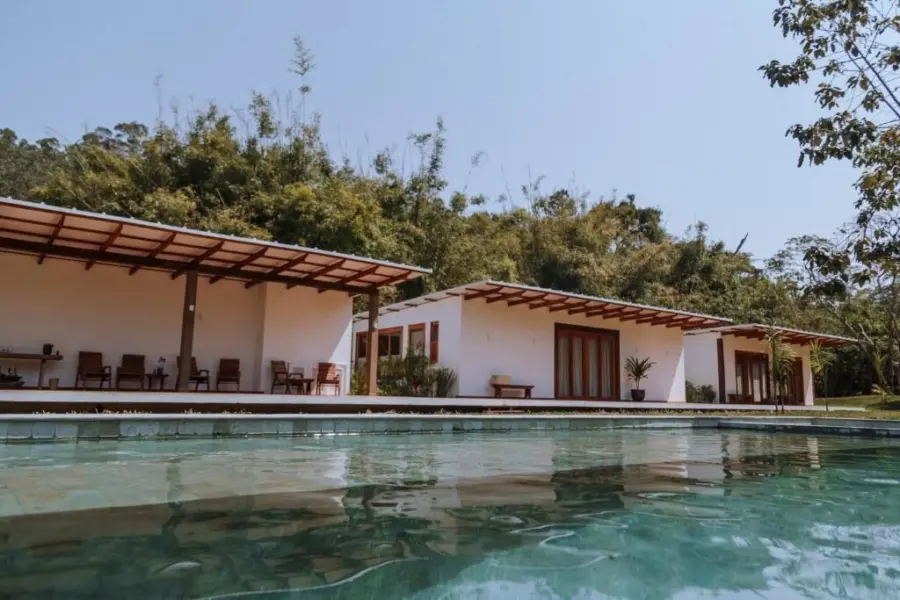
Pousada Literaria de Paraty
Located in the historic centre of Paraty, Pousada Literaria is housed in a fully restored colonial house. The hotel offers a harmonious blend of historical charm and modern elegance. The hotel's own restaurant, Quintal das Letras, offers a sophisticated culinary experience with a menu that...
Located in the historic centre of Paraty, Pousada Literaria is housed in a fully restored colonial house. The hotel offers a harmonious blend of historical charm and modern elegance. The hotel's in-house restaurant, Quintal das Letras, offers a sophisticated culinary experience with a menu that combines local ingredients and traditional Brazilian dishes. Ingredients are often sourced from the nearby Fazenda Bananal, a sustainable farm also owned by the hotel.
With its central location, Pousada Literária offers easy access to Paraty's cobbled streets, art galleries and historical sites, making it an ideal choice for travellers seeking luxury, comfort and an in-depth cultural experience.
Your stay: 2 nights
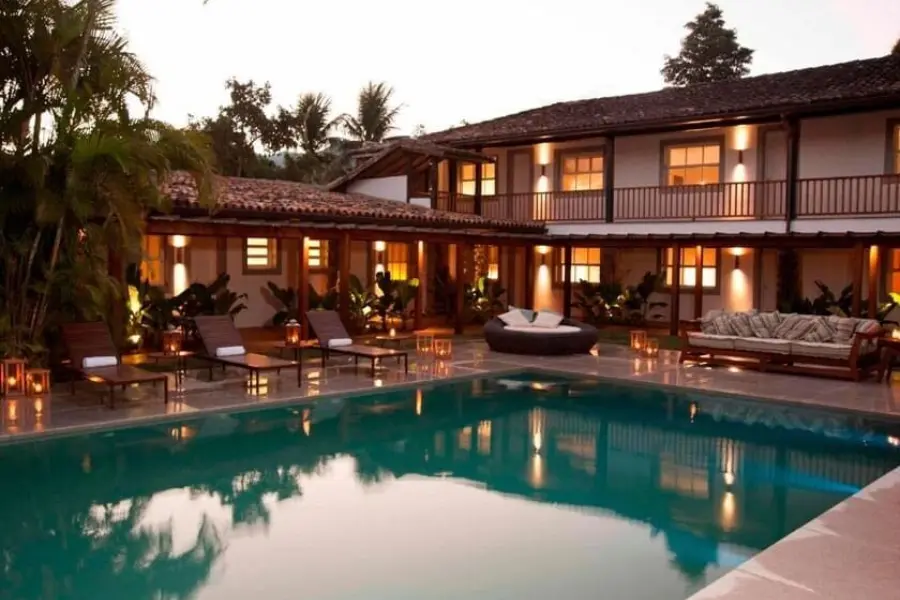
Picinguaba Pousada
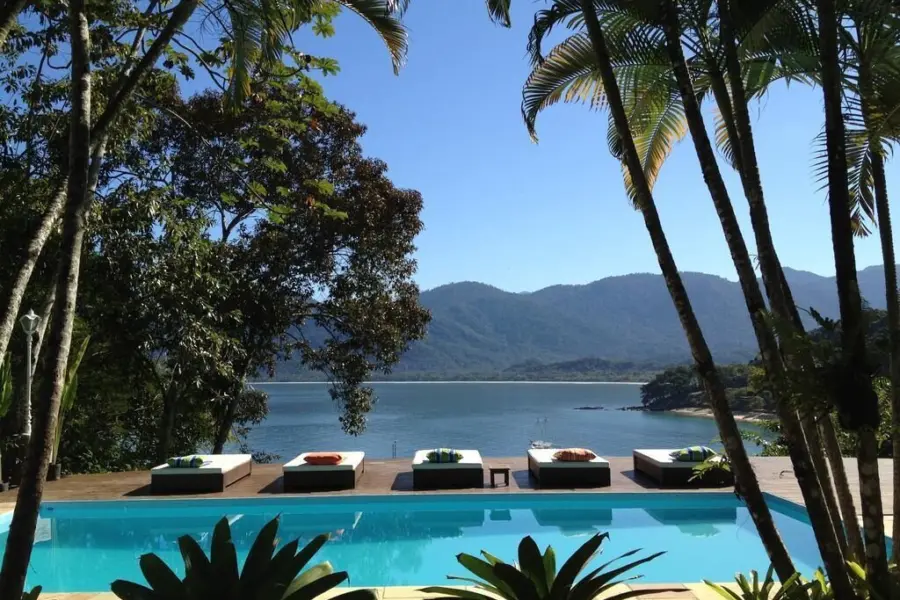
A charming pousada in a very unique natural setting where you are in touch with nature and local life. A limited number of rooms makes Picinguaba special in a getaway of very high class and privileged service. Luxury at Picinguaba means tranquillity, nature and authenticity. Pousada Picinguaba was made...
A charming pousada in a very unique natural setting where you are in touch with nature and local life. A limited number of rooms makes Picinguaba special in a getaway of very high class and privileged service. Luxury at Picinguaba means tranquillity, nature and authenticity. Pousada Picinguaba was selected in HIP HOTELS as one of the 80 most extraordinary hotels around the world. This extraordinary accommodation is all about the experience, the story behind it all. This comes from everything the hotel undertakes ranging from the decoration to the architecture, the ingredients used in the cuisine, the people who work there and the way guests are warmly welcomed.
Your stay: 3 nights
Experiences
Day trip Rio - Corcovado and Sugarloaf Mountain
Today, you will take a private day tour of Rio de Janeiro with an English-speaking guide. First you will visit Corcovado Mountain, where the world-famous statue of Christ towers high above the city. By little train and up the 220 steps you will climb the steep mountain to get to the top. At the top of the mountain, you will be...
Today, you will take a private day tour of Rio de Janeiro with an English-speaking guide. First you will visit Corcovado Mountain, where the world-famous statue of Christ towers high above the city. By little train and up the 220 steps you will climb the steep mountain to get to the top. At the top of the mountain, you will be doubly rewarded with grandiose views over Rio de Janeiro. You will also admire Sugar Loaf Mountain, which owes its name to the shape of the mountain. Located at the entrance to Guanabara Bay, this massive 396-metre granite smoke is one of the city's most famous sights. You reach the top by cable car that starts at the beautiful Urca district. This ride takes just 6 minutes. Once you reach the top, the view from the summit is simply amazing and you will also find some bars, souvenir shops and playgrounds.

Avila Experience - Inhotim Art Center, Belo Horizonte
The Inhotim Contemporary Art Centre is an organisation dedicated to education and cultural development of the community. Located about 1.5 hours' drive from Belo Horizonte in the municipality of Brumadinho, Minas Gerais, Inhotim covers an area of 87 hectares of beautiful gardens - part of which is laid out...
The Inhotim Contemporary Art Centre is an organisation dedicated to education and cultural development of the community. Located about 1.5 hours' drive from Belo Horizonte in the municipality of Brumadinho, Minas Gerais, Inhotim covers an area of 87 hectares of beautiful gardens - some of which were created by renowned landscape architect Roberto Burle Marx - and artworks on display. Inhotim is a place for education and fun.
Inhotim's art collection consists of around 500 works by more than 100 artists of 30 different nationalities. With a focus on contemporary art from 1960 to the present, the collection includes sculptures, installations, paintings, drawings, photography, film and video.
The museum makes extensive use of different types of exhibition spaces. Several works are displayed outdoors, in the garden, immersed in the forest, on a mountaintop and on a body of water. Other works are found indoors, exhibited separately in purpose-built pavilions, as well as in collective exhibitions in large galleries.
Inhotim maintains partnerships with various parties to promote exchanges between art collections and also provide opportunities to introduce new species of plants in natural settings. The botanical garden has the largest collection of palm trees in the world with about 1,500 species.
Destinations
Rio de Janeiro
Rio de Janeiro is a world-class city! This metropolis, where (beach) life goes on 24 hours a day, has so much to offer that even the ‘Cariocas’, the residents of ‘Rio’, cannot decide when asked to name their favourite feature of their city. Rio lies on a strip of land approximately 24 kilometres long, nestled between the mountains and the sea; lush greenery on one side and vibrant blue on the other. It is home to a population of 8 million who seem to have a monopoly on the concept of ‘Beach Beauties’: beach culture was invented in Rio.
The world-famous, 38-metre-high statue of ‘Christ the Redeemer’ stands high on the summit of Corcovado Mountain, from where it embraces the city in its arms and blesses it with an all-seeing eye. Sugar Loaf, the mountain shaped like a loaf of sugar, is one of Brazil’s most photographed sights.
Then there are the beaches; the best known and most popular are Copacabana Beach and Ipanema Beach. Copacabana boasts a four-kilometre-long beach, flanked by a bustling promenade lined with beach bars, cafés and a vibrant nightlife. On Sundays and public holidays, the beach road is closed to traffic and ‘Copa’ is transformed into one huge leisure area. The sultry bossa nova track ‘The Girl from Ipanema’ put Rio’s Ipanema Beach on the world map in one fell swoop. A golden strip of sand flanked by a wide promenade and numerous beach bars. People sit, chat, eat and drink there round the clock. Young and old alike stroll, play sport and flirt. The residential district of Ipanema is home to Rio de Janeiro’s finest shops and chic boutiques.
You’ll find a completely different atmosphere in the colourful Santa Teresa district, nestled in the hills of Rio de Janeiro. Steep cobbled streets, historic houses each with its own story, and cosy cafés and restaurants. The ‘bodinho’, the vintage little train, still chugs its way there from downtown Rio.
Rio’s world-famous carnival hardly needs any further introduction: it is the biggest and most spectacular festival in the world. In short: Rio is sensational!
Brumadinho
Located in the state of Minas Gerais in south-east Brazil, the remote town of Brumadinho is home to a world-class cultural gem: the Inhotim open-air museum. Spread over 20 square kilometres, this carefully landscaped park is a huge work of art in itself and requires at least two days to fully explore. It houses an array of contemporary art galleries and sculptures, as well as beautiful trees, flowers and butterflies. A number of restaurants and bars offer places to relax and refresh when not wandering among the exhibitions. For those staying longer in Brumadinho, there are several exceptional natural attractions around the town, including the Serra do Rola-Moça State Park and the Cachoeira Waterfall.
Brazil
Brazilian Highlands
The Brazilian highlands are vast, covering about half of Brazil's landmass. The highlands consist of dramatic landscapes, rolling hills and mountain shrines, green forests, tropical jungle and deep canyons. With the fertile Amazon lowlands to the west, the highlands stretch all the way to the Atlantic Ocean, where they drop dramatically along the coast to form the "Great Escarpment". The area is of astonishing beauty and biodiversity, with a wealth of flora and wildlife.
Paraty
Paraty is situated on an idyllic bay dotted with dozens of small islands featuring beautiful beaches and lush vegetation. Behind and alongside Paraty lie the rainforests and steep mountains. When the explorer ‘Amerigo Vespucci’ – after whom the continent is named – sailed into Paraty Bay, he uttered the famous words: ‘My God, if paradise on earth exists, it cannot be far from here’. At that time, the picturesque village itself didn’t even exist yet!
In the past, Paraty was the final stop on the ‘gold trail’ – the route between Diamantina, Ouro Preto, Tiradentes and Paraty – along which gold was transported to be shipped from Paraty to its final destination: the Portuguese Crown. However, the precious cargo often never made it beyond Paraty Bay, where pirates lay in wait. The cobbled streets of this picture-perfect town take you past historic monuments and colourful houses that evoke a bygone era. The small, compact centre is easy to explore on foot, though the cobblestones are no match for any heels!


Ubatuba
Located on Brazil's beautiful coastline, Ubatuba is known for the wide variety of beaches that surround it. The resort lies at the foot of the majestic Serra do Mar mountains covered with native flora. The area is known for its many chic resorts, hotels and elegant beach houses. There are several activities to do such as excellent diving, boating, surfing, hiking, as well as exploring beautiful waterfalls and enjoying the vibrant nightlife. Also visit the nearby Serra do Mar National Park.
Belo Horizonte
Situated in the south-eastern Brazilian state of Minas Gerais, the city of Belo Horizonte is Brazil’s third-largest city and the regional capital. Surrounded by the majestic Espinhaço Mountains, the city stretches across rolling hills. Belo Horizonte offers a mix of modern skyscrapers, first-class restaurants, fascinating museums and a network of lively streets.
This charming city is a popular starting point for travellers wishing to explore the Gold Route, a colonial road linking the region’s most important historic towns and renowned for its impressive Baroque architecture. Visitors can look forward to a visit to the Mercado Central, a traditional market full of fascinating stalls, sampling the local cuisine in one of the many restaurants in the upmarket Lourdes district, and exploring the bustling Savassi district.
Ouro Preto
Located in the remote and rugged Serra do Espinhaço mountains in eastern Brazil, the historic colonial city of Ouro Preto has been preserved as a national monument and recognised as a UNESCO World Heritage Site. It is both a bustling university town and a popular tourist destination. This incredibly picturesque town is known for its centuries-old churches, winding cobbled streets, charming squares, red-tiled roofs, fountains and beautiful Baroque architecture. Visitors can explore the 18th-century St Francis of Assisi Church, wander the ancient streets and discover the many squares, including Praça Tiradentes, the town's central square surrounded by an array of shops and cafés.

State of Minas Gerais
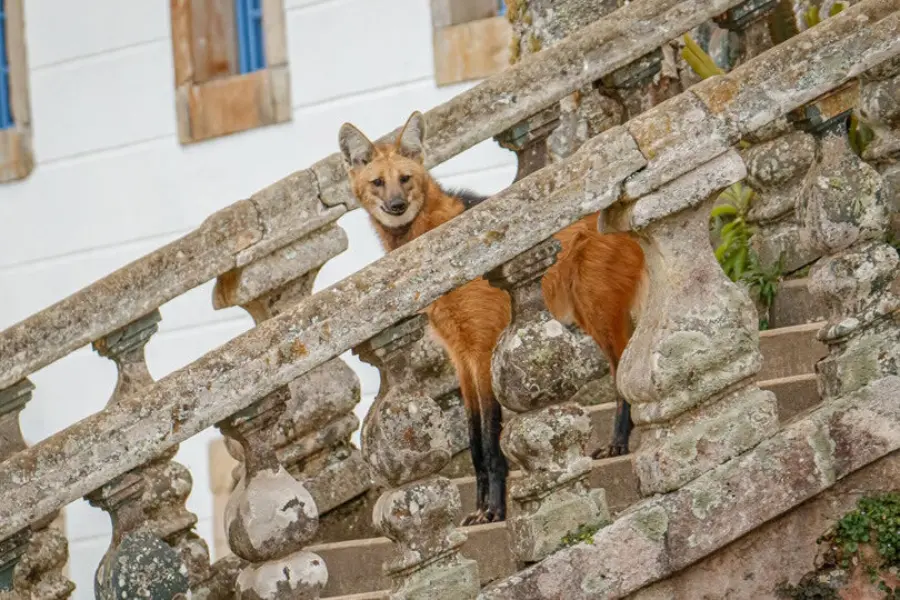
Inland in Brazil's southeast is the picturesque, culturally rich state of Minas Gerais. The state capital of Belo Horizonte has a number of outstanding attractions such as the Pampulha Art Museum and the Church of St Francis of Assisi, both designed by modernist architect Oscar Niemeyer. Most visitors will want to experience the 'soul' of Minas Gerais, which can be found on the Trail of Tiradentes. This route takes in the towns of Congonhas, Ouro Preto, Mariana and Tiradentes - all famous for their cobbled streets, well-preserved colonial architecture and excellent local cuisine. Don't miss Aleijadinho's masterpiece 'Twelve Prophets' at the shrine of Bom Jesus de Matosinhos in Congonhas.
State of São Paulo
Brazil's southeastern state of Sao Paulo is dominated by its eponymous capital city. Nicknamed the 'locomotive of Brazil', Sao Paulo is the country's economic and industrial centre: a dizzying, disorienting - but always thrilling - juggernaut of a city, offering enough sights and attractions to satisfy even the most seasoned traveller. The largest city in the southern hemisphere, Sao Paulo can be intimidating to navigate at first, but it will reward visitors who explore its world-class art galleries and museums, its chic restaurants and its iconic sights (such as the neo-Gothic Sao Paulo Cathedral). Elsewhere in Sao Paulo state, the Serra da Mantiqueira play host to mountain retreats, while you can explore the Brazilian Atlantic Forest in Iporanga and kick back on rainforest-fringed beaches in Ubatuba.
Tiradentes
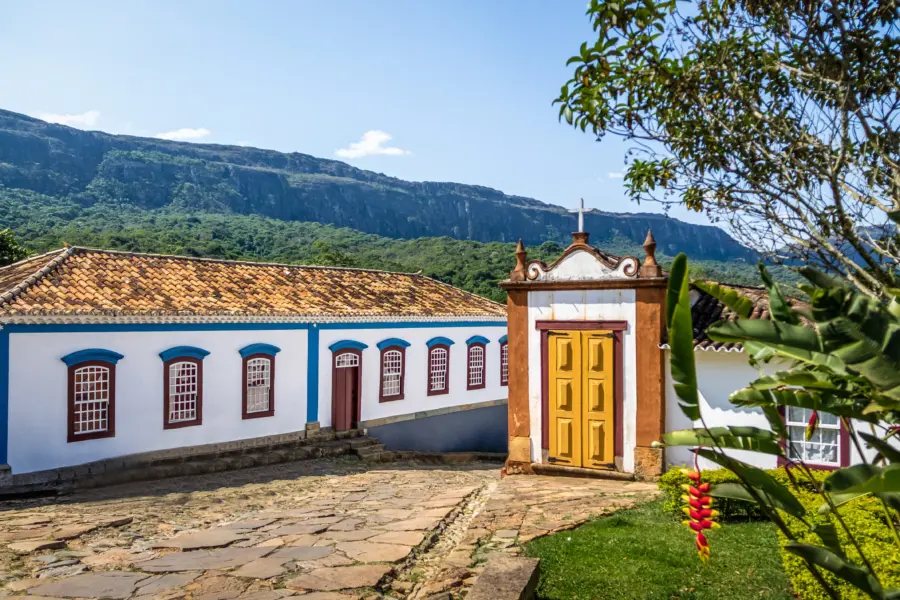
Tiradentes is named after the freedom fighter who lost his life in the struggle against Portuguese rule. The small village of Tiradentes is one of Brazil’s best-preserved colonial villages and a true colonial gem in the province of Minas Gerais. . The village is also known as a culinary centre thanks to its many highly acclaimed local and international restaurants. Every year in August, a top-class culinary festival takes place here.
Another fascinating aspect is that many railway lines were built in this area during the second half of the 19th century. Unfortunately, politicians paid little heed to this in the 20th century, resulting in few long-distance trains. One old line that is still in use is the ‘Maria Fumaça’ (Smoking Maria) steam locomotive. In half an hour, you can cover the 12 km journey between Tiradentes and São João del Rei.

Queluz
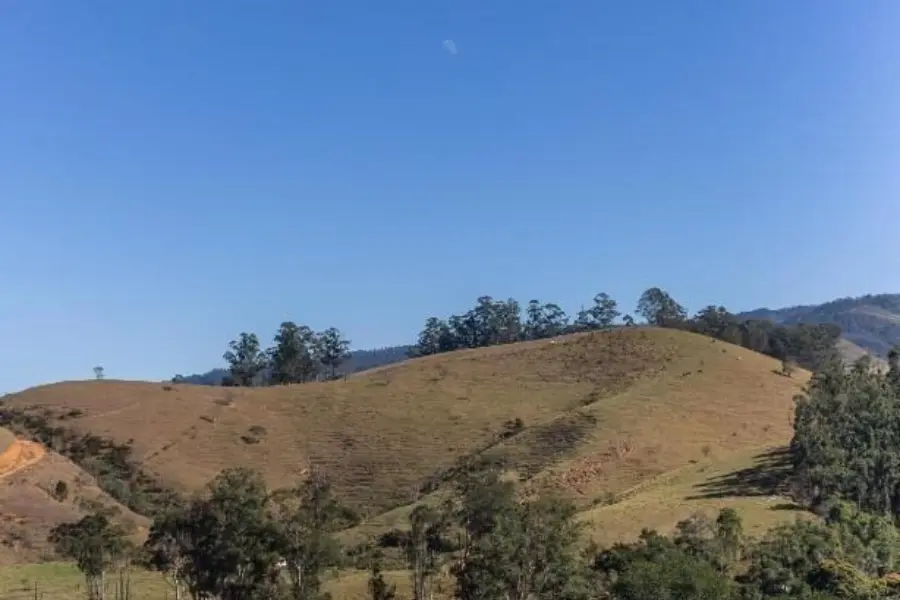
The diverse tourism offer in Queluz, São Paulo, appeals to a wide range of travellers, ranging from local culture and natural beauty. Discover the stunning Marambaia waterfall that enchants nature lovers with its flowing beauty, Mirante do Cristo offers breathtaking views of the surrounding landscapes and Gruta de Nossa Senhora da Imaculada Conceição is a sacred cave that attracts spiritual pilgrims. Furthermore, the Malba Tahan Cultural Centre offers cultural experiences and exhibitions. The rich array of attractions in Queluz attracts visitors looking for natural wonders, architectural gems, scenic viewpoints, religious sites and cultural immersion.

Brazil trip | Car trip gold route Brazil
We offer the described trip from €4,995 per person.
The price is an estimate and is subject to factors including availability and travel dates.
Included
• Domestic flights as mentioned in ‘your itinerary’, including hold luggage
• 16 nights’ accommodation in exceptional and high-quality properties
• All meals as specified in ‘your itinerary’
• Hire car, Jeep Compass or similar model, including insurance, unlimited mileage, roadbook and taxes
• All necessary private transfers as mentioned
• All excursions as mentioned in ‘your itinerary’, including a city tour of Rio de Janeiro and a boat trip around the islands of Paraty
• Entrance fees to national parks for scheduled excursions
• Booking fees (worth €50)
Positive impact of your trip:
• A contribution of €50 per person towards a positive impact via the Avila Foundation
Not included
• Intercontinental flights
• Room category upgrade
• Travel and/or cancellation insurance
• Seat reservations on flights
• Local car hire charges, such as administration fees, parking charges, tolls, fuel and excess waiver
• Meals and excursions not specified
• Personal expenses
• Contribution to the emergency fund (€2.50 per booking)
• SGR contribution (€5 per person)