
 en


- Adventure
- 21-day trip
- From €3,595 p.p.
South Africa trip | Self-drive adventure South Africa
This comprehensive tour of South Africa starts in Johannesburg and takes you along the Panorama Route to a private reserve near Kruger National Park for insane safari adventures. You will visit the St Lucia Wetlands for a boat ride past hippos and crocodiles. Then you will travel along the Garden Route with stops in Knysna and Tsitsikamma National Park, among others. What's more, you'll spend a few days enjoying the best wines in and around Stellenbosch. The trip ends in bustling Cape Town. Climb the 1 kilometre Table Mountain, enjoy a local Cape Malay cooking tour and discover the V&A Waterfront and Camps Bay. This trip offers everything for an ideal journey of discovery.
Travel programme
Travel overview
- Day 1 Flight to South Africa
- Day 2 – 3 Viewpoints on the Panorama Route
- Day 4 – 5 On safari in Kruger National Park
- Day 6 Self-drive adventure through Kruger National Park
- Day 7 – 8 Explore the extraordinary eSwatini
- Day 9 – 10 Spot hippos in the St Lucia wetlands
- Day 11 The Dolphin Coast
- Day 12 – 13 Ziplining in the stunning Tsitsikamma National Park
- Day 14 – 15 Stay in Knysna
- Day 16 – 17 Enjoy the finest wines in Stellenbosch
- Day 18 Arr ival in beautiful Cape Town
- Day 19 Culinary adventure in Bo-Kaap
- Day 20 Discover Cape Town
- Day 21 Departure from South Africa
Air travel to South Africa
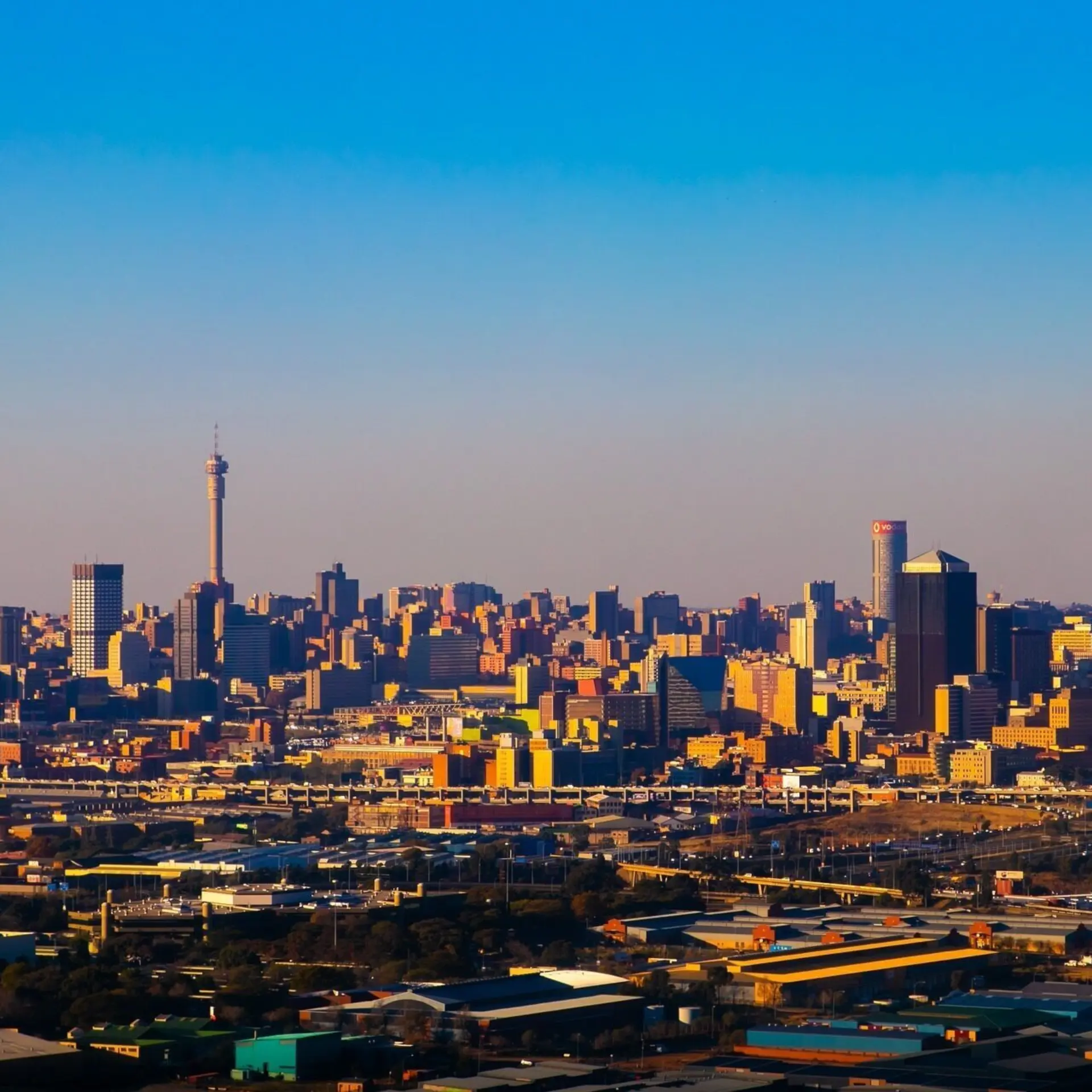
After arriving in South African Johannesburg, you will be warmly welcomed by our local representative in South Africa. After the warm welcome, you will be escorted to your hotel, where you will walk together. The hotel is located opposite the arrival hall, so easy to reach. Then you can start enjoying your well-deserved night's rest.
Included:
• Meet & Greet on arrival
• Overnight stay including breakfast
Exclusive:
• Intercontinental flight to Johannesburg
Viewpoints on the Panorama Route
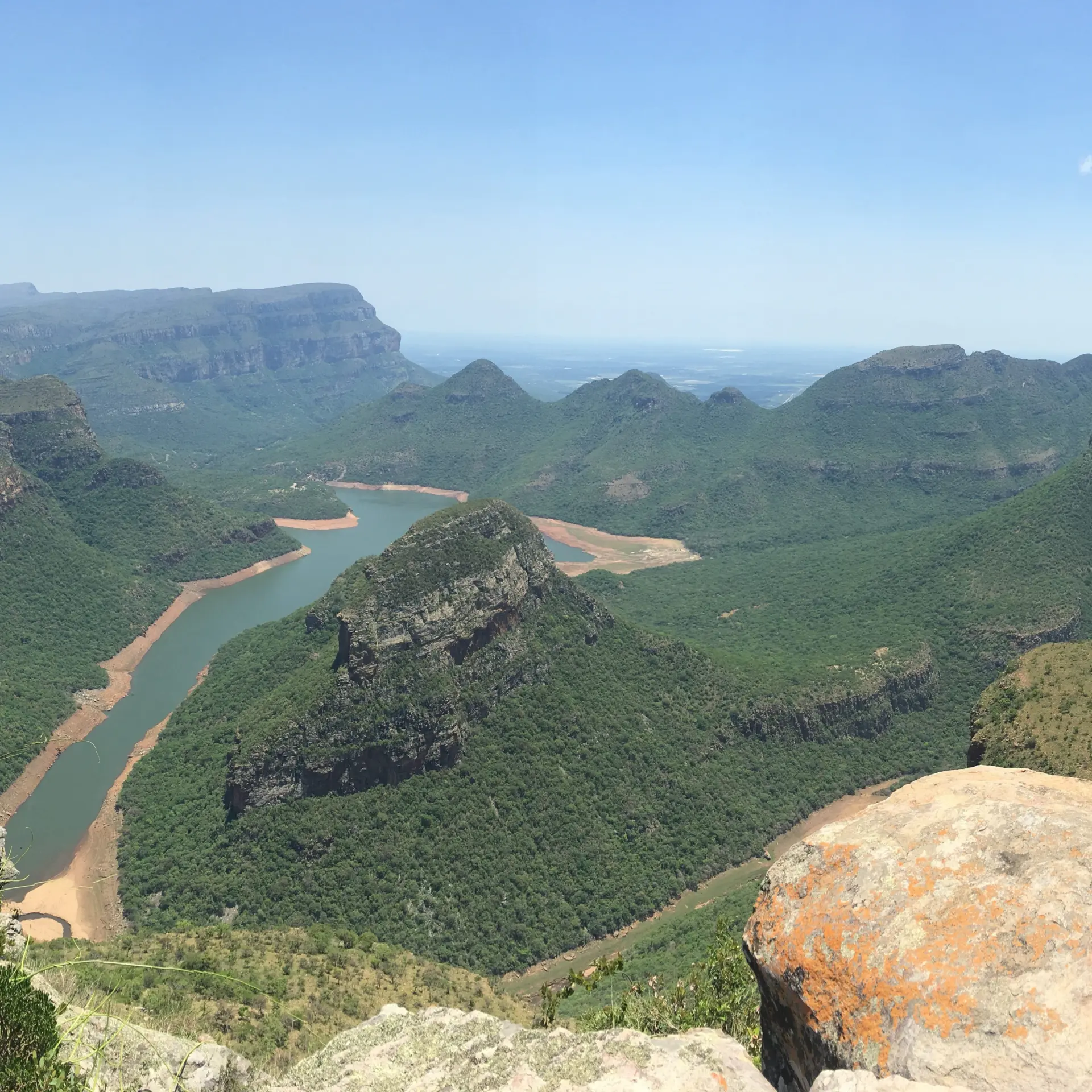
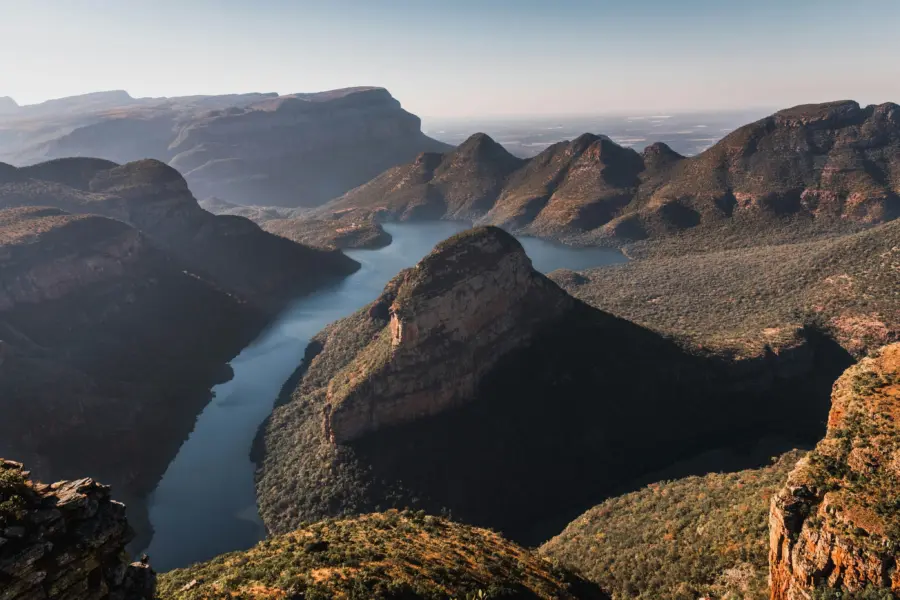
After a comfortable night’s sleep, you’ll walk back to the airport. You’ll collect your hire car and then set off for Hazyview. Your hotel is situated on the famous Panorama Route, near the Blyde River Canyon. During your stay, it’s definitely worth making a few stunning stops, such as at the Blyde River Canyon and God’s Window for spectacular views. You’ll also come across some stunning waterfalls along this route, such as Lisbon Falls and Berlin Falls.
Your accommodation is the perfect first taste of Africa. You’ll be staying in a luxury tent in a stunning location!
Includes:
• Car hire
• Accommodation including breakfast
On safari in the Kruger national park
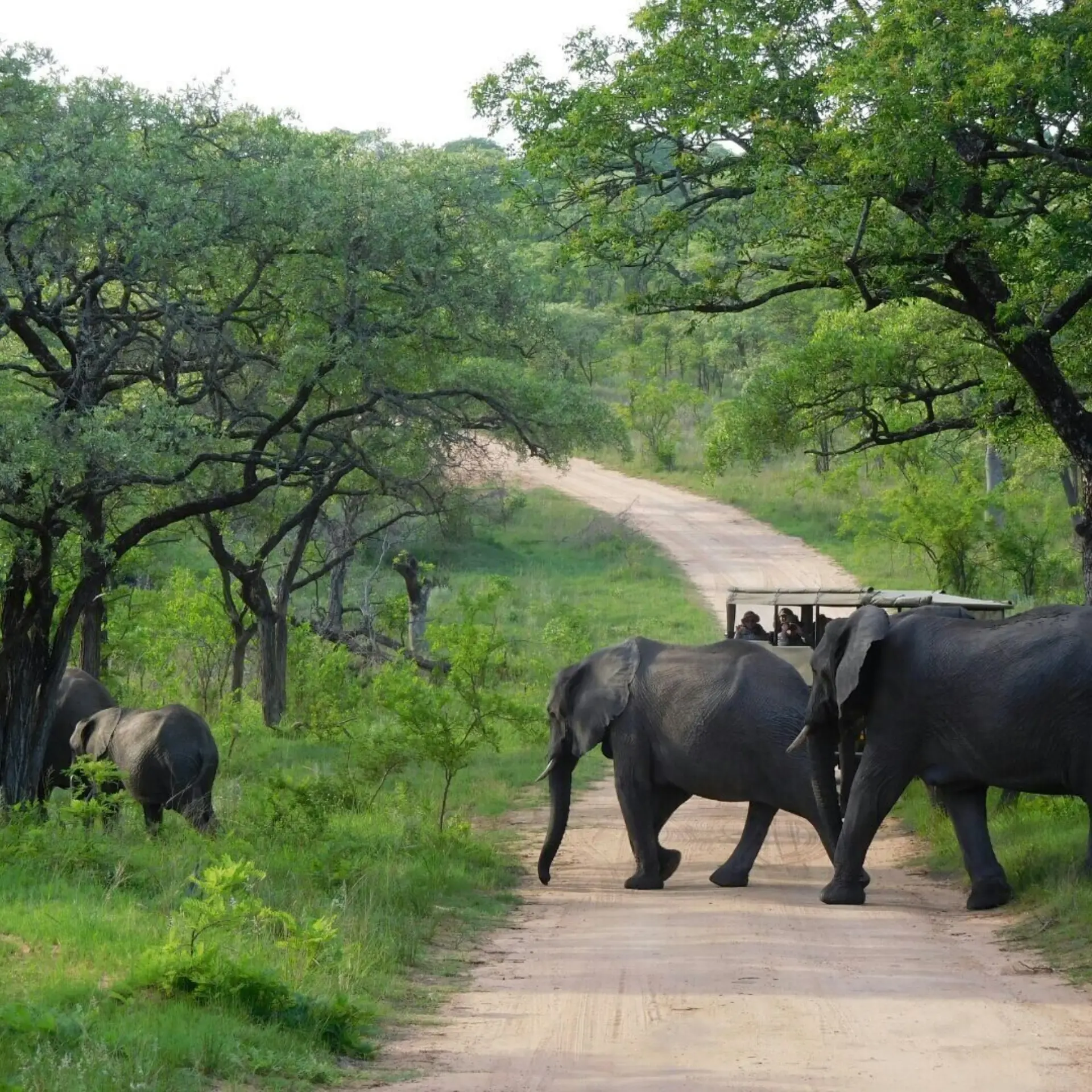
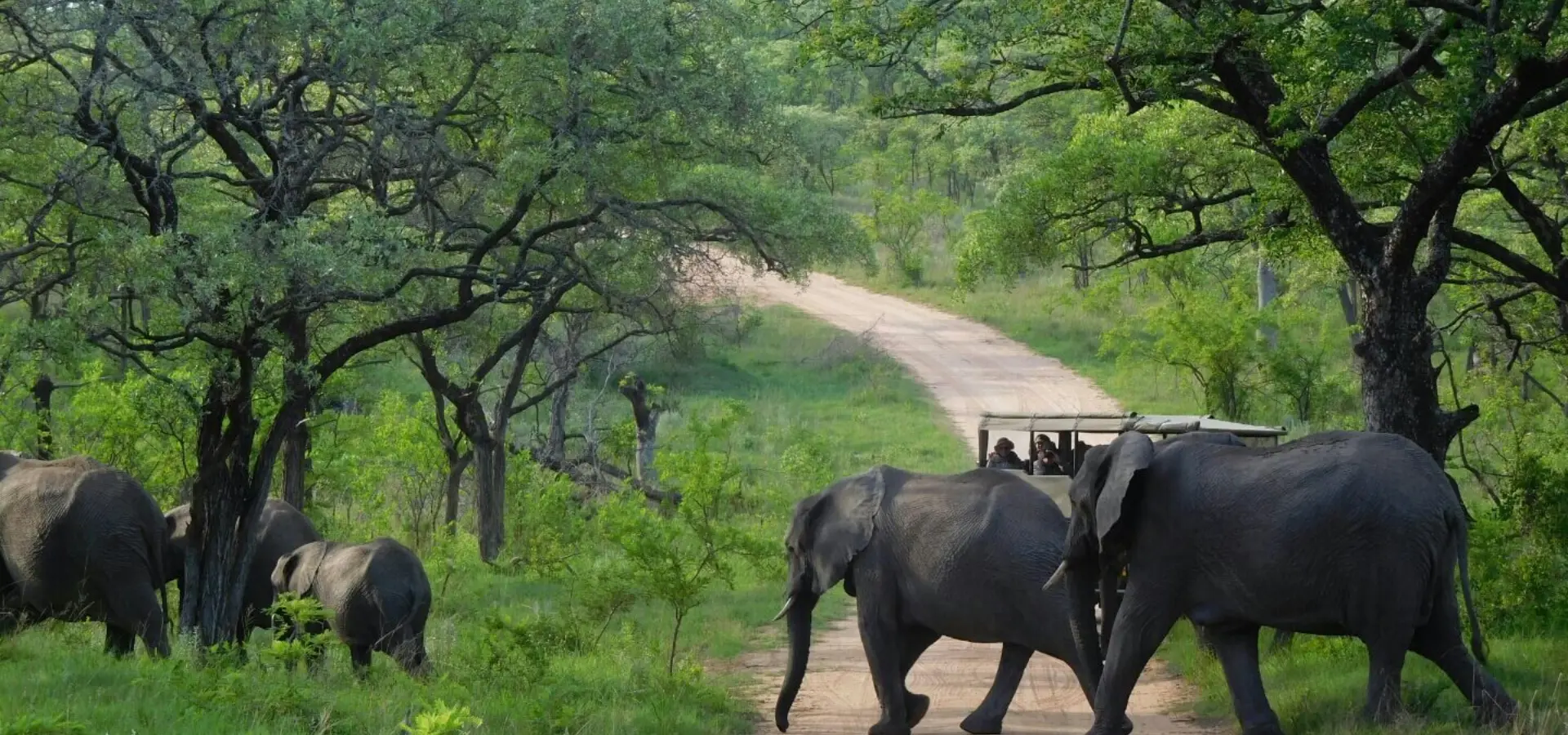
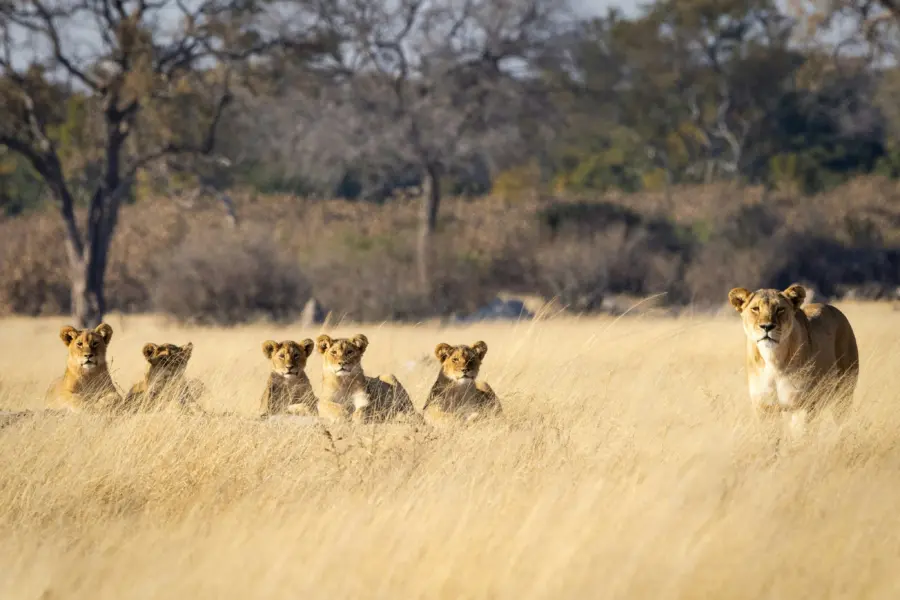
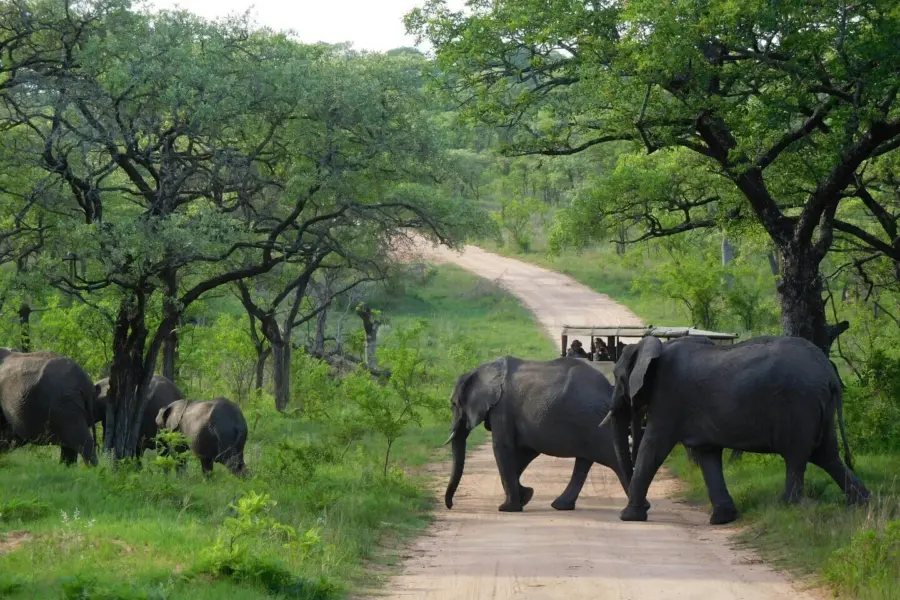
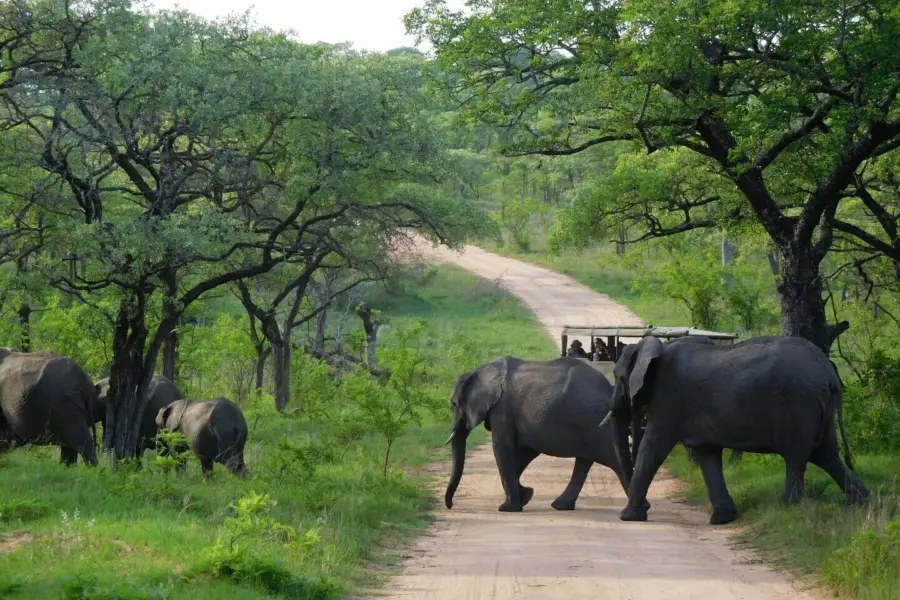
Over the next few days, you’ll be staying in a private reserve near Kruger National Park. Accompanied by a guide, you will drive through the park in search of African buffalo, elephants, rhinos, leopards and, of course, lions. Enjoy the beautiful landscapes and the impressive wildlife.
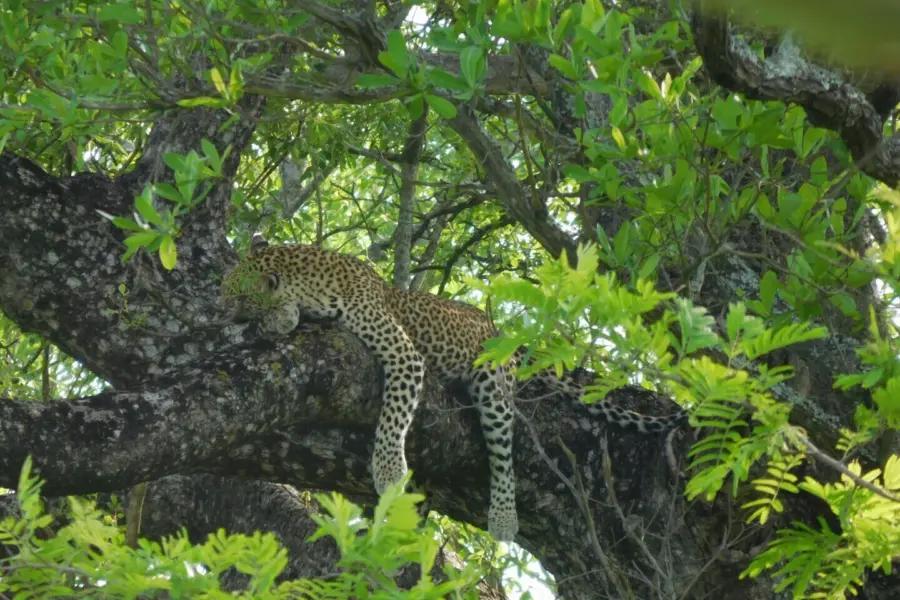
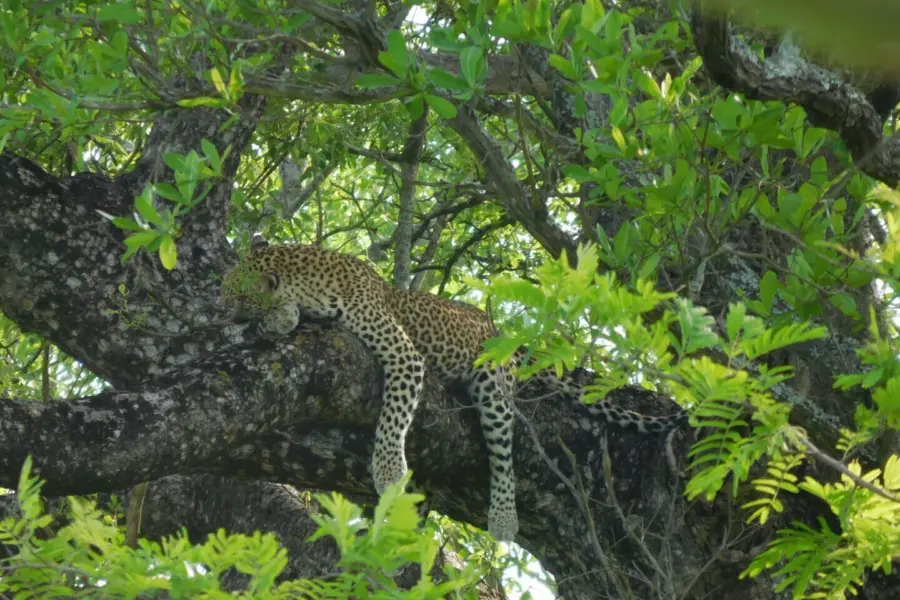
Early in the morning and in the afternoon, the temperature is a little more pleasant and the animals are all a bit more active. At the hottest part of the day, the animals take shelter in the undergrowth. At the various waterholes, you’ll have a good chance of spotting the wildlife, but do keep an eye on the trees too. Leopards like to carry their prey up to a higher branch so they can devour it there, out of reach of other predators and hyenas.
Your days at the lodge begin early in the morning. You’ll wake up to the sound of birdsong and enjoy a cup of coffee or tea. You’ll set off on your game drive and, together with your knowledgeable guide, go in search of the many animals already about in the early morning. When you return to the lodge, you can enjoy a hearty breakfast! Afterwards, you can relax and enjoy the peace and quiet of the lodge. In the afternoon, tea is served, followed by a second game drive. You’ll enjoy the sunset over the African landscape whilst wildlife passes by the vehicle. When you return in the dark in the evening, you’ll have the chance to spot nocturnal animals. Once back at the lodge, a delicious dinner awaits to round off the day.
Includes:
• Hire car
• Accommodation on a full-board basis, including (shared) safari activities
Self-drive adventure through Kruger National Park
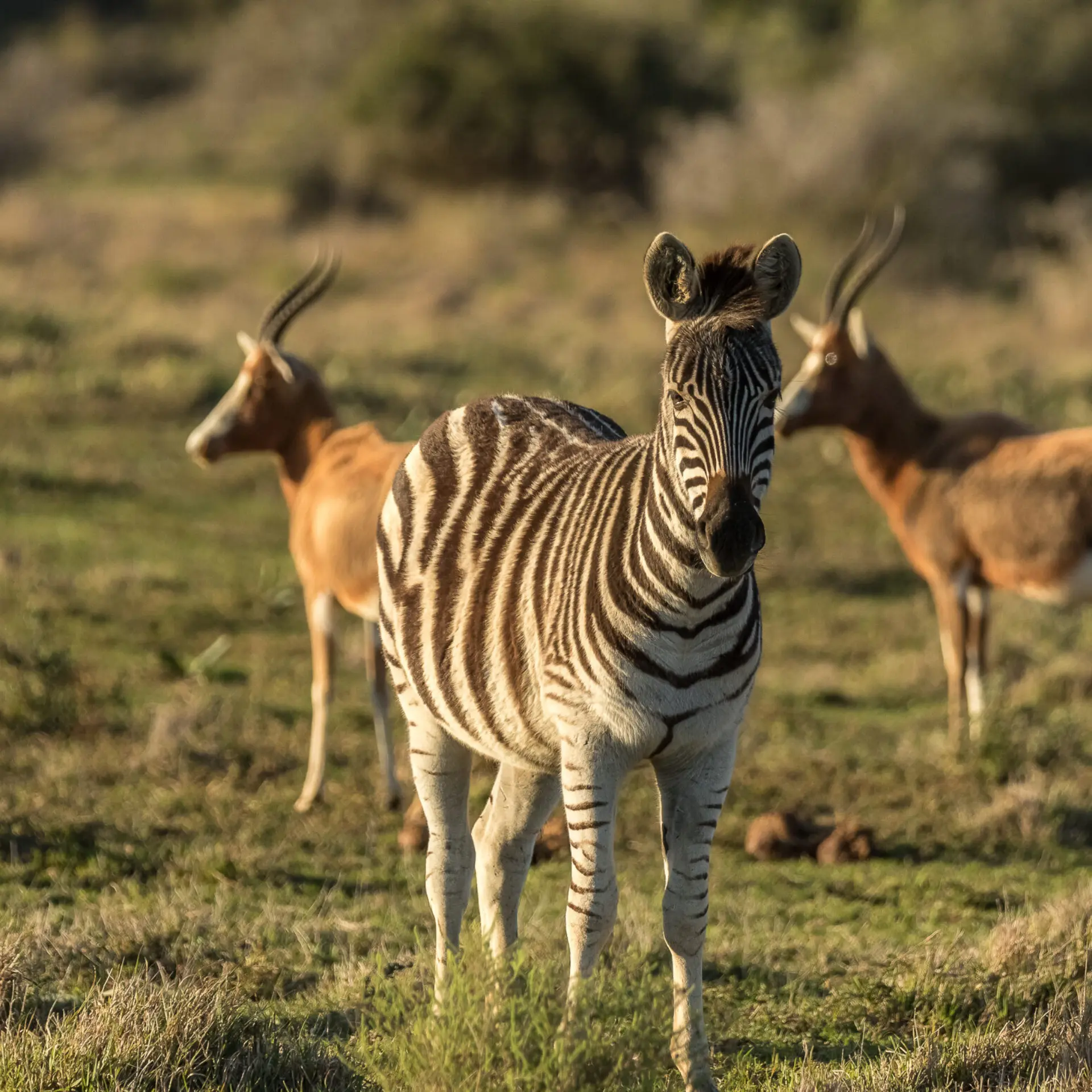
You will drive through Kruger National Park today to the southern part of the park, where you will stay at a very fine accommodation, which includes a swimming pool. Along the way, enjoy everything you come across and experience the excitement as you track animals. You are expected to arrive at your accommodation in the late afternoon. In the evening, you can reminisce about all the great moments of the day!
Includes:
• Hire car
• Accommodation including breakfast
Exclusive:
• Entry fees for Kruger National Park
Explore the extraordinary eSwatini
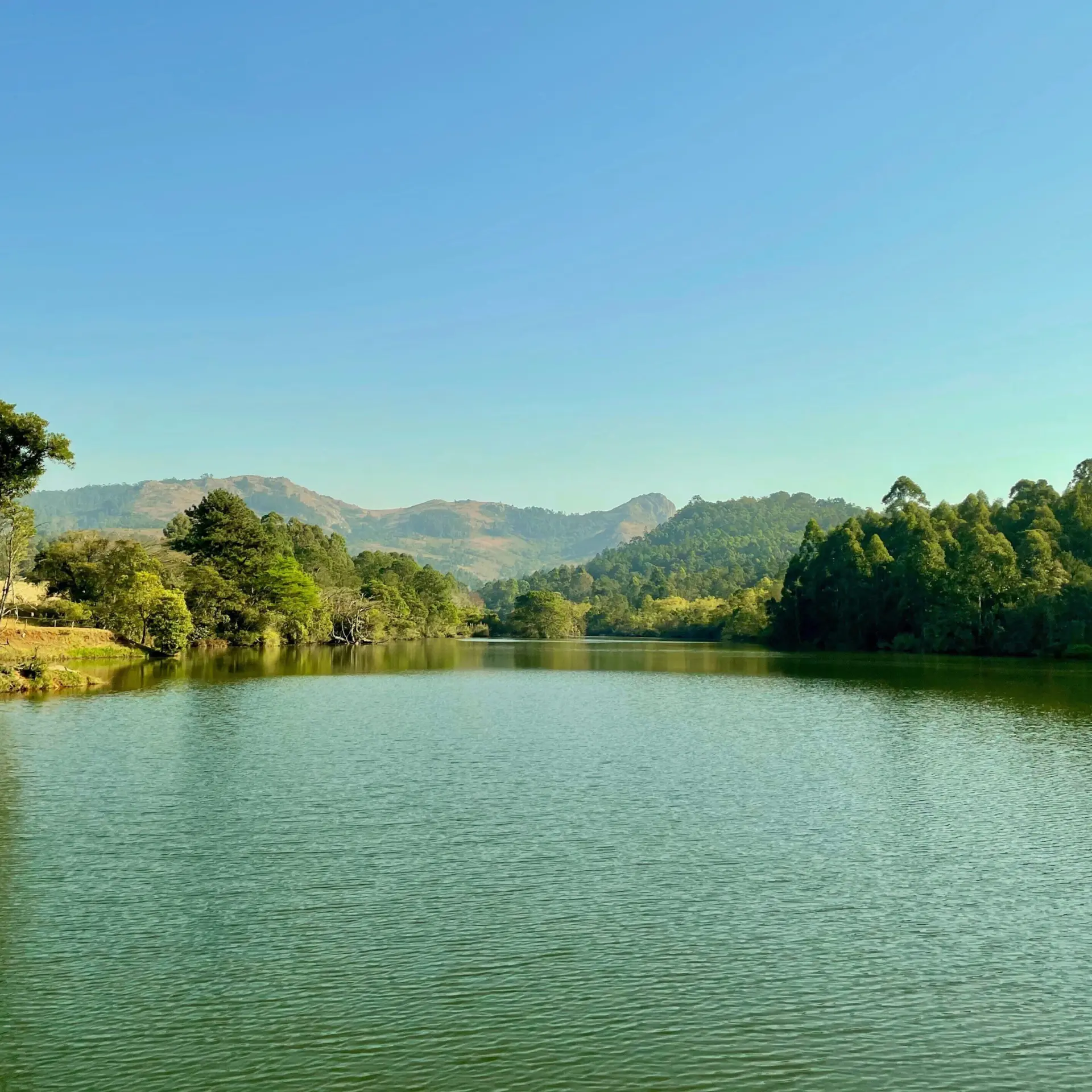
You will cross the border into eSwatini (Swaziland's new name). Swaziland's landscape is known for its many nature reserves, home to animals such as rhinos, zebras, hippos, giraffes and crocodiles. You will also find waterfalls, rock formations and swamps. You can also visit a traditional village or the Nsangweni Bushman Paintings. In addition, it is also possible to take an adventurous Canopy Tree Top Tour. In short, there is plenty to do and experience in this special country!
Includes:
• Hire car
• Accommodation including breakfast
Spot hippos in the St Lucia wetlands
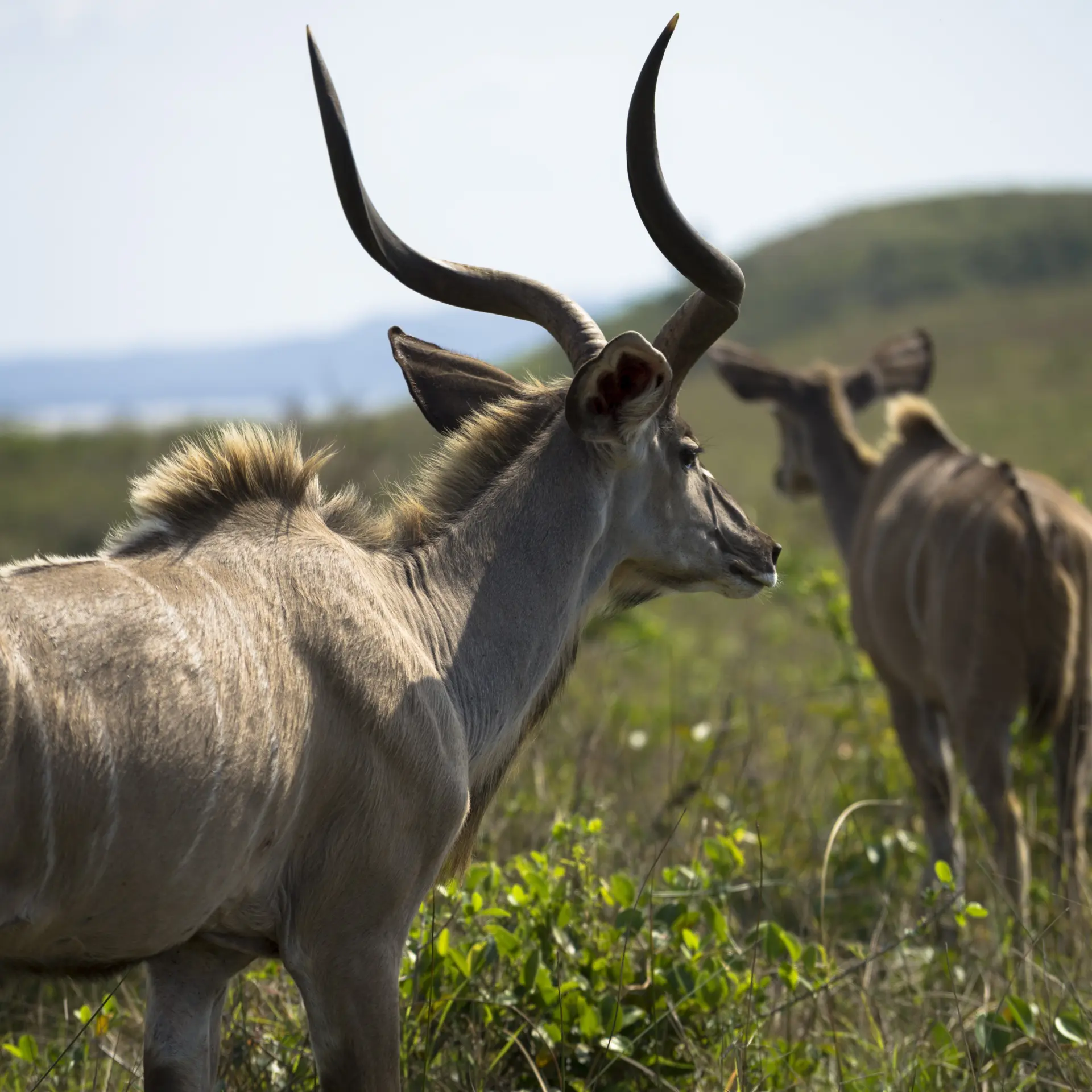
Your next stop is the village of St Lucia, situated within the iSimangaliso Wetland Park, a UNESCO World Heritage Site boasting stunning flora and fauna. A park full of greenery and lakes, with a lush coastline.
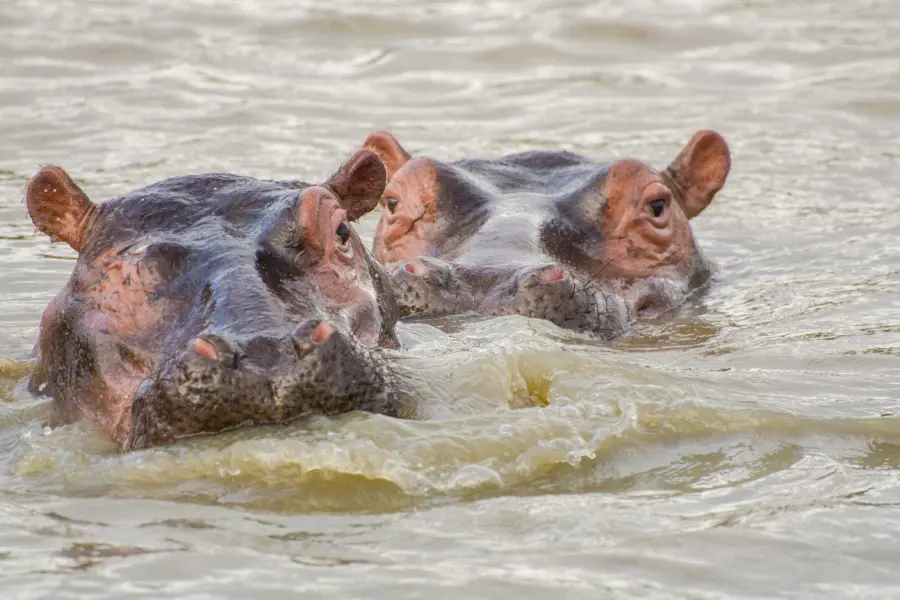
St Lucia is renowned for its impressive populations of hippos and crocodiles. During your stay, you’ll go on a boat trip – one of the best ways to admire these mighty animals up close. As you glide quietly across the water, you’ll see the bulky forms of hippos bobbing in the sunlight, whilst crocodiles lie motionless on the banks, basking in the sun. Meanwhile, the guide will share fascinating stories about their behaviour and way of life.
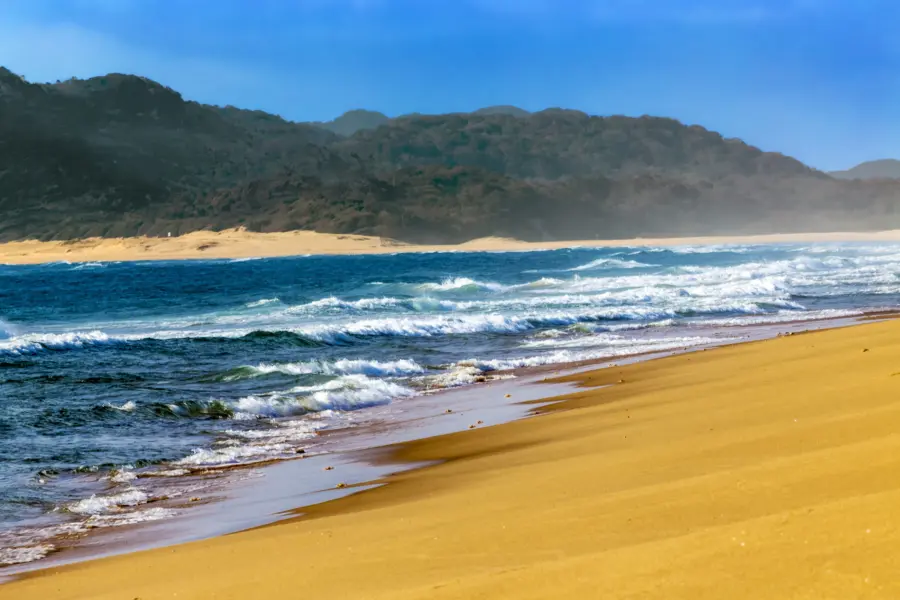
St Lucia’s coastline is also breathtaking. The beaches are vast, wild and unspoilt. When swimming, pay close attention to the warning signs: the currents can be treacherous and the waters are sometimes home to sharks.
Take your hire car through the beautiful iSimangaliso Wetland Park, where you can spot wildlife such as crocodiles, various antelopes and, with a bit of luck, even elephants! You’ll also have views of a stunning lake here, and there are a number of special places to visit, such as Cape Vidal, a beautiful, sweeping beach. Perfect for a picnic you’ve brought along! Just watch out for the monkeys, who are only too happy to share a bite to eat.
An absolute must-do during the summer season (November to February) is the turtle tour along the coastline from Cape Vidal to Leven Point. During this unique experience, accompanied by a guide, you’ll go in search of leatherback and loggerhead turtles coming ashore to lay their eggs.
Includes:
• Hire car
• Boat trip through the iSimangaliso Wetlands
• Accommodation including breakfast
The Dolphin Coast
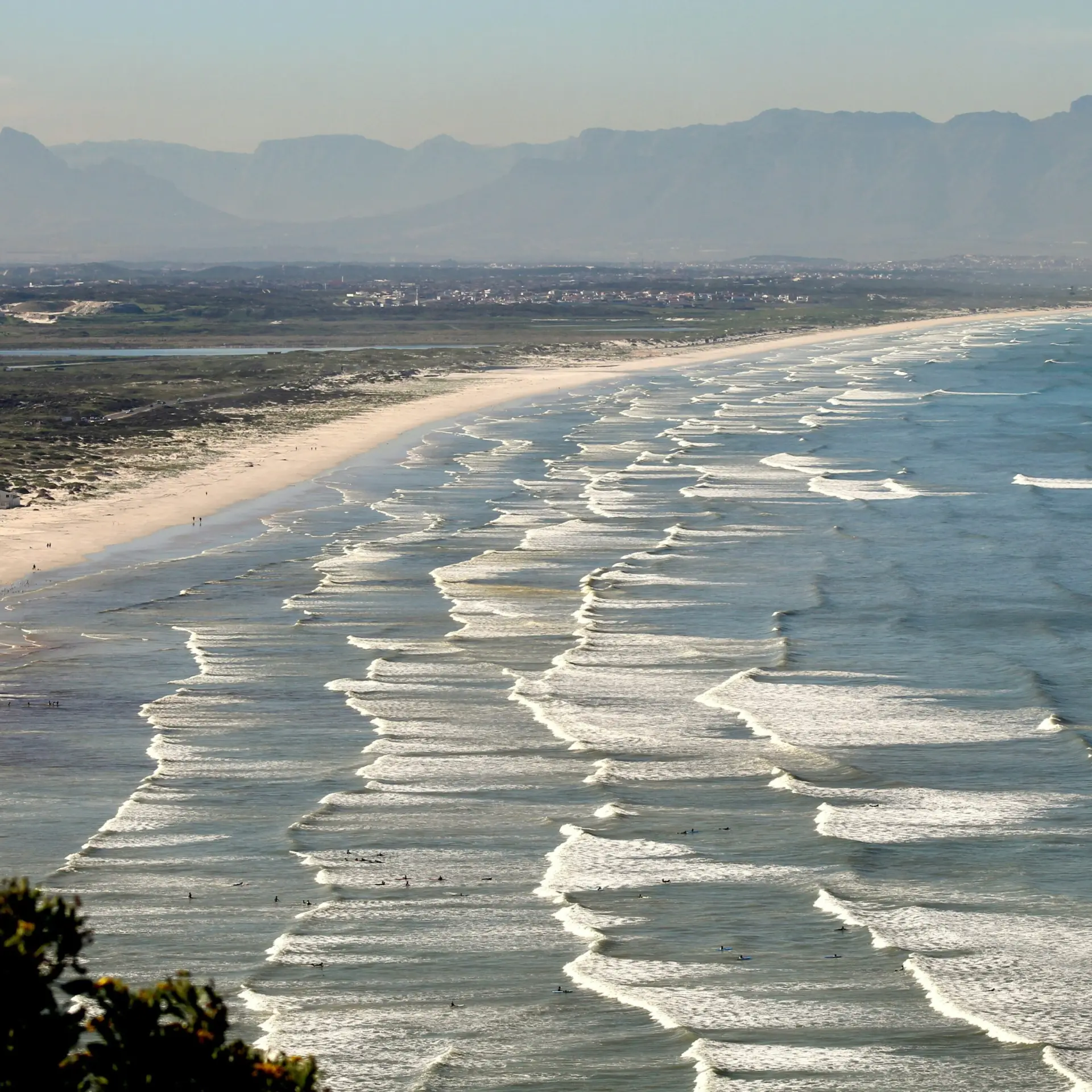
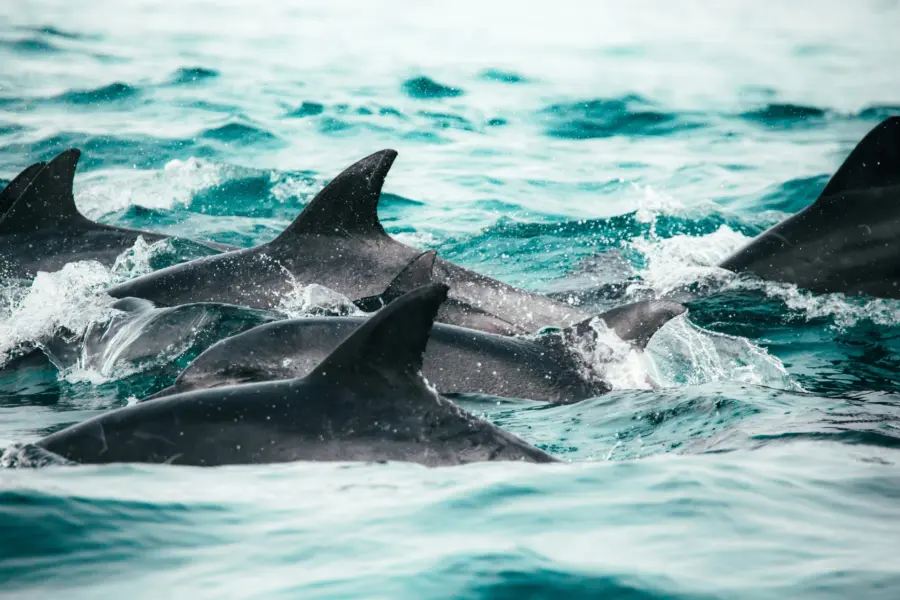
From St Lucia, you’ll drive along the coast towards the town of Umhlanga. On the way, you’ll pass the Dolphin Coast – a stop that’s definitely worth making. As well as beautiful beaches, bottlenose dolphins can be spotted here all year round. They can often be seen right off the coast. As well as Dolphin Coast, this area is also known as the Sugar Coast, due to the many sugar plantations found there.
Once you arrive, enjoy the peace and quiet at your accommodation and take a lovely walk along the beach.
Includes:
• Car hire
• Accommodation including breakfast
Ziplining in beautiful Tsitsikamma National Park
After a lovely breakfast at your accommodation, you’ll drive to Durban Airport. You’ll return your hire car and, shortly afterwards, board the domestic flight to Port Elizabeth. A new hire car will be waiting for you there, which you’ll use to spend the second part of your wonderful trip.
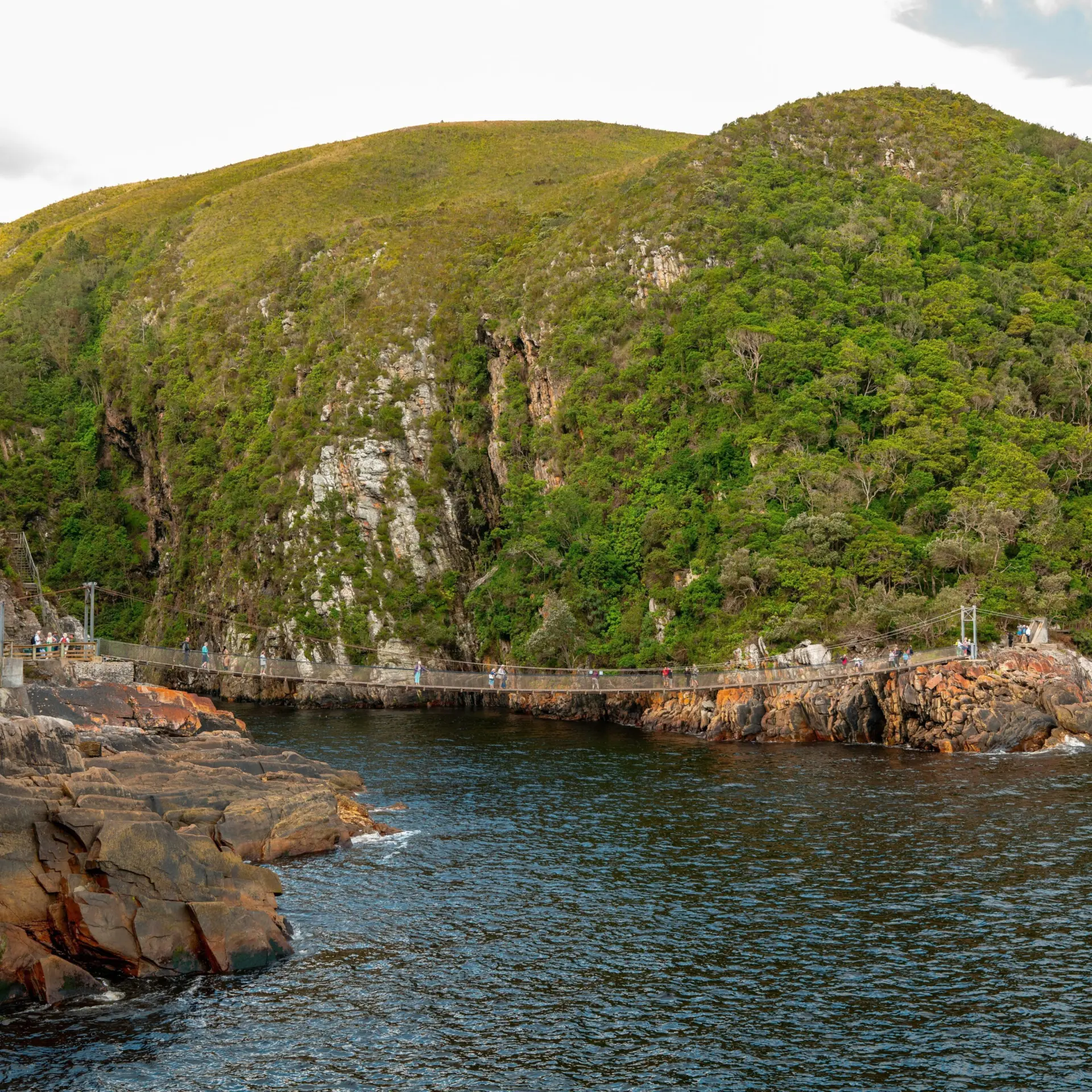
You’ll spend the next few days in the stunning Tsitsikamma National Park. You’ll be staying at a lovely accommodation, situated in the heart of nature. Over the coming days, you’ll have plenty of time to explore this magnificent park. Activities on offer include cycling, hiking and bungee jumping. You can even go kayaking! So there’s plenty to do, and you’ll have plenty of time to try out various activities. Of course, you can also choose to spend a day relaxing by the pool.
A fantastic zip-line adventure is included during your stay. Enjoy the stunning natural surroundings as you glide through the forest.
Includes:
• Hire car
• Domestic flight Durban – Port Elizabeth (Economy Class)
• Car hire
• Canopy Tree Top tour
• Accommodation including breakfast
Accommodation in Knysna
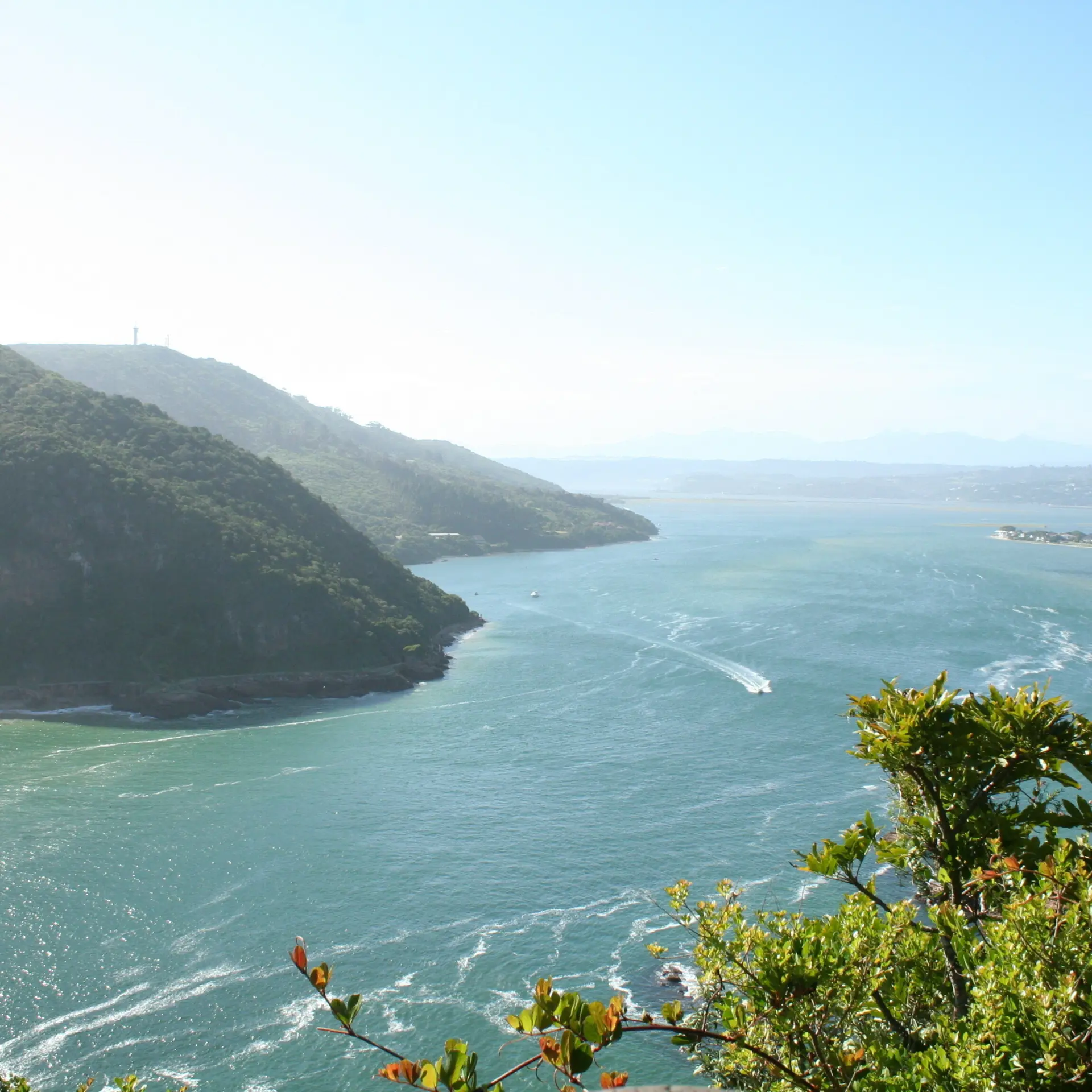
The journey continues to charming Knysna, a picturesque coastal town nestled between rolling hills and a glistening blue lagoon. As you drive into Knysna, you’ll immediately notice the natural beauty that surrounds this welcoming village.
Knysna welcomes you with its relaxed atmosphere. On the edge of the lagoon lies the lively waterfront, where charming shops, outdoor cafés and restaurants beckon. Perfect for a leisurely afternoon or an evening enjoying South African specialities.
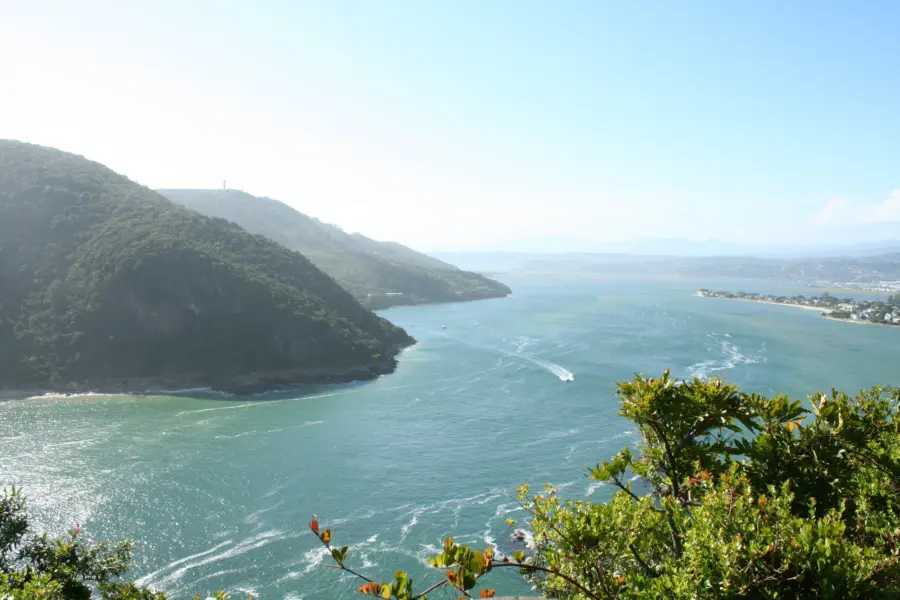
You’ll also find the Knysna Forest here, South Africa’s largest and oldest indigenous forest. Here, you can walk beneath the canopy of giant yellowwood and stinkwood trees, amongst fragrant eucalyptus and imposing pine trees. Some of the trees are over eight centuries old. It’s also well worth driving to the Knysna Heads to see where the lagoon flows into the Atlantic Ocean. A spot with a stunning view!
During your stay, you’ll have the opportunity to take part in an optional excursion to the Featherbed Nature Reserve – highly recommended. You’ll board a comfortable boat and cruise across the lagoon, whilst a guide tells you all about the rich flora, fauna and history of this unique nature reserve. The wind blows across the water, the sunlight dances on the surface, and a landscape unfolds before you that is as impressive as it is soothing. If you’re looking for a culinary experience, opt for a boat trip where you can enjoy local wines and oysters.
Includes:
• Hire car
• Accommodation including breakfast
Enjoy the finest wines in Stellenbosch
Today, you’ll drive independently to historic Stellenbosch, where you’ll be staying in an area known for having what is said to be one of the longest vineyards in the world. During your stay, a visit to a wine estate is certainly well worth it. Consider, for example, Jordan Wine Estate or Babylonstoren. Stellenbosch is buzzing with activities and there are plenty of sights to see.
Walking down Dorpstraat, you’ll come across Oom Samie se Winkel. This little shop has been around for over 200 years and nothing has changed here. It’s full of bits and bobs from days gone by, and you’ll find delicious wines as well as fresh fruit. Dorpstraat is also lined with old oak trees that characterise the streetscape, as well as various Gregorian, Victorian and Cape Dutch buildings. The Moederkerk, with its neo-Gothic style, is also an icon of the town.
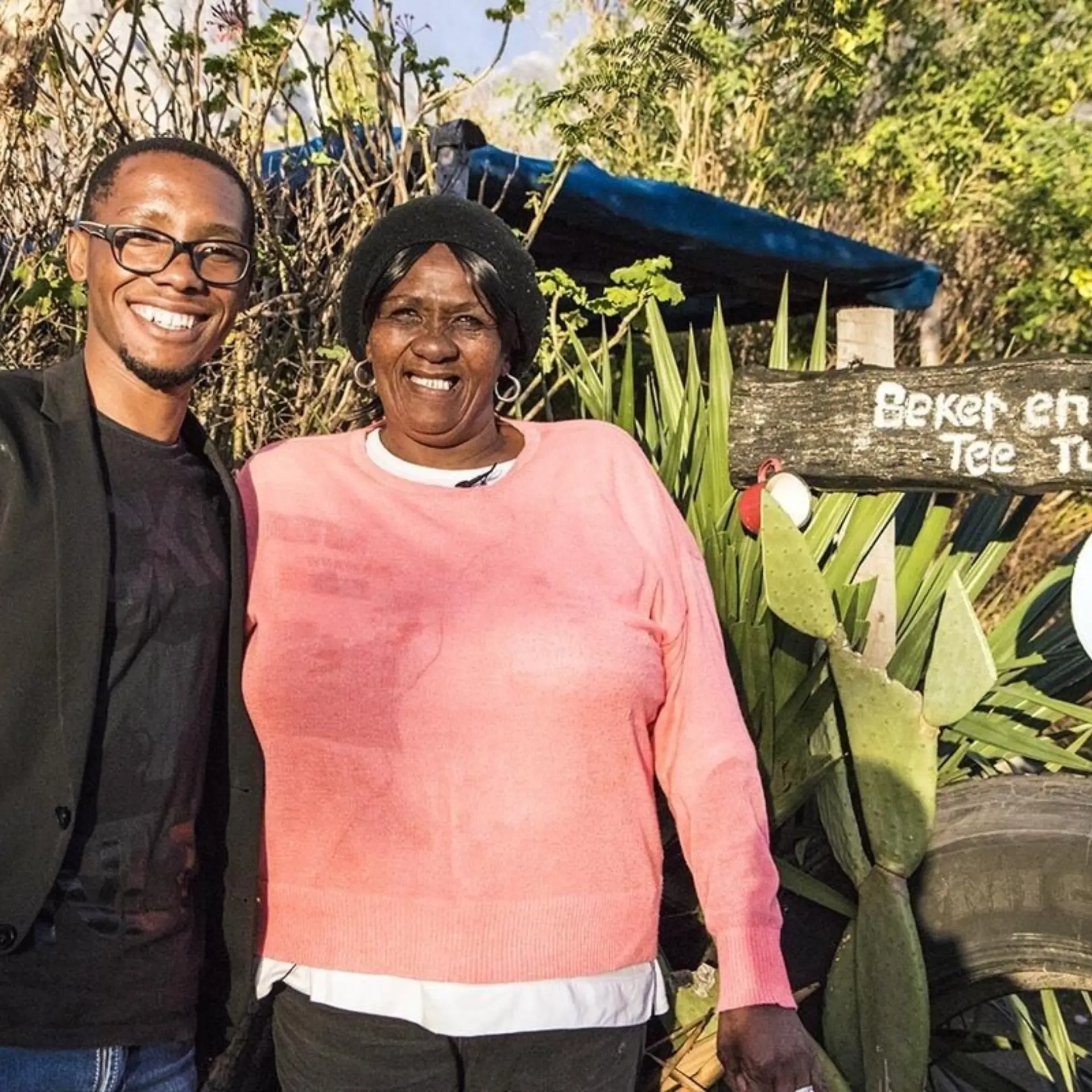
During your stay, you’ll also have a wonderful experience on the programme. You’ll visit local South Africans, where you’ll enjoy a special lunch with a wine tasting. A truly special experience!
You can also pay a visit to Franschhoek. Despite its popularity, Franschhoek is certainly well worth spending some time in. It is a small town, founded in 1688 by French Huguenots, and situated in a fertile valley. In the past, large herds of elephants roamed this valley, which is why it was known as Olifantshoek at the time. The current name derives from the settlers and their fervent French nationalism. Today, there are many renowned wineries here, almost all of which offer cellar tours combined with wine tastings.
Includes:
• Hire car
• Avila Experience: Lunch with locals – Beyond the Winelands
• Accommodation including breakfast
Arriving in stunning Cape Town
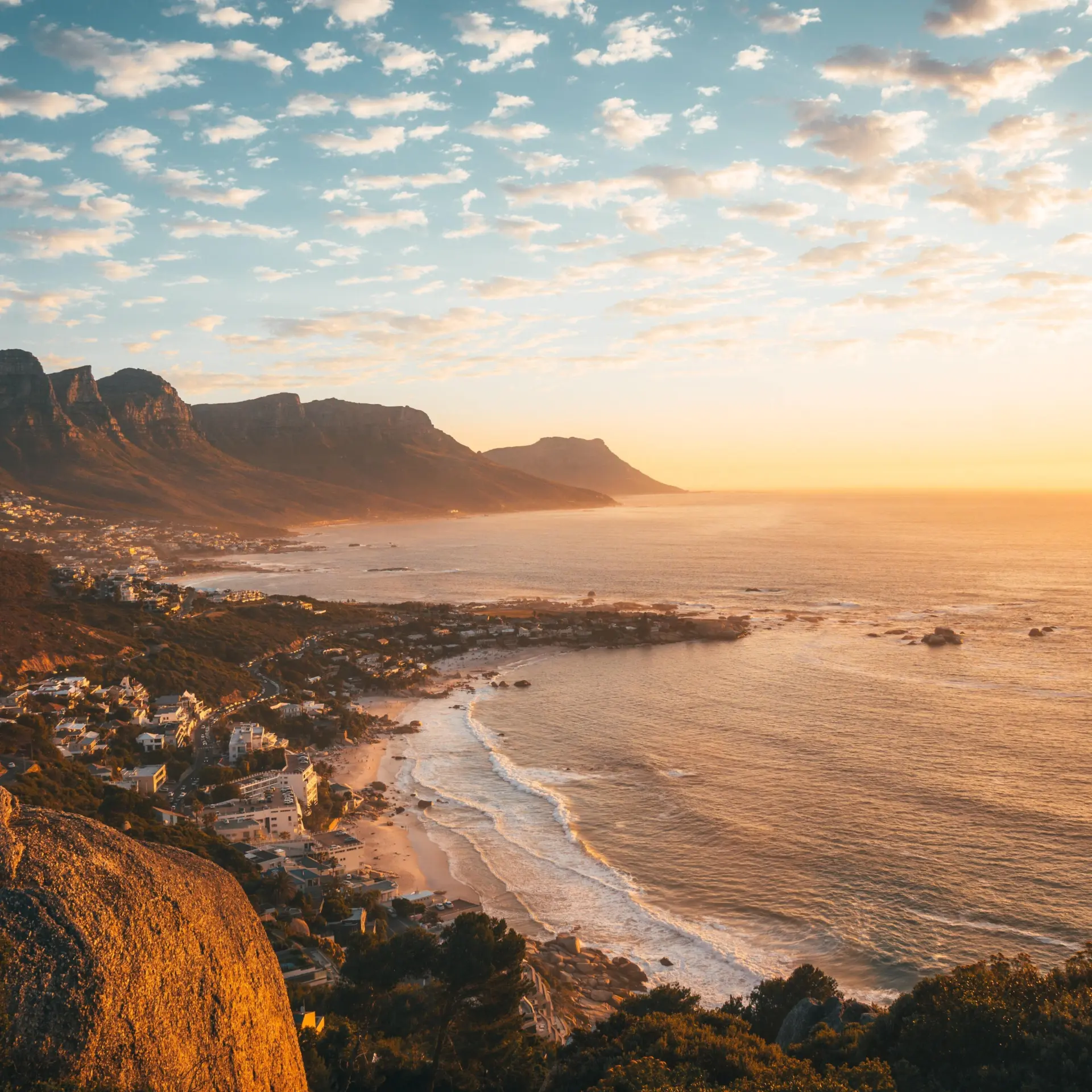
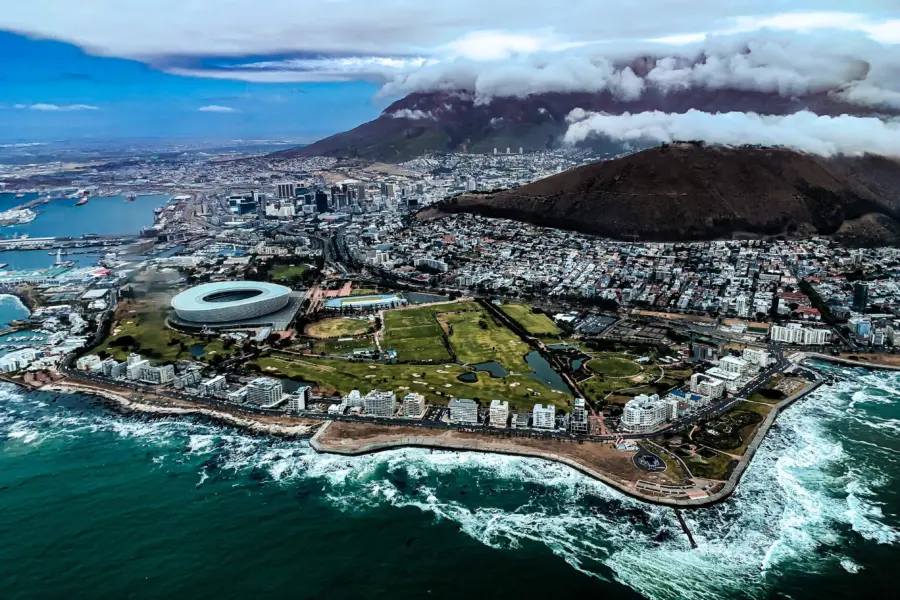
You’ll arrive in bustling Cape Town. Welcome to the Mother City! Over the next few days, you’ll have plenty of time to explore Cape Town and the surrounding area. For example, you can take the cable car to the top of Table Mountain, where you’ll enjoy stunning views over Cape Town and both the Atlantic and Indian Oceans. You’ll also see the stadium where the Netherlands played during the 2010 World Cup.
For a relaxing stroll, a spot on a terrace or a meal in a restaurant, head to the Victoria and Albert (Alfred) Waterfront. There’s plenty to do here. There are lovely restaurants and outdoor cafés; you can watch the sea lions basking in the sun on the jetties and boats, or visit the Two Oceans Aquarium, which is sometimes called the most beautiful marine aquarium in the world. Or visit the promenade at Camps Bay, where you can enjoy a beautiful beach, lovely restaurants and bars, with the luxury villa district at the foot of the mountains as a backdrop.
Includes:
• Car hire
• Accommodation including breakfast
Culinary adventure in Bo-Kaap
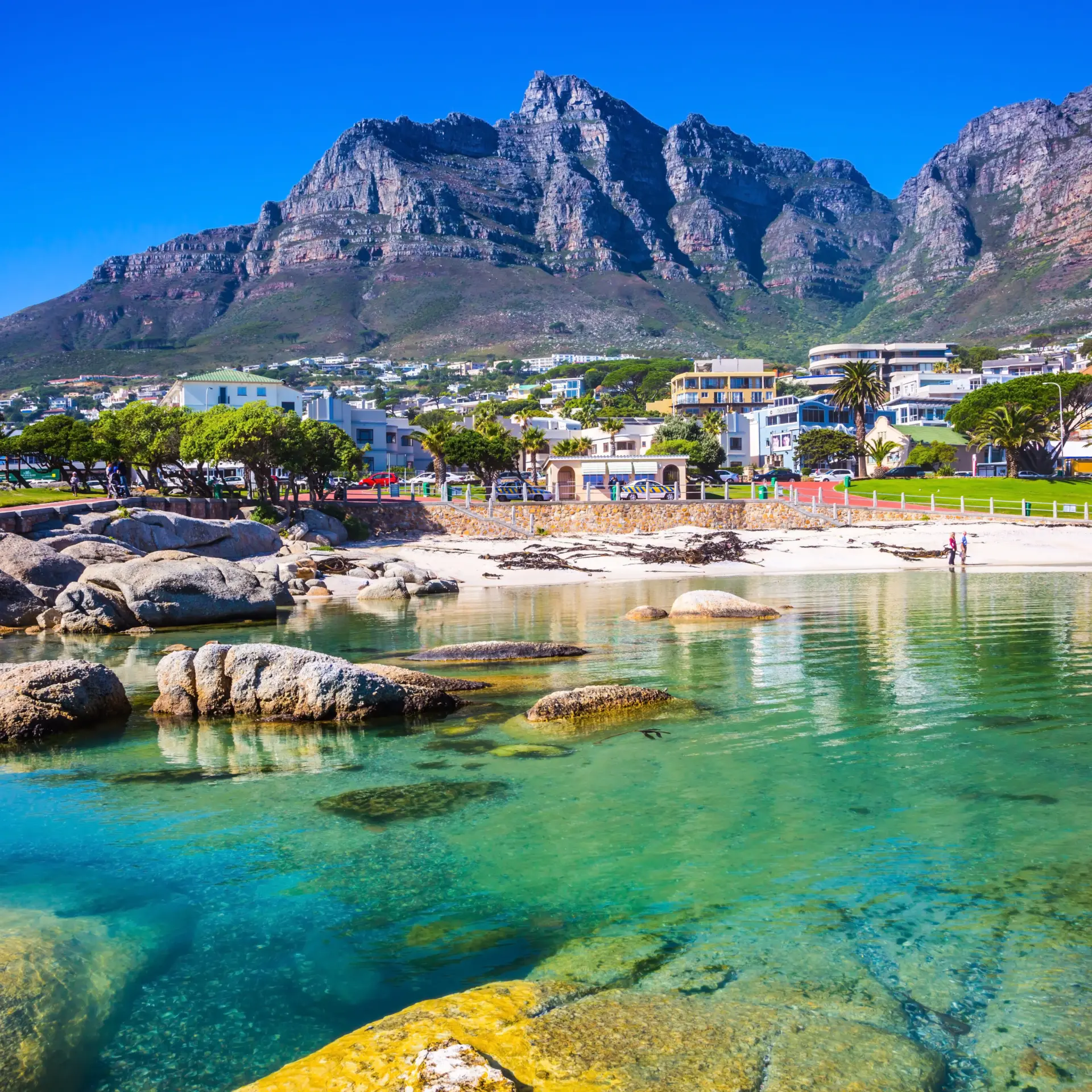
Today you will have time to get to know Cape Town better. You will visit the colourful Bo-Kaap, where a real cooking tour awaits you. The Bo-Kaap Cooking Tour offers an immersive experience with a walking tour, cooking workshop and lunch. In 3.5 hours, you will learn about the culture and traditions of the Cape Malays and get a hands-on lesson in cooking typical Cape Malay dishes such as Rotis, Samoosas, Dhaltjies and Chicken Curry.
Includes:
• Hire car
• Bo-Kaap Cooking Tour
• Overnight stay including breakfast
Discover Cape Town
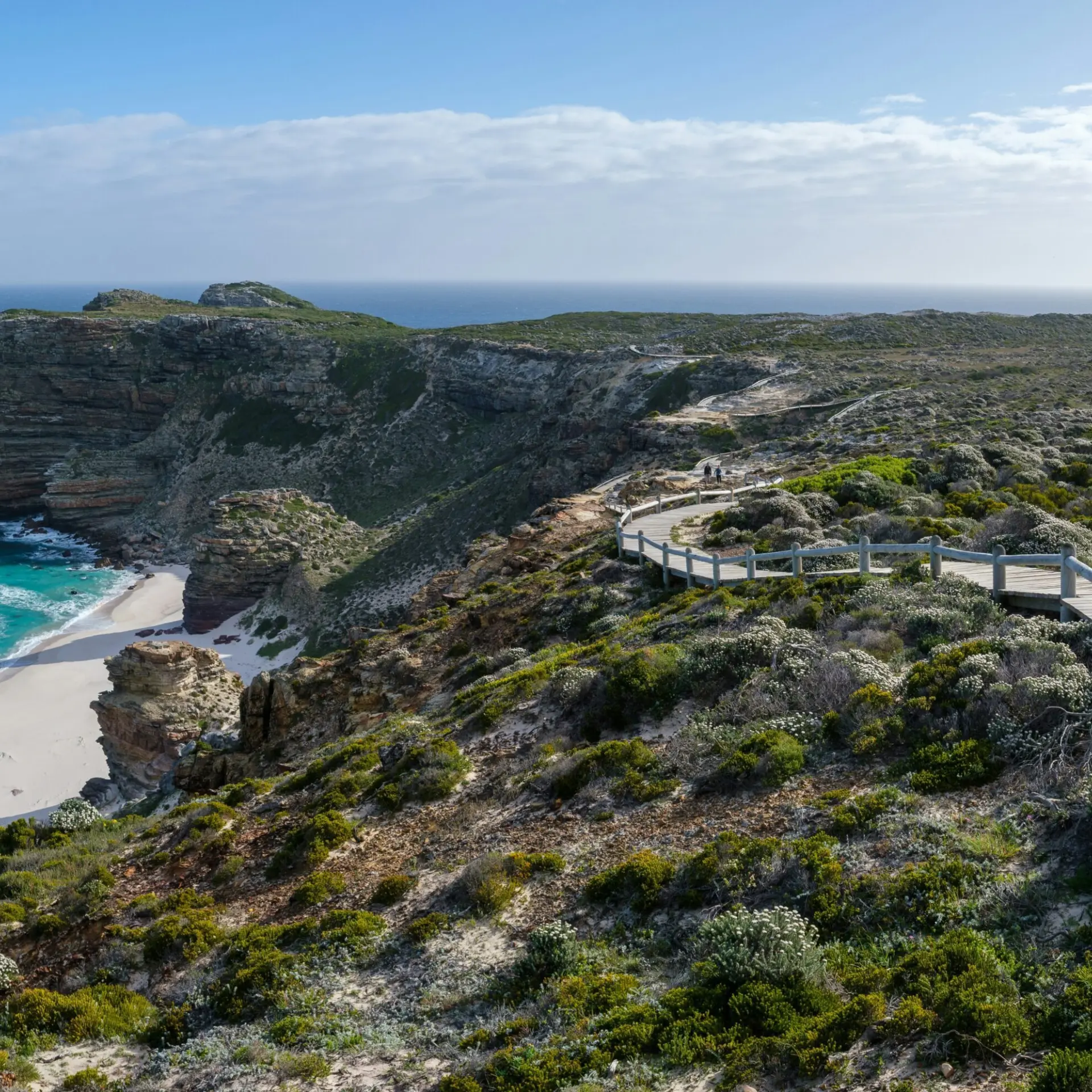
Enjoy all that Cape Town has to offer. Possibly visit Robben Island or explore the city further. Or you can visit the Cape Peninsula. The southernmost tip of the peninsula is Cape of Good Hope, surrounded by a beautiful nature reserve. Along the way, you will encounter some special sights. You will drive via Chapman's Peak, with impressive views over the Atlantic Ocean. You can also make a stop at Boulders Beach, where many penguins can be seen. After this, you can drive around Cape Point National Park to, of course, take a photo at the famous 'Cape of Good Hope'.
Includes:
• Car hire
• Accommodation including breakfast
Accommodations
City Lodge OR Tambo Airport
This City Lodge is located close to OR Tambo Johannesburg Airport. And gives travellers the feeling of home, the ideal place when you are travelling and need to stay near the airport. The hotel has a fitness room and a deck with a swimming pool, some great shops with a bar where you can have coffee...
This City Lodge is located close to OR Tambo Johannesburg Airport. And gives travellers the feeling of home, the ideal place when you are travelling and need to stay near the airport. The hotel has a fitness room and a deck with a swimming pool, some great shops with a bar where you can have coffee. At the airport, you will find many services such as restaurants, shops and banks.
Your stay: 1 night

Explorers Lions Rock Rapids Camp
Explorers Lions Rock Rapids is located on the iconic Sabie River, a 10-minute drive from Hazyview. While spending time at the Camp, you can enjoy the surroundings or join a short tour of a working macadamia plantation on site. From here, you can take day trips to the Kruger National Park,...
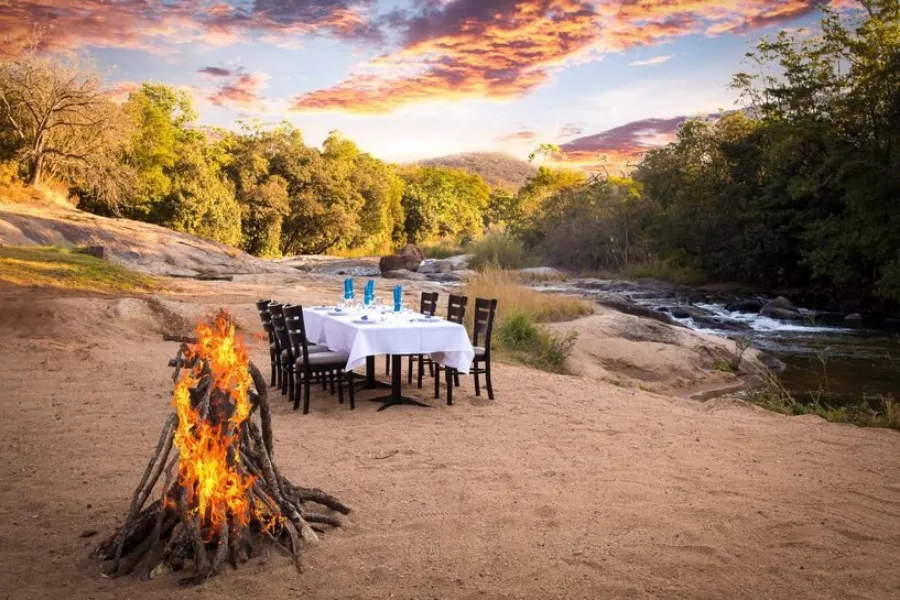
Explorers Lions Rock Rapids is located on the iconic Sabie River, a 10-minute drive from Hazyview. While spending time at the Camp, you can enjoy the surroundings or join a short tour of a working macadamia plantation on site. From here you can take day trips to the Kruger National Park, visit the Panorama Route or go river rafting, ballooning and much more! All tents have private bathrooms, tea and coffee making facilities, a mini safe, air conditioners and a covered terrace overlooking the Sabie River. During your stay, enjoy drinks by the campfire or dinner on the banks of the river. A wonderful experience!
Your stay: 2 nights
Tangala Safari Camp
The Tangala Thornybush Camp is a beautiful lodge in the middle of Thorny Bush Private Game Reserve. This Private Game Reserve is adjacent to the renowned Kruger Park. So you can not only enjoy all that the Kruger has to offer, but also the peace and quiet of this private reserve.
The motto of this camp is to...
The Tangala Thornybush Camp is a beautiful lodge in the middle of Thorny Bush Private Game Reserve. This Private Game Reserve is adjacent to the renowned Kruger Park. So you can not only enjoy all that the Kruger has to offer, but also the peace and quiet of this private reserve.
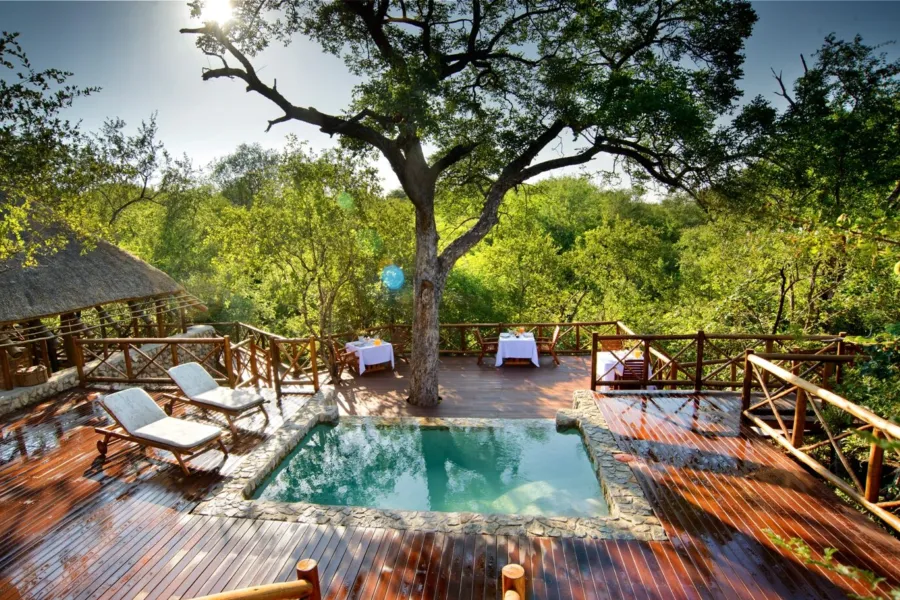
This camp's motto is to keep everything as pure as possible so you can enjoy the bush to the fullest. Enjoy the beautiful pool and terrace overlooking a watering hole. Tangala is a small-scale accommodation and consists of only 4 chalets and 6 safari tents equipped with all amenities. From the lodge, you will make unforgettable Big-5 game drives.
Your stay: 2 nights

La Kruger Lifestyle Lodge
On the edge of the southern part of Kruger National Park is the new La Kruger Lifestyle Lodge. It is located in Marloth Park, which forms a 30-km border with the Kruger Park. The Crocodile River is the natural boundary between the reserve and the Kruger. The lodge specialises in Big Five Kruger...
On the edge of the southern part of Kruger National Park is the new La Kruger Lifestyle Lodge. It is located in Marloth Park, which forms a 30-km border with the Kruger Park. The Crocodile River is the natural boundary between the reserve and the Kruger. The lodge specialises in Big Five Kruger experiences and offers several game drives. Because of its wooden construction and thatched roofs, the lodge exudes the real Out of Africa feeling.
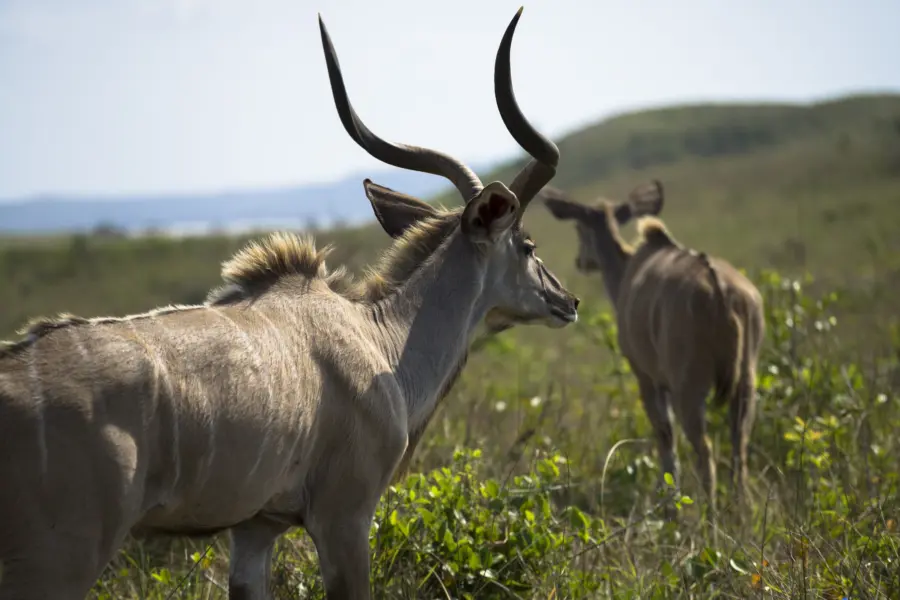
With the natural sounds and smells of the bush, you are quickly transported to a surreal feeling far away from daily routines and responsibilities. In this beautiful setting, where zebras, giraffes, kudu, impala, blue wildebeest, bush buck and warthogs welcome you. Bird lovers will be treated to endemic birds of all sizes and an orchestra of birdsong.
After a day in the Kruger National Park, you can relax and enjoy the beautiful sunset while sipping your favourite cocktail beside the pool or take an outdoor shower under the African sky to cool off while listening to the African sounds of the mighty roar of a lion in the distance or the laughter of the hyena.
La Kruger Lifestyle Lodge's luxurious interior offers comfort while being attended to by friendly and helpful staff. After the spectacular sunset, a delectable three-course dinner is served as the end of an award-winning day in Africa by a boma fire under the Marula tree.
Your stay: 1 night
Mogi Boutique Hotel
Mogi Boutique Hotel is a recently renovated guesthouse in Swaziland. Mainly, you will find a lovely bed to sleep in, as the King-size beds are extra long. Also, only the best fabrics and bedding are used. The products in the bathroom are from luxury brand Charlotte Rhys.
The...
Mogi Boutique Hotel is a recently renovated guesthouse in Swaziland. Mainly, you will find a lovely bed to sleep in, as the King-size beds are extra long. Also, only the best fabrics and bedding are used. The products in the bathroom are from luxury brand Charlotte Rhys.
The views from the hotel at Sheba's Breast are spectacular. You are further close to the valley of heaven (Ezulwini) and so can easily explore this valley. The restaurant offers fine dining (on request). A luxurious Swazi experience!
Your stay: 2 nights
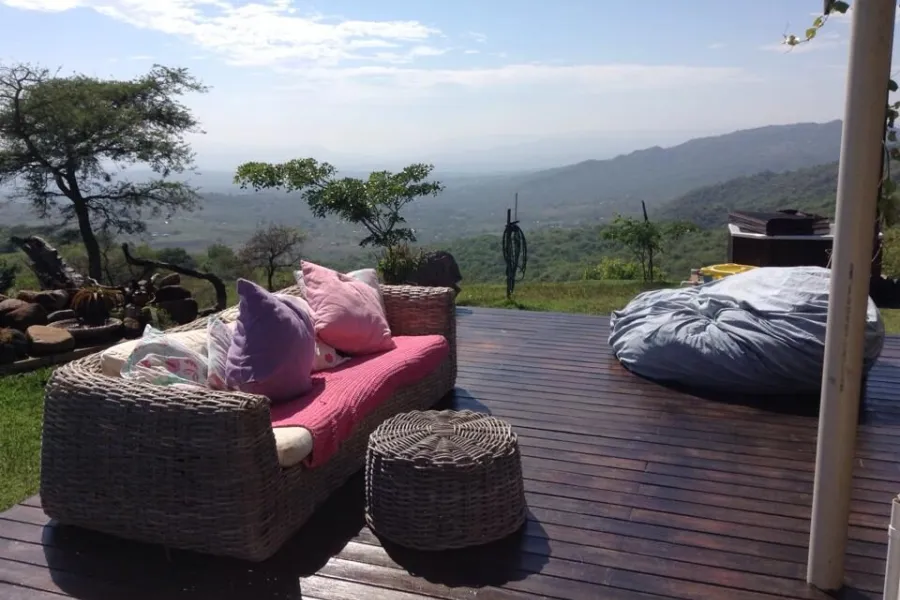
Lodge Afrique
Located in the village of St Lucia, is this beautiful lodge. Lodge Afriqué is a 4-star guesthouse with eight detached luxury chalets, each with full Afro-Victorian bathrooms. The spacious and luxurious suites feature private outdoor showers in a tropical garden with a lovely swimming pool. All suites are...
Located in the village of St Lucia, is this beautiful lodge. Lodge Afriqué is a 4-star guesthouse with eight detached luxury chalets, each with full Afro-Victorian bathrooms. The spacious and luxurious suites feature private outdoor showers in a tropical garden with a lovely swimming pool. All suites are connected to the central lodge by a wooden deck path across the beautiful subtropical garden. A stay at Lodge Afriqué is an unforgettable experience.
Your stay: 2 nights
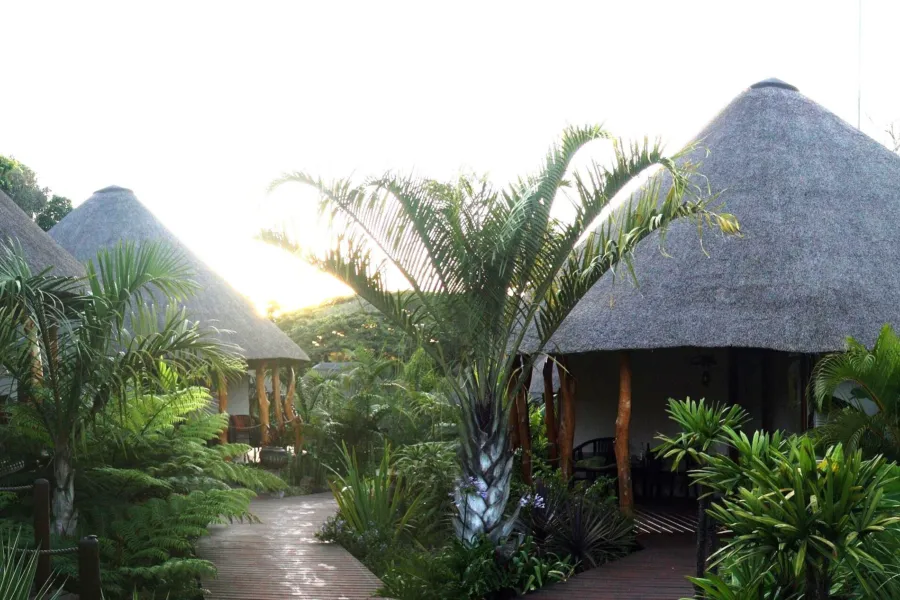
Petite Provence
Petit Provence B&B in Salt Rock is a unique French-style guesthouse. You feel a bit like you are in the South of France here because of the colours and garden. The tropical palm trees complete the picture. The guesthouse is just 300 metres from Salt Rock beach, ideal for beach lovers. All eight rooms...
Petit Provence B&B in Salt Rock is a unique French-style guesthouse. You feel a bit like you are in the South of France here because of the colours and garden. The tropical palm trees complete the picture. The guesthouse is only 300 metres from Salt Rock beach, ideal for beach lovers. All eight rooms are individually decorated and include air conditioning, free Wi-Fi, TV, fridge and hairdryer.
Your stay: 1 night
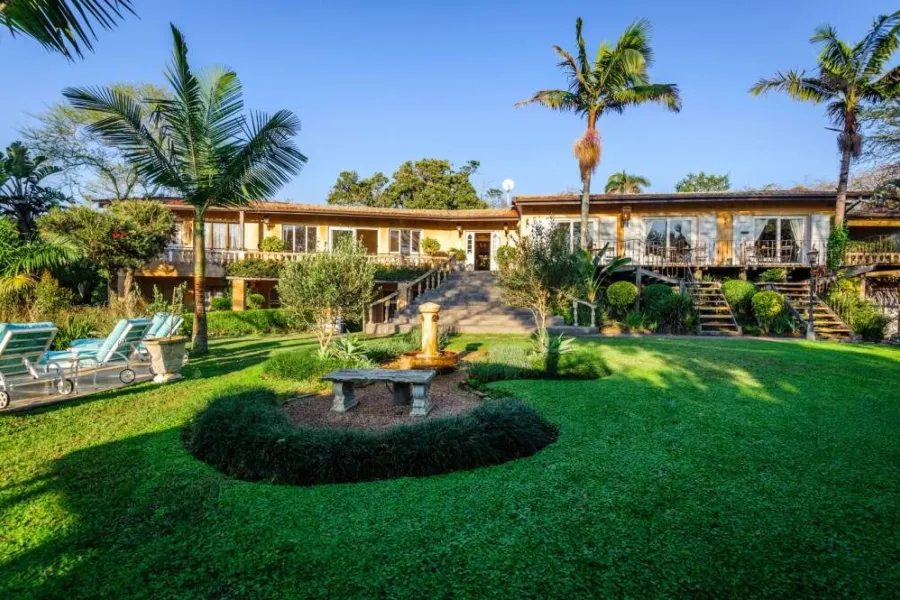
At The Woods Guesthouse
Located in Storms River Village, At The Woods Guesthouse offers relaxed and comfortable base to explore Tsitsikamma and 8 en-suite rooms. Rooms on the ground floor have a private veranda overlooking the garden. The upstairs rooms have a private terrace and offer a...
Located in Storms River Village, At The Woods Guesthouse offers relaxed and comfortable base to explore Tsitsikamma and 8 en-suite rooms. Rooms on the ground floor have a private veranda overlooking the garden. The upstairs rooms have a private terrace and offer stunning views of the mountains and village. Breakfast is served on the terrace overlooking Storms River Peak. Two guest lounges, quiet garden, swimming pool. Wifi. Tsitrus Cafe is an on-site restaurant offering fresh light meals from early to late.
Your stay: 2 nights
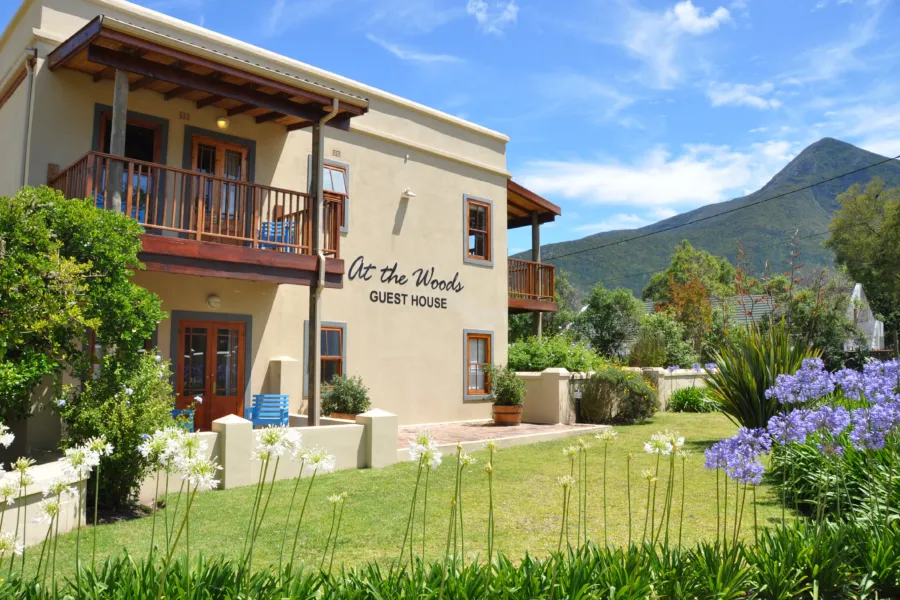
Stannards Guest Lodge
In a quiet residential area, 2 minutes away from the Knysna Heads, world-class beaches and golf courses, Patrick and Helene-Marie offer warm and friendly hospitality to all who visit them. The six tastefully decorated rooms have a patio only. In addition, there are two luxury cottages with private...
In a quiet residential area, 2 minutes away from the Knysna Heads, world-class beaches and golf courses, Patrick and Helene-Marie offer warm and friendly hospitality to all who visit them. The six tastefully decorated rooms have a patio only. In addition, there are two luxury cottages with private cooking facilities. Enjoy a generous breakfast on the terrace overlooking manicured gardens with many birds and the large swimming pool.
Your stay: 2 nights
Cultivar Guest Lodge
Nestled among the majestic mountains of the Stellenbosch wine region, the ultimate experience awaits you - Cultivar. You can trust that personalised service is provided for everyone's needs. Cultivar Guest Lodgehas elegeant room and offers a buffet breakfast with hot options included. The lodge offers...
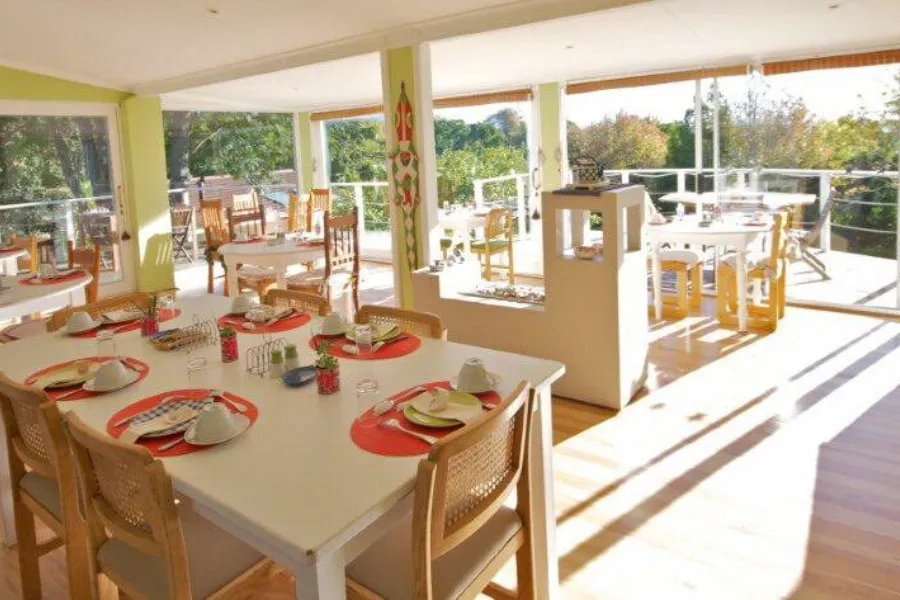
Nestled among the majestic mountains of the Stellenbosch wine region, the ultimate experience awaits you - Cultivar. You can trust that personalised service is provided for everyone's needs. Cultivar Guest Lodgehas elegeant room and offers a buffet breakfast with hot options included. The lodge offers bicycle rental and assistance with activities and excursions in the wine country and in and around Cape Town. You can also enjoy the swimming pool with lounges.
Your stay: 2 nights
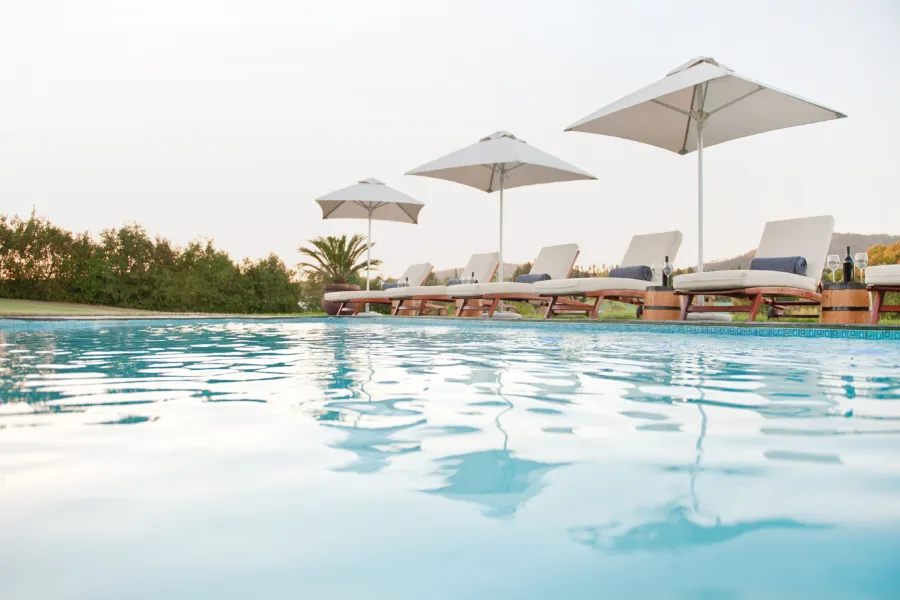
Cloud 9 Boutique Hotel & Spa
The Cloud 9 Boutique Hotel & Spa is perfectly located at the foot of the majestic Table Mountain. In the heart of Tamboerskloof, within safe walking distance of the hip and vibrant Kloof and Long Streets with their many shops, restaurants, bars and cafes. The V&A Waterfront and the famous Clifton and Camps Bay beaches...
The Cloud 9 Boutique Hotel & Spa is perfectly located at the foot of the majestic Table Mountain. In the heart of Tamboerskloof, within safe walking distance of the hip and vibrant Kloof and Long Streets with their many shops, restaurants, bars and cafes. The V & A Waterfront and the famous Clifton and Camps Bay beaches are a short drive away. Cloud 9 connects five beautiful heritage properties via a central reception and a private courtyard garden. After a busy day, relax in the spa with award-winning treatments, infrared sauna, Jacuzzi and gym. Or relax on one of Cape Town's finest rooftop terraces with cocktails and 'sushi in a box'. Spectacular 360-degree views of Table Mountain make this a memorable visit. Hotel facilities include a lift, 24-hour reception, security, parking, sun terraces and plunge pools. Three (on-site) restaurants, a contemporary African art gallery and an intimate library complete the offerings. Rooms come in all shapes and sizes, some with fantastic views of Table Mountain, others with beautiful fireplaces or decorated ceilings. Modern amenities include free high-speed fibre-optic WiFi, an Ultra HD 42-inch TV with extensive range, Nespresso machines, large rain showers, double-glazed windows, electronic safe, air conditioning, refrigerators, telephones and designer bathroom amenities.
Your stay: 3 nights

Experiences
Bikes 'n Wines Stellenbosch Half Day Winelands Cycle Tour
Experience the unique experience where you cycle through vineyards and past various wineries. Of course, you will also stop at two wineries to enjoy a tasting!

Destinations
Panorama Route
Several mountain passes run through the Drakensberg Mountains in Mpumalanga, such as the Long Tom Pass and the Abel Erasmus Pass. These passes form part of a beautiful route through the region: the Panorama Route.
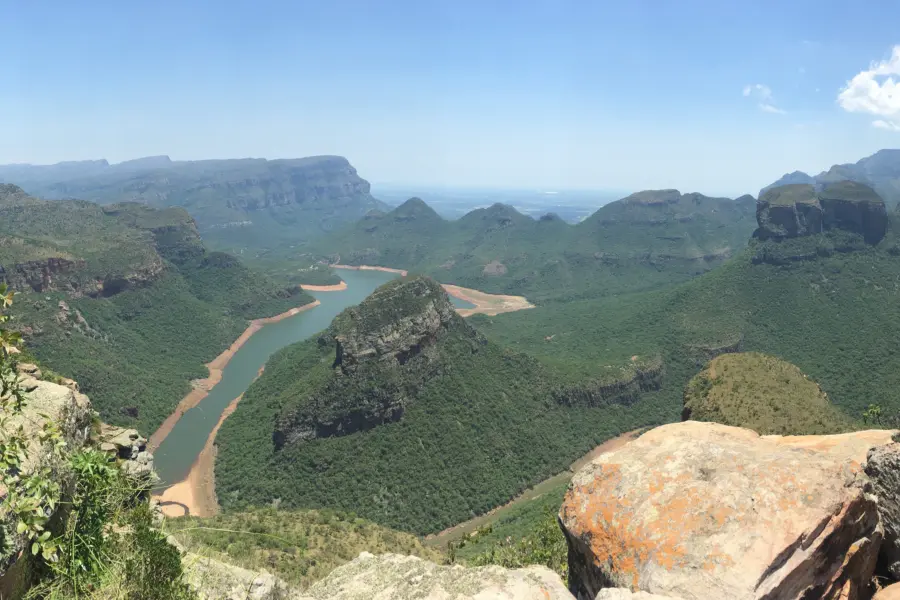
Along the route, you’ll find various waterfalls, spectacular views and some of the largest canyons. Perhaps the most famous is the Blyde River Canyon: a magnificent 800-metre-deep gorge carved out by the Blyde River. At the edge of the gorge, the Three Rondavels are visible: a weathered mountain shaped like three traditional African huts.
Furthermore, the God’s Window viewpoint and the natural wonder that is Bourke’s Luck Potholes are well worth a visit.
God’s Window is a viewpoint where, in good weather, you’ll have a magnificent view over the Blyde River Canyon and the lowveld. There’s almost always a blanket of cloud hanging over the mountains, so you’ll need a bit of luck.
A visit to Bourke’s Luck Potholes is certainly worthwhile; this is where two rivers meet, the Blyde and the Treur. Over the centuries, the swirling waters – mixed with sand and gravel – combined with erosion to gradually wear away the rock formations.
Then there’s also Wonder View, which, at an altitude of 1,730 metres, is the highest point in the area.
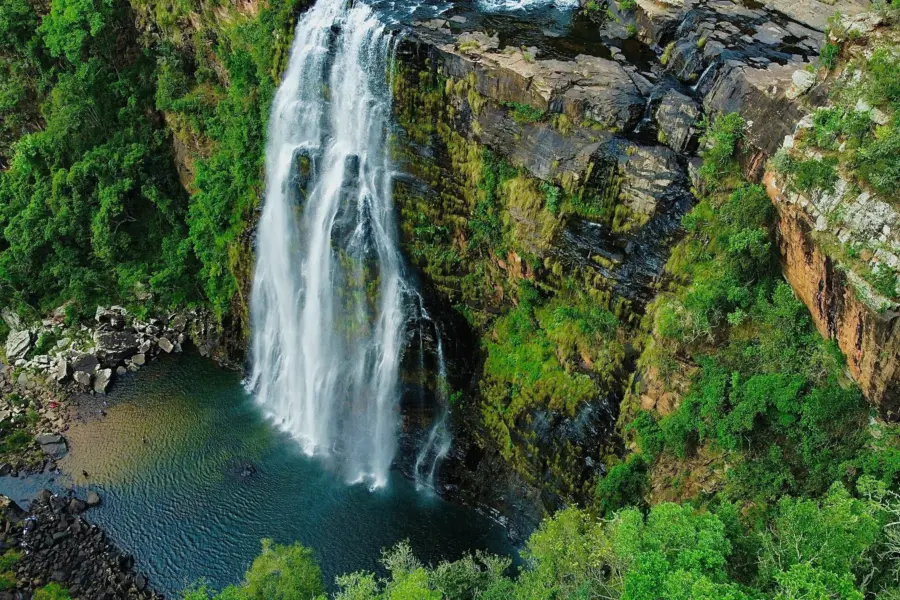
To the south of Graskop, you’ll also find a number of spectacular waterfalls, such as the Berlin, Lisbon, Mac-Mac, Forest, Bridal Veil, Horseshoe, Lone Creek and Sabie waterfalls. All these waterfalls are easily accessible via a short footpath.
Dolphin Coast
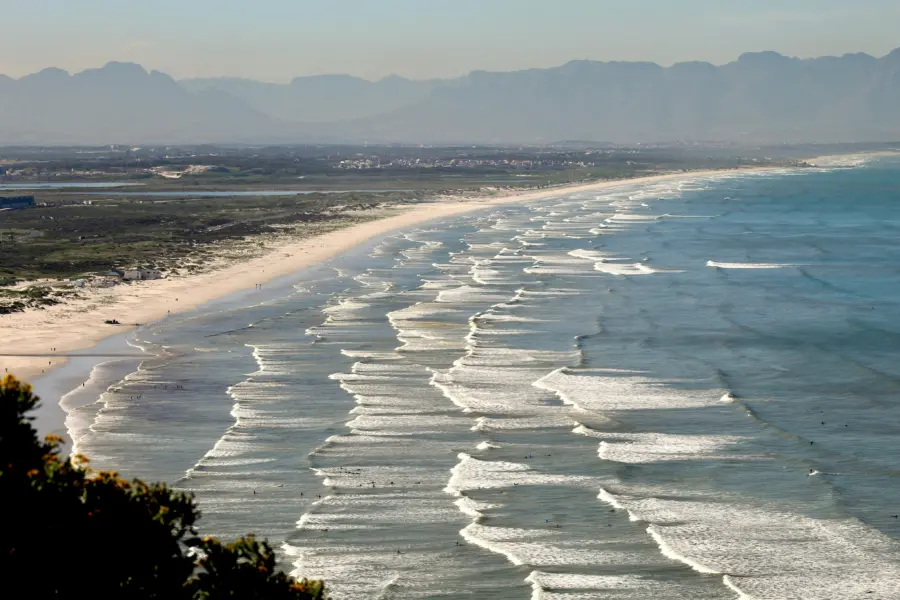
The 'Dolphin Coast', or the KwaZulu Natal North Coast, is known for its abundant population of dolphins swimming in the waters of the Indian Ocean. One of the most beautiful places in the province, the Dolphin Coast offers a rich cultural heritage, excellent fishing opportunities and spectacular golden beaches surrounded by sugarcane fields and punctuated by pretty coastal towns. This exceptionally beautiful coastline stretches north of the Durban metropolis, past well-developed beach resorts and golf courses to more remote areas with long stretches of pristine beaches, wetlands and lakes. You can enjoy the sun-drenched days with a fantastic range of activities. For instance, some activities include swimming in tide pools, surfing beautiful waves or unwinding on beaches.
Tsitsikamma National Park
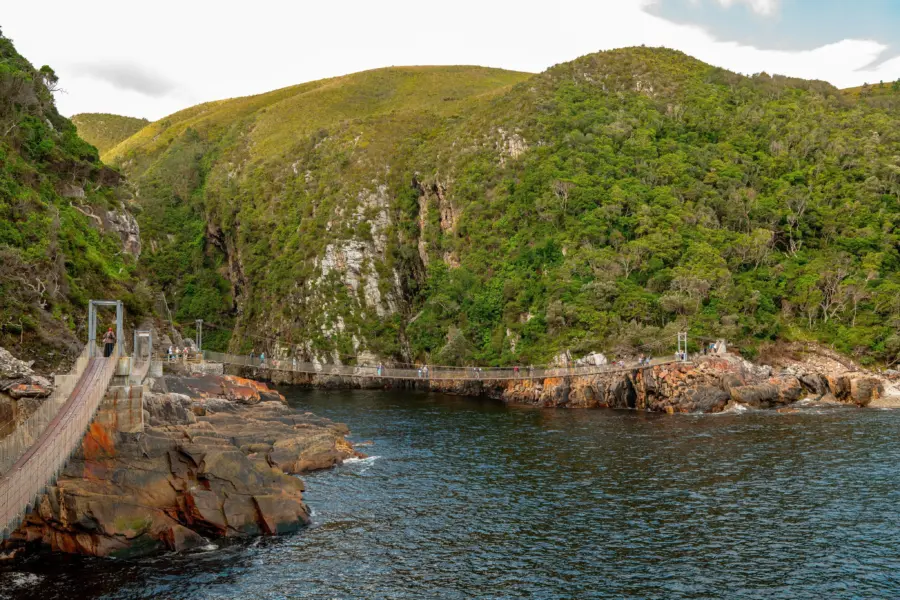
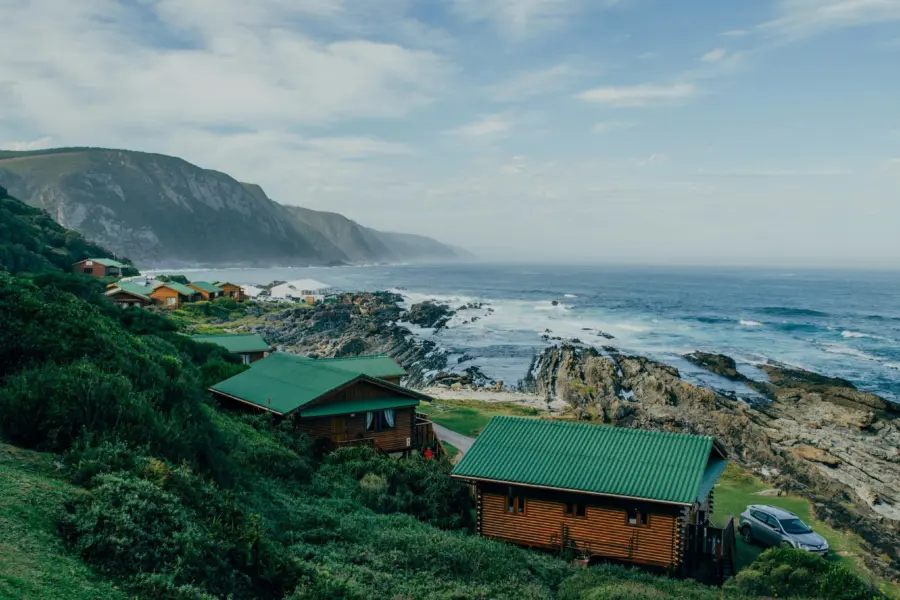
Much of the native forest in this eastern part of the Garden Route falls within Tsitsikamma National Park. The park is not only a wonderful place for native flora and fauna but also for marine life. About 5.5 km of ocean is part of the park.
iSimangaliso Wetland Park
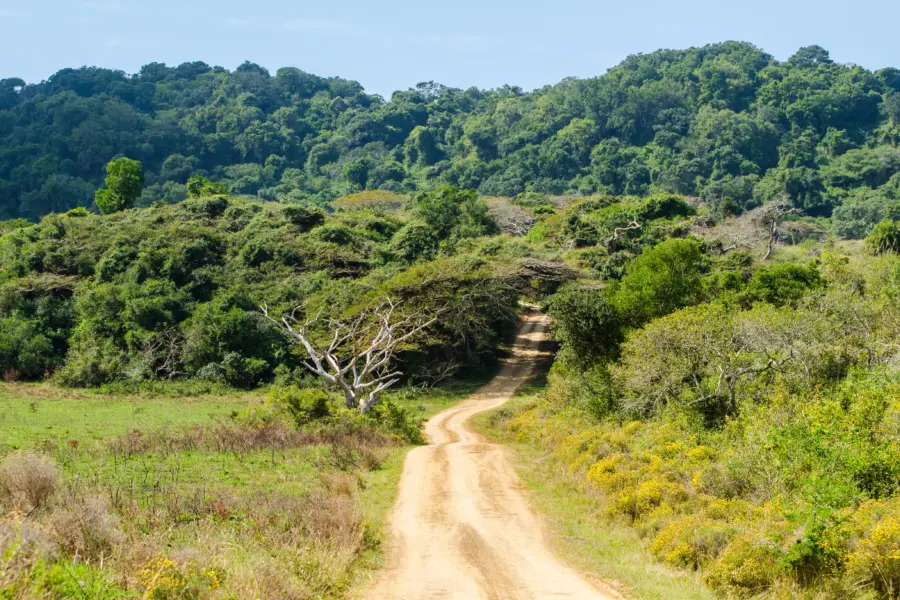
Isimangaliso means wonder, or one of the best things you will ever see. You will not be disappointed by this extraordinary ecosystem. Isimangaliso surrounds Lake St. Lucia and has been a World Heritage Site since 1999. The park is home to the lake, beaches, grasslands, dunes and a marine reserve. It is home to a great biodiversity, including 521 species of birds. Attractions include high forested sand dunes, large numbers of nesting turtles, whales, dolphins, whale sharks and large numbers of water birds, including large colonies of pelicans. In recent years, buffalo and elephants have been reintroduced on the eastern shore of the lake.
Cape Peninsula
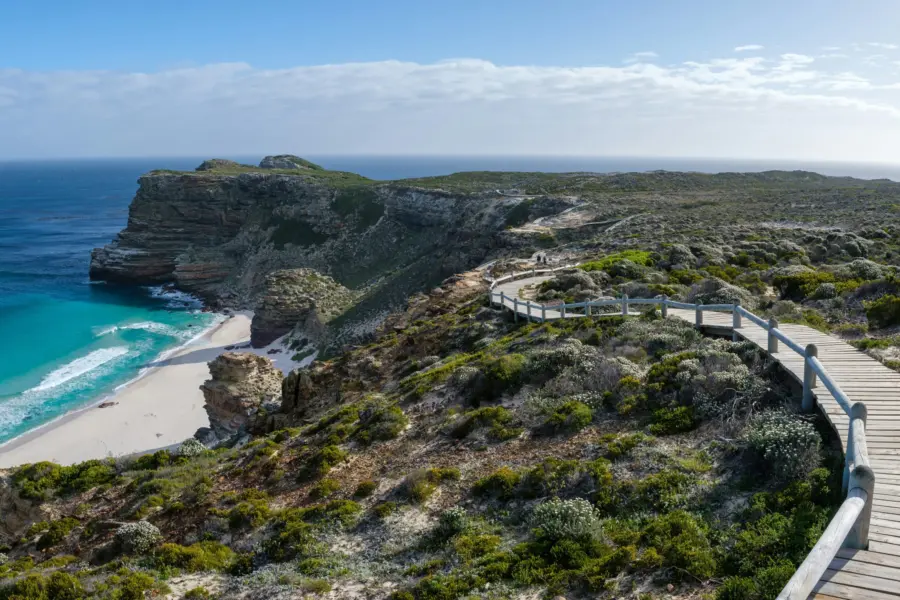
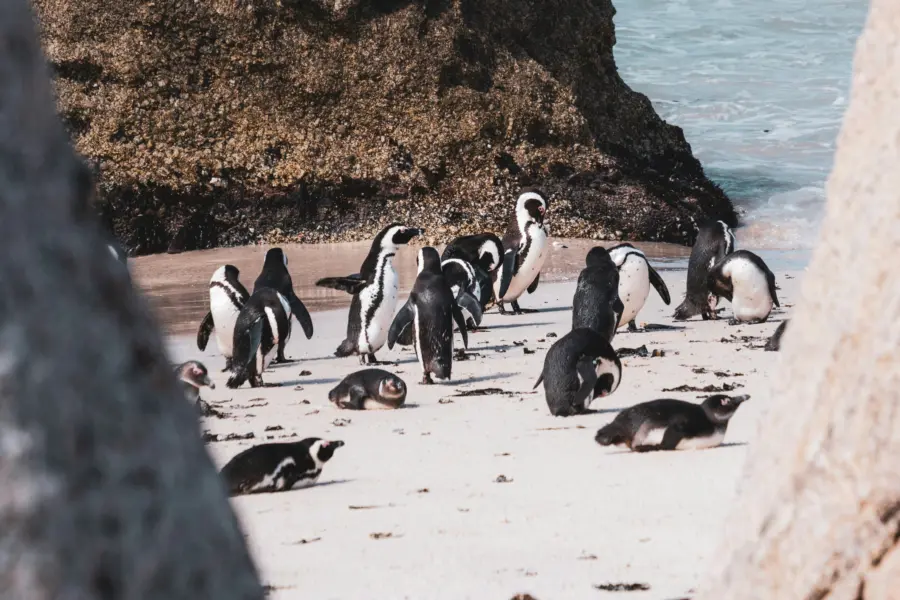
The rugged Cape Peninsula stretches into the Atlantic Ocean and is the southwesternmost point of the African continent. It boasts pristine white sand beaches with steep mountains interspersed with quaint small coastal towns. Cape Point and the Cape of Good Hope can be found on the southern side of this spectacularly beautiful peninsula, while the northern tip is crowned by the world-famous Table Mountain that towers over the city of Cape Town. Visitors can look forward to a wide selection of activities, including: hopping on a boat trip to Seal Island from Hout Bay, exploring the beautiful Cape of Good Hope Nature Reserve and watching the colony of African penguins on Boulders Beach in Simon's Town. Don't miss the chance to take in the breathtaking views from the top of Table Mountain.
Lobamba
East of the forested Ezulwini Valley in the traditional land of eSwatini lies the town of Lobamba. Known as the cultural, spiritual and political heart of the country, this fascinating destination boasts remarkable British-era buildings, informative museums and hosts sensational Incwala and Umhlanga ceremonies. Travellers can wander around the gardens of the memorial park for King Sobhuza II, enjoy a round of 18-hole golf at the picturesque Royal Swazi Golf Course, gain more insight into the country's history at the National Museum of Swaziland, or immerse themselves in culture at the fascinating Mantenga Cultural Village. Not to be missed is the beautiful Mlilwane Wildlife Sanctuary, a lush park with hiking and horseback riding trails and an abundance of wildlife, including zebras, giraffes and several bird species.
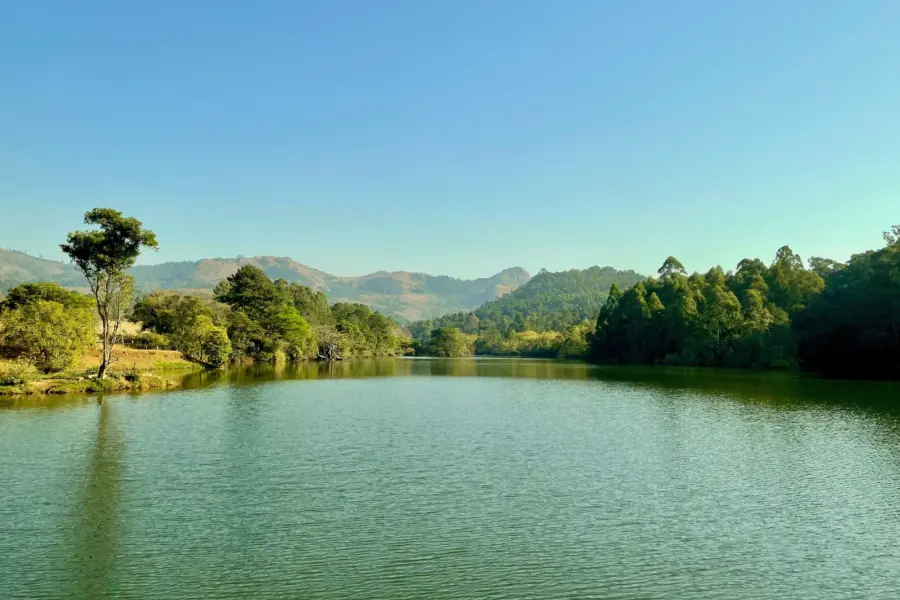
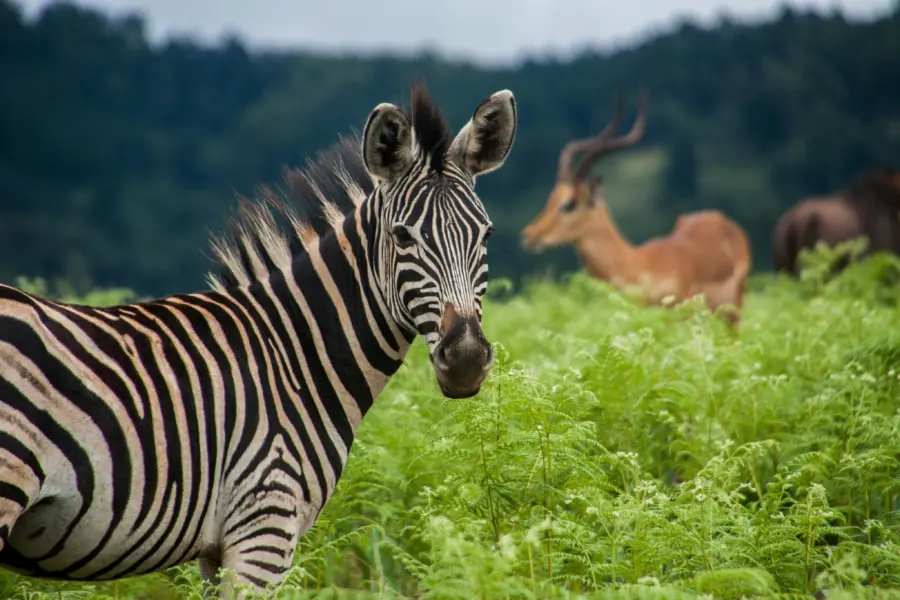
Johannesburg
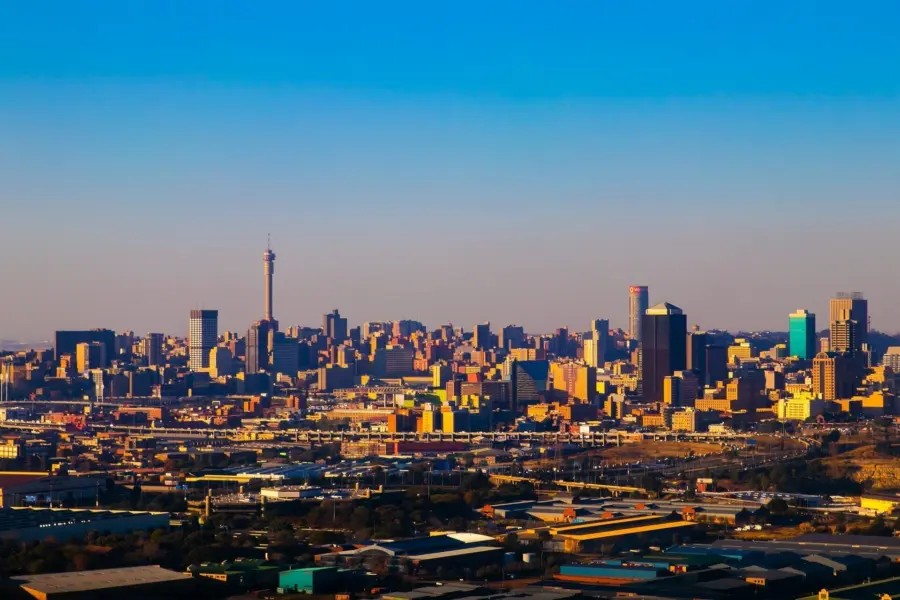
Johannesburg is South Africa’s largest city. It is also the economic heart of South Africa, home to all the major financial and industrial companies. Johannesburg was founded following the discovery of gold in the Witwatersrand in 1886. At that time, the Witwatersrand lay within the borders of the South African Republic, of which Paul Kruger was president. The Republic had been established in consultation with the British government, which was administering the Cape Province at the time. Following the discovery of gold, control of the region became a matter of dispute.
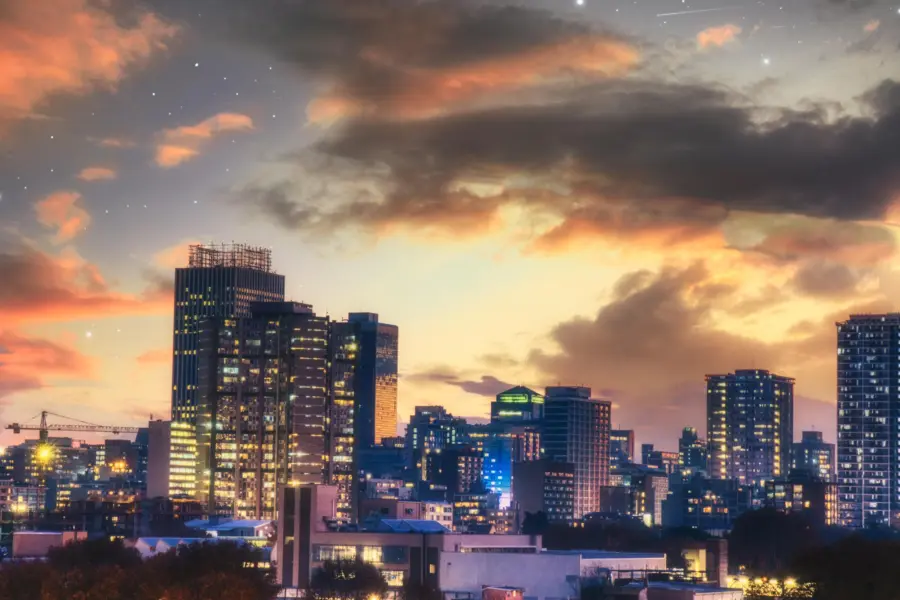
Johannesburg’s city centre is colourful, lively and exotic, with its diverse cultural offerings. Of particular interest is the ‘Carlton Centre’ on Commissaris Street. This skyscraper was built in the 1970s, stands 220 metres tall and remains the tallest building in Africa. On the top floor is a viewing platform called ‘The Best of Africa’. From a height of 202 metres, you can enjoy an impressive view over Johannesburg.
Outside the city centre, in the Fourways district, you’ll find the new theme park “Monte Casino”, whilst “Gold Reef City” is situated in the south of the city. Here, you can learn about the history of gold mining in an entertaining way. The new Apartheid Museum is also well worth a visit. And if you’re looking for the best shops in the country, head to Mandela Square in Sandton.
Gauteng
Gauteng is South Africa’s smallest province, but it is the commercial and administrative heart of the country and indeed of the whole of southern Africa.
The name Gauteng is the Sotho name for ‘Place of Gold’. In fact, a huge gold vein was discovered in this province in 1886, and gold quickly became the foundation of the national economy. During mining operations, further riches were unearthed, such as diamonds and coal.
But Gauteng is more than just cities, money and politics. For example, the Sterkfontein Caves were designated a World Heritage Site after bones dating back no less than 3.5 million years were found there. This site is also known as the Cradle of Humankind.
South Africa
One of the most culturally and geographically diverse places on earth, South Africa, affectionately known to locals as the 'Rainbow Nation', has 11 official languages, and its people are influenced by a fascinating mix of cultures. Discover Cape Town's gourmet restaurants, impressive art scene, vibrant nightlife and beautiful beaches. Enjoy a local braai (barbecue) in the community of Soweto, browse the bustling Indian markets in Durban, or taste some of the world's best wines at the numerous wine estates scattered across the Cape Winelands. Some historical attractions to explore include the Zululand battlefields of KwaZulu-Natal, the Apartheid Museum in Johannesburg, and Robben Island, just off the coast of Cape Town. Above all, the untamed wilderness is amazing: wildlife roams freely across huge unfenced game reserves such as the world-famous Kruger National Park.
Hazyview
The small village of Hazyview, founded in the early 20th century by a Canadian Boer, lies on the banks of the Sabie River in the Lowveld. The village borders the south-western boundary of Kruger National Park and is surrounded by orchards.
The climate of this region provides ideal growing conditions for bananas. The name Hazyview comes from the light summer mist that hangs over the town during the hot summer months.
The town is also an excellent base for safaris into Kruger National Park and offers a wide range of other activities, such as golf, quad biking, rafting and hot-air ballooning.
Lowfield
The Lowveld of Mpumalanga province stretches from the eastern part of the province to the border with Swaziland and Mozambique in the east.
To the north-west, the Lowveld is separated from the Highveld by slopes a few hundred metres high.
It is not only the proximity to Kruger National Park, but also the beautiful landscape – dominated by granite hills and subtropical fruit plantations – that makes this area particularly attractive.
Among the most attractive tourist towns in the Lowveld region are White River and Hazyview, which serve as ideal bases for excursions to Kruger National Park. However, the towns themselves also offer many other sights and attractions.
Kruger Private Reserves
There are a number of so-called Private Game Reserves located both in and around Kruger National Park. These are parks that have been established and are maintained using private capital. In Private Game Reserves, it is not permitted to go on a safari in your own car. In some parks, however, you are allowed to drive from the entrance to your lodge.
Many of these Private Game Reserves are situated on the western edge of Kruger National Park, with many in the Hoedspruit area. Since 1994, a number of Private Reserves have removed the boundary fences with Kruger National Park, creating a larger area for wildlife.
Thornybush Game Reserve
A well-known destination for local and international visitors, Thornybush has earned its reputation as one of the finest bush experiences in the country. Situated within 14,000 hectares of pristine wilderness adjacent to the Kruger National Park, Thornybush Nature Reserve is a true escape from city life.
Kruger National Park
Thanks to its vast array of wildlife, vast savannahs and long history, the Kruger National Park is South Africa’s most visited attraction. And rightly so, as this wildlife park is one of the most beautiful and largest safari parks in the world. The park is no less than 352 kilometres long, an average of 60 kilometres wide and covers almost 19,000 km². The more than 1 million visitors each year come in search of the Big 5 (the lion, elephant, buffalo, rhino and leopard), hippos, antelopes, giraffes, impalas, zebras, gemsboks and much more. In total, there are more than 147 species of mammals, 507 species of birds, 120 species of reptiles, 52 species of fish and 35 species of amphibians. To see all of this, you’ll need at least two weeks.
The Kruger National Park has a long history. 25,000 years ago, the San, also known as the Bushmen, lived here. They left behind impressive rock paintings which can be viewed at Masorini and Thulamela, amongst other places. Towards the end of the 19th century, the South African government – then known as the Volksraad – recognised the need to protect nature. Under the leadership of Paul Kruger, the Volksraad banned hunting between the Sabie and Crocodile rivers in the southern part of what is now Kruger National Park.
In 1898, Kruger established the Sabie Game Reserve. In the years that followed, the park expanded and in 1927 it was opened to the public. Since then, it has been an important research centre and protected area for African wildlife. In 2002, Kruger, together with Gonarezhou National Park and Limpopo National Park in Mozambique, became part of the vast Great Limpopo Transfrontier Park.
eSwatini
Recently, Swaziland changed its name to eSwatini. The country is a green and mountainous kingdom, awaits you a piece of original and authentic Africa with friendly, traditionally living people and grand natural landscapes with dense forests, rivers, waterfalls and unique rock formations. This is why connoisseurs sometimes refer to Swaziland as the Switzerland of Africa. But it is not just the landscape that leaves an impression, the Swazi themselves are very proud of their independence and cultural heritage. The stories of ancestors are still relived today through rituals and ceremonies, and not just at tourist sites, but as an important part of social life.
KwaZulu Natal North Coast
The coast of KwaZulu-Natal is not called South Africa’s beach paradise for nothing. Here you’ll find kilometres of beaches, some of which are virtually deserted. The stunning sand dunes and the warm Indian Ocean also provide a beautiful setting for a carefree holiday.
The Dolphin Coast owes its name to the dolphins frequently spotted off the coast, drawn by the warm waters. This stretch of coastline is a melting pot of cultures. You’ll find old settlers, traditional Zulus, French settlers from Mauritius (sugar cane farmers, which explains why so much sugar cane is grown in the area) and Indians. These days, this stretch of coastline is a place where people from Durban come to relax on the beach.
More than 2,000 different plant species call this area home, many of which are extremely rare and endangered. From lush forests to savannahs and marshes, there are numerous habitats here for a wide variety of mammals and birds. The area is criss-crossed by rivers, lakes and lagoons. The Elephant Coast offers excellent opportunities to see the ‘Big Five’, as well as the chance to spot whales (in season).
Stormsriver
Stormsriver Village, in South Africa's Eastern Cape, is backed by the mighty Storms River Peak of the Tsitsikamma Mountains and surrounded by a forest of indigenous forests and is a paradise for adventure sports enthusiasts. In Tsitsikamma National Park and other nearby parks - characterised by jungles, rivers and sea full of wildlife - adrenaline junkies can enjoy canopy, ziplining, tubing, kayaking, snorkelling, segway riding, cycling and hiking. A particularly popular attraction nearby is the Bloukrans River Bridge, the highest in Africa, where you can enjoy spine-tingling bungee jumping. The famous Otter Trail starts here and the surfing mecca Jeffrey's Bay is just 80 kilometres away. Other highlights include luxury spas, charming craft stalls and boutiques; and a collection of interesting restaurants, such as Marilyn's 60's Diner, a retro eatery decorated with a jukebox, 1961 Dodge Lancer and several other vintage cars.
Garden Route
The Garden Route in the Western Cape is one of South Africa’s most popular tourist destinations. The Garden Route stretches from Mossel Bay in the west, via Wilderness and Knysna, and past Plettenberg Bay in the east, and is one of the most beautiful stretches of coastline in South Africa.
A brief explanation: the ‘Garden Route’ refers to an African ‘garden’, which cannot be compared to the neatly manicured and landscaped gardens of Europe. Here, alongside coastal areas and lush rainforests, you’ll also find beautiful beaches nestled amongst rocks, towering mountains and small hamlets scattered between the sea and the land. The mild, temperate, almost European Mediterranean climate is often compared to that of the Portuguese Algarve.
Knysna
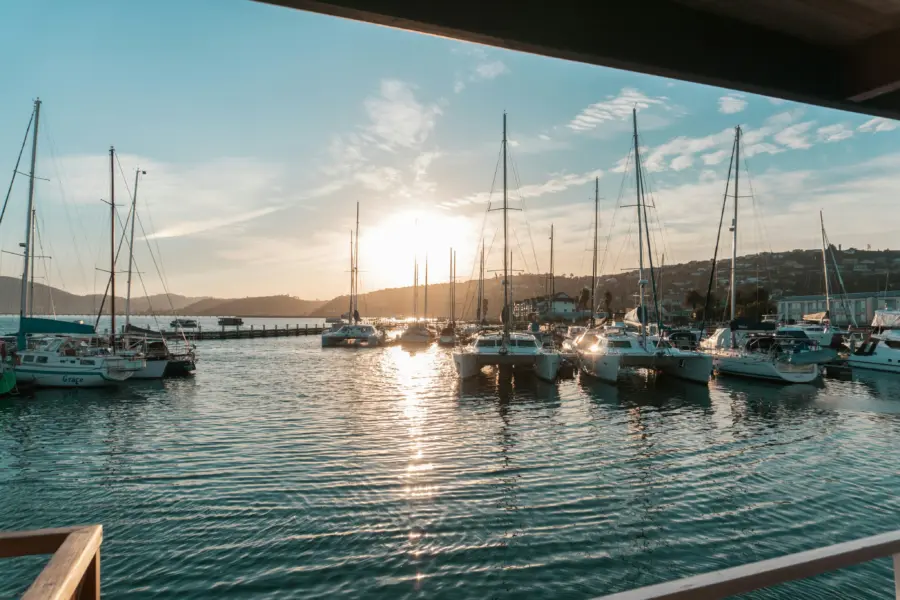
Knysna lies at the heart of the Garden Route and is undoubtedly the jewel of the Western Cape and the Garden Route. The beach lies beside a lagoon with crystal-clear blue water and is bordered on the other side by mountains and dense forests. These forests are the oldest in the whole of South Africa and even extend right into the town centre. For spectacular views, you can walk along one of the two ‘heads’. These sandstone cliffs stretch all the way to the point where the lagoon flows into the Indian Ocean. From the head on the east side, you’ll have a breathtaking view of Knysna, the lagoon and Leisure Isle. On the west side lies the Featherbed Nature Reserve. But be sure to visit the marina and the centre of Knysna as well. The many boutiques and interior design shops selling wooden trinkets are certainly worth exploring.
Knysna is famous for its oysters and wild elephants. The oysters are loved worldwide for their distinctive flavour. Large herds of wild elephants once lived here, but their numbers have dwindled significantly due to hunting. Nowadays, it is very rare to spot one.
Western Cape
The Western Cape, perhaps the most scenic and diverse of South Africa's nine provinces, serves as a key spot for visitors to South Africa. Located in the south-western corner of the country, the province is blessed with beautiful coastlines, breathtaking mountains, indigenous forests, historic wine estates and scorched stretches of a strikingly beautiful semi-desert. Visitors can enjoy everything from the beautiful city of Cape Town with its iconic Table Mountain and the stunning surrounding Winelands, to the exciting outdoor activities and spectacular natural scenery of the Garden Route. Also be sure to visit the fynbos-covered sand dunes, white beaches and remote fishing villages on the less-discovered West Coast. The Western Cape is an absolute must when visiting South Africa!
Stellenbosch
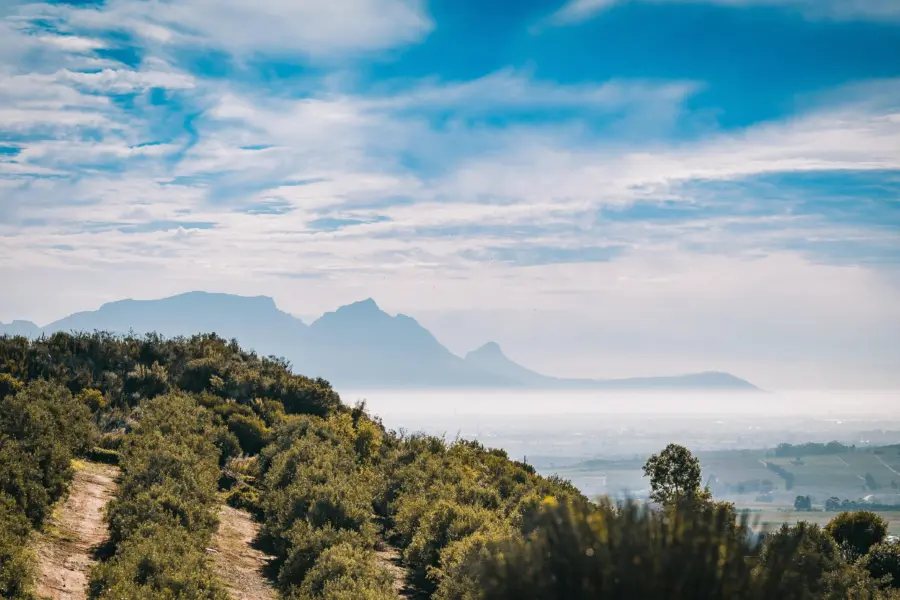
Stellenbosch is South Africa’s second-oldest town. It is a charming town in the heart of the Cape Winelands.
It was in 1679, almost 333 years ago, that the then Governor of the Cape, Simon van der Stel, left the familiar surroundings of the Cape for the very first time to search for new land. This followed the Cape colony coming under Dutch rule in 1652, when the VOC (the Dutch East India Company) established a supply station there.
On 8 November, he set up camp on the banks of the Eerste River. Van der Stel was so impressed by the surroundings that he decided almost immediately to establish a new settlement there, named after himself – the beginnings of Stellenbosch. This makes the town the oldest European settlement in South Africa, situated barely 50 kilometres from Cape Town.
Stellenbosch is still often referred to as the ‘City of Oaks’, and the reason for this is obvious. Most of the city’s avenues are lined with centuries-old oak trees. Some of them even date back to the 19th century. The many oak trees are a remnant of the great demand for oak timber in the early days of the wine farms. The winegrowers, who were originally from Europe, were accustomed to making their wine barrels from oak.
Even before the end of 1679, the first farms began to appear in the region. A proper village did not emerge until 1685, when magistrate Jan Mulder was appointed. At that time, thirty farms were established to help supply the mother city of Cape Town.
Some of these farms still exist to this day. Simon van der Stel personally oversaw the handover of the first residential properties in the town on 15 October 1686. The magistrate’s official residence, known as the drostdy, was completed in April 1687 and is the site where the Theological Seminary stands today.
On a stroll through the town centre, you’ll see the beautifully preserved Cape-Dutch houses lining the oak-lined streets. In the town museum, a number of houses from different centuries have been furnished and are open to visitors – definitely a lovely outing.
Stellenbosch is also home to a major university and, of course, Uncle Sammie’s shop – a general store, a real one-stop shop.
The icon of the town of Stellenbosch is the impressive Mother Church. The original church burnt down as early as 1710, and it took more than ten years for a new one to be built. In 1814, the church was extended, eventually taking on its final form some fifty years later. The church is now in the Neo-Gothic style and was designed by the German architect Carl Otto Hagar.
Cape Winelands
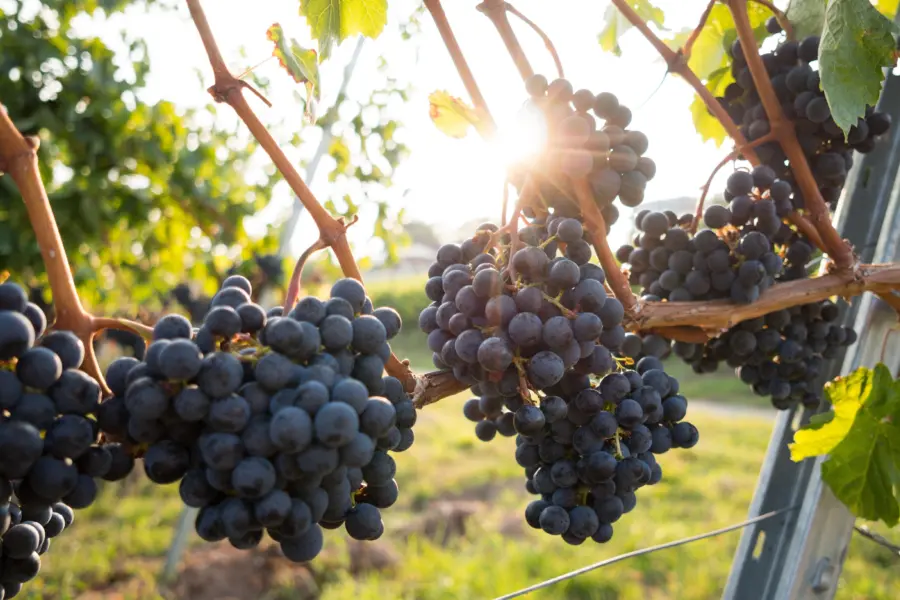
You’ll enjoy yourself to the full in the so-called ‘Cape Winelands’, which encompasses the Stellenbosch, Paarl and Franschhoek regions. This region is home to some of South Africa’s finest vineyards, whose wines have been popular beyond South Africa’s borders for many years now.
Many vineyards have wine cellars where you can learn more about wine production and sample the wines. The wine industry in South Africa has a long history, dating back to April 1652 when Jan van Riebeeck set foot ashore in Table Bay and quickly realised that good wine could be grown here, thanks to the excellent climate. No sooner said than done: the first vines from France arrived by ship as early as 1659, and the first wine was produced. In 1679, the second town in the Cape, Stellenbosch, was founded; it is now the centre of the South African wine industry.
Cape Town
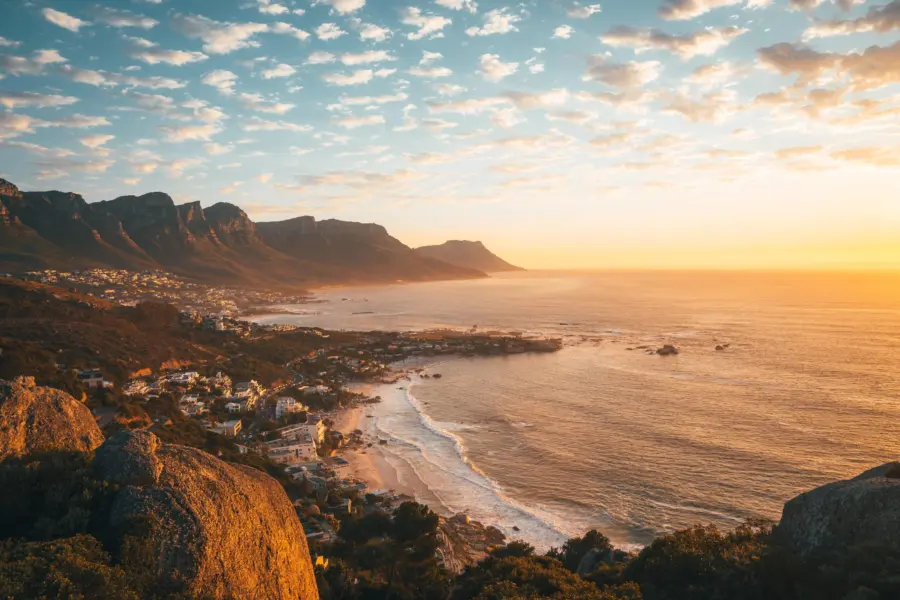
With the majestic Table Mountain as a backdrop, Cape Town is one of the most beautiful cities in the world. Lively yet relaxed, the city is like no other. It is often compared to Rio de Janeiro, Sydney and San Francisco. But many travellers agree: Cape Town is the most beautiful city in the world. The location is fabulous, set amidst national parks of exceptional natural beauty. And the city is surrounded by two oceans, with beautiful, expansive beaches. It inspires countless visitors year after year. Cape Town’s fascinating 350-year history, its variety of historic and modern buildings, its multicultural flair, the city’s maritime character, the laid-back lifestyle of its residents and the bustling Victoria & Alfred Waterfront all contribute to the city’s unique appeal.
Be sure to admire the mix of different architectural styles too. Nestled amongst the tall skyscrapers in the city centre are the old Victorian houses, most of which have been restored and are being preserved. Don’t forget to take in the beautiful examples of Cape Dutch architecture. Narrow streets and the large Muslim community in the Bo-Kaap enhance the city’s cosmopolitan atmosphere.
Enjoy the sun on Camps Bay beach, or relax in one of the many cafés along the promenade – the perfect spot for people-watching amongst the city’s flamboyant residents.
A short distance from the city, you’ll find the colourful Kirstenbosch Gardens, repeatedly named one of the most beautiful botanical gardens in the world. A visit to Cape Point and the penguins at Boulders Beach is also highly recommended.
Whether you’re interested in history, culture, outdoor activities, the local cuisine or simply a great place to shop, this beautiful city has it all!
KwaZulu Natal
A perfect combination of rural and sophisticated, KwaZulu-Natal is a coastal province in South Africa. Here, striking modern malls rest adjacent to lush green suburbs, mountainscapes contrast with flat, arid savannahs, and the inviting, warm waters of the beach are an escape from the hustle and bustle of the towns' central streets. Visitors can look forward to discovering a wealth of historical and cultural experiences, exploring the Indian-influenced city of Durban, and spotting abundant wildlife while on safari in Hluhluwe-iMfolozi Park - a famed Big Five game reserve. Outdoor and adventure activities include surfing, hiking, fishing, and much, much more.
Salt Rock
Just north of Ballito on the north coast of Kwa-Zulu Natal, Salt Rock offers a laid-back holiday atmosphere for beach lovers. Once the home of King Shaka Zulu, the richness of this destination now lies in its irresistible golden beaches, turquoise tide pools, and warm Indian Ocean waves, and cosmopolitan restaurants. Besides swimming and sunbathing, visitors can also look forward to skydiving, fishing, diving, snorkelling, and excellent coastal walks, as well as leisurely strolls along the wooden boardwalks beside the ocean for stunning views. The beautiful Litchi orchard market is a great place to sample delicious local food and browse among beautiful arts and crafts.
St Lucia
The small town of St Lucia is situated at the mouth of Lake St Lucia, on a narrow peninsula bordered by the St Lucia estuary to the west and the Indian Ocean to the east. A subtropical climate, beautiful wide beaches, the world’s tallest vegetated dunes, hippos, crocodiles and a variety of birds make St Lucia a popular seaside resort on the Elephant Coast.
The vast Lake St Lucia is one of Africa’s largest freshwater lakes. If you take a trip across the lake, you’ll see thousands of flamingos, pelicans, waders and other waterbirds. But it is also home to around 1,500 Nile crocodiles and 900 hippos. This is the largest concentration of hippos and crocodiles in South Africa. You’re guaranteed to spot a few.
Should you decide to go for a swim at the beaches of St Lucia, we advise you to pay close attention to the signs and exercise due caution. There may be strong currents and there is a chance you may encounter sharks. Warning signs are posted here and there, but these do not, of course, offer any protection against sharks.
Marloth Park
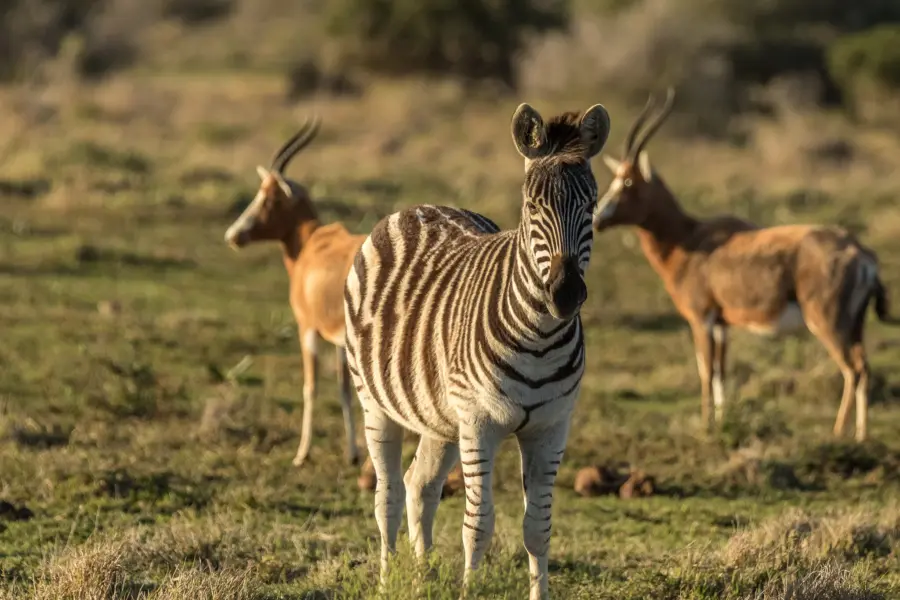
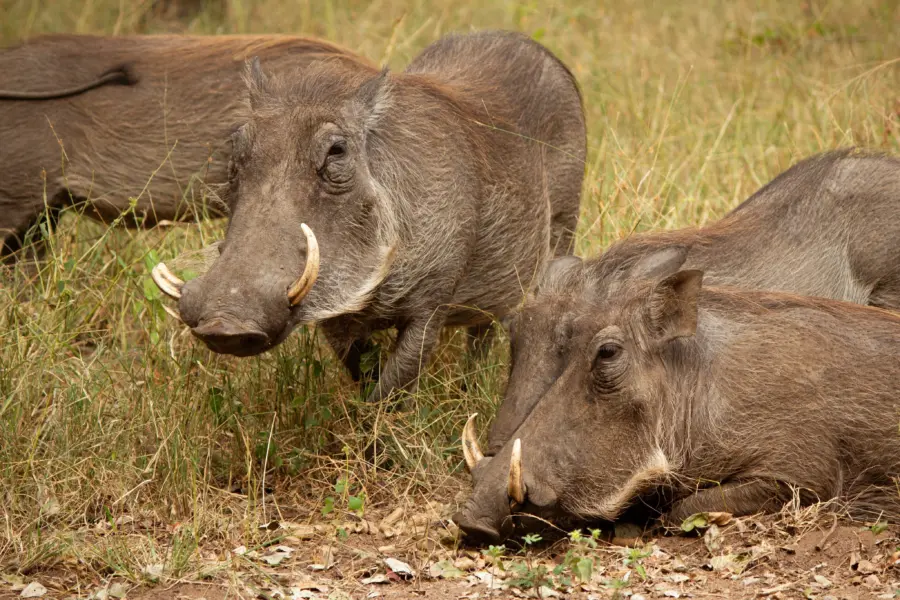
Marloth Park lies on the southern border of the world-famous Kruger National Park, on the banks of the Crocodile River. It is a tranquil holiday spot in the beautiful Mpumalanga province. Inhabited by abundant wildlife, this 3,000-hectare park is home to four members of the Big Five. Rhino, lion and buffalo are found in Marloth Park's Lionspruit Game Reserve, while kudu, zebra, giraffe, wildebeest, ostrich, impala and warthog roam freely among holiday homes, lodges and hotels. Visitors can see elephants playing in the river, catch a glimpse of some magnificent animals from the lookout points and watch the spectacular sunset over the African bushveld. This park offers a range of activities, including guided game walks, game drives, night safaris, mountain biking, fishing, quad biking, horse riding, bird watching AND it is even possible to play golf at Skukuza.
South Africa trip | Self-drive adventure South Africa
We offer the described tour from €3,595 per person.
The tour price is an estimate and is subject to factors including availability and travel dates.
Included
• Domestic flight in Economy Class (including 20kg of checked luggage)
• Accommodation in charming lodges, tented camps and hotels
• All meals, as specified in the ‘itinerary’
• 2x hire car, Toyota Corolla Quest automatic or equivalent, including additional driver, insurance, taxes and excess waiver
• All necessary transfers as specified
• All excursions, as listed in the ‘itinerary’, including ziplining and a boat trip through the iSimangaliso wetlands
• Comprehensive day-by-day itinerary in Dutch, including local tips and route descriptions
• National Geographic travel guide or similar
• Administration fees (€50 per booking)
Positive impact of your trip:
• A contribution of €50 per person towards positive impact via the Avila Foundation
• Ziplining in Tsitsikamma Forest
• Wine tasting and lunch with locals in Stellenbosch
Not included
• Intercontinental flight to/from South Africa
• Travel and/or cancellation insurance
• Personal expenses/tips
• National park entrance fees, where applicable
• One-way surcharge per hire car (2 x approx. €100, payable locally)
• Swaziland border documents (approx. €100, to be paid locally)
• Local car hire costs, such as administration fees and fuel
• Meals and excursions not specified
• Contribution to the emergency fund (€2.50 per booking)
• SGR contribution (€5 per person)