
 en


- Boutique
- 10-day trip
- From €4,455 p.p.

Oman trip | Self-drive through cities, desert and wadis
Experience an unforgettable journey through breathtaking Oman, where rugged deserts, majestic mountains and ancient traditions come together. With your own car, discover authentic Oman at your own pace: from historic Nizwa to the spectacular views of Jabal Akhdar and the endless dunes of Wahiba Sands. Be surprised by hidden oases, traditional villages and impressive natural wonders such as Wadi Bani Khalid and the Bimmah Sinkhole. End with a relaxing day in Muscat, including dolphin spotting, snorkelling and kayaking in crystal clear waters. This trip is a perfect blend of adventure, culture and relaxation; an experience that will stay with you forever!
Travel programme
Travel overview
- Day 1 Journey to Oman
- Day 2 Arrival in Muscat
- Day 3 Muscat Discovery Tour
- Day 4 Self-drive to Jabal Akhdar
- Day 5 Two Villages Walk
- Day 6 Drive to the Desert
- Day 7 Return journey to Muscat
- Day 8 – 9 Snorkelling , kayaking and free time
- Day 10 Departure from Oman
Arrival in Muscat
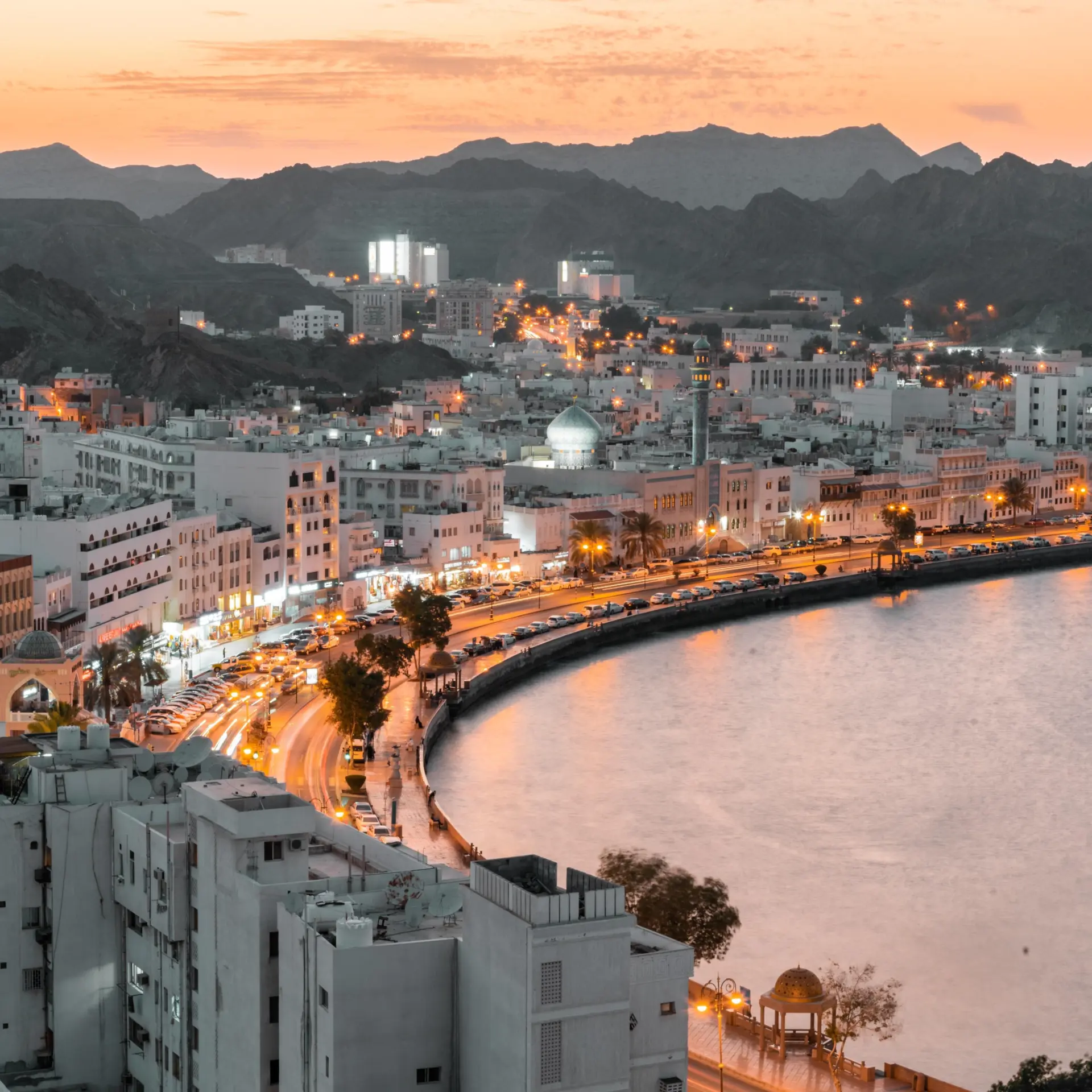
Welcome to Oman! Upon arrival at the airport, you’ll be warmly welcomed by our local representative, who’ll be on hand to take you to your hotel. Once you arrive at your hotel, you can check in, after which you’ll have the rest of the day at your leisure. The city is beautifully situated between the mountains and the Arabian Sea and, with its whitewashed buildings, golden domes and well-maintained streets, exudes a calm dignity.
In the afternoon, you can explore the city at your leisure. Here, you’ll see how the old and the new come together harmoniously: modern infrastructure blends seamlessly with historic forts, traditional markets (souks) and elegant mosques. You may pass the lively Muttrah Corniche, with views of colourful fishing boats and luxury yachts, or the impressive Sultan Qaboos Grand Mosque.
Inclusief:
- Meet & Greet after arrival
- Private transfer to your hotel
- Overnight accommodation including breakfast
Muscat discovery tour
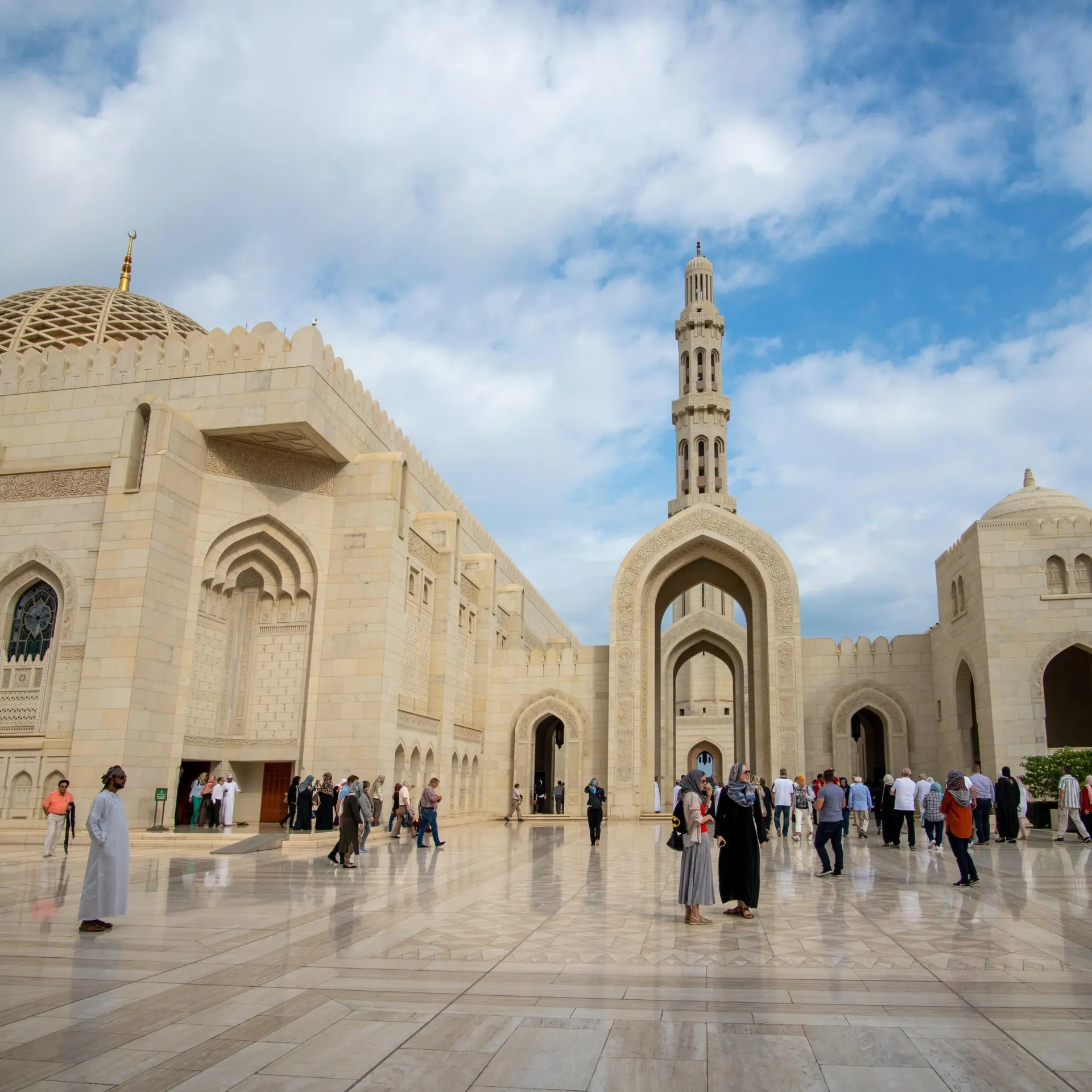
After a leisurely breakfast, your introduction to enchanting Muscat begins – a city where traditional charm and modern elegance blend seamlessly. Accompanied by an English-speaking guide, you’ll discover the highlights of this atmospheric capital of Oman. From the serene grandeur of the Sultan Qaboos Grand Mosque to the lively rhythm of the Muttrah Souq and the colourful fish market, this morning offers a wonderful glimpse into daily life and the rich culture. The Bait Al Zubair Museum also offers a fascinating insight into Oman’s history, whilst at Al Alam Palace and the Jalali & Mirani Forts you can enjoy photo opportunities that capture the blend of history and splendour.
In the evening, you’ll collect your own 4x4 hire car (Toyota Prado or similar), which you’ll use to explore Oman at your own pace over the coming days.
Inclusief:
- Excursion: Muscar city tour with English-speaking guide
- Rental car Toyota Prado or similar model
- Overnight accommodation including breakfast
Self-drive to Jabal Akhdar

After breakfast, you’ll check out of your hotel in Muscat and set off on a day’s self-drive tour through the Omani hinterland. Your first stop is the world-famous Amouage perfume factory, where you’ll discover the craftsmanship behind one of the world’s most luxurious perfume brands.
You’ll then drive on to the historic town of Nizwa. Here, you’ll visit the impressive Nizwa Fort, with its massive round tower and views over the surrounding date plantations. You’ll then wander through the lively Nizwa Souq, renowned for its silverware, ceramics and spices.
On the way to Jabal Akhdar, you’ll make a short stop at the picturesque village of Birkat Al Mouz, situated at the foot of the mountains and recognised as a UNESCO World Heritage Site. After these cultural discoveries, you’ll drive further into the mountains towards Jabal Akhdar. Here, you’ll check in at your hotel at an altitude of around 2,000 metres. The rest of the day is yours to spend as you wish. Enjoy the peace and quiet, the fresh mountain air and the impressive views.
Inclusief:
- Rental car
- Overnight accommodation including breakfast
Two Villages Walk

After breakfast, you’ll drive to the agreed meeting point near the start of the village walk. Here, you’ll be welcomed by a local English-speaking guide who will accompany you on a unique walk through the villages of Jabal Akhdar. The walk begins at the iconic Diana’s Point, named after Princess Diana who visited this spot in 1986. From here, you’ll enjoy breathtaking views of three mountain villages surrounded by terraced gardens.
You’ll first walk to the village of Al Aqur, known for its centuries-old houses dating back to the 17th century. You’ll then continue your journey to Al Ain, where you’ll learn about the traditional falaj irrigation system. Along the way, you’ll also pass the famous rose fields of Jabal Akhdar – a stunning sight, especially during the flowering season from late March to early April.
After the walk, you’ll enjoy an authentic Omani lunch in a charming outdoor setting. The afternoon is free to spend as you wish. You can relax and enjoy your hotel’s facilities, or simply unwind amidst the mountains of Jabal Akhdar.
Inclusief:
- Excursion: village walk of Jabal Akhdar including English-speaking guide
- Authentic Omani lunch
- Rental car
- Overnight accommodation including breakfast
Ride to the Desert
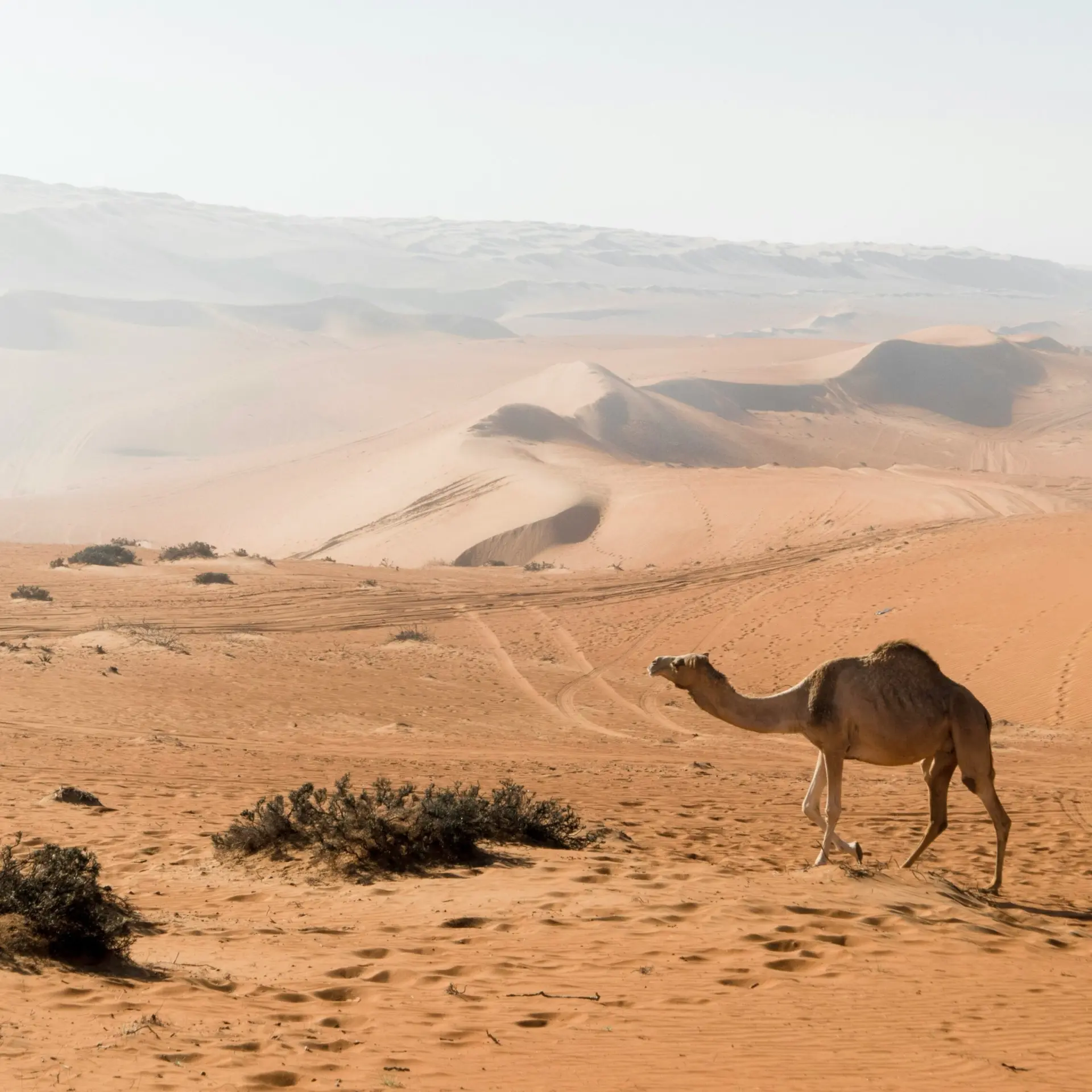
After breakfast, you’ll check out of the hotel and set off on an adventurous drive towards the east of Oman. In the afternoon, you’ll leave Wadi Bani Khalid and head towards Al Wasil, where you’ll arrive at the Al Maha petrol station. Here, a support vehicle from the camp will be waiting to guide you through the sand to your desert accommodation. You’ll spend the coming night amongst the sand dunes of Wahiba Sands. Wadi Bani Khalid is a picturesque, green valley that stands out against the rugged desert landscape. The area is renowned for its crystal-clear turquoise pools, lush date palms and impressive rock formations.
Later in the afternoon, you’ll be picked up for a drive to a stunning viewpoint to enjoy the magical sunset over the dunes.
Inclusief:
- Rental car
- Transfer to your accommodation
- Excursion: Watching sunset over the dunes
- Overnight accommodation including breakfast
Driving back to Muscat

After breakfast, you will depart for Muscat. En route, you will have the opportunity to visit some special places, such as the traditional dhow yard in Sur where wooden boats are still built by hand, the green valley of Wadi Tiwi with its palm trees and villages, a short photo stop at the impressive Wadi Shab and the turquoise waters of the Bimmah Sinkhole. After this varied route, you will arrive in Muscat where you will return your hire car and conclude your self-drive adventure.
Inclusief:
- Drop-off rental car
- Overnight accommodation including breakfast
Snorkelling, kayaking and leisure
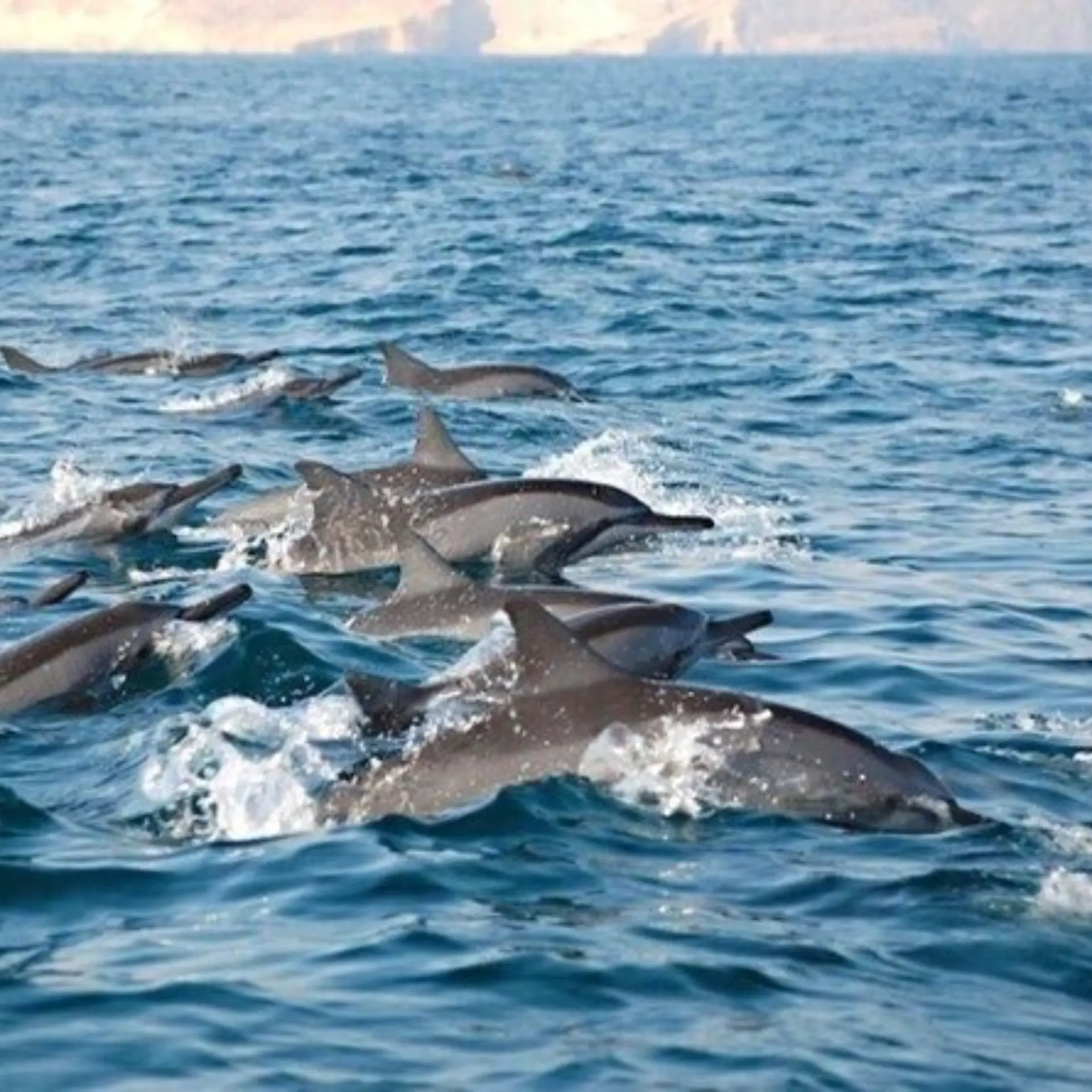
You’ll be picked up from your hotel in the morning and taken to the Bader Al Rawdha Marina in Muscat. This is where your 4-hour private experience of dolphin spotting, snorkelling and kayaking begins. Enjoy the views whilst watching dolphins play in their natural habitat. Along the way, your guide will tell you more about the different species of dolphins commonly found in these waters.
You will then be taken to a snorkelling spot. Here, you’ll discover colourful coral reefs and tropical fish in the crystal-clear waters of the Gulf of Oman. For added fun, you can also make use of the kayaks provided, allowing you to paddle along the coastline at your own pace and explore hidden coves. At the end of this maritime adventure, you’ll be taken back to your hotel.
You’ll have the final day in Muscat to spend as you wish
Inclusief:
- Private excursion: snorkelling, kayaking and dolphin spotting
- Overnight accommodation including breakfast
Accommodations
Behlys Boutique
Behlys Boutique is located in Muscat, a 3-minute walk from Azaiba beach. The hotel offers spacious en suite rooms with comfortable king or queen beds and free Wi-Fi. Guests can start the day off right with a delicious breakfast. Additional facilities and services include parking and...
Behlys Boutique is located in Muscat, a 3-minute walk from Azaiba beach. The hotel offers spacious en suite rooms with comfortable king or queen beds and free Wi-Fi. Guests can start the day off right with a delicious breakfast. Additional facilities and services include parking and a 24-hour check-in service.
Your stay: 2 nights

Hanging Terraces
Hanging Terraces is located in the village of Al Aqar in Oman, close to the Diana viewpoint. Accommodations come with air conditioning and a private bathroom. Guests can dine at the hotel's restaurant. Additional amenities include free Wi-Fi, a paid shuttle service to/from the airport and a...
Hanging Terraces is located in the village of Al Aqar in Oman, close to the Diana viewpoint. Accommodations come with air conditioning and a private bathroom. Guests can dine at the hotel's restaurant. Additional amenities include free Wi-Fi, a paid shuttle service to/from the airport and a garden.
Your stay: 2 nights

Deserts Nights Camp
Desert Nights Camp, Oman's only luxury desert camp, is an ideal base for your Arabian Desert adventure, with spectacular steep mountains in the distance, endless dunes and crystal clear wadis. It is just a two-hour drive from Muscat, the capital of the Sultanate of Oman. The camp is located...
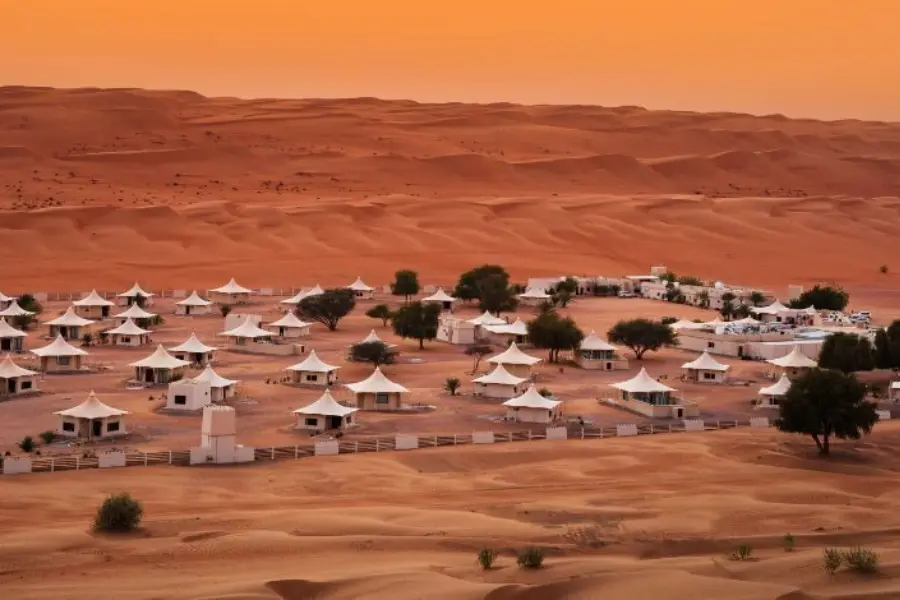
Desert Nights Camp, Oman's only luxury desert camp, is an ideal base for your Arabian Desert adventure, with spectacular steep mountains in the distance, endless dunes and crystal clear wadis. It is just a two-hour drive from Muscat, the capital of the Sultanate of Oman. The camp sprawls across 10 hectares of silken sand, 11 km remote in the vast isolation of the Omani desert. 55 luxury Bedouin-style tents, including 06 one-bedroom pool villas, await those seeking the ultimate desert adventure holiday at Oman's best boutique hotel.
Enjoy the unique experience of a camel ride at sunset. After a long day of dune bashing and cycling on the dunes in the golden sands of the Wahiba, relax in the fully air-conditioned rooms and pamper yourself in the luxurious en-suite bathrooms of a hotel in Oman like ours. Descend into magical nights and enjoy traditional Omani dishes in the flickering glow of the campfire. We will take you into a world of unparalleled luxury and comfort. Upon arrival, refresh yourself with cold towels, relax in the Omani-style majlis and enjoy fresh Omani dates and "khawa" traditional Arabic coffee. Then head to your luxury stay in the desert.
Your stay: 1 night
Sifawy Boutique Hotel
Sifawy Boutique Hotel, located in Jebel Sifah, Oman, offers a serene oasis just 45 minutes from Muscat. The hotel features several room types, including Sifawy Rooms, Marina Suites and Deluxe Suites, all equipped with modern amenities such as air conditioning, TVs and Wi-Fi. Guests can enjoy...
Sifawy Boutique Hotel, located in Jebel Sifah, Oman, offers a serene oasis just 45 minutes from Muscat. The hotel features several room types, including Sifawy Rooms, Marina Suites and Deluxe Suites, all equipped with modern amenities such as air conditioning, TVs and Wi-Fi. Guests can enjoy facilities such as a large swimming pool, an outdoor Jacuzzi, a fitness centre and a treatment room. Activities available include golf, water sports and excursions.
Your stay: 3 nights

Destinations
Nizwa
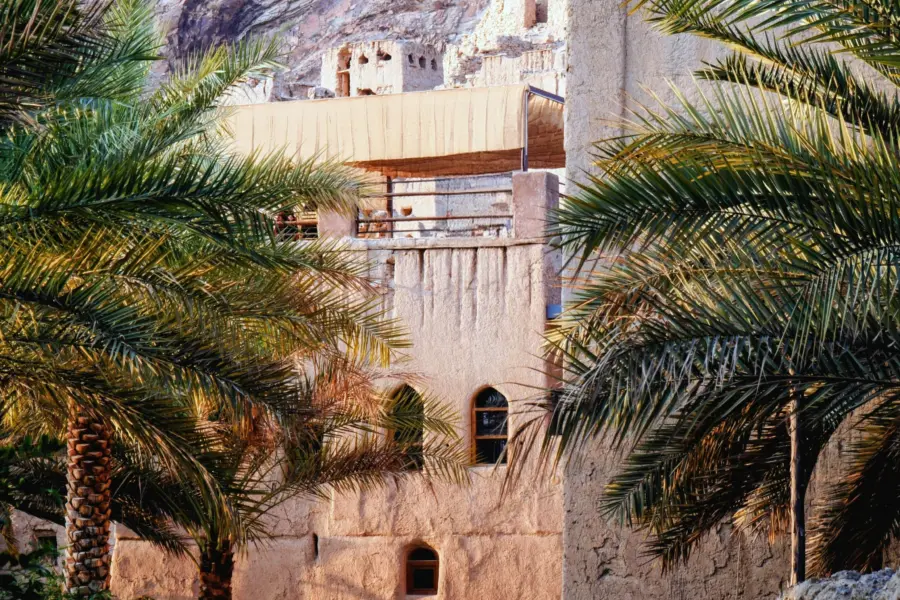
Nizwa, located in the Ad Dakhiliyah region in northern Oman, is a true sandcastle city rising out of the desert. Surrounded by some of Oman's highest mountains - the Hajar Mountains - as well as dense palm forests, this oasis city provides an excellent base for exploring the spectacular surrounding landscape and serves as the gateway to the historical sites of Jabrin and Bahla, a UNESCO World Heritage Site. Dubbed the 'capital of Islamic culture', this ancient city offers a variety of fascinating attractions, including: the 17th-century Nizwa Fort, featuring a huge cylindrical tower with stunning views of the city; and the Nizwa Souk, filled with local handicrafts. Don't miss the chance to taste locally grown and prized Khala and Khunaizi dates.


Birkat Al Mouz
At the foot of the Jebel Akhdar mountains in Oman is Birkat Al-Mawz, a small town in Nizwa, about 100 km from Muscat. Date palms and terraced fields define the landscape here. A sophisticated falaj irrigation system, part of Oman's UNESCO World Heritage Site, directs water to these lush plantations, ensuring sustainable agriculture in this arid region. The city's old mud houses and the 17th-century Bait al Redidah fort tell the story of its strategic importance in Oman's past. Visitors can admire the fort's defensive architecture, stroll through the winding alleys of the old town and observe traditional Omani life. For those who enjoy outdoor activities, hiking trails lead into the surrounding mountains and offer stunning views of the valley below.

Muscat
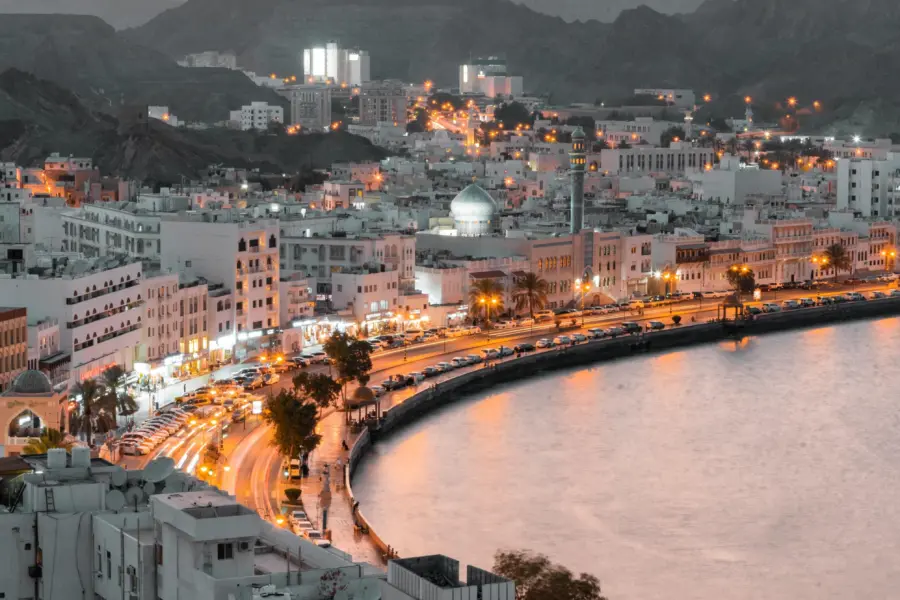
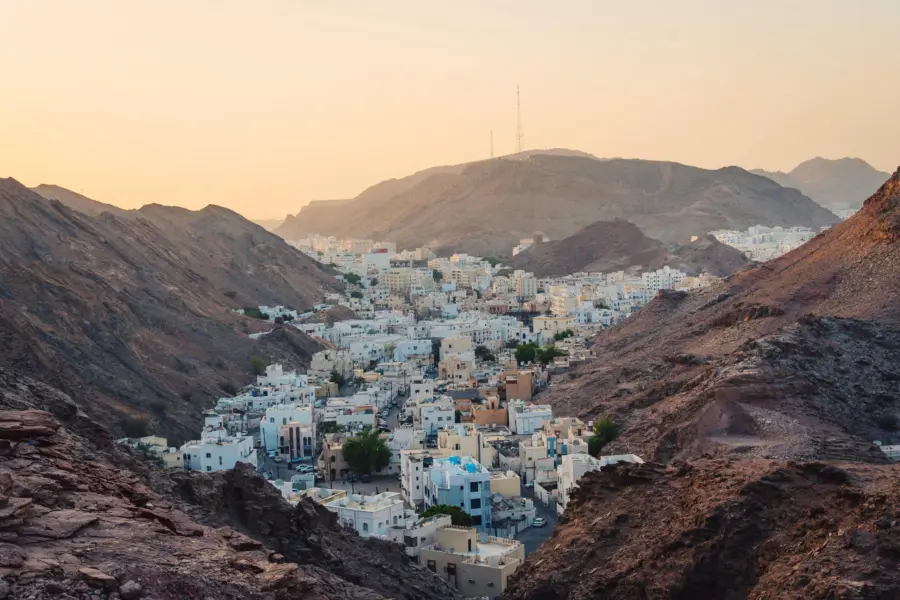
Muscat lies on the edge of the Gulf of Oman, nestled between the desert and the ocean, with a dramatic blend of unspoilt coastline, rugged mountains and beautiful sandy landscapes. It is a fine example of ancient history seamlessly combined with contemporary charms. The city has done a remarkable job of preserving its old-world splendour, centuries-old Bedouin culture and traditional values, whilst at the same time embracing the modern and cosmopolitan.
Visit the local markets, steeped in the scent of incense, or stroll through the streets of Mutrah at sunset for a magnificent view of Arabic architecture and fishing boats against a backdrop of mountains. The opulence and vibrancy of Muscat are complemented by its striking landscape.
Wahiba Sands
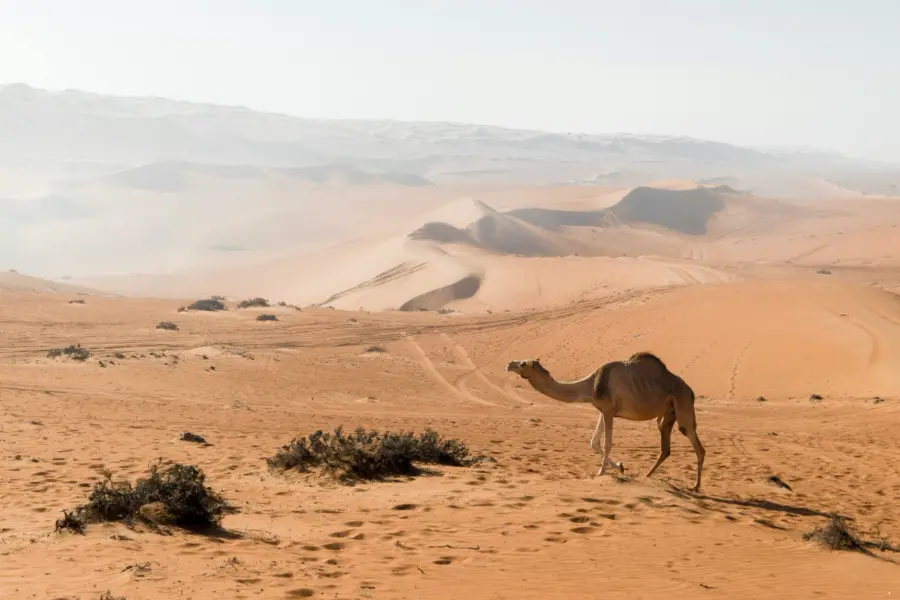
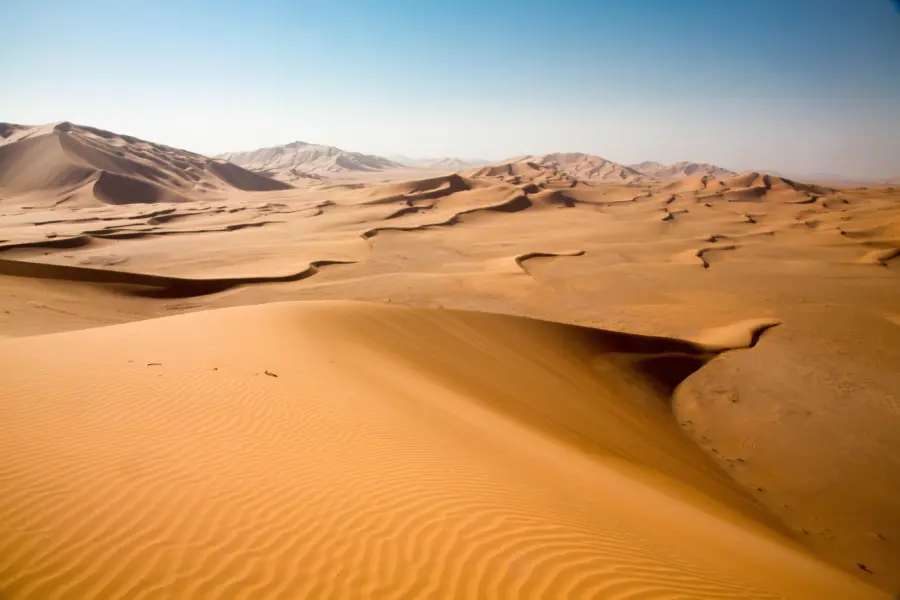
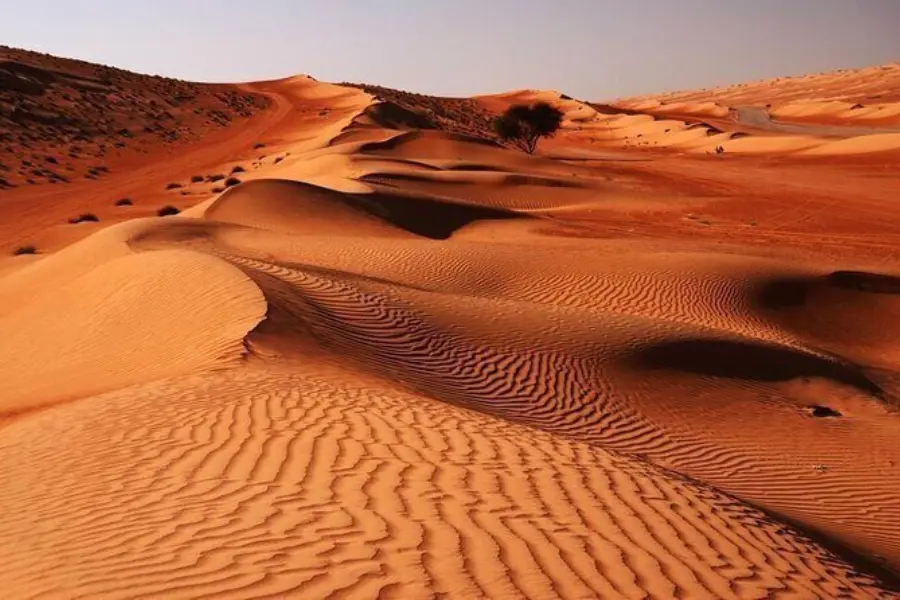
The locally famous Wahiba Sands, also known as the Sharqiya Sands, is located in Central Coastal Oman and is a vast desert with rolling sand dunes just south of the city of Sur. The desert stretches for an impressive 170 kilometres along the Arabian coast with dunes up to 100 metres high. Visitors can venture into this spectacularly beautiful desert and spend the night in one of the many camps. The views of the uninterrupted starry sky will enchant you, the golden sunsets and sunrises will enchant you, and the traditional way of Bedouin worship will enchant you. Popular activities include: 4WD tours (dune bashing), camel riding, guided horse rides, hiking, sandboarding and quad biking. Don't miss the chance to pick up some expertly handmade products, such as traditional camel bags and colourful woollen key chains.
Oman
As one of the gentlest and most sublime destinations in the Middle East, the Sultanate of Oman has endless charms to offer visitors. A rich heritage reflected in its ancient mosques and historic sites, incredible diving spots, beautiful sandy beaches and an exotic Arab culture.
Oman is situated on the Arabian Peninsula, boasting a stunning landscape of vast desert, endless coastlines and undulating dunes. The green wadis stand in stark contrast to the rugged landscape of steep mountains and desert. It is a country where Eastern mysticism, as in the fairy tale *1001 Nights*, blends with Western comforts.
Highlights include the elegant, evocative capital, Muscat, whilst the interior, with its impressive mountainous regions and desert, is also an essential part of any trip to Oman. Thanks to its strategic location, the country has long been at the heart of trade between East and West. As a result, it has a tradition of hospitality dating back centuries, which has meant that the country continues to welcome visitors with open arms to this day.
Jebel Shams
Jebel Shams, high above the impressive Wadi Ghul Canyon, meaning 'Mountain of the Sun', is Oman's highest mountain and a popular tourist destination. It is part of the northeastern Al Hajar Mountains, which is the highest mountain range on the eastern Arabian Peninsula. The remarkably beautiful surroundings offer rich historical, cultural and geological attractions. Visitors can enjoy adventure tours in the Wadi Al Nakhur Canyon, called the 'Grand Canyon' of Arabia, it is the deepest gorge in the Middle East. Other popular activities include: hiking to the top of the soaring mountain peak, camping under the stars, exploring the deserted mountain villages that cover the landscape; as well as rock climbing, trekking, canyoning and off-road driving.
Quriyat
Situated 83km southeast of Muscat, adjacent to the towns of Sur, Diman Wa Tayeen and Aamerat, the quaint seaside village of Quriyat is a charming rest stop marked by mosques, forts, towering mountains, and spacious valleys. The inviting oasis of Qurayat Park is a relaxing island in the middle of a small lake that often attracts egrets, bitterns, herons and the odd osprey who stop by before flying to the ocean. A visit to the emerald waters of Wadi Dayqah dam is not to be missed, as this popular family picnic location boasts breathtaking views, and conveniently features a simple restaurant, several park benches, and toilets. For a trip back in time, admire the exterior of Qurayyat Fort, a coastal defensive building with high ornate walls and a rotunda watchtower. Al-Serah Fort is a striking monument perched on a seashore overlooking the Gulf of Oman.
Jebel Akhdar
Jebel Akhdar, which means ‘Green Mountain’, is a rugged mountainous area in the central Al Hajar Mountains. It serves as a gateway to the region’s natural wonders, rich history and cultural heritage. Jebel Akhdar lies 2,000 metres above sea level and offers a welcome respite from the desert heat. With its mild Mediterranean climate, it is a welcome haven for nature lovers and adventurers.
The Omanis also refer to this area as ‘The Fruit Bowl of Oman’; the landscape is dotted with lush orchards full of pomegranates, apricots, other local fruits, walnuts and Oman’s famous Damask roses. The area also features deep gorges, numerous caves and a collection of charming yet ancient, abandoned villages. Visitors can enjoy views of the eponymous Jabal Akhdar mountain and the majestic Jebel Shams, Oman’s highest peak.


Diymaniyat Islands Nature Reserve
A paradise for divers and nature lovers, the Daymaniyat Islands Nature Reserve within the Gulf of Oman is a cluster of nine islands ideal for those with a profound appreciation for nature and a boundless affinity for underwater exploration. Amid this stunning archipelago, one can encounter a vast array of wildlife, including rare avian species, sea turtles, and vibrant coral reefs. A range of activities await, from snorkelling and diving to kayaking and sailing across turquoise waters. The undersea world, adorned with coral gardens, offers glimpses of dolphins, rays, sharks, and colourful fish species. Above water, scenic vistas of limestone cliffs and sandy beaches are equally entrancing. Recognised as a UNESCO World Heritage Site, it extends its welcome to the public from October to April.
Ibra
Ibra is a city in Oman's Ash Sharqiyah region, about two hours' drive from Muscat, and is known for its rich heritage. The second largest city in the region, it was once a thriving centre of art and trade, and is adorned with numerous landmarks. Highlights of the city include the impressive watchtowers, the bustling traditional market (souk) and the Falaj Al Afrit. The city is also famous for its finely crafted silver jewellery and its delicious locally grown bananas, mangoes and dates. The old town is an atmospheric place to wander around, with its remnants of luxury colonial buildings. Notably, Ibra is also home to the huge and powerful Al Harthy tribe, which led numerous rebellions against the Muscat sultans in the early 20th century.

Al Hajar Mountains
Situated in northeastern Oman and spreading into the eastern United Arab Emirates, the Al-Hajar Mountains, also known as the 'Oman Mountains', are the highest mountain range in the eastern Arabian Peninsula. Staggering landscapes characterised by awe-inspiring rugged rock formations, great wadis (valleys), ruins of ancient villages, and a network of scenic hiking trails await visitors. Adventure into this cooler, mountainous region on an off-road excursion through Wadi Bani Auf, visit one of the many date plantations and enjoy an overnight stay in a luxury tented camp in the mountains. Other highlights include: the traditional local fish market in the small seaside town of Barka en-route, the beautifully restored pre-Islamic Nakhl Fort and the Ain a'Thawwarah hot springs in the sleepy village of Nakhl and watching the sunset from the peak of Jabal Shams - the highest point in Oman.
Rub' al Khali Desert
Known as the 'Empty Quarter' for its untouched, wild nature, the Rub al Khali Desert, the largest contiguous sand desert in the world, covers parts of southern Oman over a stretch of 650,000 square kilometres. Must-sees in this other-worldy place include the strange-looking Lake Beds, which contain fossils and evidence of human life from thousands of years ago; and the ancient ruins and excavations of Ubar, a mysterious city which features in the Quran. While life here is scarce, desert-adapted flora and fauna can be seen; keep a lookout for the graceful Oryx, as well as scorpions and rodents. Photographers and star-gazers will find many sublime shots when visiting here, while active types will enjoy the opportunity to sandboard and take 4x4 adventures.
Ash Sifah
Widely regarded as one of Oman's most picturesque beaches, Al Sifah is one of Oman's most scenic coastal escapes. A short drive from Muscat leads to golden sands lapped by the azure waters of the Gulf of Oman, with rugged mountains forming a dramatic backdrop. Outdoor enthusiasts can explore secluded coves, embark on fishing excursions, or kayak along the coast. The beach is a popular camping spot where visitors can sleep under the stars with the soothing sound of waves. Rich in marine life, including turtles, dolphins, and colourful fish, it is an excellent destination for snorkelling and scuba diving. Adventure seekers can also enjoy kayaking and paddleboarding. While there are no nearby restaurants, small convenience stores supply essentials.
Oman trip | Self-drive through cities, desert and wadis
We offer the described trip from €4,455 per person.
The tour price is indicative and is subject to factors including availability and travel dates.
Included
• Accommodation in excellent and distinctive properties
• Toyota Prado hire car or equivalent, including insurance, taxes and excess waiver
• All meals as listed in the ‘itinerary’
• All excursions as listed in the ‘itinerary’
• Meet & Greet on arrival
• Entrance fees where applicable
• National Geographic or similar travel guide
• Administration fees (€50 per booking)
Positive impact of your trip:
• A contribution of €50 per person towards a positive impact via the Avila Foundation
Not included
• International flights
• Room category upgrade
• Travel and/or cancellation insurance
• Tourist tax (where applicable)
• Local car hire costs, such as administration fees, parking charges, tolls and fuel
• Seat reservations
• Personal expenses/tips
• Any departure tax when leaving the destination
• Admission fees, where applicable
• Meals not specified and optional excursions
• Contribution to the Calamity Fund (€2.50 per booking)
• SGR contribution (€5 per person)