
 en


- Signature
- 21-day trip
- From €14,400 p.p.
Peru, Bolivia and Chile trip | Luxury trip enchanting Peru, Bolivia and Atacama Desert
This exclusive trip will take you to three spectacular destinations, Peru, Bolivia and Chile. You will start the trip in Lima, the capital of Peru, which you will explore with a private guide. You will then travel to the stunning Sacred Valley, where you will visit several Inca ruins and learn about the country's diverse culture. By train you will travel to Aguas Calientes, the base for visiting magical Machu Picchu. You can recover from all the impressions in the historic city of Cusco, followed by a stay at the sparkling Lake Titicaca. You will then travel on to Bolivia, where you will first visit La Paz. You will then travel to the enchanting landscape of the Uyuni salt flats and the Bolivian Plateau. You will enter an otherworldly world here, breathtakingly beautiful. From Bolivia, you will travel on to San Pedro de Atacama in northern Chile, a place famous for its stunning Atacama Desert, lunar landscapes and hot geysers. Don't forget to admire the magnificent starry sky here. You finish the trip in Santiago de Chile, the capital of Chile. During this beautiful trip, you will stay in luxurious accommodations and be provided with every convenience!
Travel programme
Travel overview
- Day 1 – 2 Flight to Peru
- Day 3 Excursion to Inca ruins
- Day 4 Cultural Peru
- Day 5 Train journey to Aguas Calientes
- Day 6 Machu Picchu
- Days 7–8 Free days in Cusco
- Days 9–11 Lake Titicaca
- Day 12 – 13 Journey to Bolivia
- Day 14 Journey to Uyuni
- Day 15 Bolivian Altiplano
- Days 16–19 Journey to Chile
- Day 20 Journey to Santiago de Chile
- Day 21 End of your trip
Air travel to Peru

An international flight will take you to Lima, Peru’s cosmopolitan capital. Upon arrival in Lima, you will be met and taken to your hotel, where you will spend the first few nights of your trip. You’ll be staying in the Barranco district, the artists’ quarter with a vast array of nightlife options and the finest restaurants serving exquisite Peruvian cuisine. It is a colonial district where one of the most famous landmarks is ‘the Bridge of Sighs’.
From your hotel, you’ll be well placed to explore this fascinating capital. For example, you can visit the Miraflores district. Miraflores is a fine example of a neighbourhood from which you can enjoy stunning views of the Pacific Ocean. Here, you’ll feel as though you’re in a European city, albeit one with lots of Peruvians. It is the business district and home to luxury shops, embassy offices and hotels. The Larcomar shopping centre, carved out of the rock, is truly unique.
Inclusief:
- Meet & Greet on arrival
- Private transfer to your hotel
- Overnight stays including breakfast
Exclusief:
- Intercontinental flight
Inca ruins excursion
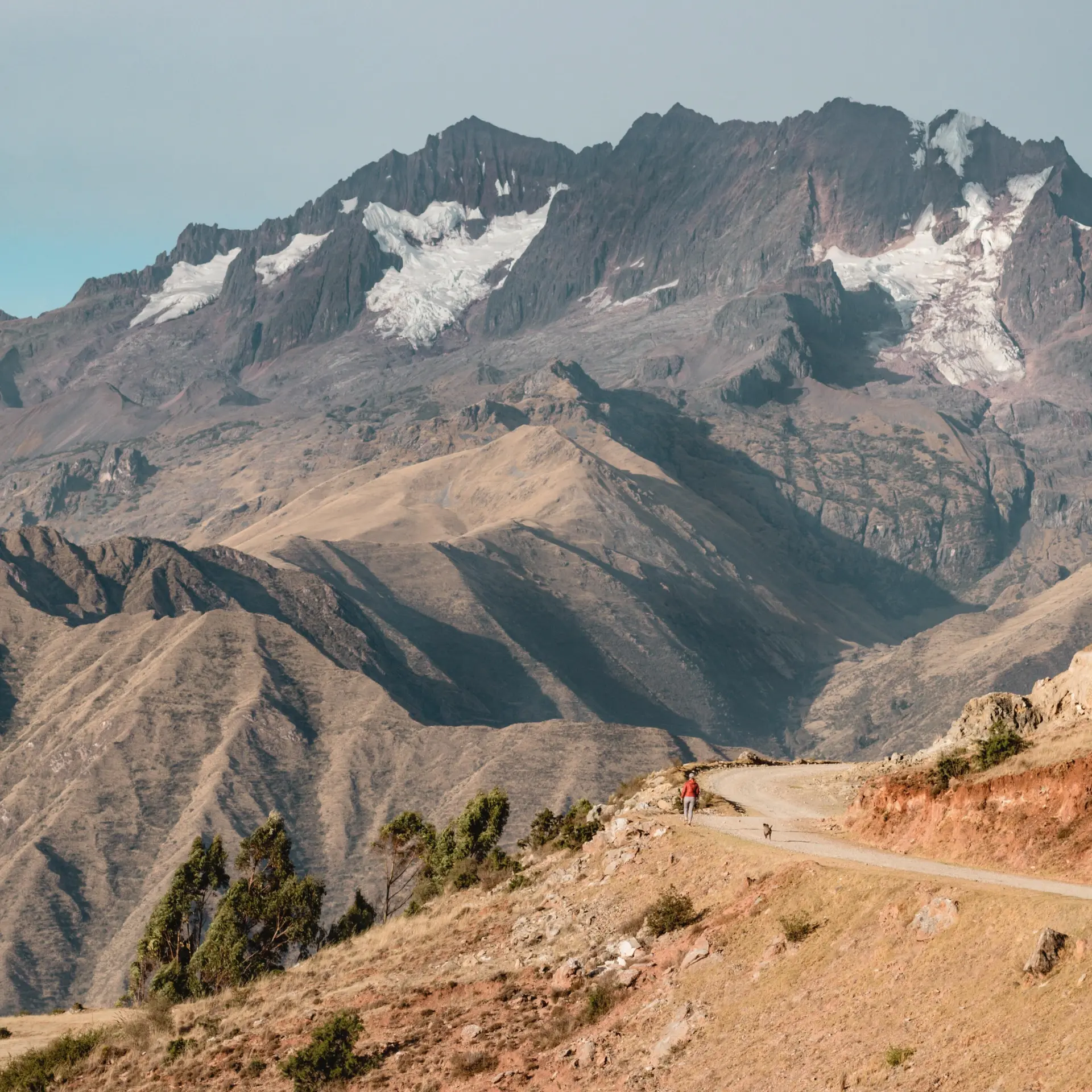
You will be transferred to Lima airport today for your domestic flight to Cusco. Upon arrival, your private excursion to Pisac and the surrounding region begins. High in the mountains, you will visit an impressive Inca ruin complex, where the grandeur of this ancient civilisation truly comes to life for the first time. During an extensive hike along ancient Inca trails, you will enjoy breathtaking views. In the charming village of Pisac, you will visit the colourful traditional market, where local culture is on full display. At the end of your Holy Valley excursion, you will be transferred to your hotel, where you will stay for the next few nights.
Inclusief:
- Private transfer to the airport
- Domestic flight Lima - Cusco
- Private excursion Pisac ruins and market
- Overnight accommodation including breakfast
Peru cultural

Another special day awaits you. You’ll start with a visit to the traditional Andean village of Chinchero, known for its traditional weaving and colonial church built on Inca foundations. Here, you’ll gain a fascinating insight into the lives of the local people and their centuries-old traditions. From Chinchero, you’ll travel on to the fascinating salt terraces of Maras. These terraces, which stretch across the mountain slopes like a white patchwork quilt, have been used for salt extraction since the time of the Incas. Here you’ll learn how the salty spring water is collected and evaporated in shallow basins, a unique process that is still carried out in the traditional way to this day.
You will then visit the mysterious circular terraces of Moray. These ingenious structures are thought to have served as a kind of agricultural laboratory, where the Incas experimented with different climatic conditions and crops. The perfect harmony between nature and technology makes Moray one of the most intriguing archaeological sites in the Sacred Valley.
After this impressive private excursion, you will be taken back to your hotel, where you can spend the rest of the day at your leisure.
Inclusief:
- Private excursion Chinchero, Maras and Moray
- Overnight accommodation including breakfast
Train trip to Aguas Calientes
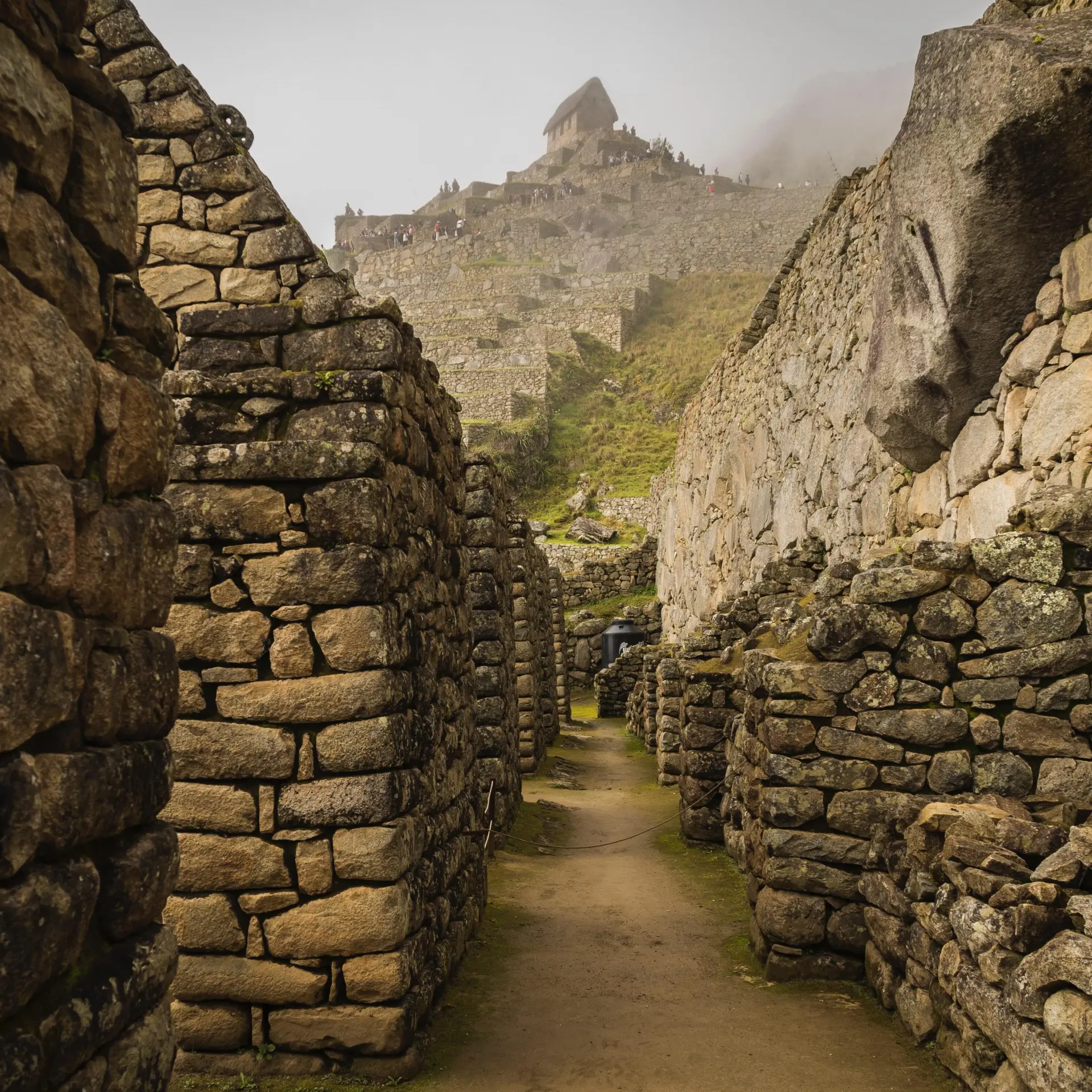
In the morning, you’ll join your guide on a private excursion to Ollantaytambo, from where you’ll then travel by the Hiram Bingham train to Aguas Calientes. The Hiram Bingham train to Aguas Calientes is a luxurious journey operated by PeruRail. With stylish carriages, gourmet meals and panoramic views, this train offers an exclusive and comfortable way to reach Machu Picchu.
From the station in Aguas Calientes, you’ll be taken on foot to your unique lodge. The afternoon is yours to spend as you wish. From Aguas Calientes, you can go on lovely walks in the surrounding area, for example to the summit of Cotahuasi or to the waterfall (you can get more information about this at your hotel – make sure you ask for full details).
Inclusief:
- Private excursion Ollantaytambo
- Hiram Binghan train Ollantaytambo - Aguas Calientes
- Guided walk to your hotel
- Overnight accommodation including breakfast and dinner
Machu Picchu
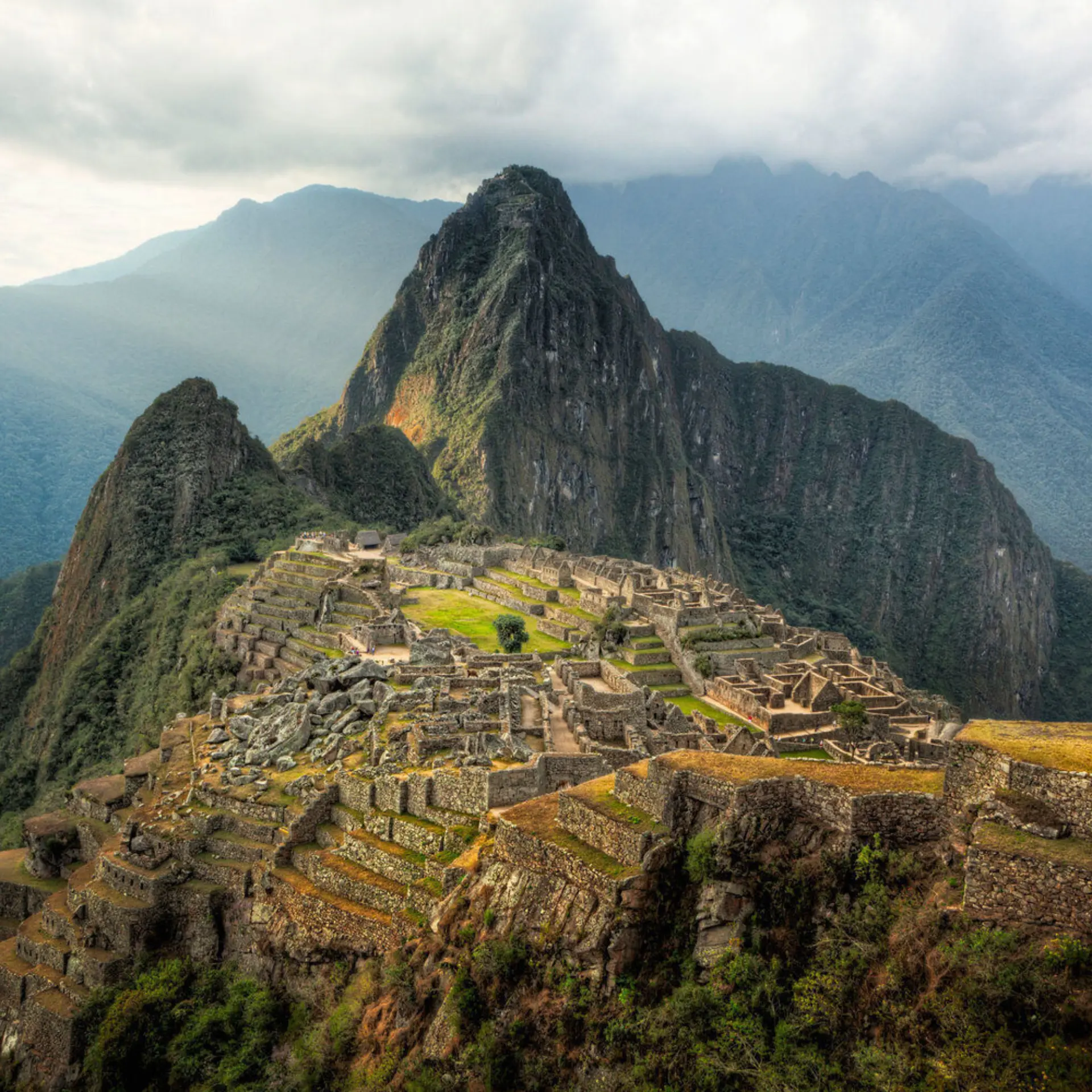
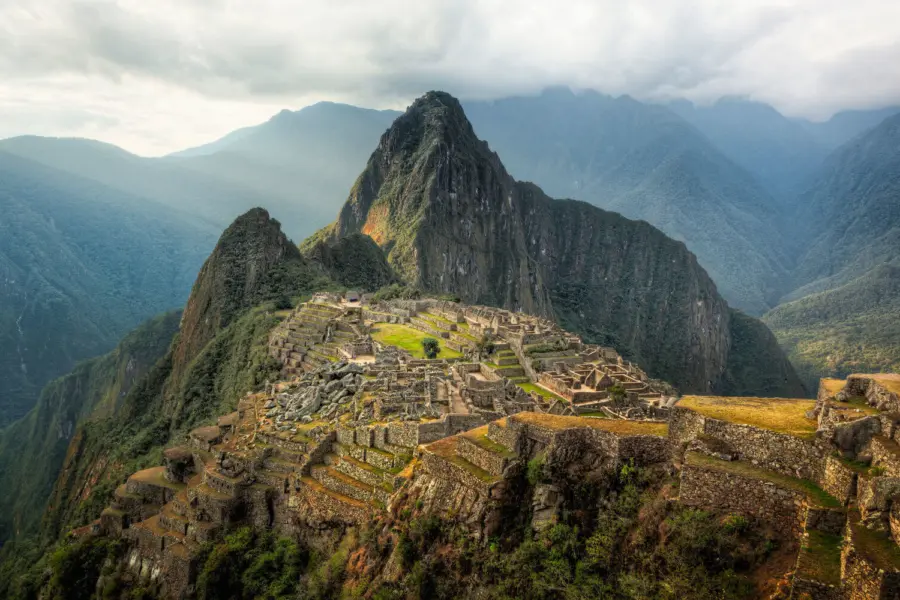
Early in the morning, you’ll be collected by your private guide for an unforgettable visit to the legendary lost city of the Incas: Machu Picchu. As the first rays of sunlight glide over the mountain peaks and the misty morning light slowly reveals the mysterious complex, you’ll enjoy one of the most breathtaking views in the world – a moment that will stay with you for a long time to come. Following this magical sunrise, you’ll enjoy an in-depth private guided tour of the citadel’s most important temples, terraces and ceremonial sites. Your guide will bring history to life with stories about daily life, the spiritual significance and the remarkable architecture of this World Heritage Site.
Afterwards, you’ll join your guide on a short but challenging trek to the summit of Machu Picchu Mountain. From here, you’ll enjoy a spectacular panoramic view of the complex and the surrounding valleys. If you have booked this in advance, you can also choose to climb the iconic Huayna Picchu, an adventurous trek that is rewarded with a unique perspective on Machu Picchu.
The afternoon is free to spend as you wish. You can explore the surrounding area further or simply relax amidst the magical atmosphere of this sacred site.
Inclusief:
- Sunrise Tour Machu Picchu
- Private transfer to your hotel
- Overnight accommodation including breakfast and dinner
Cusco free days

By Hiram Binghan train, you will travel from Aguas Calientes back to Poroy. From the station, you will be transferred by private transfer to Cusco where you will spend the next few nights. The days in Cusco are at leisure so you will have plenty of time to explore this beautiful colonial city. There are many opportunities to enjoy and explore Cusco and its surroundings. A trip to the ruins of Sacsayhuaman, an excursion to the salt terraces or to a Shaman village are just some of the many diverse options. Cusco also lends itself perfectly to enjoying a terrace or exploring its many alleys and shopping streets.
Inclusief:
- Guided walk to the station
- Hiram Binghan train Aguas Calientes - Poroy
- Private transfer to your hotel
- Overnight stays including breakfast
Lake Titicaca
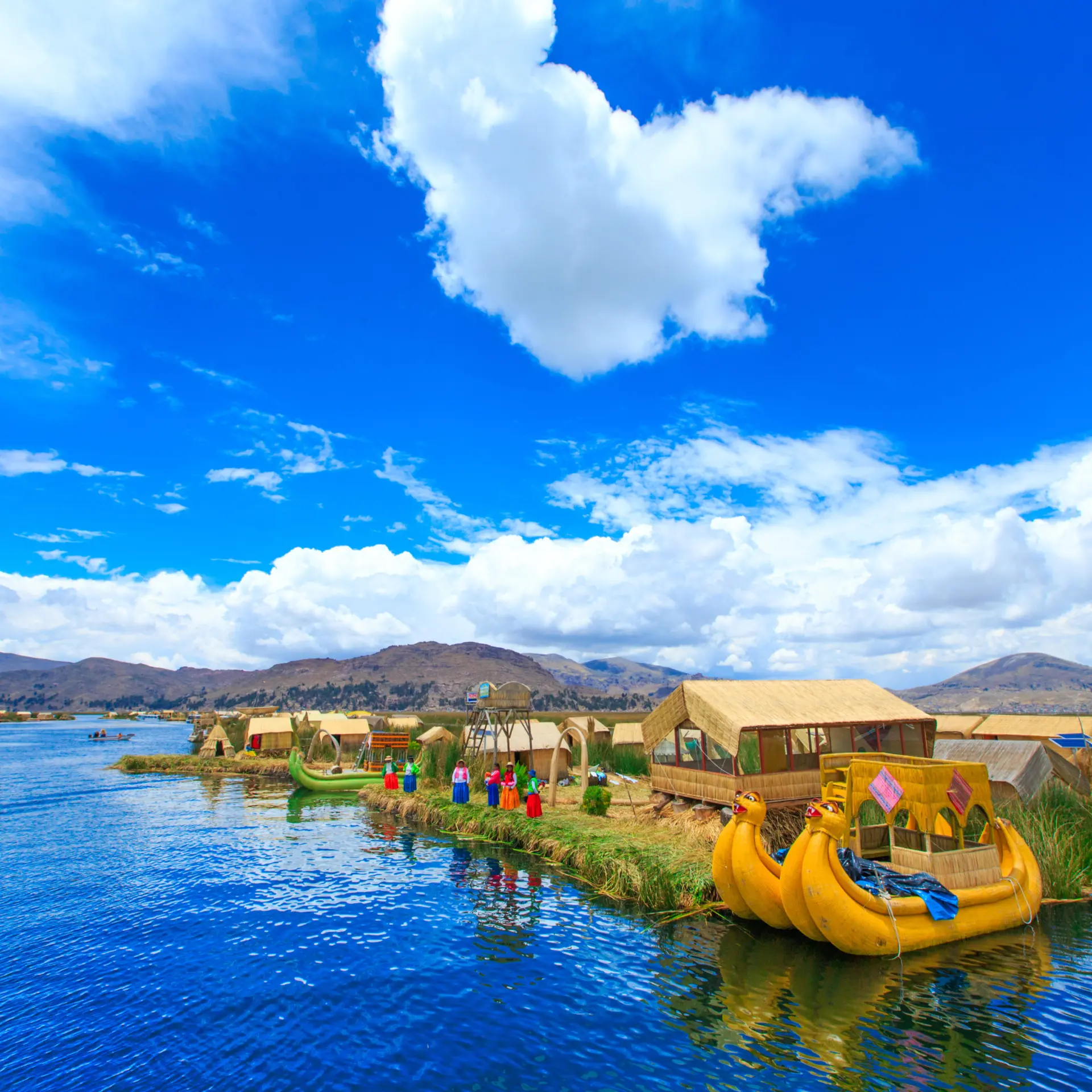
A private transfer will take you to your next destination: Puno. On the way, you’ll pass the little church at Andahuaylillas and the Rachi Inca Ruins. On the northern shore of Lake Titicaca, you’ll pass through authentic villages. Over the next few days, you’ll be staying in exceptional accommodation on the shores of the famous Lake Titicaca, the highest navigable lake in the world.
The lake itself is spectacular, but the sunsets here can be described in even more superlatives. The very best place to experience the various facets of all this natural beauty and culture is the Titilaka Hotel. In the middle of nowhere, yet right on the lake and surrounded by the most spectacular natural scenery, you’ll find luxury and an unrivalled level of service. Your stay here is on a full-board basis, with all meals and activities around the lodge (kayaking, walks, cycling, etc.) included. Excursions can also be organised, for example to the floating islands of the Uros people, to the ‘pink town’ of Lampa, or to Tiwanaku in Bolivia.
Inclusief:
- Private transfer to your hotel
- Full-board accommodation including activities organised from the lodge
Travel to Bolivia
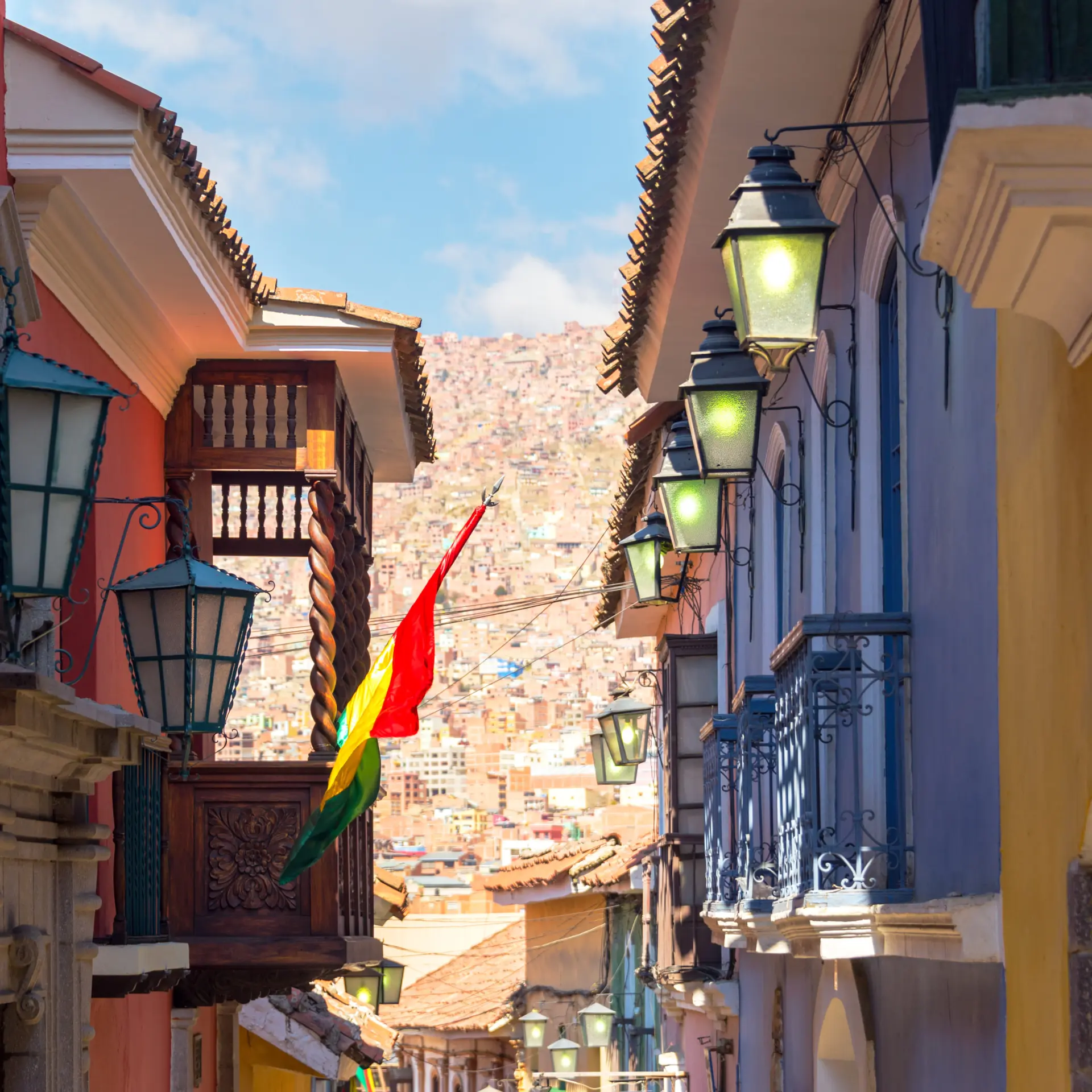
You will leave beautiful Peru and travel by private transfer across the border to La Paz in Bolivia. La Paz is the country's largest city and Bolivia's economic, political and business centre. The city is spectacularly situated in a valley that plunges steeply down from the Bolivian Plateau. The Huayna Potosi volcano towers over the city, providing stunning views on clear days. Definitely worth a visit is the moon valley just outside the city. A small valley full of unusual rock formations where beautiful short walks can be made. The days in La Paz are at leisure.
Inclusief:
- Private transfer to your hotel
- Overnight stays including breakfast
Travel to Uyuni

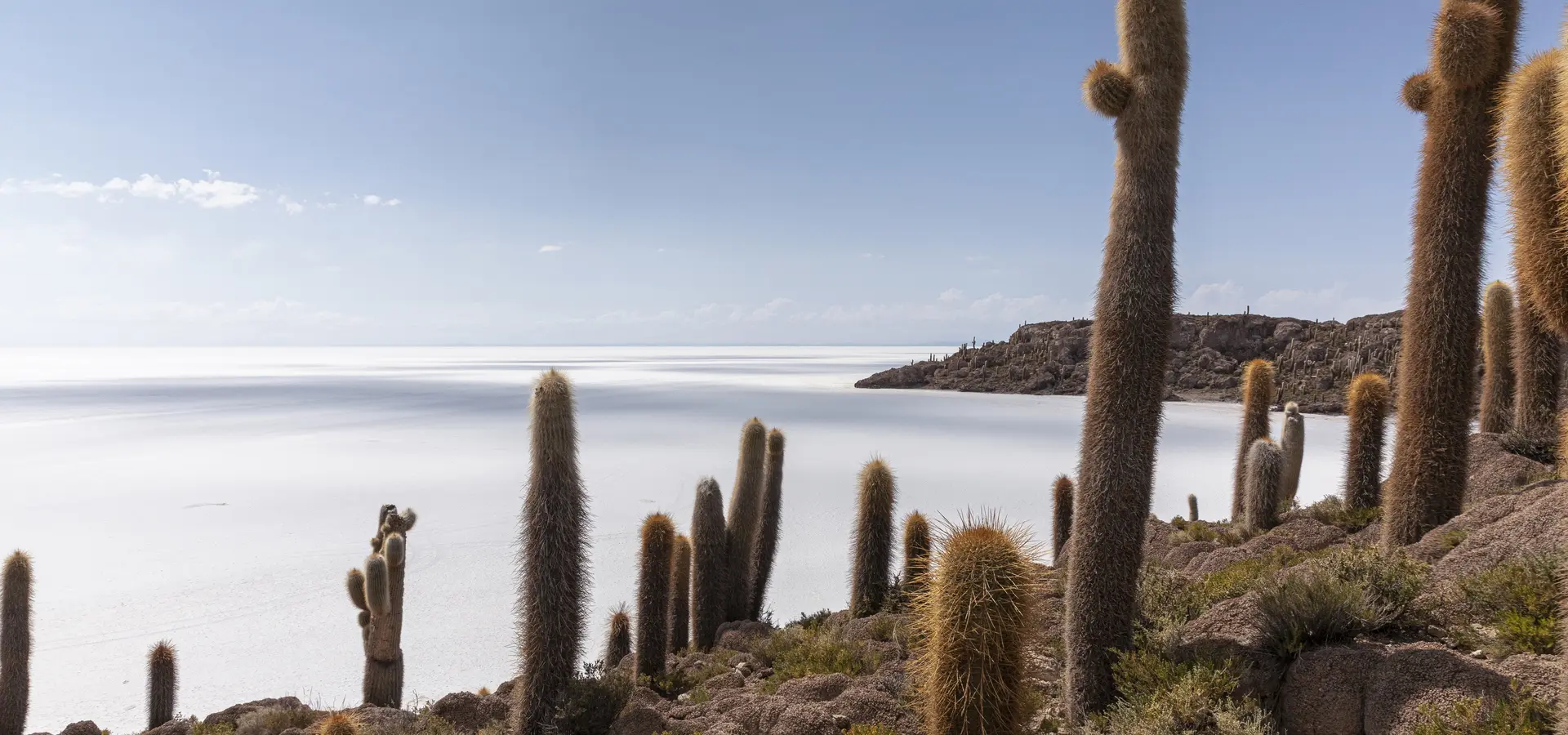
Your next destination is Uyuni, which you’ll reach by domestic flight. Uyuni is a small village situated on the salt flat of the same name. Covering 1,200 square kilometres, the Salar de Uyuni is the largest salt flat in the world. In the middle of this plain lies a small island of fossilised coral (thousands of years ago, Uyuni was an inland sea) where cacti up to 12 metres tall shoot up from the ground.
During your stay, you’ll visit the Cementerio de Trenes, where trains dating from 1890 are on display. You’ll then visit the small town of Colchani, where you’ll witness various traditional crafts, such as salt processing. You will then travel on to visit the famous salt flats, including Incahuasi Island, home to the giant cactus.
Inclusief:
- Private transfer to the airport
- Domestic flight La Paz - Uyuni
- Private transfer to your hotel
- Full-board accommodation including transfers and excursions
Bolivian Plateau
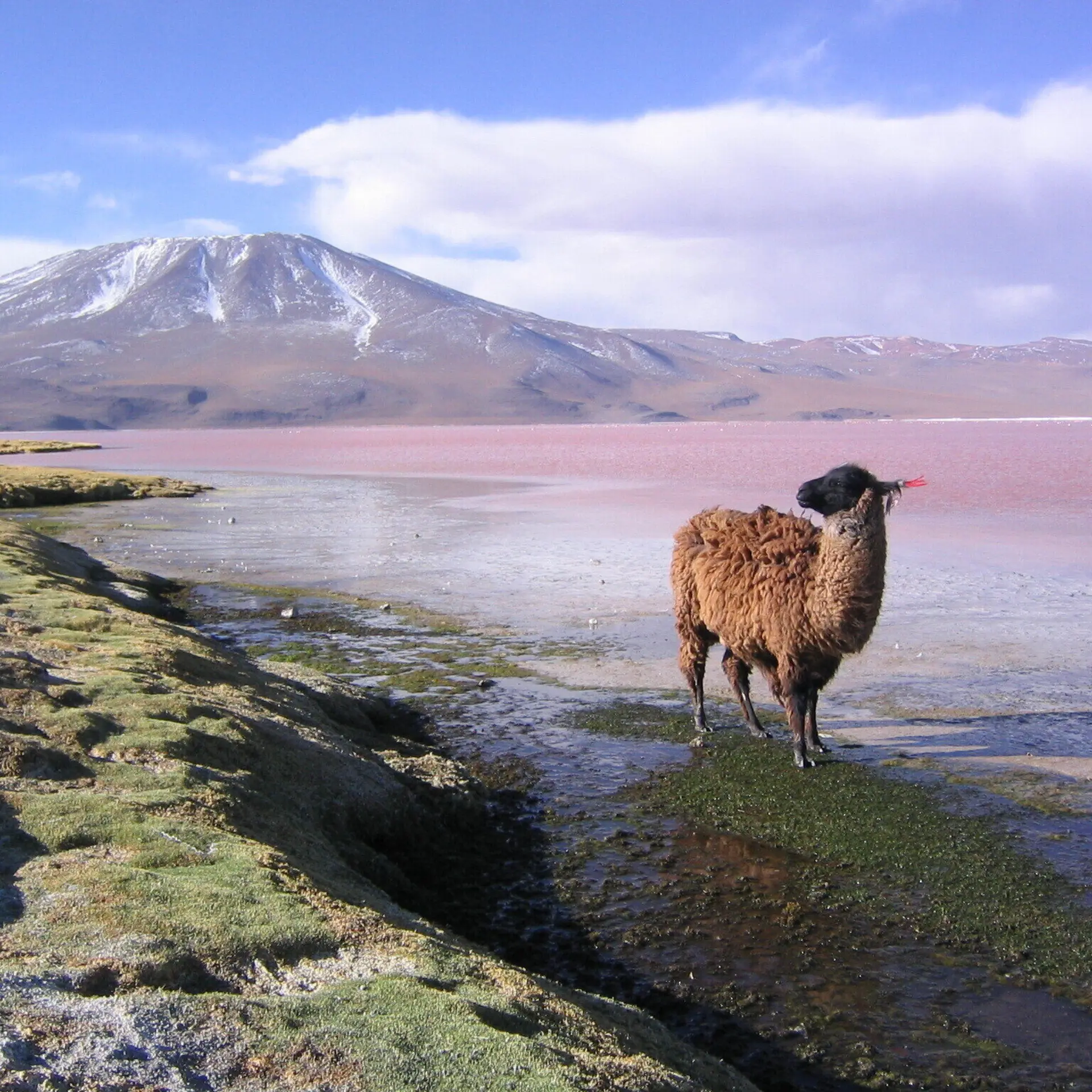
You’ll set off for Ojo de Perdiz, a remote spot in the heart of the breathtaking landscape of the south-western Altiplano. On the way, you’ll cross the vast Lípez plateau and visit the impressive Salar de Chiguana, a lesser-known salt flat surrounded by volcanoes. You’ll also stop at the viewpoint overlooking the active Ollagüe volcano, which lies on the border between Bolivia and Chile. Here you’ll see plumes of smoke rising from the crater – a fascinating natural phenomenon. You will then continue your journey past a chain of colourful lagoons: Kanapa, Ramadita, Hedionda and Honda. These high-altitude lakes are home to various species of flamingos that wade gracefully through the shallow water, a unique spectacle against the backdrop of the barren Andean landscapes.
After lunch en route, you’ll reach the enchanting Siloli Desert. This surreal landscape is characterised by rock formations shaped by wind and erosion. You’ll visit, amongst other places, the Cañón de las Vizcachas, where, with a bit of luck, you might spot these curious mountain rodents, and a remarkable mountain known for its seven different shades of colour.
At the end of the day, you’ll arrive at your hotel in Ojo de Perdiz, where you can spend the evening in peace and quiet, surrounded by the silence of the desert.
Inclusief:
- Full-board accommodation including transfers and excursions
Travel to Chile

On this final day of your impressive excursion, you’ll start at sunrise with a visit to the geysers of Sol de Mañana. As the first rays of morning light bathe the landscape in soft light, you’ll see plumes of steam and bubbling mud pools rising from the earth – a spectacular natural phenomenon at high altitude. You’ll then travel on to the remarkable ‘Stone Tree’ (Árbol de Piedra), an iconic rock formation shaped like a tree by wind and erosion. You’ll continue on to the enchanting Green Lagoon (Laguna Verde), situated at the foot of the imposing Licancabur volcano, and then on to the Red Lagoon (Laguna Colorada), famous for its deep red colour and the large colonies of flamingos that live here.
Later in the day, you’ll return to Uyuni, the starting point of your expedition. From here, you’ll be taken by private transfer to your next destination in Chile. During a stunning drive through the border region, you’ll reach the oasis village of San Pedro de Atacama, some 100 kilometres away, set amidst one of the most otherworldly landscapes on Earth.
This region is renowned for its surreal beauty: colourful desert plains, volcanoes, salt lakes, jagged rock formations and crystal-clear skies. You’ll be staying at the exclusive Awasi Lodge, where all meals and activities are included. In consultation with your private guide, you’ll put together your own excursion programme, fully tailored to your wishes and interests.
Inclusief:
- Private transfer to your hotel
- Full-board accommodation including activities organised by the lodge
Travel to Santiago de Chile

Your multi-day stay in San Pedro de Atacama unfortunately comes to an end. By domestic flight, you will travel to Santiago where you will conclude this wonderful journey. Santiago is located in a valley surrounded by the rugged mountains of the Andes. It is one of Latin America's most European cities and is one of the few cities in the world from where you can be on both a ski slope and a beach by the sea within an hour's drive. Santiago is also close to Chile's wine regions, where the world-famous Chilean wines are produced.
Inclusief:
- Private transfer to the airport
- Domestic flight Calama - Santiago
- Private transfer to your hotel
- Overnight accommodation including breakfast
Accommodations
Hotel B
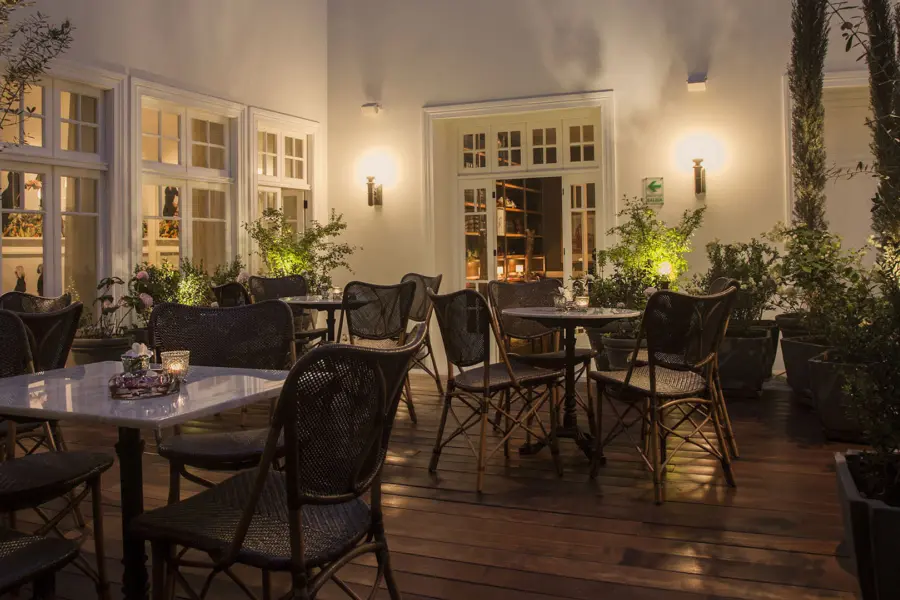
Hotel B is located in the historic centre of the bohemian Barranco district. It is a modern hotel that looks classic. Once this majestic mansion was a private residence built in the 1920s as a holiday home by the sea. The house was renovated by a team of artisans and...
Hotel B is located in the historic centre of the bohemian Barranco district. It is a modern hotel that looks classic. Once this majestic mansion was a private residence built in the 1920s as a holiday home by the sea. The house was renovated and built out by a team of artisans and artists, keeping intact the original building. Hotel B is undoubtedly one of Lima's finest hotels; the Relais & Chateaux label reaffirms that status. This hotel is a place for contemporary explorers in search of the intrigue and mystique of Peruvian culture.
Your stay: 2 nights
Hotel Sol y Luna
Sol y Luna is a beautiful lodge located in the heart of the Sacred Valley in Peru. The hotel features cosy 'casita' houses, which are made of local stone and individually decorated to the style of the region. Each of the forty-three casitas overlook the imposing Andes mountains and are surrounded by...
Sol y Luna is a beautiful lodge located in the heart of the Sacred Valley in Peru. The hotel features cosy 'casita' houses, which are made of local stone and individually decorated to the style of the region. Each of the forty-three casitas overlook the imposing Andes mountains and are surrounded by a beautiful garden filled with native flora. The setting of Sol y Luna offers an oasis of tranquillity.
Sol y Luna is a member of Relais & Châteaux; a global community of luxury hotels and restaurants owned and managed by a family, valuing the richness and diversity of the world's culinary and hospitality traditions. There are two restaurants on site, with the Killa Wasi restaurant considered one of the best in the valley. The Chicha Wasi bar is also very good and has a more informal atmosphere. A tasteful performance by some former Cirque de Soleil employees takes place here every evening (from May to October).
Positive impact
The Sol y Luna hotel is committed to helping underprivileged children in the region with its own Sol y Luna Foundation. You may be able to visit the little school near the complex yourself (by special request). From the Avila Foundation, we have adopted a child to support before 2024.
Sol y Luna is also affiliated with Pack for a Purpose, a charitable organisation that allows travellers to spend several kilos of their luggage weight to help local residents. Think school supplies, clothing, medical equipment and other necessities donated to the local project through the lodge. To make sure you bring what is actually needed locally, the lodge explains the project.
Click here for information about the project at Sol y Luna:
https://www.packforapurpose.org/destinations/south-america/peru/sol-luna-lodge-spa/
Your stay: 2 nights

Inkaterra Machu Picchu Pueblo Hotel
The Machu Picchu Pueblo is an atmospheric, luxury hotel consisting of 85 luxury cottages built in the style of Andean villages. The hotel is within walking distance of the train station, between the highlands and the cloud forest. It is an excellent base from which to explore the wonderful world of the 'Lost' Inca city of Machu...
The Machu Picchu Pueblo is an atmospheric, luxury hotel consisting of 85 luxury cottages built in the style of Andean villages. The hotel is within walking distance of the train station, between the highlands and the cloud forest. It is an excellent base from which to step into the wonderful world of the 'Lost' Inca city of Machu Picchu. The hotel's private grounds cover five hectares and include an organic tea plantation in addition to an impressive orchid garden. Your daily cup of tea comes straight from its own soil. The hotel organises various excursions and hikes in the beautiful nature reserve. The indoors is also extremely pleasant; think crackling fireplaces, comfortable rooms and refined cuisine. As icing on the already sweet cake, exquisite spa facilities such as the Andean Eucalyptus sauna, followed by a massage or a refreshing dip in the starlit pool.
Your stay: 2 nights

Casa Cartagena Boutique Hotel & Spa
In the heights of the Peruvian Andes lies the famous Inca city of Cusco. Casa Cartagena Boutique Hotel & Spa Cusco has become a luxury hotel in the city after years of restoration, preserving the original design of the old house. Enjoy the comfort of this magical haven, which has been declared a World...
In the heights of the Peruvian Andes lies the famous Inca city of Cusco. Casa Cartagena Boutique Hotel & Spa Cusco has become a luxury hotel in the city after years of restoration, preserving the original design of the old house. Enjoy the comfort of this magical retreat, which has been declared a World Heritage Site, and the unique beauty of the walls combining Inca stone with colonial architecture.
Your stay: 2 nights

Titilaka Hotel
You won't feel the serene, almost magical atmosphere of Lake Titicaca until you spend a few nights there. The exquisite place to perch there is the Titilaka Lodge. A luxury design hotel where every room offers breathtaking views over the highest navigable lake in the world. The Titilaka Hotel offers land and...
You won't feel the serene, almost magical atmosphere of Lake Titicaca until you spend a few nights there. The exquisite place to perch there is the Titilaka Lodge. A luxury design hotel where every room offers breathtaking views over the highest navigable lake in the world. The Titilaka Hotel offers land and water activities, such as exploring local Inka and pre-Inka ruins and exclusive visits to local communities on one of the islands, or hikes through the beautiful mountain scenery. Also, the lodge offers full wellness offerings, a la carte dining inspired by fresh local ingredients and world-class service.
Hotel Titilaka is a member of Relais & Châteaux; a global community of family-owned and family-managed luxury hotels and restaurants that values the richness and diversity of the world's culinary and hospitality traditions.
Positive impact
The Titilaka Hotel in Peru is committed to sustainable development and supports surrounding communities economically. They do this by hiring local staff and using regional products. They work with local non-profit organisations and have set up their own projects, such as weaving workshops and educational programmes. Titilaka donates on behalf of guests and provides technology, clean water, and education to communities around Lake Titicaca. Titilaka is also CALTUR-certified; a Peruvian government seal of tourism quality that includes both environmental and social standards.
Your stay: 3 nights

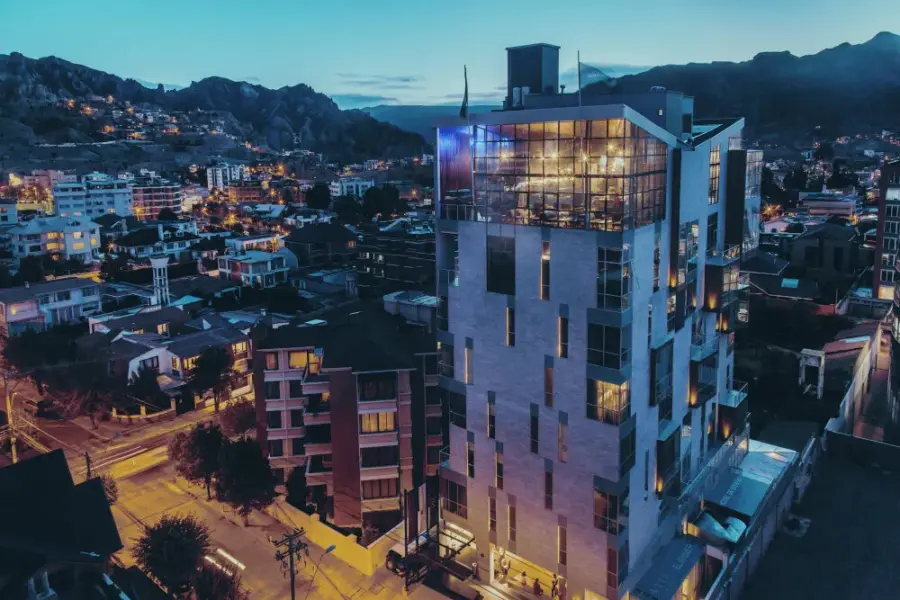
Atix Hotel
Atix is a five-star hotel in the exclusive zona sur district of La Paz, Bolivia. Its 53 rooms are designed to awaken your senses, modern spaces with exclusive artworks by Bolivian artist Gastón Ugalde and 24-hour gourmet room service. Each room contains pure sophistication through...
Atix is a five-star hotel in the exclusive zona sur district of La Paz, Bolivia. Its 53 rooms are designed to awaken your senses, modern spaces with exclusive artworks by Bolivian artist Gastón Ugalde and 24-hour gourmet room service. Each room contains pure sophistication through original design elements, accentuated by a touch of cool colour and breathtaking views of the red mountains. The culinary team uses local ingredients to create a fine dining experience. At the +591 Bar, enjoy the best cocktails and drinks alongside unrivalled views of the city.
Your stay: 2 nights
Luna Salada Hotel
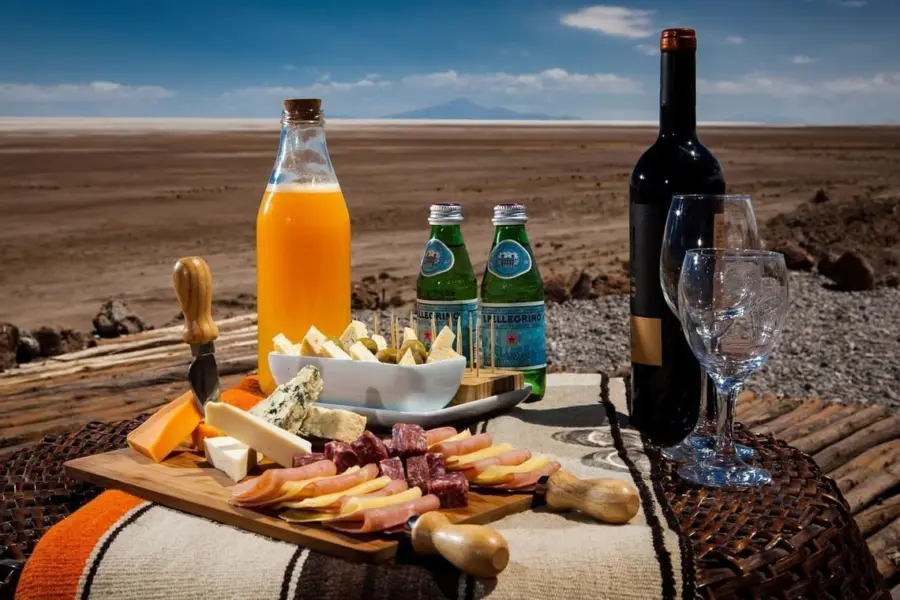
Known for the world's largest salt flats, Uyuni is home to the Luna Salada hotel. The hotel offers hospitality and services of the highest quality and has found a good harmony with the natural environment and local culture.
Your stay: 1 night
Tayka del Desierto Hotel
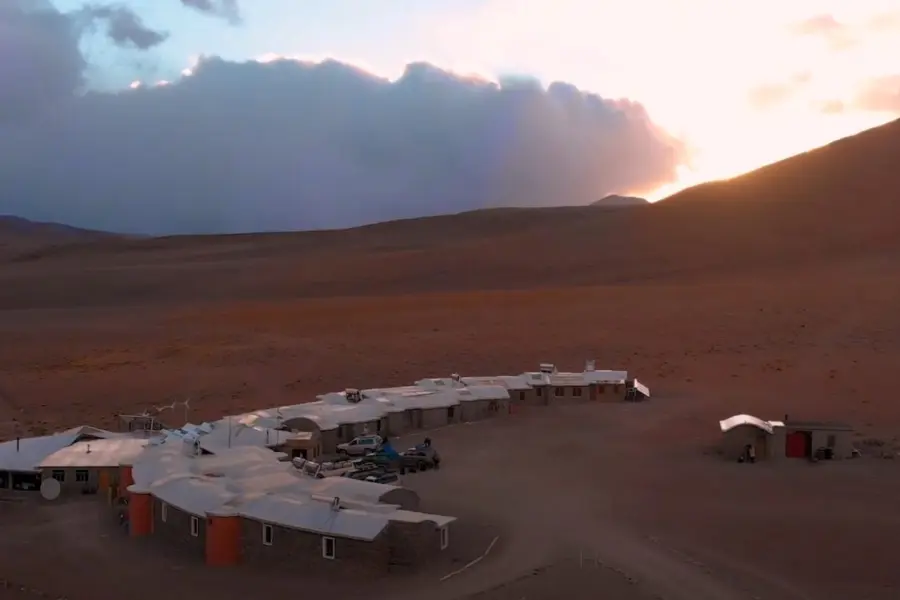
Amidst a unique setting in the heart of the Siloli desert surrounded by landscapes that look like they come from a painter's canvas lies the desert hotel Tayka del Desierto.
Your stay: 1 night
Awasi Atacama Relais & Chateaux
Hidden away in the vast Atacama Desert, the most arid place on earth, is the extraordinary Awasi lodge. Designed to fit harmoniously into the local culture and environment, the lodge features suites built from natural materials with thatched roofs.
The open-air restaurant serves...
Hidden away in the vast Atacama Desert, the most arid place on earth, is the extraordinary Awasi lodge. Designed to fit harmoniously into the local culture and environment, the lodge features suites built from natural materials with thatched roofs.
The open-air restaurant serves Andean dishes made from typical ingredients from the area. Furthermore, the hotel offers guests a choice of unique activities and 4x4 drives with a private guide (a guide is assigned to each room). The private guide helps plan the trips and accompanies the activities. The 'all-inclusive' programme gives travellers total peace of mind to enjoy a great experience.
Your stay: 4 nights

The Singular Santiago
The Singular Santiago is a beautiful boutique hotel in the centre of the artistic and vibrant Lastarria district. The hotel's design embraces the district's artistic heritage and features a neo-classical style designed as a tribute to its cultural and historical surroundings. The perfect balance between architecture,...
The Singular Santiago is a beautiful boutique hotel in the centre of the artistic and vibrant Lastarria district. The hotel's design embraces the district's artistic heritage and features a neo-classical style designed as a tribute to its cultural and historical surroundings. The perfect balance between architecture, setting and gastronomy integrates beautifully with the essence of the place.
Your stay: 1 night

Experiences
Private excursion Chinchero, Salinas de Maras & Moray
A special day awaits you today, first of all going to Chinchero. Known according to ancient Inca lore as the birthplace of the rainbow, this village is a special blend of Spanish and Inca influences. From Chinchero, you will travel on to the salt terraces at Maras and then to...
A special day awaits you today, first of all going to Chinchero. Known according to ancient Inca lore as the birthplace of the rainbow, this village is a special blend of Spanish and Inca influences. From Chinchero, you will travel on to the salt terraces at Maras and then to the circular terraces of Moray where you will see technical feats of Inca agriculture.

Tour Machu Picchu
A guide takes you to the lost city of the Incas very early in the morning. Macchu Pichu has been voted one of the modern wonders of the world. The sunrise view of the complex is known as one of the most beautiful views in the world, after this experience you will be offered a very comprehensive tour....
A guide takes you to the lost city of the Incas very early in the morning. Macchu Pichu has been voted one of the modern wonders of the world. The sunrise view of the complex is known as one of the most beautiful views in the world, after this experience you will be offered a very comprehensive tour. Machu Picchu lies between two steep peaks, namely Machu Picchu which literally means 'old mountain' and Huayna Picchu 'young mountain'. The landscape is green and rugged. That people built a city in this unreal location can definitely be called a miracle.
After the extended visit, you can also take a short trek up Mount Huayna Picchu, if required. (The Machu Picchu mountain is actually still rarely done and is a very beautiful and tough hike, count on an hour and a half to get to the top and then back again) The Huayna Picchu is slightly milder and takes about 2.5 hours in total and is also very beautiful but considerably busier.
Destinations
Lake Titicaca
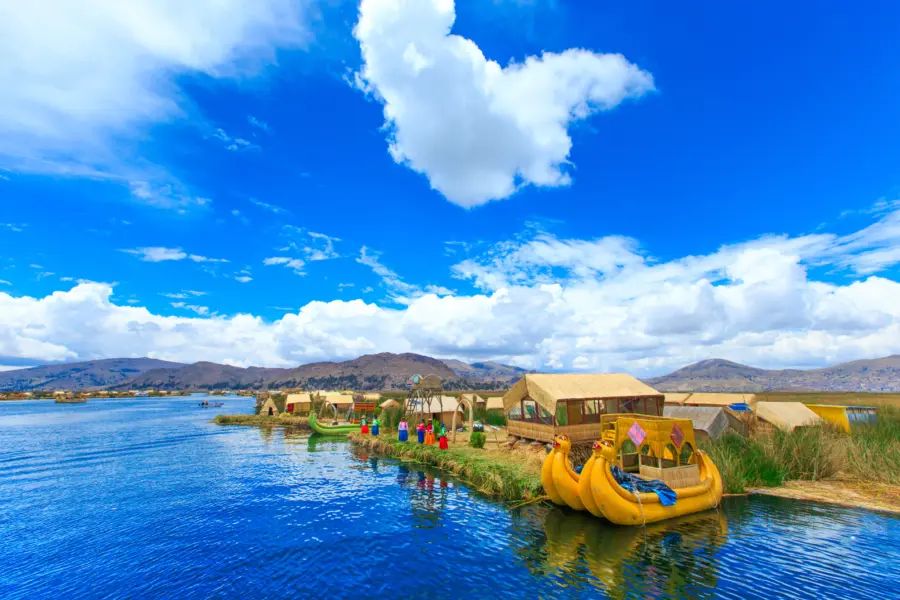
High in the Andes mountains on the border between Peru and Bolivia, Lake Titicaca is considered the highest commercially navigable lake in the world. The area was once a stronghold of Inca culture and this antiquity is still visible in the many Inca ruins scattered along the shoreline, as well as the vibrant traditional hand-woven textiles and clothing. One of the lake's most popular attractions are the 42 floating reed islands of the Uros people, accessible from Puno to the east. On Santa Maria, the largest of these, you can visit local homes to experience the traditional culture.

La Paz
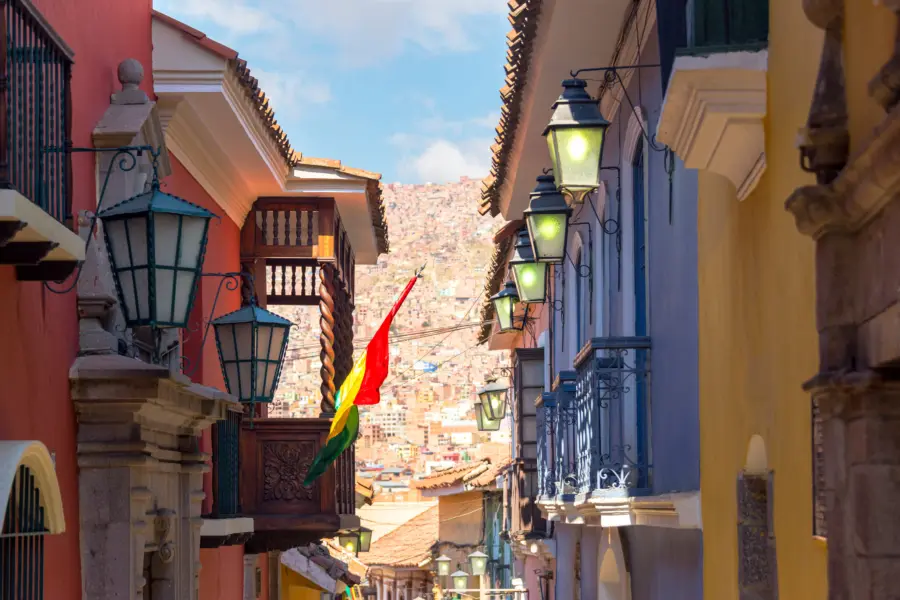
La Paz is the country's largest city and Bolivia's economic, political and business centre. The city is spectacularly located in a valley that plunges steeply down from the Bolivian plateau. La Paz is a special city, modern and cosmopolitan on the one hand and home to more than a million indigenous Bolivians on the other, which is reflected in the city's many festivals, traditions and customs. There is even a witches' market where all kinds of items to be used for rituals are sold. The 'huayna Potosi' volcano towers over the city, providing stunning views on clear days. Mind you, La Paz is at an altitude of over 3,000m!
Central Andes Bolivia
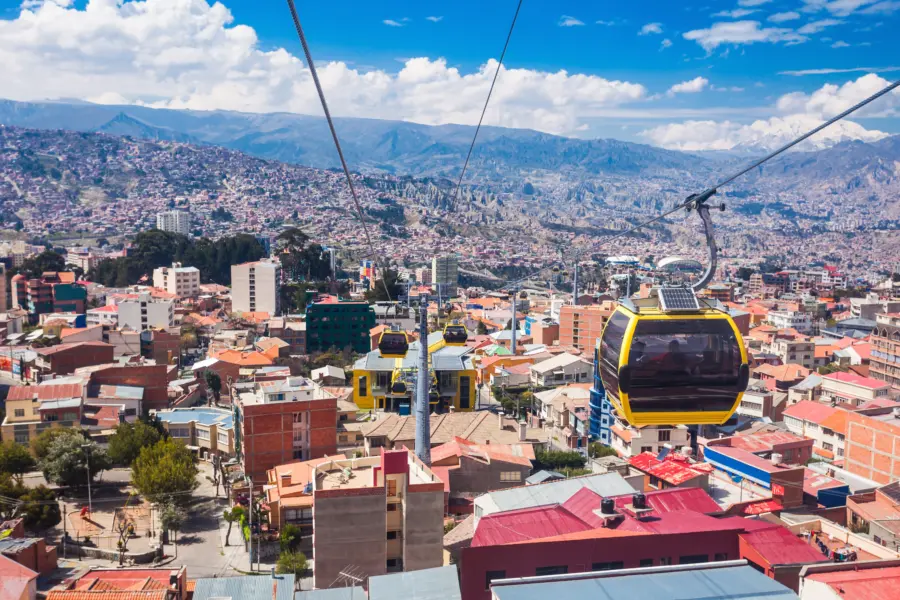
The dramatic and beautiful Andes mountain range, peaking at around 3,700 metres above sea level, extends into and dominates the southern and western parts of Bolivia. This mountain range envelops a gigantic plateau that is home to the historic but bustling capital La Paz. Located in the heart of the Andes, this city offers visitors a rich Bolivian cultural and historical experience. Visitors can take a cable car to enjoy the breathtaking panoramic views of the city and mountains. Potosi is another interesting city with its rich history of gold and silver mining. This area is home to the famous Lake Titicaca with its cobalt blue waters dotted with the intriguing Uros Islands and many peninsulas with traditional indigenous communities, making it a culturally rich location to visit. Don't miss the chance to visit the Salar de Uyuni, an enchanting salt desert and a photographer's dream.
Bolivia
Uyuni
Uyuni is a small village situated on the salt flat of the same name. Covering 1,200 square kilometres, the ‘Salar de Uyuni’ is the largest salt flat in the world. In the middle of this plain lies a small island of fossilised coral (thousands of years ago, Uyuni was an inland sea) where cacti up to 12 metres tall shoot up from the ground.


Colchani
The small town of Colchani is primarily a salt production centre on the border of the Uyuni salt flats, 80 kilometres northwest of the city of Uyuni. In recent years, however, this remote hamlet has gained traction on the tourist circuit for its striking views of the salt flats and authentic Bolivian culture. When not in the pan, while taking in the views and snapping photos, wander the small main street, where many vendors sell original handicrafts, or take a tour of one of the salt processing plants to see the industry. where the town was built. There is also a small museum, built entirely of salt and exhibits.
Ojo de Perdiz
At this beautiful spot in the desert, you can enjoy the ruggedness of surroundings. Highlights in this area include the Lagunas de Colores, the Sol de Mañana geyser and the Stone Tree, as well as many other attractions and beautiful landscapes.

Siloli Desert
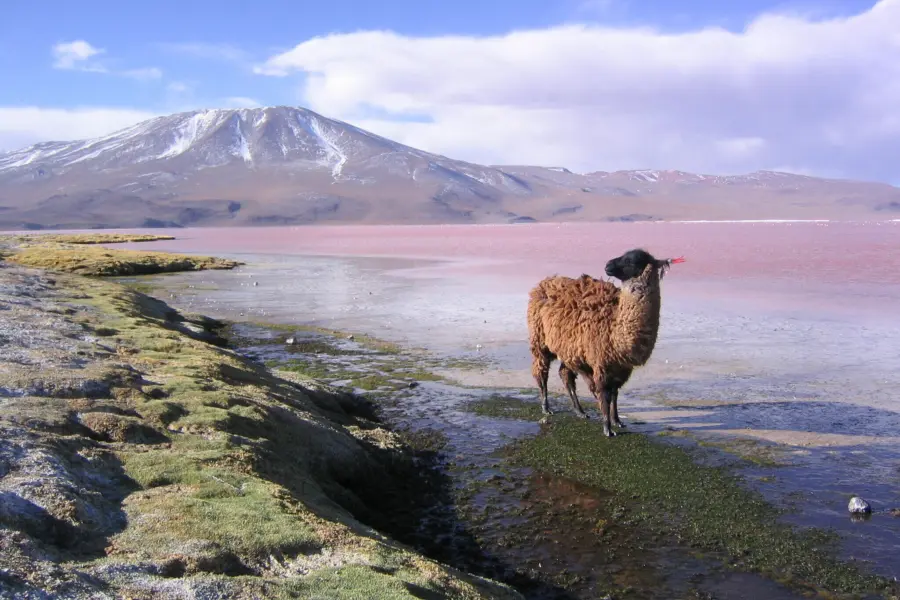
The Siloli Desert is the world's highest desert located at an altitude of 4550 metres. It lies close to the border of Bolivia and Chile and is considered an extension of the neighbouring Atacama Desert. Visitors to this remote part of the world can look forward to dramatic views of geometrically cracked salt flats and rust-coloured hills. The desert's most iconic feature is the Árbol de Piedra, a seven-metre-high sandstone formation that resembles a gnarled tree and was formed by the region's harsh winds over thousands of years. The small settlement of Ojo de Perdiz has an abundance of guesthouses and a fascinating community, while the nearby Pastos Grandes lagoon is a shallow salt lake that lies beneath a volcanic mountain, where you can see swarms of flamingos and enjoy the breathtaking scenery.
Southern Andes Chile
The Andes is the longest continental mountain range in the world stretching over 7000 km. The southern tip of this majectic mountain range lies south of Llullaillaco in Argentina and Chile and is home to the southern Andean steppe. It is a unique ecoregion defined by its cold desert climate and tough grasslands. Some of the larger mammals that have adapted to this harsh environment are the puma, the Andean fox and two relatives of the llama: the vicuña (Peru's national animal) and the guanaco.
Chile
Santiago
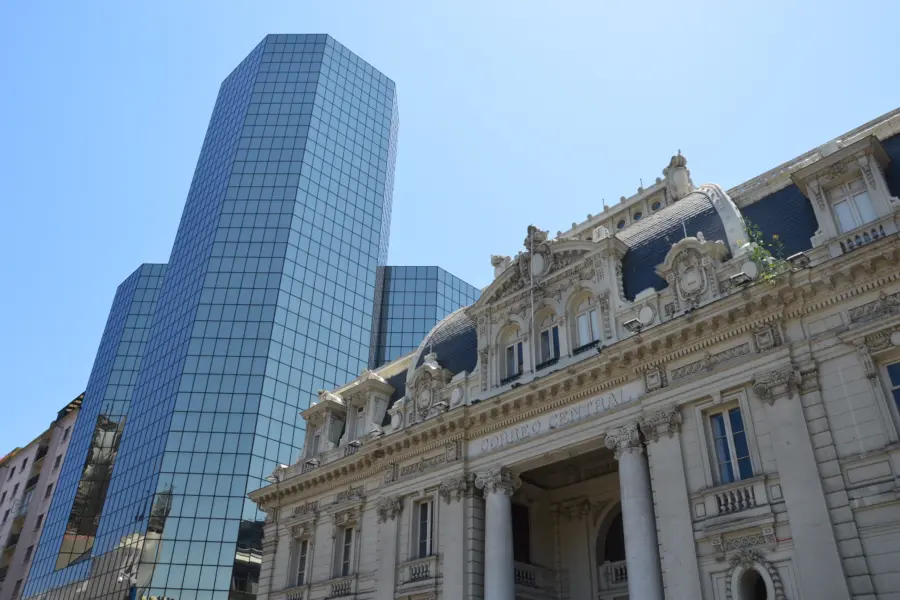
Santiago de Chile lies in a valley surrounded by the rugged mountains of the Andes. It is one of the most European cities in Latin America and is one of the few cities in the world from which, within an hour’s drive, you can find yourself on a ski slope or on a beach by the sea.
Santiago de Chile is also close to Chile’s wine regions, where the world-famous Chilean wines are produced. The city itself boasts many monuments and beautiful parks. Be sure not to miss the statue of the Virgin Mary atop ‘Cerro de San Cristóbal’. The view over the city from here is spectacular. You’ll find cosy restaurants and bars in the colourful Bellavista district and the bohemian Lastarria district, amongst others.

Central Chile
Central Chile is home to the capital, Santiago, as well as a number of fantastic off-the-beaten-track destinations and stunning natural attractions. Pichilemu is one of the continent’s premier surfing destinations, whilst Valparaíso, a UNESCO World Heritage Site – with its beautiful hilly surroundings, colourful buildings and historic harbour areas – is one of Chile’s most popular places to visit.
For outdoor and adventure enthusiasts, the region offers a number of excellent ski resorts (such as Valle Nevado and Portillo), incredible hiking trails in the waterfall-rich Radal Siete Tazas National Reserve, and some attractive coastal destinations, such as Renaca, Viña del Mar and Cobquecura. Cobquecura also offers easy access to Loberia Island, which is famous for its impressive flora and fauna, including large numbers of sea lions and seals.
San Pedro de Atacama
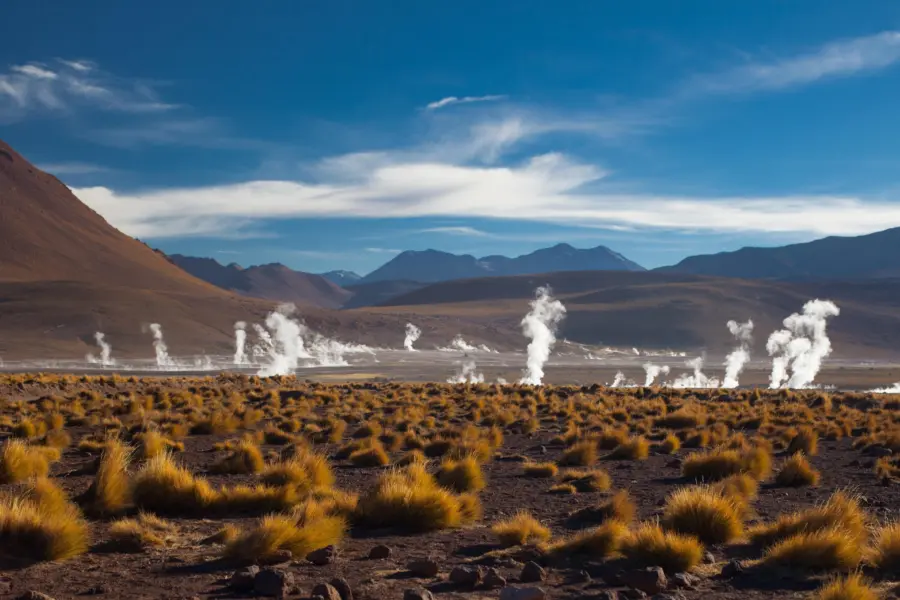
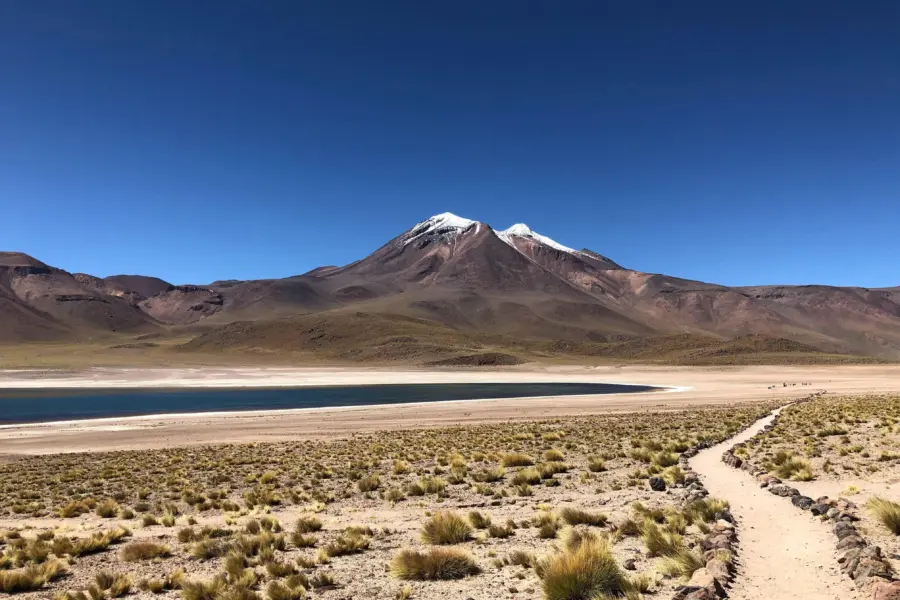
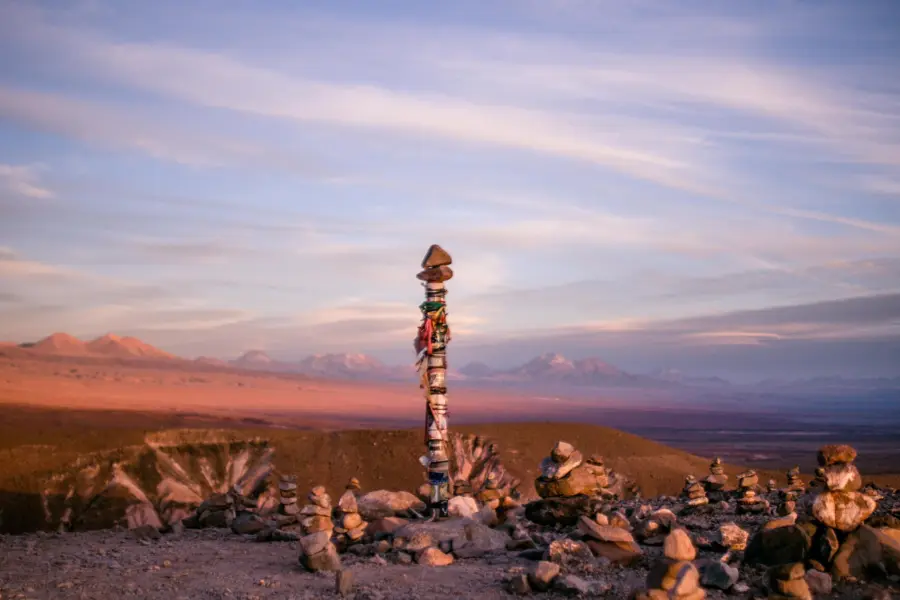
San Pedro de Atacama is a village and oasis in the middle of the upper part of the Atacama Desert. This area is characterised by its surreal landscapes full of colour, unusual rock formations and salt flats. During your stay, you will discover the extraordinary nature in this desolate yet beautiful area. Be sure not to miss the 'Valle de la Luna' and the 'Valle de la Muerte'. Also enchantingly beautiful are the coloured lakes Miscanti and Miñiques, where you will experience the sensation of stepping into a picture book. If you want to visit the Tatio geysers, you can book an excursion to go out in the morning before sunrise and arrive at the geyser field just at the most active time of the day.

The Atacama Desert
The Atacama Desert, located in northern Chile west of the Andes Mountains, is a desolate wonderland of dramatic landscapes and captivating attractions. The remote landscapes range from the pale beauty of salt flats dotted with the showy pink of flamingos and the surreal, steamy landscape of the Tatio geysers at sunrise, to the bizarre rock formations of the Moon Valley and the ancient archaeological sites of Tulor and Quitor Pukara. The region's culture is unique and welcoming, and a plethora of small villages continue to practise timeless traditions on the often extreme, though highly photogenic terrain. One of the favourite activities in the area is stargazing, as the desert has the clearest skies in the entire southern hemisphere. The Atacama is also home to one of the most famous astronomical observatories in the northern half of Chile, the Atacama Large Millimeter Array.
Central Andes Peru
The world's longest mountain range, the Andes, stretches along the western coastline of South America, from Venezuela to Argentina. However, the northern Andes includes only Venezuela, Colombia and Ecuador. The area boasts some of the richest tropical mountain forests on earth and is home to a large number of species including most of the world's spectacular bears. Seven different ecoregions can be found along the way, as well as numerous charming colonial towns, Inca ruins and, of course, Bogota - the capital of Colombia and the third-highest city in South America, at 2,640 metres above sea level.
Machu Picchu
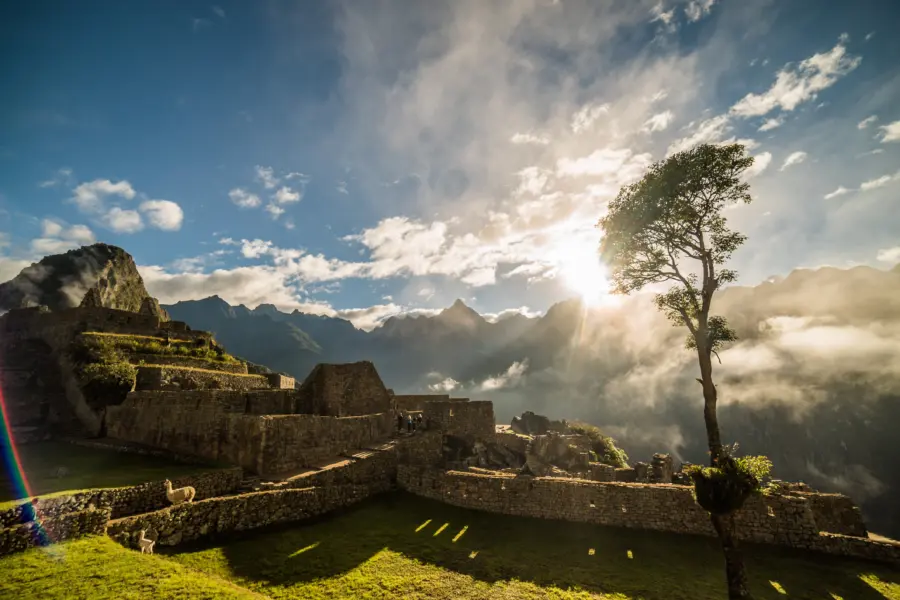
Located more than 1,800 metres above sea level in mountain peaks of Peru, Machu Picchu is one of the most impressive archaeological sites in the world. This legendary city was abandoned by the Inca Empire, taken over by the jungle and only rediscovered in 1911. Built by the Incas atop "Machu Picchu" (Old Summit), you will find the "Lost City of Machu Picchu", a site of extraordinary beauty and enormous archaeological significance. It reflects the Inca Empire at its peak, with giant walls, terraces and slopes that seem to have been carved into the rock formations. The phenomenal technological skills of the Inca engineers can be seen in many facets of the place: the high precision of the massive stone buildings, the water channels that reveal a deep understanding of hydraulics, and Intihuatana (the highest point of the Sun), which served as a solar calendar that regulated planting and harvesting.

Cusco
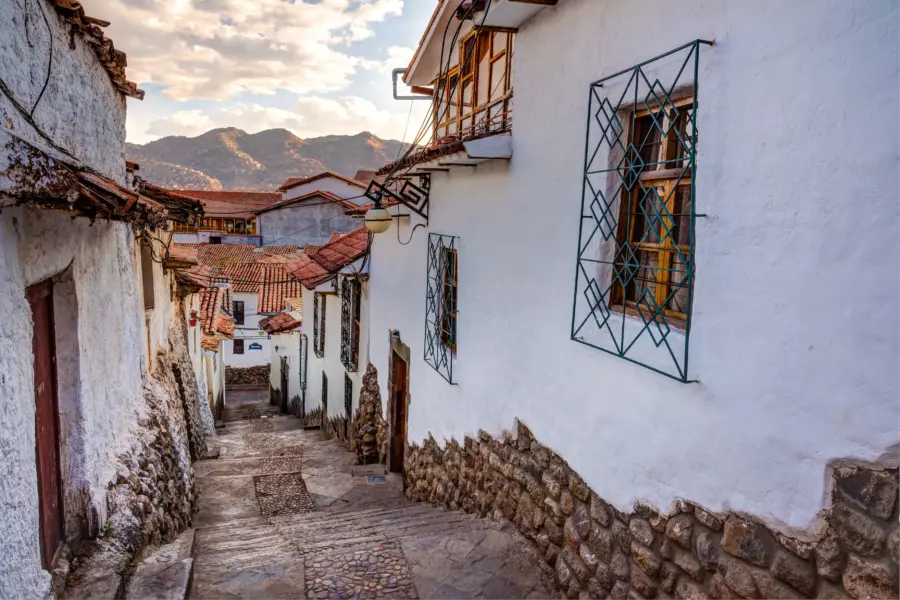
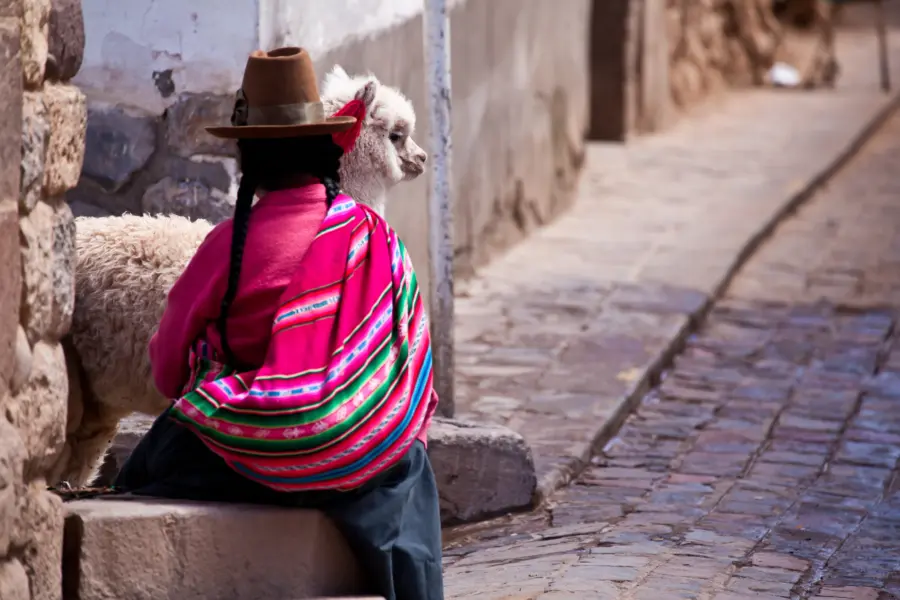
Cusco, the former capital of the Incas (the name Cusco means ‘navel of the earth’ in Quechua, the language of the Incas), is unlike any other city in the world. The colonial buildings are constructed on the foundations of the Incas, which are still clearly visible in many places. The city boasts an endless array of monuments and sights and is beautifully situated in a valley. Artists, scientists, indigenous people and tourists come together here, creating a magical atmosphere that you simply must experience.
There are many ways to enjoy and explore Cusco and its surroundings. A trip to the ruins of Sacsayhuaman, an excursion to the salt terraces or to a shamanic village are just a few of the many varied options. Cusco is also the perfect place to relax on a terrace or to explore the many alleyways and shopping streets.
Machu Picchu Pueblo
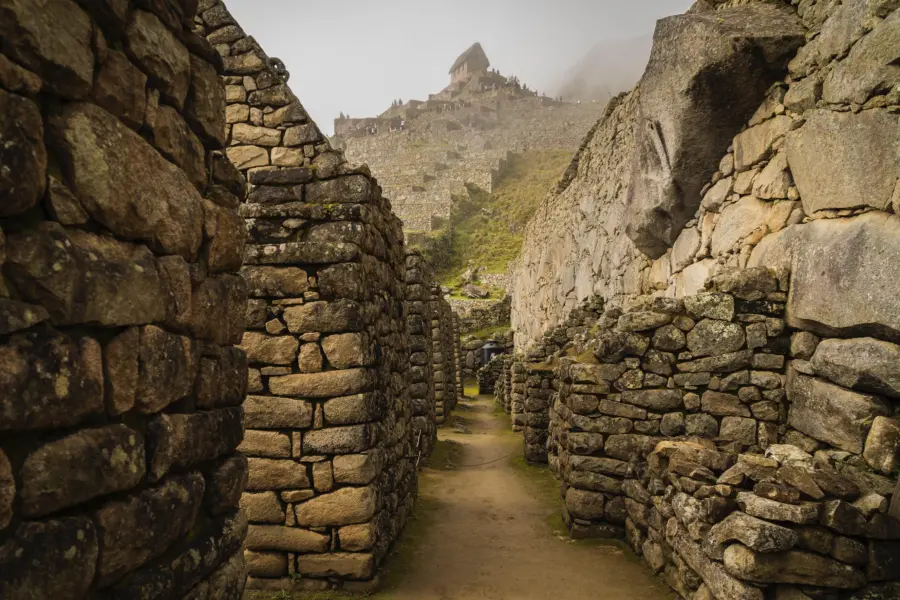
Machu Picchu Pueblo is a riverside city known for its famous Machu Picchu ruins. This cloud forest city is surrounded by towering forested cliffs and boasts an endless array of hotels, restaurants, markets and labyrinthine streets. Machu Picchu Pueblo, also known as Aguas Calientes, is an excellent base to explore the famous ancient archaeological site of Machu Picchu. Visitors can also enjoy a variety of other activities, including: a relaxing massage after a long day of exploration, a hike through the lush rainforest to the Mandor Falls, an adventurous hike up Mount Putucusi or a visit to the relaxing thermal baths with the Andes as a backdrop. Also, don't miss the Machu Picchu Museum and Botanical Gardens.
Lima
Lima was the capital of the Spanish Vice-Kingdom of Peru in colonial times. Around the 'Plaza de Armas' and the 'Plaza de San Martin', the buildings bear witness to the wealth of yesteryear. You can take beautiful city walks past various monuments such as the cathedral, the Peruvian parliament building and the monastery of San Francisco. Lima's colonial centre is also on UNESCO's World Heritage List. Striking in Lima are the cliffs that rise from the sea almost immediately behind the narrow beach and highway. As a result, the entire coastline has spectacular views. A fine example of the vistas over the Pacific Ocean can be found in Miraflores district, also known as Lima's business district and also a district of luxury shops, embassies and hotels. Larcomar, a mall carved into the rocks, is particularly special. A little further south from Miraflores is the artists' district of Barranco. Along the Bridge of Sighs you will find the best restaurants here.

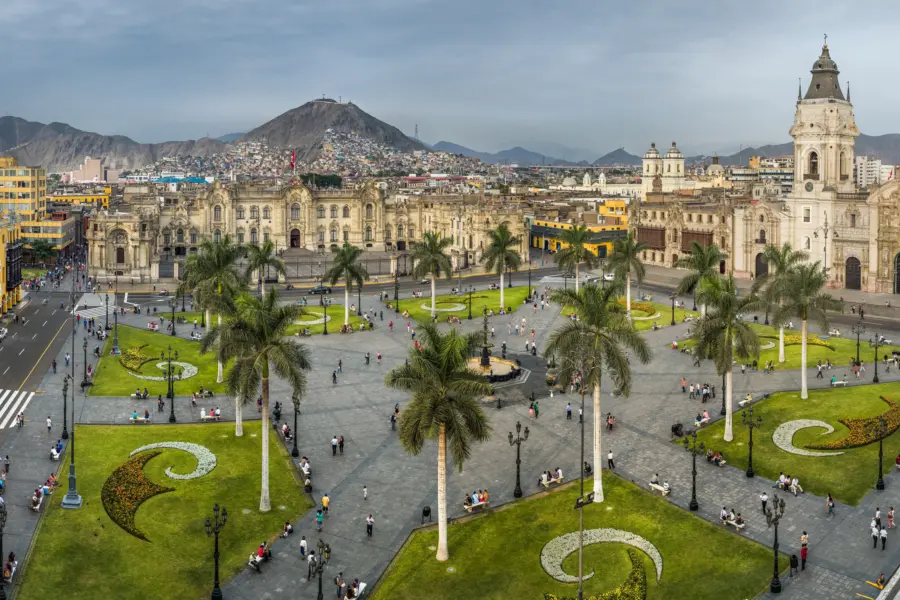
Peru
Peru is best known for the sacred archaeological site Machu Picchu, visited every year by intrepid hikers who brave the arduous slopes of the Inca Trail to explore the ancient ruins. But the country has much more to offer besides the mystical allure of this legendary site. Among other palm-fringed beaches, quaint Andean villages and archaeological treasures dating back hundreds of years before Machu Picchu, everything is infused with a rich melange of the country's indigenous and colonial cultures. Equally enticing are the exotic corners of Peru's Amazon rainforest, extraordinary dining options in Lima, stunning architecture and vibrant nightlife, the shimmering mountain-lined waters of Lake Titicaca and the bustling city of Cusco, referred to by the Incas as 'the centre of the world'.
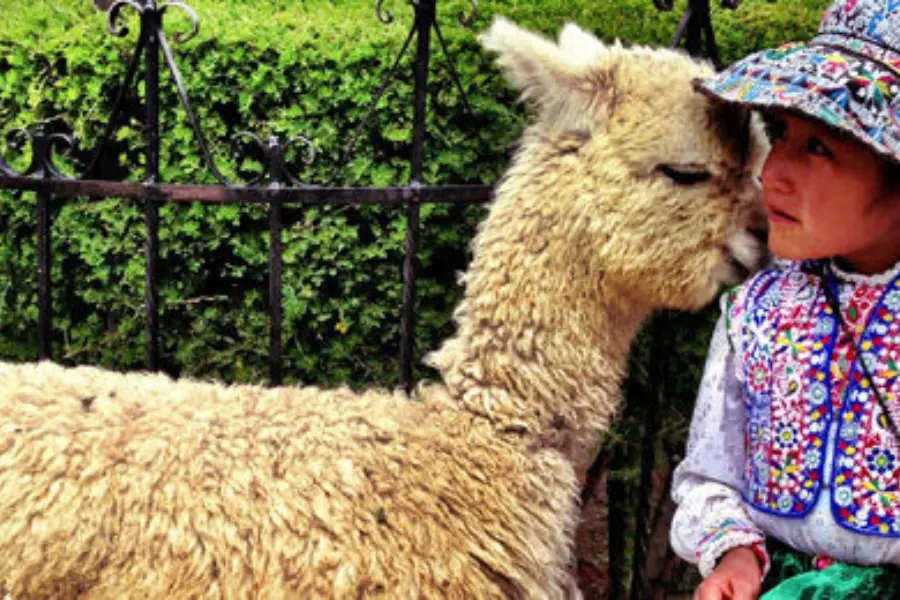
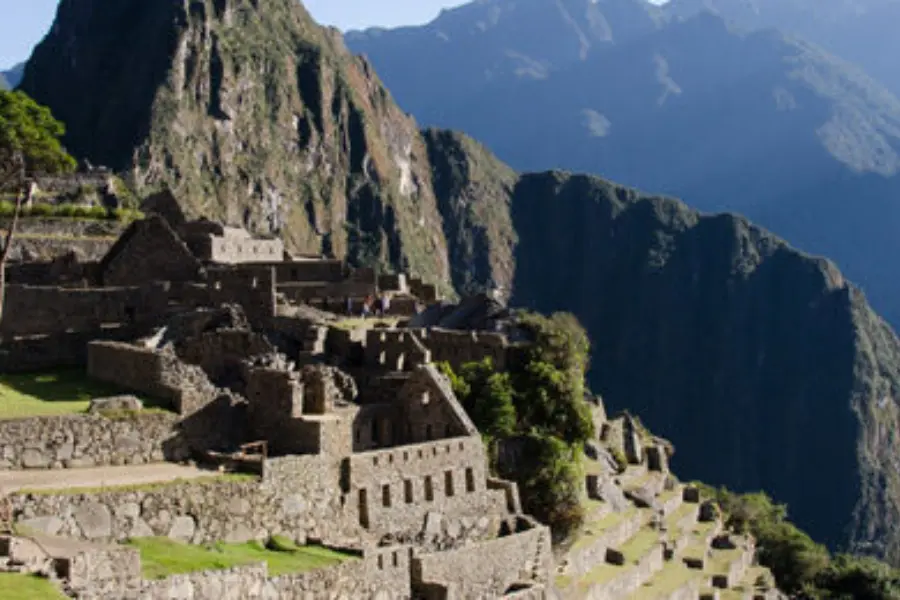
The Sacred Valley of the Incas
The Sacred Valley of the Incas includes dozens of ruins dating back to the Inca era. There are also several indigenous markets where you can stroll through and buy typical colourful rugs and other goodies. The name of the valley is aptly chosen, as the special surroundings with snow-capped peaks and the rugged Urubamba River that meanders through the area are truly beautiful.
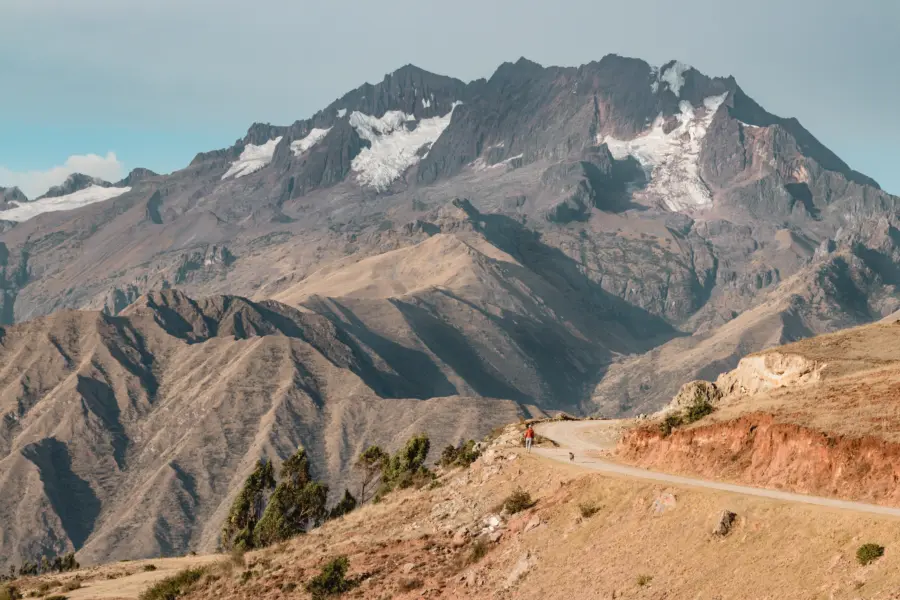
North Chile
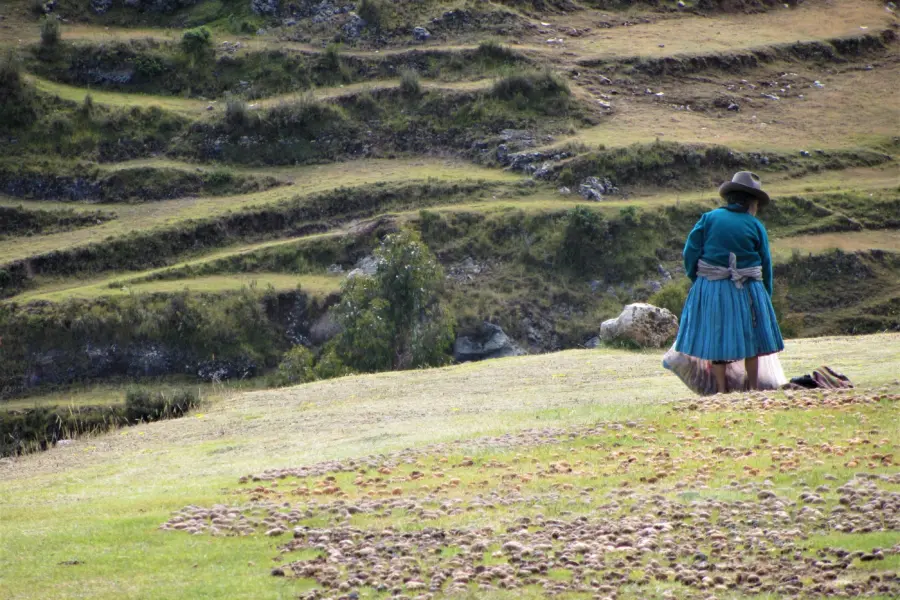
North Chile is an arid, but spectacularly beautiful, region dominated by the Atacama Desert and the high Andean plateaux, and fringed by a long stretch of Pacific coastline. There are many wonderful places to visit in this diverse region, but highlights include Valle de la Luna (Moon Valley, near San Pedro de Atacama), a wondrous landscape of strange and colourful rock formations; the Lauca National Park, near Putre, which contains the world's highest active volcano; Vicuna, in the Elqui Valley, one of the best places for stargazing on the planet; and Iquique, the pick of the coastal resorts with its long, sandy beaches and historic architecture. As well as a huge array of outdoor activities to enjoy, there are winery and bodega (cellar) tours available in the area surrounding Pisco Elqui.
Andean Altiplan (Peru)
Spread across Peru, Bolivia, Chile and Argentina, the Altiplano, an Andean plateau (Spanish for 'high plain') lies in west-central South America. This is 'where the Andes are at their widest and the most extensive area of high plateau on Earth outside Tibet'. The magnificent canyons, peaks, marshlands and lakes provide a wonderland for adventure tourists to explore, with abundant opportunities for hiking, mountain biking, and climbing. Explorers may spot llamas, foxes, and several species of flamingos, which appear as swathes of pink on the salt flats. Once home to the legendary Inca Empire, this spectacular area provides the chance to immerse yourself in a variety of cultures and heritages. Stark and diverse landscapes, small rural villages of traditional communities, and clear night skies make this a beloved destination for photographers.
Bolivian Yungas
On the eastern slopes of the Andes in Bolivia's La Paz Department, the Yungas region links highland plateaus with the Amazon basin. Steep valleys descend from over 4,000 metres to subtropical lowlands, creating varied microclimates that sustain cloud forests, farmland, and rivers. Historically, this corridor facilitated trade between Andean and Amazonian communities, leaving a legacy of agricultural terraces and traditional villages. The North Yungas centres on Coroico, reached via mountain roads that pass waterfalls and dense vegetation, while the South Yungas includes Chulumani, surrounded by coffee and coca plantations. Trails connect small settlements and viewpoints overlooking deep valleys. Wildlife ranges from spectacled bears to tropical birds, attracting researchers and hikers. The dry season from May to September suits trekking and cycling, whereas the wet months intensify river flow and turn slopes a brighter green.
Peru, Bolivia and Chile trip | Luxury trip enchanting Peru, Bolivia and Atacama Desert
We offer the described trip from €14,400 per person.
The tour price is indicative and is subject to factors including availability and travel dates.
Included
• Domestic flights as mentioned in the ‘daily information’
• 20 nights’ accommodation in excellent and distinctive properties
• Private transport with an English-speaking private driver
• All meals as mentioned in the ‘daily information’
• All excursions as mentioned in ‘daily information’, including a visit to Pisac and the surrounding area, the Machu Picchu sunrise tour and a visit to the salt flats of Bolivia
• All necessary private transfers as mentioned
• Entrance fees to national parks during the land programme
• National Geographic or similar travel guide
Positive impact of your trip:
• A contribution of €50 per person towards positive impact via the Avila Foundation
Not included
• International flights
• Room category upgrade
• Travel and/or cancellation insurance
• Tourist tax (where applicable)
• Seat reservations
• Personal expenses/tips
• Any departure tax when leaving the destination
• Meals not specified and optional excursions
• Contribution to the Calamity Fund (€2.50 per booking)
• SGR contribution (€5 per person)