
 en


- Signature
- 11-day trip
- From €13,850 p.p.
Namibia trip | Luxury private tour Northern Namibia
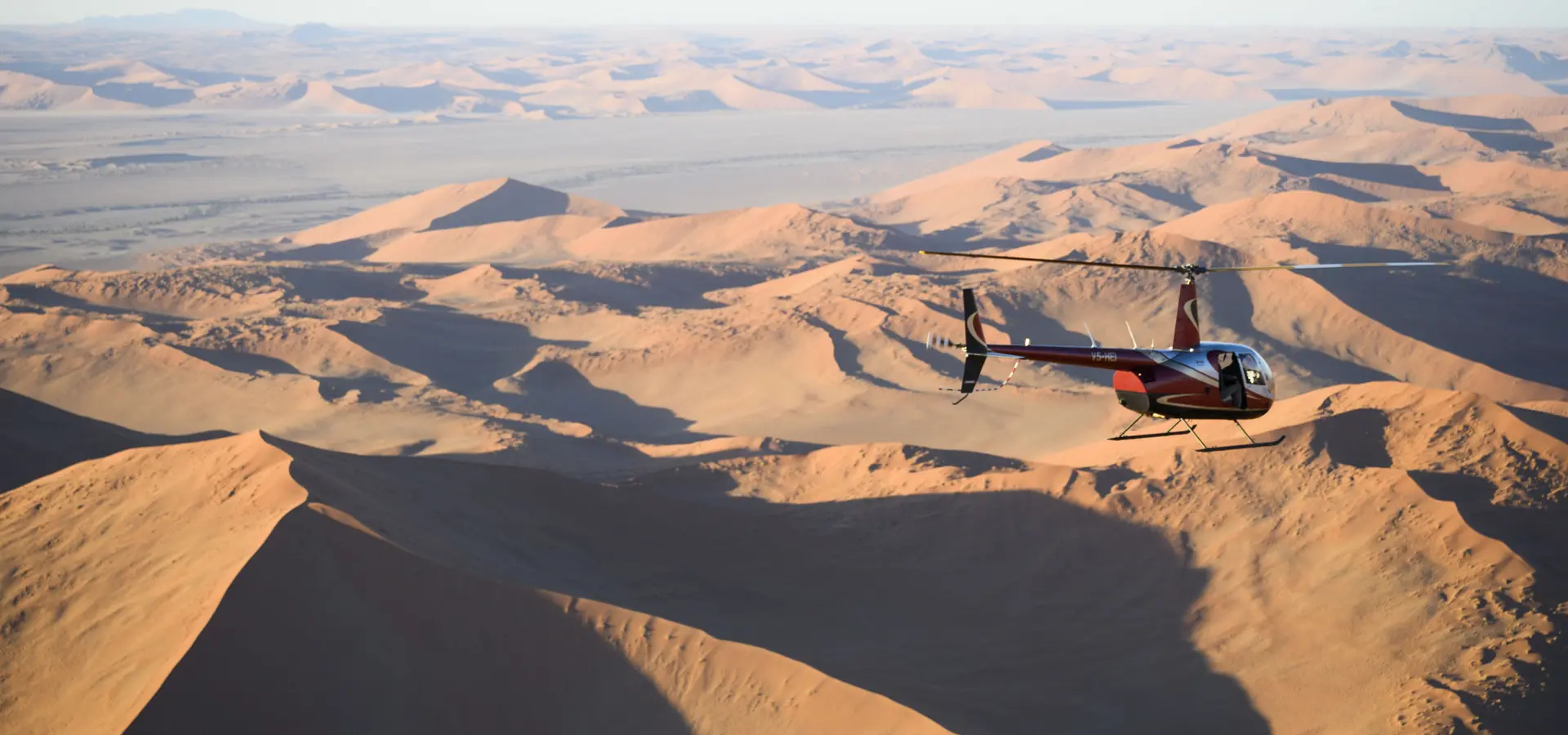
During this very special roundtrip, you will have the unique opportunity to see Namibia from the air several times. For instance, you will fly over the country's rugged, but mostly beautiful coastline, on your way to the outermost corner of this versatile country. As a result, you will have stunning views of the sand dunes, which shoot underneath you. During the trip, you will stay at very special and unique accommodations. Because of the long distances, you will travel from destination to destination using private charter flights. Among other things, you will visit the very exclusive Hoanib Valley Camp. This unique tented camp is located in one of the most remote places in the country and is ideal for spotting desert elephants and rhinos! You will also visit a private reserve south of Etosha and the Himba people in the far north-west of Namibia.
Travel programme
Travel overview
- Day 1 Flight to Johannesburg
- Day 2 Flight to Namibia
- Day 3 – 4 Private flight to Sossusvlei
- Day 5 – 6 The rugged Skeleton Coast
- Day 7 – 8 The remote north of Namibia
- Day 9 – 10 Private flight to Ongava Private Game Reserve
- Day 11 Departure from Namibia
Air travel to Johannesburg

After arriving in the South African city of Johannesburg, you can easily walk to your hotel as it is located opposite the arrivals hall. Then you can start enjoying your well-deserved night's sleep.
Tips from the Travel Specialist
Please note: your luggage may be through-checked to your final destination. When checking in at your departure airport, ask whether you can collect your luggage in Johannesburg so that you can use it at the hotel that evening.
Included:
• Accommodation including breakfast
Exclusive:
• Intercontinental flight to Johannesburg
Air travel to Namibia

Today you will travel to Namibia's capital, Windhoek. Around noon, you will arrive at Windhoek's international airport, Hosea Kutako. At the airport, you will receive a warm welcome from our local representative. You will then be transferred to Omaanda, where you will spend the rest of the afternoon. Enjoy all available facilities, such as the swimming pool. It is also possible to participate in one of the activities on offer, such as a game drive in the private reserve!
Included:
• Intercontinental flight Johannesburg – Windhoek (Economy Class)
• Meet & Greet on arrival
• Private transfer to your accommodation
• Accommodation on a full-board basis, including (shared) safari activities
Private flight to the Sossusvlei
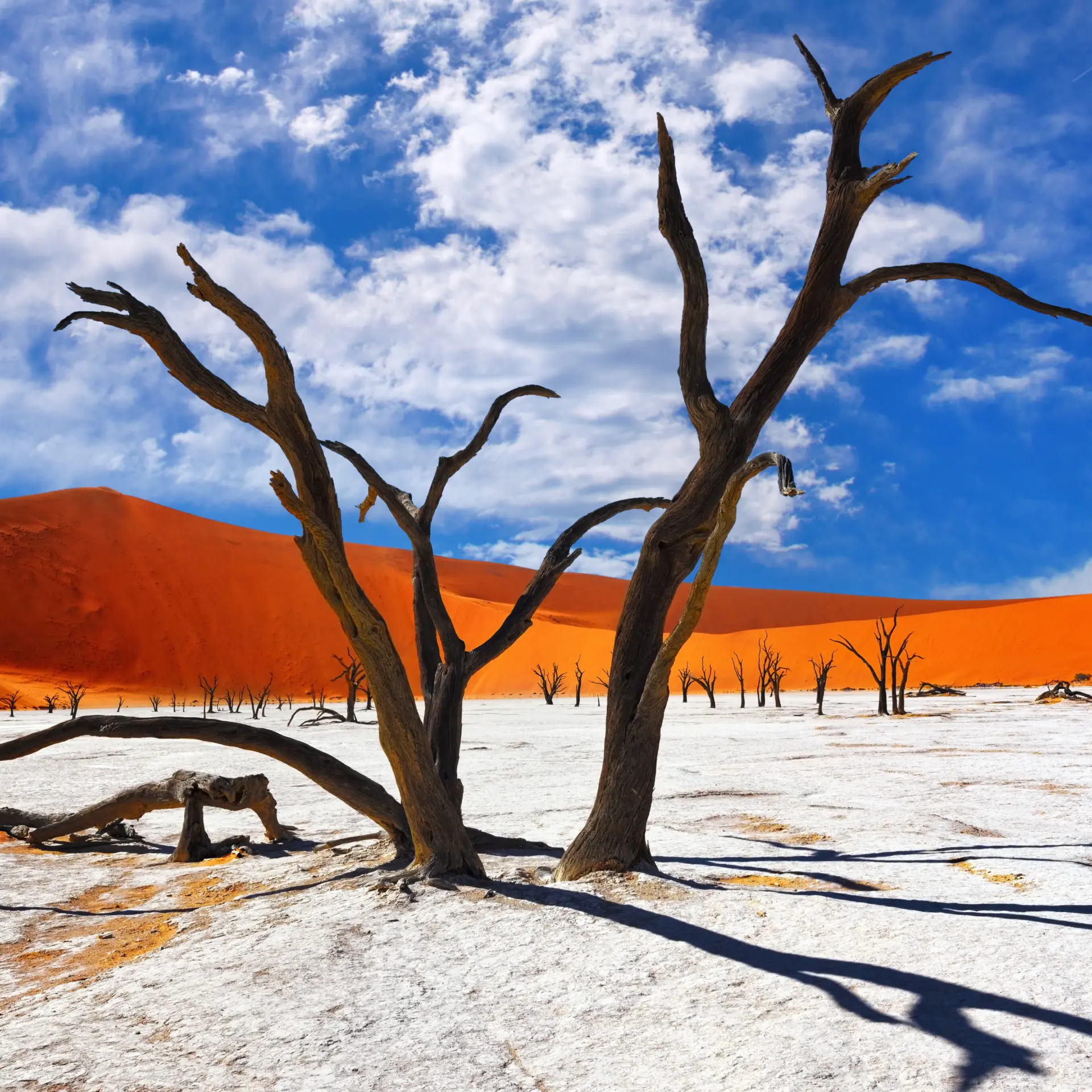
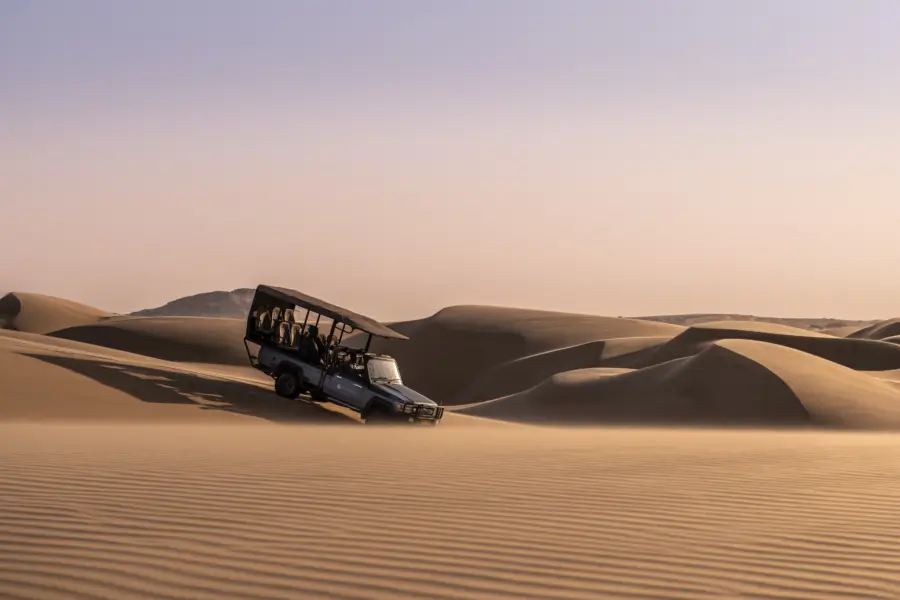
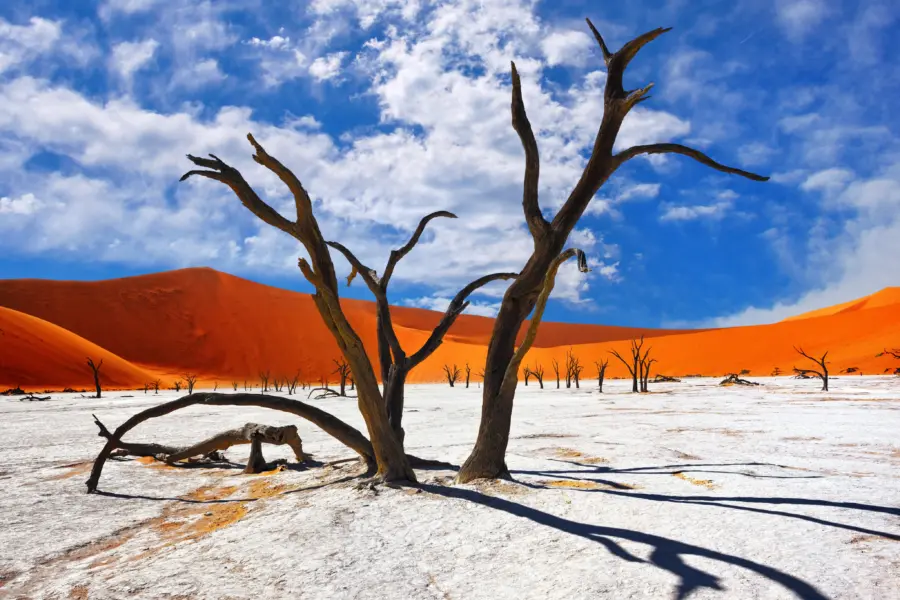
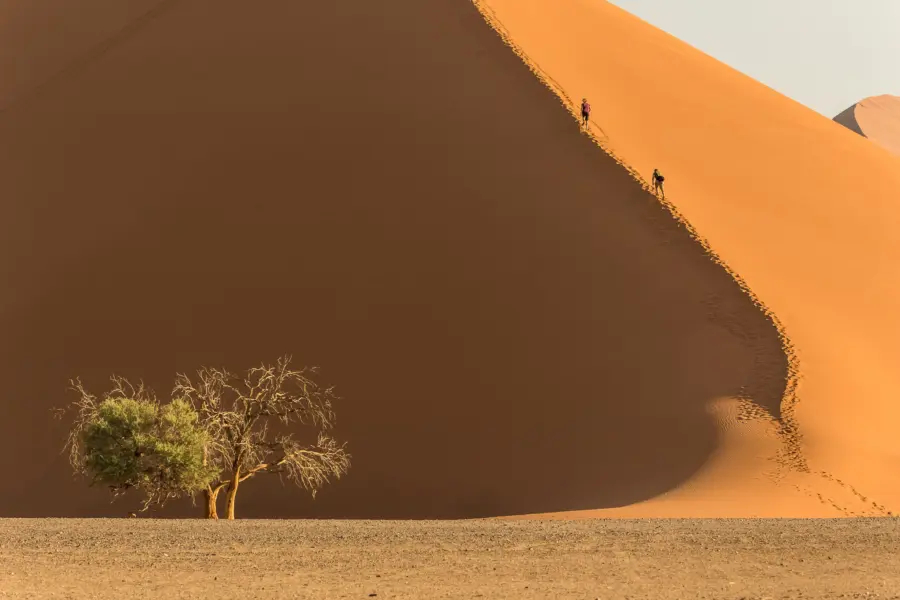
After your first night in Namibia, the adventure really begins! You’ll be taken to the airport, where your small plane is already waiting. You’ll fly to the world-famous Sossusvlei! The valley forms part of the Namib-Naukluft National Park. The park is renowned for the tall, red sand dunes that surround the valley, turning it into a vast sea of sand. Points of interest in Sossusvlei include Dodevlei and Hidden Vlei. Dune 45 is a well-known viewpoint.
After lunch, you’ll have time to relax or take part in the various activities offered by the lodge. These include activities such as a guided walk, a 4WD excursion to the San Rock Paintings, a visit to the red dunes or Sesriem Canyon, as well as admiring the magnificent starry sky in the evening with an astronomer. Your lodge is situated deep in the heart of the Namib Desert and is an oasis of tranquillity and luxury, surrounded by magnificent sand dunes and a vast horizon. It is fair to say that your lodge is set in one of Africa’s most beautiful landscapes.
Included:
• Private transfer to the airport
• Private charter flight to Sossusvlei (including 15 kg of luggage in soft-sided travel bags without wheels)
• Transfer to your accommodation
• Accommodation on a full-board basis, including (shared) activities
The rugged Skeleton Coast
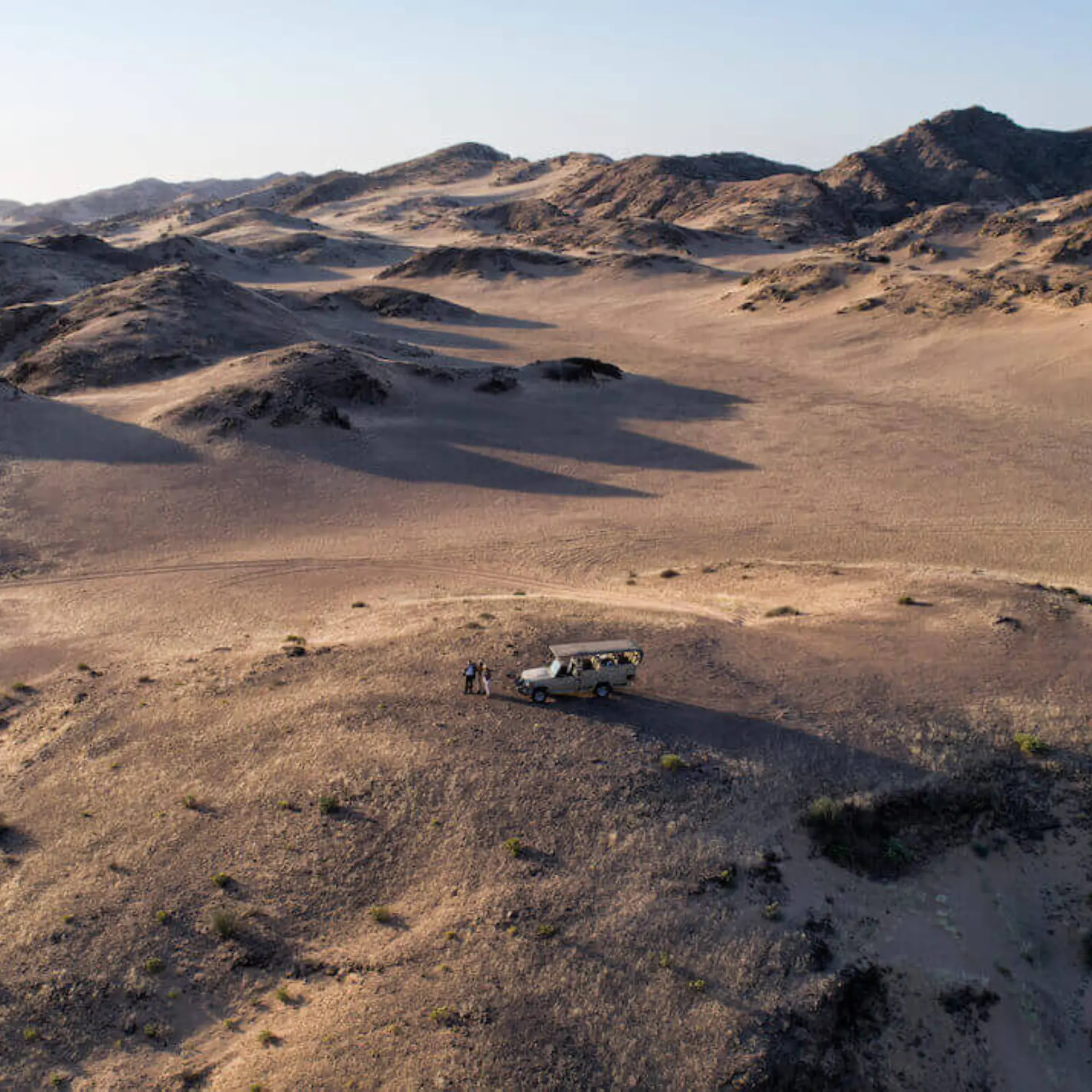
You leave the stunning sand dunes behind and fly along the coastline towards your next destination: the infamous Skeleton Coast. From the air, you might already be able to spot a few shipwrecks. Of some wrecks, only part remains visible, whilst others are completely intact. A truly remarkable sight!
Upon arrival at the airstrip, you’ll be taken to your accommodation. You’ll be staying at Hoanib Valley Camp for the next few nights. This unique camp is situated in one of the most remote parts of Namibia, and as such, very few other people will ever have the chance to experience this area.
During your stay, you can take part in a variety of activities. For example, you can explore the area around the camp on a lovely walk. It is also a great opportunity to study the smaller creatures and the fascinating plant life of the concession. You can also drive through the concession by car. Not only will you have the chance to take many beautiful photos of the natural surroundings, but you might also spot some animals, such as desert elephants, rhinos and giraffes!
Included:
• Transfer to the airstrip
• Private charter flight to the Skeleton Coast (including 15 kg of luggage in soft-sided travel bags without wheels)
• Transfer to your accommodation
• Accommodation on a full-board basis, including (shared) activities
The remote north of Namibia
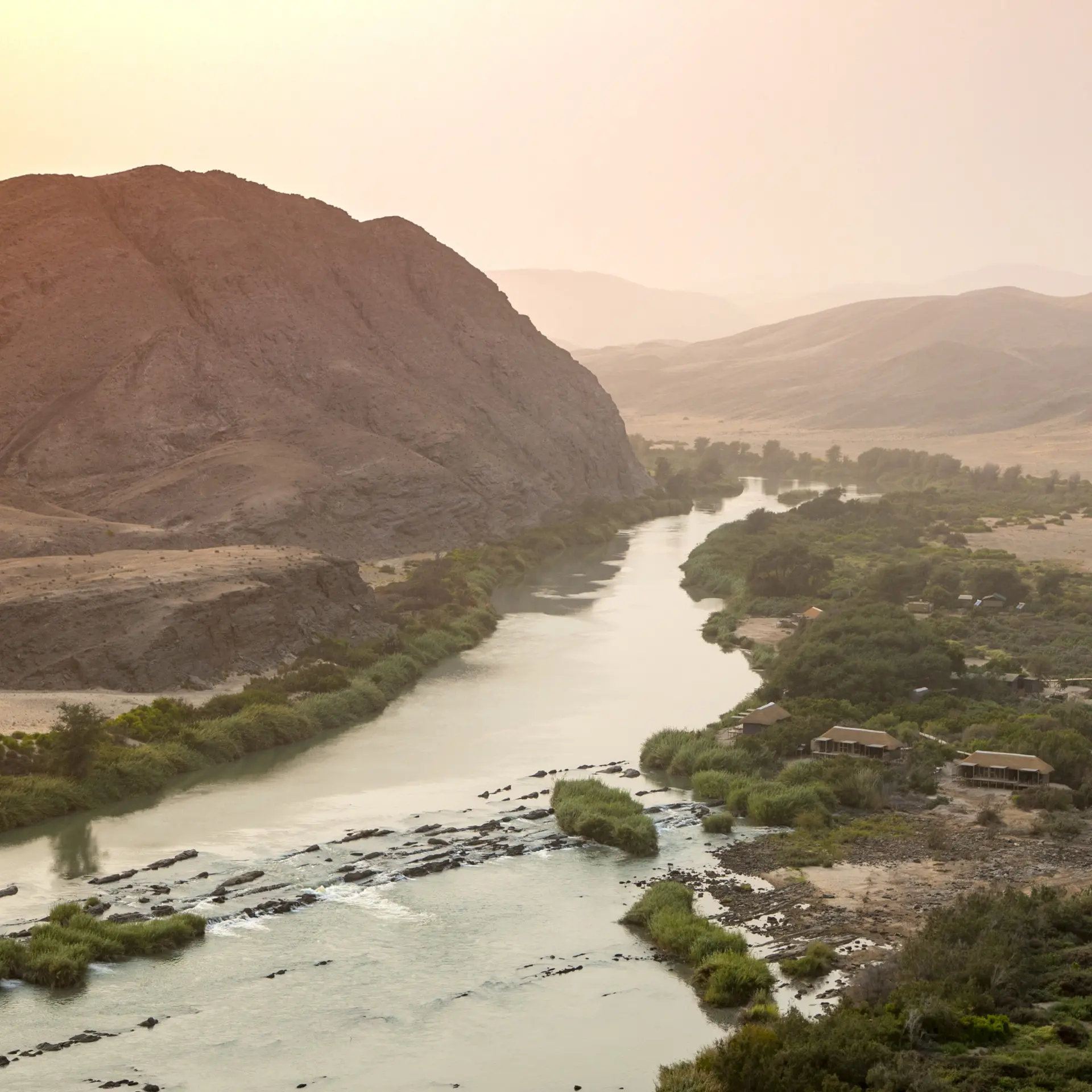
The journey continues as you board the small plane once more and travel all the way to the far north of Namibia. You’ll be staying in the Kunene region, which forms the border with Angola. The area is characterised by the Kunene River. In this inhospitable corner of the world, now inhabited only by a few authentic Himba tribes, lies the fabulous Serra Cafema in a small oasis by the water. This tented camp is equipped with every modern convenience. Here, you can enjoy not only beautiful accommodation, but also world-class cuisine and a wide range of activities.
In this region, you could, amongst other things, visit a Himba community, allowing you to learn more about how people survive in this very remote place. You could also go on a boat trip (depending on the water level) and even quad biking is an option!
Included:
• Transfer to the airstrip
• Private charter flight to Kunene (including 15 kg of luggage in soft travel bags)
• Transfer to your accommodation
• Accommodation on a full-board basis, including (shared) activities
Private flight to Ongava Private Game Reserve
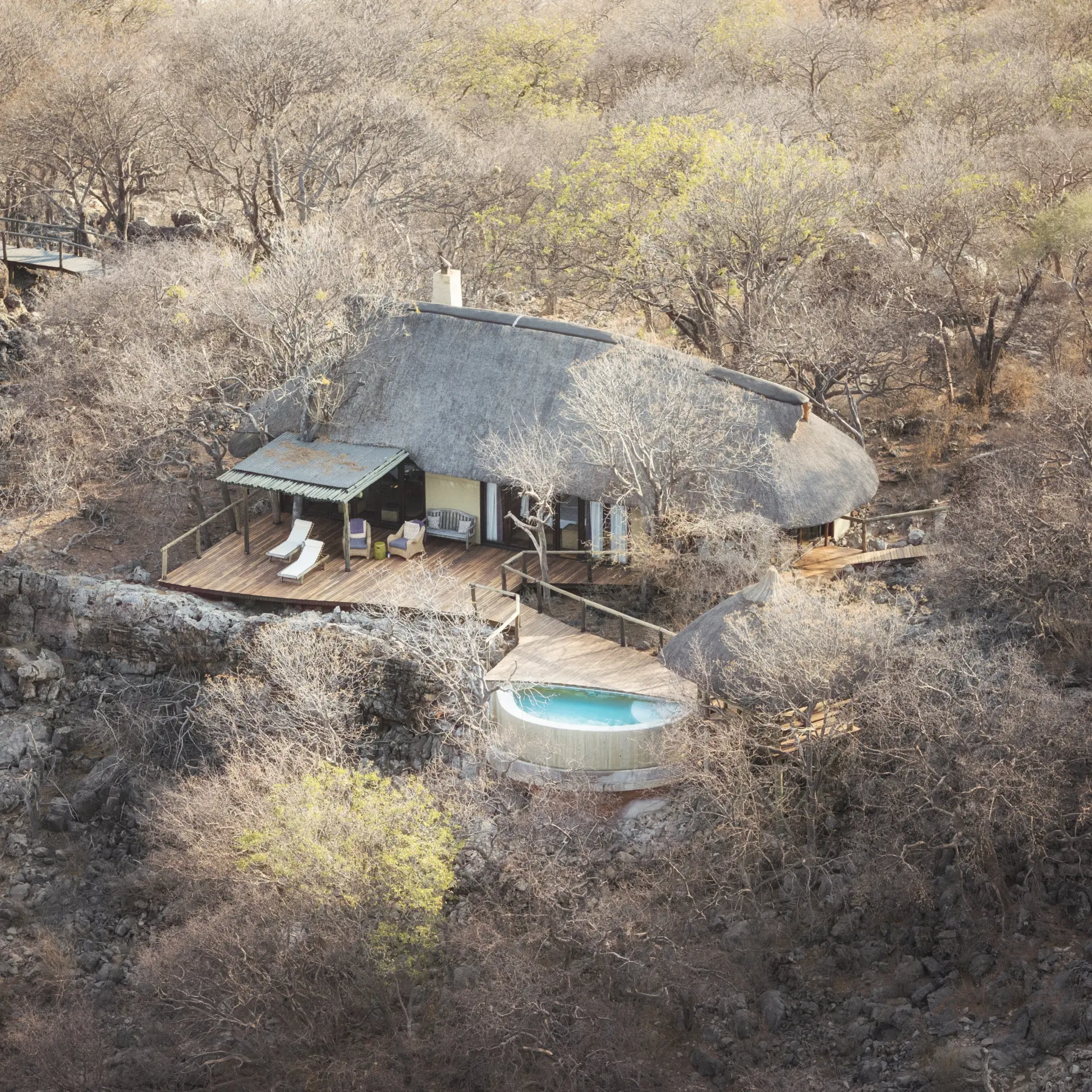
You’ll travel further north towards one of the absolute highlights of the trip. Etosha ‘Great White Place’ National Park is one of the largest nature reserves in Southern Africa and covers an area roughly three-quarters the size of the Netherlands. The park consists largely of a vast salt pan surrounded by bush. A wide variety of wildlife can be spotted in the park, including elephants, zebras, lions and various species of antelope.
You’ll fly by small plane to the exclusive Ongava Private Game Reserve, where you’ll be staying for the next few days. This private reserve is situated south of the national park and offers an exclusive experience. The accommodation is extremely luxurious and, what’s more, activities such as guided game drives are included. Ongava is truly special, as it offers you the chance to spot both black and white rhinos. A unique experience!
Included:
• Transfer to the airstrip
• Private charter flight to Ongava Private Game Reserve (including 15 kg of luggage in soft-sided travel bags)
• Transfer to your accommodation
• Accommodation on a full-board basis, including (shared) safari activities
Accommodations
InterContinental Johannesburg O.R. Tambo Airport
InterContinental Johannesburg O.R. Tambo Airport is within walking distance of the international terminal. A perfect location if you are in transit and also only 15 minutes by train to the famous Sandton district. You can use Wi-Fi and a quick check-in service and enjoy the hotel's facilities.
Your stay: 1 night

Omaanda by Zannier
Omaanda (rhino in Oshiwambo) takes its name from its exceptional location, in the heart of a private animal sanctuary. The accommodation is in the middle of the Zannier Reserve, maintained by N/a'an ku sê. Situated on some 9,000 hectares in the savannah near the capital of Windhoek, this sprawling luxury and...
Omaanda (rhino in Oshiwambo) takes its name from its exceptional location, in the heart of a private animal reserve. The accommodation is in the middle of the Zannier Reserve, maintained by N/a'an ku sê. Situated on some 9,000 hectares in the savannah near the capital of Windhoek, this sprawling luxury and completely unique location offers guests an extraordinary stay surrounded by the natural beauty of the area. The lodge consists of ten luxury huts inspired by traditional Ovambo architecture. This ethnic local population group is known for its secular and down-to-earth know-how, inspired by - and respectful of - the surrounding environment.
Omaanda invites its guests to return to the source of life for a short time and experience nature at its wildest. The peace and isolation, the flora and fauna, the pure and wild beauty of the landscape that stretches as far as the eye can see will make this destination unforgettable.
Your stay: 1 night

andBeyond Sossusvlei Desert Lodge
The Namib Desert is one of the most pristine regions on earth, a world of vast spaces, endless horizons, dramatic landscapes and jagged mountains. andBeyond Sossusvlei Desert Lodge is renowned for its luxurious accommodation overlooking the beautiful Namib Desert. Designed to capture the splendour and solitude...
The Namib Desert is one of the most pristine regions on earth, a world of vast spaces, endless horizons, dramatic landscapes and jagged mountains. andBeyond Sossusvlei Desert Lodge is renowned for its luxurious accommodation overlooking the beautiful Namib Desert. Designed to capture the splendour and solitude of the desert, there are only ten stone and glass suites scattered along the curve of the slope, offering absolute privacy. Decorated to complement the majestic hues of the desert, each suite features a private veranda, bedroom and living room with fireplace, private bathroom with glass encapsulated bathroom and outdoor shower. The suites are equipped with a skylight through which you can watch the stars, a music system and a custom-filled personal bar.
The Lodge features a fine selection of wines from an impressive walk-in wine cellar, complement the delicious meals. You can escape the heat with an afternoon dip in the pool, water from the underground spring. At sunset, animals come to a nearby well, a beautiful view during your sundowner drinks. An observatory gives a wonderful insight into the beautiful constellations of Africa's first International Dark Sky Reserve.
Your stay: 2 nights

Hoanib Valley Camp
Located in one of Namibia's most beautiful areas, the camp and its surroundings are truly breathtaking. Many visitors feel that time spent here is an 'experience of a lifetime'. The north-western area, Kaokoland, is characterised by its vast open desert, towering dunes...
Located in one of Namibia's most beautiful areas, the camp and its surroundings are truly breathtaking. Many visitors feel that time spent here is an 'experience of a lifetime'. The north-western area, Kaokoland, is characterised by its vast open desert, towering dunes and rocky mountains. Hidden among all this natural beauty are six tents that exude a modern safari style, reflecting the environment in the furnishings and design.
You will spend your days at the lodge exploring this spectacular area, understanding its unique geology, nature and culture. Home to one of the last great nomadic tribes, the iconic Himba, and the identifiable Herero, so there is plenty of opportunity for cultural interaction. The Giraffe Conservation Foundation adds a wealth of specialist knowledge to your morning and afternoon game drives, in search of the desert elephant, giraffe, lion, black rhino and mountain zebra.
Your stay: 2 nights

Wilderness Serra Cafema
Set under shady trees on the banks of the Kunene River, Serra Cafema Camp is one of the most remote camps in southern Africa. The Portuguese name comes from the mountains that dominate the northern skyline. You will fall asleep with the sound of running water in the background, while you...
Set under shady trees on the banks of the Kunene River, Serra Cafema Camp is one of the most remote camps in southern Africa. The Portuguese name comes from the mountains that dominate the northern skyline. You will fall asleep with the sound of running water in the background, while exploring one of the driest deserts in the world during the day. The camp has eight unique canvas and thatched chalets, each with its own bathroom, made with great attention to detail. The raised decks and simple structures of wood, canvas and thatch create a camp that is one with its surroundings. The dining room and swimming pool overlook the Kunene River. Activities here are varied, including boating (water conditions permitting), hiking, viewing breathtaking landscapes and a carefully guided quad-bike excursion in the dunes. In this isolated region, the Himba people maintain their nomadic, traditional way of life and you will have the chance to meet them and learn about their lifestyle and traditions.
Pack for a purpose
Serra Cafema Camp is affiliated with Pack for a Purpose. Pack for a Purpose is a charitable organisation that allows travellers to spend several kilos of their luggage weight to help local residents. Think school supplies, clothes, medical equipment and other necessities donated to the local project through the lodge. To make sure you bring what is actually needed locally, the lodge explains the project.
Click here for information about the project at Serra Cafema Camp:
https://www.packforapurpose.org/destinations/africa/namibia/serra-cafema/
Your stay: 2 nights
Little Ongava
Little Ongava is located at the top of a hill with stunning views of the plain stretching to the horizon. Little Ongava offers an extraordinary experience and is undoubtedly Namibia's most luxurious accommodation. This intimate camp has just three spacious suites, each with its own swimming pool, en-suite bathroom,...
Little Ongava is located at the top of a hill with stunning views of the plain stretching to the horizon. Little Ongava offers an extraordinary experience and is undoubtedly Namibia's most luxurious accommodation. This intimate camp has just three spacious suites, each with its own swimming pool, en-suite bathroom, "sala", and outdoor shower. The living room and dining room have stunning views of a well below the camp. The open deck serves for relaxed and stylish dining under the African sky.
Your stay: 2 nights

Destinations
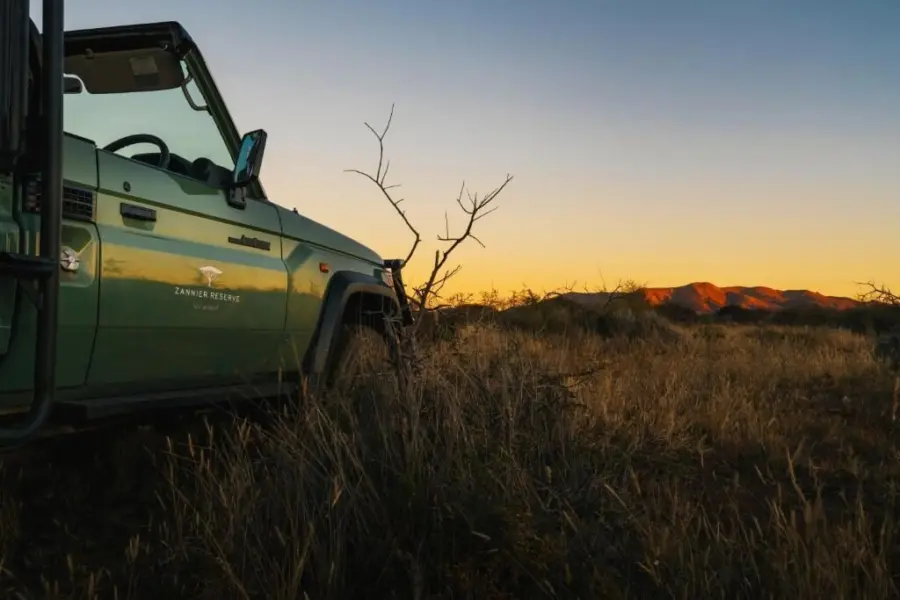
Zannier Reserve
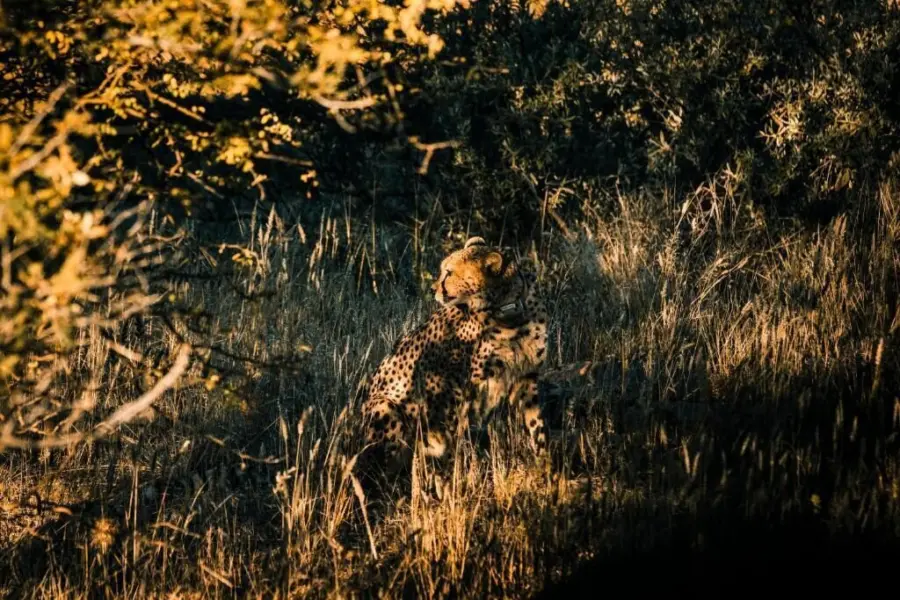
Located just 30 minutes east of Namibia's Windhoek International Airport, Zannier Reserve covers an area of no less than 900 square kilometres. It is known for its picturesque savannah landscapes, which is inhabited by a wide variety of wildlife. You have the chance to see animals like leopards, giraffes, warthogs, antelopes, ostriches and jackals here. It is also the site of the Shiloh Wildlife Sanctuary, which provides a sanctuary for injured or abandoned rhinos and elephants. You can fully enjoy many different wildlife and beautiful views!
Sossusvlei
Sossusvlei is where you’ll find the iconic red sand dunes of the Namib Desert. The clear blue skies contrast with the gigantic red sand dunes, making this one of Africa’s natural wonders and a perfect spot for photographers.
As well as the attractions near Sossusvlei such as Dune 45, Hiddenvlei, Big Daddy and Deadvlei, other sights in the area include the Sesriem Canyon and the Namib-Naukluft National Park.
Hoanib River
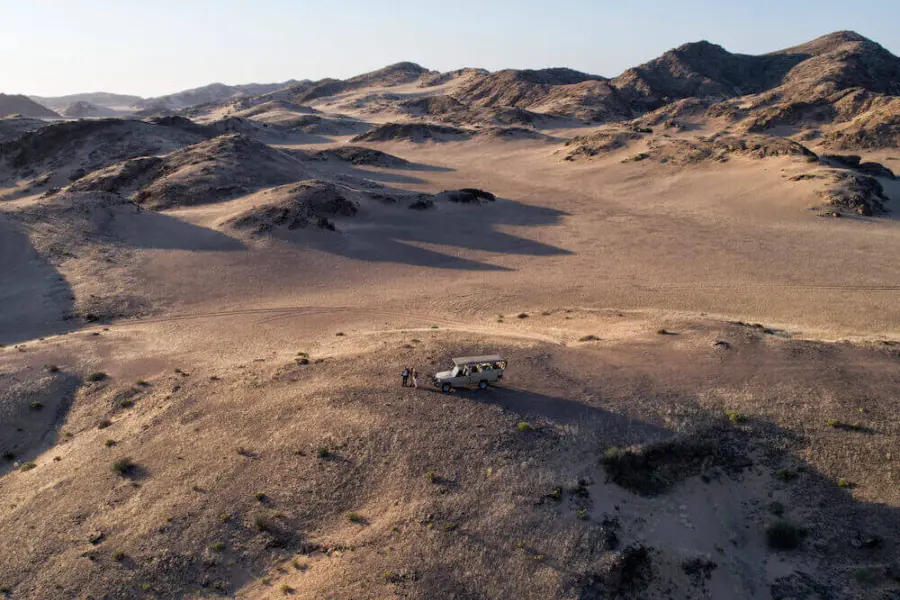
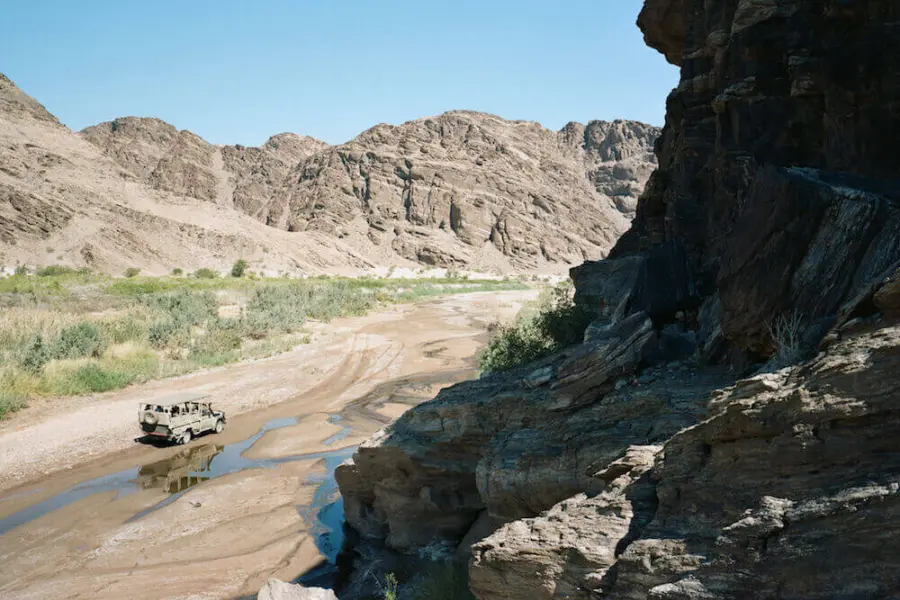
Where Kaokoland meets the Skeleton Coast, in western Namibia, the 270-kilometre-long Hoanib River is one of the last water oases in the country, a haven for countless animals. Home to 75% of Namibia's endemic species, including the largest numbers of desert-adapted, free-roaming elephants, lions and rhinos in the world, as well as zebras, kudu and giraffes, this is truly an exceptional and awe-inspiring place. Visitors can enjoy a beautiful four-wheel drive trail, adventure hiking, descending huge sand dunes or climbing massive, strangely shaped rock formations, as well as several guided nature walks.
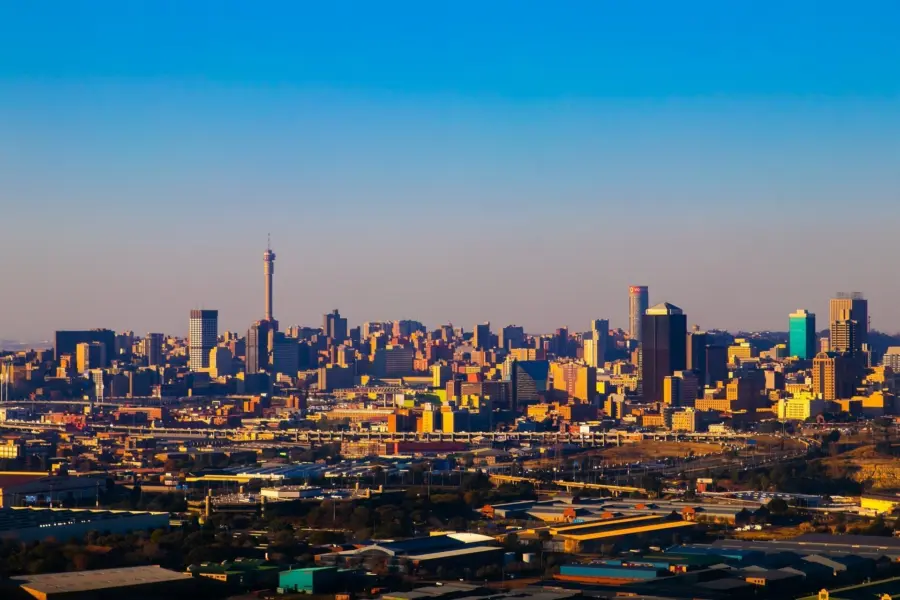
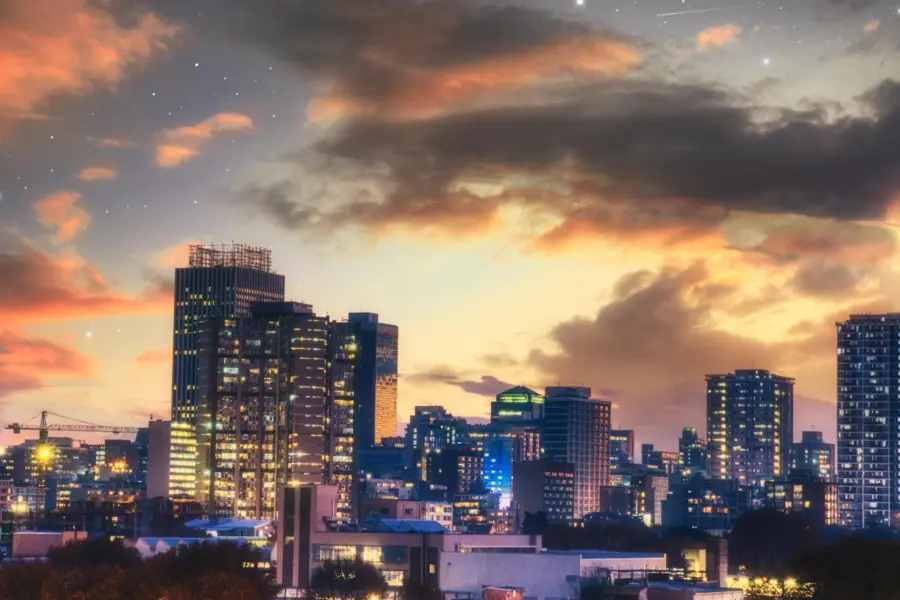
Johannesburg
Johannesburg is South Africa’s largest city. It is also the economic heart of South Africa, home to all the major financial and industrial companies. Johannesburg was founded following the discovery of gold in the Witwatersrand in 1886. At that time, the Witwatersrand lay within the borders of the South African Republic, of which Paul Kruger was president. The Republic had been established in consultation with the British government, which was administering the Cape Province at the time. Following the discovery of gold, control of the region became a matter of dispute.
Johannesburg’s city centre is colourful, lively and exotic, with its diverse cultural offerings. Of particular interest is the ‘Carlton Centre’ on Commissaris Street. This skyscraper was built in the 1970s, stands 220 metres tall and remains the tallest building in Africa. On the top floor is a viewing platform called ‘The Best of Africa’. From a height of 202 metres, you can enjoy an impressive view over Johannesburg.
Outside the city centre, in the Fourways district, you’ll find the new theme park “Monte Casino”, whilst “Gold Reef City” is situated in the south of the city. Here, you can learn about the history of gold mining in an entertaining way. The new Apartheid Museum is also well worth a visit. And if you’re looking for the best shops in the country, head to Mandela Square in Sandton.
Gauteng
Gauteng is South Africa’s smallest province, but it is the commercial and administrative heart of the country and indeed of the whole of southern Africa.
The name Gauteng is the Sotho name for ‘Place of Gold’. In fact, a huge gold vein was discovered in this province in 1886, and gold quickly became the foundation of the national economy. During mining operations, further riches were unearthed, such as diamonds and coal.
But Gauteng is more than just cities, money and politics. For example, the Sterkfontein Caves were designated a World Heritage Site after bones dating back no less than 3.5 million years were found there. This site is also known as the Cradle of Humankind.
South Africa
Windhoek
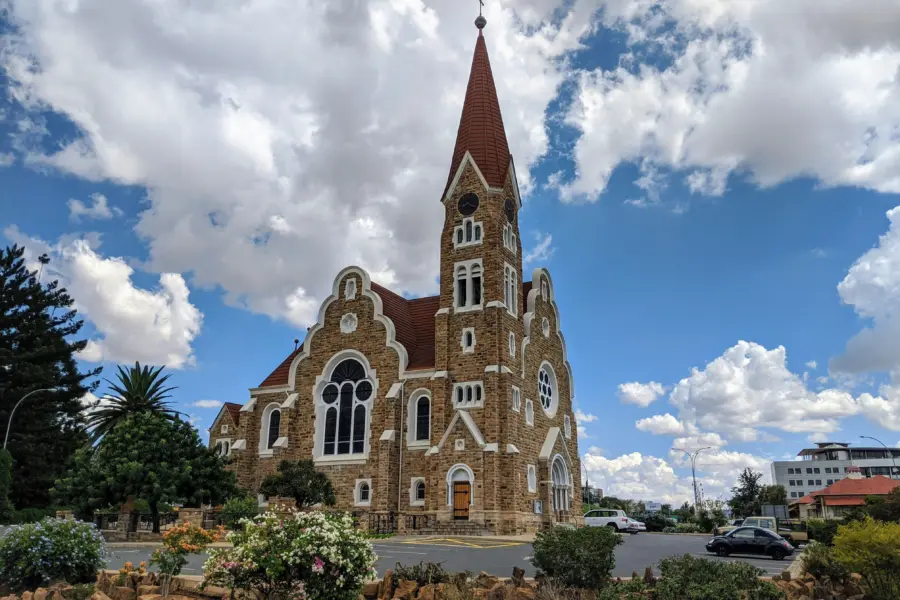
Windhoek is the capital of Namibia, home to an international airport and an abundance of restaurants, shops, entertainment venues and accommodation. The city is clean, safe and well organised, with a colonial heritage reflected in the many German restaurants and shops, and the widespread use of the German language. Windhoek has an interesting mix of historic architecture and modern buildings, many of which are worth seeing, including the Alte Feste (Old Fort), the 1896 Christuskirche (Christ Church), and the more contemporary Supreme Court.
Greater Windhoek
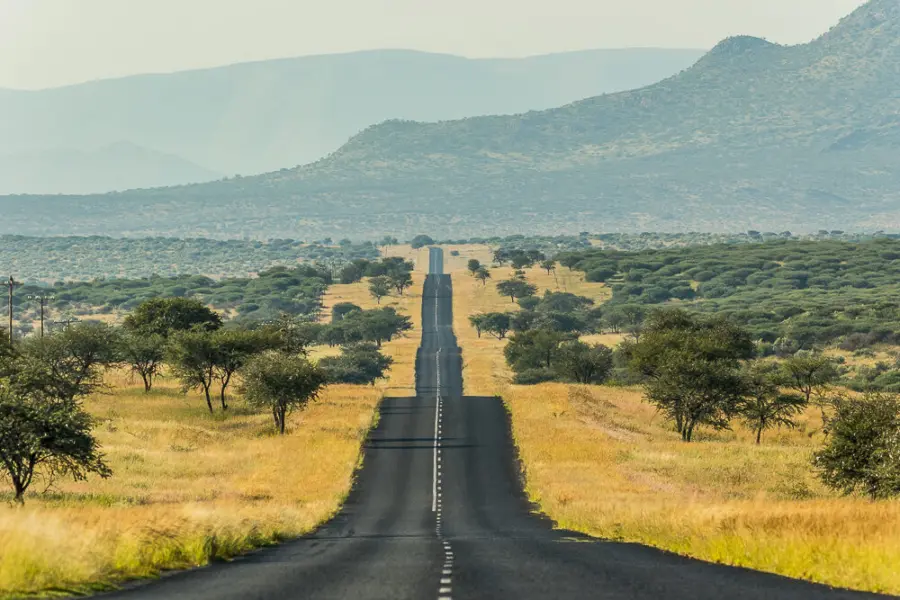
Windhoek, Namibia's capital, is surrounded by beautiful mountains, fertile farmlands, lodges and luxury guest farms. The landscape of the Greater Windhoek area surrounding this bustling city is characterised by vast valleys, thick bush, rocky hills and a golden savannah. Visitors can enjoy the many birds, and view large amounts of other wildlife to the north.Also be sure to visit the more arid eastern part with its olive and potato plantations; explore the rolling hills of the Khomas Hochland Mountains in the west of Greater Windhoek and enjoy the epic views along a number of scenic passes leading to the high plateau, including Bosua Pass, Gamsberg Pass and Spreetshoogte Pass.
Central Namibia
The central Namibian highlands are much cooler and less extreme than the arid lowlands that make up the majority of the country. This is an ideally suited area for cattle breeding, and more recently large and small game breeding.
Namibia
With its well-developed infrastructure, some of the best tourist facilities in Africa and an impressive list of breathtaking natural wonders, exploring Namibia is truly a delight. Visit the capital Windhoek and the beautiful coastal town of Swakopmund to discover remnants of the country's German influence, reflected in its architecture, culture, gastronomy and annual Oktoberfest celebrations. To properly appreciate this extraordinary country, you need to get out of town in search of the remarkable natural landscapes Namibia has to offer. These include: the impressive Fish River Canyon Park; the sprawling Etosha National Park filled with local animal species, such as desert lions, desert elephants and the Hartmann's Mountain Zebra; the terrifyingly beautiful Kalahari Desert; and, of course, the Namib Desert that stretches for almost 1,000 km along the beautiful Atlantic coast. Namibia is an ideal destination for travellers seeking an unforgettable African experience in uniquely beautiful unspoilt wilderness.
NamibRand Nature Reserve
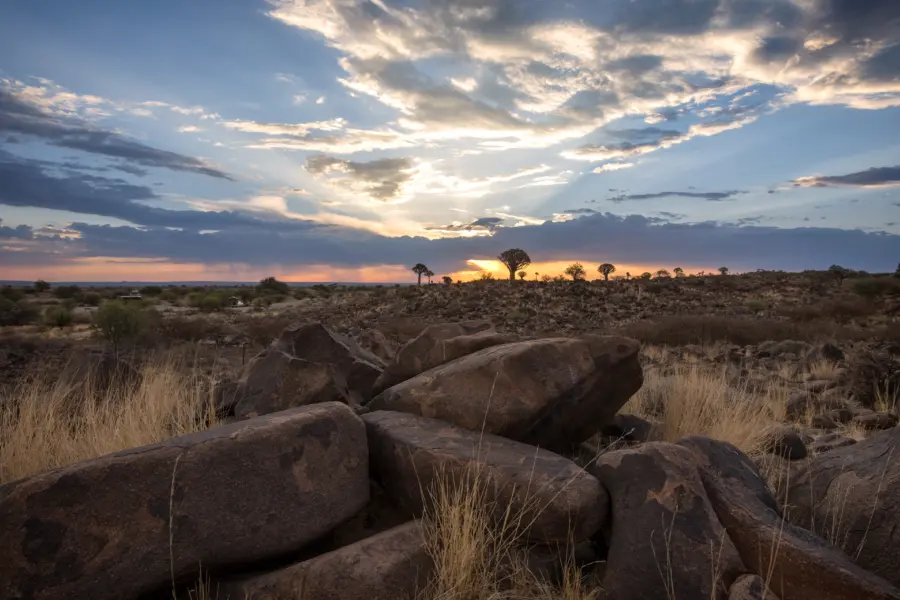
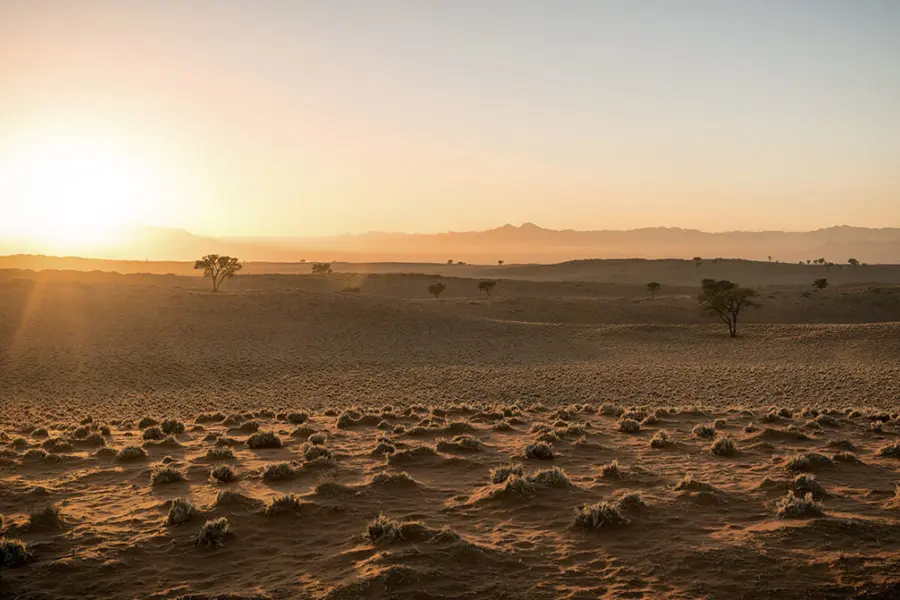
The Namib Rand Reserve covers an area of 172,200 hectares, includes four different ecosystems and is one of the largest private game reserves in southern Africa. Here you will find a mix of dunes, mountains, rocks, sand flats and gravel plains. The reserve was established to preserve the unique environment and flora and fauna of the south-western Namib Desert. It provides habitats for a diversity of mammals - including hyenas, jackals, foxes, antelopes and several wild cats - as well as an abundance of bird species, reptiles, insects, frogs and flora. Visitors can explore the mysterious 'fairy circles' that depict the landscape and drink sundowners while the sun sets over this pristine ancient landscape. Declared Africa's first international 'dark sky' reserve, it is one of the least light-polluted areas in the world, so don't miss this excellent stargazing opportunity.

Namib
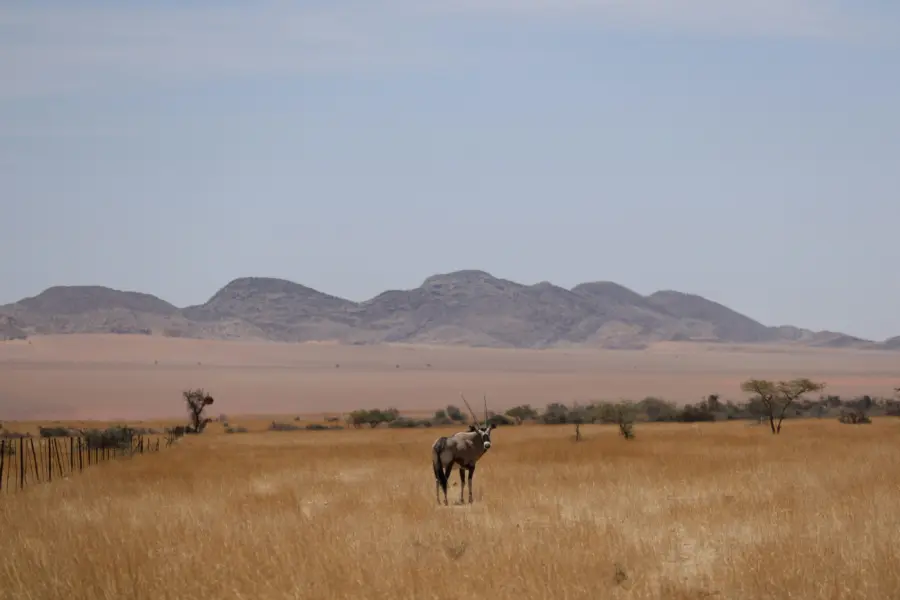
The Namib Desert, or simply the Namib, is considered to be the oldest desert in the world. This sandy desert, approximately 200 kilometres wide, stretches from north to south along Namibia’s Atlantic coast for a distance of around 2,000 kilometres, from Angola in the north to the Orange River in the south. However, when people refer to the Namib, they usually mean the sea of sand that stretches between Lüderitz and Swakopmund. This sea of sand was inscribed on the UNESCO World Heritage List in 2013.
The Namib Desert forms part of the Namib-Naukluft National Park, which is Africa’s largest wildlife reserve. In the centre of the desert lies Sossusvlei, a picturesque valley where water occasionally collects. Together with the neighbouring Dodevlei, Sossusvlei is one of the country’s major tourist attractions.
Damaraland
Enjoy the stunning landscapes of Damaraland Enormous, untamed and rugged, Damaraland is an exceptionally scenic landscape of open plains and spectacular rock formations. The main attractions are Spitzkoppe, the Brandberg, Twyfelfontein, Vingerklip and the Petrified Forest. In addition, this gigantic area is home to desert elephants, among others, which have fully adapted to the living conditions of this rugged landscape.
Kaokoveld
Kaokoveld is an arid, mountainous and relatively underdeveloped area, a combination of the raw beauty of the Skeleton Coast and the copper-coloured sands of the northern Namib Desert. The area is inhabited by three major ethnic groups - the Damara, Herero and Himba people - each with their unique customs, traditions and rituals.
Hartmann Valley
The Hartmann Valley is a desolate but enchanting moonscape of sand and rock. The Kunene River provides lush vegetation amidst one of the driest deserts on earth, while sea fog creeps in from the coast and one wave of dunes beckons down. The valley is home to the Himba, one of Africa's last true nomads.
Kunene
One of only five remaining rivers in Namibia is the Kunene, an invaluable source of water for the local Himba people and the mainstay of their livelihood for hundreds of years. For travellers, the river’s most striking feature is the Epupa Falls. Rafting and kayaking are both popular activities on the Kunene.
Ongava Private Game Reserve
This reserve borders with Etosha National Park. Considered one of the finest private game reserves in the region, Ongava Game Reserve has global recognition for exceptional conservation, pioneering research and exciting safari experiences. The reserve is home to the lion, eland, impala, zebra and a variety of other antelope species, among others. In addition, this is one of the few private reserves in Southern Africa where both black and white rhinoceros can be observed. As many as 340 bird species also live in this area.
Etosha South
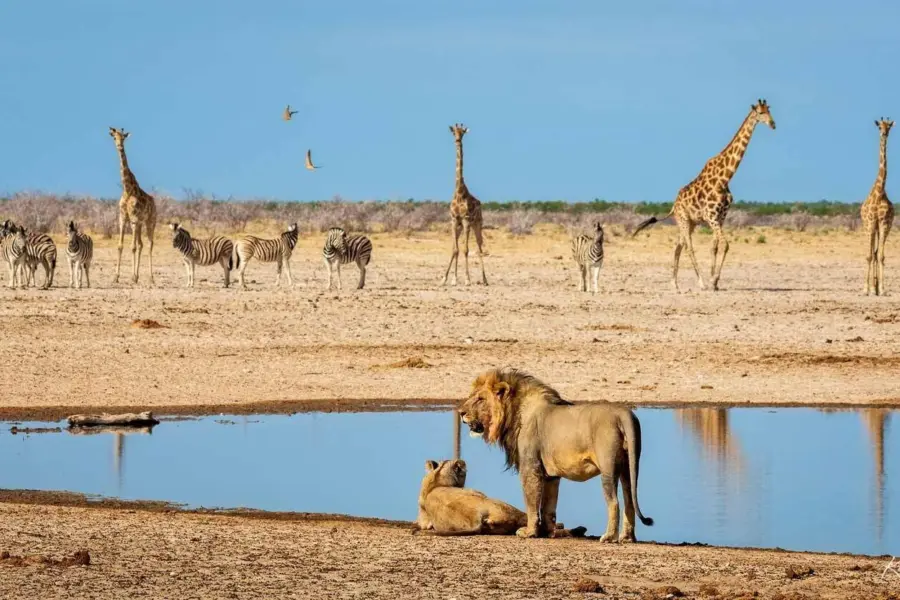
Located just south of the Etosha National Park border, Etosha South forms the southern region of this wild paradise. Ongava Private Game Reserve shares the southern border with Etosha National Park and offers a range of luxury lodges overlooking picturesque landscapes dotted with abundant flora and fauna. The national park can be accessed via the southern entrance at Andersson's Gate. Visitors can catch a glimpse of a variety of wildlife including: lion, giraffe, elephant, white and black rhino. Popular activities include game drives, tracking rhinos on foot, guided nature walks or watching the sunset over this beautiful landscape.
Etosha West
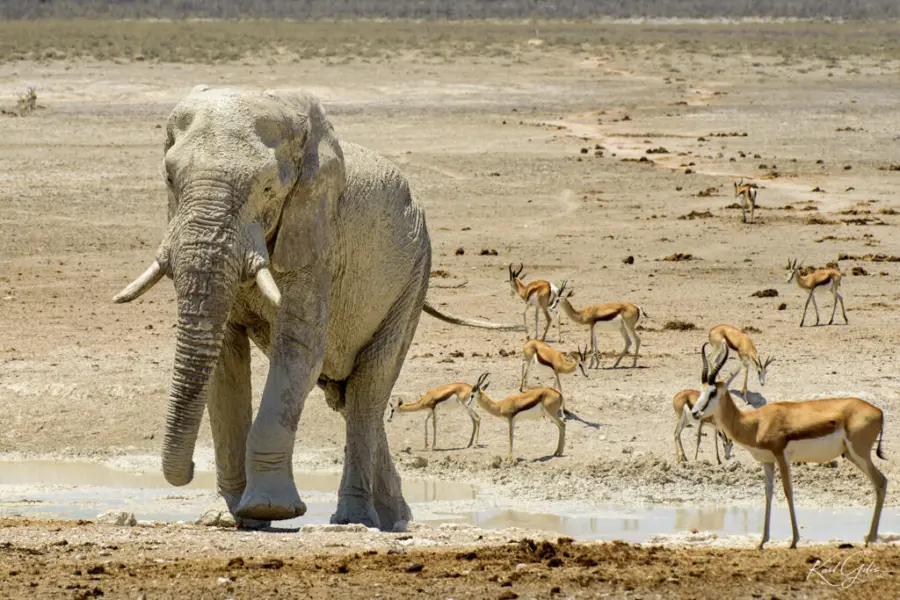
Etosha West, located in the western part of Etosha National Park, is a new addition to this world-renowned nature reserve. Visitors to Etosha West can look forward to exploring the beautiful Namibian landscape to the north, which is characterised by lush undulating terrain and reddish-brown soil, providing a stark contrast to the white, dusty clay soil on the vast plains of Etosha East. The area has numerous waterholes that attract elephants, rhinos, leopards, lions and several species of animals. Don't miss this chance to catch a glimpse of the rare Hartmann's Mountain Zebra and black-faced impala.
Etosha National Park
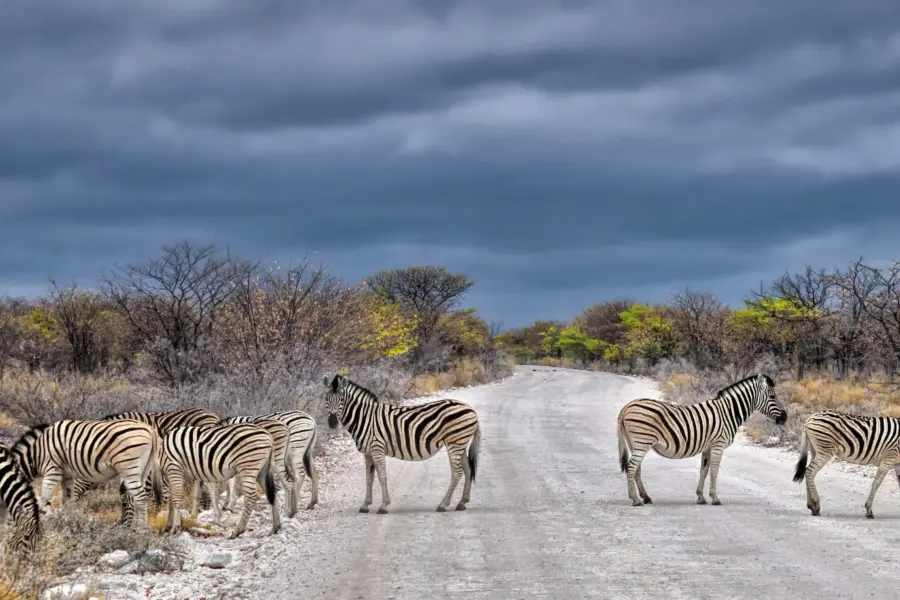
Etosha means ‘Big White Spot’ and is one of the larger nature reserves in Southern Africa. The park is roughly three-quarters the size of the Netherlands and consists largely of a vast salt pan surrounded by bush and scrub. At the natural and man-made waterholes, you can spot large numbers of wildlife.
Elephants, zebras, lions and various species of antelope can be found at these waterholes, which are vital for survival during times of drought. Some of the watering holes are situated closer to your accommodation, and in the evening, after dark, you can enjoy watching rhinos and large herds of elephants coming to drink. The watering holes are often illuminated, which gives this nocturnal experience a unique character.
Northern Namibia
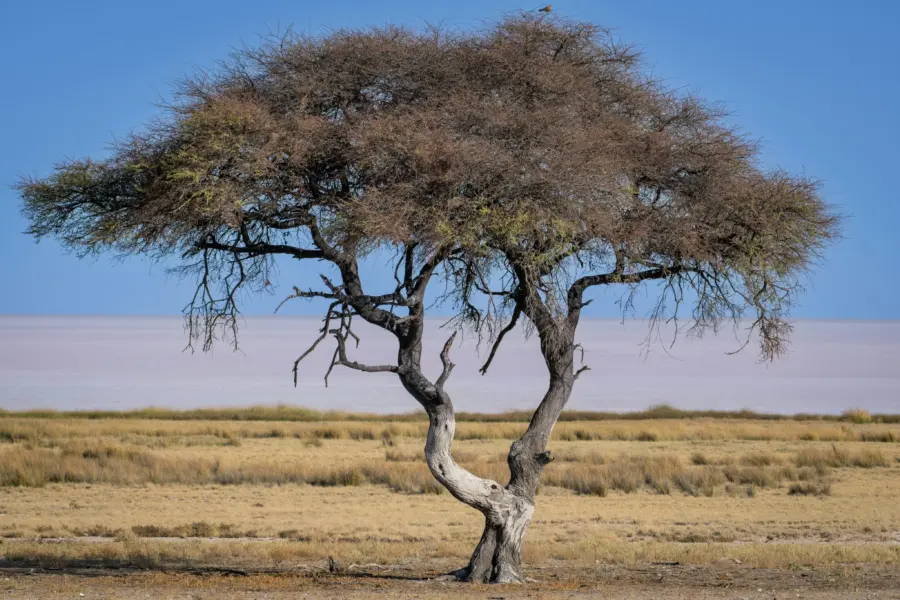
Northern Namibia stretches from the remote Kunene River in the west of the country to the densely populated region of Ovamboland in the north-east. Central Ovamboland forms part of Namibia’s vast Kalahari system and is home to one of Africa’s largest wildlife parks, Etosha National Park. The park offers phenomenal opportunities for wildlife viewing, and travellers can look forward to visiting the spectacular Etosha Pan.
Damaraland lies in the north-west, featuring some of the most impressive rock art adorning this rugged landscape. Further east, the Caprivi stretches for over 450 kilometres and is Namibia’s most tropical region. It serves as a corridor for African elephants migrating to Angola. Northern Namibia is a remote wilderness with incredible landscapes and magnificent wildlife, making it more than worth visiting.
Namibia trip | Luxury private tour Northern Namibia
We offer the described trip from €13,850 per person.
The tour price is an indication and is subject to factors including availability and travel dates.
Included
• International flights between Windhoek and Johannesburg in Economy Class (including 20kg of hold luggage)
• Domestic private charter flights (including 15kg of luggage in soft-sided travel bags without wheels)
• Accommodation in excellent and distinctive lodges, tented camps and hotels
• All meals as specified in the ‘itinerary’
• All necessary private transfers as specified
• All excursions as listed in the ‘programme’
• Meet & Greet on arrival
• Detailed day-by-day itinerary including local tips and route descriptions
• National Geographic or similar travel guide
• Booking fees (worth €50)
Positive impact of your trip:
• A contribution of €100 per person towards positive impact via the Avila Foundation
• Accommodation at Wilderness Serra Cafema
Not included
• Intercontinental flights to and from Johannesburg
• Room category upgrade
• Travel and/or cancellation insurance
• Visa fees
• National park entrance fees, where applicable
• Meals and excursions not specified
• Contribution to the emergency fund (€2.50 per booking)
• SGR contribution (€5 per person)
• Any tips