
 en


- Signature
- 18-day trip
- From €10,750 p.p.
Chile trip | Luxury expedition cruise Ponant along the Chilean fjords
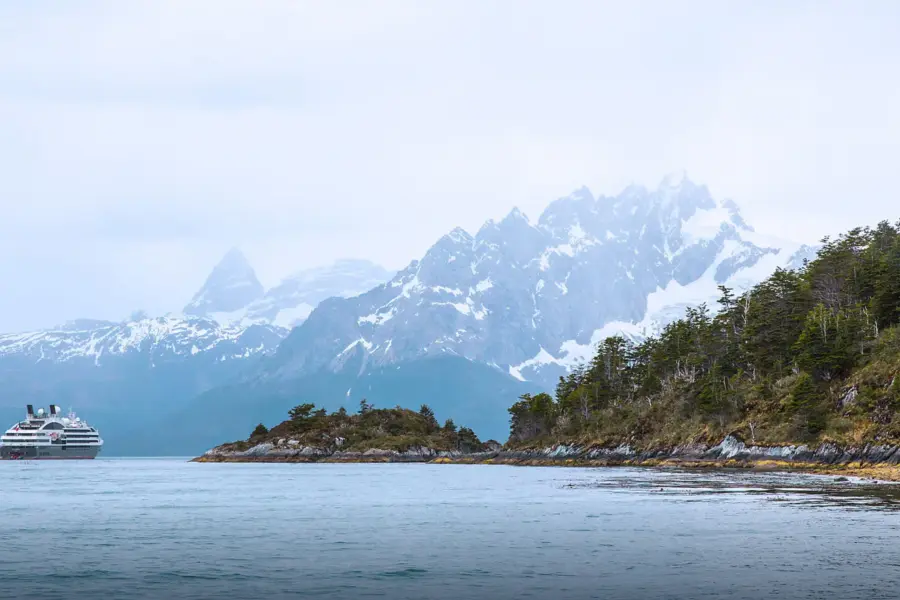
Join us on a journey to the Chilean fjords with their winding channels, snow-capped mountains, majestic glaciers and narrow passages. PONANT invites you aboard Le Lyrial for a 15-day expedition cruise to the heart of South America’s extraordinary landscapes. Setting sail from Valparaíso, you’ll discover Quemchi, an authentic village on the lush island of Chiloé. After a cruise through the Pulluche Channel, you’ll reach the remote village of Tortel, which seems to float above the water and is renowned for its characteristic wooden footbridges that serve as streets.
You will then sail to the impressive El Brujo and Pie XI glaciers. You’ll enjoy an unforgettable experience as you sail through the Strait of Magellan and then admire the gigantic Agostini and Garibaldi glaciers, before entering Cape Horn, surrounded by the breathtaking landscape of Tierra del Fuego National Park. On Navarino Island, you’ll dock at Puerto Williams, a charming fishing port considered by the Chileans to be the southernmost town in the world. Finally, you’ll set course for Argentina and reach Ushuaia, the final destination of this unforgettable journey.
Travel programme
Travel overview
- Day 1 Flight to Chile
- Day 2 Arrival in Chile and stay in Valparaiso
- Day 3 Departure from Valparaiso
- Day 4 – 5 Days at sea
- Day 6 Arrival in Quemchi, Chiloé Island
- Day 7 Sailing through the Pulluche Channel
- Day 8 Tortel fishing village
- Day 9 Pio XI Glacier
- Day 10 Visit the El Brujo and Skua glaciers
- Day 11 Fjord of the Mountains
- Day 12 Sailing through the Strait of Magellan
- Day 13 Tuckers Islands & Agostini Glacier
- Day 14 Garibaldi Glacier
- Day 15 Sailing around Cape Horn
- Day 16 Visit to Puerto Williams
- Day 17 Arrival at the port of Ushuaia
- Day 18 Departure from Argentina
- Day 19 Arrival
Arriving in Chile and staying in Valparaiso

Today you will arrive in Santiago de Chile, situated between the majestic Andes and the coast. This capital city is the country’s major metropolis and, thanks to its location, the natural hub of any tour of Chile.
You’ll travel by private transfer to the picturesque port city of Valparaíso, where you’ll spend the night. This former capital lies 120 kilometres from Santiago and has at least as much cosmopolitan flair as the current capital. The afternoon and evening of your arrival are yours to spend as you wish. Why not visit one of the houses of the famous writer Pablo Neruda, who became renowned for his poetry, or explore the neighbourhood around your hotel?
The next day, you can take a stroll through the city’s winding streets, where artists have ensured that Valparaíso now resembles one huge open-air theatre. We also highly recommend taking a ride on one of the ‘acensores’. These are a kind of rack-and-pinion train used as a lift, taking you up and down the hills of Valparaíso from one level of the city to another.
Included
• Meet and greet on arrival
• Private transfer with a guide to your hotel
• Overnight stay including breakfast
Departure from Valparaiso
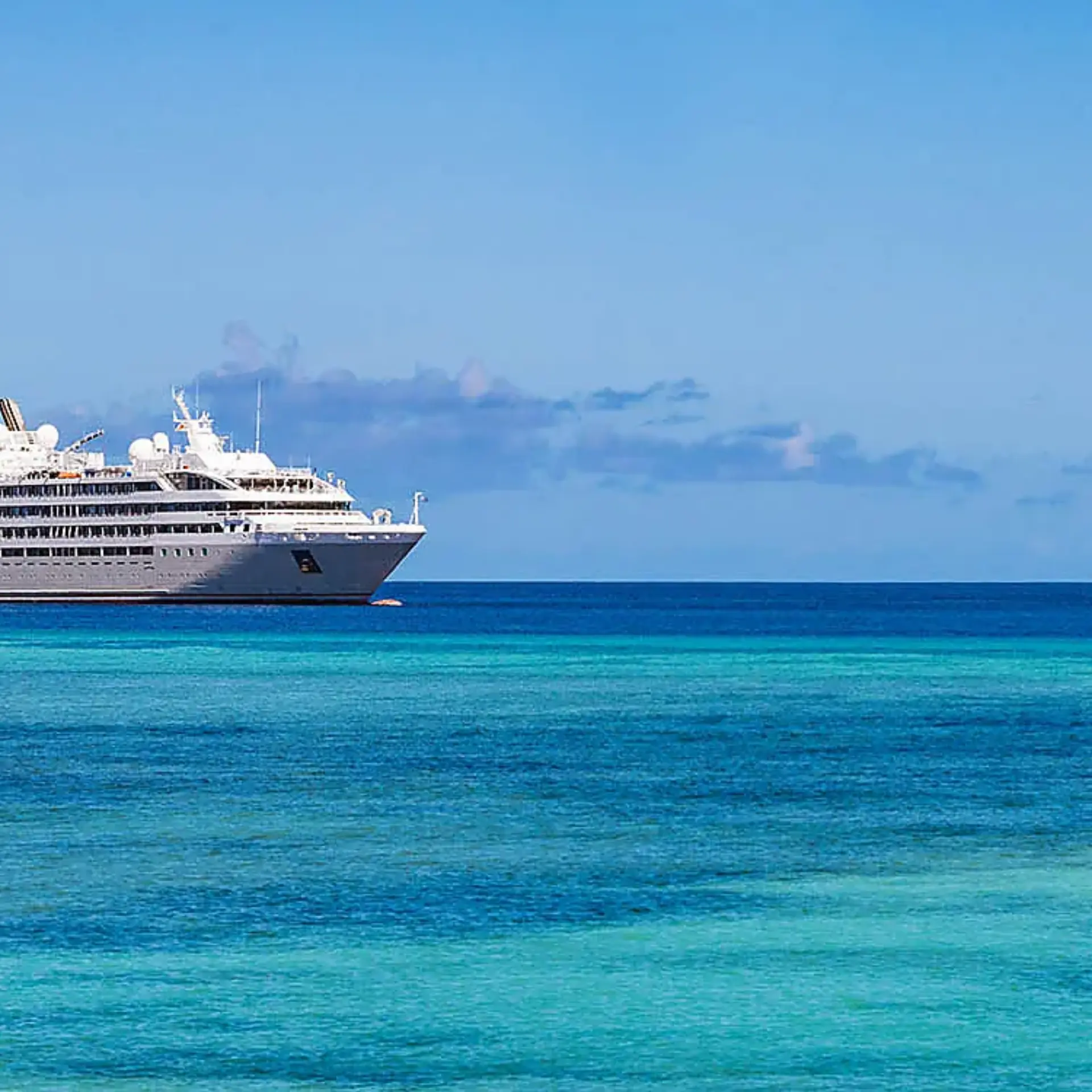
Today marks the start of your once-in-a-lifetime adventure! Step aboard Le Lyrial for a 15-day expedition cruise to the heart of the magical Chilean fjords. Over the coming days, enjoy winding waterways, snow-capped mountains, majestic glaciers and narrow passages. A stunning region that you’ll be exploring in the days ahead, accompanied by your specialist guides.
Boarding timetable:
- 16:00 - 17:00: Embarkation on board your expedition cruise ship
- 18:00: Departure from Valparaiso
Included
• Transfer to the port
• 15 days/14 nights on board the Le Lyrial operated by PONANT on a full-board basis, including activities
Days at sea
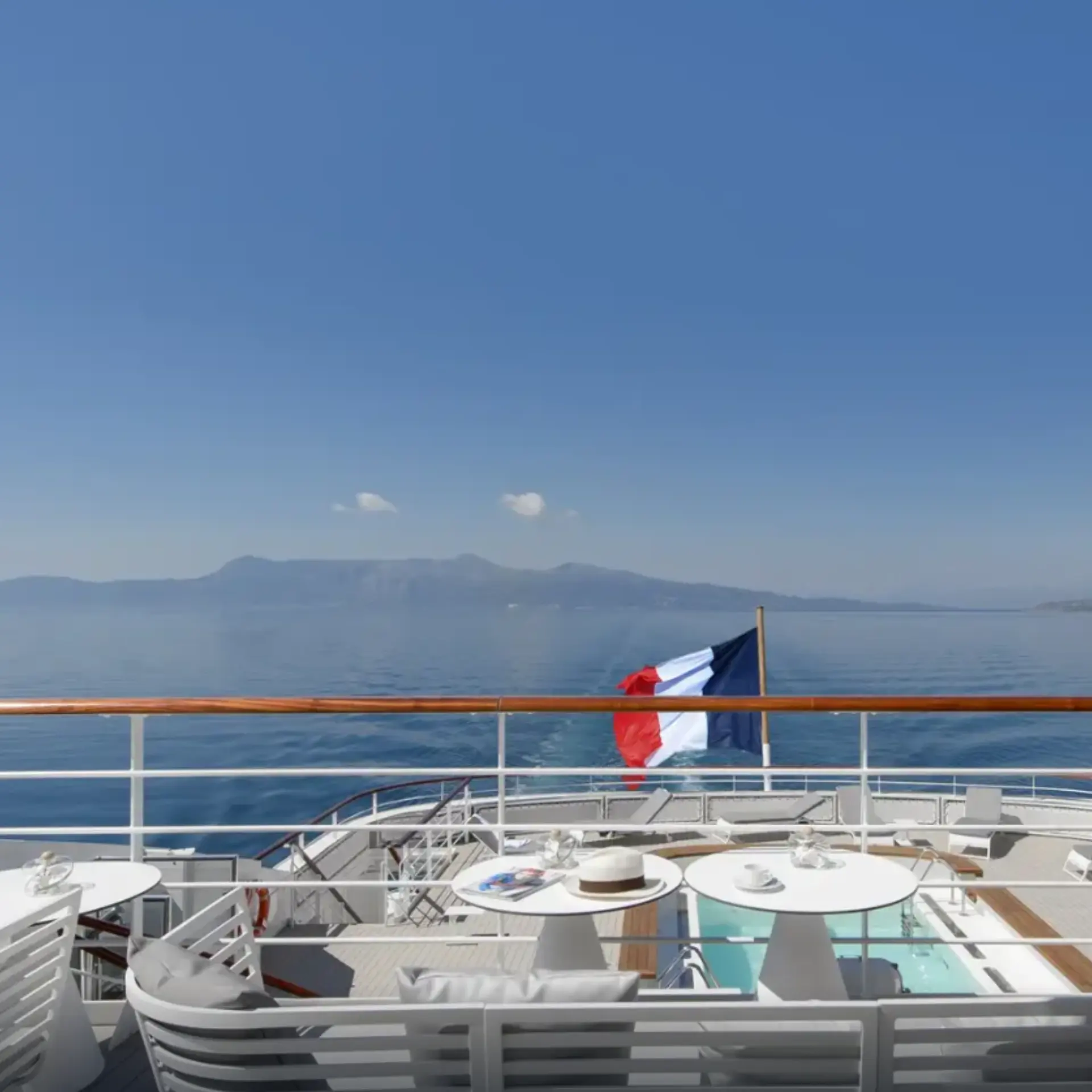
Over the coming days, you’ll sail along the Chilean coast across the South Pacific Ocean. Enjoy the many exclusive services and activities on board. Let yourself be pampered in the spa or keep active in the gym. Depending on the weather, you can take a refreshing dip in the swimming pool or relax whilst sunbathing on deck.
These days at sea are also the perfect opportunity to attend inspiring talks and entertaining shows, shop in the boutique or meet the PONANT photographers in their dedicated space. And for lovers of the endless ocean, there’s the upper deck, where you can enjoy breathtaking views of the waves – and, with a bit of luck, even spot some impressive marine mammals!
Included
• 15 days/14 nights on board PONANT’s Le Lyrial on a full-board basis, including activities
Arrival Quemchi, Chiloe island
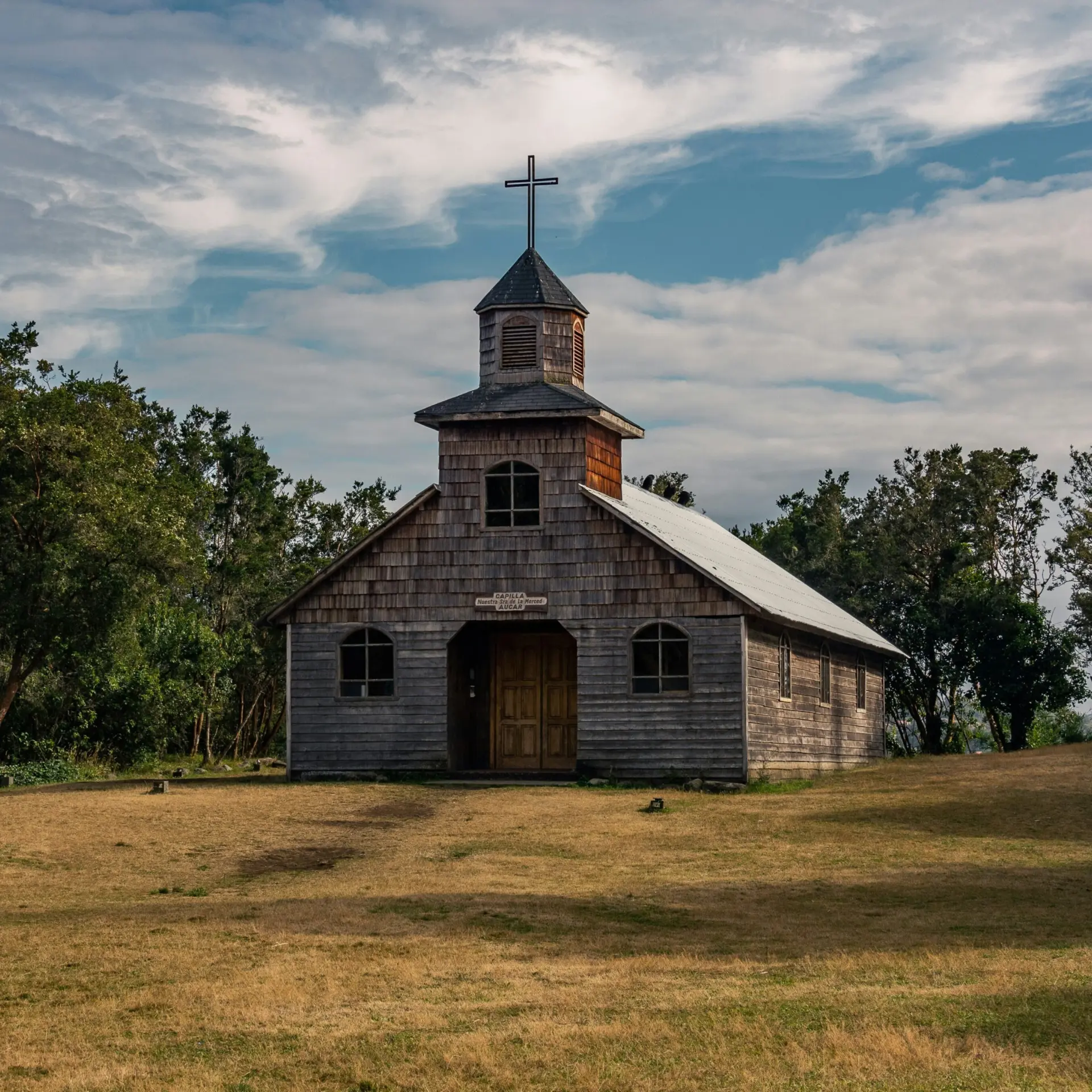
After a few days at sea, you’ll arrive today at the small fishing harbour of Quemchi on the east coast of the island of Chiloé. With its authentic charm, beautiful wooden houses, narrow streets lined with little shops and lively fish market, this remote village is sure to enchant you.
Be sure to visit the museum dedicated to Francisco Coloane, the famous Chilean writer and adventurer who was born in these southern lands. Not far from there lies the small island of Isla Aucar, accessible via a wooden footbridge. Here you can spot a wide variety of birds and explore a magnificent botanical garden, home to many native plant species from the region.
Included
• 15 days/14 nights on board PONANT’s Le Lyrial on a full-board basis, including activities
Cruising through the Pulluche Canal

Close to the impressive Peñón de Lobos (‘Wolf Rock’) in Chile lies the enchanting Pulluche Channel, tucked away to the north-west of Monte Prieto and the mysterious island of Sin Nombre, literally ‘the nameless island’. This hidden gem in the Aysén region of General Carlos Ibáñez del Campo, in the south of the country, offers a breathtaking sailing route through a labyrinth of islands, channels and majestic fjords.
During your journey, you’ll be surrounded by a spectacular backdrop of unspoilt nature. Lake San Rafael, recognised by UNESCO as a Biosphere Reserve since 1979, is a true paradise teeming with lush rainforests and an incredible variety of wildlife. From elegant seabirds such as the eyebrow albatross and cormorants to playful marine mammals such as seals, sea lions and walruses. This is an adventure that immerses you in the pure magic of Patagonia!
Included
• 15 days/14 nights on board PONANT’s Le Lyrial on a full-board basis, including activities
Fishing village of Tortel
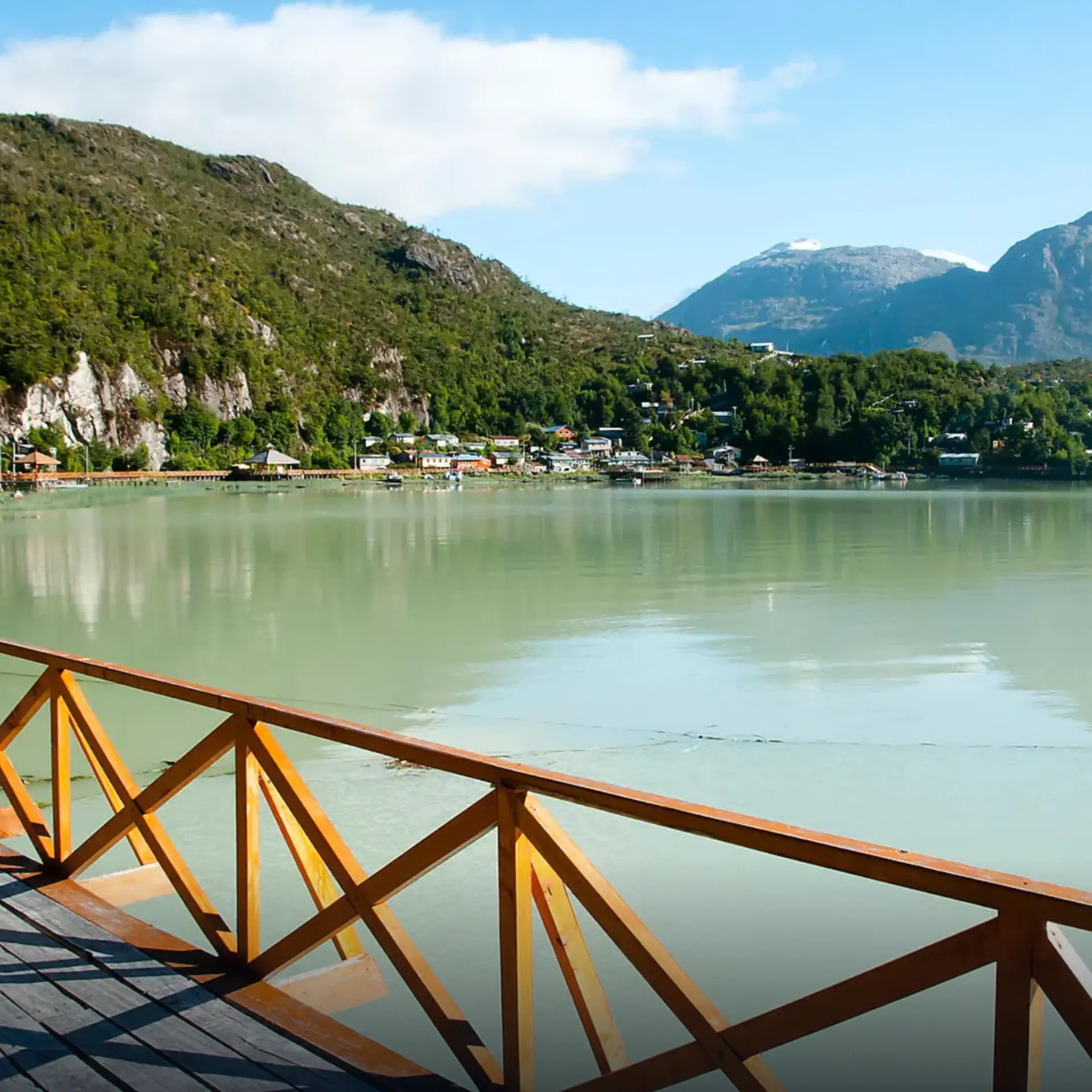
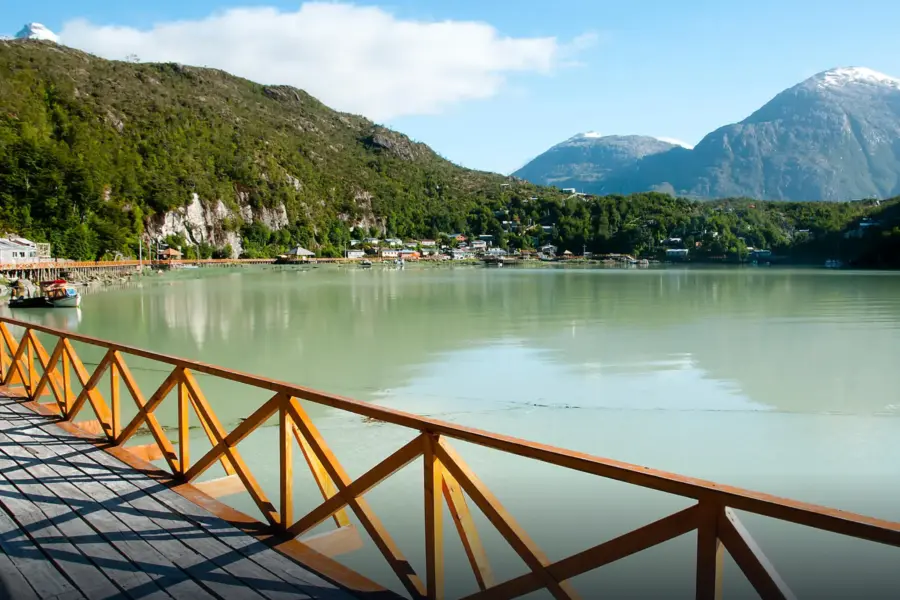
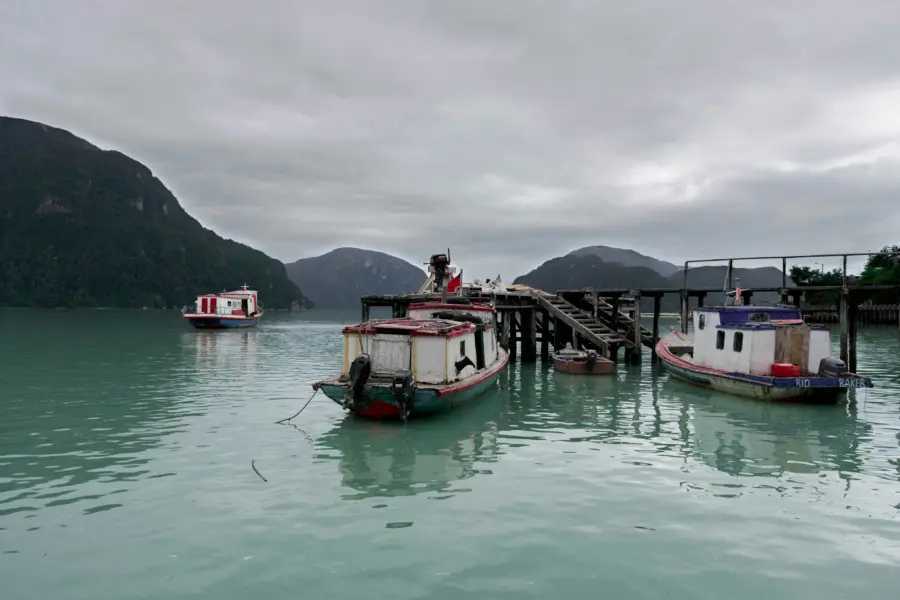
You’ll arrive at the picturesque and colourful fishing village of Tortel, which is beautifully situated in the heart of Southern Patagonia, halfway between Puerto Montt and Cape Horn. From the narrow streets and wooden footbridges, you can enjoy a breathtaking panorama of rolling mountains, dense forests and the crystal-clear waters of the Pacific Ocean.
Step onto one of the many wooden pontoons and admire the view as you seem to float a few metres above the water. Throughout the village, you’ll come across sculptures created by local artists – a wonderful introduction to this warm and welcoming community.
Included
• 15 days/14 nights on board PONANT’s Le Lyrial on a full-board basis, including activities
Pio XI Glacier
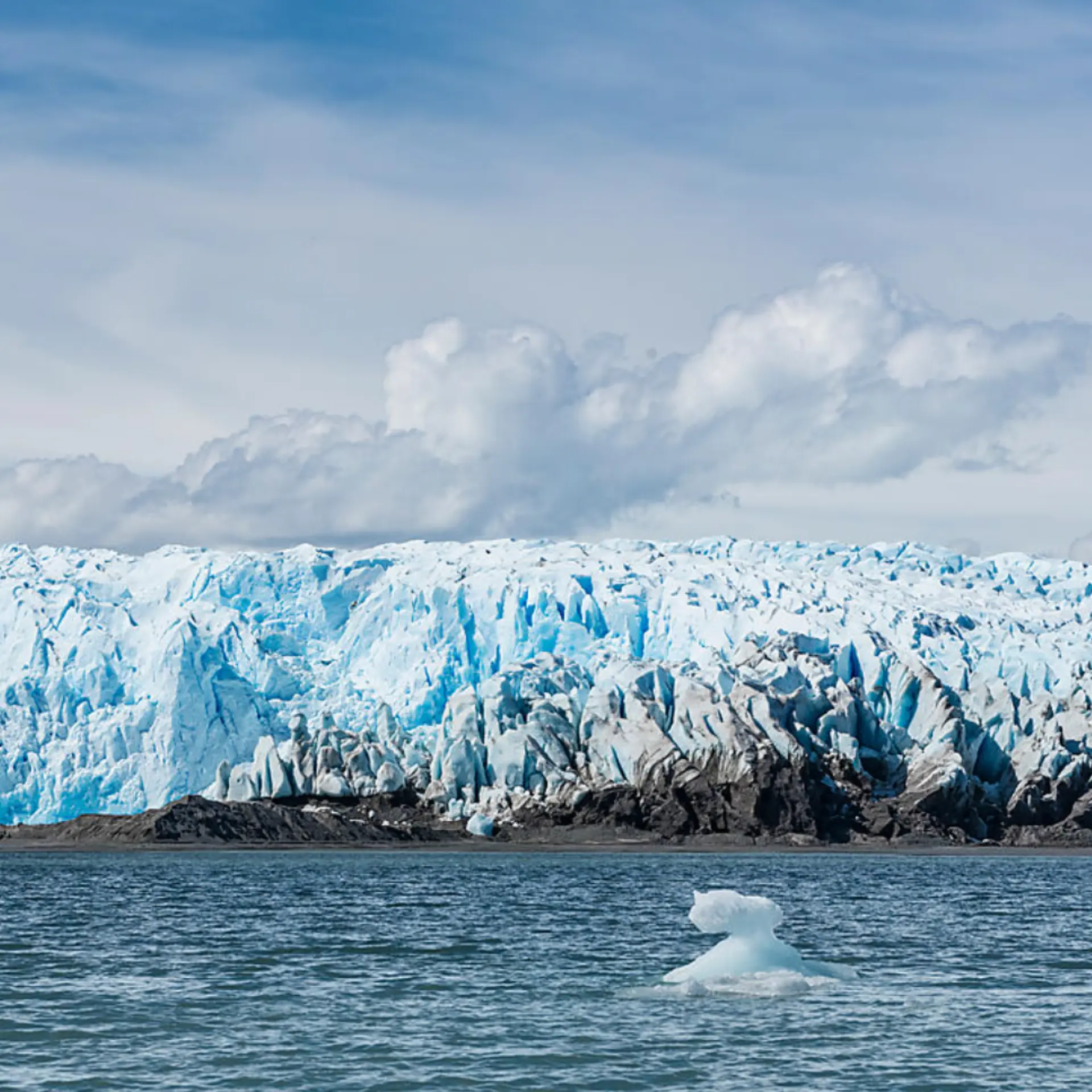
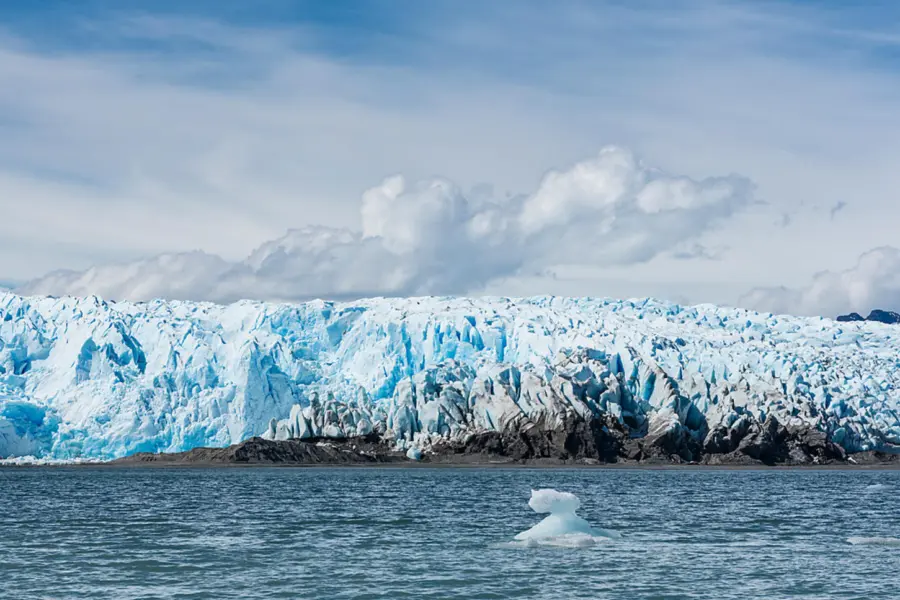
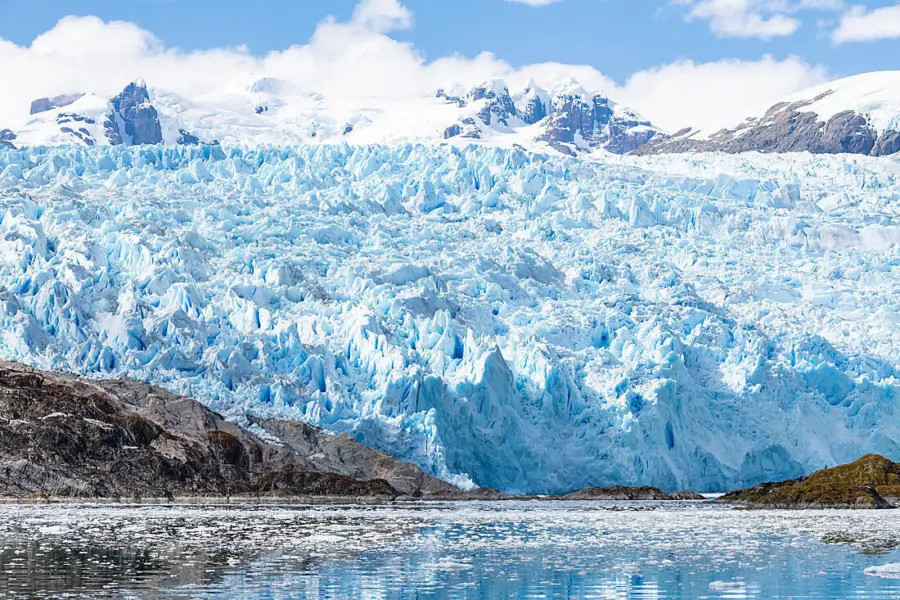
Today’s itinerary features one of the most impressive natural wonders of Chilean Patagonia: the Pie XI Glacier, also known as the Brüggen Glacier. Around midday, you will reach this imposing glacier, which, with an area of over 1,200 km², is the largest glacier in the South Patagonian Ice Field.
From the ship, a spectacular landscape of rugged mountains, deep fjords and a vast world of ice unfolds before you. The enormous ice masses and the impressive shades of blue at the glacier’s front make the Pie XI an unforgettable sight. In the early afternoon, the ship continues its journey, whilst the Patagonian landscape slowly fades from view.
Included
• 15 days/14 nights on board PONANT’s Le Lyrial on a full-board basis, including activities
Visit El Brujo and Skua glaciers
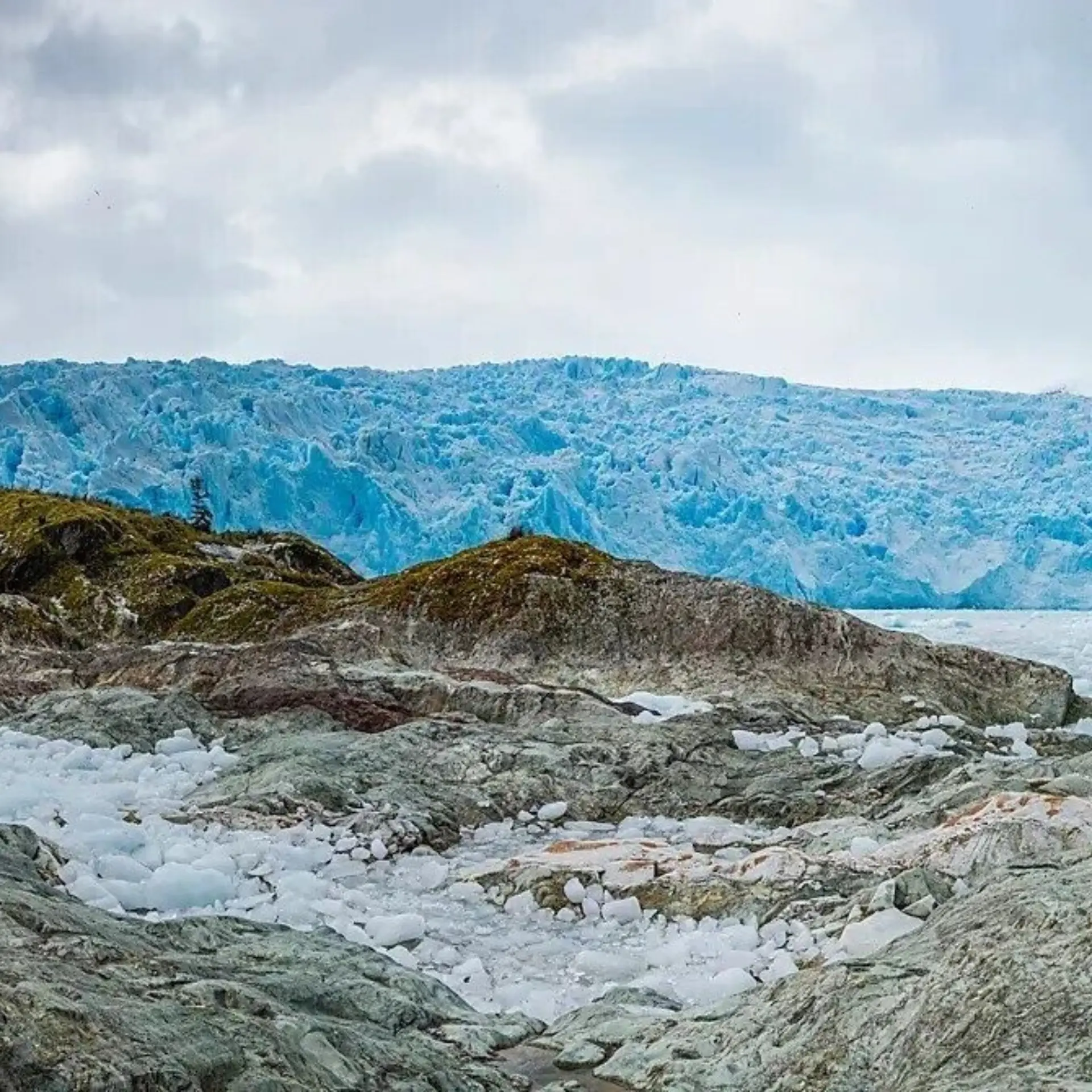
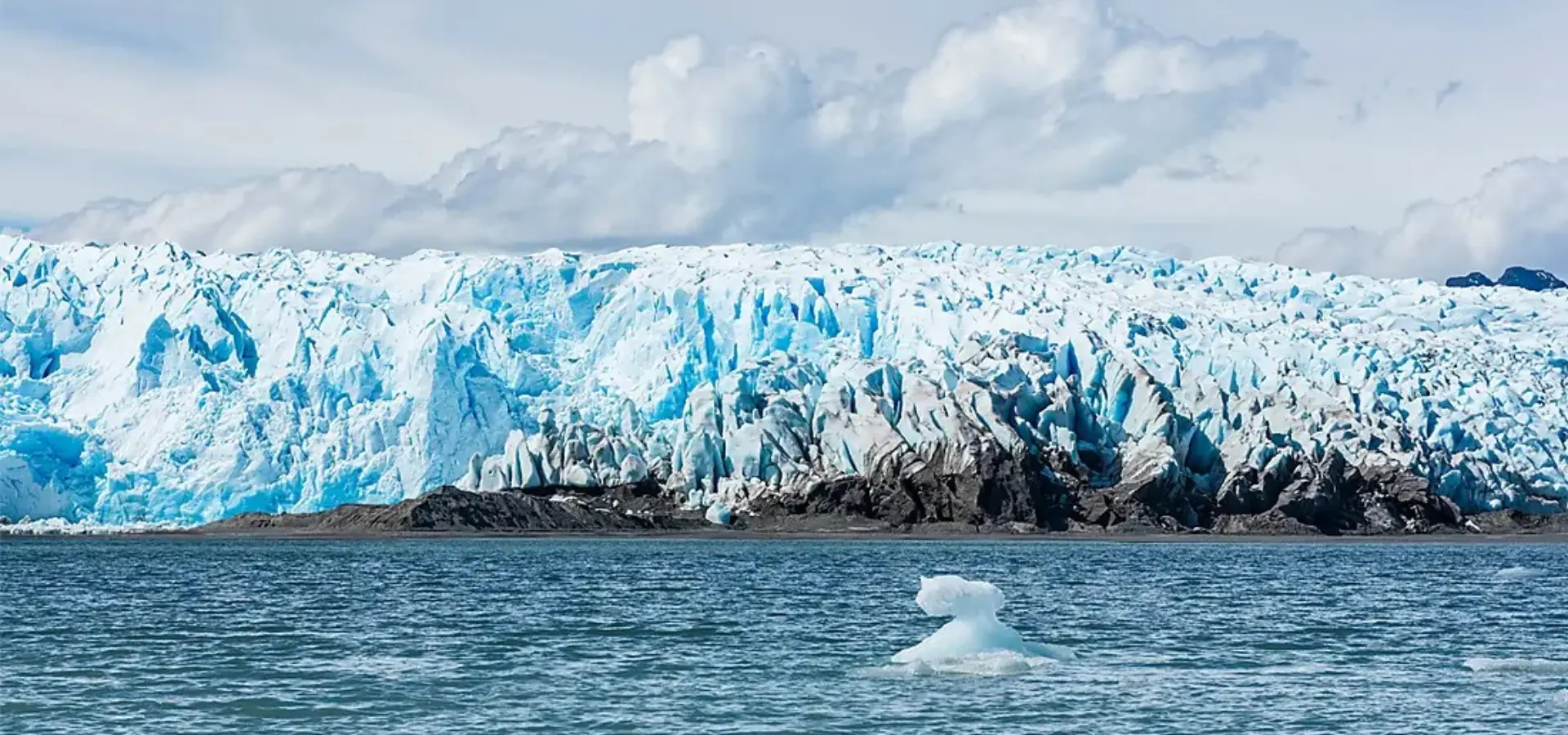
Start the day with a visit to the breathtaking El Brujo Glacier, situated in the heart of Bernardo O’Higgins National Park, Chile’s largest protected natural area. This imposing wall of ice has been shaped and sculpted by the force of the wind. This magical natural setting, vast and unspoilt, is constantly changing as the light plays across the glistening ice floes. The sight is simply enchanting and reveals the sheer splendour of Patagonia.
You will then sail on to the Skua Glacier, also known as the Amalia Glacier. The glacier is situated in the heart of the Southern Patagonian Ice Field, where the various national parks converge. Marvel at the magical spectacle of endless shades of blue, whilst occasionally hearing the impressive sound of the ice cracking. A truly special moment.
Included
• 15 days/14 nights on board PONANT’s Le Lyrial on a full-board basis, including activities
Fjord of the Mountains
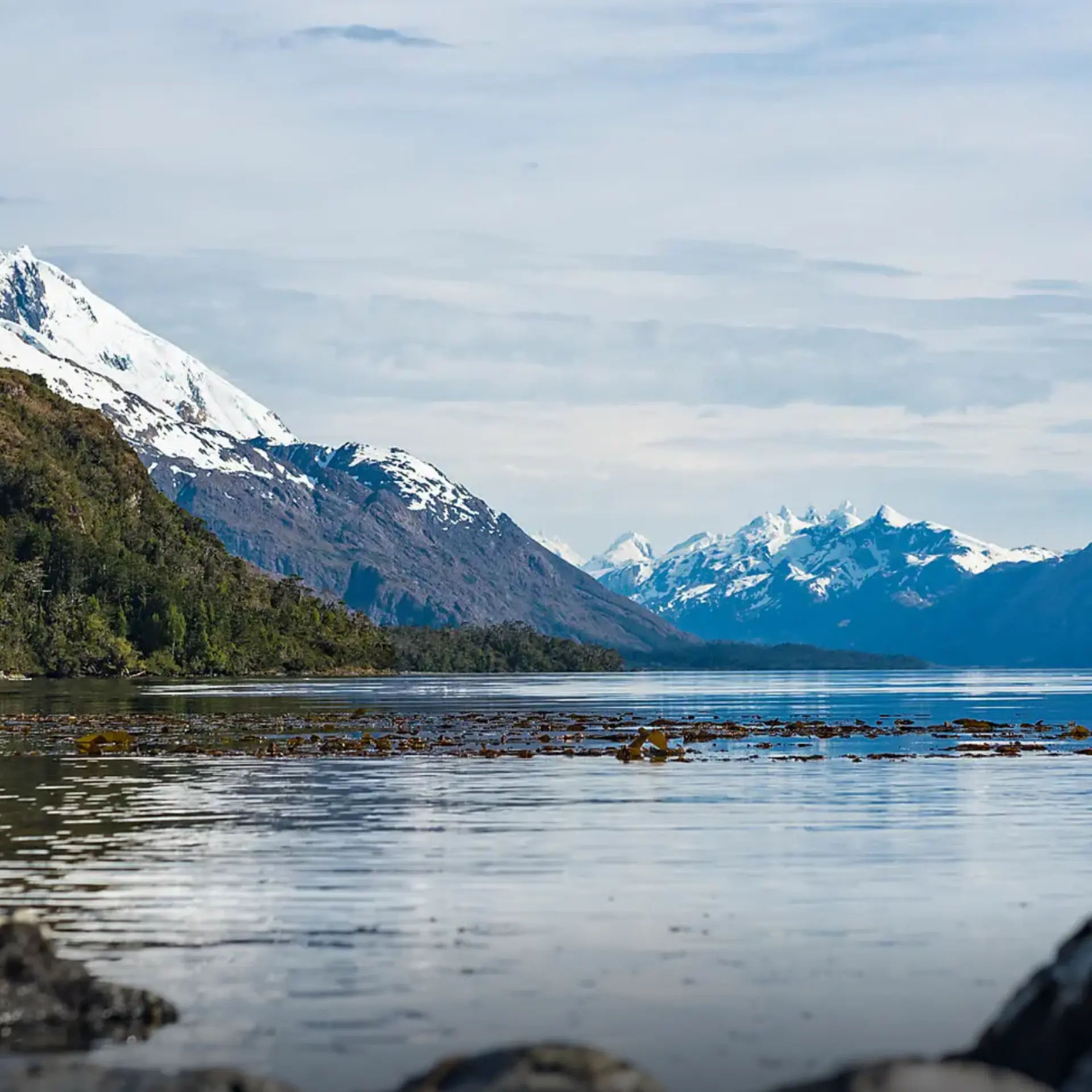
The next stop is Estero las Montanas also known as Fjord of the Mountains or Channel of the Mountains. Located mostly in the Alacalufes National Reserve, this former glacial valley, now flooded with water, seems to stretch endlessly inland. Surrounded by high mountains with lush slopes and fringed by countless glaciers in different shades of blue, it will be a highlight of your cruise.
Included
• 15 days/14 nights on board PONANT’s Le Lyrial on a full-board basis, including activities
Cruising through the Straits of Magellan
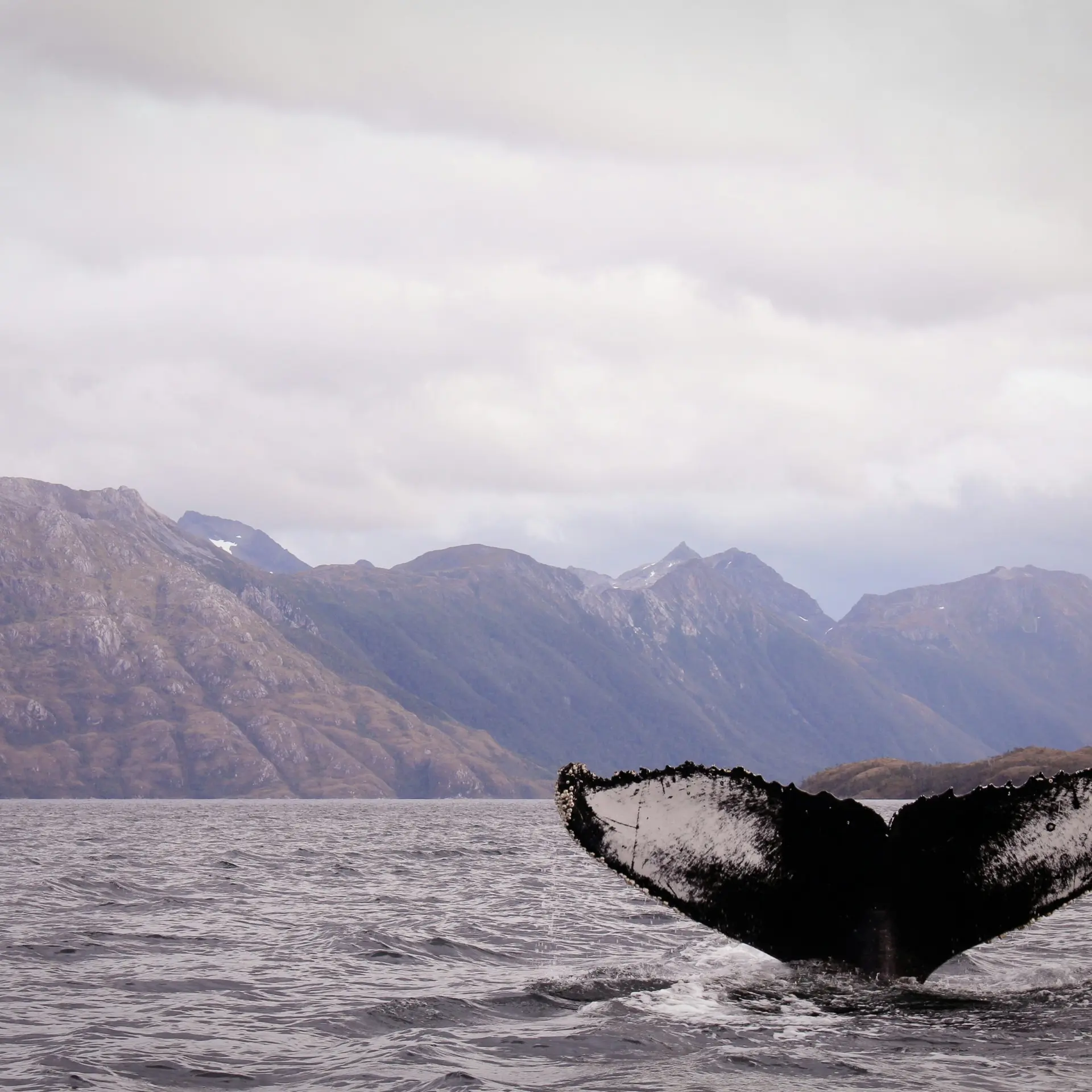
The cruise takes you through the legendary Strait of Magellan, in the far south of Chile, which separates South America from Tierra del Fuego. Follow in the footsteps of the famous Portuguese explorer Ferdinand Magellan, known for organising the first circumnavigation of the globe in the 16th century.
Sail the 600 km that separate the Atlantic Ocean from the Pacific Ocean, and discover the historic sea route that was long known as the ‘Strait of All Saints’, as Magellan first sailed through it on All Saints’ Day. An adventure you won’t forget in a hurry!
Included
• 15 days/14 nights on board PONANT’s Le Lyrial on a full-board basis, including activities
Tuckers Islands & Agostini Glacier
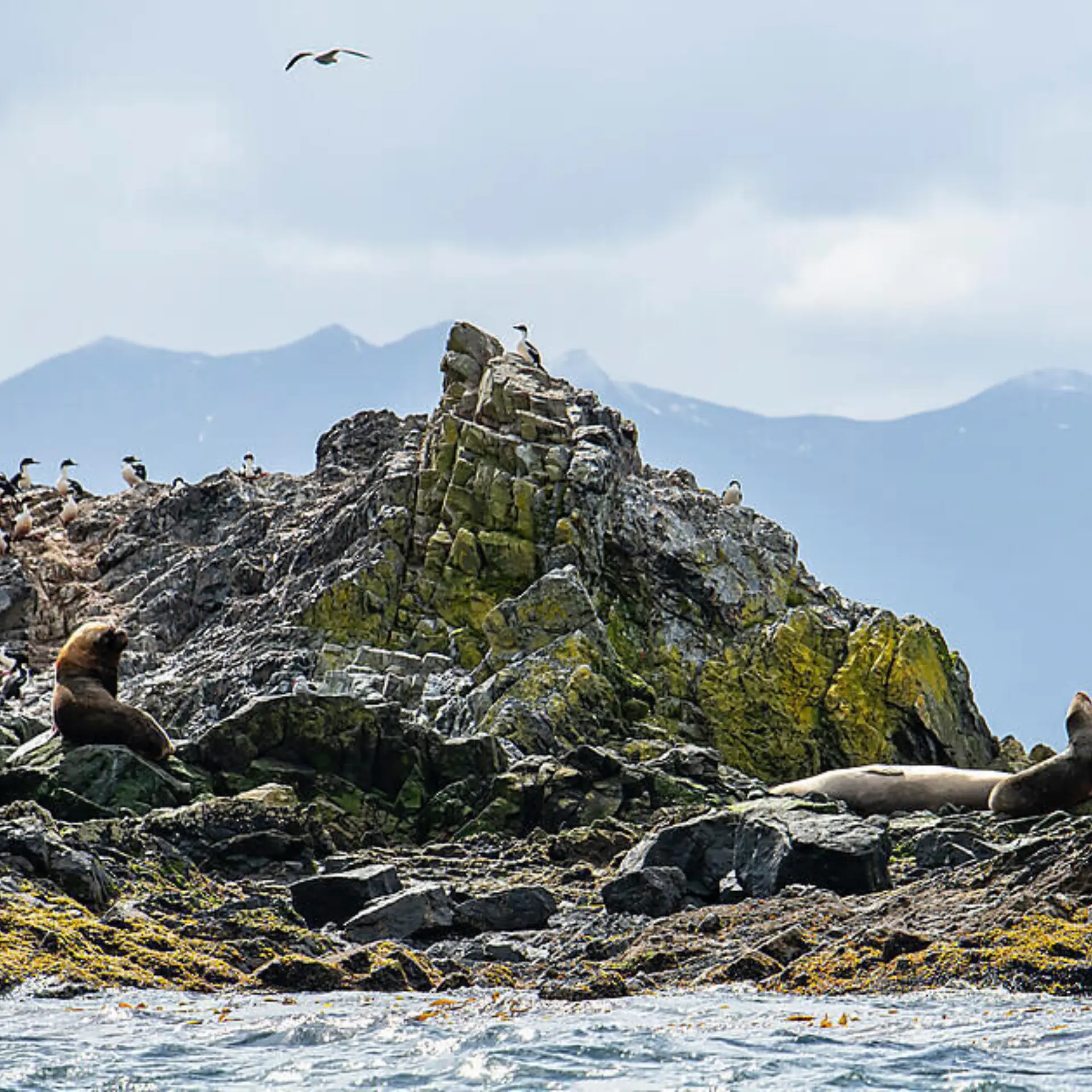
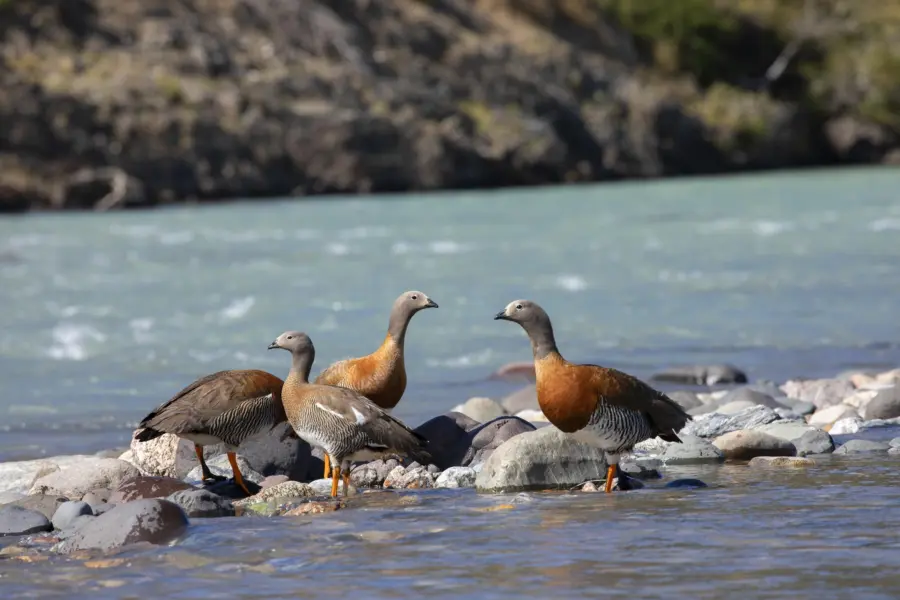
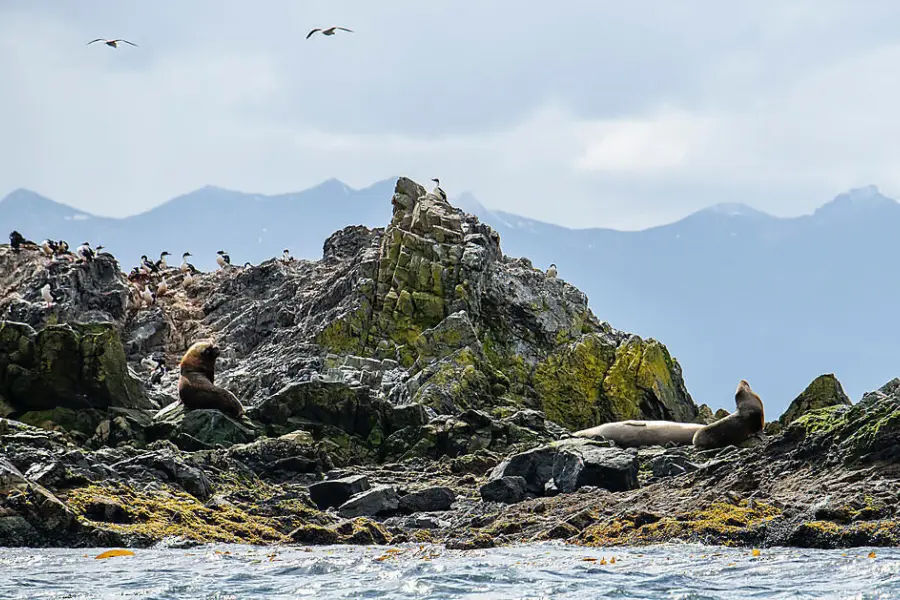
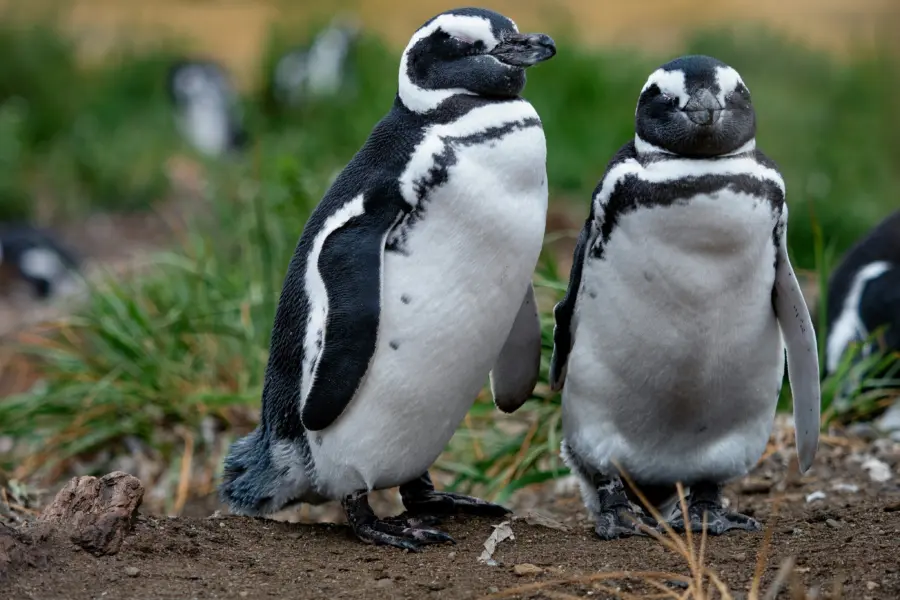
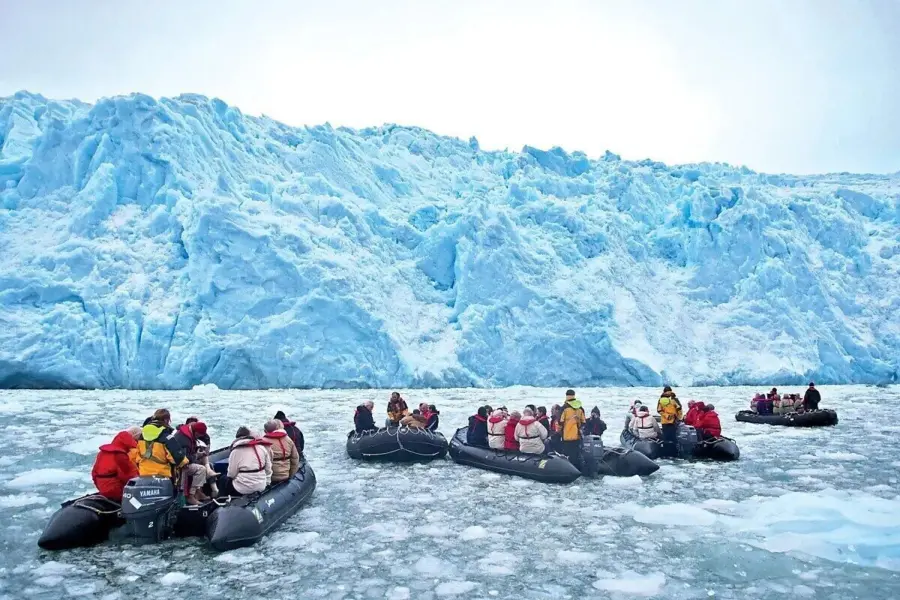
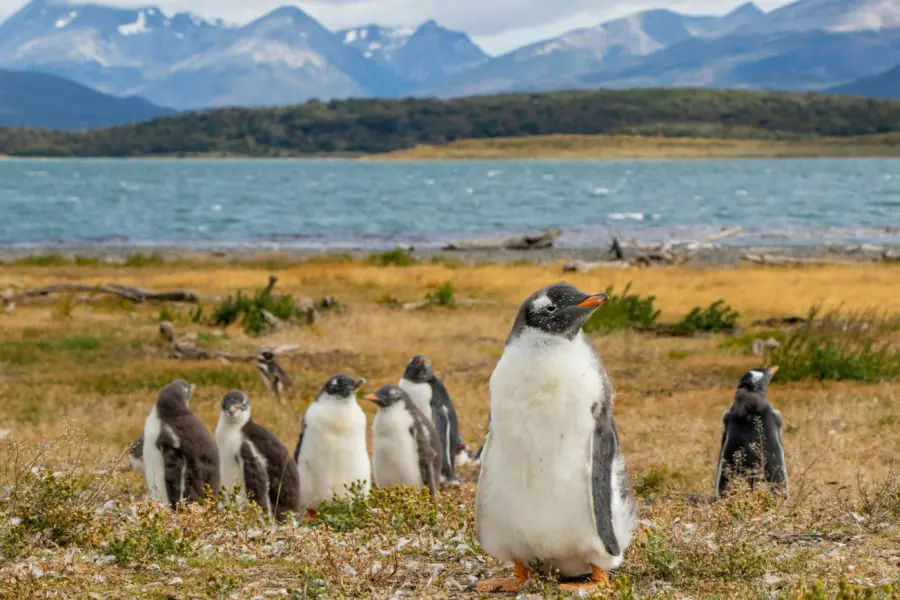
The day begins early at the Tuckers Islands, a small and remote archipelago in the Strait of Magellan, situated between Tierra del Fuego and Dawson Island. During a Zodiac exploration, you’ll sail past these rugged islets, which serve as an important refuge for countless seabirds and sea lions. The pebble beaches and rocky shores are home to, amongst others, emperor cormorants, rock shags, Magellanic penguins, kelp geese and condors. A special encounter with Patagonia’s rich wildlife, far from civilisation.
In the late afternoon, the ship reaches the Agostini Glacier, situated at the end of the fjord of the same name in the impressive landscape of Tierra del Fuego. Surrounded by the snow-capped peaks of the Darwin Cordillera, the blue-tinged glacier offers a spectacular sight. The glacier is named after the Italian missionary and explorer Alberto Maria De Agostini, who explored the area extensively. As evening falls, the expedition continues its journey through the rugged landscape of Tierra del Fuego.
Included
• 15 days/14 nights on board PONANT’s Le Lyrial on a full-board basis, including activities
Garibaldi glacier
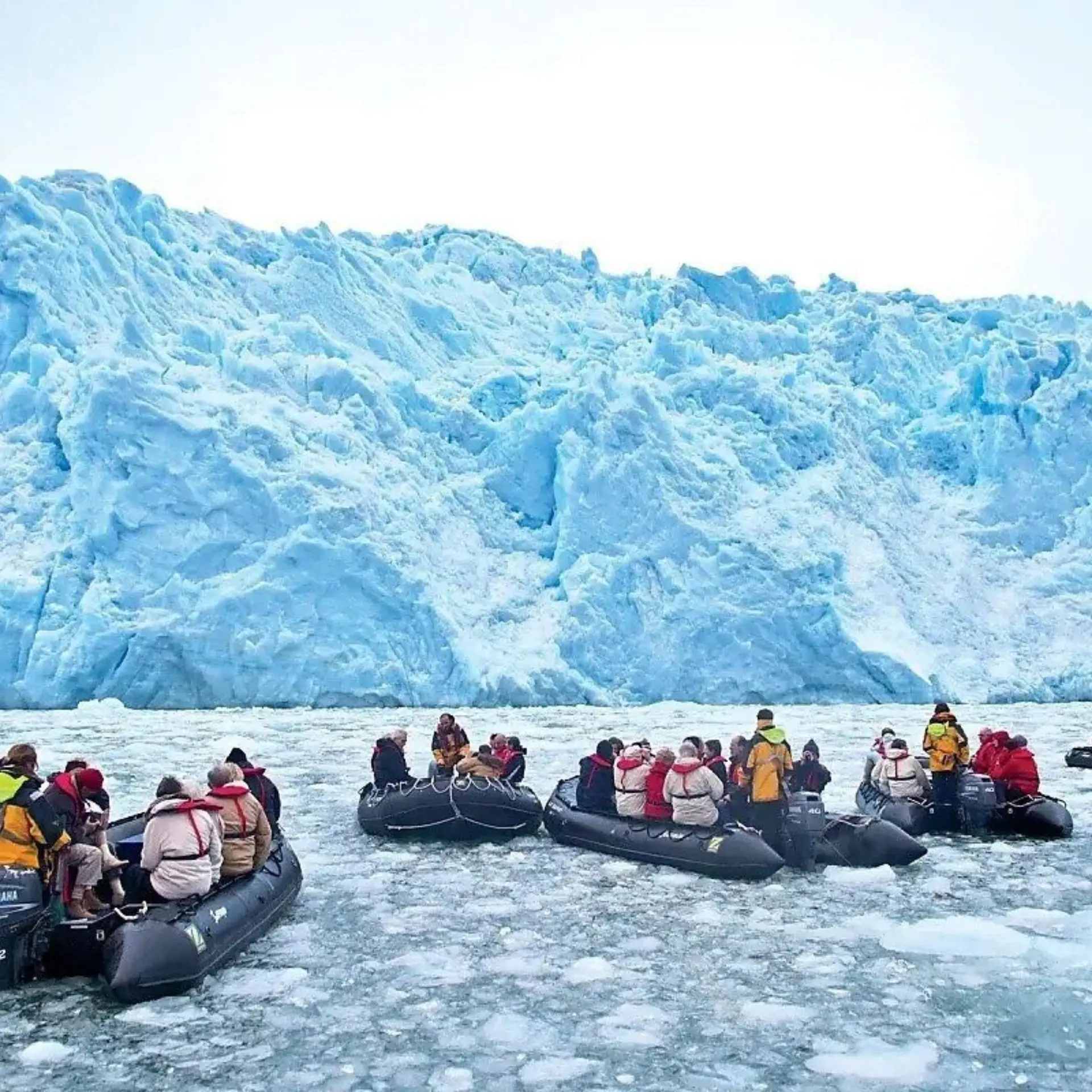
Sail through the narrow arms of the Garibaldi Fjord and be enchanted by the stunning landscapes. Lush green vegetation adorns the steep mountains, forming a beautiful contrast with the surrounding ice and snow. Further on, the majestic Garibaldi Glacier reveals itself, an imposing titan of ice rising at the end of the fjord that bears its name. Don’t be surprised if sea lions and countless birds accompany you on this magical journey to the heart of one of Chile’s most beautiful glaciers!
Included
• 15 days/14 nights on board PONANT’s Le Lyrial on a full-board basis, including activities
Sailing around Cape Horn
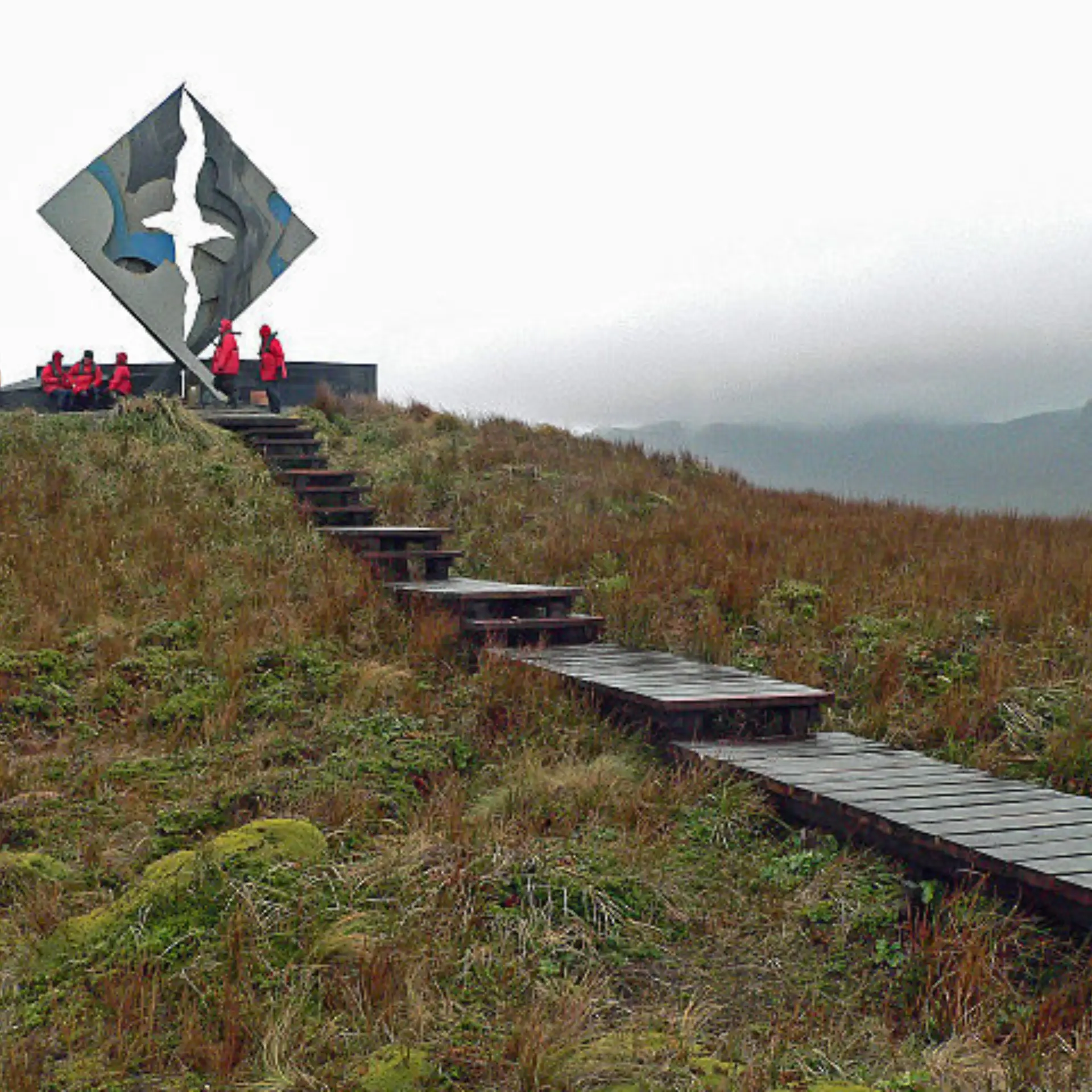
At the meeting point of the Atlantic and Pacific Oceans, you enter the breathtaking Chilean Patagonia, en route to the archipelago of Tierra del Fuego and the legendary Cape Horn. From the top of its impressive 425-metre-high cliff, this southernmost tip of South America has seen merchant sailors from all corners of the world pass by for centuries. With notorious storms and raging seas, sailing around this cape has gone down in history as the ultimate challenge for sailors.
Included
• 15 days/14 nights on board PONANT’s Le Lyrial on a full-board basis, including activities
Visit to Puerto Williams
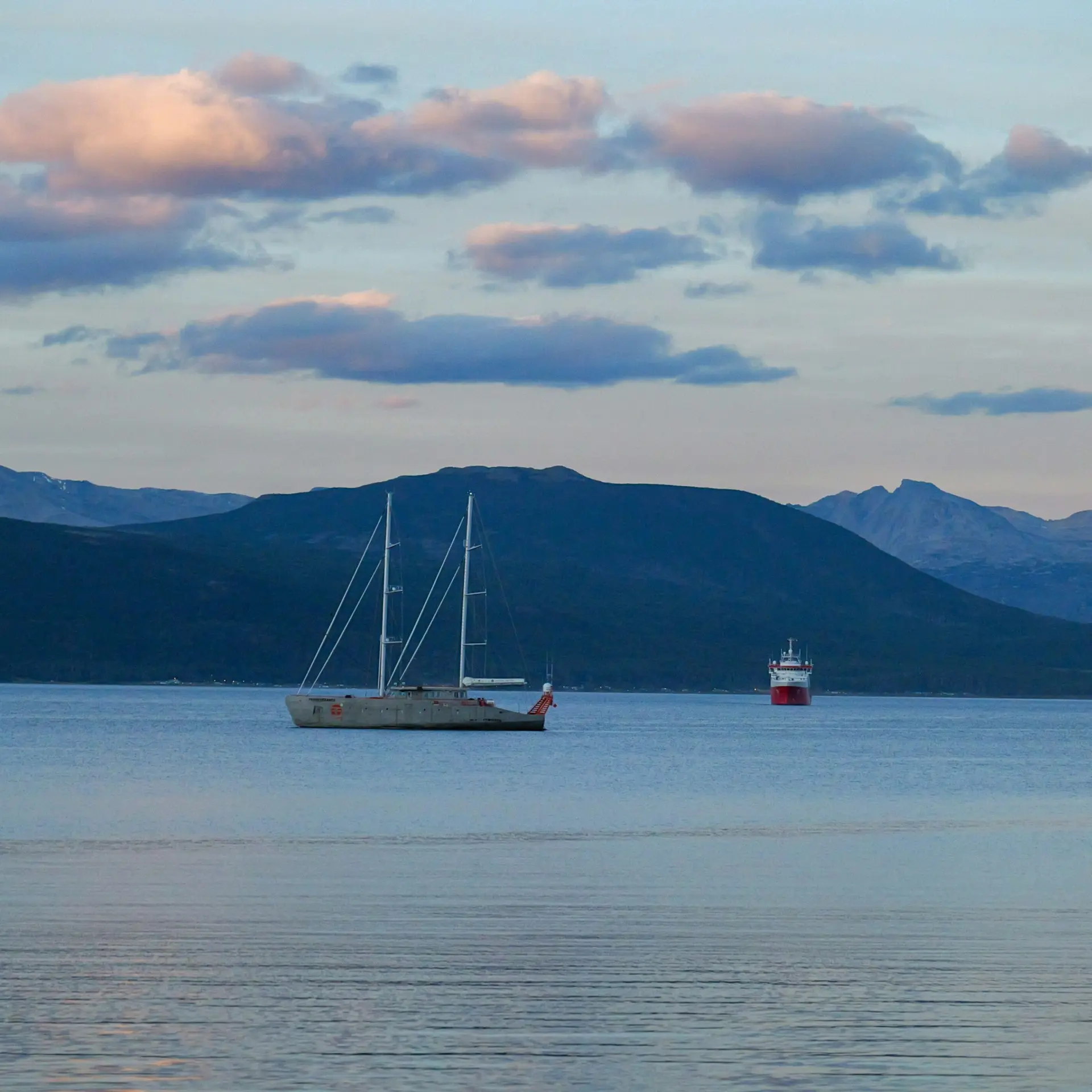
Today you’ll return to civilisation after experiencing all the natural beauty of the past few days. Situated on Navarino Island, just a few kilometres from the Argentine border, Puerto Williams is considered by the Chileans to be the southernmost town in the world. It is, above all, a charming fishing port, whose tranquillity and remote location are sure to enchant you.
Stroll through the atmospheric streets and admire the dark silhouettes of the Patagonian Andes, with their perpetually snow-capped peaks. At the Martín Gusinde Museum of Anthropology, you’ll gain a fascinating insight into the lives of the ancient indigenous people, the Yámanas, whilst the surrounding area offers beautiful walking routes through unspoilt, wild countryside.
Included
• 15 days/14 nights on board PONANT’s Le Lyrial on a full-board basis, including activities
Arrival port of Ushuaia

Your special and beautiful cruise along the Chilean fjords is slowly drawing to a close. In the morning, you’ll arrive in the port city of Ushuaia and say goodbye to the crew. You have arrived in the southernmost city in the world! Nestled between rugged, glacier-covered mountains and the Beagle Channel, this is truly a remarkable location.
A transfer will take you to the airport, from where you’ll fly on to the bustling city of Buenos Aires. You’ll spend your final night in this vibrant city, which many consider to be their favourite city in South America. The exclusive boutique hotel where you’ll be staying is owned by the famous director Francis Ford Coppola and is situated in the charming Palermo neighbourhood. The neighbourhood is divided into several sub-districts, such as Palermo Soho, Palermo Hollywood and Palermo Chico, each with its own unique character.
After arriving, take a stroll through the lively Palermo with its bohemian atmosphere, green parks, numerous boutiques, excellent restaurants and cosy bars. In Palermo Soho, you’ll also find plenty of street art, colourful graffiti walls and creative art galleries.
Tips from our Travel Specialist
It is also possible to stay in Ushuaia for a few more nights or extend your stay in Buenos Aires by a few days. Ask our travel specialists about the options!
Included
• 15 days / 14 nights on board the Le Lyrial operated by PONANT on a full-board basis, including activities
• Airport transfer
• Domestic flight to Buenos Aires
• Private transfer to your hotel with a guide
• Overnight stay including breakfast
Accommodations
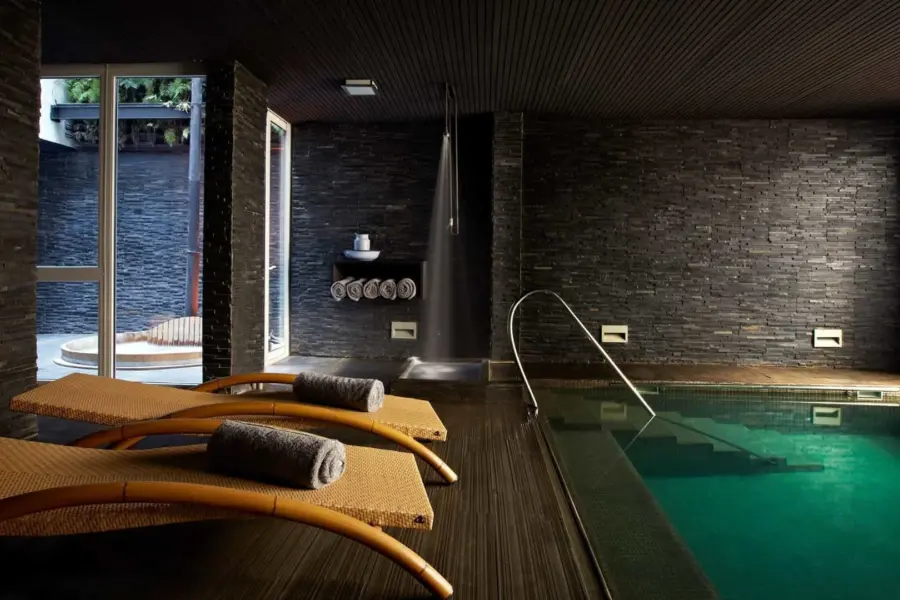
Palacio Astoreca Hotel
Located in the heart of the city's historic centre is the Palacio Astoreca Hotel overlooking the beautiful bay. The hotel is located in Cerro Alegre, steps away from the famous Paseo Yugoslavo, the Museum of Fine Arts and the Barburizza Palace. This boutique hotel features 23...
Located in the heart of the city's historic centre is the Palacio Astoreca Hotel overlooking the beautiful bay. The hotel is located in Cerro Alegre, steps away from the famous Paseo Yugoslavo, the Museum of Fine Arts and the Barburizza Palace. This boutique hotel features 23 rooms, a spa, a restaurant, a wine cellar, a bar and a library. Housed in two buildings: the palace, a fully restored national monument and an old house, whose original facade has been preserved. Both buildings have been renovated with the style and elegance of the time.
Your stay: 1 night
Le Lyrial
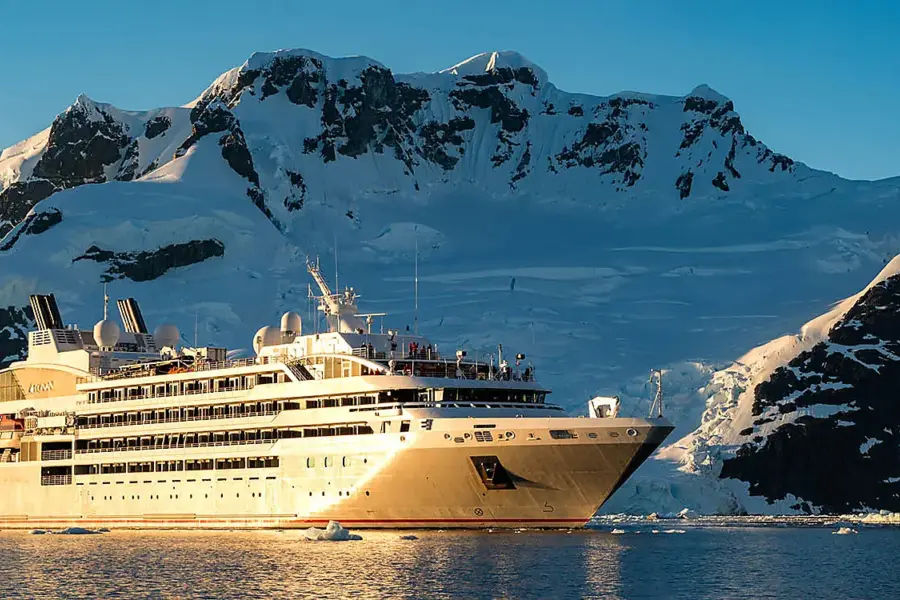
Le Lyrial embodies the subtle alliance between luxury, intimacy and well-being that Ponant is known for. The elegance of her exterior and interior lines and her intimate size (only 122 rooms and suites) make this a rare and innovative yacht in the cruise market. A special and relaxing way to...
Le Lyrial embodies the subtle alliance between luxury, intimacy and well-being that Ponant is known for. The elegance of her exterior and interior lines and her intimate size (only 122 rooms and suites) make this a rare and innovative yacht in the cruise market. A special and relaxing way to discover destinations.
Your stay: 14 nights
BE Jardín Escondido by Coppola
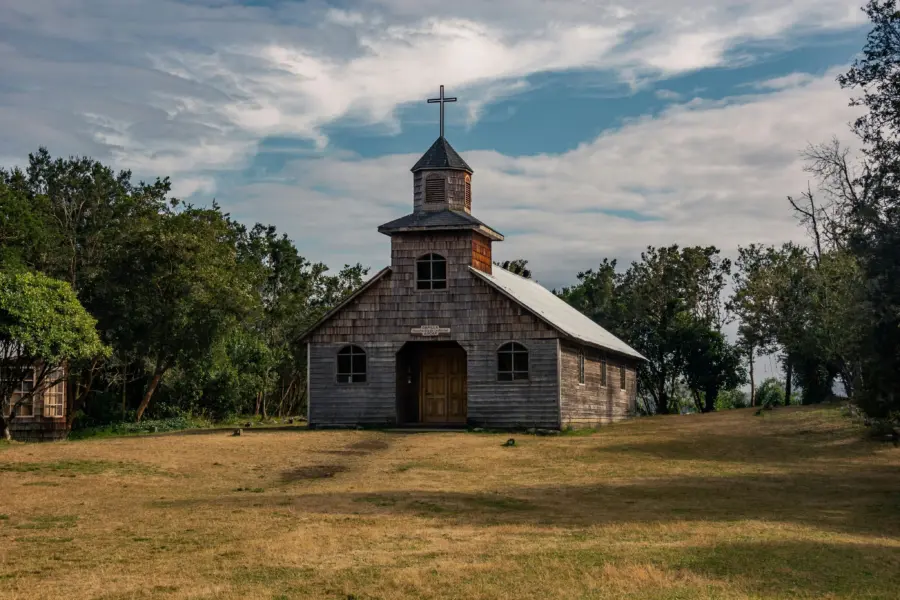
The BE Jardin Escondido hotel invites you to a unique stay inspired by famous filmmaker Francis Ford Coppola. The latter and his wife Eleanor carefully decorated the hotel and chose its décor. There are three levels with a garden, swimming pool, outdoor kitchen, barbecue, library, film room...
The BE Jardin Escondido hotel invites you to a unique stay inspired by famous filmmaker Francis Ford Coppola. The latter and his wife Eleanor carefully decorated the hotel and chose its décor. There are three levels with a garden, swimming pool, outdoor kitchen, barbecue, library, film room and seven comfortable and authentic flats to ensure your privacy.
Your stay: 1 night

Experiences
Quemchi
Quemchi, situated on the north-east coast of the island of Chiloé, is a charming little town where the island’s authentic culture and traditions are still very much alive. The name Quemchi comes from the Huilliche language and means ‘rusty land’. Situated between Ancud and Dalcahue, this small town has a population of around 3,000,…
Quemchi, situated on the north-east coast of the island of Chiloé, is a charming little town where the island’s authentic culture and traditions are still very much alive. The name Quemchi comes from the Huilliche language and means ‘rusty land’. Situated between Ancud and Dalcahue, this small town has a population of around 3,000, and its colourful wooden houses, atmospheric streets and stunning views of the coast create a distinctive scene.
Stroll through the streets and discover cosy cafés, atmospheric restaurants and small local shops. There’s a lovely promenade along the waterfront, and by the jetty you’ll find a craft market selling handmade products made from wool, wood and plant fibres. A wonderful introduction to the craftsmanship of the island’s inhabitants.
Literature lovers will also find something to enjoy in Quemchi. The town is home to a museum dedicated to Francisco Coloane, one of Chile’s best-known writers, who was born in Quemchi. The museum is housed in a traditional Chilote wooden house dating from the early twentieth century. Inside, you can gain an insight into the writer’s life and work, with period-style furniture and a small library containing original copies of his novels.
Pio XI Glacier (Brüggen Glacier)
The Brüggen Glacier, better known as the Pie XI Glacier, is one of the most impressive glaciers in southern Chile. Covering an area of over 1,200 km², it is the largest glacier in the South Patagonian Ice Field, an immense ice mass stretching across the southern Andes and one of the largest…
The Brüggen Glacier, better known as the Pie XI Glacier, is one of the most impressive glaciers in southern Chile. Covering an area of over 1,200 km², it is the largest glacier in the Southern Patagonian Ice Field, an immense ice mass stretching across the southern Andes and one of the largest ice fields in the world.
The glacier is also some 66 kilometres long, making it the longest glacier in the southern hemisphere outside Antarctica. During a visit, a spectacular panorama of endless ice fields, sparkling white ice and imposing mountain landscapes unfolds. Its almost surreal scale and unspoilt surroundings make the Pie XI Glacier a remarkable natural phenomenon that leaves a lasting impression.
Destinations
Aysen Region
Sandwiched between the Magallanes region and Chile's lake region, the Aysen region is located in Northern Patagonia. It has deep fjords, beautiful glaciers and glaciers with snow-capped peaks. This remote and rugged region is a paradise for outdoor adventurers with a wide range of fantastic activities. Cycle along breathtaking vistas, sea kayak along the coast or jump on a boat trip through the fjords to see the pale blue San Rafael glacier calving ice into Lake San Rafael. Visitors can explore beautiful lush rainforests in Queulat National Park, or take a road trip along the famous Carretera Austral. Some other highlights include: the Marble Caves of General Carrera Lake and the Northern Patagonian Ice Field. Don't miss this chance to climb the 2675-metre peak in the Cerro Castillo National Reserve.

Caleta Tortel
The town of Caleta Tortel is like a village from a fairy tale. Located between the northern and southern ice fields of Patagonia, and at the foot of snow-capped mountains, this collection of houses sits on stilts connected by a series of boardwalks above the ocean. The area stretches from the mouth of the Rio Baker, which is Chile's largest river, to a series of pristine bays and fjords surrounded by dense cypress forests. Caleta Tortel is an entirely pedestrianised area. Not even horses can get here, let alone any form of mechanised transport. Visiting Caleta Tortel therefore feels like leaving modern reality. The ecosystem here has remained virtually undisturbed since the beginning of time, making the nature incredibly rich and diverse.
El Brujo Glacier
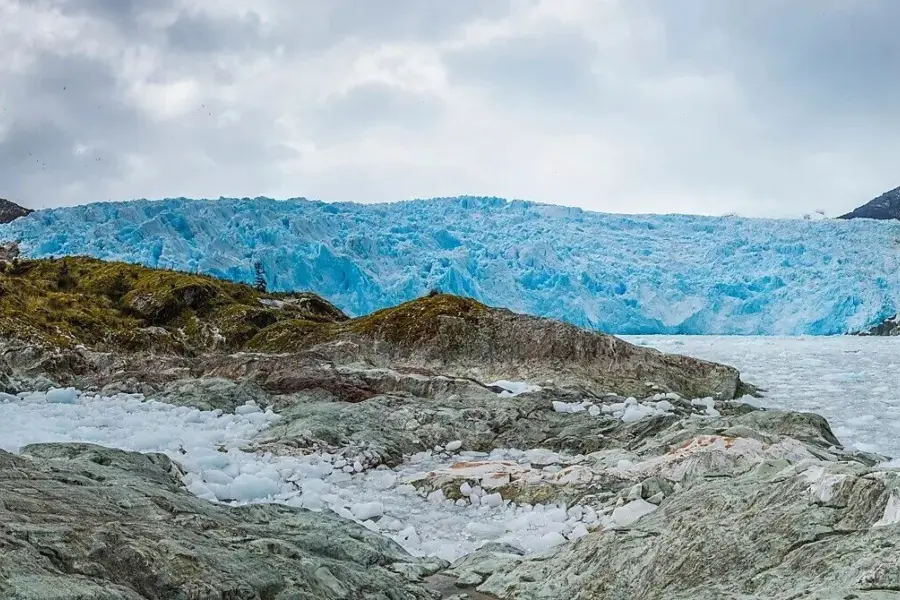
The El Brujo Glacier, originating from the vast South Patagonian Ice Field, is an impressive natural phenomenon. Situated at the end of Fiordo Asia, this glacier is approximately two kilometres wide and stands out for its intense blue hues and imposing size.
The route to the glacier takes you through the picturesque Sarmiento Channel and the Peel Fjord, past steep rock faces, snow-capped mountain peaks and floating ice floes. A boat trip to the glacier offers stunning views of this unspoilt landscape. Depending on conditions, it is also possible to go ashore on the rocky shores and admire the glacier up close.
Amalia Glacier
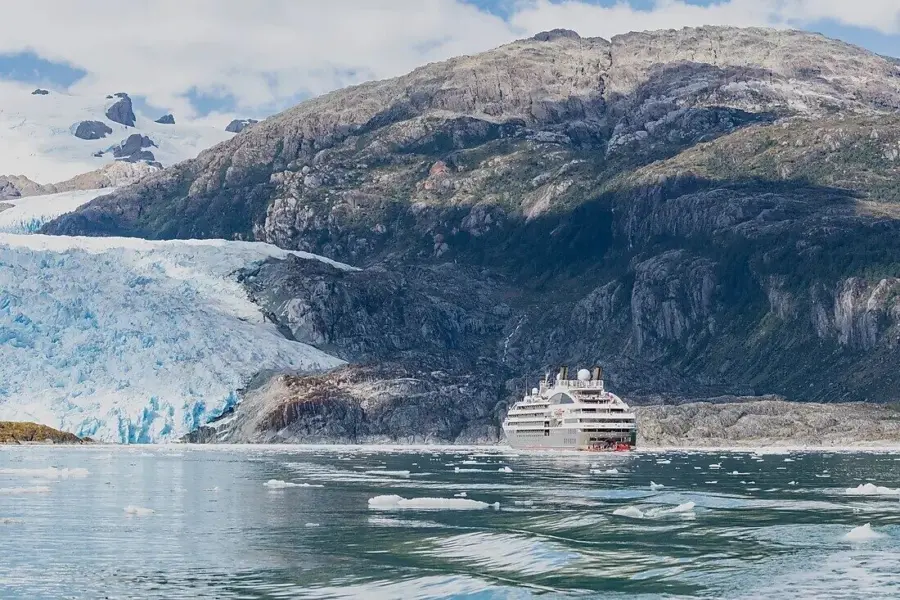
The Amalia Glacier, also known as the Skua Glacier, is situated in the Bernardo O’Higgins National Park on the Sarmiento Channel and forms part of the vast South Patagonian Ice Field. This ancient tidal glacier stands out for the almost surreal blue of its ice, which contrasts beautifully with the surrounding mountain landscape.
The unspoilt wilderness of southern Chile provides the backdrop for an impressive journey past snow-capped mountain peaks, narrow fjords and imposing ice formations. During a cruise past the glacier, you can also look out for the wildlife that inhabits this remote region, including dolphins, cormorants, otters and the majestic Andean condor.

Fiordo de las Montañas
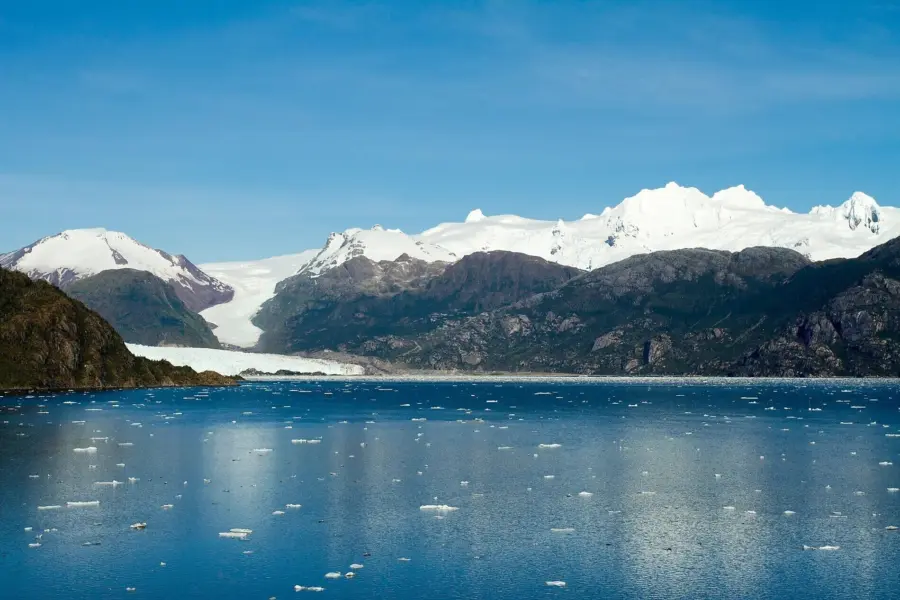
The Fiordo de las Montañas winds its way at the foot of the impressive Sarmiento Mountains through a remote archipelago in southern Chilean Patagonia. The fjord is accessible by sea from Puerto Natales. Steep rock faces rise from the dark, ice-cold water and lead deep into the unspoilt landscape, where several glaciers – including Bernal, Kiara, Alsina, Herman and Paredes – flow down from the South Patagonian Ice Field.
Small glacial lakes reflect the imposing mountain faces, whilst dense forests surround the sheltered bays and waterfalls plunge down the rocky slopes. The wildlife is also remarkable: during a trip through the fjord, you may encounter sea lions, dolphins, cormorants and black-browed albatrosses, and with a bit of luck, even spot a fox along the coast. The fjord also holds significant cultural importance; the Kawésqar, an indigenous people who have travelled through this area by canoe for centuries, have known these waters for generations.
Street of Magellan
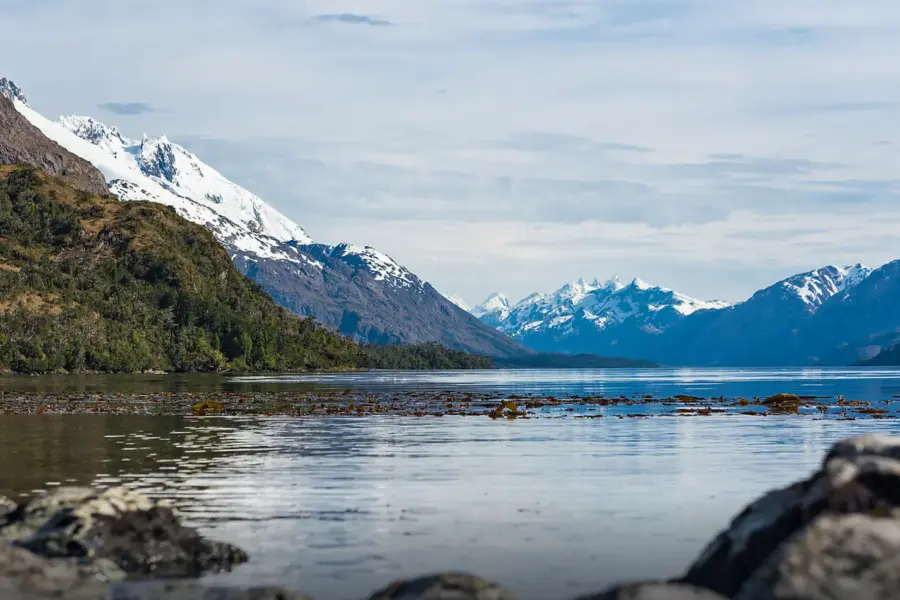
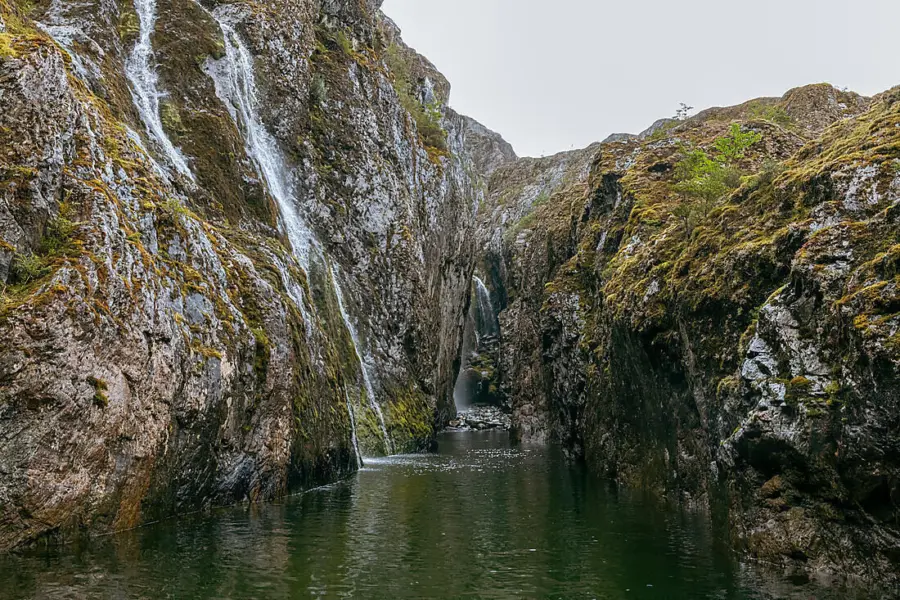
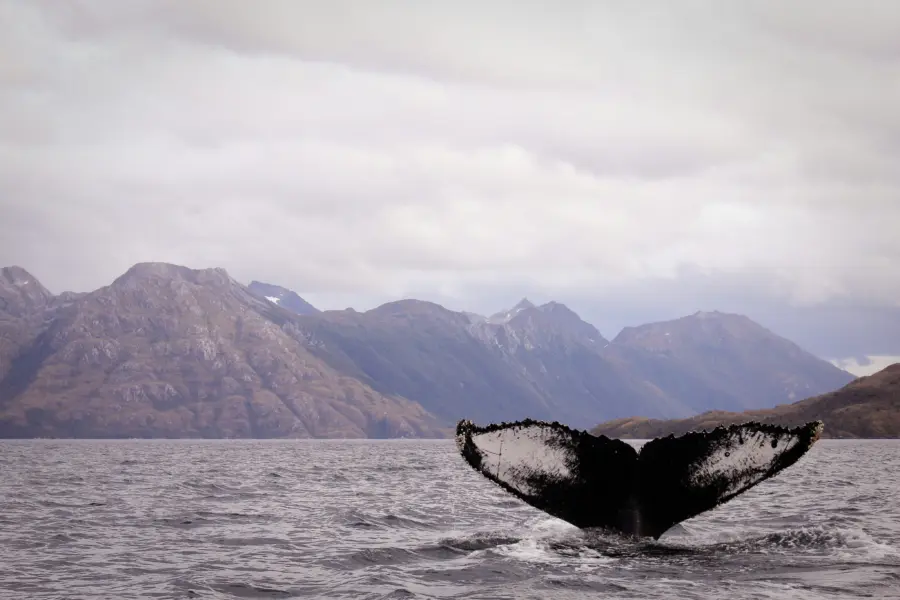
The Strait of Magellan, named after the famous explorer Ferdinand Magellan, is a legendary sea passage located at the southern tip of South America. At about 350 miles long, it connects the Atlantic and Pacific Oceans, forming a crucial maritime route for international trade and exploration. Steeped in history, this strait has been an important passageway for centuries, enabling early global exploration and trade between Europe and Asia. Its breathtaking natural beauty includes stunning fjords, rugged cliffs, picturesque islands, glaciers, waterfalls and forests. Visitors can admire the diverse wildlife, including elephant seals, humpback whales and Magellanic penguins. Navigating the unpredictable waters and witnessing the impressive landscapes makes the journey through the Strait of Magellan an unforgettable maritime adventure.
Tucker Islets
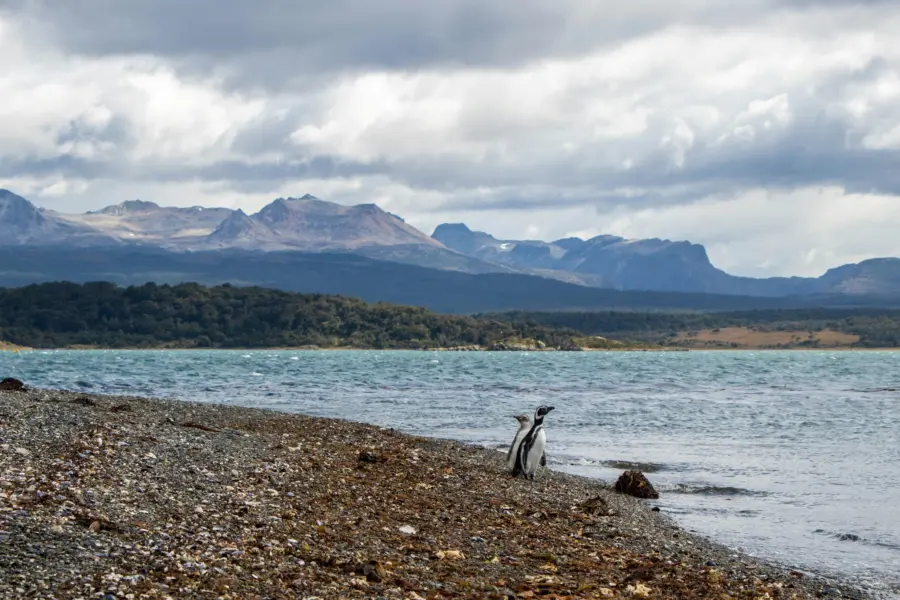
The group of small islets, known as the Tucker Islets, are scattered across the Strait of Magellan in Chile’s famous, breathtaking Patagonia region. The islands can be reached by boat, and various cruises are available. They are renowned for their wildlife, particularly the endemic Magellanic penguin. More than 4,000 penguins come to the islets to breed during the southern hemisphere winter. Visitors can view the penguins from a distance on cruises or take a zodiac out to the islands. Other animals living in the area include cormorants, elephant seals and dolphins. Active travellers can look forward to spectacular sea kayaking, whilst photographers have the chance to experience truly enchanting scenes up close. Those wishing to see more can take a nine-day tour of the area (starting and ending in Punta Arenas) to follow in the footsteps of Charles Darwin.
Agostini Fjord
Located in Tierra del Fuego in Chile, Agostini Fjord (or Agostini Sound) is an enchanting natural wonder that fascinates nature lovers, adventurers and photographers. With mountains over 1,000 metres high and covered in trees, countless interconnecting fjords, a host of waterfalls cascading down the slopes and deep blue waters adorned by white ice, this location is simply sublime. Travellers who are lucky will see wildlife such as black-winged albatrosses, dolphins, giant petrels, Magellanic diving petrels, southern fulmars, white-chinned petrels, emperor sharks, kelp geese, South American terns and Magellanic penguins.

Garibaldi Glacier
Located in the Garibaldi Fjord region, in the stretch of the Beagle Channel known as Glacier Alley, Garibaldi Glaciers stretches across a series of steep mountains and valleys, and is home to a rich ecosystem of plants and wildlife. Visitors may see Andean condors, sea lions, Magellanic penguins and maybe even a pod of orcas as they pass through the area. Numerous guided tours and boat trips are offered. The ivory landscape, where many glaciers have been frozen for tens of thousands of years, is a spectacular destination and offers incredible photographic opportunities. Lucky visitors can see large chunks of ice falling into the water from great heights.
Cape Horn
Cape Horn is the southernmost headland of the Tierra del Fuego archipelago in southern Chile. It was discovered in 1616 by a Dutch maritime expedition and named after the Dutch town of Hoorn. Cape Horn is a 425-metre-high mountain peak overlooking the turbulent waters of the Drake Passage. For many years, this was the only shipping route between the Pacific and the Atlantic and was often referred to as "The End of the World". It is highly recommended to enter Cape Horn (with good weather), the island is described as a pure paradise.


Puerto Williams
Puerto Williams, located on the island of Navarino off Chile's extreme south-west coast, is the capital of Chile's Antarctic province and is an important base for explorations of the Antarctic region and Cape Horn. It was originally home to the indigenous Yahgan Indians. The remains of their native settlements and fishing traps can still be found at several locations along the coast, while the local Martin Gusinde Anthropological Museum provides insight into how they once lived here. To the south of the city, the Dientes Navarino ('Teeth of Navarino') mountains, named after their sharp peaks, which resemble a series of incisors, reach out. Several hiking trails lead to this impressive range, including a five-day circuit trail recommended only for experienced trekkers.
Quemchi
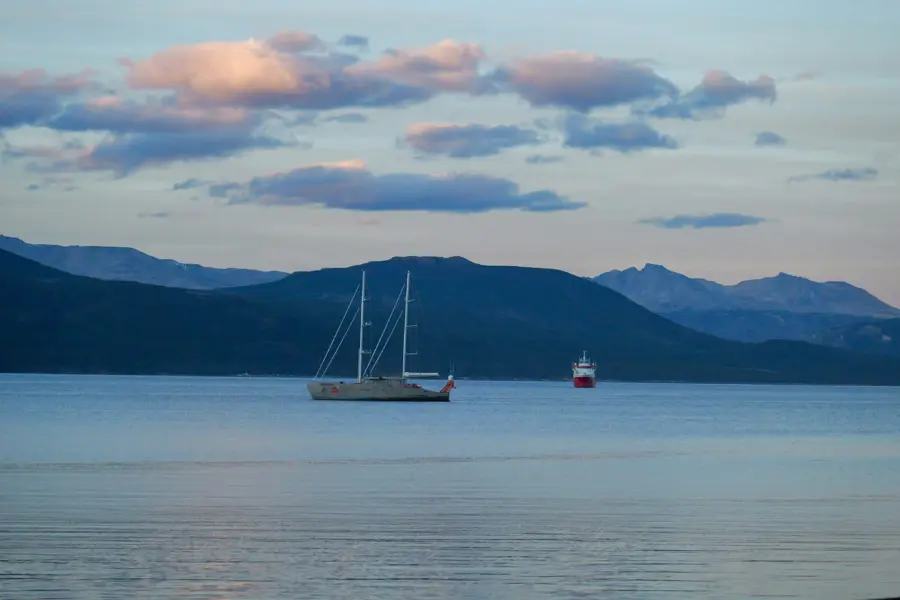
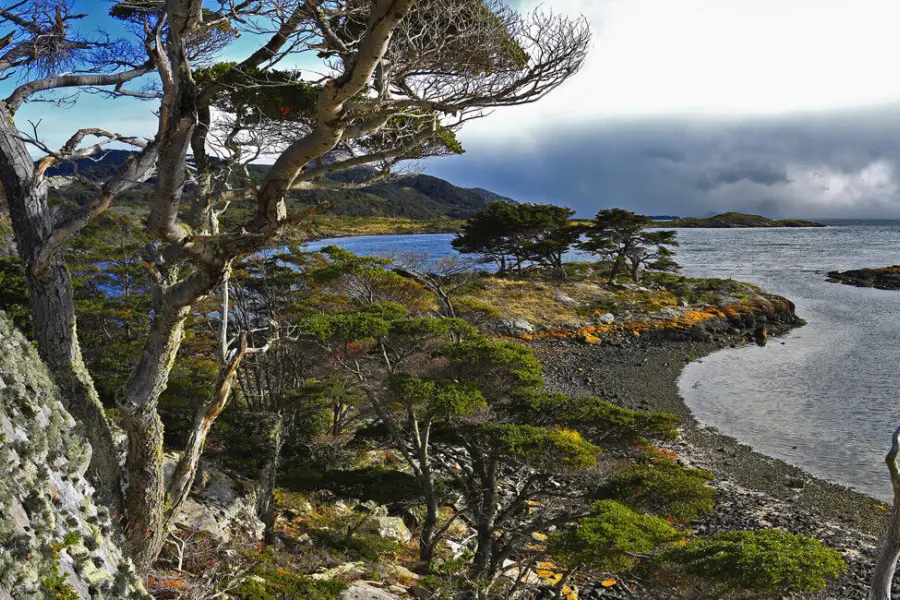
Quemchi is a Huilliche word meaning ‘rusty land’ and is a Chilean municipality and town on the north-eastern coast of Chiloé Island, between Ancud and Dalcahue. This small island town, with a population of 3,000, has kept Chiloé’s culture intact. The colourful streets and wooden houses are a true reflection of a past that still lives on, enchanting those who stroll through the streets. In the streets of Quemchi, you’ll find charming cafés and stylish restaurants, a variety of local shops, a beautiful promenade and a large craft market next to the jetty, offering various types of wool, wood and plant fibre handicrafts.
You can also visit the museum dedicated to Francisco Coloane, a Chilean writer born in Quemchi, who is regarded as one of the finest exponents of Chilean fiction. The museum is a typical Chilote stilt house dating from the early twentieth century. The furniture has been recreated, and the house features a small library containing the original novels by this famous writer from Chiloé.
Laguna San Rafael National Park
Laguna San Rafael National Park on Chile's southern Pacific coast is a world of contrasting wonders - a spectacular wilderness of lakes, mountains, rainforests, ice fields and glaciers. Ferries are available from Puerto Montt. It's worth encountering the 60-metre-long face of the San Valentín glacier and experiencing the shattering and breaking of glacial ice in the icy waters. The park is also home to an array of wildlife, including the black-browed albatross, black-necked swan and Chilean dolphin.
Fiordo de las Montañas
The Fiordo de las Montañas consists of several glaciers, the penultimate of which is the Alsina. A steep tongue of ice descends from the mountains towards the sea until it reaches a small bay sheltered from the strong winds that prevail in the area. Exploration boats allow you to sail along shallow channels teeming with rocks and seaweed. Once you reach the bay, you’ll see small but impressive glaciers, with light blue, dark blue and white ice.
This glacier leaves many travellers speechless and reminds us that we must look after our planet, as there is already a rock formation indicating that the glacier is entering its final phase. It’s up to us; if we look after the planet and prevent global warming, our great-grandchildren might get to see this natural wonder.
Ushuaia
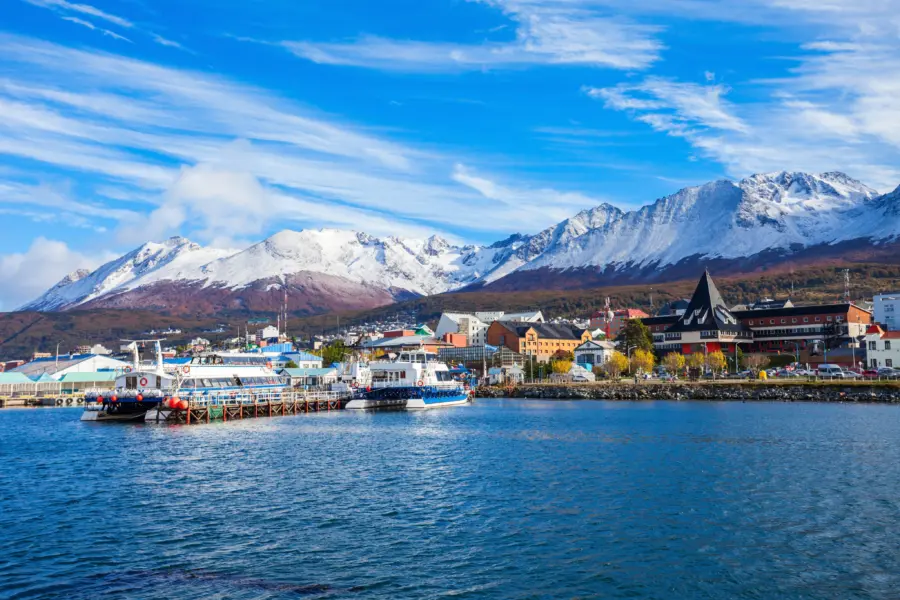
Ushuaia is the southernmost city on Earth. Nestled between rugged, glacier-covered mountains and the Beagle Channel, it’s fair to say it enjoys a truly special location. Ushuaia used to be a penal colony, but today the streets are lined with shops and restaurants. There’s plenty to do in and around the city. Aside from the lively shopping streets, the prison museum is well worth a visit, and you should definitely take a stroll through the harbour. The vast majority of expeditions to Antarctica set off from Ushuaia, and it’s a fascinating sight to see the large icebreakers moored in the harbour.
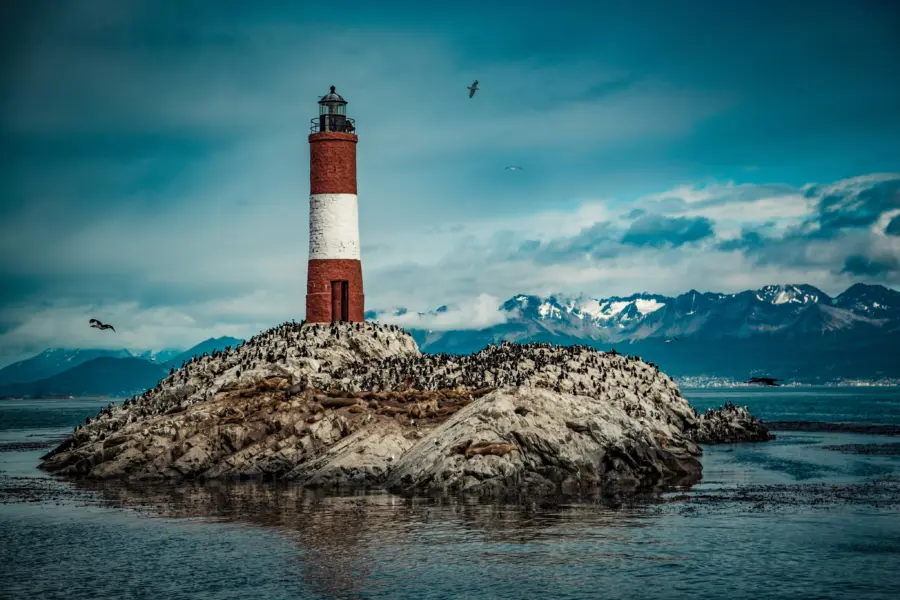
The centre of Ushuaia is also a lovely place to wander around. At the various kiosks along the coast, you can have your passport stamped or book a boat trip up the Beagle Channel, sailing past the famous lighthouse and various small islands teeming with seabirds and sea lions.
We recommend visiting Tierra del Fuego National Park (easily accessible by bus)! Tierra del Fuego National Park is the area’s most famous attraction: the end of the world. A beautiful natural landscape offers opportunities for walks, and for those who prefer a less strenuous option, there’s even a little train.
On a clear day, enjoy views of the town, the bay and watching planes land on one of the most spectacular runways in the world. Don’t forget to try the king crab in one of the restaurants – a delicious local speciality.
Southern Patagonia, Chile
Chilean Patagonia, which stretches from just south of the Lake District to the southernmost tip of South America, is known for its barren seascapes, huge glaciers, vast fjords, beautiful valleys, shimmering lakes and steep, snow-capped mountains. Visitors can look forward to spotting penguins, hiking through rugged landscapes, kayaking among huge icebergs and horseback riding across the steppe. Highlights include: the remote Parque Nacional Laguna San Rafael and the Parque Nacional Bernado O'Higgins and the more popular Torres del Paine National Park, as well as the southern section of the popular Carretera Austral, one of the most beautiful roads and most incredibly scenic drives in the world. Don't miss the chance to discover the sheer beauty of the southern Patagonian ice fields.
Chile
Torres del Paine National Park
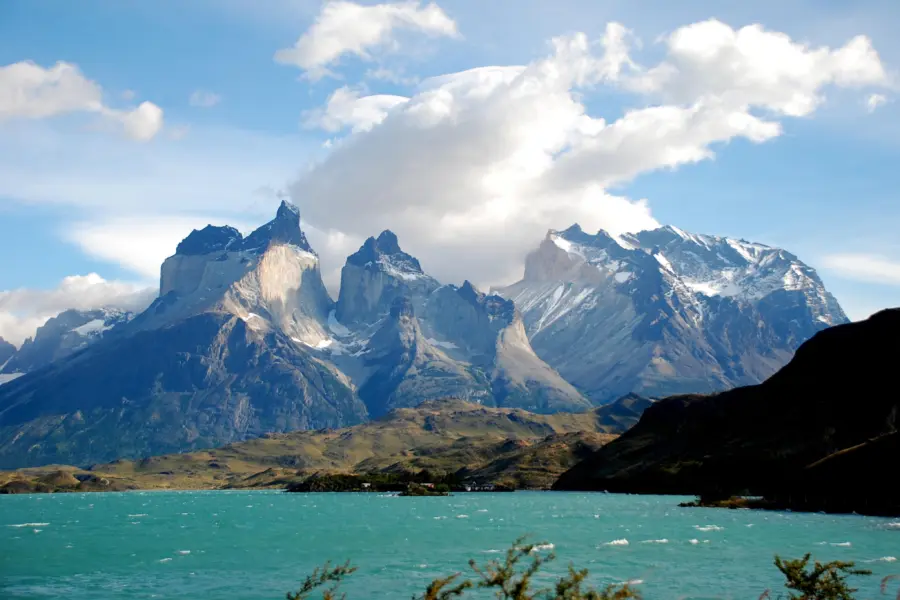
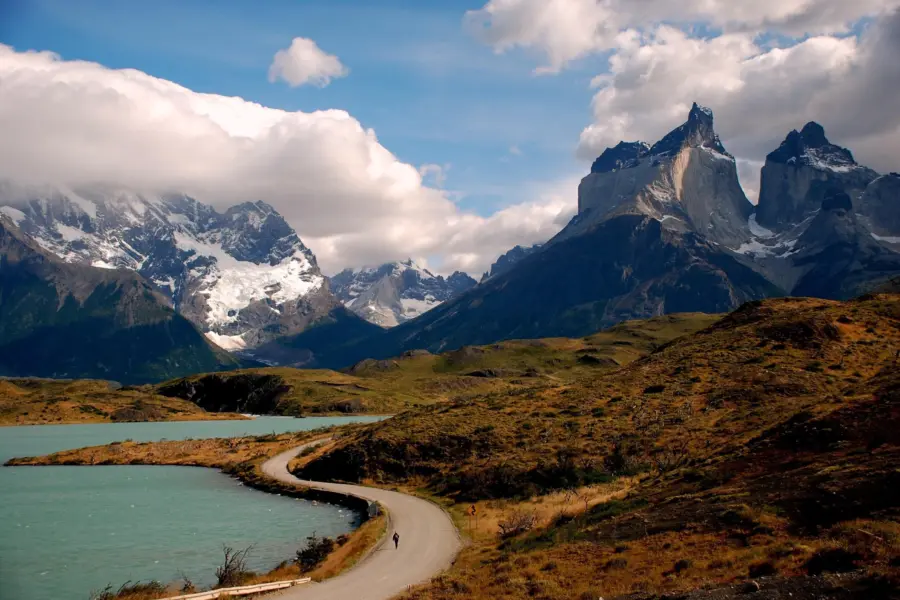
Torres del Paine is one of South America’s most beautiful nature reserves. During the scenic drive to Torres del Paine, you’ll travel through the pampas and along the Patagonian Andes, where you’re almost certain to spot nandus, the South American equivalent of the ostrich. Torres del Paine is a paradise for nature lovers. Pointed granite peaks, emerald-green and cobalt-blue lakes, glaciers, waterfalls and a wealth of wildlife await you.
The impressive landscape of Torres del Paine is dominated by the Paine massif, where the jagged, 2,800-metre-high granite peaks are the iconic feature of Torres del Paine.
If you visit Torres del Paine by car, you may not be able to reach every part of the park, but fortunately you can organise hikes, horse-riding tours and even boat trips to reach the more remote areas. One of the best-known hikes in the park takes you to the famous Torres Base.
Valparaiso
Valparaíso is a picturesque city with a rich history. Before the construction of the Panama Canal, Valparaíso was an important port city. The trade that flourished as a result made the city wealthy and attracted French, German and English settlers. That is why you will still find many colonial buildings in the city.
After the construction of the Panama Canal, the port lost its central role and the city fell into disrepair. However, the government turned this around by launching an art project in 1970. Artists were given free rein to work anywhere in the city. This has resulted in many colourful houses. The city is now listed as a World Heritage Site thanks to its colonial past and modern architecture.
Today, Valparaíso is a unique immigrant city with colourful neighbourhoods built across various hills and connected by a network of funicular railways.


Chiloe Island
Chiloé is the largest island in the Chiloé archipelago and a beautiful and unique destination. The island is renowned for its stunning landscapes, unspoilt national parks, picturesque houses and numerous wooden churches. Chiloé’s wooden churches are listed as a World Heritage Site due to their unique design and the mestizaje culture they represent.
The island’s inhabitants are known for their folkloric traditions, which are based on local myths. These myths tell of sea monsters and ghost ships, clearly reflecting the people’s relationship with the sea. This connection is also frequently reflected in the island’s cuisine, where you’ll find the most delicious fish and shellfish dishes. A visit to this island offers a refreshing and fascinating experience.
Patagonia
Remote and stunningly beautiful, Patagonia stretches across part of both Chile and Argentina and offers some of the most awe-inspiring hiking trails in the world. It is made up of several regions, each with its own unique beauty. Southern Patagonia, with its icy landscapes and geometric granite peaks; central Patagonia, a wilderness of rainforest and coastal plain; and northern Patagonia, where the cobalt lakes and lush valleys of the Lakes District and Araucania converge.
Buenos Aires
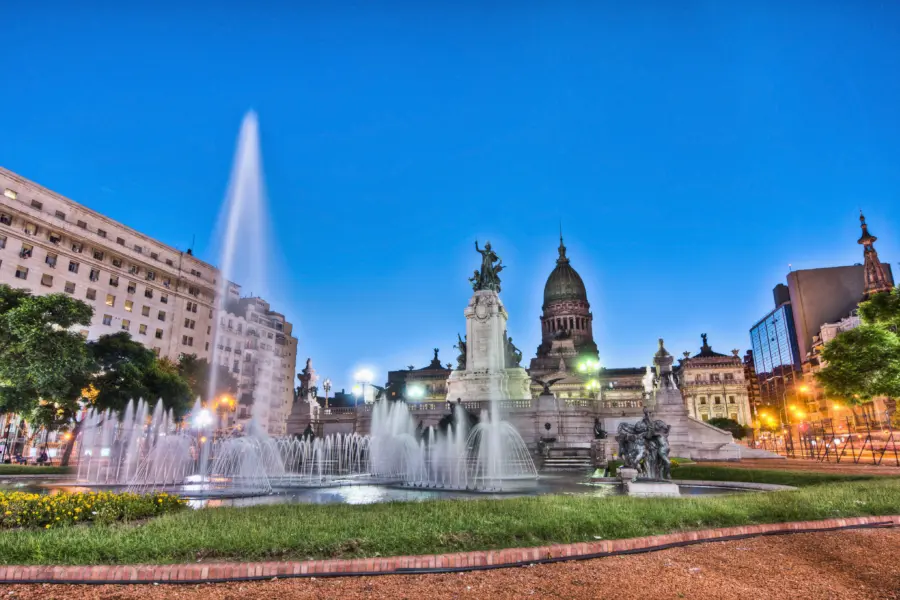
Buenos Aires is undoubtedly one of South America’s most popular cities, a metropolis with a strong identity of its own and a population of over 10 million. Visitors are treated to a wide range of attractions. In the ‘Microcentro’, you’ll find stately buildings, shopping boulevards and, of course, landmarks such as ‘la Casa Rosada’ and ‘Avenida 9 de Julio’ with its towering obelisk. In the old neighbourhoods of ‘La Boca’ and ‘San Telmo’, you can soak up the atmosphere of days gone by, when Italian and Spanish immigrants in search of a better life settled here in the late 19th century. La Boca actually offers the traveller just two streets that are somewhat touristy, and yet you simply must see the colourful little houses here. Of course, Buenos Aires is also known as the birthplace of Queen Máxima and Pope Francis.
San Telmo is the neighbourhood of antique shops and tango performances. It was in these neighbourhoods that this seductive dance originated. In the upmarket ‘Recoleta’ district, alongside exclusive shops and beautiful buildings, you’ll find the spectacular Recoleta Cemetery. Among others, Evita has her mausoleum here.
Palermo is home to extensive green parks and gardens. Palermo Soho and Palermo Hollywood have been on the up in recent years as nightlife districts with excellent restaurants and cosy wine bars. You’ll also find luxury boutiques and designer shops there.
Buenos Aires’ newest district, Puerto Madero, is certainly worth a visit; the old warehouses now serve as shops and restaurants, and amongst the modern buildings, the city’s architects have preserved large cranes and important historic buildings from the former harbour as monuments.

Southern Andes Chile
The Andes is the longest continental mountain range in the world stretching over 7000 km. The southern tip of this majectic mountain range lies south of Llullaillaco in Argentina and Chile and is home to the southern Andean steppe. It is a unique ecoregion defined by its cold desert climate and tough grasslands. Some of the larger mammals that have adapted to this harsh environment are the puma, the Andean fox and two relatives of the llama: the vicuña (Peru's national animal) and the guanaco.
Argentina
Tierra del Fuego National Park
Located on the Argentine part of the island of Tierra del Fuego, this world-renowned national park was the first coastal beach in Argentina. The park consists of forests close to the coast and has parallel mountain ranges that divide the park into valleys. Activities in the national park include hiking and exploring the unique animal and plant life.

Alberto de Agostini National Park
Set in the southernmost reaches of Chilean Patagonia, Alberto de Agostini National Park is a treasure trove of natural wonders. This park is a realm of fjords, islands, and peninsulas, where meandering channels weave through breathtaking landscapes adorned with glaciers and snowdrifts. The Darwin mountain chain graces the horizon, while glaciers like Marinelli and Agostini punctuate the terrain. Guanaco Pampa offers serene fishing spots, and Agostini Glacier welcomes exploration amidst encircling peaks. The park's wildlife is equally captivating, with Culpeo and Chilla Foxes, leopard seals, dolphins, whales, sea lions, and elephant seals adorning the coasts. The skies are alive with 49 bird species, both terrestrial and marine, crafting a symphony of life in this untamed haven.
Cape Horn & Patagonia
The rugged beauty of the majestic fjords of Southern Patagonia, with their imposing snow-capped mountains, granite peaks and stunning glacial lakes, makes this region truly breathtaking. Cruising around this remote and unspoilt area is a true adventure.
The area’s main attraction is undoubtedly the opportunity to witness the southernmost landmass north of Antarctica: the spectacular dark black cliffs of Cape Horn. The area is only accessible by boat and is home to a wide variety of wildlife, including seals, porpoises, whales and the graceful albatross. If you’re looking for a unique and unforgettable journey to one of the most isolated and strikingly beautiful places in the world, look no further than southern Patagonia. This region is literally the end of the world!
Chilean Patagonia
Chile's southern Patagonia is known for its stunning blue glaciers, vibrant forests, waterfalls, aquamarine lakes, rivers and towering sharp peaks. The heart of this sparsely populated and rugged region is the Torres del Paine National Park surrounded by pristine lowlands. You can hike through the rugged landscapes, watch the many penguins, or ride horses through the breathtakingly beautiful steppe. Chilean Patagonia is an ideal destination for travellers seeking an unforgettable adventure.
Southern Patagonia
The Argentine part of southern Patagonia is a phenomenal place. It is known for its icy, windswept landscapes, vast remote empty Patagonian steppe and diverse wildlife. This picturesque remote landscape is home to the region's main highlights: the Torres del Paine National Park that overflows into Chile and Los Glaciares National Park, both of which contain deep fjords, snow-capped mountains, vast glaciers and ancient forests. Visitors to this area can enjoy some of the most beautiful natural attractions in the world, including: the annual whale encounter on the rugged Valdes Peninsula and the stunning Patagonian ice fields with colossal glaciers. Popular activities include hiking, camping, whale watching, mountaineering, climbing and horse riding.
Atlantic Patagonia
Located in Argentina's Patagonia, the region known as 'Atlantic Patagonia' is renowned for its breathtaking natural beauty. The remarkable landscape is characterised by stunning fjords, glistening bays and remote coves that meet the lowlands of the Pampas. This spectacularly beautiful area is home to the famous Valdes Peninsula, a UNESCO World Heritage Site known for its marine life, especially for the orcas that hunt sea lions on the beach itself. This wild Patagonian coastal area offers visitors plenty of opportunities to see wildlife. Don't miss the Cabo Dos Bahias nature reserve, inhabited by a huge penguin colony and countless birds, sea lions and walruses.
Central Chile
Central Chile is home to the capital, Santiago, as well as a number of fantastic off-the-beaten-track destinations and stunning natural attractions. Pichilemu is one of the continent’s premier surfing destinations, whilst Valparaíso, a UNESCO World Heritage Site – with its beautiful hilly surroundings, colourful buildings and historic harbour areas – is one of Chile’s most popular places to visit.
For outdoor and adventure enthusiasts, the region offers a number of excellent ski resorts (such as Valle Nevado and Portillo), incredible hiking trails in the waterfall-rich Radal Siete Tazas National Reserve, and some attractive coastal destinations, such as Renaca, Viña del Mar and Cobquecura. Cobquecura also offers easy access to Loberia Island, which is famous for its impressive flora and fauna, including large numbers of sea lions and seals.
Glacier Alley
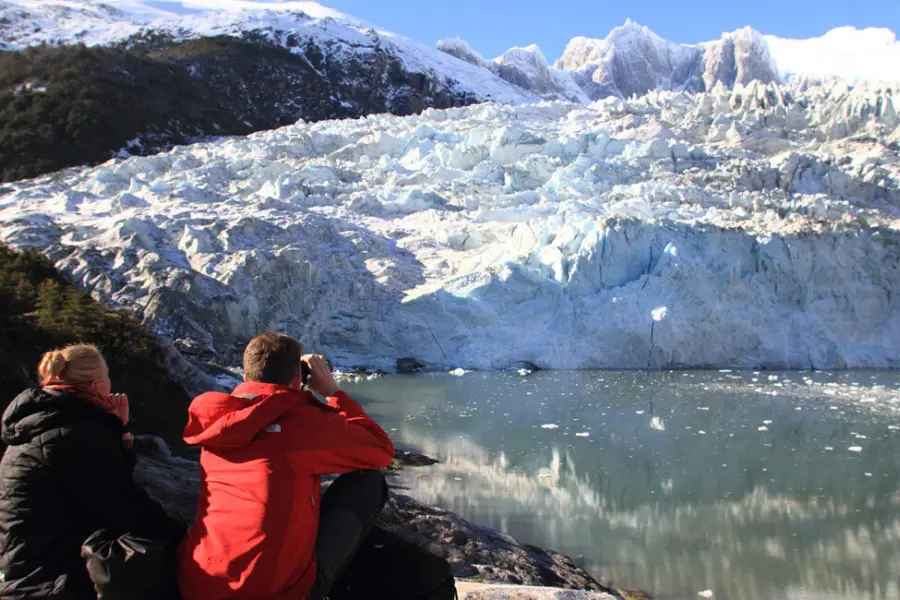
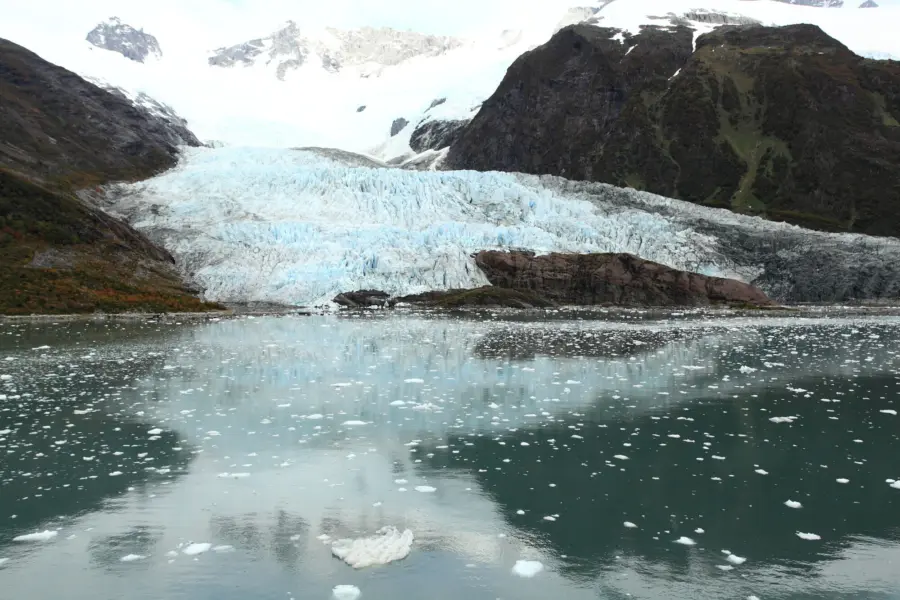
This 240-kilometre stretch of the Beagle Channel, situated on the southern tip of South America, is a remarkable passage between the Pacific and Atlantic Oceans, surrounded by the majestic peaks of the Darwin Mountains in Tierra del Fuego. Towering glaciers, glistening icefalls and cascading waterfalls plunge from the snow-capped mountains. Amidst this icy wonderland, wildlife thrives, whilst elegant seabirds soar overhead, playful seals bask on ice floes and, from time to time, whales, swimming sea lions and ducks can be spotted.
Tierra del Fuego Province (Argentina)
Located in the southernmost tip of South America, Tierra del Fuego province is a picturesque province in the southernmost reaches of Argentina. Purportedly one of the world's last frontiers, this region offers breathtaking landscapes, incredible wildlife and a rich cultural heritage. This corner of Patagonia offers endless activities and attractions for thrill seekers and nature lovers. It offers an array of natural wonders, including ancient glaciers, pristine wilderness, national parks, high snow-capped mountains, pristine lakes, rivers and waterways. Don't miss a visit to Ushuaia, the city at the 'end of the world', which serves as a starting point for expeditions to Antarctica.
Northern Patagonia, Chile
Chilean Northern Patagonia is renowned for its spectacularly scenic landscapes and stark beauty. The terrain is blanket in fairytale rainforest, vast steppe, rugged soaring mountains and cascading rivers that meet glistening turquoise lakes and deep fjords dotted with massive glaciers. Adventurous travellers can explore the wild and windswept landscapes of this little-visited, remote corner of the world. Visitors can start their exploration of this magnificent area starting from the seaport of Puerto Montt and venture down the Carretera Austral which traverses theses incredibly scenic landscapes. Climb vertical granite in the Cochamo Valley, soak in the hot springs of Puyuhuapi, hike through the green rainforests of Parque Pumalin, and raft the white waters of Futaleufu.
Tierra del Fuego Province (Chile)
Chile's Tierra del Fuego province is situated in the southern part of the country, and incorporates western part of Tierra del Fuego island. Characterised by untouched and extreme beauty of semi Antarctic landscapes, this area primarily attracts outdoor enthusiasts. Massive snowy peaks watch over turquoise fjords, dramatic rocky coastlines, and ever-changing tundra home to guanacos, wild horses, condors and penguins, Tierra del Fuego presents a wonderland of adventure. Brave travellers can even take on the southernmost hiking trails in the world, along the Dientes de Navarino circuit. Delve into the area's fascinating past with a visit to the Fernando Cordero Rusque Provincial Museum, in Porvenir, where you'll be able to learn about the now extinct Aborigines of the island, the Selk'nam people.
Chile trip | Luxury expedition cruise Ponant along the Chilean fjords
We offer the described trip from €10,750 per person.
The tour price is an estimate and is subject to availability and travel dates, amongst other factors.
Included
• Domestic flight as mentioned in the ‘itinerary’, based on Economy Class, including 23 kg of hold luggage per person
• 15-day expedition cruise to Chile aboard Le Lyrial on a full-board basis, including group activities led by expert guides and port charges
• Accommodation in excellent and distinctive establishments
• All meals as mentioned in the ‘itinerary’
• All necessary private transfers as mentioned
• All excursions as mentioned in the ‘programme’, including activities organised from the cruise
• Entrance fees to national parks during the land programme
• Booking fees (worth €50)
Positive impact of your trip:
• A contribution of €100 per person towards a positive impact via the Avila Foundation
Not included
• Intercontinental flights
• Room category upgrade
• Travel and/or cancellation insurance
• Additional baggage allowance for domestic flights
• Meals and excursions not specified
• Personal expenses
• Contribution to the emergency fund (€2.50 per booking)
• SGR contribution (€5 per person)