
 en


- Adventure
- 20-day trip
- From €3,895 p.p.
Colombia trip | Historic self-drive through Colombia
Discover beautiful Colombia with the convenience of your own rental car! You will take a fantastic road trip through this magical country and get to know the spectacular nature and rich culture the country has to offer. After staying in the beautiful historic centre of Bogotá, Colombia's capital, you will drive by hire car to Villa de Leyva, a village full of beautiful white buildings. On the way to Colombia' s famous coffee region , you will get to know the pure and indigenous side of the country, in places like Bocaya, Suesca and Honda. Besides culture tasting, you can also fully enjoy amazing natural areas here. Via the authentic village of Cauca Viejo, where you can enjoy colonial architecture, local culture and natural splendour, you drive to the dynamic city of Medellín and stay in Guatapé at a special glamping site overlooking the lake. Nearby is the well-known huge monolithic granite rock formation, El Peñol. You will then return the hire car at the airport, before flying to the Caribbean coast and ending the trip in Cartagena, considered by many to be the most beautiful colonial city in Latin America.
Travel programme
Travel overview
- Day 1 – 2 Arrival in Colombia
- Day 3 – 4 Self-drive to Villa de Leyva (3.5-hour drive)
- Day 5 Villa de Leyva – Boyacá, Colombia: authentic (2-hour drive)
- Day 6 Boyacá – Suesca, indigenous Colombia (1.5–2 hours’ drive)
- Day 7 – 8 Suesca – Honda (4.5-hour drive)
- Days 9–11 Honda – Colombian coffee region (5-hour drive)
- Day 12 – 13 Coffee-growing region – Authentic Cauca Viejo (2–2.5-hour drive)
- Day 14 – 15 Self-drive to Medellín city tour (1.5–2-hour drive)
- Day 16 – 17 Colourful Guatapé (2-hour drive)
- Day 18 – 19 Journey to Cartagena
- Day 20 Departure from Colombia
- Day 21 Arrival
Arrival in Colombia
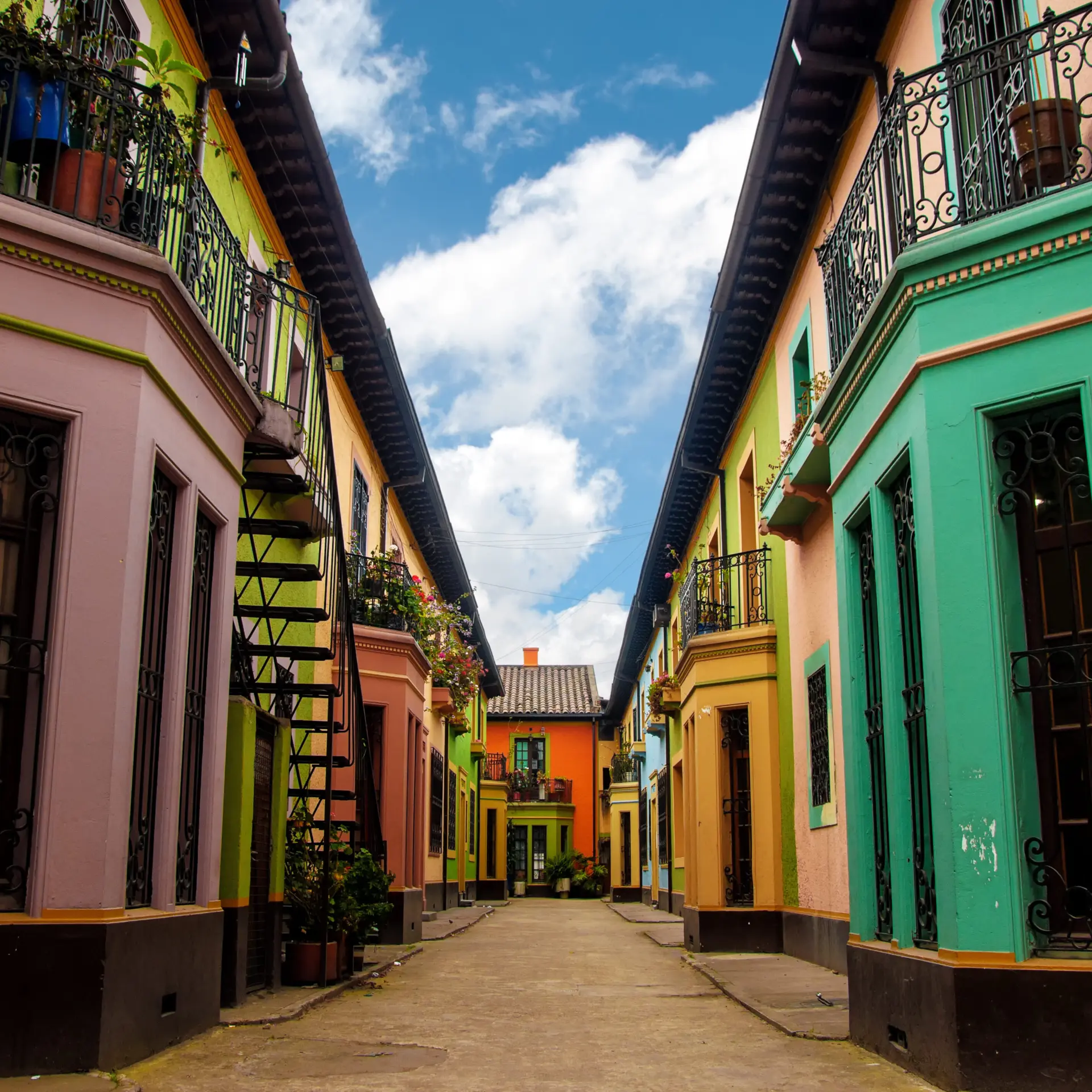
Your journey begins in Colombia’s capital, Bogotá. Your private transfer will take you to your boutique hotel in the heart of Bogotá.
After your first night’s stay, you’ll set off on a guided walking tour of the city, visiting Bogotá’s main attractions. This includes a visit to the historic Candelaria district, where Monserrate Mountain stands in the heart of the city centre. You will also visit the Gold Museum. It displays an extraordinary selection of pre-Hispanic gold artefacts – the largest collection of its kind in the world.
Included:
• Private transfer to your hotel
• Private city tour of Bogotá, including an English-speaking guide and lunch
• Accommodation including breakfast
Exclusive:
• Intercontinental flight
Self-drive to Villa de Leyva (3.5 hours' drive)

The self-drive through Colombia starts today. You will pick up your rental car with which you will drive on your own to the next gem, Villa de Leyva. This is a colonial town and is considered one of the most beautiful colonial towns in Colombia. The cobbled streets add to the authentic atmosphere of the town. It feels like stepping back in time as you stroll through the narrow streets. Here you will spend the next few days exploring the picturesque streets and the Grand Square. Another recommendation is to visit a fossil museum or go to the astronomical observatory from the Muisca culture.
Includes:
• Hire car
• Accommodation including breakfast
Villa de Leyva - Boyacá, Colombia authentic (2-hour drive)

You continue the journey by driving to the typical Colombian town of Boyaca, located in a mountainous area more reminiscent of Switzerland than Colombia. Highlights in Boyaca include several cathedrals and colonial buildings dating back to the time of Simon Bolivar, while in Bocaya you will experience pure Colombian life!
Included:
• Car hire
• Accommodation including breakfast
Boyacá - Suesca, Colombia native (1.5 - 2 hours drive)

The next destination is Suesca, also known as the rock of the birds. Characterised by its rock cliffs, it was one of the settlements of the Muiscas (Indians) and was one of the first indigenous towns in the area until the arrival of the Spanish conquistadors.The town is also known for its beautiful natural surroundings, and during your stay you can take a scenic walk that takes you through the picturesque and rugged landscape.
Included:
• Car hire
• Accommodation including breakfast
Suesca - Honda (4.5 hour drive)

By car, drive on to Honda, a colonial town still visited by few travellers. The town has narrow streets, colourful buildings and historic churches dating back to the colonial period. The city is strategically located on the banks of the Magdalena River, an important waterway in Colombia. About 5 minutes from the hotel is one of Colombia's largest private nature reserves that has been home to tropical dry forest fauna and vegetation for over 120 years. A beautiful place to take walks and see various birds.
Includes:
• Hire car
• Accommodation including breakfast
Honda - Colombian coffee region (5-hour drive)

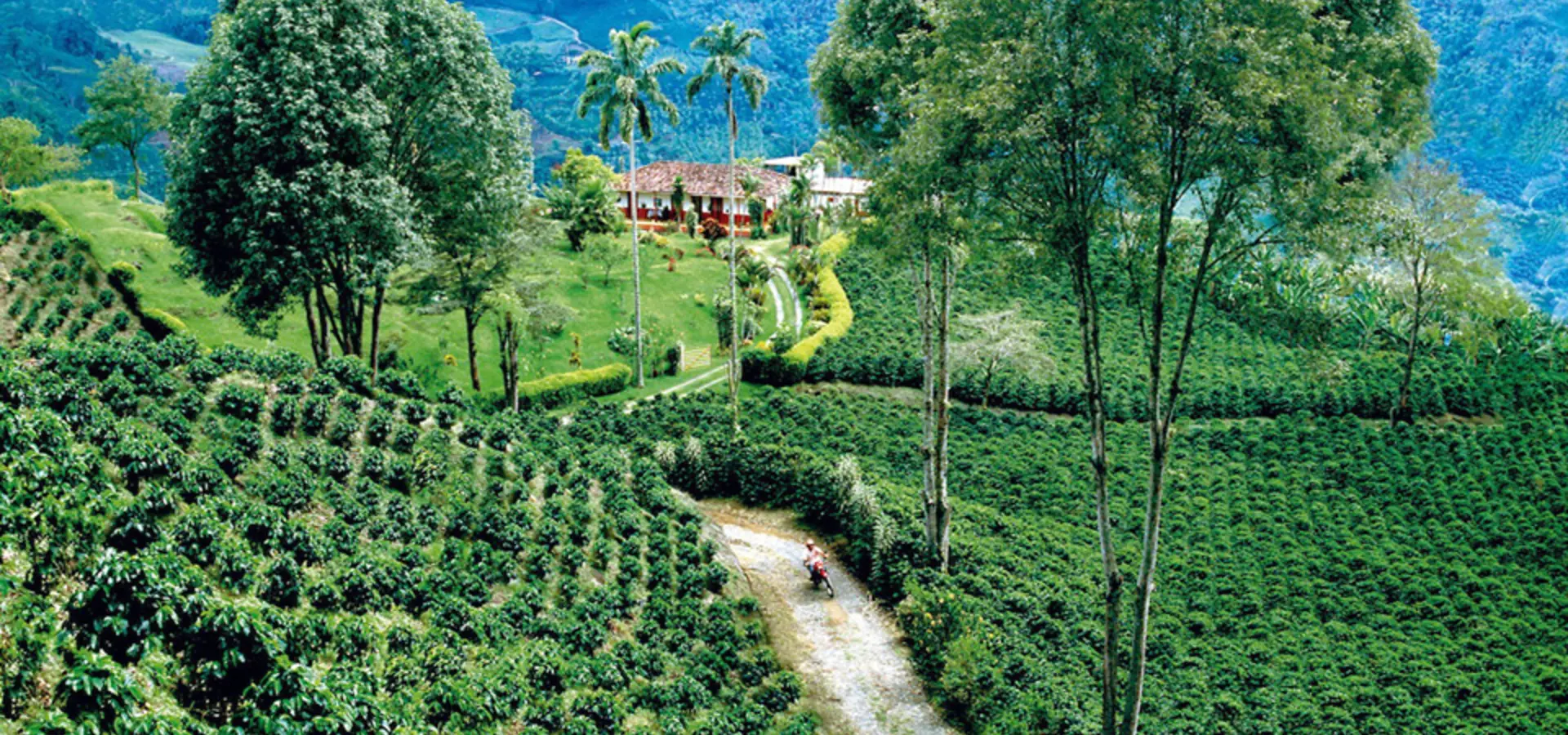
You’ll continue on to Colombia’s coffee-growing region, where you’ll stay at a beautifully situated lodge near the town of Pereira. Today’s drive is a little longer, but it takes you through some truly stunning countryside. The Colombian coffee region, also known as the Coffee Triangle (Spanish: Triángulo del Café), forms part of the Paisa region in rural Colombia and is renowned for the cultivation and production of the majority of Colombian coffee. Some consider this coffee to be the best in the world.
During your stay, you can take a self-drive tour in your hire car to visit the Valle de Cocora, where the wax palms – the tallest species of palm tree in the world and Colombia’s national tree – grow in abundance. As well as the valley, you can also visit the charming villages of Salento and Filandia. These colourful towns form part of Colombia’s coffee cultural landscape.
Includes:
• Hire car
• Accommodation including breakfast
Coffee region - Authentic Cauca Viejo (2 - 2.5 hours' drive)

Your next accommodation is located in Cauca Viejo, located in the municipality of Antioquia. Located on the banks of the Cauca River, you will find a cobbled square with a stone fountain, benches and a chapel inspired by the Basilica of Salamina. Houses with colourful balconies, cobbled streets, ecological paths and streams.
Includes:
• Hire car
• Accommodation including breakfast
Self-drive to Medellín city tour (1.5 - 2 hours drive)

Your next stop is the vibrant city of Medellín. The city is also known as the ‘City of Eternal Spring’ due to its favourable climate. Despite a notorious past (Medellín was once home to the infamous drug lord Pablo Escobar), today it is a must-visit for city lovers. Lively, modern and thriving. A hotspot in South America. During your stay, you’ll take a private city tour with an English-speaking guide to get to know the city properly. You’ll visit Comuna 13, Botero Plaza and other attractions.
We highly recommend taking the cable car all the way up through the suburbs. This cable car ride is an experience in itself, offering an impressive view of how Medellín connects all its neighbourhoods. You’ll eventually arrive at a beautiful nature reserve where you can sample local produce and enjoy lovely walks.
Included:
• Hire car
• Private city tour of Medellín with an English-speaking guide, including a visit to Comuna 13, with an English-speaking guide and lunch
• Accommodation including breakfast
Colourful Guatapé (2-hour drive)

You’ll travel to the colourful town of Guatapé. For the next few nights, you’ll be staying in a unique glamping accommodation with a fascinating view of Lake Guatapé. An unforgettable experience! Guatapé is home to El Peñol, a 200-metre monolithic formation offering one of the most beautiful views in Colombia.
During your stay, you have the option of taking a boat trip on Lake Guatapé. You’ll also climb the steps up ‘El Peñol’ to enjoy a view of the beautiful lake with its dozens of little islands, which make this landscape unique and incredibly magical. Whilst in Guatapé, be sure to stroll through the colourful streets and pop into the little coffee bars, which lend the village such a lovely atmosphere.
Includes:
• Hire car
• Accommodation including breakfast
Travel to Cartagena
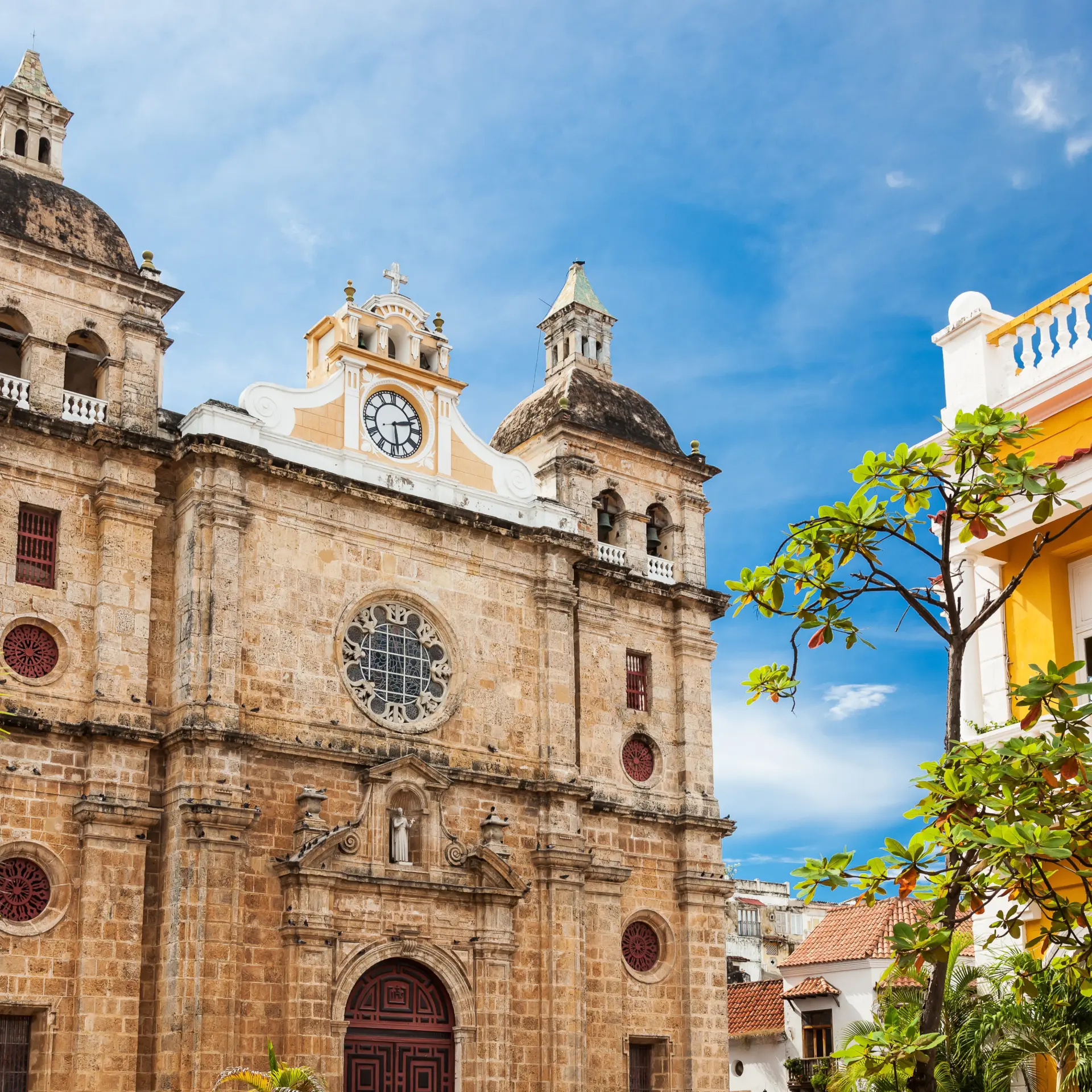
You’ll drive to Medellín Airport, where you’ll return your hire car. You’ll then take a domestic flight to the Caribbean city of Cartagena. Cartagena is undoubtedly Colombia’s best-known destination. You are free to spend your days in Cartagena as you wish. For example, visit the Convento de La Popa on Popa Hill, which is the highest point in Cartagena. You can also stroll through the Getsemani neighbourhood, home to plenty of street art, as well as the colonial centre. A lovely way to round off the day is with a refreshing drink whilst enjoying the view of the sea and the setting sun from the northern part of the city.
Another option is to take a day trip to the beautiful Rosario Islands. These are about an hour’s boat ride from Cartagena. The Rosario Islands are renowned for their stunning natural surroundings. The crystal-clear waters and colourful coral reefs make them a popular destination for snorkelling and diving.
Included:
• Hire car
• Domestic flight Medellín – Cartagena
• Private transfer to your hotel
• Accommodation including breakfast
Accommodations
B.O.G. Hotel
B.O.G. Hotel is located in the La Cabrera district, with easy access to shops, embassies, financial centres and other attractions in the city. The hotel offers spacious rooms and suites with well-lit desks and bathrooms with hydromassage showers. Guests can enjoy delicious meals at the restaurant...
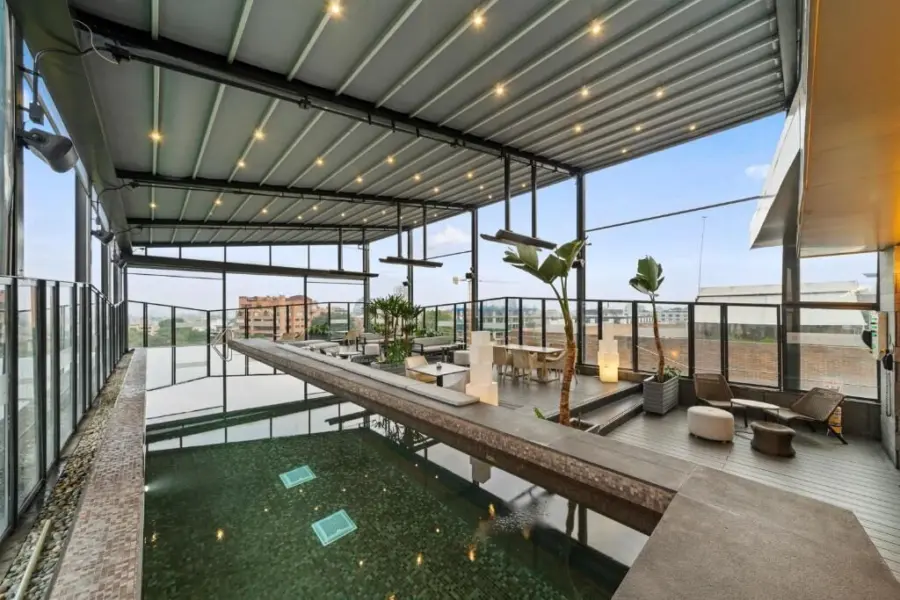
B.O.G. Hotel is located in the La Cabrera district, with easy access to shops, embassies, financial centres and other attractions in the city. The hotel offers spacious rooms and suites with well-lit desks and bathrooms with hydromassage showers. Guests can enjoy delicious meals at the on-site restaurant and have refreshing drinks at the lobby bar. Leisure facilities include a rooftop terrace with an infinity pool.
Your stay: 2 nights
Hotel Casa Real Villa De Leyva
Hotel Casa Real Villa de Leyva offers the unique experience of travelling to the past with the comforts of the present era. The hotel is conveniently located a five-minute walk from the city centre and 300 metres from the main square. During your stay, after a busy day, you can enjoy a relaxing...
Hotel Casa Real Villa de Leyva offers the unique experience of travelling to the past with the comforts of the present era. The hotel is conveniently located a five-minute walk from the city centre and 300 metres from the main square. During your stay, relax in the hotel's heated indoor pool after a busy day or enjoy a drink or snack in the hotel restaurant.
Your stay: 2 nights
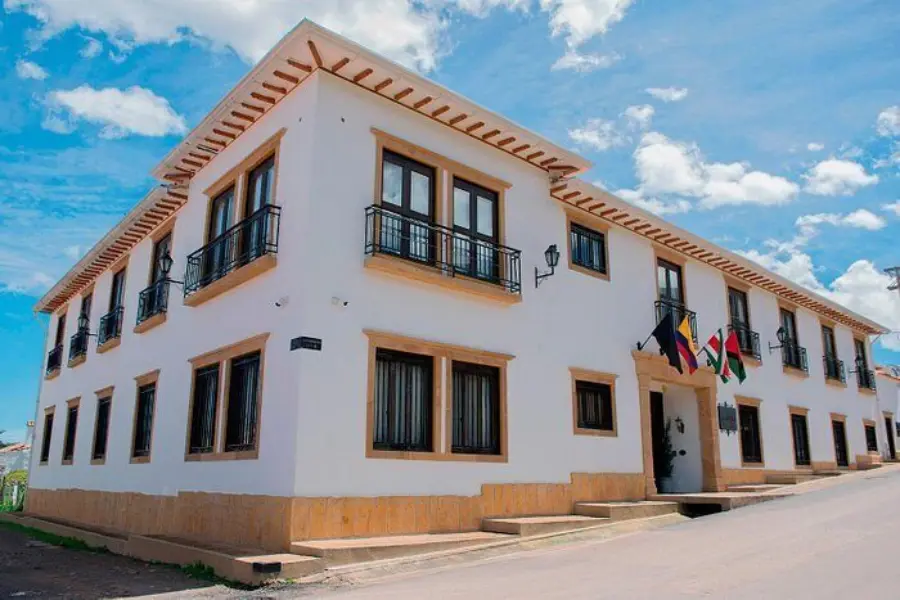
Hotel Hacienda Baza
Hacienda Baza is a unique place, in the middle of the mountains of Boyacá. Surrounded by a beautiful forest and tropical gardens, the beautiful 17th-century building is a comfortable and atmospheric place to stay. Near the hotel, you can go horseback riding, cycling and hiking through the beautiful surroundings! The hotel itself...
Hacienda Baza is a unique place, in the middle of the mountains of Boyacá. Surrounded by a beautiful forest and tropical gardens, the beautiful 17th-century building is a comfortable and atmospheric place to stay. Near the hotel, you can go horseback riding, cycling and hiking through the beautiful surroundings! The hotel itself has a restaurant, swimming pool, bar, Wi-Fi, parking and even a massage parlour.
Your stay: 1 night
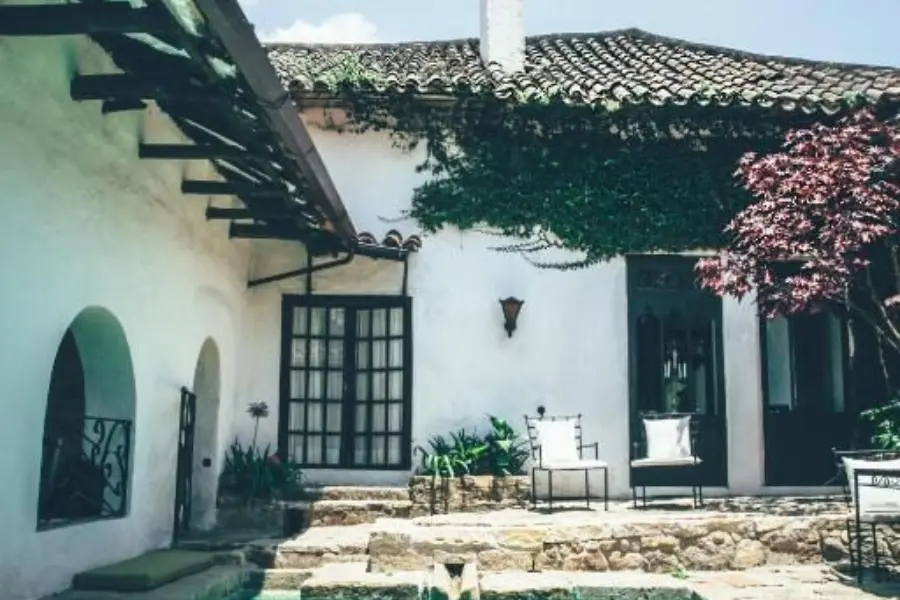
Hotel Casona Quesada
The Casona Quesada Hotel is located next to the city registry and began its construction in 2013. The owners wanted to create an old colonial house, strategically located opposite one of the corners, of Suesca's main park.
The hotel offers exceptional service, capturing the true charm of the place...
The Casona Quesada Hotel is located next to the city registry and began its construction in 2013. The owners wanted to create an old colonial house, strategically located opposite one of the corners, of Suesca's main park.
The hotel offers exceptional service, combining the genuine charm of the place with a touch of modernity and a unique, pure and simple style. At the hotel, you can unwind, helped by the comfortable, cosy and relaxed atmosphere. You can sip a good wine in front of the fireplace, dine with friends or play a board game.
Casona also offers the service of lounges for all types of events, including: training sessions, weddings, birthdays, baby showers, children's parties, business meetings and a wide gastronomic variety at the La Casona restaurant with organic cuisine, featuring typical national and international dishes.
Furthermore, the hotel has ample parking and a bar (La Roca).
Your stay: 1 night
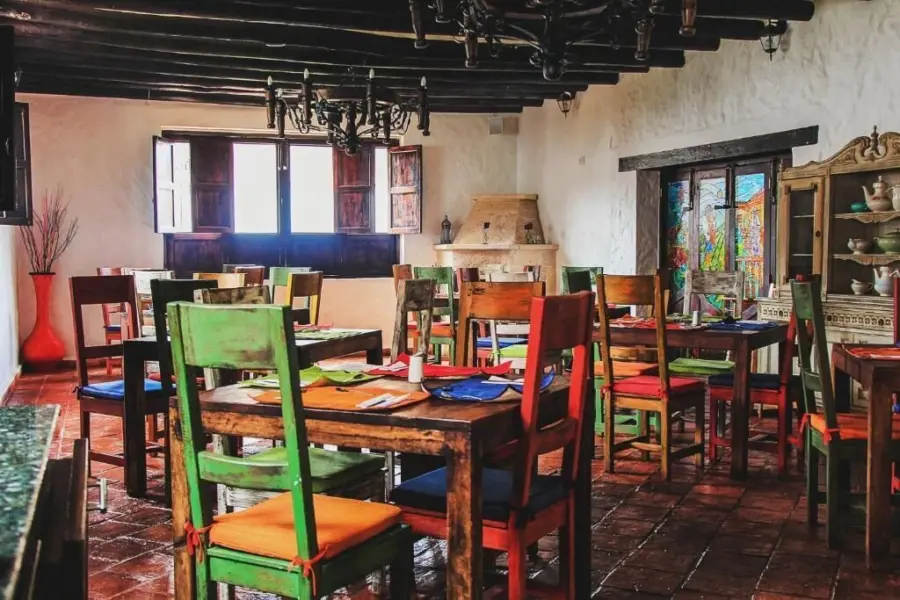
Casa de Amigos Honda
Located in Honda, Casa De Amigos Hotel Boutique offers accommodation with a year-round outdoor pool, free WiFi, a garden and a shared lounge.
The bed and breakfast provides a continental breakfast. Casa De Amigos Hotel Boutique has a terrace and cycling is available nearby.
Your stay: 2 nights
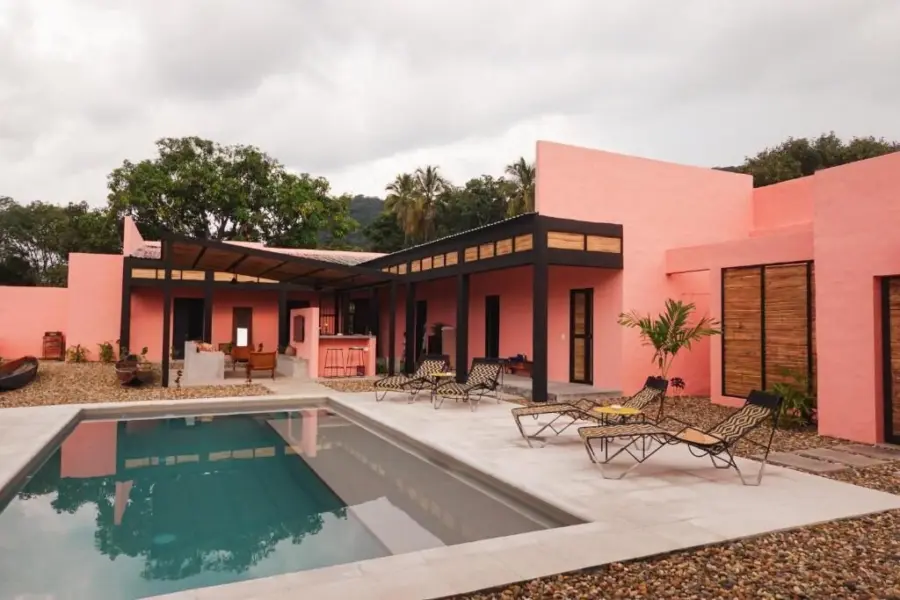
Hotel Casa San Carlos Lodge
Located in the heart of Colombia's cultural coffee landscape near Pereira, Casa San Carlos Lodge offers a unique and luxurious experience for nature lovers. The lodge is very focused on the sustainability of nature and is surrounded by the rainforest. You will also find unique handmade products, made...
Located in the heart of Colombia's cultural coffee landscape near Pereira, Casa San Carlos Lodge offers a unique and luxurious experience for nature lovers. The lodge is very focused on the sustainability of nature and is surrounded by the rainforest. You will also find unique handmade products made by artisans.
There are different room types to stay in, from superior to suite, with stylish furnishings made up of natural materials. The bathrooms have brass accessories and the rooms all have air conditioning, minibar & wifi.
The La Ceiba restaurant has a relaxed atmosphere with mountain views, where you can treat yourself gastronomically with a modern interpretation of ancestral Colombian dishes combined with an international touch. Relax by the pool, or by the campfire in the evening.
Your stay: 3 nights
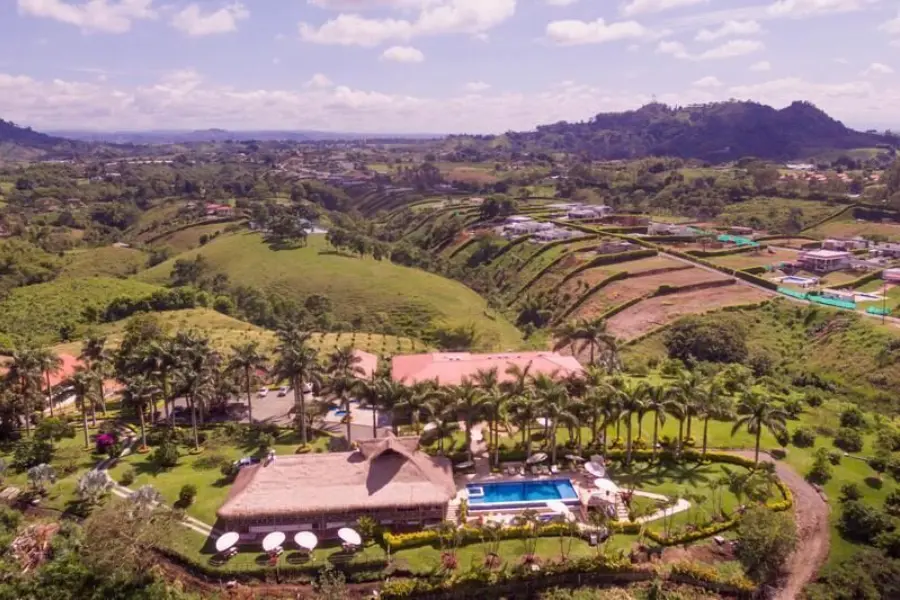
Casa Jacaranda Hotel Boutique
Casa Jacaranda Hotel Boutique is located in Jericó and features an outdoor pool, a garden, a terrace and a restaurant. The hotel offers a hot tub, room service and free Wi-Fi in all areas.
The hotel offers air-conditioned rooms with a desk, a safe, a flat-screen TV, a balcony and a private bathroom...
Casa Jacaranda Hotel Boutique is located in Jericó and features an outdoor pool, a garden, a terrace and a restaurant. The hotel offers a hot tub, room service and free Wi-Fi in all areas.
The hotel offers air-conditioned rooms with a desk, a safe, a flat-screen TV, a balcony and a private bathroom with a shower. Each room at Casa Jacaranda Hotel Boutique comes with bed linen and towels. Staff at the 24-hour front desk are at your service.
Your stay: 2 nights

Click Clack Hotel
The Click Clack Hotel is located in the heart of the Provenza district in Medellín; an accommodation with a chic and bold design where exclusivity reigns, with 119 rooms ranging in size from XS to 3XL, each one with creative details to arouse the curiosity of our guests while at the same time the...
The Click Clack Hotel is located in the heart of the Provenza district in Medellín; an accommodation with a chic and bold design where exclusivity reigns, with 119 rooms ranging in size from XS to 3XL, each one with creative details to arouse the curiosity of our guests while interacting.
The hotel is located in a modern and beautiful area to stroll around, surrounded by greenery, restaurants, shops and bars. A green outdoor lobby offers a wide range of gastronomic options to satisfy all tastes. There are 5 exclusive restaurants, which have become a rage in the city: Egeo with Greek food, Mekong for fans of Thai, Big Bao for takeaway and Click Clack Kitchen; a responsible and healthy cuisine option. The hotel has a rooftop outdoor pool where you can relax.
Sustainability
Click Clack is committed to making their processes more sustainable in line with the circular economy model, seeking products they can reuse and recycle with a view to reducing the negative impacts of their hotels. They have a comprehensive sustainability policy that includes prioritising suppliers of Colombian micro-enterprises and national products. More information: https://www.clickclackhotel.com/en/sustainability/
Your stay: 2 nights

Bosko
Located in Guatape, Bosko offers a unique glamping experience, surrounded by the mountains and rivers of the nearby indigenous forest. At night, the sky fills with stars, creating unforgettable views.
All unique rooms have private bathrooms with outdoor showers, as well as terraces, from where you can...
Located in Guatape, Bosko offers a unique glamping experience, surrounded by the mountains and rivers of the nearby indigenous forest. At night, the sky fills with stars, creating unforgettable views.
All unique rooms have private bathrooms with outdoor showers, as well as terraces, from where you can enjoy magical sunsets. There are many facilities and activities at and around the accommodation. Some of the activities include kayaking, fishing and exploring the native forest.
Your stay: 2 nights
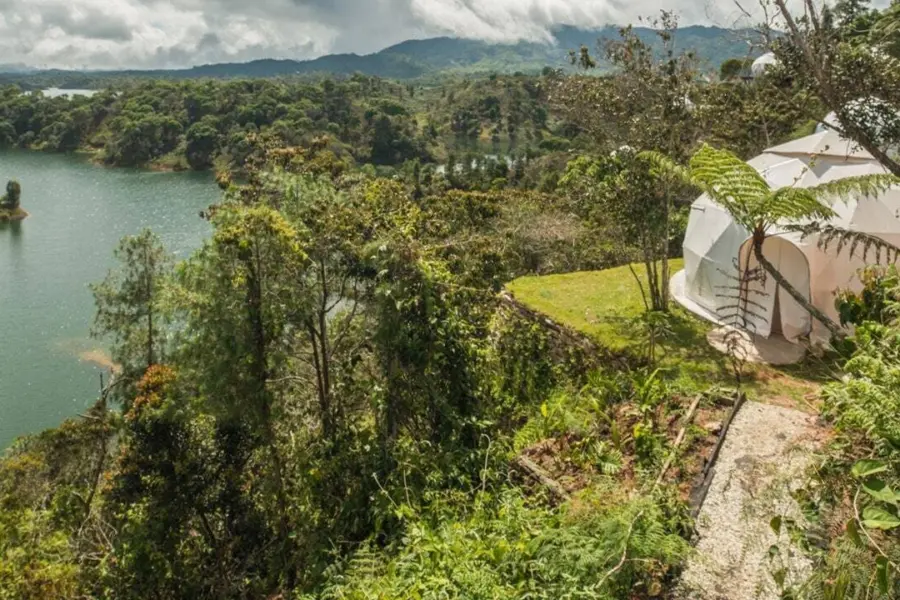
Hotel Casa Don Luis by Faranda Boutique
Hotel Don Luis by Faranda Boutique is located on the historic Calle del Cuartel in the walled sector of Cartagena de Indias. This accommodation is housed in a majestic colonial house in the historic centre of Cartagena de Indias. The hotel's 28 colonial-style rooms are spacious and feature luxurious,...
Hotel Don Luis by Faranda Boutique is located on the historic Calle del Cuartel in the walled sector of Cartagena de Indias. This accommodation is housed in a majestic colonial house in the historic centre of Cartagena de Indias. The hotel's 28 colonial-style rooms are spacious and feature luxurious, contemporary décor and modern amenities. When it comes to dining, guests can enjoy delicious dishes at the welcoming San Ignacio restaurant, which specialises in Italian cuisine. Leisure facilities include spa services, an indoor pool and a jacuzzi.
Your stay: 2 nights

Experiences
Private city tour Bogotá
Led by a guide, take a private city tour of the city. Start the day at the gold museum, an extraordinary selection of pre-Columbian goldwork collection. It is the largest collection in the world. Then stroll through the winding streets of La Candelaria, Bogota's historic district. Your guide...
Led by a guide, take a private city tour of the city. Start the day at the gold museum, an extraordinary selection of pre-Columbian goldwork collection. It is the largest collection in the world. Then stroll through the winding streets of La Candelaria, Bogota's historic district. Your guide will tell fascinating stories behind the cobbled streets, houses, squares and cathedrals of this district. On the itinerary, you will visit the Botero Museum, where maestro Fernando Botero displays his impressive personal art collection of plump-figured masterpieces alongside artworks by famous artists such as Dali, Monet, Picasso and Matisse. After the excursion, take the cable car up the Mosterrate to enjoy stunning views of the city.
* Due to long waits in Monserrate on weekends, guests may choose to visit other historic neighbourhoods such as Usaquén or have a drink at another beautiful location in Bogota.

Destinations
Cocora Valley
The Cocora Valley is a valley located in Quindío in Colombia. Located in the Cordillera Central, the valley is part of the Los Nevados National Natural Park. This idyllic, emerald green valley is home to an abundance of beautiful flora including orchids, bromeliads, heliconias and, of course, the towering palm trees for which the region is famous. This beautiful, surreal landscape is home to an impressive array of rare wildlife such as the endangered mountain tapir, spectacled bear, puma, sloth, and pumas. In addition, the park is also rich in bird species, such as toucans, eagles and, perhaps most notably, the Yellow-eared Parakeet, which nests in the hollow trunks of wax palms. The Cocora Valley is a dynamic, peaceful hiking paradise small enough to traverse in one day.


Antioquia
The department of Antioquia is situated in north-western Colombia and stretches across the majestic Andes Mountains. It boasts a diverse cultural heritage, remarkably picturesque landscapes and historic architecture. Antioquia is renowned for its gold, coffee, textile and flower industries and has developed the country’s second-largest economy.
It is home to the city of Medellín, which serves as the region’s capital and boasts the impressive, unmissable Museo de Antioquia, showcasing works by Fernando Botero, a famous Colombian artist. Visit a coffee plantation and enjoy a cup of locally grown, freshly roasted coffee; discover the charming town of Santa Fe de Antioquia with its colonial buildings, tamarind sweets and winding cobbled alleys; and enjoy a weekend break in Guatape, a seaside resort on the shores of the Penol-Guatape reservoir.
Medellin
Medellín is a city located in northwestern Colombia and is also known as the city of eternal spring due to its favourable climate. Despite a notorious past (Medellín was the hometown of famed drug lord Pablo Escobar), Medellín today is a must-see for city lovers. Vibrant, modern, and in full bloom. A hotspot in South America. The famous artist Fernado Botero is also from Medellín. Many of his artworks can be admired in the city's museums. You will also find some of his statues in the city.
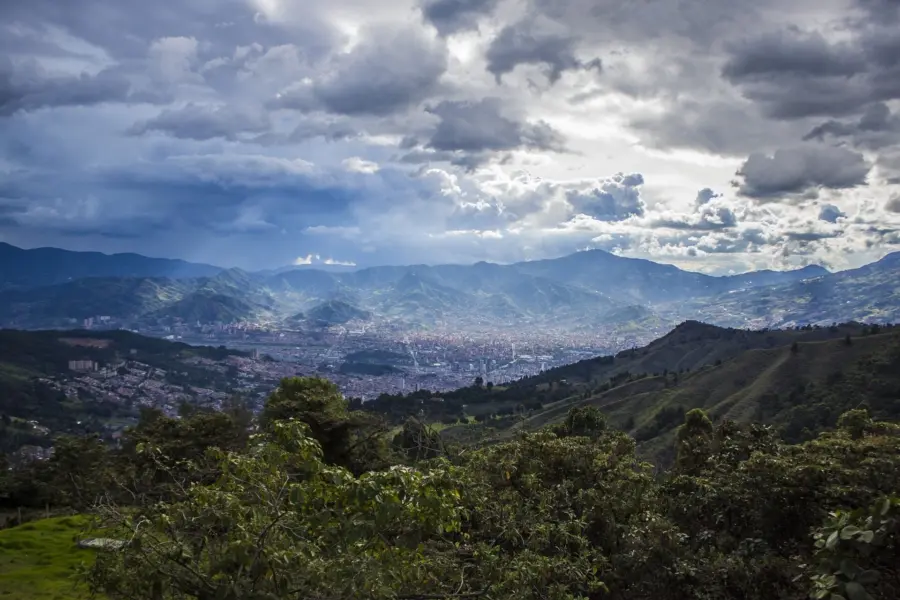

Guatape
Walking through the cobbled streets of Guatapé in the Antioquia district of Colombia, you may think you have taken a step back in time. This picturesque village, surrounded by green hills and freshwater lakes, tells its own story through beautiful pastel-coloured paintings that adorn the lower half of most buildings. On weekends, the waterfront promenade bustles with local vendors selling art, food and souvenirs. Boat trips are offered, while adventure lovers can take a ride on the Cable Vuelo, a canopy-zipline across Lake Guatapé, or climb El Peñol, the massive mountain for which the city is famous.
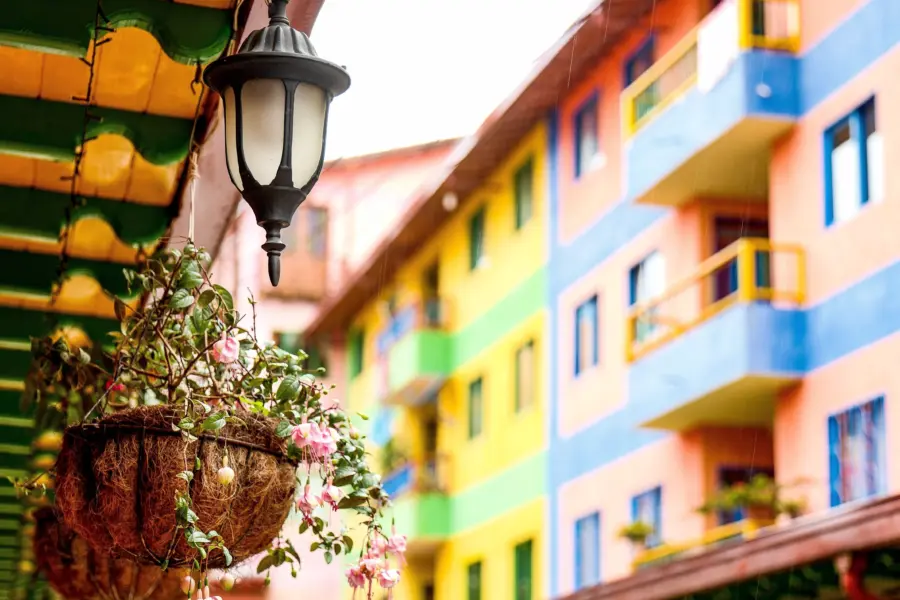

Bogota
The name Bogotá derives from Bacatá which is a residence of the Muisca Indians. The city is located high up at around 2,600 metres. Because the city is far from the sea, it was not immediately obvious that it would become the capital of Colombia. Initially, therefore, the city grew slowly. Later, many Colombians moved from the countryside to the city in search of a better economic situation. Today, Bogotá is Colombia's most important centre politically, financially and culturally. As such, it is a modern, growing metropolis with many high-rise buildings in the centre and surrounded by suburbs with mostly low-rise buildings. For travellers, the extensive colonial centre and the lively district of 'la zona rosa', where most restaurants, shopping centres and clubs can be found, are the ideal starting points to explore the city. Be sure to visit the city's gold museum, undoubtedly one of the most interesting museums on the continent. For great views of the city, catch the cable car up Monsterrate Mountain.


Cartagena
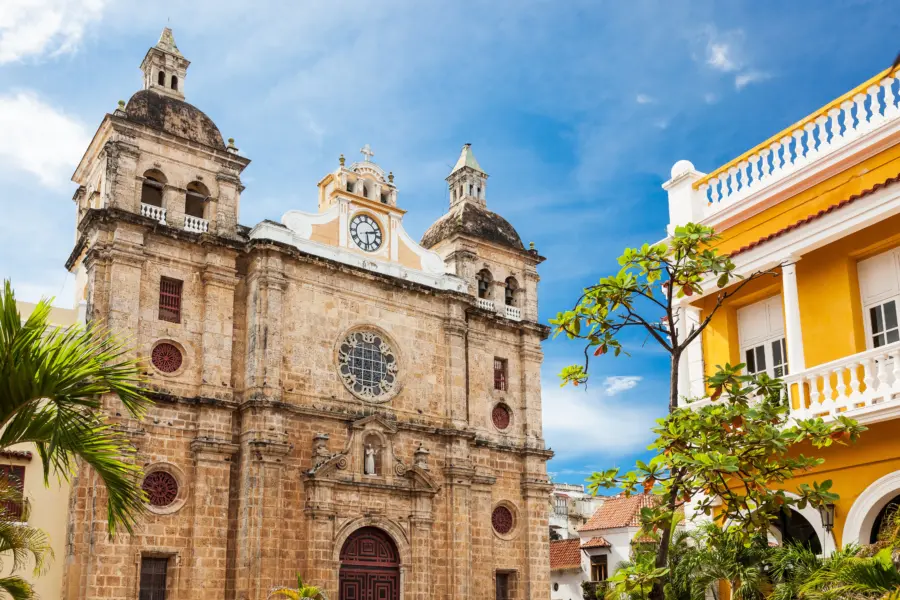
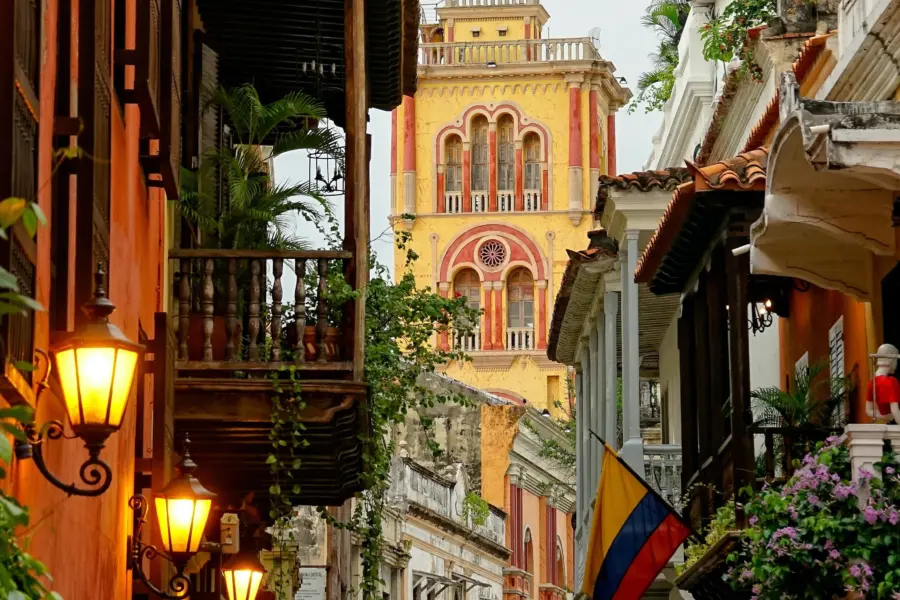
Cartagena is undoubtedly Colombia’s best-known destination. Few cities capture the imagination quite like this one (Cartagena is generally ranked alongside Cusco and Ouro Preto as one of South America’s most beautiful colonial cities). Within the city’s fortified walls, everything has remained intact, just as it has been for centuries. The magnificent squares, cathedrals and mansions in Caribbean pastel colours offer visitors a ‘postcard-perfect’ scene. The famous Colombian writer Gabriel García Márquez wrote in his memoirs: ‘When I first visited Cartagena, I couldn’t suppress the feeling of being reborn’.
Beyond its fascinating setting, the city also offers plenty of a lively atmosphere. Shops, restaurants, bars, terraces, salsa clubs and so on. A place every traveller simply must visit at least once. From the city, you can also organise lovely boat trips, for example to the Rosario Islands.
Villa de Leyva
Villa de Leyva is a colonial town and is even regarded as one of the most beautiful colonial towns in Colombia. Villa de Leyva is situated in a high valley at an altitude of approximately 2,144 metres, where fossils from various periods have been found.The picturesque cobbled streets eventually lead to the Main Square, where, alongside the church, there are also many restaurants.
This is Colombia’s largest central square and the only one in the country not named after the freedom fighter Simón Bolívar. You’ll also find plenty of shops selling handmade art and other items. There are also several attractions in the vicinity of Villa de Leyva. For example, if you have enough time, you can visit a fossil museum or go to the astronomical observatory dating from the Muisca culture. If you’re a fan of waterfalls, you might also want to visit the La Periquera waterfalls. This is a group of seven waterfalls.


The Coffee Triangle
The Zona Cafetera is the coffee region of Colombia. This area produces almost half of all coffee within Colombia. There are small family plantations to large-scale coffee plantations that together cover almost the entire area. It is recommended to definitely visit a plantation here. Besides the coffee national park, where you can learn a lot about the region's coffee, you can also do some fantastic hiking or horseback riding here. On a horseback ride, you can visit the mountains with their snow-capped peaks in Los Nevados National park.


Colombia
Pereira
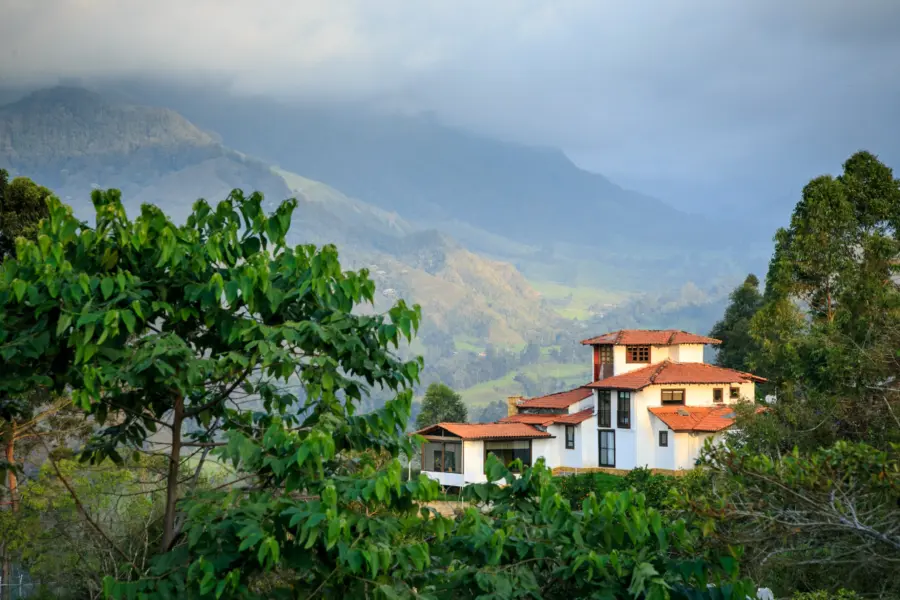
The university town of Pereira is situated in Colombia’s famous coffee region. The town is usually used as a base from which to explore the colourful town of Salento. The region is characterised by a stunning landscape of lush, green rolling hills, dotted with coffee plantations where some of the world’s finest coffee is produced. As well as the National Coffee Park, where you can learn a great deal about the region’s coffee, there are also fantastic opportunities for walking or horse riding. Furthermore, the surrounding area is home to the relaxing thermal springs of Santa Rosa and San Vicente.
Pereira itself also has its own charm, with its coffee culture, nightlife, a number of fascinating museums, state-of-the-art shopping centres, and some interesting sights, such as the Bolívar Desnudo Monument and the viaduct built in honour of former President César Gaviria. This modern city has so much more to offer than just its delicious coffee.

Suesca
Suesca (meaning ‘the rock of the birds’) is particularly characterised by its steep rocky cliffs.
It is therefore known as Colombia’s premier climbing village, less than an hour and a half’s drive from Bogotá. These ‘Suesca Rocks’ are a natural and cultural heritage site of great importance to the country. With three kilometres of high cliffs offering five hundred climbing routes, climbing enthusiasts will be kept busy for a while. There are also other activities on offer, such as horse riding, bird watching, a visit to the hot springs, and a variety of walking routes.
Honda
Honda is known as the 'City of Bridges' with more than 40 bridges over a network of rivers. Because of its ideal location along the river, this city once served as a launching pad between the Caribbean coast and the city of Bogota in the hinterland. Visitors can look forward to a variety of activities such as viewing the city's impressive colonial architecture, exploring the winding alleys of the historic cobblestoned "Calle de las Trampas", strolling across the Navarro Bridge and attending the annual Carnival Up.


Cundinamarca
Tobia in the Cundinamarca region is just a 2-hour drive from Bogota. It is a small atmospheric village in the mountains and paradise for extreme sports enthusiasts. There is so much to do in Tobia. You can go on a beautiful hike here, part way through the river, whitewater rafting and abseiling from a waterfall. Nature is beautiful. The mountains are mountainous with forests and you can see many birds and butterflies here.
Boyaca Department
The Bocaya district stretches across the Andes Mountains and borders Venezuela. It is known for its charming villages, lush landscape and peaceful countryside. There is a collection of picturesque colonial villages, including Villa de Leyva; famous for its white buildings and pebbled streets. Other highlights of this district include: a visit to Lake Tota, Colombia's largest lake; a hike across Paramo de Oceta, known for a wide variety of alpine tundra; and a visit to El Cocuy National Park, which features imposing snow-capped peaks, glacier lakes and highland heathland. Don't miss the opportunity to visit Mongui; the most beautiful village in Bocaya.


Bolivar
Spreading down inland from its coastal capital of Cartagena, the Colombian department of Bolivar lies in the north of the country. In Magangue, take scenic ferry rides along the river, explore colonial architecture and learn about the art of gold filigree, before heading towards the historic Santa Cruz de Mompox; or explore the lush Botanical Gardens in Turbaco to meet parrots, frogs, and monkeys. In the capital, meander through thirteen kilometres of the UNESCO-listed Old Town, dance the night away on a party bus or learn to salsa at one of the many clubs, or while away the day sunbathing on gorgeous beaches or watching fishermen bring in their catch. See 280 species of birds at the Wildlife Sanctuary Los Colorados, or delve into Colombian heritage by visiting the house of Rafael Nunez, four-time president and composer of the national anthem.
Northern Andes, Colombia
The northern Andes, located in the heart of Colombia, has spectacular snow-capped mountains and lush rolling hills dotted with fertile farmland. This picturesque area has a rich history and culture and an incredible natural environment. Visitors can look forward to exploring the varied ecosystems in the Northern Ades, including the wet forests of Chocó, the Magdalena Medio rainforests, the upper peaks of the Paramillo and sea level mangroves. The incredible landscapes attract countless adventure sports enthusiasts, who come to this part of Colombia to hike, climb, raft and paraglide; and discover picturesque colonial villages with quaint cobbled streets and clay tile roofs.
Colombia trip | Historic self-drive through Colombia
We offer the described trip from €3,895 per person.
The price is indicative and is subject to factors including availability and travel dates.
Included
• Domestic flight as mentioned in ‘your itinerary’
• 19 nights’ accommodation in charming and high-quality properties
• All meals as specified in the itinerary
• Hire car, Renault Duster or equivalent, including insurance, taxes and excess waiver
• All necessary private transfers as mentioned
• All excursions as mentioned in the programme, including a city tour in Bogotá with a private guide and in Medellín
• Entrance fees to national parks for scheduled excursions
• Booking fees (worth €50)
Positive impact of your trip:
• A contribution of €50 per person towards positive impact via the Avila Foundation
Not included
• Intercontinental flights
• Travel and/or cancellation insurance
• Seat reservations on flights
• Local car hire costs, such as administration fees, parking charges and fuel
• Personal expenses/tips
• Meals not specified and optional excursions
• Contribution to the Calamity Fund (€2.50 per booking)
• SGR contribution (€5 per person)