
 en


- Adventure
- 19-day trip
- From €5,800 p.p.
Bolivia trip | Highlights adventure Bolivia
This impressive tour of Bolivia takes you through spectacular natural landscapes and rich culture. You’ll start in tropical Santa Cruz, before exploring the cloud forest of Amboró National Park and the archaeological site of El Fuerte. You’ll then travel to the mountain village of Samaipata, surrounded by stunning natural beauty. A highlight of this trip is the trek in Eduardo Avaroa National Park, where you’ll walk through a breathtaking landscape of colourful lakes, salt flats, volcanoes and hot springs. During this trek, you’ll experience the pure wilderness and get up close to the unique flora and fauna of the Andes.
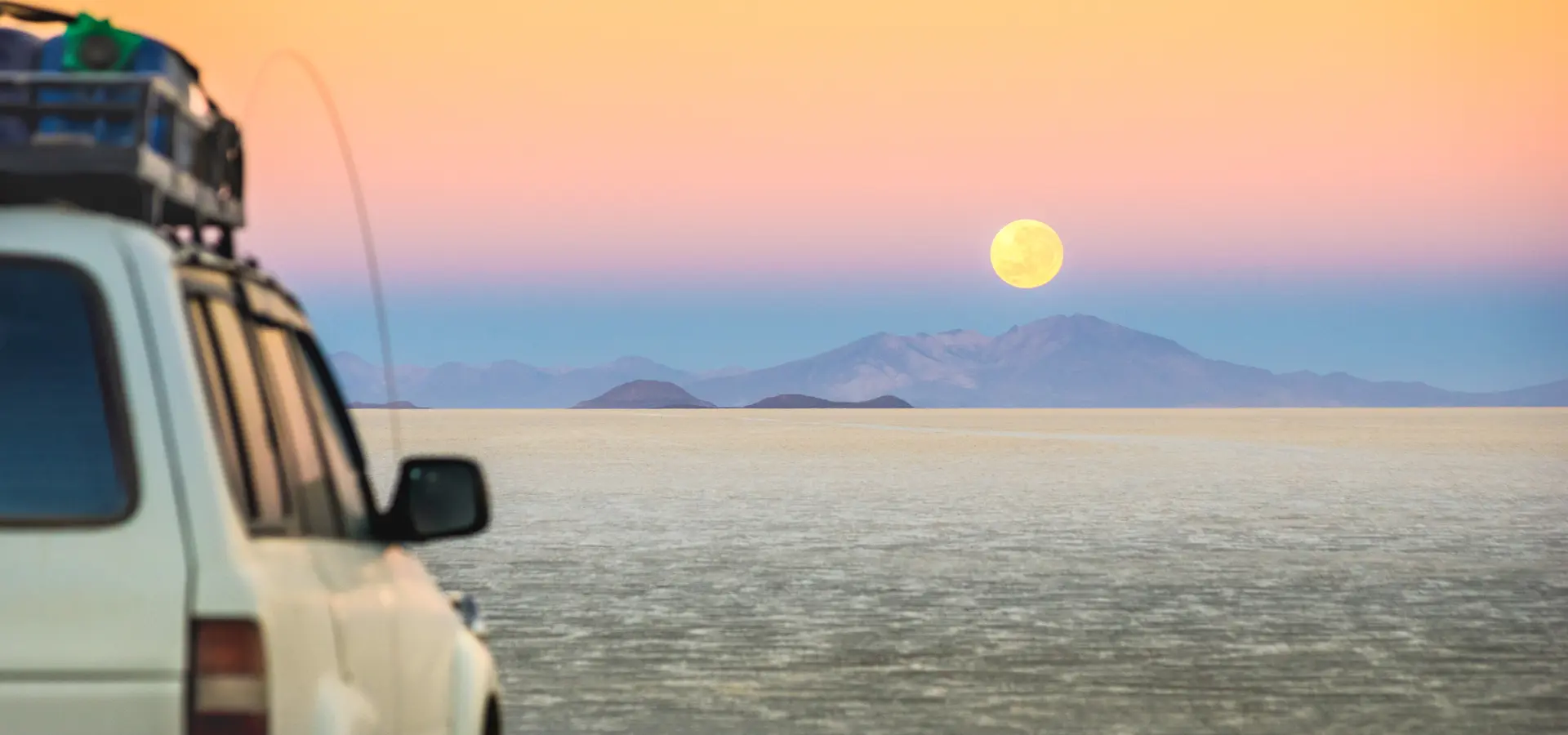
After this impressive trek, you’ll visit the famous Uyuni salt flats , where you’ll spend the night in unique salt hotels and enjoy surreal sunsets. The trip concludes with a visit to the tropical Amazon rainforest, where you’ll discover the rich biodiversity and local cultures. This tour thus offers you the perfect blend of adventure, nature, culture and relaxation, allowing you to get to know Bolivia in all its diversity.
Travel programme
Travel overview
- Day 1 Start of your journey
- Day 2 – 3 Samaipata & Amboró National Park
- Day 4 Caves & coffee plantations and journey to Sucre
- Day 5 Inca trek around the Andes
- Day 6 Journey to Potosí
- Day 7 Excursion to the mines and journey to Uyuni
- Day 8 Uyuni Salt Flats
- Day 9 The spectacular landscapes of south-west Bolivia
- Day 10 Lagoons , desert, geysers and hot springs
- Day 11 Journey to La Paz
- Day 12 Choro trek
- Day 13 Choro trek, day 2
- Day 14 Choro trek, day 3, and return to La Paz
- Day 15 Madidi National Park
- Day 16 Exploring Madidi National Park
- Day 17 Exploring Madidi National Park
- Day 18 Back to Santa Cruz
- Day 19 End of your trip
Start your journey
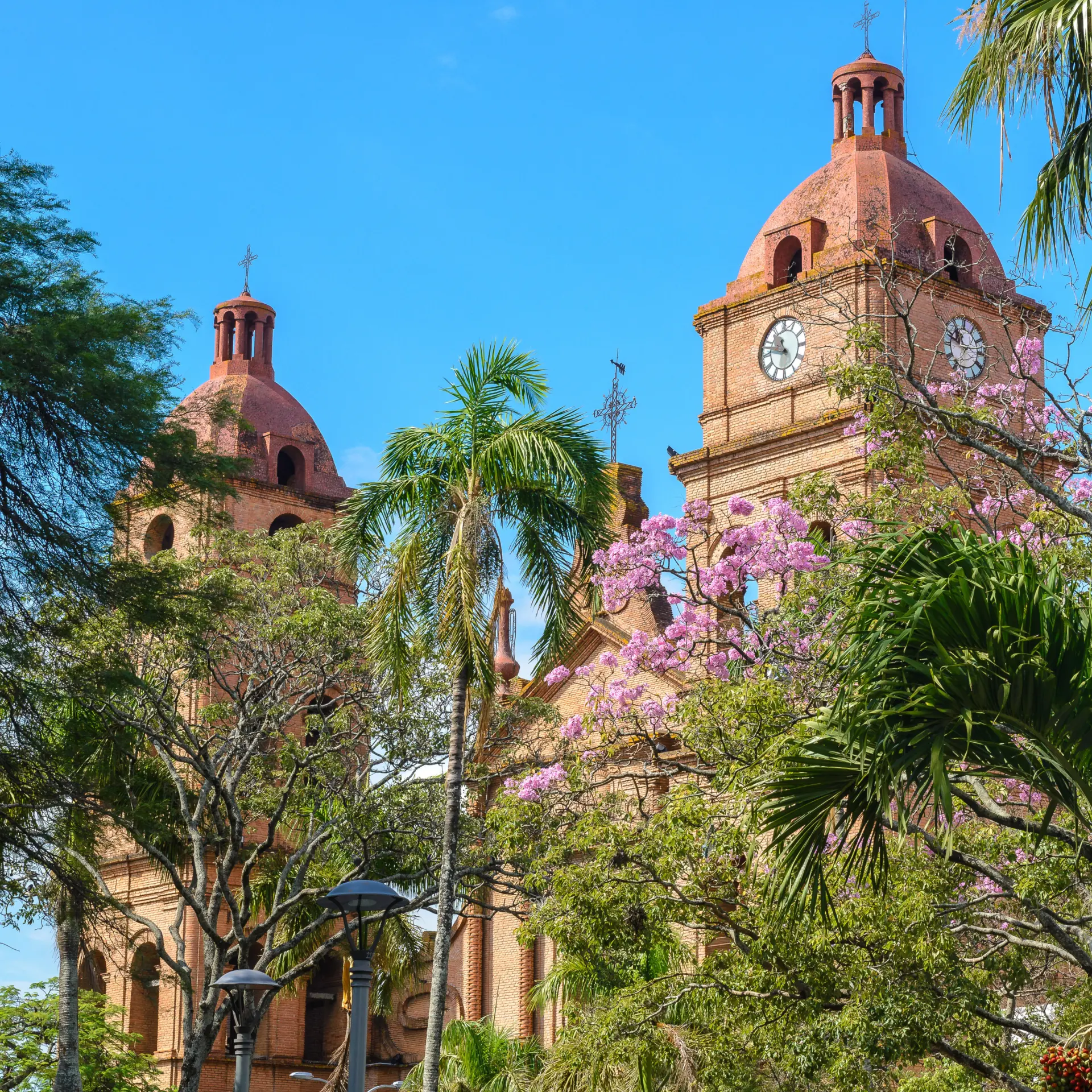
Welcome to Bolivia! After arriving at Santa Cruz airport, you will be warmly welcomed by a local representative. This is followed by your private transfer to the hotel, where you can recover from the flight and calmly acclimatise. Santa Cruz, located in the tropical lowlands of Bolivia, offers a relaxing start to your trip with a pleasant climate, atmospheric squares and a mix of colonial charm and modern vibrancy. In recent years, Santa Cruz has grown into a city of more than 1.5 million inhabitants and consists of several layers, so to speak, where Casco Viejo is the inner layer and where the old city centre is located.
Inclusief:
- Meet & Greet at the airport
- Private transfer to hotel
- Overnight accommodation including breakfast
Exclusief:
- Intercontinental flight
Samaipata & Amboró National Park
At 07:30, you’ll set off for Samaipata. The journey takes you through the beautiful Cruceños Valleys, covering 60 km of flat countryside followed by 60 km through mountainous terrain. Along the way, you’ll enjoy fresh air, lush greenery and impressive panoramic views. On arrival, you’ll visit the archaeological site of El Fuerte, a unique spot where three geographical regions converge. After lunch in the village of Samaipata, you’ll take a short walk through the village centre and the surrounding area. You’ll round off the day with dinner and an overnight stay in Samaipata.
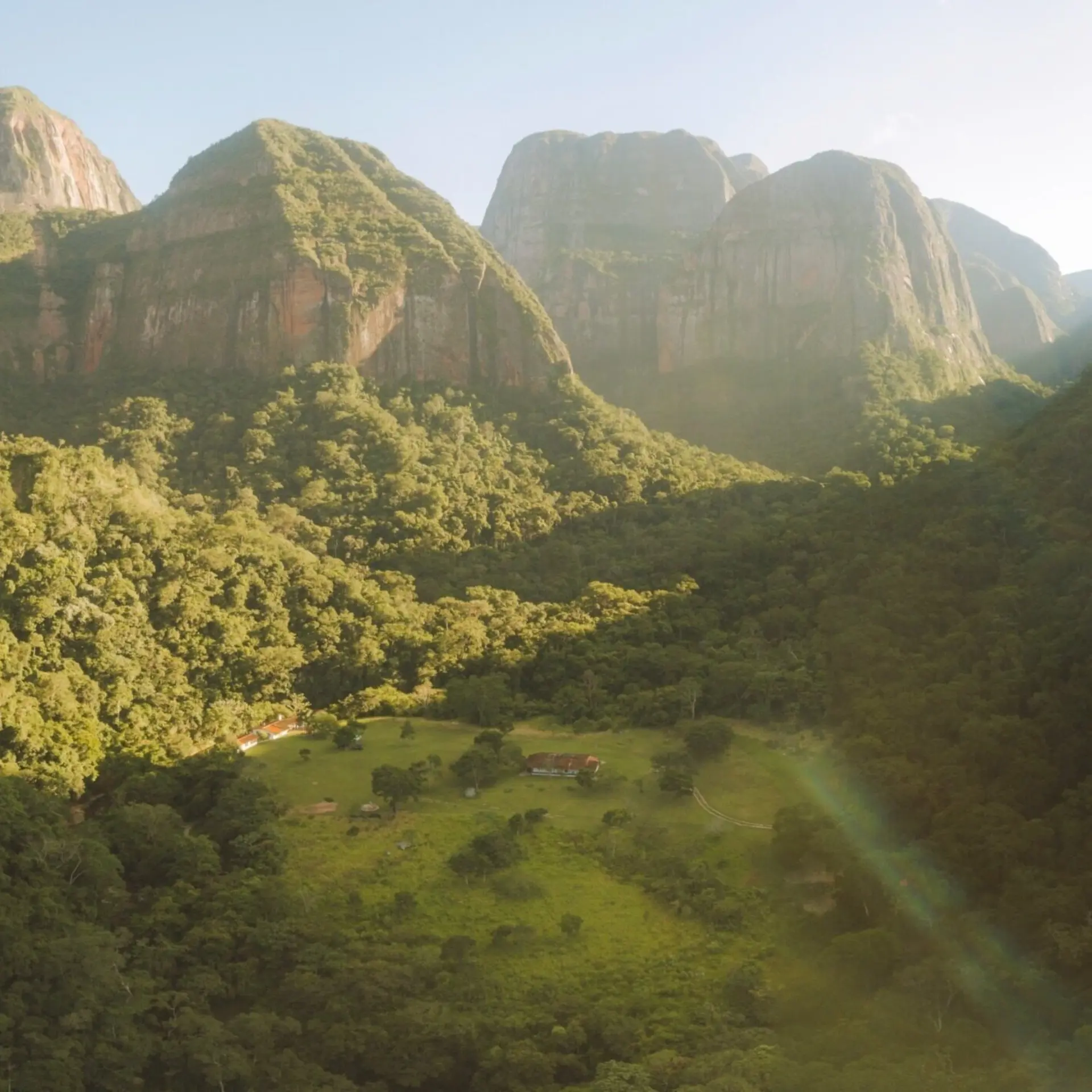
The following day, you’ll travel to the southern part of the beautiful Amboró National Park, an area renowned for its extraordinary biodiversity and unique landscapes. Here, you’ll walk through an enchanting cloud forest, home to giant ferns over 10 metres tall that date back to prehistoric times. As you make your way through this impressive ecosystem, you’ll feel as though you’ve stepped into a world millions of years old. Along the way, you’ll enjoy a picnic lunch surrounded by nature. In the afternoon, you’ll return to Samaipata, where you can spend the rest of the day as you wish.
Inclusief:
- Private transfer to your accommodation
- Private excursion: El Fuerte including entrance fees including lunch and dinner
- Excursion: Amboró National Park including box lunch
- Overnight stays including breakfast
Caves & coffee plantations and trip to Sucre
In the morning, you’ll visit the fascinating Mataral Caves, an archaeological treasure trove offering a unique insight into the lives of the prehistoric inhabitants of this region. On the rock faces, you’ll discover impressive rock art and petroglyphs, dating from around 4000 BC, depicting rituals, hunting scenes and the daily life of ancient civilisations. Accompanied by a guide, you’ll learn more about the symbolism and significance of these mysterious inscriptions, surrounded by a landscape steeped in history and natural beauty.
After a delicious lunch in the area, a visit to a local agricultural project is on the programme. Depending on the day, you’ll visit either the Cuevas coffee plantation (Wednesday to Saturday), where you’ll learn about the production process of Bolivian coffee, from bean to cup, or the Uvairenda 1750 vineyard (Mondays and Tuesdays), where you’ll be given a guided tour and have the chance to taste fine wines from this unique high-altitude region.
In the afternoon, you’ll return to Santa Cruz, from where you’ll then continue by domestic flight to Sucre. Upon arrival at the airport, you’ll be met by an English-speaking guide, who’ll take you in comfort to your hotel in the charming, colonial city of Sucre.
Inclusief:
- Private excursion: Mataral caves and local agricultural project including lunch
- Private transfer to the airport
- Domestic flight Santa Cruz - Sucre
- Private transfer to your hotel
- Overnight accommodation including breakfast
Inca hike around the Andes
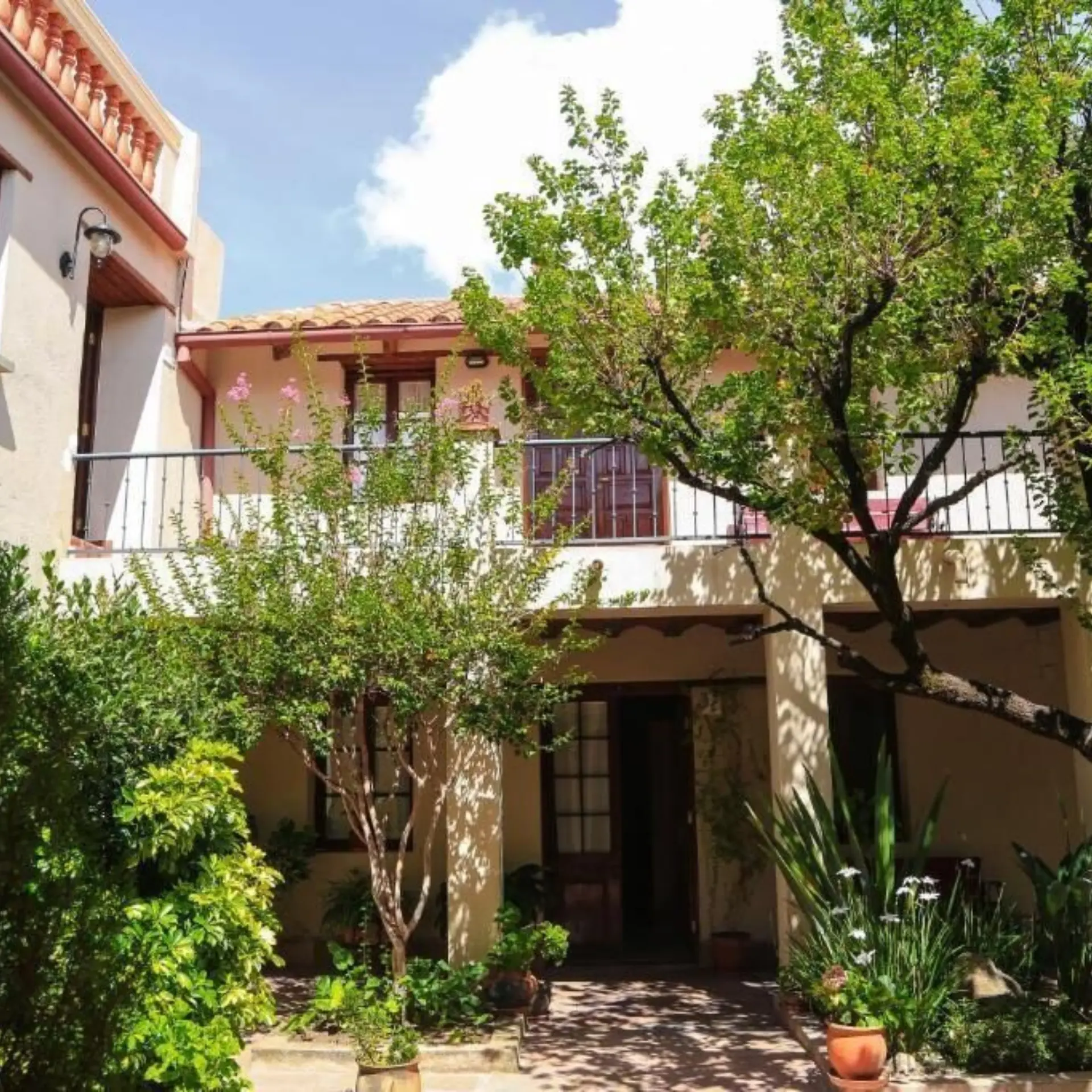
On your second day in Sucre, a special excursion is on the programme. You will be collected from your hotel and transferred to the village of Chataquila, situated in the foothills of the Andes. Here, you will first visit the local sanctuary, a place of spiritual significance for the local people. You will then begin your walk along a well-preserved, pre-Spanish Inca trail – a historic path once used by indigenous peoples and where the leader Tomás Katari was tragically killed. This route takes you through an impressive mountain landscape, with jagged rock formations, colourful vegetation and views that seem to stretch endlessly.
Along the way, you’ll have plenty of time to enjoy the silence, the fresh mountain air and the remarkable flora that makes this region unique. The walk reaches a maximum altitude of around 3,200 metres, but the path is relatively gentle and easy to follow. After this unforgettable experience, you’ll return to Sucre in the afternoon, where you’ll have the rest of the day to spend as you wish.
Inclusief:
- Private excursion: Inca walk with local guide
- Private transfers
- Overnight accommodation including breakfast
Travel to Potosí
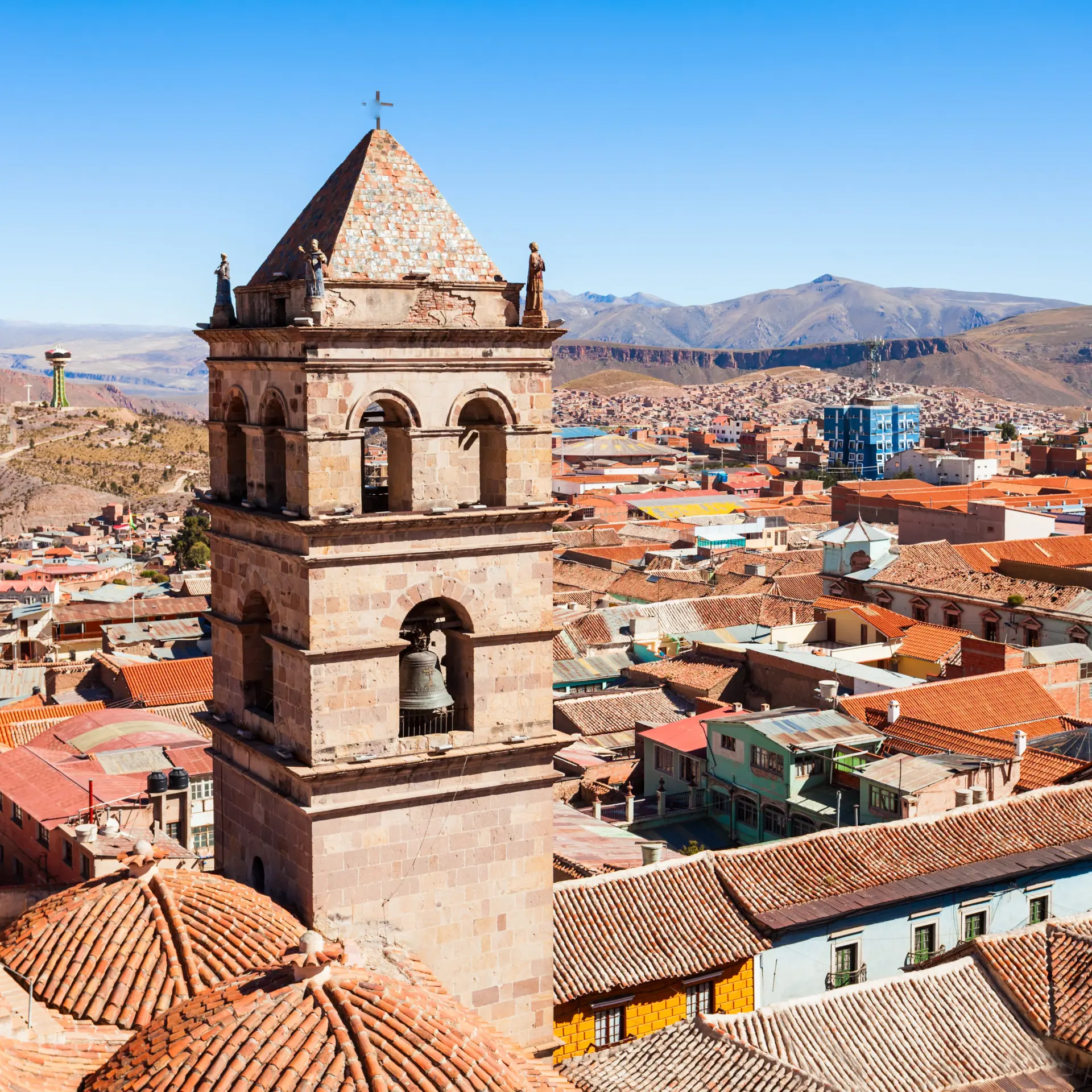
You’ll travel from Sucre to Potosí, a city world-famous for its rich colonial past and the impressive silver mines of Cerro Rico. During the journey through the Andes, you’ll be treated to spectacular panoramic views of the mountains and valleys, which beautifully showcase the rugged landscape of this region.
Once you arrive in Potosí, you’ll have time to explore the historic city centre at your leisure. Stroll through narrow streets lined with well-preserved colonial buildings, visit colourful markets and soak up the lively atmosphere of this city, which was once among the richest in the world. In the evening, you’ll spend the night in a charming hotel, situated in the heart of Potosí.
Inclusief:
- Private transfer to your accommodation
- Overnight accommodation including breakfast
Excursion to the mines and travels to Uyuni
The day begins with an impressive excursion to the famous silver mines of Potosí. First, you’ll visit the bustling miners’ market, where you’ll learn about the various materials the miners use, such as dynamite, coca leaves, alcohol and cigarettes. If you wish, you can purchase these traditional gifts to give to the miners as a token of appreciation. You will then be provided with protective clothing to enter an active mine. Here, you will experience for yourself what it is like to work under the challenging conditions that have scarcely changed since colonial times.
After this unique tour, you will be taken back to Sucre by private transfer, after which you will continue to the bus station in Potosí. Here, you will board a regular bus that will take you to Uyuni. Upon arrival in Uyuni, a transfer will be waiting to take you to your hotel.
Tips from a Travel Specialist
Please bear in mind that Bolivian buses do not always run on time.
Inclusief:
- Private excursion: mining excursion including English-speaking guide
- Private transfer to Sucre
- Bus transfer to Uyuni
- Overnight accommodation including breakfast
Uyuni salt flats
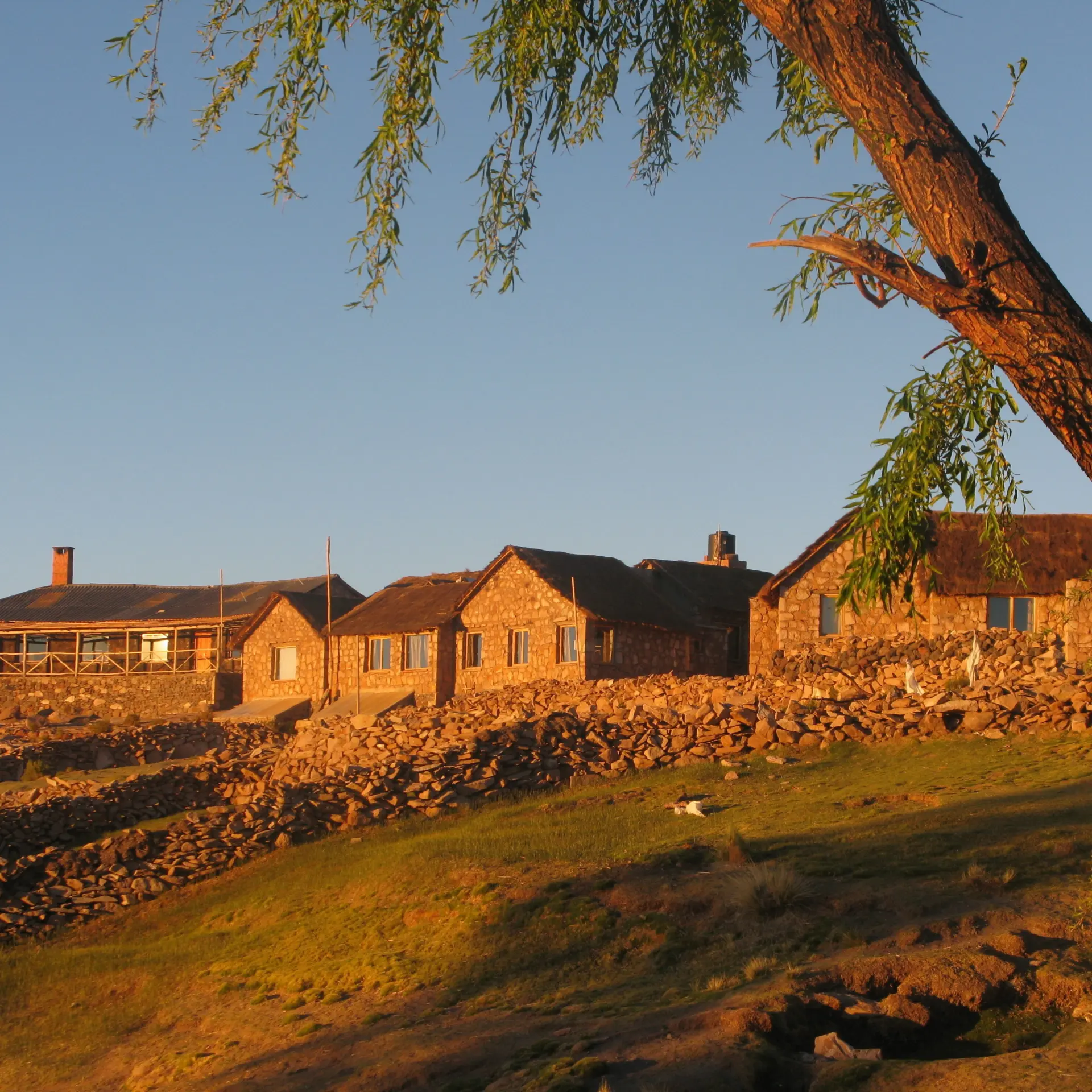
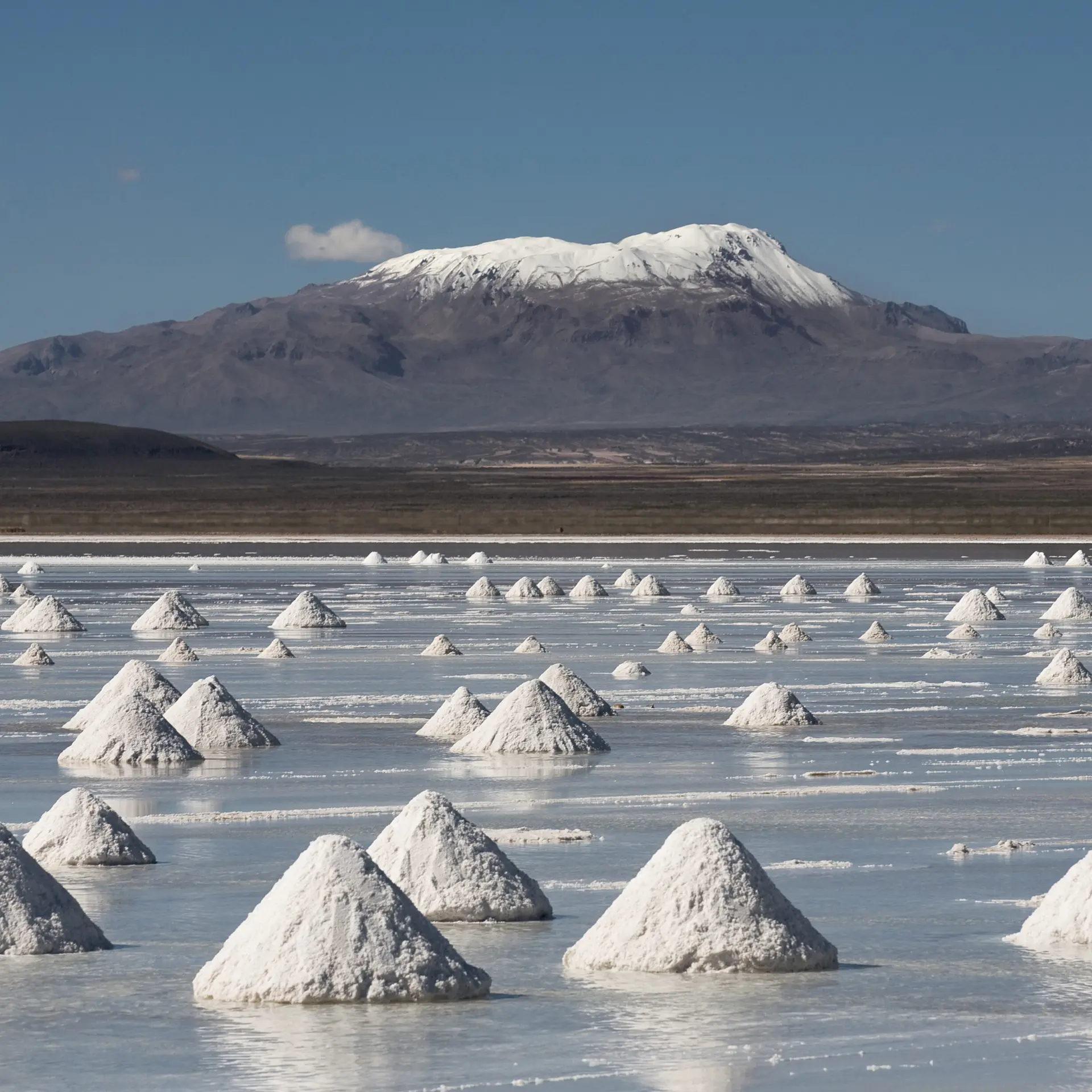
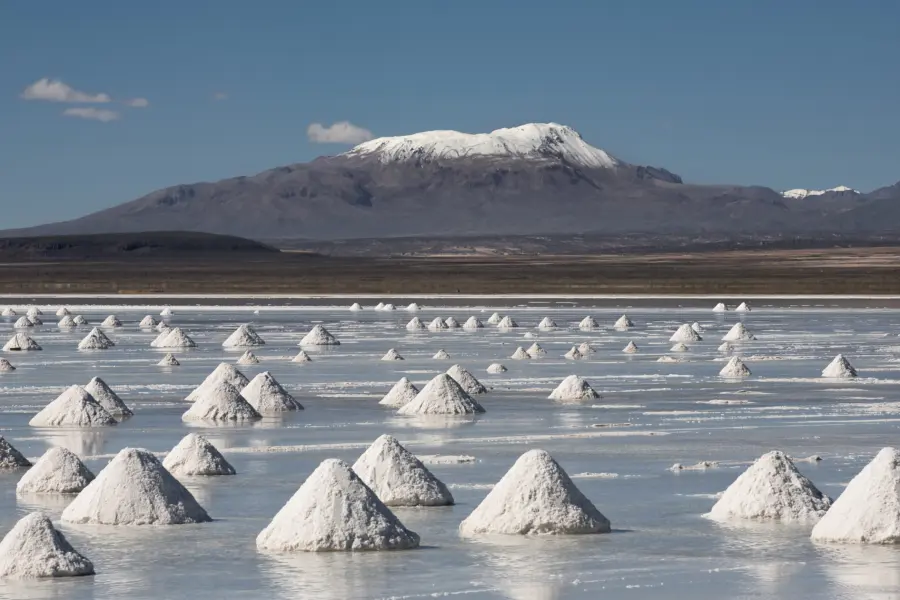
You’ll visit the breathtaking Uyuni Salt Flats, one of the most impressive and surreal landscapes in the world. The day begins with a visit to the salt mining sites, where you’ll gain an insight into the traditional process of salt extraction and the way of life of the local communities who work here. You will then visit the historic first salt hotel, Playa Blanca, and the iconic Dakar monument, which symbolises this region’s connection to the famous rally. During your journey across the endless white plain, you’ll have plenty of opportunity to take creative perspective photographs.
You will then travel to the remarkable Incahuasi Island, a rocky islet in the middle of the salt flats, famous for its impressive giant cacti and panoramic views across the vast salt flats. The day concludes with an enchanting sunset, during which you’ll raise a toast together with traditional Andean liqueurs – the perfect end to an unforgettable experience.
Inclusief:
- Private excursion: Uyuni salt flats including English-speaking guide
- Entrance fees
- Picnic lunch and dinner
- Overnight accommodation including breakfast
The spectacular landscapes of southwest Bolivia
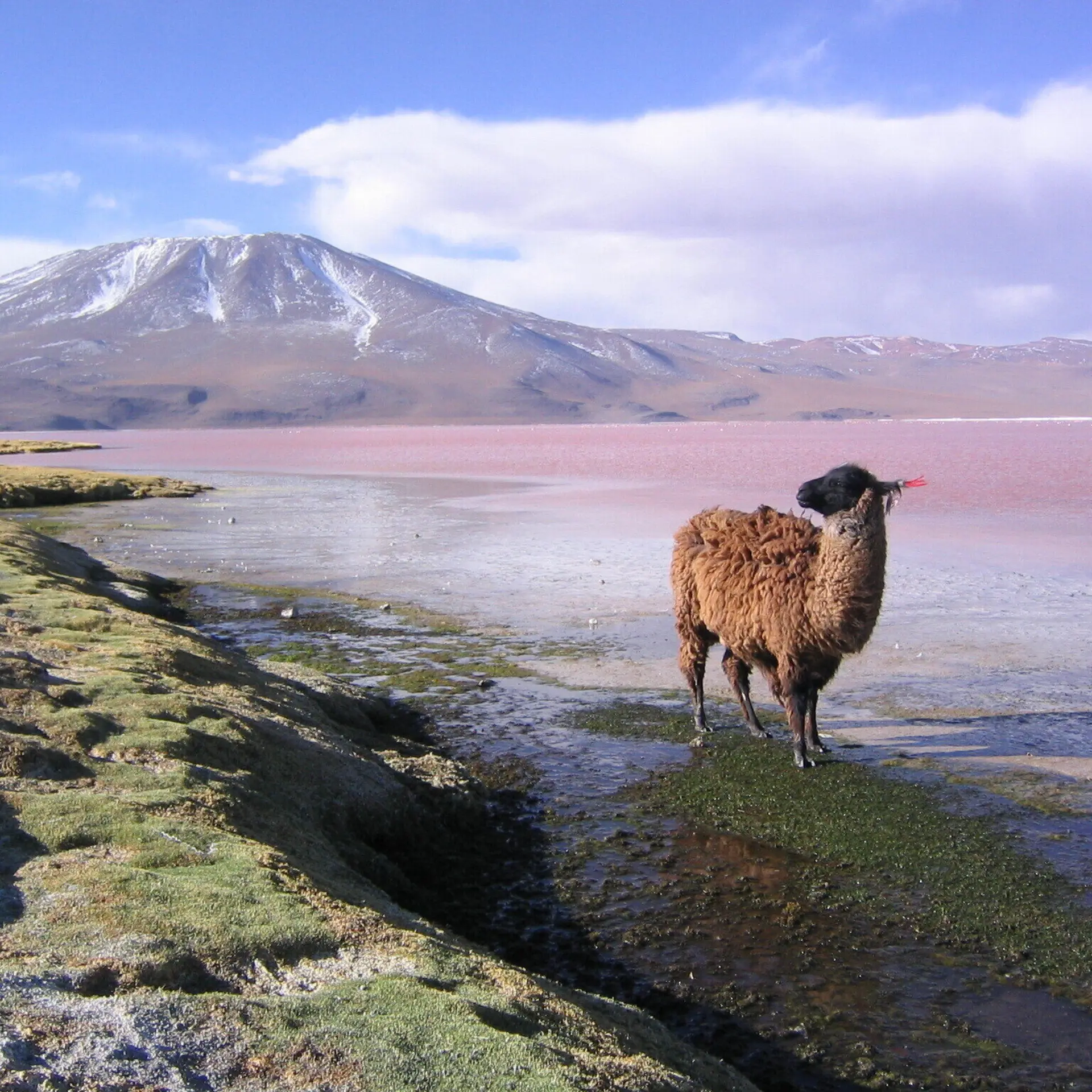
Your journey continues through the impressive and varied landscapes of south-western Bolivia. The day begins at the vast and desolate Chiguana salt flats, where you’ll be surrounded by an almost otherworldly atmosphere and sweeping views. You will then visit the viewpoint overlooking the Ollague volcano, Bolivia’s only active volcano. Here you can admire the distinctive plumes of smoke rising gently from the volcanic crater, an impressive natural phenomenon that testifies to the dynamism of the landscape. Your route continues to the Cañapa and Hedionda lagoons, set amidst majestic, snow-capped mountain peaks. These tranquil waters are home to large colonies of flamingos, ducks and wallata geese, which you can observe at close quarters in their natural habitat.
The day concludes with a journey through the surreal Siloli Desert, situated at an altitude of 4,500 metres. This landscape of volcanic ash and unique rock formations captivates with its raw beauty. The highlight is the Arbol de Piedra, a remarkable rock that has been shaped into the form of a tree by centuries of erosion and symbolises the power of nature.
Inclusief:
- Private excursion as described with English-speaking guide
- Entrance fees
- Picnic lunch and dinner
- Overnight accommodation including breakfast
Lagoons, desert, geysers and hot springs
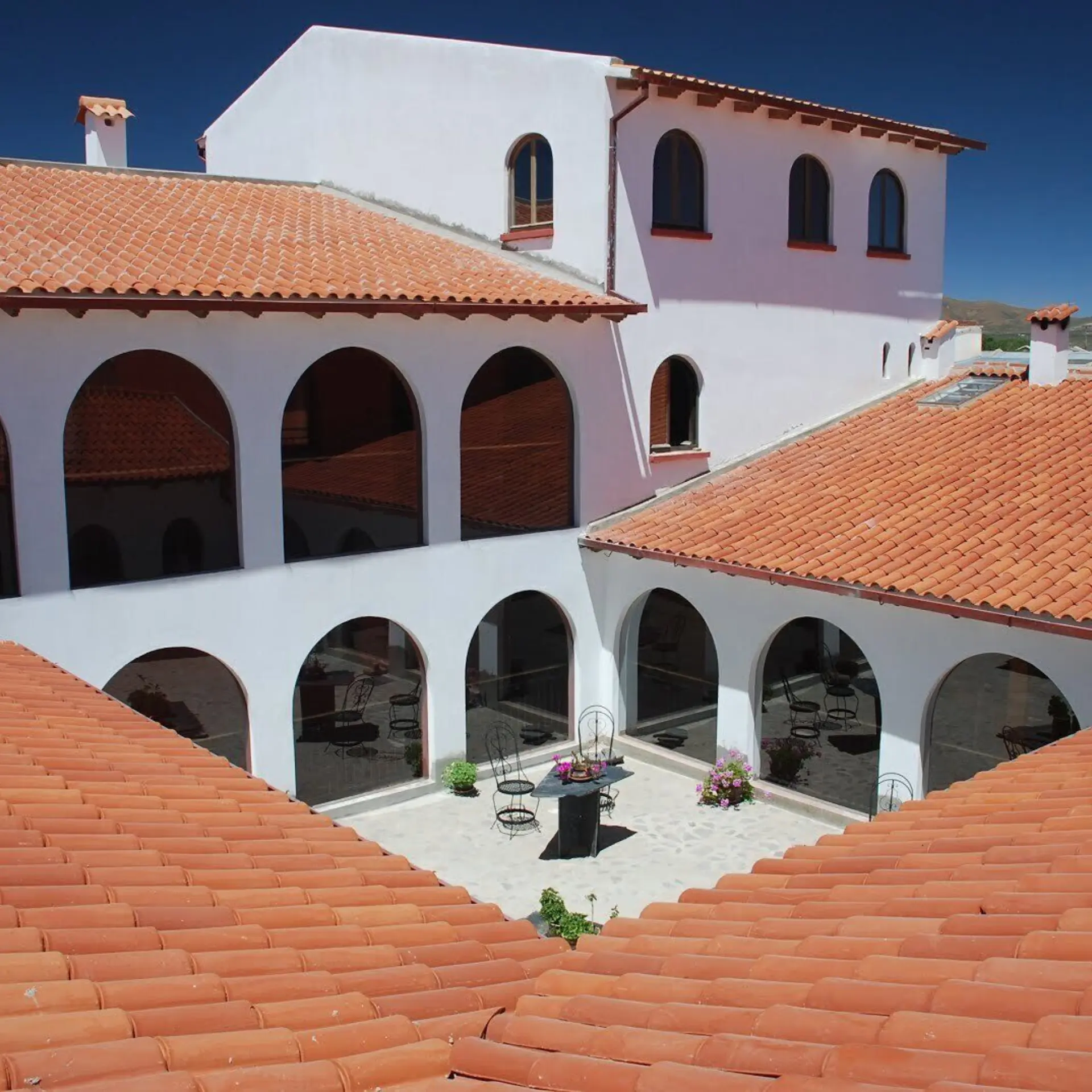
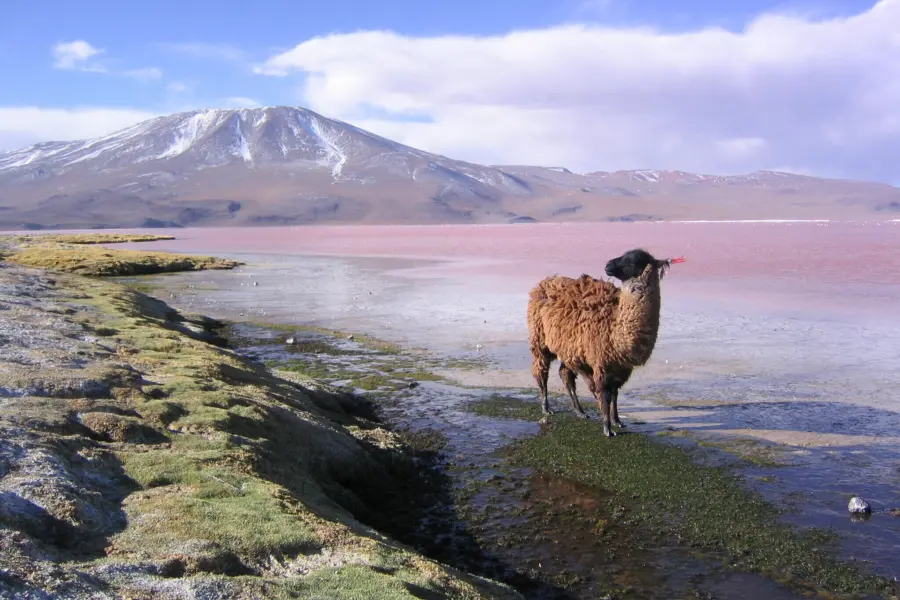
On the final day of your impressive journey through this part of Bolivia’s unspoilt wilderness, you’ll set off early in the morning for Laguna Colorada, a vast salt lagoon covering no less than 54 km² and renowned for its deep red colour. Here you’ll admire the large colonies of flamingos feasting on the mineral-rich water – a magnificent spectacle of colour and life.
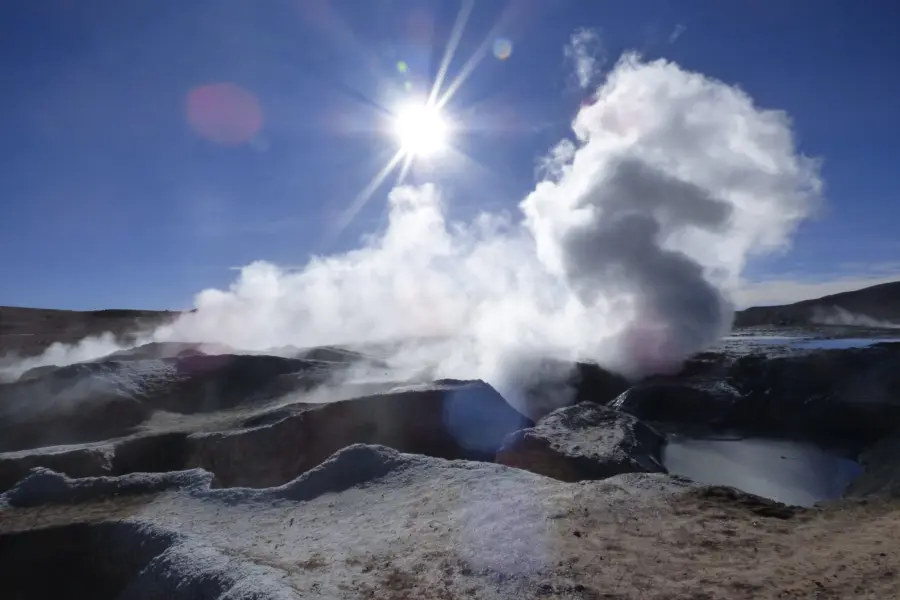
You will then travel on to Laguna Verde, also known as the Green Lagoon, whose vibrant colour is caused by copper and magnesium minerals. Along the way, you’ll make several stops at breathtaking natural wonders: the surreal Salvador Dalí desert landscape, the steaming Sol de Mañana geysers and the warm, relaxing baths of the Polques hot springs.
After these extraordinary experiences, you’ll return to Uyuni, with a few more interesting stops along the way at the mysterious rock formations of Lost Italy, the charming village of Villa Mar and the tranquil Vinto Lagoon. This brings your Bolivian adventure to a close with one final glimpse of the impressive natural landscape in all its diversity.
Inclusief:
- Private excursion as described with English-speaking guide
- Entrance fees
- Picnic lunch and dinner
- Overnight accommodation including breakfast
Travel to La Paz
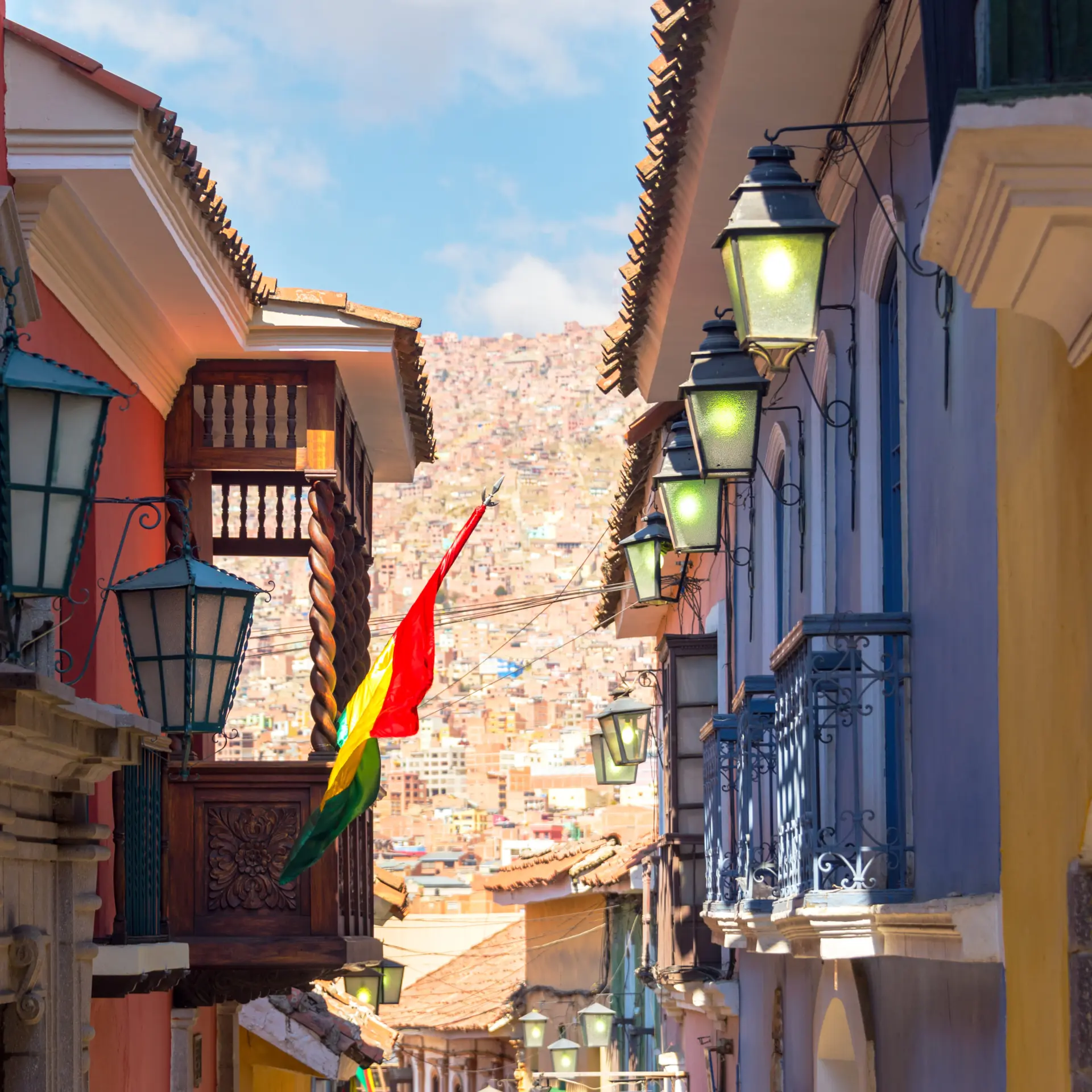
Your stay in the Uyuni area is coming to an end and, after breakfast, you will be taken by private transfer to the airport for your domestic flight to La Paz. On arrival at El Alto International Airport – the highest international airport in the world at an altitude of 4,060 metres – you will be welcomed by your English-speaking guide. A short drive of around 30 minutes will then take you to your hotel in La Paz, the highest seat of government in the world.
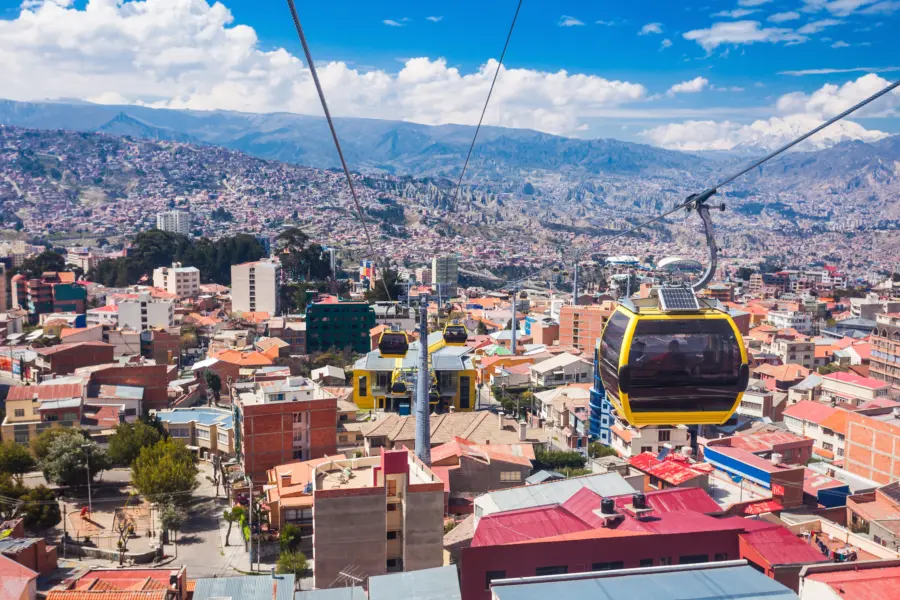
The rest of the day is yours to spend as you wish. You can take it easy and acclimatise, or start exploring the city. For those who wish, there is an optional ride on the Mi Teleférico, the impressive cable car system offering spectacular views over La Paz.
Inclusief:
- Private transfer to the airport
- Domestic flight Uyuni - La Paz
- Private transfer to your hotel
- Overnight accommodation including breakfast
Choro trekking day 3 and back to La Paz
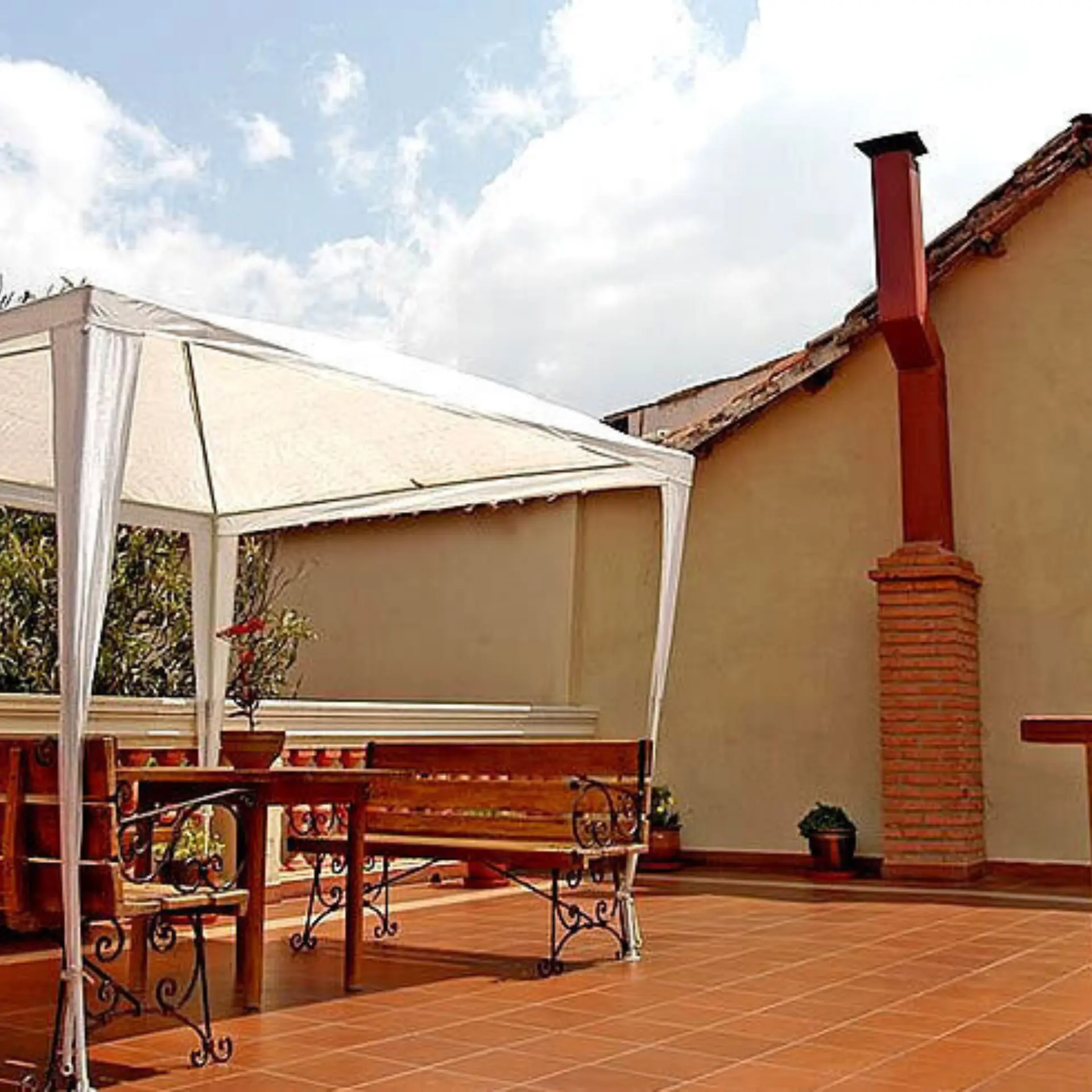
You’ll set off on your final day of walking on the Choro Trek, through an increasingly tropical landscape. It’s set to be a hot day, so make sure you take plenty of water with you. Fortunately, along the way you’ll pass several waterfalls and streams where you can top up your bottles with fresh mountain water. The route takes you towards the Coscada River, where you’ll cross the impressive ‘Cuesta del Diablo’ via a suspension bridge – one of the most spectacular sections of this trek. Here you can pause one last time to take in the sweeping views and the unspoilt nature that has surrounded you over the past few days.
After crossing the river, the landscape changes. The ancient Inca stone road gives way to a less-paved, wider path that leads you through open fields and subtropical forest. Passing through the village of Bella Vista, you’ll eventually reach Chairo, the official end point of the Choro Trek. Your transport will be waiting here to take you back to La Paz in comfort, whilst you reflect on three days packed with highlights, history and natural beauty.
Inclusief:
- 2-day Choro trek with English-speaking guide and lunch and dinner
- Private transfer to your accommodation
- Overnight accommodation including breakfast
Madidi National Park
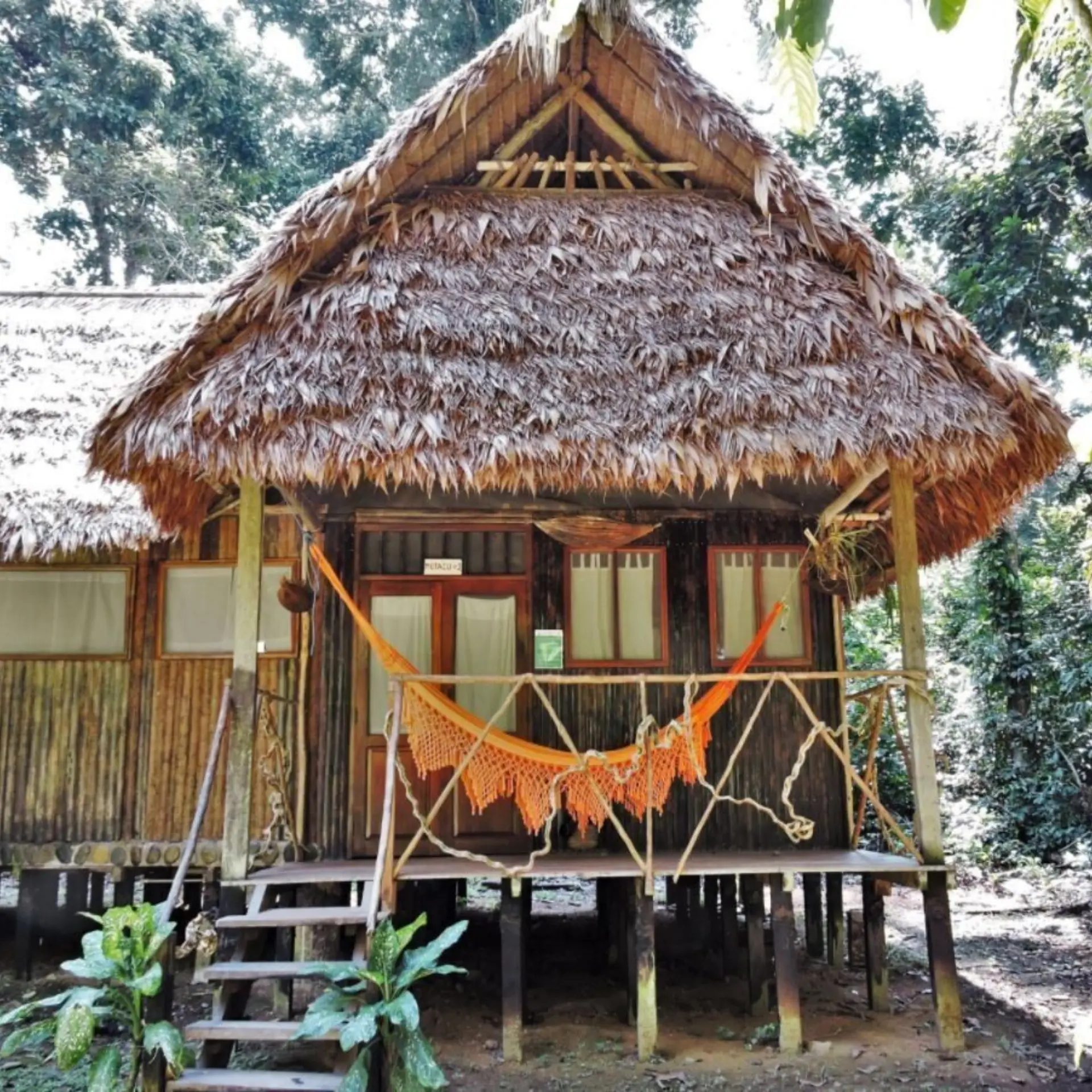
In the morning, you’ll take a domestic flight to Rurrenabaque, the gateway to Madidi National Park, one of the most biodiverse places on earth. Upon arrival, you will be met and taken by motorboat along the Beni and Tuichi rivers to the Madidi Jungle Ecolodge. During this three-hour boat trip, you will have the chance to spot wildlife and admire the impressive Amazonian landscape, including the stunning Bala Canyon.
After lunch and a short break at your traditional ecolodge, you’ll set off on a three-hour walk along the Wabu Trail. This trail takes you to the mammal salt lick (‘Cullpana’), a unique spot in the jungle where animals come to eat minerals from the ground. Here you’ll have the chance to spot white-shouldered peccaries, howler monkeys, capuchin monkeys, toucans and many other bird species. The return journey follows the Tuichi Trail, after which you’ll spend the evening in the tranquillity of the jungle. After a delicious dinner, you’ll have free time to relax and enjoy the sounds of nature in the rainforest.
Tips from the Travel Specialist
Tip: Don’t forget to bring a head torch or torch for the night-time walk, and take a waterproof bag for your camera and personal belongings!
Inclusief:
- Private transfer to the airport
- Domestic flight La Paz - Cochabamba - Rurrenabaque
- Boat transfer to your accommodation
- Full-board accommodation including activities organised by the lodge
Madidi National Park discoveries
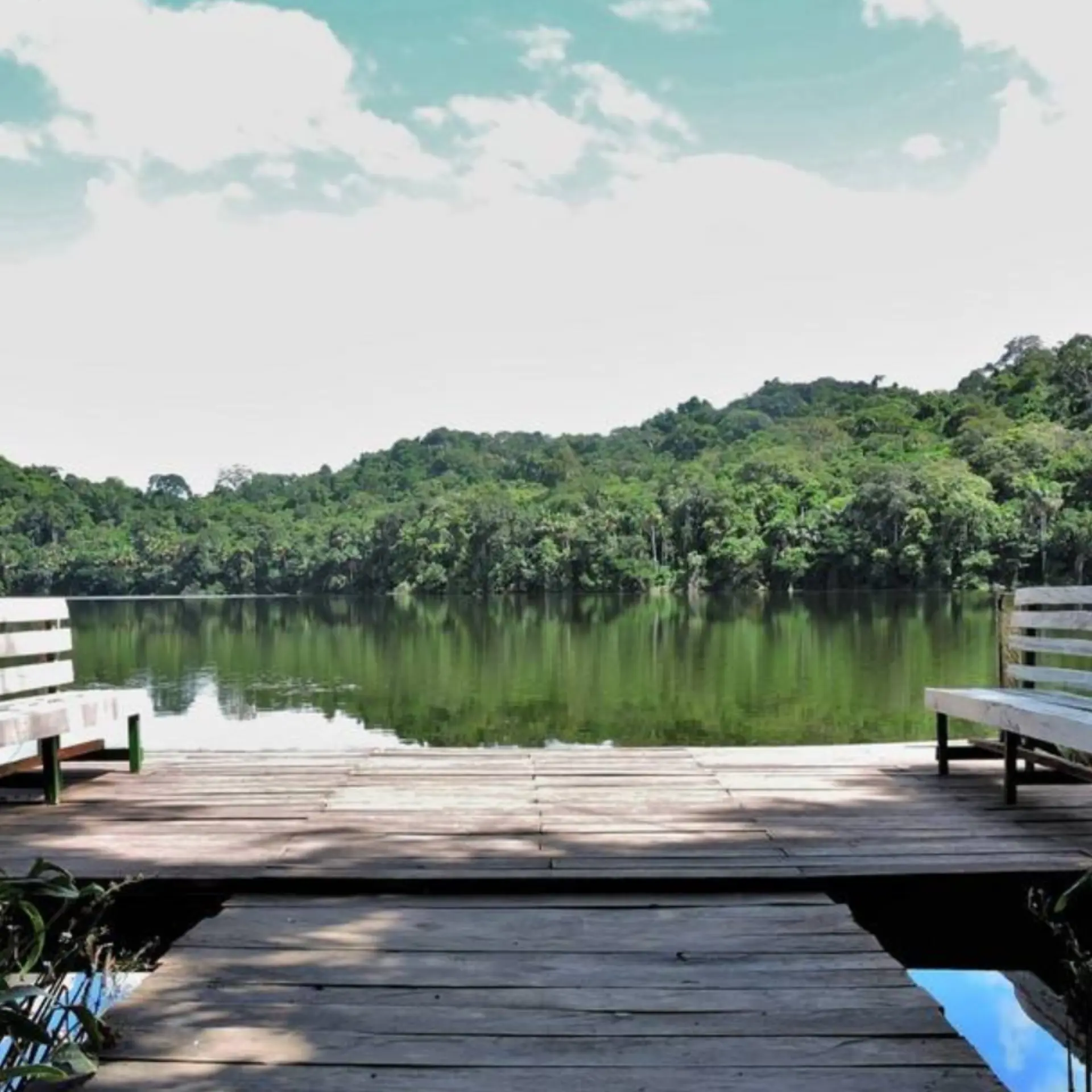
On your second day, after a hearty breakfast at the ecolodge, you’ll set off on a 3–4-hour walk along the Mapajo and Almendrillo Trails. During this walk, you’ll see impressive trees, such as the Giant Kapok Tree, the Almendrillo Tree and the Strangler Fig Tree. Your local guide will explain everything about the various plant species, which offer both medicinal and ancestral benefits. This is a unique opportunity to understand the Amazonian ecosystems and observe the diverse flora and fauna.
In the afternoon, you’ll take a short boat trip upstream along the Tuichi River to the Serere Trail. This trail takes you to the floodplain, where you may spot yellow squirrel monkeys and the Hoatzin, South America’s oldest bird species (related to dinosaurs). At the Piranha Lagoon, you’ll have the chance to try your hand at piranha fishing.
After dinner, you’ll have the chance to go on a night walk, during which you’ll be able to observe the jungle’s nocturnal wildlife, such as tarantulas, frogs and other night-active creatures.
Inclusief:
- Full-board accommodation including activities organised by the lodge
Madidi National Park discoveries
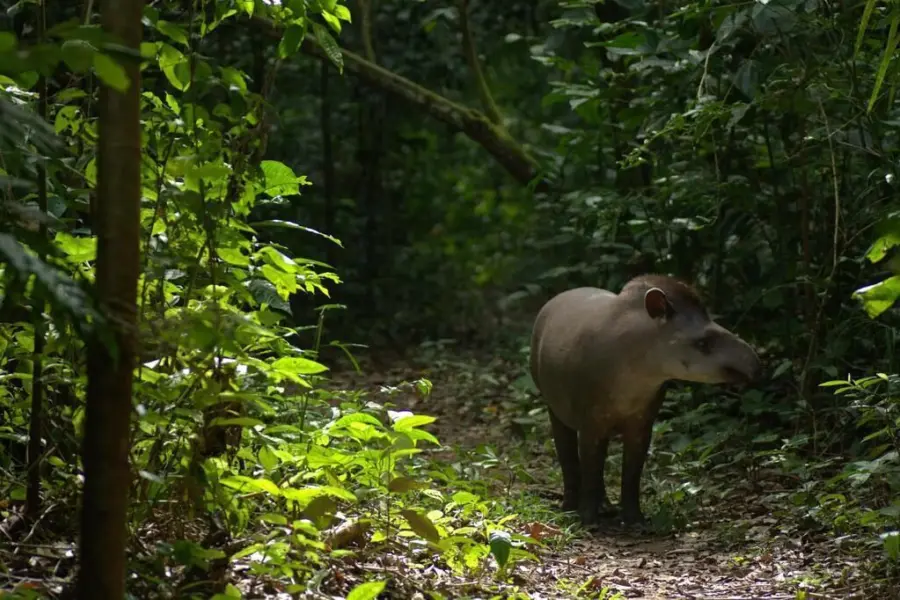
After breakfast at the ecolodge, you’ll set off on the longest walk of the programme: a trek of around four hours along the Mapajo and Pavacullpana Trails. This route takes you deep into the rainforest and offers excellent opportunities to spot wildlife, such as tapirs, white-lipped peccaries, brown capuchin monkeys, red howler monkeys, black spider monkeys and numerous colourful bird species such as guans and toucans. Along the way, you’ll stop at a viewing platform overlooking the region’s largest ‘mammal salt lick’ – a mineral-rich spot where many animals regularly gather to supplement their diet.
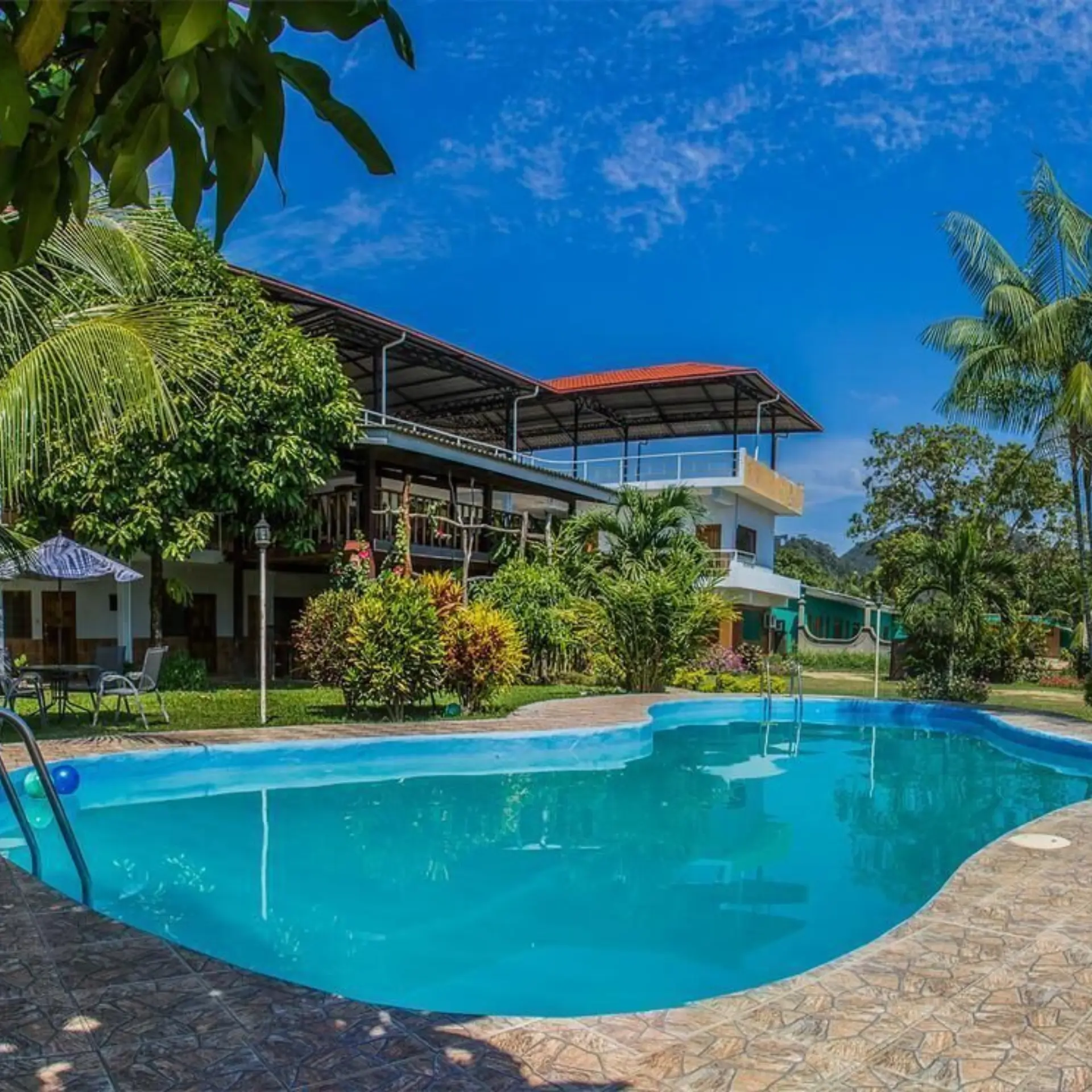
After this impressive excursion, you’ll return and travel to the Maya de La Amazonia hotel in Rurrenabaque. In the evening, you’ll learn more about local crafts: you’ll make jewellery such as rings and necklaces using traditional techniques. You’ll round off the day with a dinner featuring a regional speciality: Dunucuabi, catfish cooked in banana leaves. A delicious end to a day filled with nature, culture and new encounters.
Inclusief:
- Private transfer to your accommodation
- Full-board accommodation including activities organised by the lodge
Back to Santa Cruz
After breakfast in Rurrenabaque, you will be transferred to the airport for your flight to Cochabamba then on to Santa Cruz. After arriving in Santa Cruz, you will be transferred to your hotel. Once arrived in Santa Cruz, you will have time to relax and explore the city or enjoy a quiet evening.
Inclusief:
- Private transfer to the airport
- Domestic flight Rurrenabaque - Cochabamba - Santa Cruz
- Private transfer to your hotel
- Overnight accommodation including breakfast
Accommodations
Senses Hotel Boutique Plaza
Senses Hotel Boutique Plaza is located in the heart of the city's main district, in Santa Cruz de la Sierra, 17 km from Viru Viru International Airport. Rooms feature free Wi-Fi, air conditioning, a flat-screen TV with cable channels and a bathroom. Hotel facilities include a...
Senses Hotel Boutique Plaza is located in the heart of the city's main district, in Santa Cruz de la Sierra, 17 km from Viru Viru International Airport. Rooms feature free Wi-Fi, air conditioning, a flat-screen TV with cable channels and a bathroom. Hotel facilities include a restaurant, a swimming pool, a gym and a hot tub. Guests are within walking distance of several attractions, including the Metropolitan Cathedral, the Museum of Sacred Art, Arenal Park, Güembé Biocentre and Guazú Ivaga Park.
Your stay: 1 night

Refugio Los Volcanes
Less than two hours' drive from the city of Santa Cruz de la Sierra and 40 minutes from Samaipata, Refugio Los Volcanes is a spectacular destination on the edge of Amboro National Park. Located in a deep valley, the lodge is surrounded by towering red sandstone cliffs and dense tropical forest. From the...
Less than two hours' drive from the city of Santa Cruz de la Sierra and 40 minutes from Samaipata, Refugio Los Volcanes is a spectacular destination on the edge of Amboro National Park. Located in a deep valley, the lodge is surrounded by towering red sandstone cliffs and dense tropical forest. From the hammocks and armchairs, you can enjoy the incredible views. The lodge has six comfortable double and triple rooms, each with a private bathroom.
Your stay: 2 nights

La Posada Hotel Boutique
La Posada Hotel Boutique is located in the historic centre of the city of Sucre. The accommodation consists of rooms, each equipped with a minibar, a telephone, air conditioning, a safe, an LCD TV with cable channels and a private bathroom. Guests can enjoy dinner at the hotel's restaurant....
La Posada Hotel Boutique is located in the historic centre of the city of Sucre. The accommodation consists of rooms, each equipped with a minibar, a telephone, air conditioning, a safe, an LCD TV with cable channels and a private bathroom. Guests can enjoy dinner at the hotel's restaurant. Other amenities include internet access, a terrace and patios.
Your stay: 2 nights

Hostal Colonial
Hostal Colonial is located in Potosi, close to popular attractions such as Plaza 10 de Noviembre. The accommodation features comfortably furnished rooms equipped with modern amenities, including a flat-screen TV, Wi-Fi, a minibar, a hairdryer and a private bathroom. Guests can enjoy...
Hostal Colonial is located in Potosi, close to popular attractions such as Plaza 10 de Noviembre. The accommodation features comfortably furnished rooms equipped with modern amenities, including a flat-screen TV, Wi-Fi, a minibar, a hairdryer and a private bathroom. Guests can enjoy a buffet breakfast during their stay. Additional facilities and services include a 24-hour front desk, a patio, a coffee bar and parking.
Your stay: 1 night
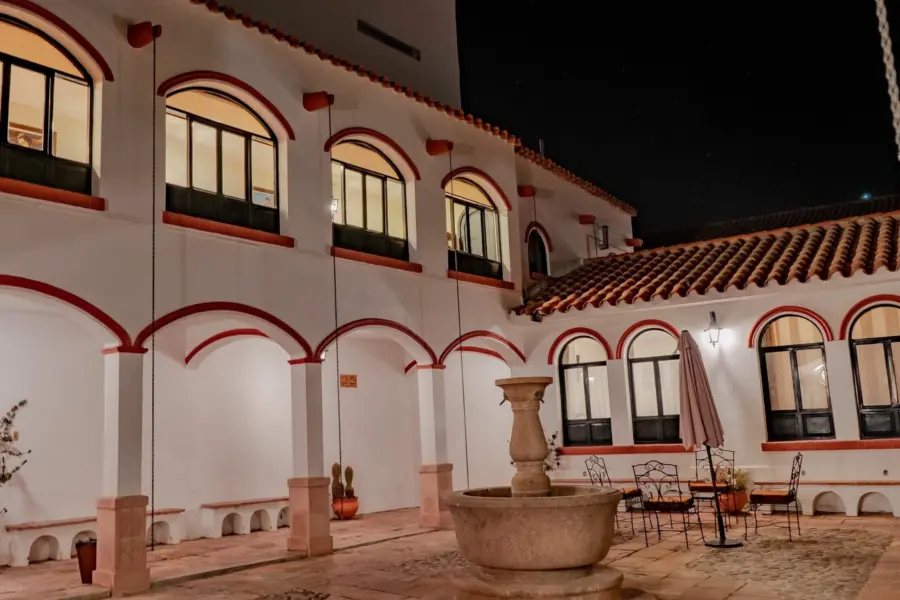
Hotel Tambo Aymara
At Tambo Aymara, you can enjoy hospitality en route to the Uyuni salt flats, colourful lagoons and southern Bolivia. The hotel offers rooms with private bathrooms. You can use the restaurant, Ethno bar and Ethno library.
Your stay: 1 night
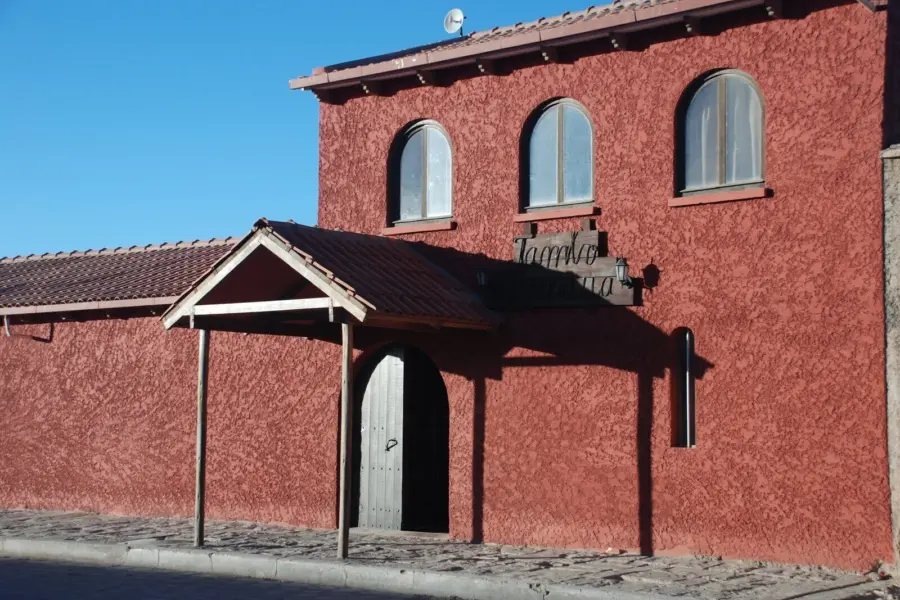
Hotel Tayka de Piedra
This hotel is close to the historic ruins of the town of San Pedro de Quemes. Here you are in the right location to visit the nearby attractions of this region. The friendly staff is always ready to provide you with the most comfortable stay possible!
Your stay: 1 night
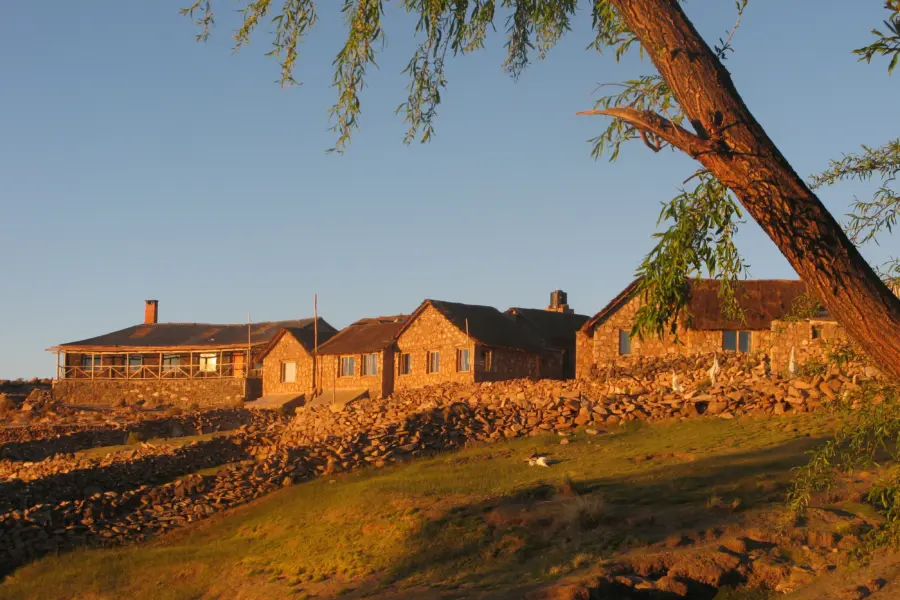
Tayka del Desierto Hotel
Amidst a unique setting in the heart of the Siloli desert surrounded by landscapes that look like they come from a painter's canvas lies the desert hotel Tayka del Desierto.
Your stay: 1 night
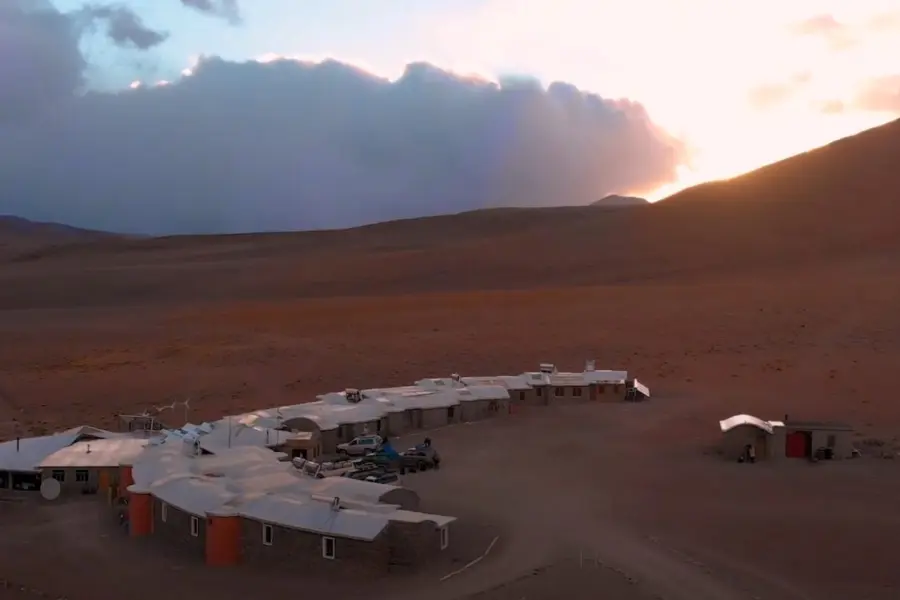
Hotel Tambo Aymara
At Tambo Aymara, you can enjoy hospitality en route to the Uyuni salt flats, colourful lagoons and southern Bolivia. The hotel offers rooms with private bathrooms. You can use the restaurant, Ethno bar and Ethno library.
Your stay: 1 night
Rey Palace Hotel
Rey Palace Hotel is located in the city of La Paz in Bolivia. Accommodation includes a variety of rooms and suites, each equipped with a private bathroom with hot water, air conditioning, a safe, internet and cable TV. Guests can enjoy a wide range of delicious meals at the restaurant of the...
Rey Palace Hotel is located in the city of La Paz in Bolivia. Accommodation includes a variety of rooms and suites, each equipped with a private bathroom with hot water, air conditioning, a safe, internet and cable TV. Guests can enjoy a wide range of delicious meals at the hotel's restaurant.
Your stay: 1 night

Rey Palace Hotel
Rey Palace Hotel is located in the city of La Paz in Bolivia. Accommodation includes a variety of rooms and suites, each equipped with a private bathroom with hot water, air conditioning, a safe, internet and cable TV. Guests can enjoy a wide range of delicious meals at the restaurant of the...
Rey Palace Hotel is located in the city of La Paz in Bolivia. Accommodation includes a variety of rooms and suites, each equipped with a private bathroom with hot water, air conditioning, a safe, internet and cable TV. Guests can enjoy a wide range of delicious meals at the hotel's restaurant.
Your stay: 1 night
Chalalan Ecolodge
The Chalalan Ecolodge is built on the shores of the beautiful Chalalán lagoon. Using local materials and respecting the natural environment, the accommodation has managed to create a combination of elegance and comfort. The cottages are surrounded by a primeval forest and you will wake up to the...
The Chalalan Ecolodge is built on the shores of the beautiful Chalalán lagoon. Using local materials and respecting the natural environment, the accommodation has managed to create a combination of elegance and comfort. The cottages are surrounded by a primeval forest and you will wake up to the birdsong and cries of howler monkeys. The ecolodge offers three types of accommodation: there are 3 exclusive cabins with double bed and private bathroom, 7 standard double and triple cabins with private bathroom and 3 double rooms with shared bathroom. All rooms have mosquito nets, balconies and a hammock where you can relax and enjoy the unique surroundings. Meals are prepared using local produce and delicious fruit juices.
Your stay: 2 nights
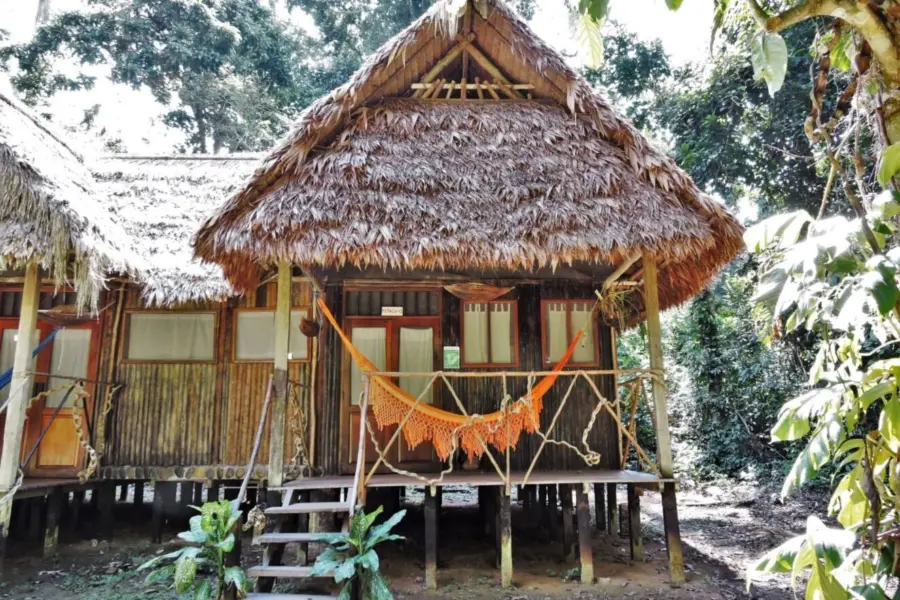
Hotel Maya de la Amazonia
Located three blocks from the city centre, Hotel Maya has a privileged location on the banks of the River Beni, which offers guests a refreshing breeze that combines perfectly with the scent of the beautiful gardens. The hotel features simply furnished rooms with amenities such as private...
Located three blocks from the city centre, Hotel Maya has a privileged location on the banks of the River Beni, which offers guests a refreshing breeze that combines perfectly with the scent of the beautiful gardens. The hotel features simply furnished rooms with amenities like private bathrooms, air conditioning, minibar and television.
Your stay: 1 night
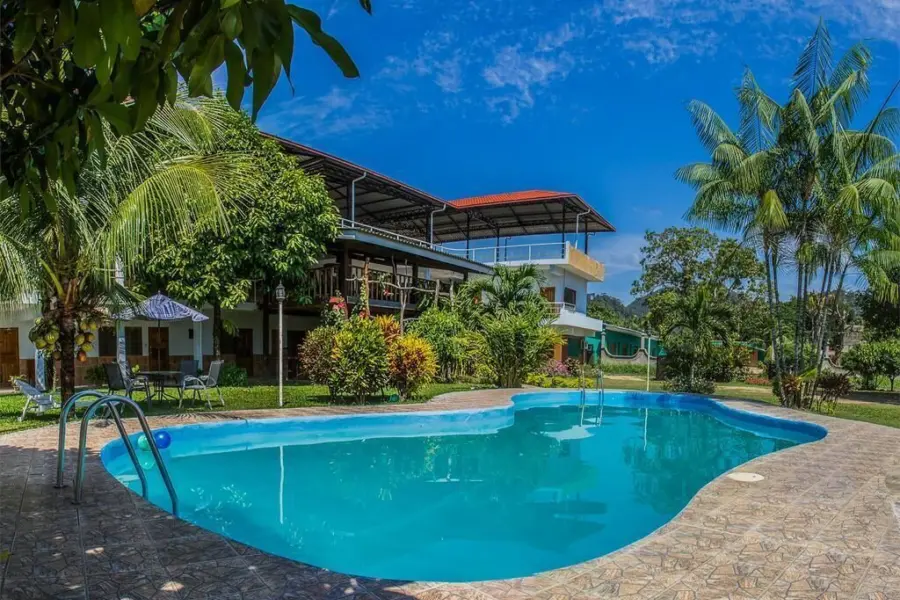
Senses Hotel Boutique Plaza
Senses Hotel Boutique Plaza is located in the heart of the city's main district, in Santa Cruz de la Sierra, 17 km from Viru Viru International Airport. Rooms feature free Wi-Fi, air conditioning, a flat-screen TV with cable channels and a bathroom. Hotel facilities include a...
Senses Hotel Boutique Plaza is located in the heart of the city's main district, in Santa Cruz de la Sierra, 17 km from Viru Viru International Airport. Rooms feature free Wi-Fi, air conditioning, a flat-screen TV with cable channels and a bathroom. Hotel facilities include a restaurant, a swimming pool, a gym and a hot tub. Guests are within walking distance of several attractions, including the Metropolitan Cathedral, the Museum of Sacred Art, Arenal Park, Güembé Biocentre and Guazú Ivaga Park.
Your stay: 1 night
Destinations
Salar de Uyuni
The Salar de Uyuni, located in the Andes in southwestern Bolivia, is the largest salt flat in the world, stretching over almost 11,000 square kilometres. Once a prehistoric lake, the striking, otherworldly landscape extends to the horizon. The white expanse is adorned by rock formations, islands of cacti, and flocks of pink flamingos, and polygonal patterns of hardened salt. After the rains, it becomes an infinite mirror of the sky, creating an inverted starry sky after dark. This is a photographer's dream.
Siloli Desert
The Siloli Desert is the world's highest desert located at an altitude of 4550 metres. It lies close to the border of Bolivia and Chile and is considered an extension of the neighbouring Atacama Desert. Visitors to this remote part of the world can look forward to dramatic views of geometrically cracked salt flats and rust-coloured hills. The desert's most iconic feature is the Árbol de Piedra, a seven-metre-high sandstone formation that resembles a gnarled tree and was formed by the region's harsh winds over thousands of years. The small settlement of Ojo de Perdiz has an abundance of guesthouses and a fascinating community, while the nearby Pastos Grandes lagoon is a shallow salt lake that lies beneath a volcanic mountain, where you can see swarms of flamingos and enjoy the breathtaking scenery.
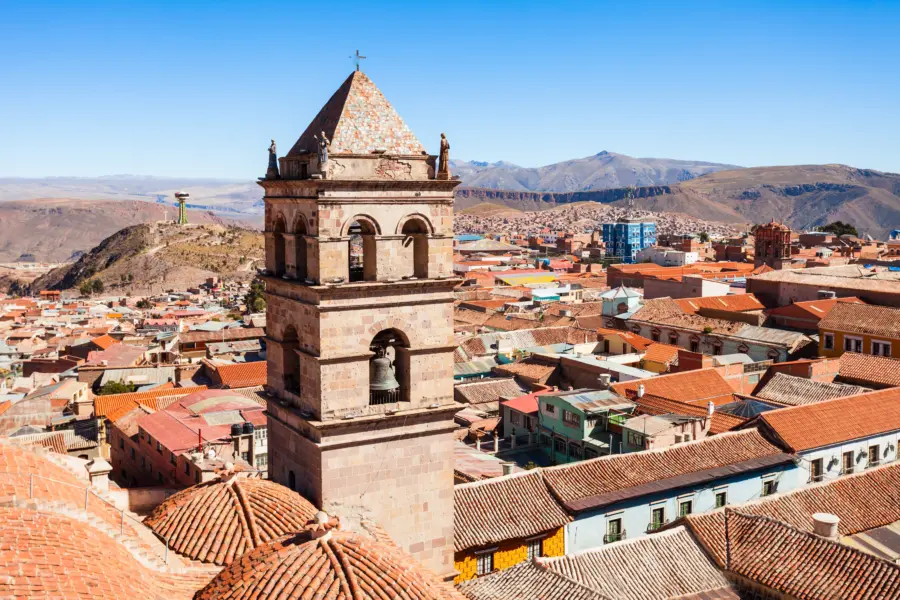
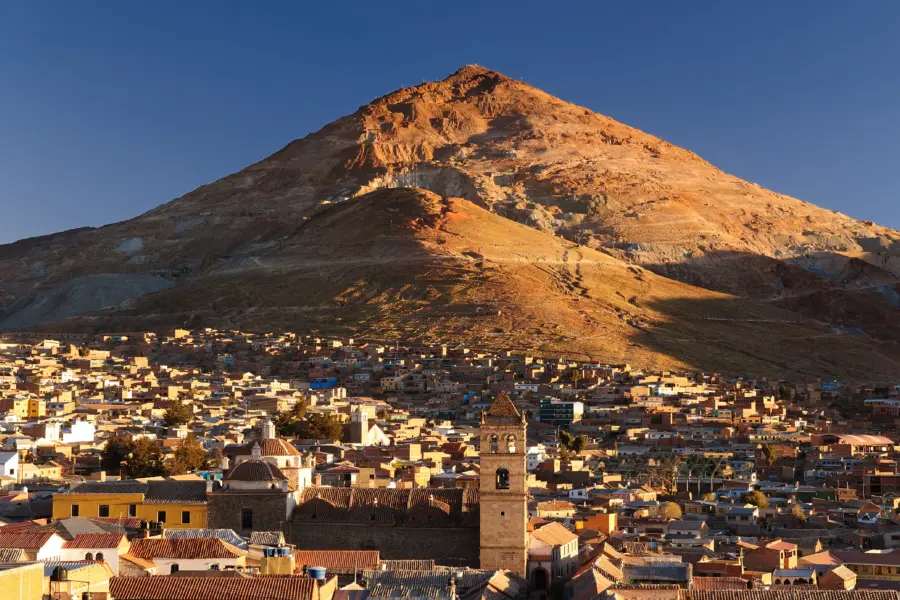
Potosi
Potosi owes its origins to the silver ore in the 'Cerro Rico (rich mountain)' located right next to the city. The large silver reserves this mountain possessed gave Cerro Rico the nickname 'the treasure house of the Spanish ' in colonial times. During this time, Potosi flourished into one of the wealthiest cities in the world , bigger than Paris or London. Even though today this is past glory, traces of this wealth can still be found in the old colonial homes, churches and temples. The mines still exist and even though today zinc and lead are mostly mined, every miner still dreams of finding a new vein of silver.
Santa Cruz
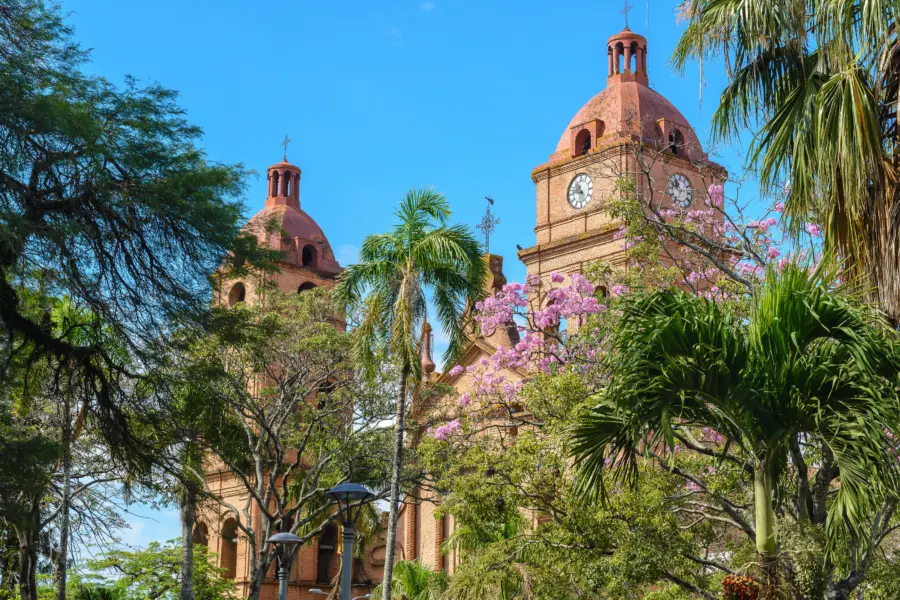
Santa Cruz is a young and fast-growing city with modern and dynamic features. The city is home to a diverse mix of people; from trendy yuppies and Japanese rice farmers to indigenous migrants from the Altiplano. In recent years, Santa Cruz has grown into a city of over 1.5 million inhabitants and consists of several layers, so to speak, where Casco Viejo is the inner layer and where the old city centre is located.
Bolivia
Amboro National Park
Spanning nearly 4,500 square kilometres, Amboro National Park is one of Bolivia's most remarkable reserves and one of the world's most ecologically diverse areas. Located about an hour's drive from the city of Santa Cruz, it sees the meeting of three ecosystems - the lush rainforests of the Amazon basin, the foothills of the Bolivian Andes and the hot, dry lowlands of Chaco. The northern part of the park consists largely of lush jungle supporting a diversity of exotic plant, bird and animal life, while the south is a mountainous wilderness home to the rare spectacled bear and other endangered and endemic species.
Central Andes Bolivia
The dramatic and beautiful Andes mountain range, peaking at around 3,700 metres above sea level, extends into and dominates the southern and western parts of Bolivia. This mountain range envelops a gigantic plateau that is home to the historic but bustling capital La Paz. Located in the heart of the Andes, this city offers visitors a rich Bolivian cultural and historical experience. Visitors can take a cable car to enjoy the breathtaking panoramic views of the city and mountains. Potosi is another interesting city with its rich history of gold and silver mining. This area is home to the famous Lake Titicaca with its cobalt blue waters dotted with the intriguing Uros Islands and many peninsulas with traditional indigenous communities, making it a culturally rich location to visit. Don't miss the chance to visit the Salar de Uyuni, an enchanting salt desert and a photographer's dream.
Sucre
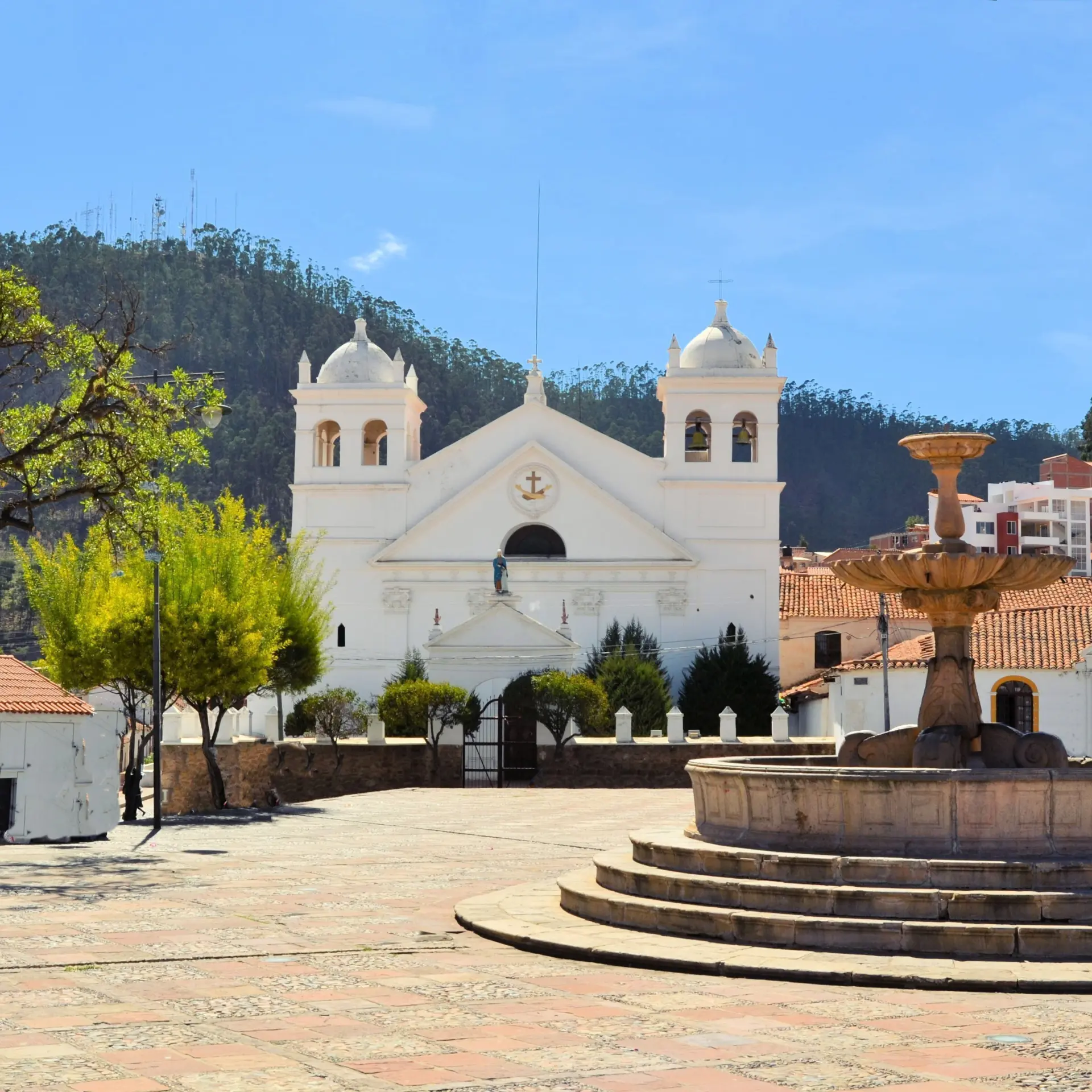
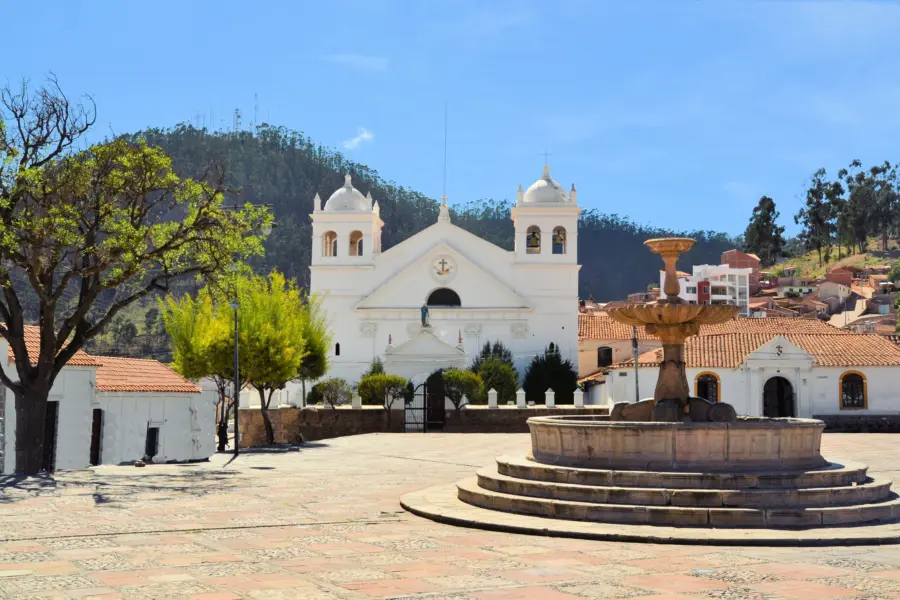
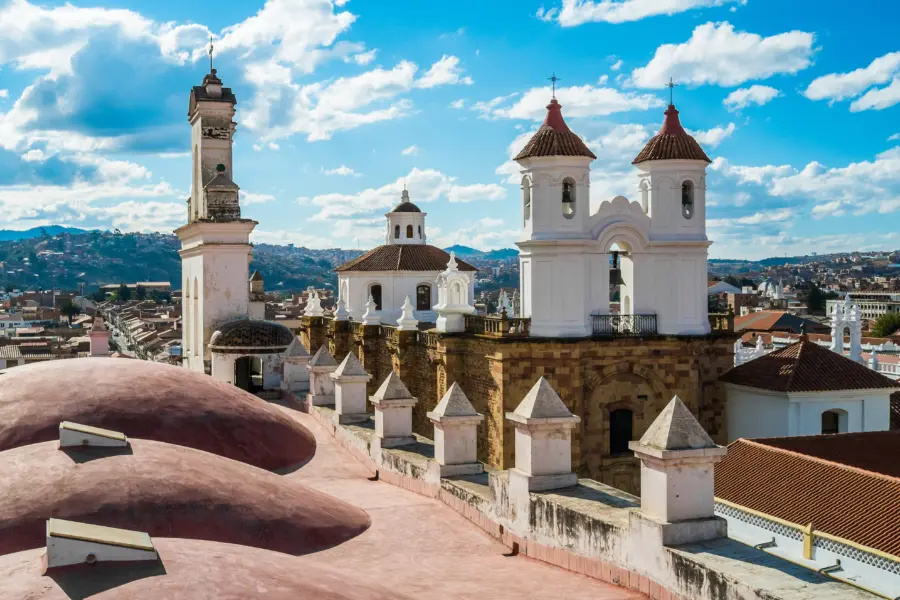
Sucre is officially the capital of Bolivia and, with its white colonial buildings with red roof tiles and its many monuments, is undoubtedly one of the most beautiful cities in Bolivia. Situated in a valley in the south-central region of the country, Sucre enjoys an eternal spring – perfect weather for strolling through the narrow streets and discovering a city that remains almost exactly as it was a century ago.
This UNESCO World Heritage Site is home to some of the finest examples of Spanish colonial architecture in South America, and the whitewashed façades of the buildings have earned Sucre the title of ‘The White City’. From the Recoleta Monastery, you can enjoy stunning views over the city. Near Sucre, you can see fossilised dinosaur tracks; minibuses depart from the city’s central square. A stroll through the Tarabuco market is a wonderful, authentic experience. This is one of the largest indigenous markets in the country.
Oropeza Province
Located in south-central Bolivia, the Oropeza Province lies in the Chuquisaca Department and is home to the country's constitutional capital, Sucre. There are two incredible ancient sites to see: the Inka Mach'ay, around 2500 years old, believed to have belonged to the Sauces culture, with anthropomorphic, zoomorphic and geometric paintings, and declared a National Monument, and the Puma Mach'ay, which probably belongs to the Huruquilla culture and is around 1000 years old, with anthropomorphic and geometric images. The city of Sucre has been UNESCO listed for its heritage, with its abundant collection of beautiful colonial buildings, churches, and museums. The area is known for its university, progressive thought, and wonderfully mild climate.
Uyuni
Uyuni is a small village situated on the salt flat of the same name. Covering 1,200 square kilometres, the ‘Salar de Uyuni’ is the largest salt flat in the world. In the middle of this plain lies a small island of fossilised coral (thousands of years ago, Uyuni was an inland sea) where cacti up to 12 metres tall shoot up from the ground.

San Pedro de Quemes
Located high in the Bolivian Andes close to the Chilean border, the tiny town of San Pedro de Quemes is one of the access points to the striking Uyuni salt pan. Visitors who reach this remote outpost will be rewarded with spectacular scenery and an authentic experience of rural Bolivian life. The village is composed mainly of traditional earth-and-stone houses and the community survives primarily on farming quinoa, potatoes and grains. Tours from San Pedro de Quemes take in striking vistas of rust and ochre-coloured desert plains, shallow lagoons rich in bird life, snow-capped volcanoes and the vast white expanse of the Uyuni salar.
Ojo de Perdiz
At this beautiful spot in the desert, you can enjoy the ruggedness of surroundings. Highlights in this area include the Lagunas de Colores, the Sol de Mañana geyser and the Stone Tree, as well as many other attractions and beautiful landscapes.
La Paz
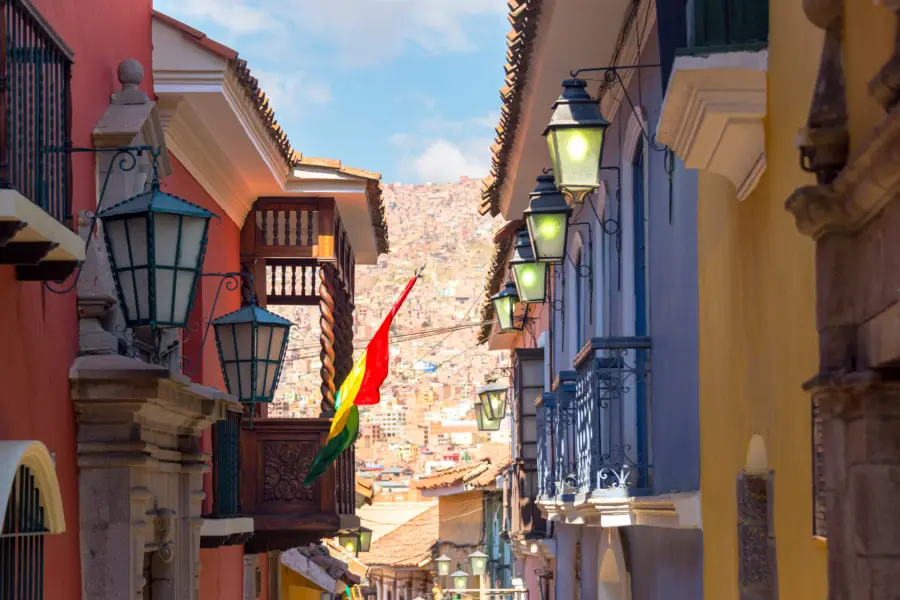
La Paz is the country's largest city and Bolivia's economic, political and business centre. The city is spectacularly located in a valley that plunges steeply down from the Bolivian plateau. La Paz is a special city, modern and cosmopolitan on the one hand and home to more than a million indigenous Bolivians on the other, which is reflected in the city's many festivals, traditions and customs. There is even a witches' market where all kinds of items to be used for rituals are sold. The 'huayna Potosi' volcano towers over the city, providing stunning views on clear days. Mind you, La Paz is at an altitude of over 3,000m!
Madidi National Park
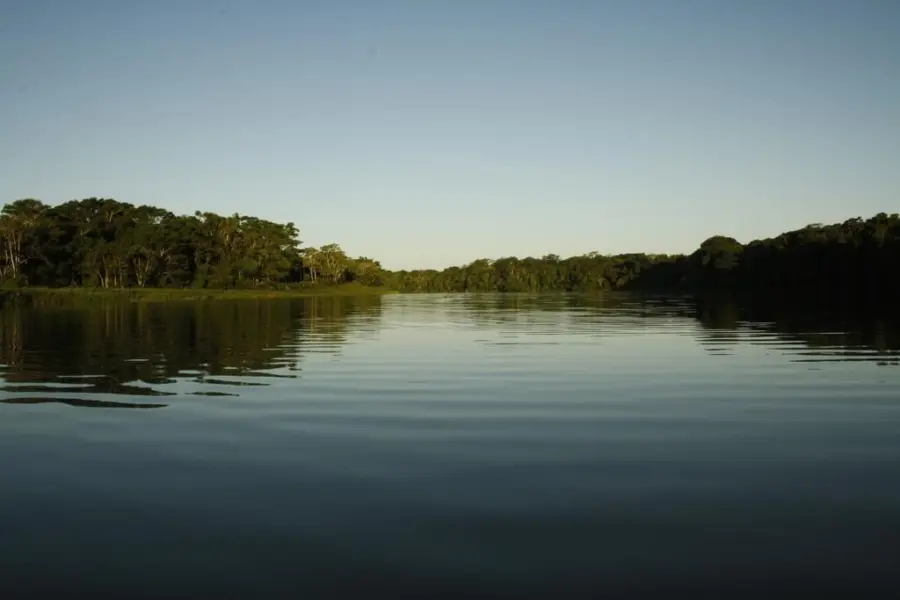
The Amazon, also called the world's green lung, is the world's largest rainforest with a biodiversity unmatched anywhere in the world. The Amazon stretches across several countries in South America, including Bolivia. Madidi national park is part of one of the largest protected natural areas in the world.
The Amazon Bolivia
The Amazon, also called the world's green lung, is the world's largest rainforest with a biodiversity unmatched anywhere in the world. The Amazon stretches across several countries in South America, including Bolivia. It has rich flora and fauna and indigenous cultures of Indians living there. By boat and on foot, you will explore the rainforest and look for monkeys, parrots, crocodiles and other jungle animals!
Amazon Basin
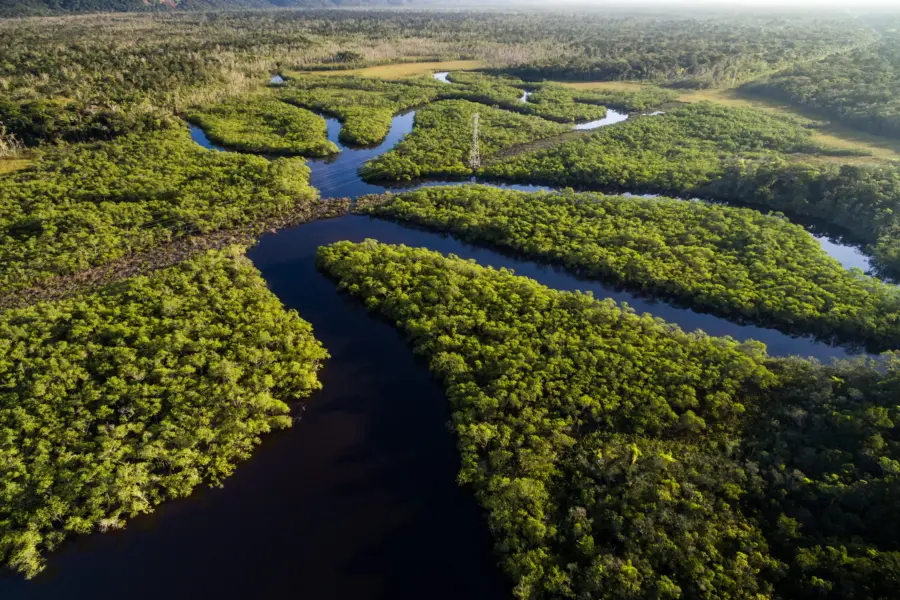
The Amazon is the world's largest rainforest with biodiversity unmatched anywhere in the world. The Amazon River, together with all its tributaries, forms by far the largest system of rivers in the world. The area spans nine countries including Brazil. It is the habitat of 20% of all birds and plants, and 10% of all mammals on earth. Surpassing and mega figures aside, a stay in the jungle is surely the way to turn numbers into experiences. The rich flora and fauna exceed any visitor's expectations. By boat and on foot, explore the rainforest and look for monkeys, parrots, crocodiles and other jungle animals!

Rurrenabaque
The small northern Bolivian town of Rurrenabaque, located on the banks of the Beni River, is a popular tourist destination for those looking to dive deep into the Amazon rainforest. It serves as a gateway to a wide selection of stunning attractions, including the incredibly beautiful pampas and lush rainforests of northern Bolivia. Visitors can look forward to learning about jungle survival skills, spotting an array of exotic animals, exploring the depths of the Bolivian rainforest and searching for traditional handicrafts. Birdwatchers can tick off a number of species, including the colourful blue macaw and toucan, while several species of monkeys, snakes, anteaters and capybaras can also be seen. Other common wildlife include pink dolphins, piranhas, caimans and turtles in the many waterways.
Bolivia trip | Highlights adventure Bolivia
We offer this itinerary from €5,800 per person.
The price is indicative and is subject to factors including availability and travel dates.
Included
• Domestic flights as mentioned in the ‘daily information’
• 18 nights’ accommodation in excellent and distinctive properties
• Private transport with an English-speaking private driver
• All meals as mentioned in the ‘daily information’
• All excursions as mentioned in ‘daily information’, including a visit to Salar de Uyuni and the Choro trek
• All necessary private transfers as mentioned
• Entrance fees to national parks during the land programme
• National Geographic or similar travel guide
Positive impact of your trip:
• A contribution of €50 per person towards positive impact via the Avila Foundation
Not included
• International flights
• Room category upgrade
• Travel and/or cancellation insurance
• Tourist tax (where applicable)
• Seat reservations
• Personal expenses/tips
• Any departure tax when leaving the destination
• Meals not specified and optional excursions
• Contribution to the Calamity Fund (€2.50 per booking)
• SGR contribution (€5 per person)