
 en


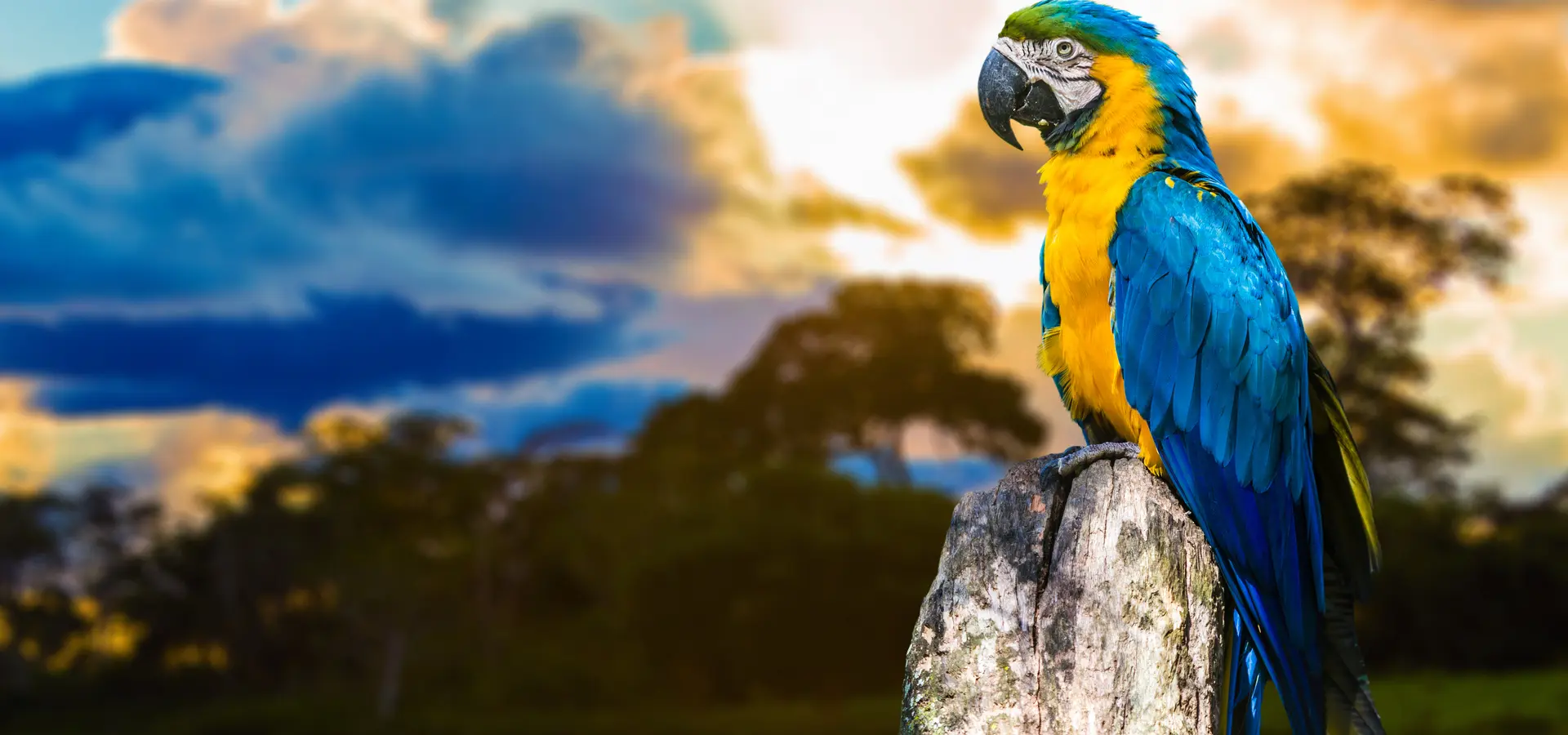
- Boutique
- 21-day trip
- From €5,850 p.p.
Brazil trip | Family trip Brazil: cities, nature and adventure
Brazil is the perfect destination to explore with the family. This family holiday to Brazil includes a number of fun activities, such as a cycle tour through Rio de Janeiro, a boat trip around the islands of Paraty, snorkelling in the crystal-clear waters off Bonito, and an adventure to spot wildlife in the Pantanal.
Start your journey in the cosmopolitan city of Rio de Janeiro. Explore the city on a guided cycle tour and visit the historic centre and the lovely beaches of Ipanema and Copacabana. After your stay in Rio, the journey continues to the impressive Iguazu Falls. Visit both the Brazilian and Argentine sides of the falls to get the full picture. After the Iguazu Falls, the journey continues to the idyllic town of Paraty, with a lovely boat trip included. You’ll then enjoy your tropical stay at Saco do Mamangua and the area around Fazenda Catuçaba, which is one of the best-preserved and least touristy parts of Brazil.
Next, it’s time for Bonito, a stunning spot whose main attraction is the crystal-clear blue water of the Olho d’Agua spring, the source of the Rio da Prata river. Bonito is also renowned for its beautiful snorkelling spots and numerous waterfalls. Then continue on to a multi-day excursion to the southern Pantanal – the best place in Brazil for wildlife spotting. After your wildlife adventure, round off your trip in the charming town of Búzios, with its many coves and picturesque spots.
Travel programme
Travel overview
- Day 1 Flight to Brazil
- Day 2 – 3 Private cycle tour of the city and free time
- Day 4 From the city to a natural wonder: the Iguaçu Falls
- Day 5 Excursion to the Argentine side of the Iguazu Falls
- Day 6 Discovering the Brazilian side and a helicopter flight
- Day 7 Iguazu Falls – Paraty
- Day 8 Boat trip in Paraty Bay
- Day 9 – 10 Stay in Saco do Mamangua
- Day 11 – 12 Fazenda Cataçuba
- Day 13 Catuçaba – Bonito
- Day 14 Exploring the area around Bonito
- Days 15–17 Multi-day excursion to the Pantanal
- Days 18–20 Final day on the beach in Búzios
- Day 21 Departure from Brazil
- Day 22
Air travel to Brazil
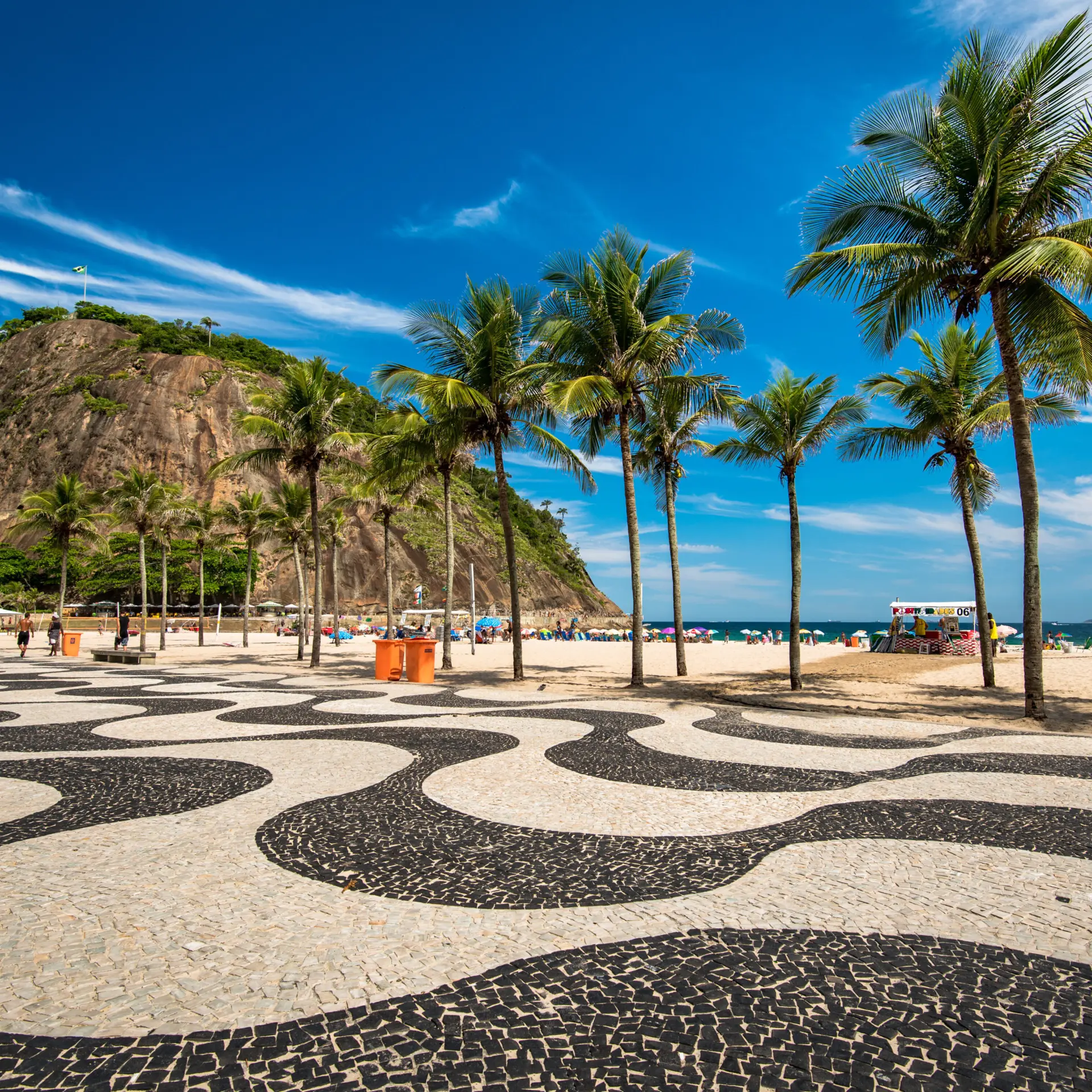
An international flight will take you to the cosmopolitan city of Rio de Janeiro, where (beach) life goes on 24 hours a day. Rio lies on a long strip of land, nestled between the mountains and the sea; lush greenery on one side and vibrant blue on the other.
Spend the first few nights of your trip on Avenida Atlântica, right on Copacabana Beach. The main tourist attractions, shops and restaurants are all within walking distance. Over the coming days, you and your family will discover the vibrant city of Rio de Janeiro.
Included:
• Private transfer to your hotel
• Overnight stay including breakfast
Exclusive:
• Intercontinental flight to Rio de Janeiro
Private bike tour of the city and leisure
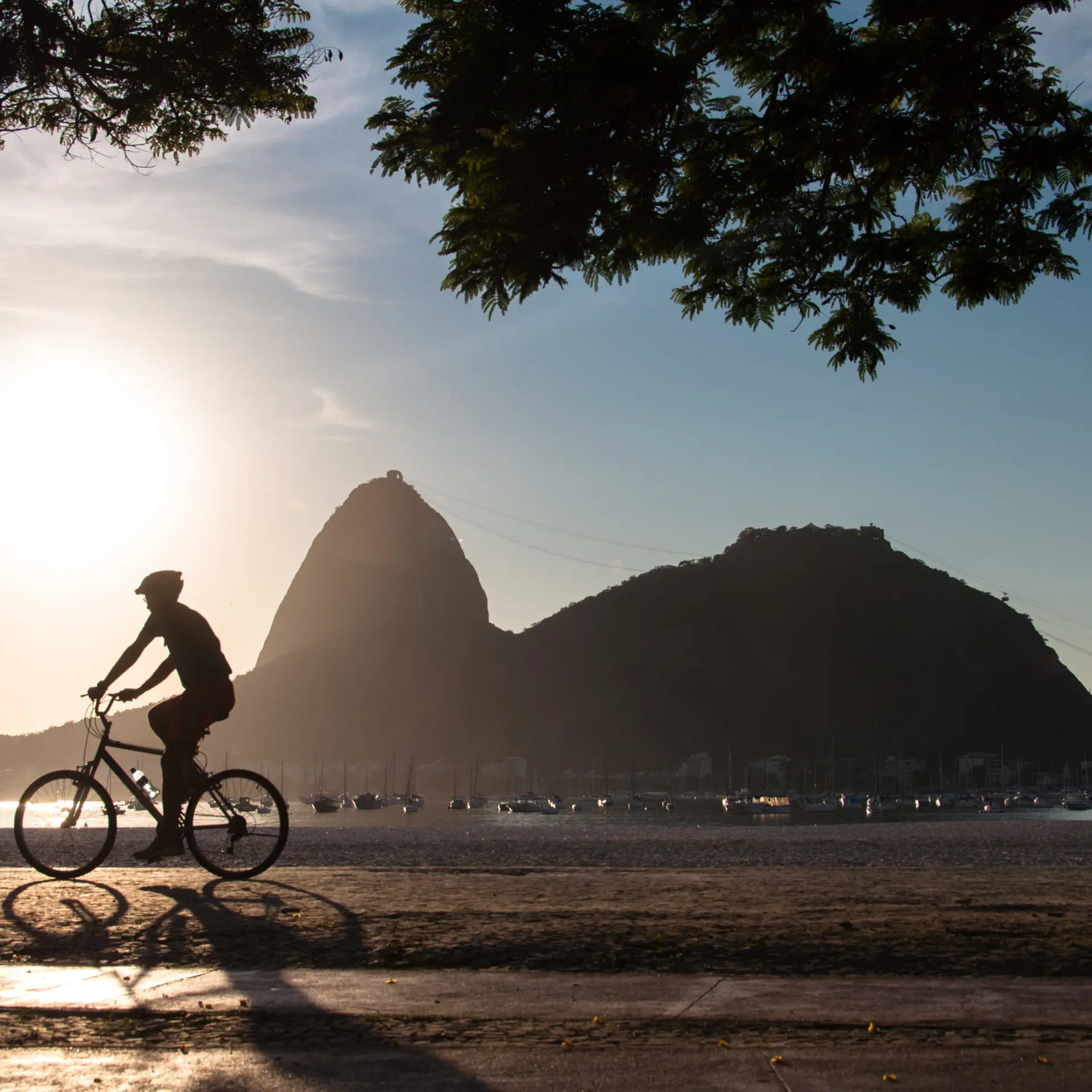
Discover Rio de Janeiro in an active and special way on a private cycling tour. Accompanied by a local guide, you’ll cycle past iconic spots such as the picturesque Lagoa Rodrigo de Freitas, Rio’s beaches and hidden gems known only to the locals. Enjoy stunning views, fascinating stories and the vibrant atmosphere of this colourful city.
The following day is yours to spend as you wish. Why not visit Sugarloaf Mountain and Corcovado, where the Christ the Redeemer statue towers majestically over the city, or stroll up the colourful Selaron Steps? If you want to experience the true charm and creative character of Rio, a visit to the Santa Teresa neighbourhood is a must. Situated on a hill with breathtaking views over the city, this neighbourhood is a peaceful and beautiful oasis. Stroll through the picturesque alleyways, discover historic buildings and art galleries, and enjoy the atmospheric cafés.
Of course, an afternoon at the beach is also a must – enjoy the spectacle on the famous beaches of Copacabana or Ipanema, go surfing, play beach volleyball with the locals, or if you’re really up for an adventure, a paragliding jump from Pedra Bonita is also an option.
Includes:
• Private guided city tour of Rio de Janeiro by bike
• Accommodation including breakfast
From the city to the natural wonder: Iguaçu Falls
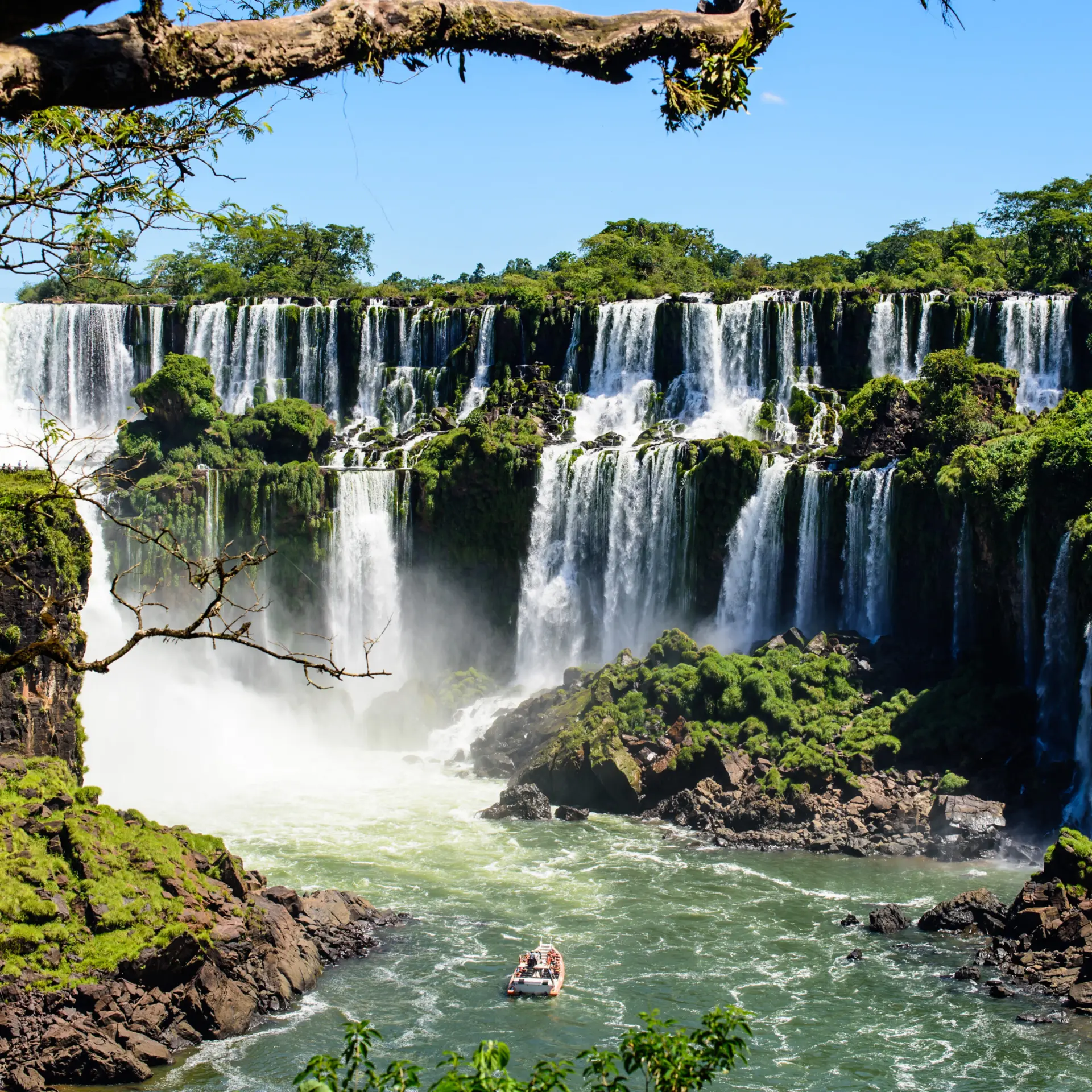
You leave lively Rio behind and travel on by flight to Foz do Iguaçu. The world's largest set of waterfalls what is located in a border triangle between Brazil, Argentina and Paraguay. The Iguazu Falls are spectacular and are a natural wonder that no traveller should miss. Stay the next few nights on the Argentine side of the falls. That part is characterised with beautiful lodges in jungle-like surroundings. Together with your guide, you will visit both sides (both the Brazilian and Argentine sides) over the coming time.
Included:
• Private transfer to the airport
• Domestic flight to Iguazu
• Private transfer to your hotel
• Overnight stay including breakfast
Excursion Argentine side Iguazu falls
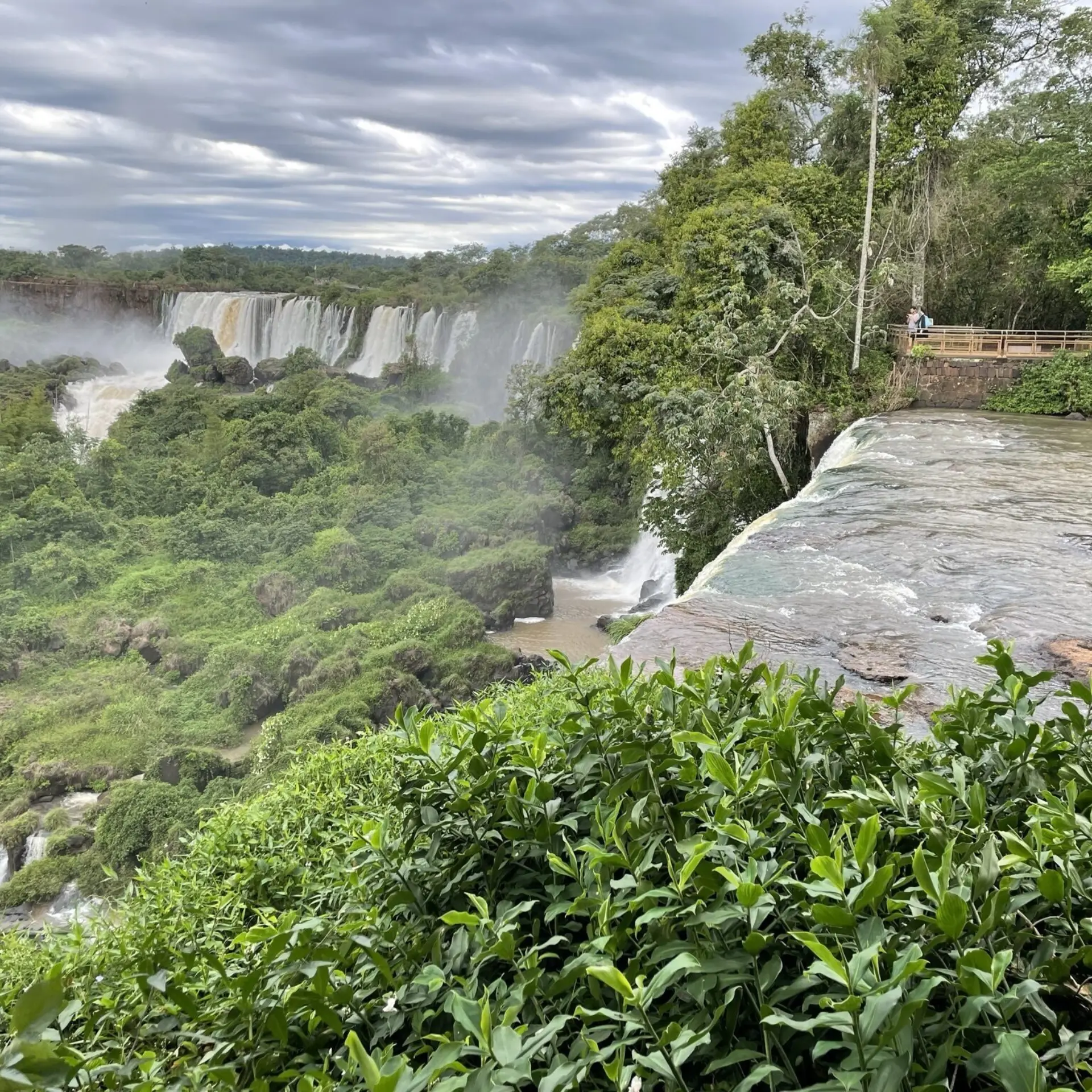
Enjoy a day trip to the Argentine side of Iguazu National Park. This part of the park is characterised by walking trails that take you right up to the cascading waterfalls, along the river and through the jungle. Walk along the extensive paths and footbridges, taking in the waterfalls from a variety of breathtaking vantage points.
The excursion can optionally be combined with a boat trip to the base of the falls. A spectacular adventure where you’re sure to get wet; a rain poncho is therefore no luxury here!
Included:
• Iguazu Falls (Argentine side) with private guide, including entrance fees
• Overnight stay including breakfast
Brazilian side exploration and helicopter flight
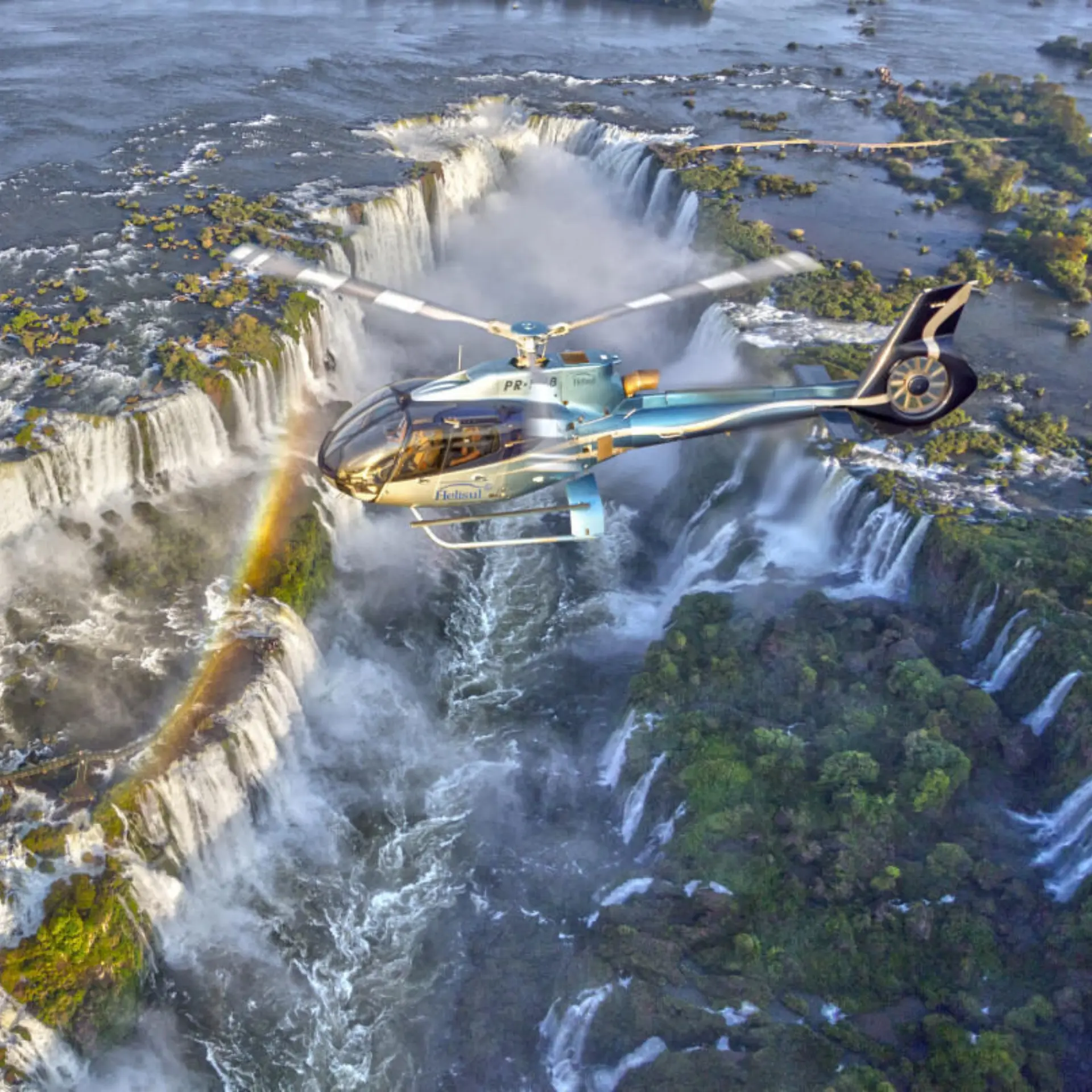
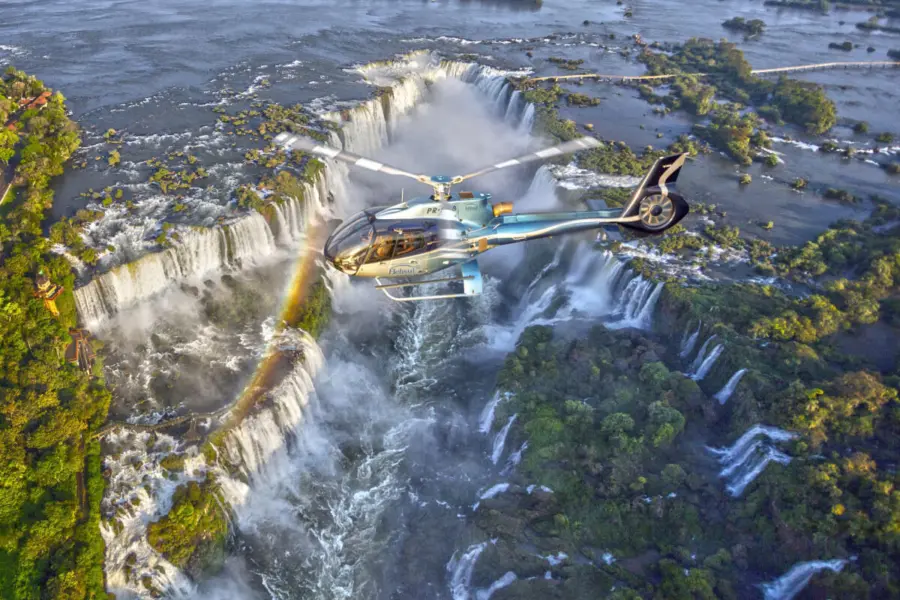
In the morning, you will hike along the Brazilian side, where you will admire the spectacular waterfalls up close and enjoy panoramic views of this natural wonder. As a highlight, you will take an unforgettable 10-minute helicopter flight, admiring the falls and surrounding rainforest from the air. A day full of natural beauty and unique experiences!
Included:
• Iguazu Falls (Brazilian side) with a helicopter flight, including entrance fees
• Overnight stay including breakfast
Iguazu Falls - Paraty
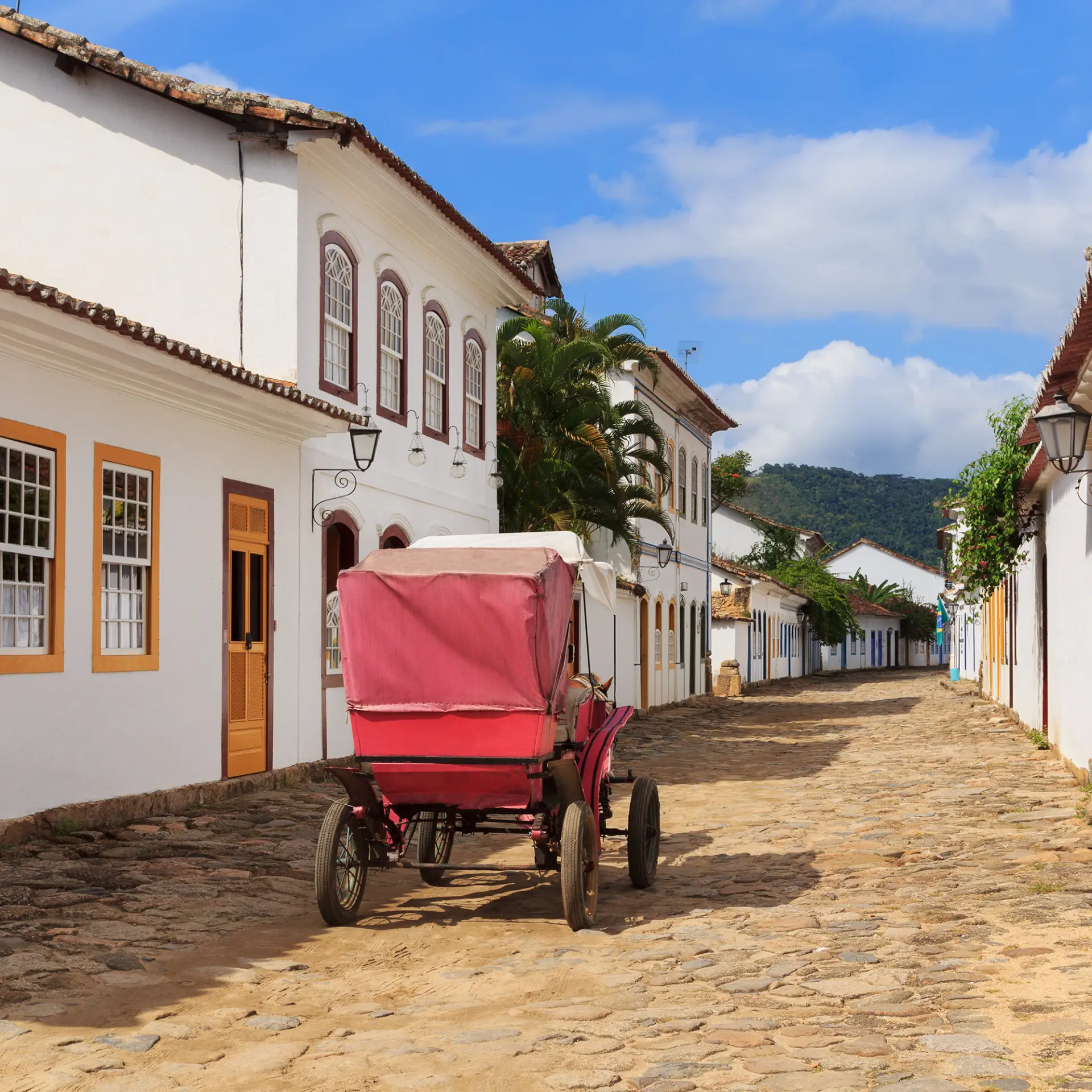
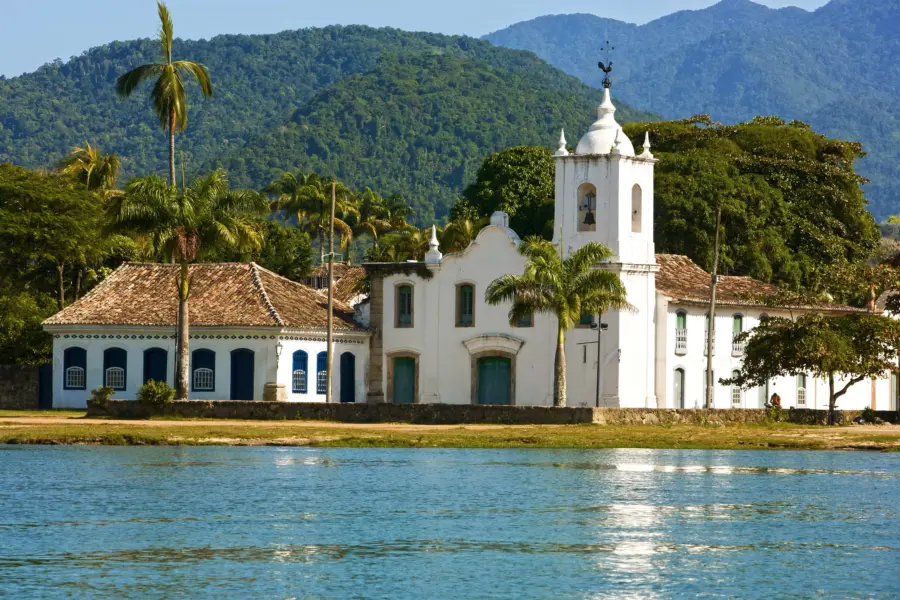
From the waterfalls, you’ll fly back to Rio de Janeiro before travelling on to Paraty, situated between the cosmopolitan cities of Rio de Janeiro and São Paulo. This Portuguese colonial gem is situated on an idyllic bay dotted with dozens of islets featuring beautiful beaches and lush vegetation. In Paraty, you’ll have the chance to relax and reflect on the experiences you’ve had over the past few days.
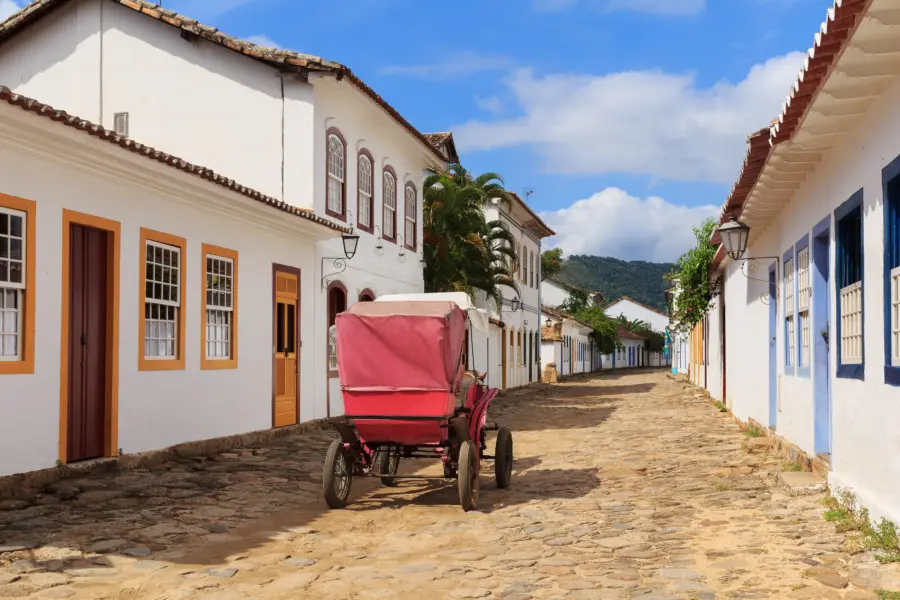
This charming little town, with its cobbled streets, colourful buildings and relaxed atmosphere, exudes history and a warm, welcoming feel. Stroll through the atmospheric streets, discover little boutiques and sample the local cuisine in one of the charming little restaurants.
Included:
• Private transfer to the airport
• Domestic flight to Rio de Janeiro
• Private transfer to your hotel
• Overnight stay including breakfast
Boat trip in the bay of Paraty
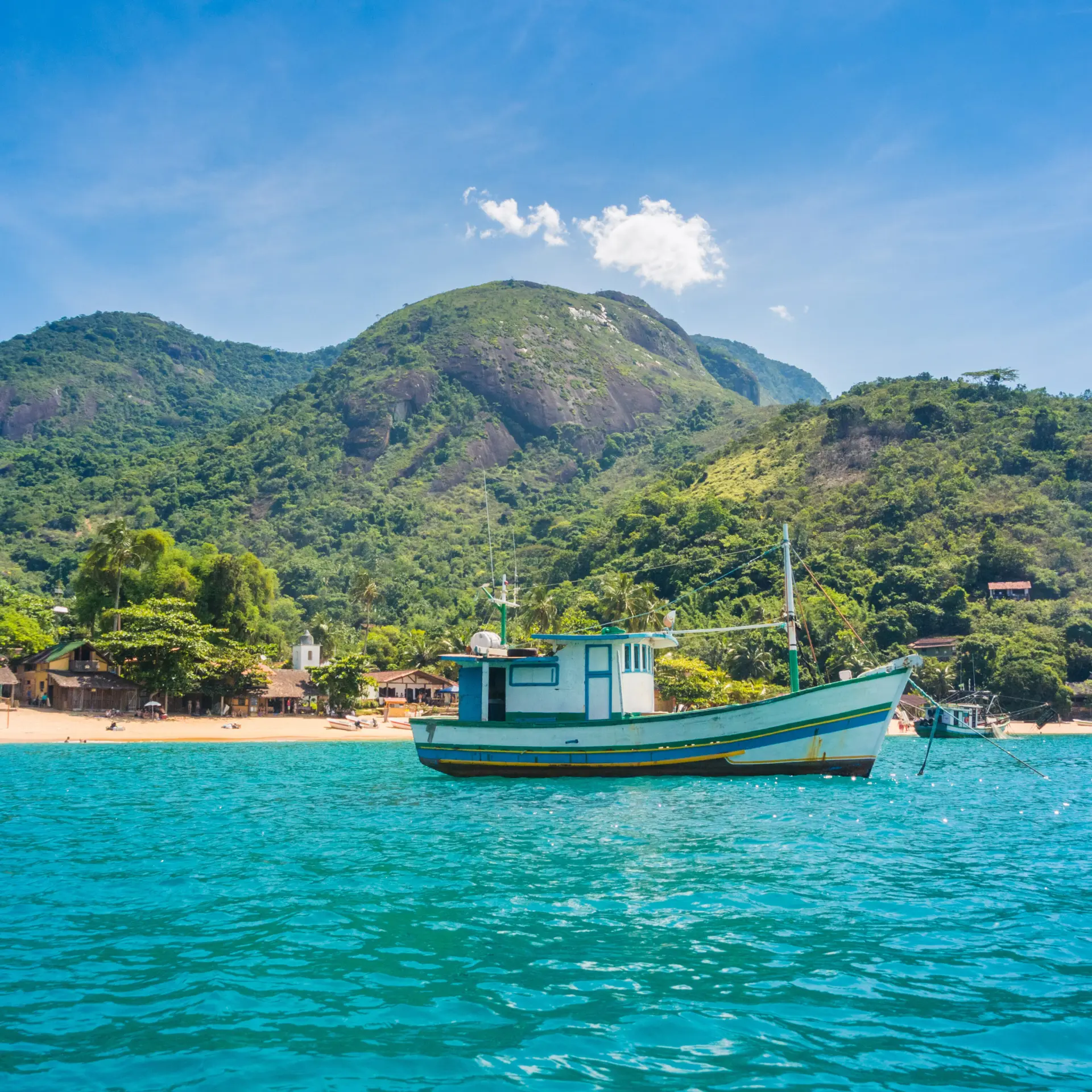
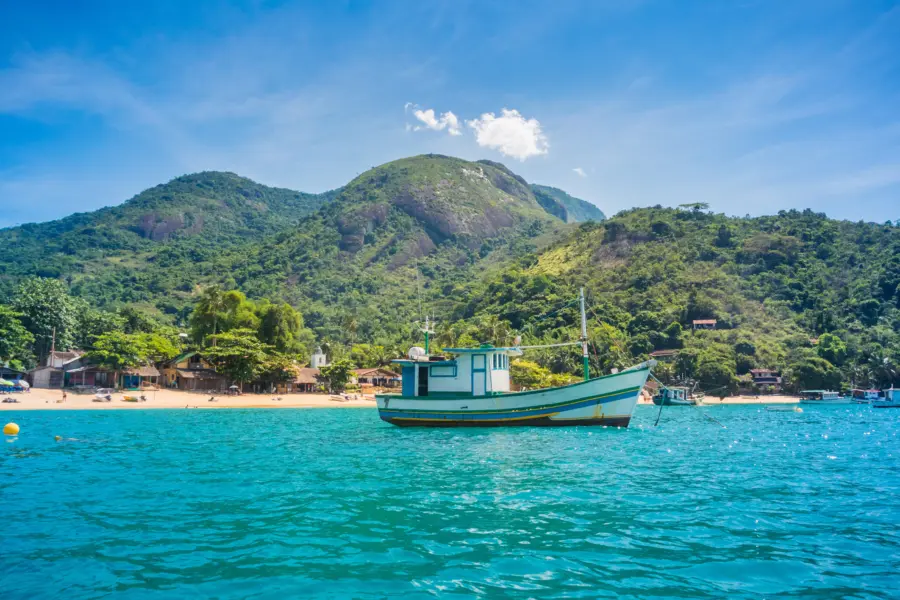
Today, enjoy a boat trip around the islands of Paraty. Paraty Bay is home to a total of 65 islands and many beaches of extraordinary beauty. It is surrounded by lush vegetation, making it a peaceful and incredible place to visit and relax. The waters are perfect for swimming and snorkelling.
During this tour, you’ll travel in a private speedboat to explore some of these beautiful beaches and islands, including the famous ‘Comprida’ island, known as a natural aquarium where you can feed the fish. It is also possible to take the boat tour in a local fishing boat called a “Traineira”.
Includes:
• Avila Experience – Private boat trip in Paraty
• Overnight stay including breakfast
Accommodation Saco do Mamangua
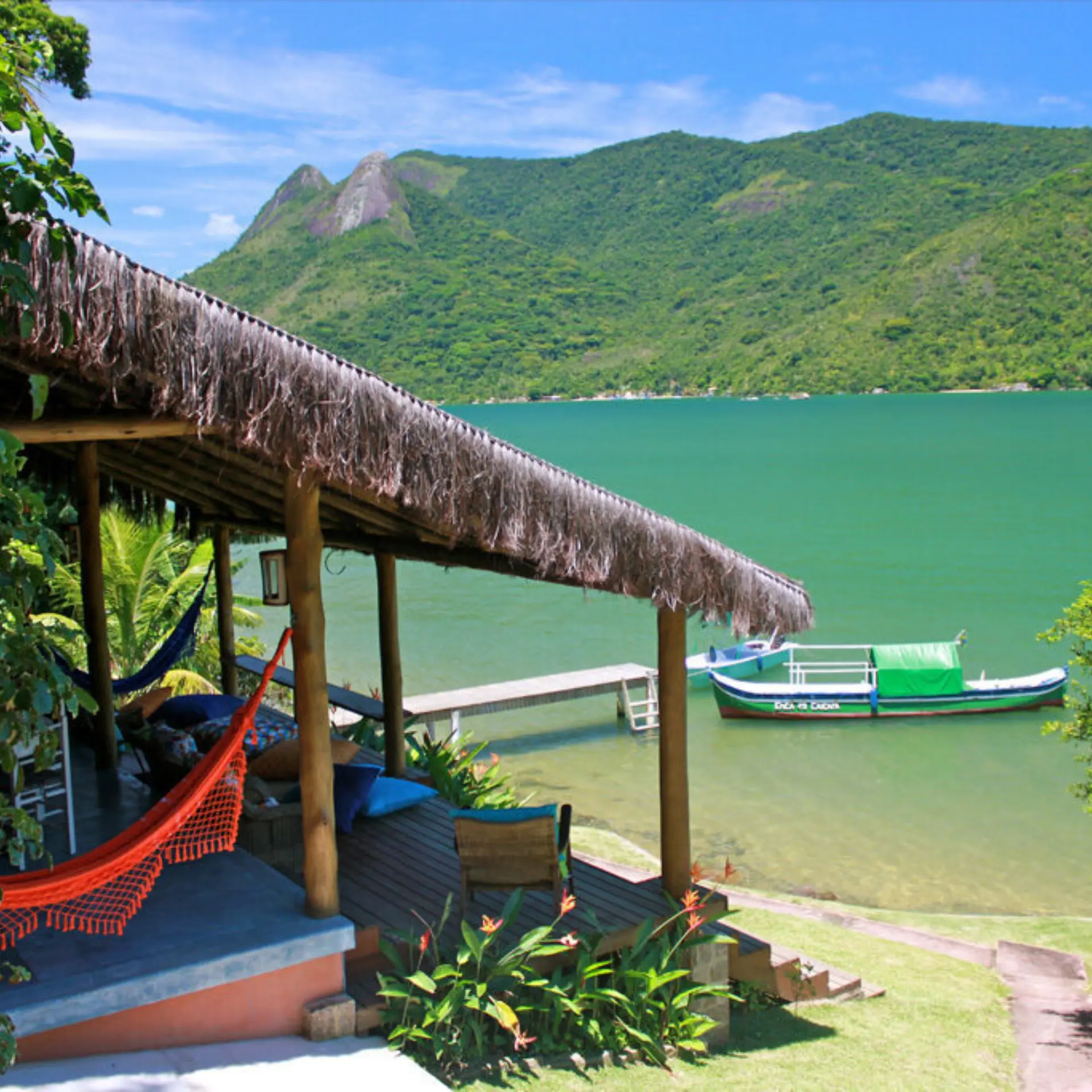
After breakfast, you’ll be transferred to Paraty Mirim Beach to catch a boat to your accommodation in the heart of the jungle. The boat journey takes around 25 minutes. You’ll be staying in the natural surroundings of Saco de Mamanguá for the next few nights. This is a tropical fjord and a truly unique setting right by the sea, with dense jungle in the hinterland. Here, you can canoe across the fjord or climb the highest mountain in the wider area (Pico de Pao de Acucar). Snorkelling and swimming around a nearby islet are also among the options.
Kayaks are provided at your lodge, ready for you to use to explore this beautiful area. By kayak, you can easily explore the bay and stop off at a number of small beaches. Breakfast and dinner are included during your stay.
Included:
• Private transfer and boat to your hotel
• Accommodation including breakfast and dinner
Fazenda Cataçuba
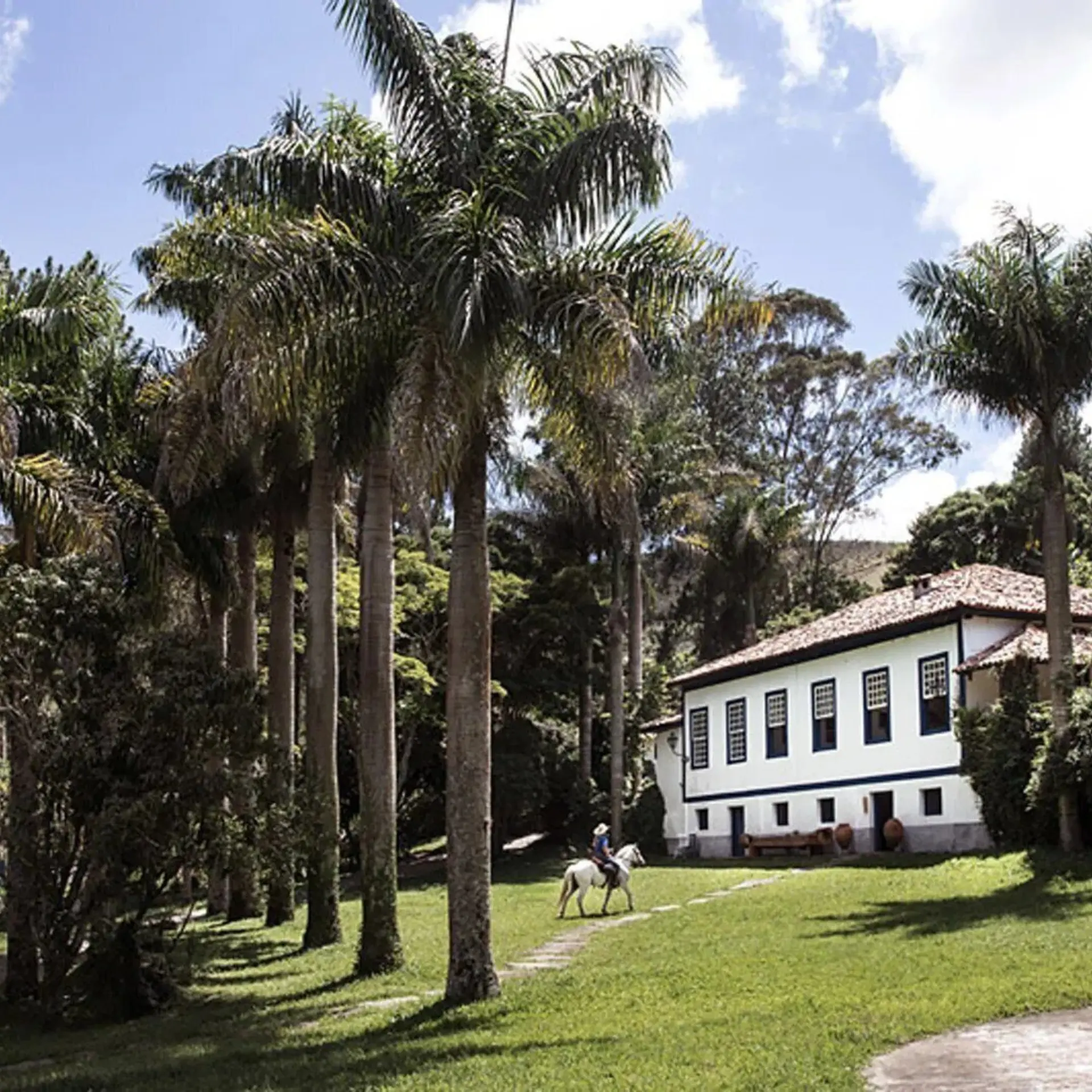
Over the next few days, you’ll enjoy the region around Catuçaba, which is one of the best-preserved and least touristy parts of Brazil. The route there runs partly along the coast and partly through the protected forests. Over the next few nights, you’ll stay at a traditional Brazilian fazenda, where you’ll fully experience the atmosphere of country life.
The fazenda is situated on what was once a 700-hectare coffee farm, nestled in the heart of a mountain range. Here, the stories deeply rooted in the Brazilian soul are preserved; the simple beauty of recognising birds by their calls, waking up with the sun, drinking pure water and eating food freshly picked from the land. All meals are also included during your stay.
Discover the beautiful surroundings by going hiking, horse-riding, walking and climbing, or try your hand at fishing, rafting or birdwatching. The lodge organises a range of activities which you are welcome to join.
Included:
• Boat and private transfer to your hotel
• Accommodation on a full-board basis, including activities organised by the lodge
Catuçaba - Bonito
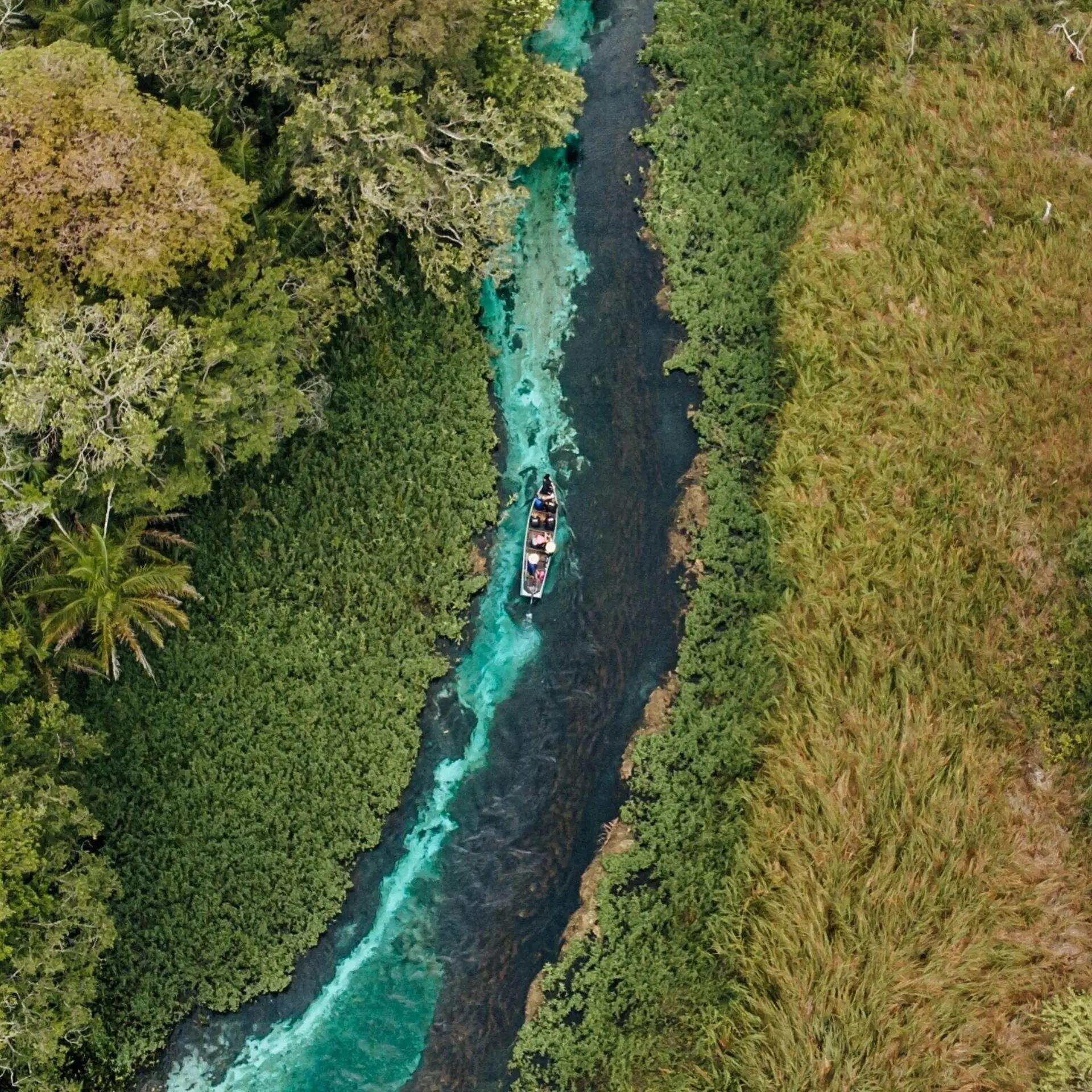
It's time to leave the beautiful fazenda and travel on by domestic flight to Campo Grande, the starting point for exploring the Pantanal and Bonito. The first few days you will stay in Bonito which is located in the Rio da Prata Ecological Refuge. A natural park whose main attraction is the transparent blue waters of the Olho d'Agua spring of the Rio da Prata River. Bonito is also known for its beautiful snorkelling spots and many waterfalls. The waterfalls are easily accessible via beautiful hiking trails.
Included:
• Private transfer to the airport
• Domestic flight to Campo Grande
• Private transfer to your hotel
• Overnight stay including breakfast
Discovering the Bonito area
Together with an English-speaking guide, you will explore the beautiful surroundings of Bonito. Among other things, you will visit Lagoa Azul. The caves derive their name from the bright blue colour of the lagoon. Furthermore, you will go snorkelling in the Rio da Prata Ecological Refuge. This natural park attracts many snorkelling enthusiasts who enjoy the sight of fish and underwater plants in the clear lake. During this excursion, you will also put on a special wetsuit, allowing you to drift down the river in a relaxing way. The water is crystal clear, giving you the feeling of being in a natural aquarium.
Includes:
• Day trip to Bonito, including snorkelling and lunch
• Overnight stay including breakfast
Multi-day excursion Pantanal
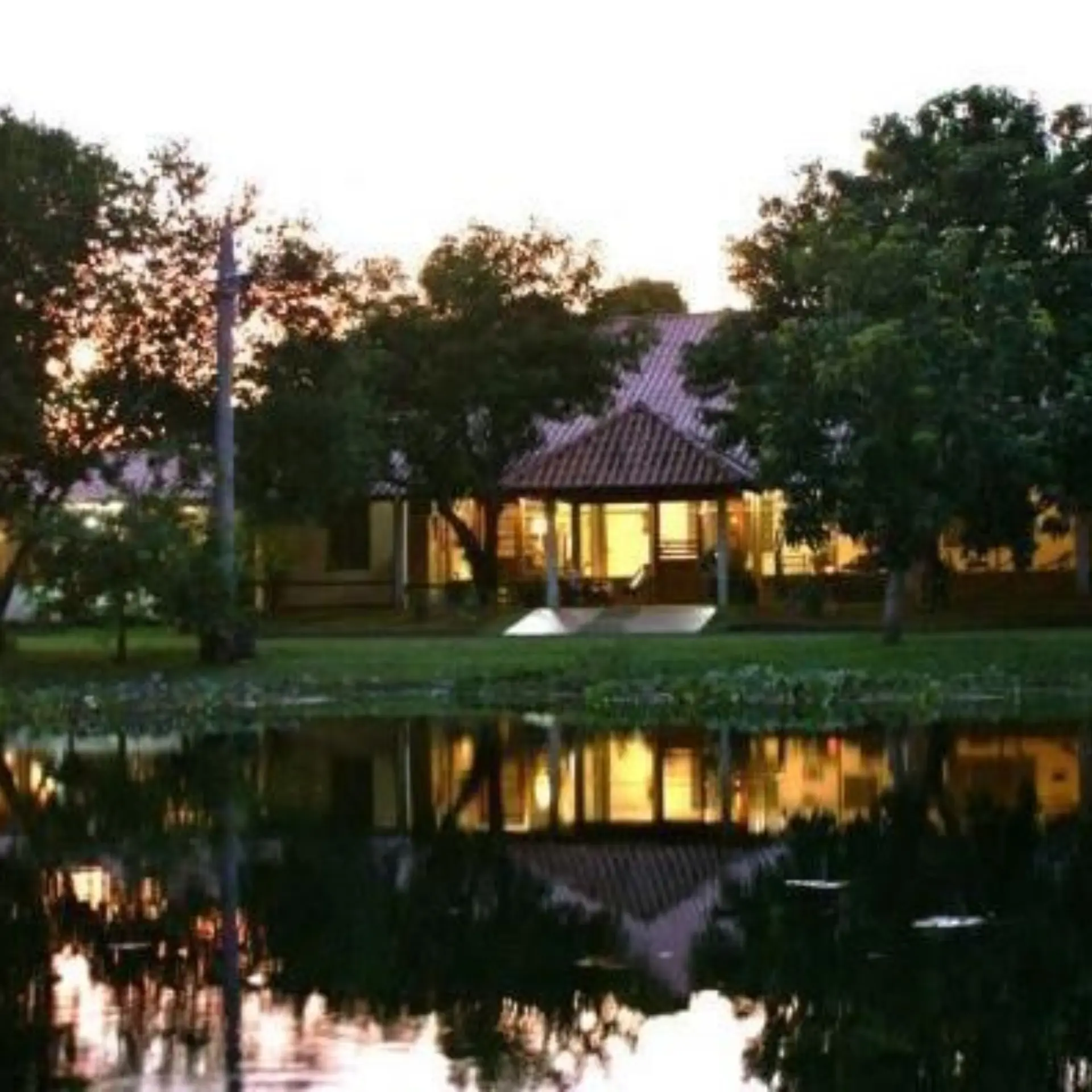
Today you’ll travel on to your accommodation in the southern Pantanal. Together, the northern and southern Pantanal form the world’s largest delta; it is one of the best places in Brazil – in fact, the best place in the Western Hemisphere – for wildlife spotting. Over the coming days, enjoy a stay in the heart of nature, where you’ll have ample opportunity to discover the rich flora and fauna of this ecosystem.
The days will be devoted to exploring nature and wildlife. You’ll go on safaris by jeep, by boat, on foot and on horseback. The activities are carefully selected and are preferably scheduled for the early morning and mid-afternoon to avoid the fierce midday sun. During these hours, animals and birds are more active, increasing your chances of spotting wildlife. All meals are also included during your stay to ensure you make the most of your time here. A wonderful experience connecting with nature and your family.
Included:
• Private transfer to your hotel
• Accommodation on a full-board basis, including activities organised by the lodge
Beach exit Buzios
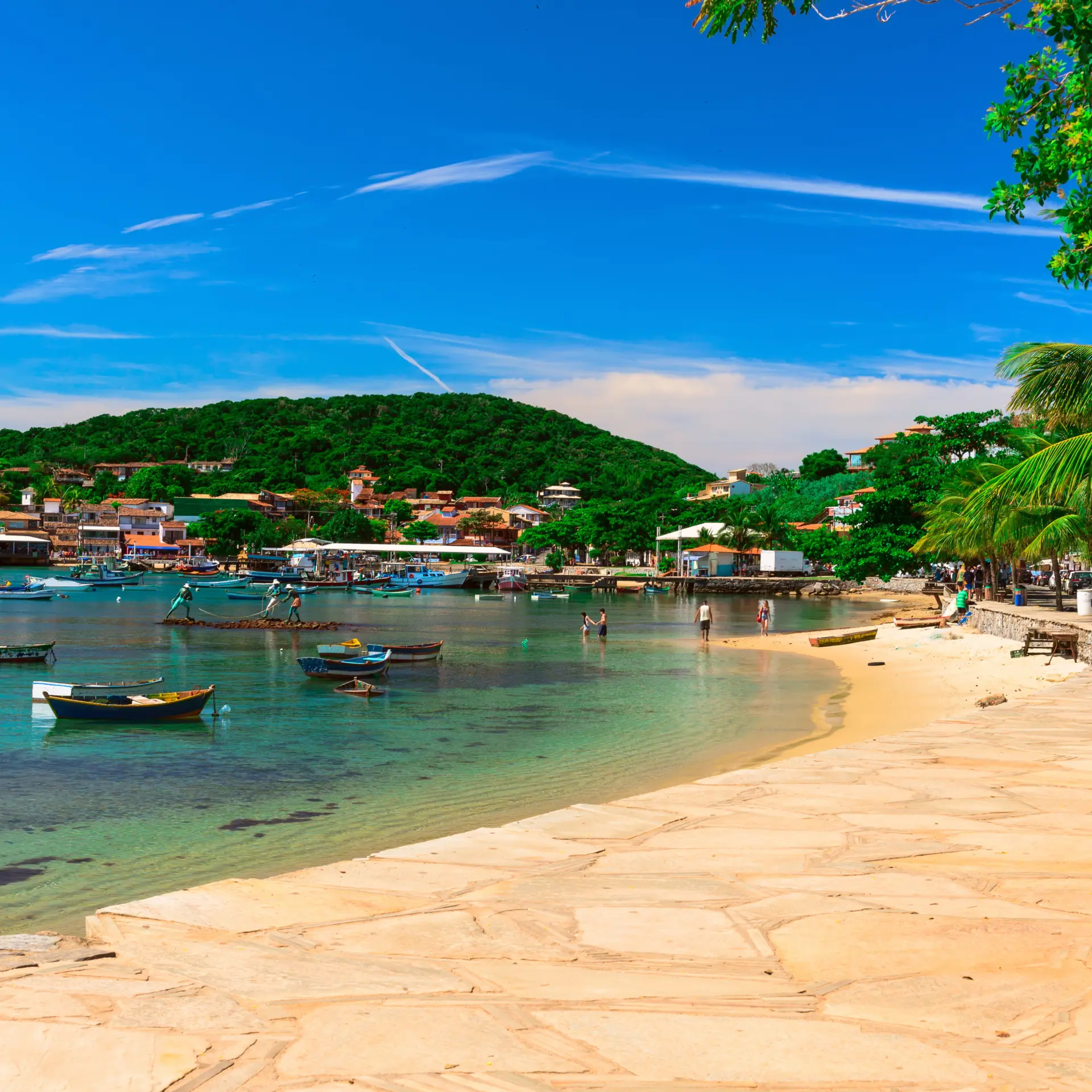
After your multi-day stay in the Pantanal, you will be transferred to the airport by private transfer and travel back to Rio de Janeiro. About a 3-hour drive from Rio de Janeiro is Buzios. Over the next few days, you will conclude your trip on this peninsula of the same name which has many bays and beautiful spots. It is a trendy small-scale and beautiful place to enjoy a wonderful coastal holiday, where you can relax with your feet in the sand - the beach is on your doorstep - and reminisce about your travel experience. Besides beautiful beaches, you will also find many good and trendy restaurants in Búzios. The peninsula is not called the St Tropez of Brazil for nothing!
Included:
• Private transfer to the airport
• Domestic flight to Rio de Janeiro
• Private transfer to your hotel
• Accommodation including breakfast
Accommodations
PortoBay Rio de Janeiro Hotel
On Copacabana beach in the sensational city of Rio de Janeiro is Hotel Porto Bay. This hotel offers you the best of both worlds. On the one hand the vibrant centre of Rio, and on the other the famous beaches of Copacabana and Ipanema. From the rooftop pool you have great views over the Copacabana and the...
On Copacabana beach in the sensational city of Rio de Janeiro is Hotel Porto Bay. This hotel offers you the best of both worlds. On the one hand the vibrant centre of Rio, and on the other the famous beaches of Copacabana and Ipanema. From the rooftop pool, you have great views over the Copacabana and Corcovado Mountain.
Your stay: 3 nights

La Reserva Virgin Lodge
This comfortable lodge, as the name suggests, is tucked away in a jungle-like setting about 10 minutes outside the centre of Puerto Iguazu. The hotel offers a shuttle service that can take you to and from the centre of Puerto Iguazu at set times so you have the opportunity to...
This comfortable lodge, as the name suggests, is tucked away in a jungle-like setting about 10 minutes outside the centre of Puerto Iguazu. The hotel offers a shuttle service that can take you to and from the centre of Puerto Iguazu at set times, giving you the opportunity to visit the more lively Puerto Iguazu for a bite to eat.
The hotel also features a restaurant where you can enjoy a bite to eat after an impressive day at Iguazu Falls or take a refreshing dip in the adjacent pool. The lodge has been built with great attention to conservation with some of the trees surrounding the lodge being as much as 400 years old.
Your stay: 3 nights

Pousada Literaria de Paraty
Located in the historic centre of Paraty, Pousada Literaria is housed in a fully restored colonial house. The hotel offers a harmonious blend of historical charm and modern elegance. The hotel's own restaurant, Quintal das Letras, offers a sophisticated culinary experience with a menu that...
Located in the historic centre of Paraty, Pousada Literaria is housed in a fully restored colonial house. The hotel offers a harmonious blend of historical charm and modern elegance. The hotel's in-house restaurant, Quintal das Letras, offers a sophisticated culinary experience with a menu that combines local ingredients and traditional Brazilian dishes. Ingredients are often sourced from the nearby Fazenda Bananal, a sustainable farm also owned by the hotel.
With its central location, Pousada Literária offers easy access to Paraty's cobbled streets, art galleries and historical sites, making it an ideal choice for travellers seeking luxury, comfort and an in-depth cultural experience.
Your stay: 2 nights
Refugio Mamangua
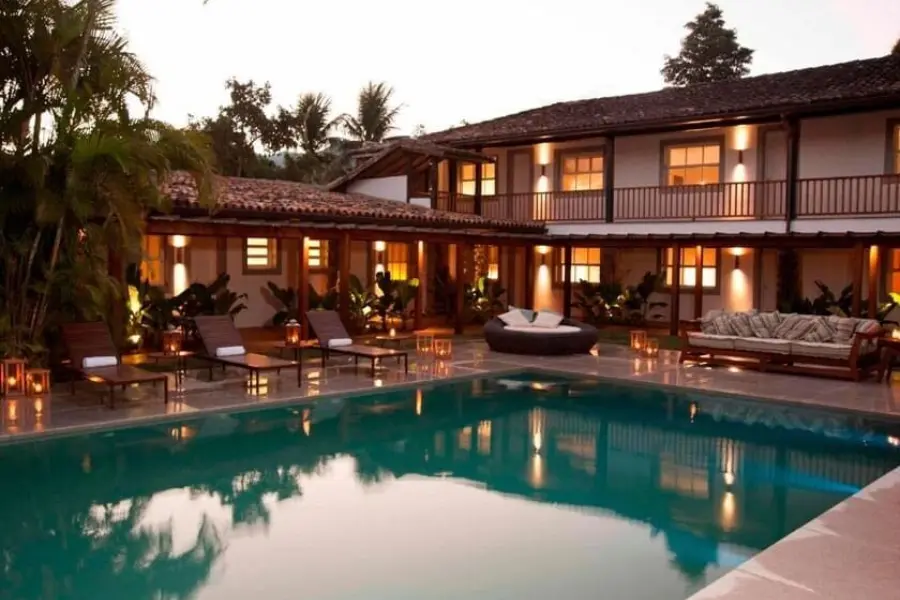
Located in an area of paradise, Refúgio Mamanguá features ten suites with large windows and wooden decks as well as a gazebo (type of gazebo) where breakfast and dinner are served. With simple and comfortable infrastructure, as well as healthy local cuisine, Refúgio Mamanguá offers guests the opportunity to...
Located in an area of paradise, Refúgio Mamanguá features ten suites with large windows and wooden decks as well as a gazebo (type of gazebo) where breakfast and dinner are served. With simple and comfortable infrastructure, as well as healthy local cuisine, Refúgio Mamanguá offers guests the opportunity to get to know Mamangua and the daily life of the Caiçara community. Wake up in full contact with nature, observe birds, go boating, talk to the friendly locals, swim, paddle, dive and hike; these are some recreational opportunities for guests in this area.
Daily canoes can be used to explore the Mamangua in the most traditional way. To appreciate and encourage local tourism services, the Refugio Mamanguá prefers local restaurants for lunch. These restaurants are accessible by canoe (available at the Refugio Mamanguá) or on foot along trail.
Your stay: 2 nights
Fazenda Catuçaba
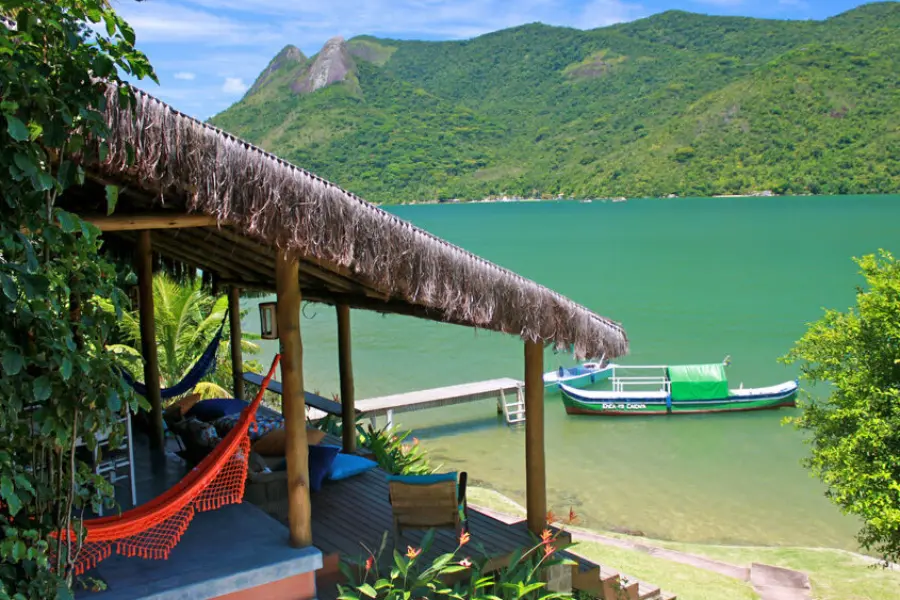
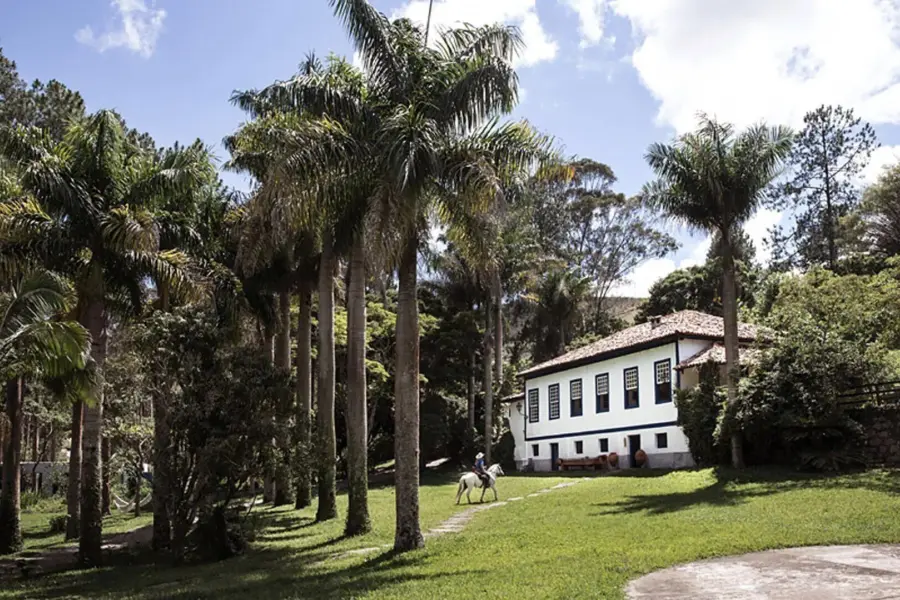
Fazenda Catuçaba is a rural paradise set among rolling hills in the countryside and 30 minutes from the historic city of São Luiz do Paraitinga. The hotel is suitable for adventurous travellers or families who want to relax for a while, seek a small private location or just explore...
Fazenda Catuçaba is a rural paradise set among rolling hills in the countryside and 30 minutes from the historic city of São Luiz do Paraitinga. The hotel is suitable for adventurous travellers or families who want to relax for a while, seek a small private location or just want to explore this beautiful area. Fazenda Catuçaba offers all this with the benefits of homemade, sustainable food from the farm, including coffee and cachaça. Nothing in the hotel disturbs the peace of nature - no TV or internet - allowing true relaxation. This is a place to enjoy the rich local culture and hike or ride horses to the beautiful valleys bordering the Serra do Mar State Park.
Your stay: 2 nights
Hotel Cabanas
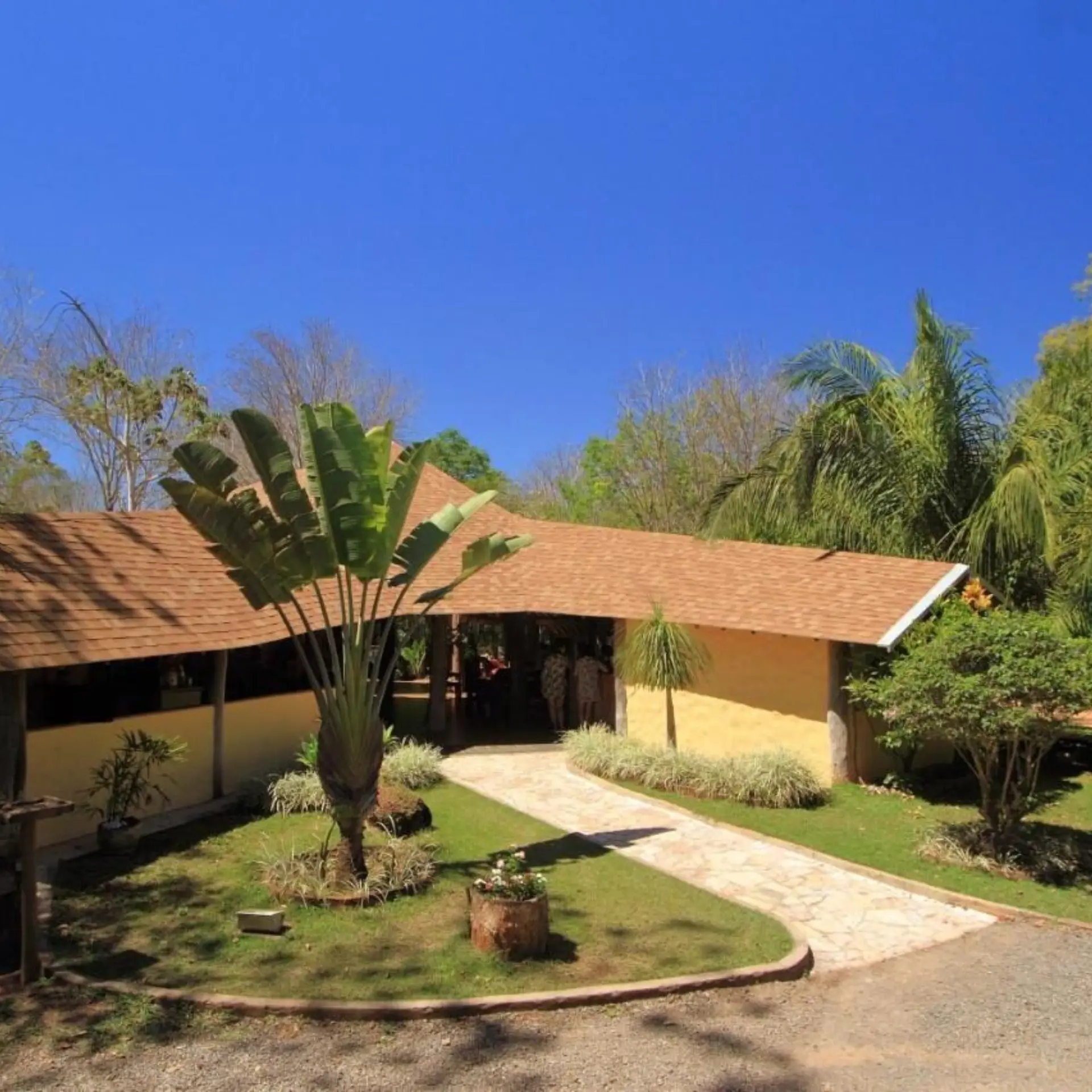
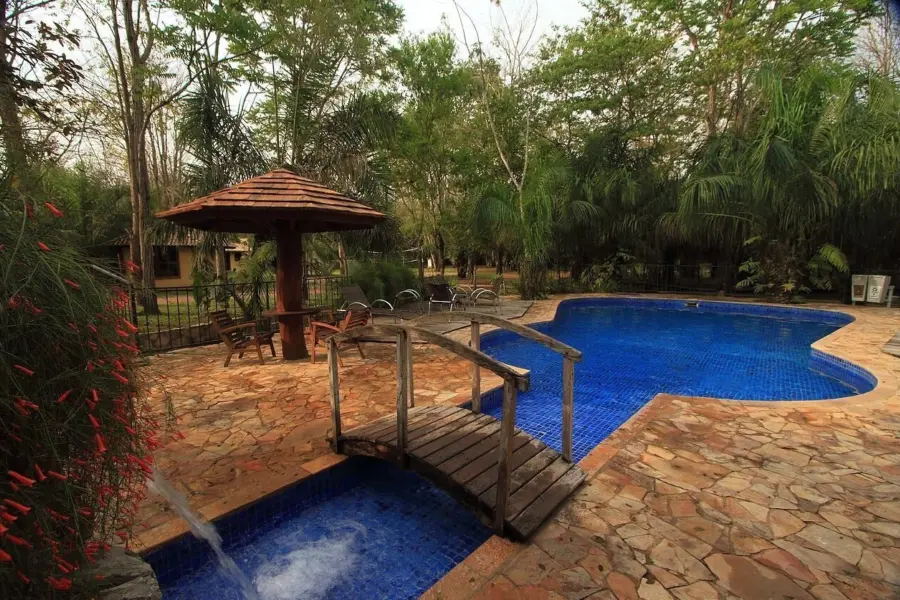
Located just 6 km from the tourist centre of Bonito and between two rivers with beautifully clear water, this nice hotel is blessed with a beautiful location among the forests. The surrounding forests allow you to spot various wildlife such as macaws, monkeys, agoutis, coati and many others, but...
Located just 6 km from the tourist centre of Bonito and between two rivers with beautifully clear water, this nice hotel is blessed with a beautiful location among the forests. The surrounding forests allow you to spot various wildlife such as macaws, monkeys, agoutis, coati and many others, but it is also an ideal environment for bird lovers. Hotel Cabanas can be considered a true experience of nature. The hotel has both bungalows and standard rooms. The unique rooms are located in wooden "stilt houses" and feature a double bed or twin. The accommodation also has some nice facilities and organises various activities.
Your stay: 2 nights
Refugio da Ilha Ecolodge
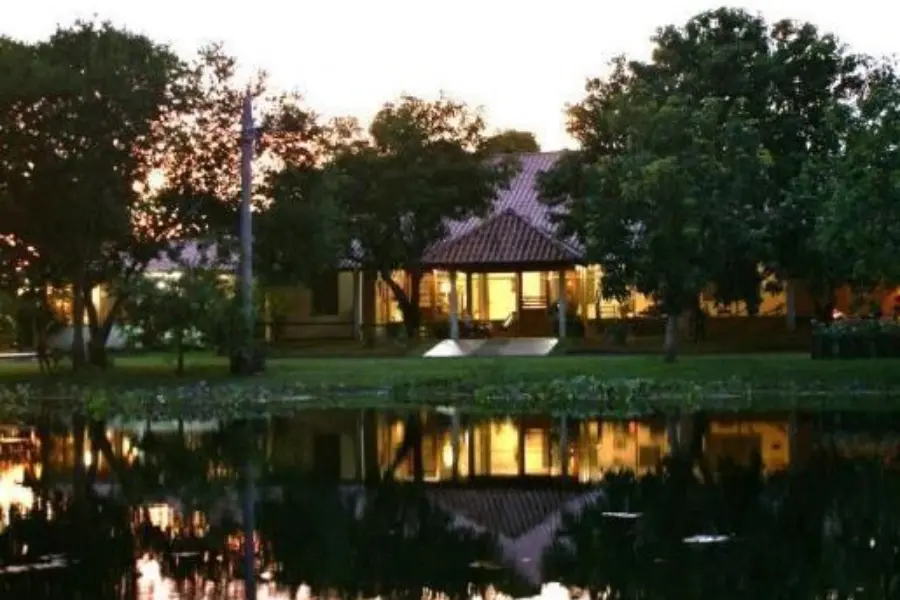
Located in the marshlands of the Pantanal and on a 4,000-hectare river island in the Salobra River Delta, Refugio da Ilha Ecolodge offers charming and rustic rooms in a former farmhouse. Furthermore, the lodge is surrounded by lagoons and swamps with numerous species of birds, alligators and other wildlife....
Located in the marshlands of the Pantanal and on a 4,000-hectare river island in the Salobra River Delta, Refugio da Ilha Ecolodge offers charming and rustic rooms in a former farmhouse. Furthermore, the lodge is surrounded by lagoons and swamps with numerous species of birds, alligators and other wildlife. The lodge offers an unforgettable wilderness experience with many options of expeditions. A limited number of visitors can only stay at the lodge, making it an excellent option for those who want to escape mass tourism.
Your stay: 3 nights
Vila da Santa Hotel Boutique & Spa
Vila da Santa Hotel Boutique & Spa is located right in the historic centre of Búzios, right by the sea and with direct access to Ossos Beach. The hotel has different types of rooms, all equipped with modern conveniences such as air conditioning. You can relax by two swimming pools, enjoy fine dining at the restaurant or...
Vila da Santa Hotel Boutique & Spa is located right in the historic centre of Búzios, right by the sea and with direct access to Ossos Beach. The hotel has different types of rooms, all equipped with modern conveniences such as air conditioning. You can relax by two swimming pools, enjoy good food at the restaurant or have a drink at the bar. Feel like some action? Then you can use the kayaks or go supping on the water.
Your stay: 3 nights

Experiences
City tour Rio de Janeiro by bicycle
Today, you will take a private city tour of Rio de Janeiro with an English-speaking guide. You will see Rio de Janeiro's defining features and the city's most interesting sights. You will take this city tour by bicycle.
Iguazu Falls Argentine side private excursion
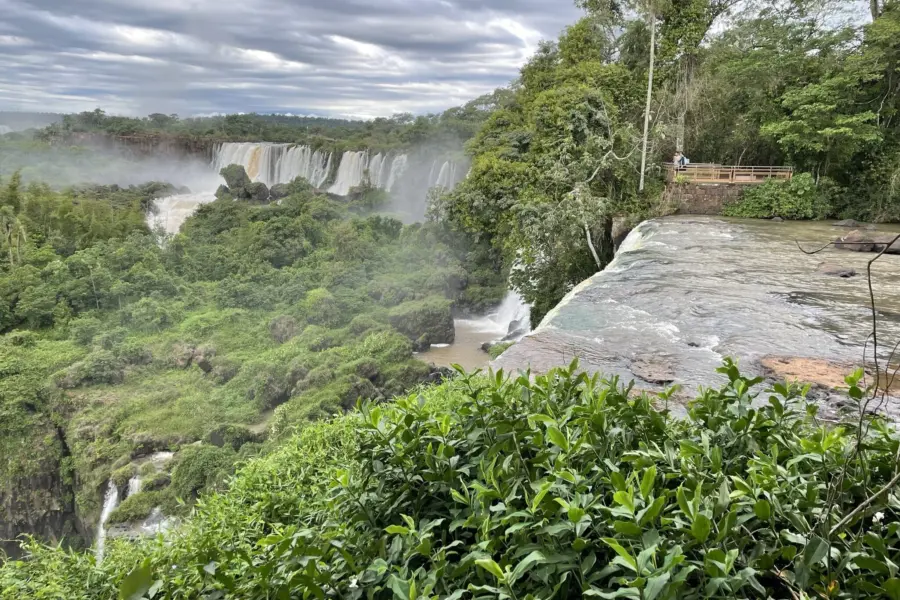
You will take a private excursion to the Argentine side of the Iguazu Falls. These are the world's most powerful waterfalls. There is nowhere else in the world where such a huge mass of water falls down simultaneously. Long before the Spanish and Portuguese colonised the area, the Guarani Indians lived in this region....
You will take a private excursion to the Argentine side of the Iguazu Falls. These are the world's most powerful waterfalls. There is nowhere else in the world where such a huge mass of water falls down simultaneously. Long before the Spanish and Portuguese colonised the area, the Guarani Indians lived in this region. 'Iguazu' in Guarani language means big water. You will take a day excursion to the Argentine side of the national park. This is the top of the falls, the so-called 'mouth'. You can feel the power of the falls here. This part is characterised by hiking opportunities right up to the falling water and among the streams and jungle.
Iguazu Falls Brazilian side with helicopter flight
You will take a half-day excursion to the Brazilian side of the falls. This excursion is complemented by a spectacular helicopter flight. This will give you the ultimate view of the falls!
Avila Experience - Paraty boat trip
Paraty Bay has 65 islands and many beaches of unparalleled beauty surrounded by exuberant vegetation, making it an ideal place to relax. In addition, the waters are perfect for swimming or snorkelling.
During this tour, you will go to some of these beautiful beaches and islands...
Paraty Bay has 65 islands and many beaches of unparalleled beauty surrounded by exuberant vegetation, making it an ideal place to relax. In addition, the waters are perfect for swimming or snorkelling.
During this tour, you will explore some of these beautiful beaches and islands. One of the places you will visit is the famous island "Comprida", known as a natural aquarium.
It is also possible to do this tour in a local type of fishing boat called "Traineira"
Destinations
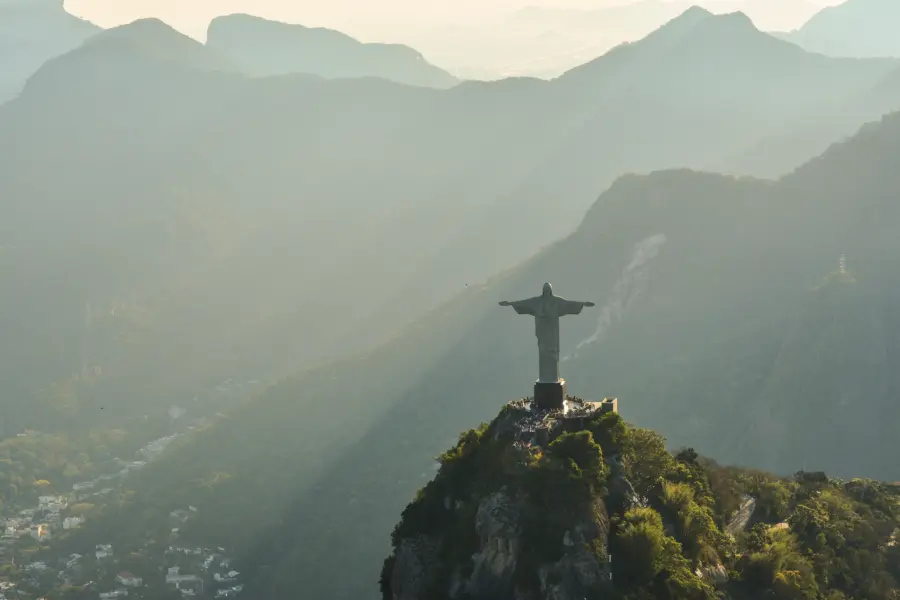
Rio de Janeiro
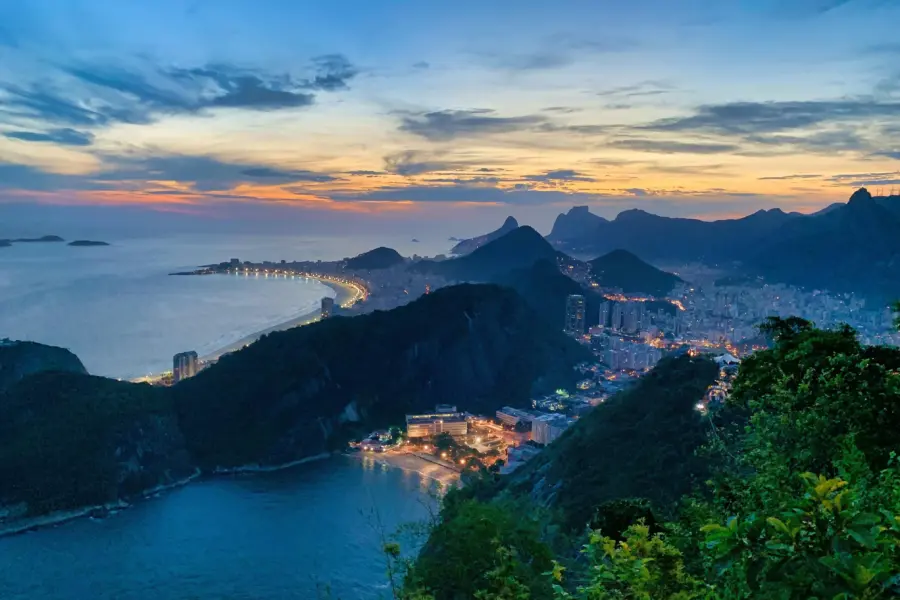
Rio de Janeiro is a world-class city! This metropolis, where (beach) life goes on 24 hours a day, has so much to offer that even the ‘Cariocas’, the residents of ‘Rio’, cannot decide when asked to name their favourite feature of their city. Rio lies on a strip of land approximately 24 kilometres long, nestled between the mountains and the sea; lush greenery on one side and vibrant blue on the other. It is home to a population of 8 million who seem to have a monopoly on the concept of ‘Beach Beauties’: beach culture was invented in Rio.
The world-famous, 38-metre-high statue of ‘Christ the Redeemer’ stands high on the summit of Corcovado Mountain, from where it embraces the city in its arms and blesses it with an all-seeing eye. Sugar Loaf, the mountain shaped like a loaf of sugar, is one of Brazil’s most photographed sights.
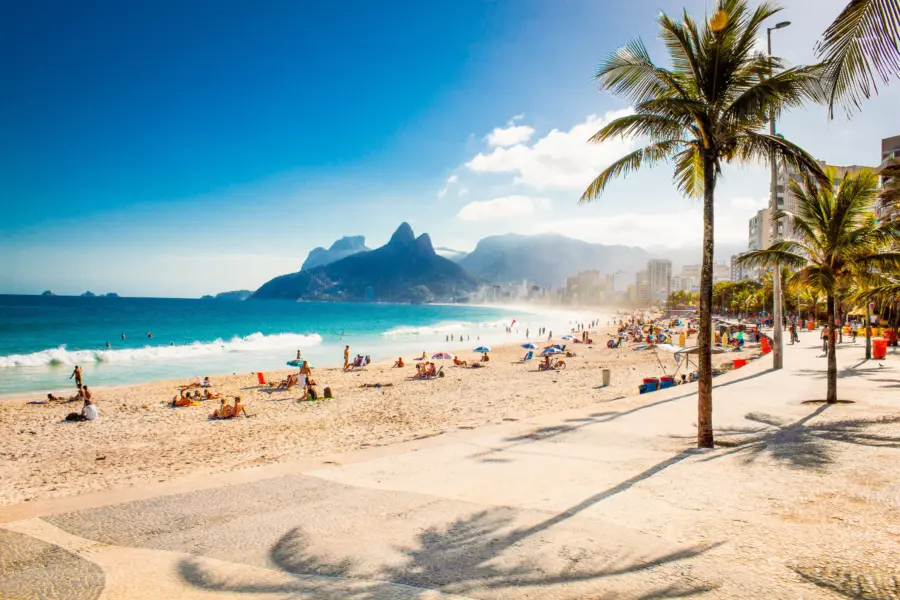
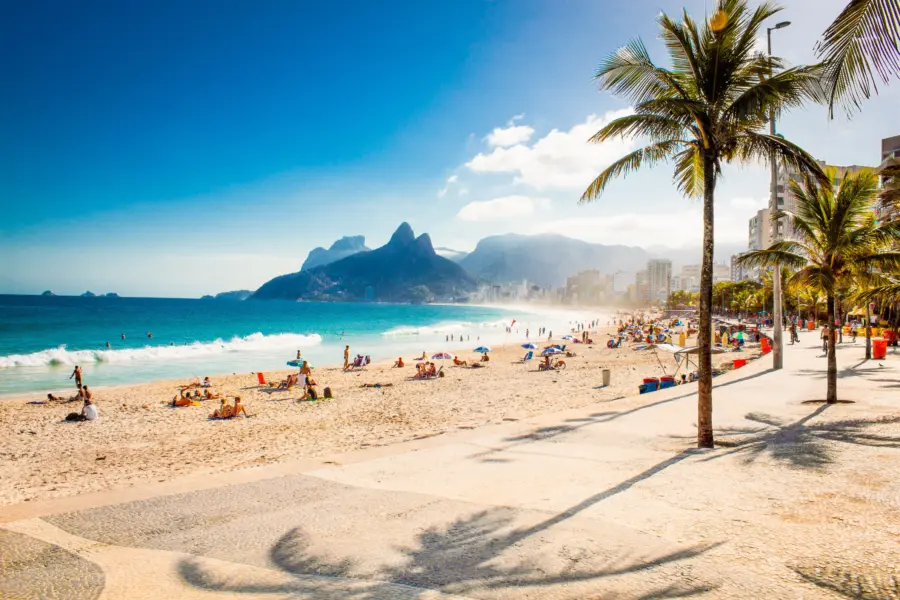
Then there are the beaches; the best known and most popular are Copacabana Beach and Ipanema Beach. Copacabana boasts a four-kilometre-long beach, flanked by a bustling promenade lined with beach bars, cafés and a vibrant nightlife. On Sundays and public holidays, the beach road is closed to traffic and ‘Copa’ is transformed into one huge leisure area. The sultry bossa nova track ‘The Girl from Ipanema’ put Rio’s Ipanema Beach on the world map in one fell swoop. A golden strip of sand flanked by a wide promenade and numerous beach bars. People sit, chat, eat and drink there round the clock. Young and old alike stroll, play sport and flirt. The residential district of Ipanema is home to Rio de Janeiro’s finest shops and chic boutiques.
You’ll find a completely different atmosphere in the colourful Santa Teresa district, nestled in the hills of Rio de Janeiro. Steep cobbled streets, historic houses each with its own story, and cosy cafés and restaurants. The ‘bodinho’, the vintage little train, still chugs its way there from downtown Rio.
Rio’s world-famous carnival hardly needs any further introduction: it is the biggest and most spectacular festival in the world. In short: Rio is sensational!
Brazil
Puerto Iguazu
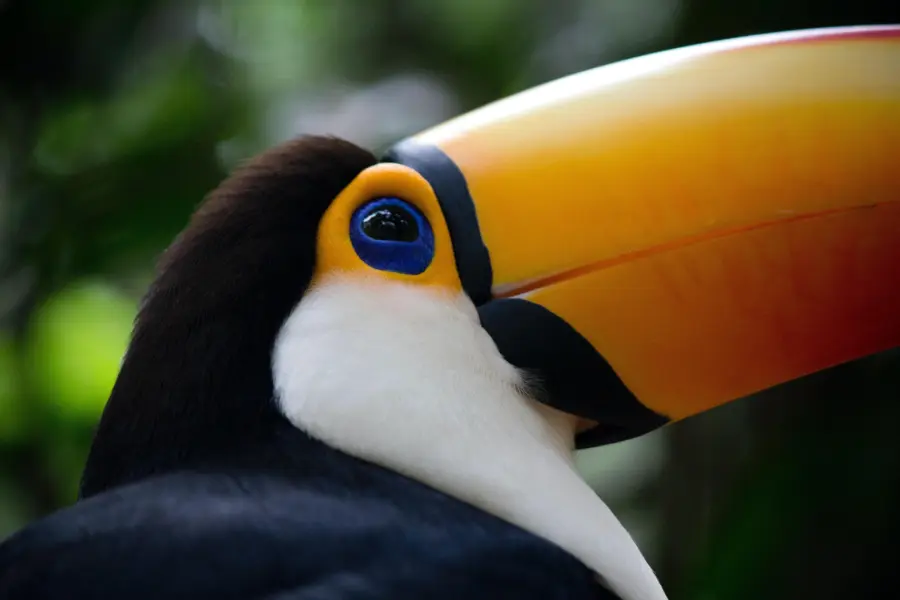
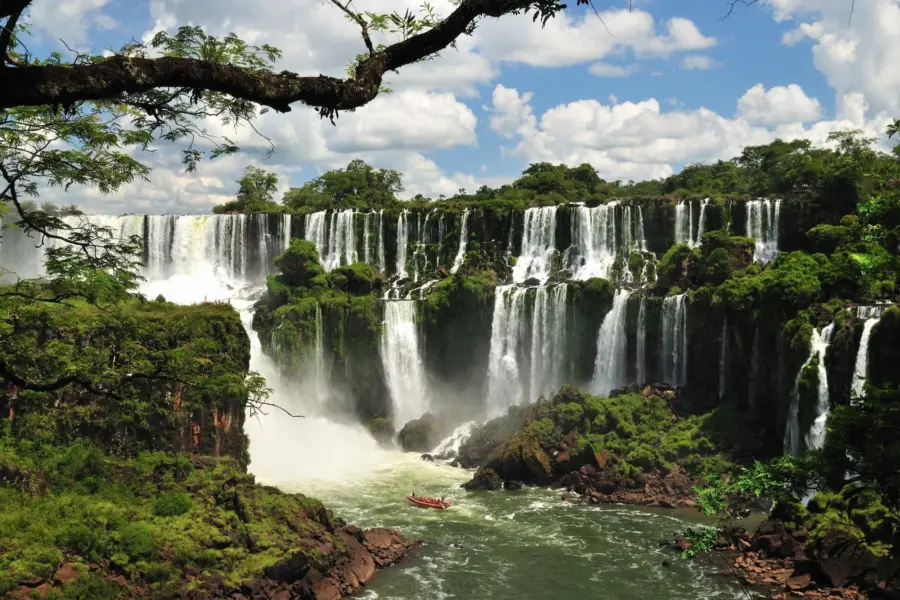
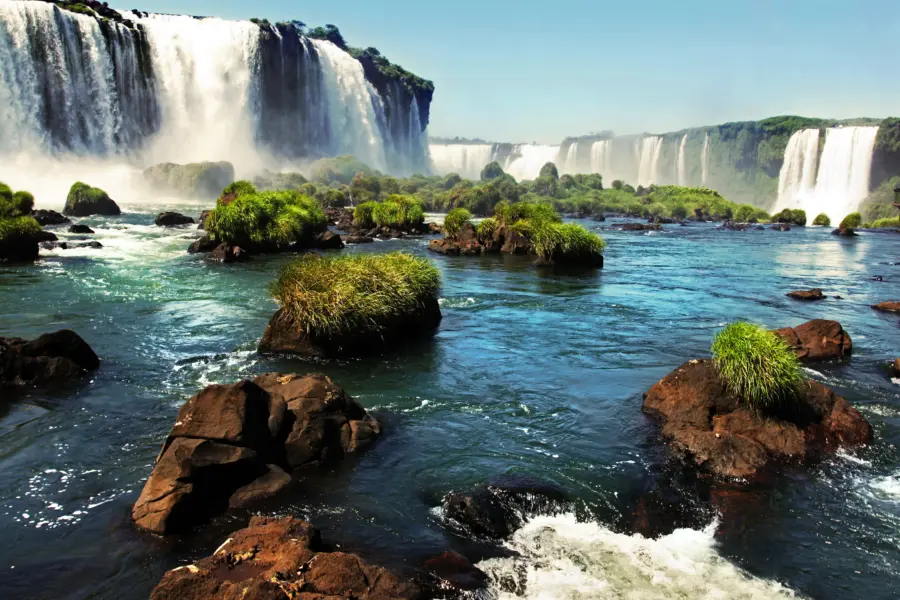
Iguazu is the world's largest set of waterfalls and is located in northern Argentina, in a border triangle of Brazil, Argentina and Paraguay. In addition, the Iguazu Falls are the world's most powerful waterfalls. Nowhere else in the world does such a huge mass of water fall down simultaneously. The falls lie in the middle of a green jungle full of monkeys, toucans and caimans. Long before the Spanish and Portuguese colonised the area, the Guarani Indians lived in this region. 'Iguazu' in Guarani language means big water. This beautiful waterfall marks the confluence of the Iguazu River in Argentina and the Parana River in Brazil. A popular tourist destination, it attracts visitors from all over the world to visit Iguazu National Park and its breathtaking waterfalls.

Iguazu Falls
Foz do Iguazu, the world's largest set of waterfalls, is located in northern Argentina, in a border triangle of Brazil, Argentina and Paraguay. The Iguazu Falls are the world's most powerful waterfalls. There is nowhere else in the world where such a huge mass of water falls down simultaneously. The falls lie in the middle of a green jungle full of monkeys, toucans and caimans. Long before the Spanish and Portuguese colonised the area, the Guarani Indians lived in this region. 'Iguazu' in Guarani language means big water. This magnificent waterfall marks the confluence of the Iguazu River in Argentina and the Parana River in Brazil.
Northeast Argentina
Northeast Argentina includes the provinces of Misiones, Corrientes and Entre Ríos. But is also home to one of the world's most beautiful waterfalls - the Iguazu Falls. This beautiful area is crossed by the meandering Iguazu, Parana and Uruguay rivers, vast wetlands alive with a variety of birds and a host of vibrant cities. Visitors can explore the colonial architecture of Santa Fe, visit the stylish city of Corrientes and discover the capital Posadas, which serves as the gateway resting place of Jesuit missions. There are also a variety of beautiful national parks in the northeast, home to a variety of wildlife. Other popular attractions include: Mocona Falls and the serene wetlands of Esteros del Ibera.
Argentina
Paraty
Paraty is situated on an idyllic bay dotted with dozens of small islands featuring beautiful beaches and lush vegetation. Behind and alongside Paraty lie the rainforests and steep mountains. When the explorer ‘Amerigo Vespucci’ – after whom the continent is named – sailed into Paraty Bay, he uttered the famous words: ‘My God, if paradise on earth exists, it cannot be far from here’. At that time, the picturesque village itself didn’t even exist yet!
In the past, Paraty was the final stop on the ‘gold trail’ – the route between Diamantina, Ouro Preto, Tiradentes and Paraty – along which gold was transported to be shipped from Paraty to its final destination: the Portuguese Crown. However, the precious cargo often never made it beyond Paraty Bay, where pirates lay in wait. The cobbled streets of this picture-perfect town take you past historic monuments and colourful houses that evoke a bygone era. The small, compact centre is easy to explore on foot, though the cobblestones are no match for any heels!
State of São Paulo
Brazil's southeastern state of Sao Paulo is dominated by its eponymous capital city. Nicknamed the 'locomotive of Brazil', Sao Paulo is the country's economic and industrial centre: a dizzying, disorienting - but always thrilling - juggernaut of a city, offering enough sights and attractions to satisfy even the most seasoned traveller. The largest city in the southern hemisphere, Sao Paulo can be intimidating to navigate at first, but it will reward visitors who explore its world-class art galleries and museums, its chic restaurants and its iconic sights (such as the neo-Gothic Sao Paulo Cathedral). Elsewhere in Sao Paulo state, the Serra da Mantiqueira play host to mountain retreats, while you can explore the Brazilian Atlantic Forest in Iporanga and kick back on rainforest-fringed beaches in Ubatuba.
Bonito
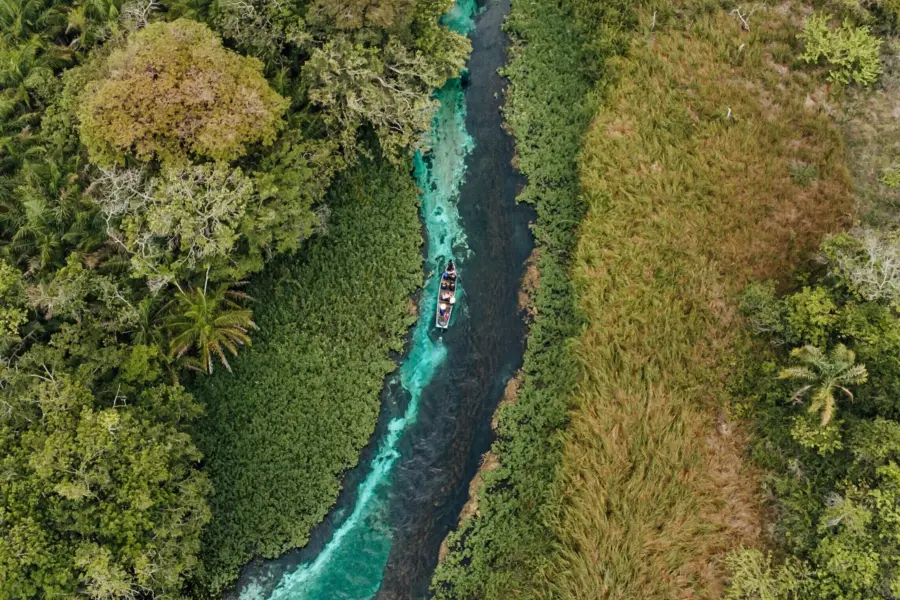
Situated in the south-western corner of the state of Mato Grosso do Sul, the picturesque town of Bonito is known as the heart of ecotourism in Brazil. Here, you can enjoy waterfalls, lush forests, crystal-clear rivers and mysterious caves with sparkling lakes and ancient stalactites. The area is also home to the Rio da Prata Ecological Refuge, a nature park whose main attraction is the transparent blue water of the Olho d’Agua spring, the source of the Rio da Prata river.
A snorkelling trip is a particularly enjoyable and relaxing experience: you put on a special wetsuit and drift down the river in complete relaxation. The water is crystal clear; it’s as if you’re in a natural aquarium. Plan a snorkelling trip in the crystal-clear waters of the Rio da Prata, Rio Sucurí or Bahia Bonita. There may also be opportunities to organise a short trek in this area, or pay a visit to Buraco das Araras, which is famous for the bright red macaws that fly around this crater. It’s best to go there early in the morning or late in the afternoon when the birds are most active. Another highly recommended activity is a visit to the Lago Azul Caves. These caves take their name from the vivid blue colour of the lagoon.
Southern Pantanal
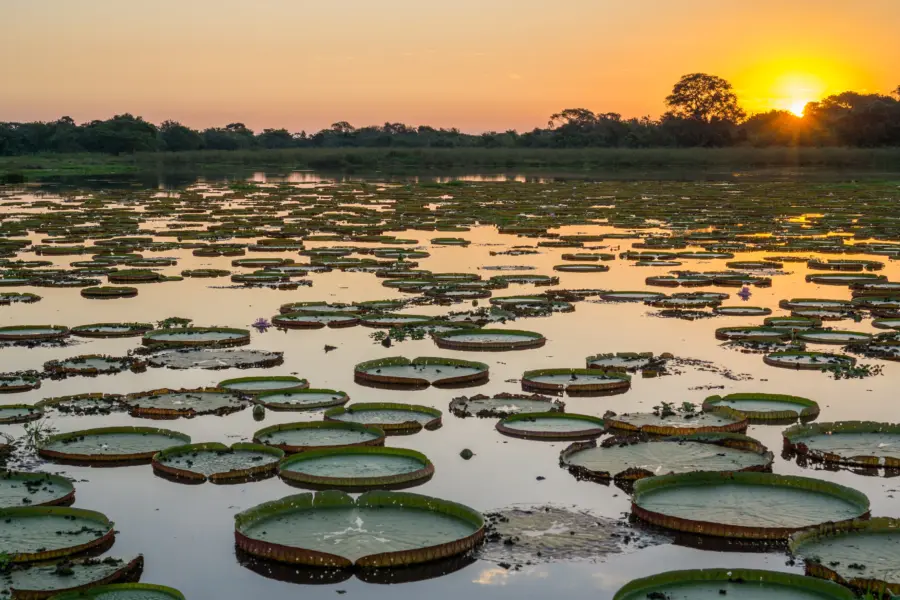
Located in the Brazilian state of Mato Grosso do Sul, the southern Pantanal is a wondrous combination of picturesque cattle ranches and a pristine landscape encompassing almost two-thirds of the largest tropical wetland in South America. Visitors to the region can begin the Southern Pantanal experience in Corumba, the largest city in the Pantanal and the historic centre of the region. On the way to the city is the dirt road of Estrada Parque, a popular nature trail that is home to capybara, jaguar, giant anteaters, anacondas and a variety of birds. For a taste of local cowboy culture, visit the cattle ranches of Aquidauana and Miranda to discover the cattle drives, music and traditional leather of the pantaneiro cowboys, kayaking, canoeing and fishing on the rivers and explore the Maracajú plateau and Serra mountain ranges.
The Pantanal
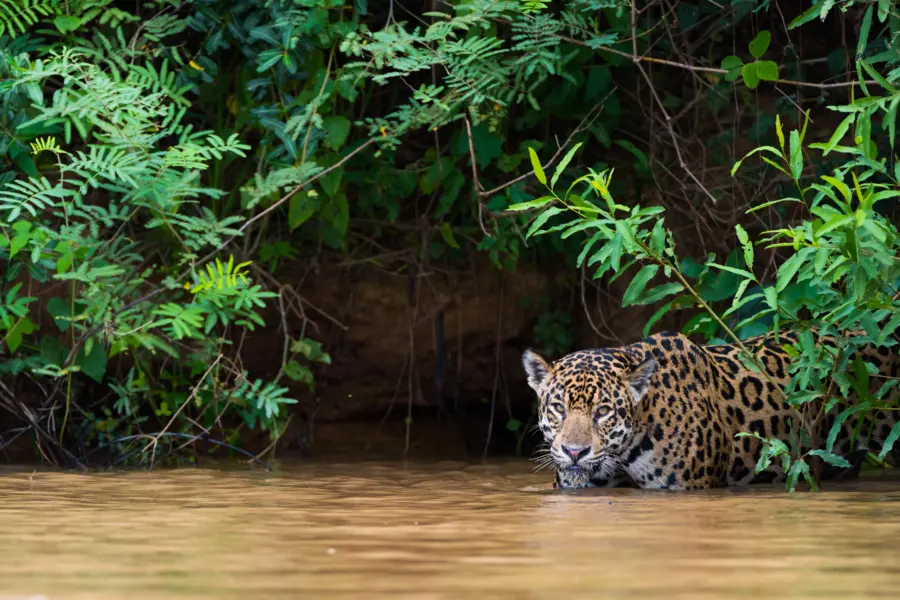
The north and south Pantanal together form the largest delta in the world; it is one of the best places in Brazil, in fact the best place in the Western Hemisphere, to spot animals. The area is home to the 'Big Three' rare mammals: the jaguar, the tapir and the average 30-kilo giant otter. Also living here is the capybara - the largest rodent in the world - monkeys and especially birds are present in large numbers. The endemic Jabiru stork can also be spotted here with a bit of luck. Days in this area are dedicated to nature and wildlife exploration.
State of Mato Grosso do Sul
Situated in central-west Brazil and sharing borders with Paraguay and Bolivia, Mato Grosso do Sul is one of the most naturally beautiful states in Brazil. This popular tourist destination attracts visitors from around the world with its spectacular beaches and impressive reefs, as well as its incredible network of lagoons and lakes, inhabited by an abundance of plant and animal life. In addition to its natural attractions, visitors to the area can look forward to exploring a diverse variety of interesting cultural sites. These include the Museu das Culturas Dom Bosco in Campo Grande, boasting an excellent collection of over 10 000 species of flora and fauna; the interactive waterfront museum of Muhpan in Corumba, with intriguing displays on human habitation in the region; and Forte de Coimbra, originally built in 1775 to ward off invaders from neighbouring countries.
Buzios
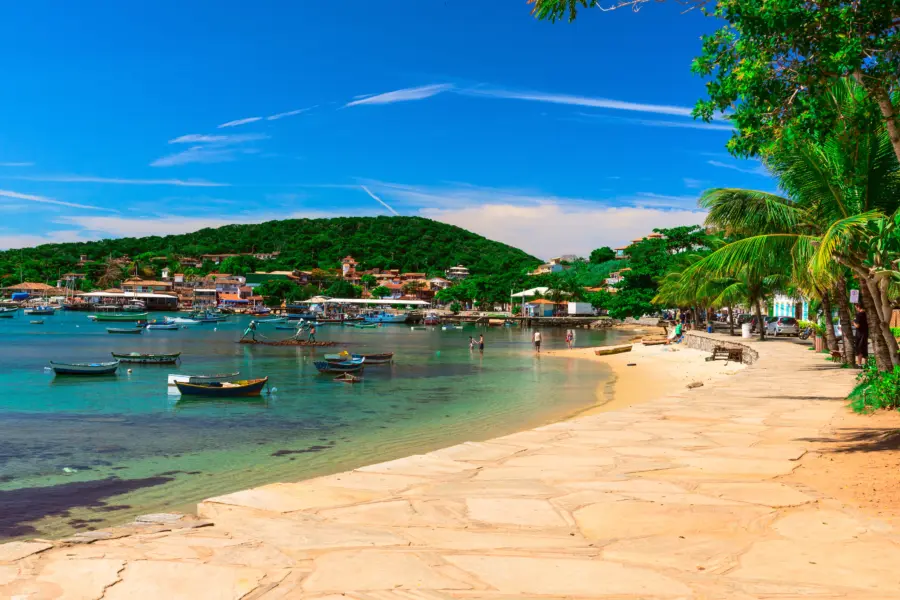
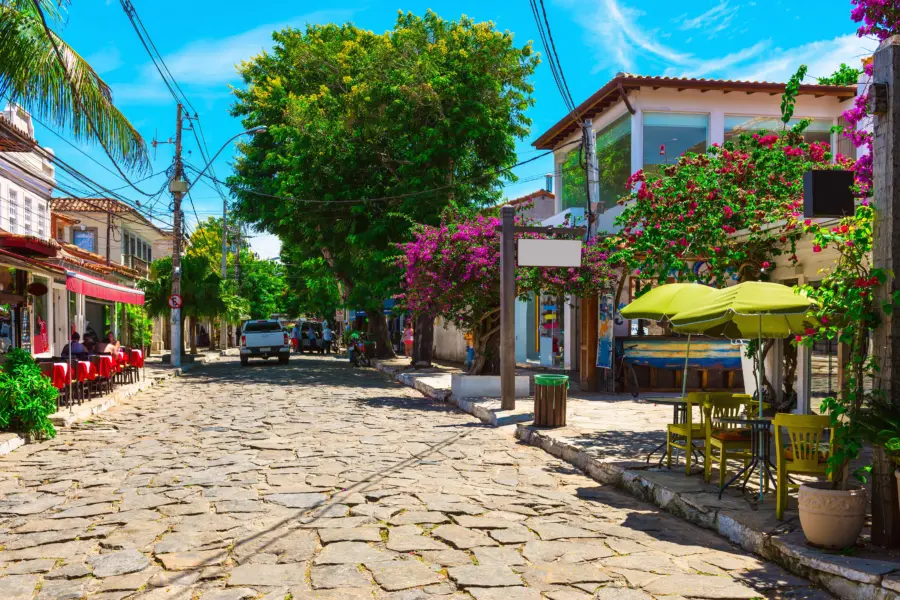
With its quaint architecture and cobbled streets, Armação dos Búzios, commonly known as Búzios, combines an old-fashioned village harmony with a sophisticated range of boutiques, fine restaurants, villas and hotels. Located on the peninsula of the same name, Buzios has many bays and pretty spots. Since French actress Brigitte Bardot visited Buzios in the 1960s and fell in love with the place, tourism has steadily increased. It is now a trendy small and beautiful place to enjoy a wonderful coastal holiday.
Miranda
Located in the southwestern Brazilian state of Mato Grosso do Sul, lies the small agricultural town of Miranda. The town serves as a gateway to the adventure destinations of Pantanal and Bonito. This town offers an authentic glimpse of Brazilian culture and traditional way of life, largely untouched by tourism. Visitors can enjoy a range of wonderful activities, including birdwatching, watching otters living along the crystal-clear Salobrinho River or visiting the Terena Cultural Centre, which showcases local cultural heritage. Don't miss the annual festival, Festa do Homem Pantaneiro, a four-day extravaganza of lassoing, rodeo and a variety of Pantanal cowboy traditions.
Catuçaba
Catuçaba is situated halfway between Picinguaba and São Paulo and lies close to the charming village of São Luiz de Piraitinga. At the start of the 20th century, this region produced over 80 per cent of the world’s coffee, bringing wealth to São Paulo and Brazil. In 1960, coffee production moved inland, leaving many of the beautiful farms and homes behind.
In the area around Catuçaba, you can go horse-riding, hiking or fishing in one of the five lakes. You can also go for a swim at the beautiful waterfalls found in the surrounding area. If you enjoy visiting towns, São Luiz de Piraitinga is highly recommended. It is an authentic little town that has retained most of its traditions. The São Luiz carnival is one of the best known in Brazil.
Sao Luiz do Paraitinga
Sao Luis do Paraitinga, one of the most popular destinations in São Paulo state, is located in the eastern part of the state, in the middle of the Serra do Mar State Park and just east of the Branco River. A centre for ecotourism, the town is known for its sparkling waterfalls, fast-flowing rivers and one of the largest contiguous areas of Atlantic Forest. A popular location among hikers and whitewater rafters, it also offers opportunities for horse riding, rock climbing, canopying and zip-lining. History buffs can take a step back in time when admiring the rich collection of national heritage monuments built centuries ago, especially the many historical sites around the central square. Other highlights include charming traditional markets, several impressive historical churches and an almost year-round calendar of traditional 'caipira' cultural events and festivals.
Saco do Mamangua
Located in the municipality of Paraty in the state of Rio de Janeiro, Saco do Mamanguá is a fjord-like inlet, Brazil's only tropical fjord, which forms a narrow 7-kilometre-long channel in the mountains southeast of Paraty. Located in the beautiful Juatinga Peninsula Eco-reserve, this unique marine protected ecosystem houses the dense vegetation of the Atlantic rainforest, surrounded by mountains and beautiful beaches with an emerald green sea. Locals make their living from tourism, selling wooden handicrafts and fishing. Visitors can enjoy spotting turtles, exploring the lush mangroves and climbing the Saco do Mamanguá sugarloaf mountain for breathtaking panoramic views. They can also take part in a boat trip to discover the natural charms of the area.
Copacabana
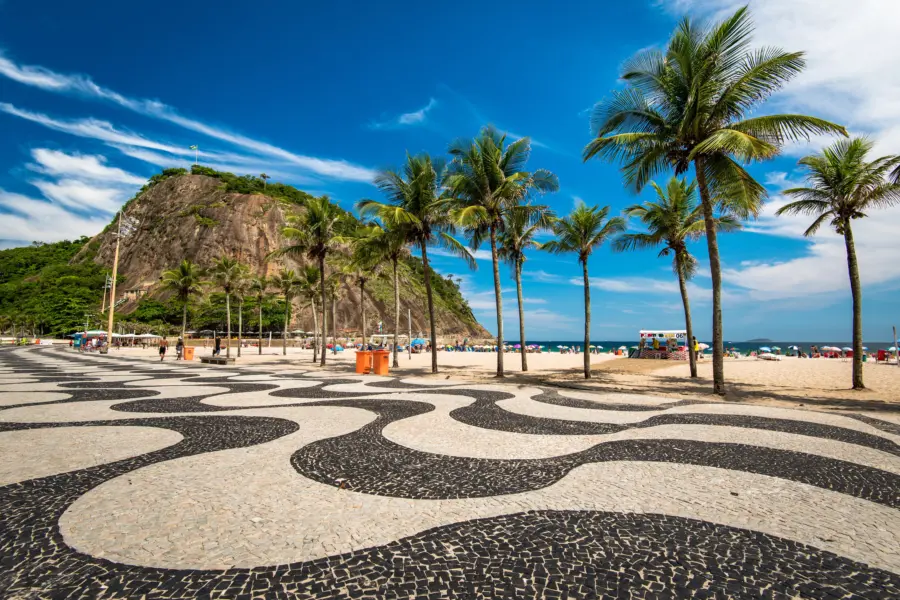
Copacabana is a vibrant coastal neighbourhood synonymous with leisure, luxury and nightlife. It is characterised by multi-million-dollar penthouses, stunning neoclassical buildings and apartments set against a magnificent backdrop of jungle-clad mountains in Rio de Janeiro. From its humble beginnings as a small fishing village, it has now become a paradise for leisure-seekers, brimming with restaurants, nightclubs, bars and hotels, and exuding a lively, vibrant energy.
Visit Forte de Copacabana, a fort and museum that traces the area’s history from the early days of the Portuguese colony up to the mid-19th century, to learn more about its past. Art lovers will appreciate a visit to The Eva Klabin Foundation (Casa Museu Eva Klabin), a historic house belonging to the famous art and antiques collector Eva Klabin, housing over 1,000 works of art from all over the world. No visit to Copacabana is complete without a trip to the world-famous Copacabana Beach, a 4-kilometre stretch of golden sand dotted with brightly coloured parasols, bars and a popular spot for water sports, football, volleyball or simply lazing in the sun.
Brazil trip | Family trip Brazil: cities, nature and adventure
We offer the described trip from €5,850 per person, based on 4 participants
The tour price is indicative and is subject to factors including availability and travel dates.
Included
• Domestic flights as specified in ‘your itinerary’
• 20 nights’ accommodation in high-quality and distinctive lodges and hotels
• All meals as mentioned in ‘your itinerary’
• All necessary private transfers as mentioned
• All excursions as mentioned in ‘your itinerary’, including a cycle tour of Rio de Janeiro, a boat trip in Paraty, the Iguazu Falls and a multi-day adventure in the Pantanal
• Entrance fees to national parks for scheduled excursions
• Booking fees (worth €50)
Positive impact of your trip:
• A contribution of €50 per person towards positive impact via the Avila Foundation
• Cycling tour in Rio de Janeiro
• Accommodation at Refugio Mamangua in Saco do Mamangua
• Accommodation at Refugio da Ilha in the southern Pantanal
Not included
• Intercontinental flights
• Room category upgrade
• Travel and/or cancellation insurance
• Seat reservations
• Meals and excursions not specified
• Personal expenses/tips
• Contingency fund contribution (€2.50 per booking)
• SGR contribution (€5 per person)