
 en


- Boutique
- 10-day trip
- From €7,500 p.p.
Galapagos trip | Discover the Galapagos with National Geographic
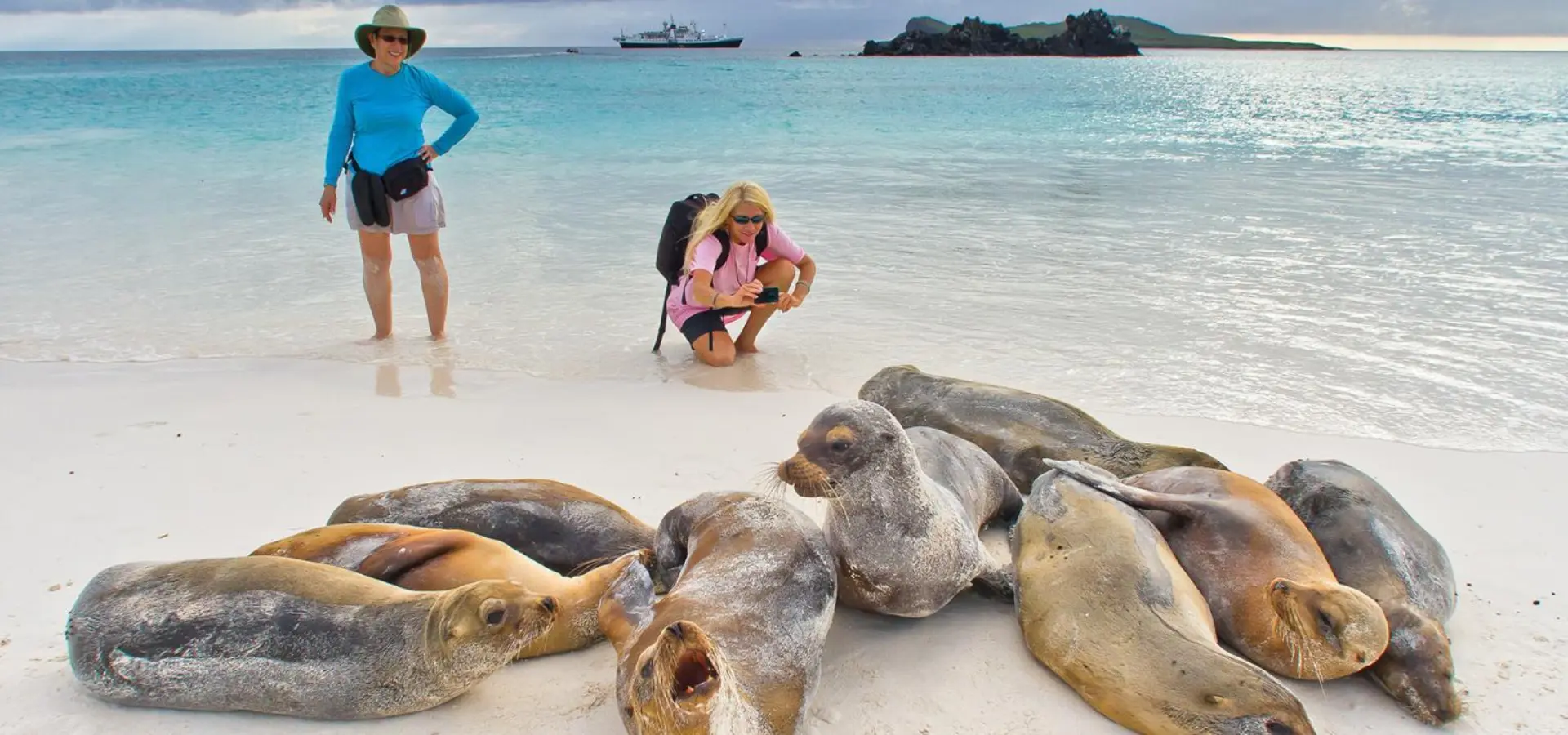
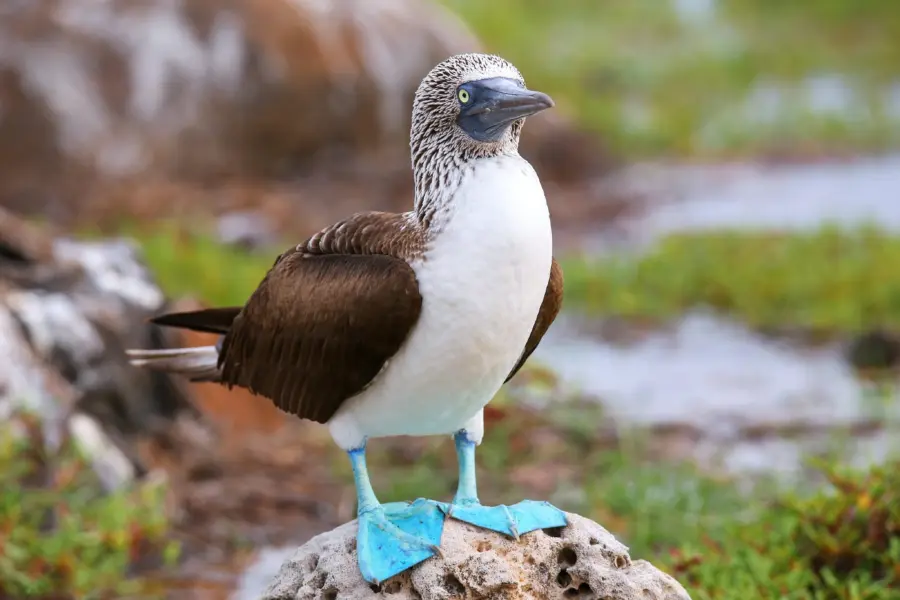
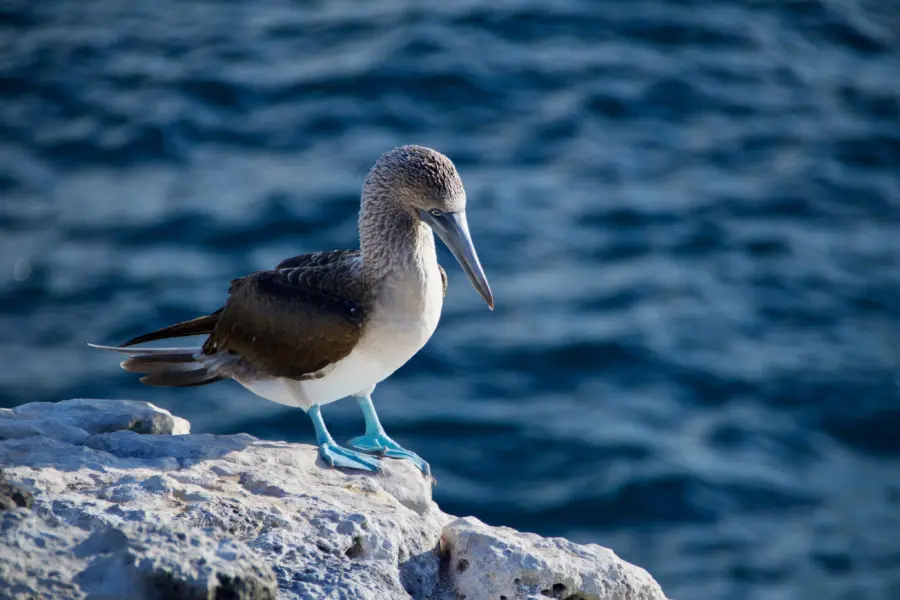
Travel aboard the luxury expedition ship National Geographic Gemini in the company of a National Geographic scientist and photographer and explore the unique Galapagos archipelago. Visit Darwin's living laboratory, isolated from the mainland for millions of years. Experience close encounters with unique species such as giant tortoises and blue-footed boobies. An expedition cruise offers you the chance to experience the archipelago's many different islands and habitats up close. This archipelago is home to many endemic species such as blue-footed boobies, Galapagos cormorants, darwin finches, pink flamingos and sea lions on beaches and underwater, and giant tortoises grazing in the highlands. Galapagos' wildlife is legendary for its uniqueness and the fact that animals know no fear due to the absence of predators. Explore the Galapagos under the guidance of an expedition leader and several carefully selected biologists. Their knowledge and passion for the islands is key to your once-in-a-lifetime experience.
Travel programme
Travel overview
- Day 1 Flight to Ecuador
- Day 2 Journey to the Galápagos Islands
- Day 3 – 8 Discover the wonders of the Galápagos
- Day 9 Departure from the Galápagos Islands
- Day 10 Departure from Ecuador
- Day 11 Arrival
Air travel to Ecuador
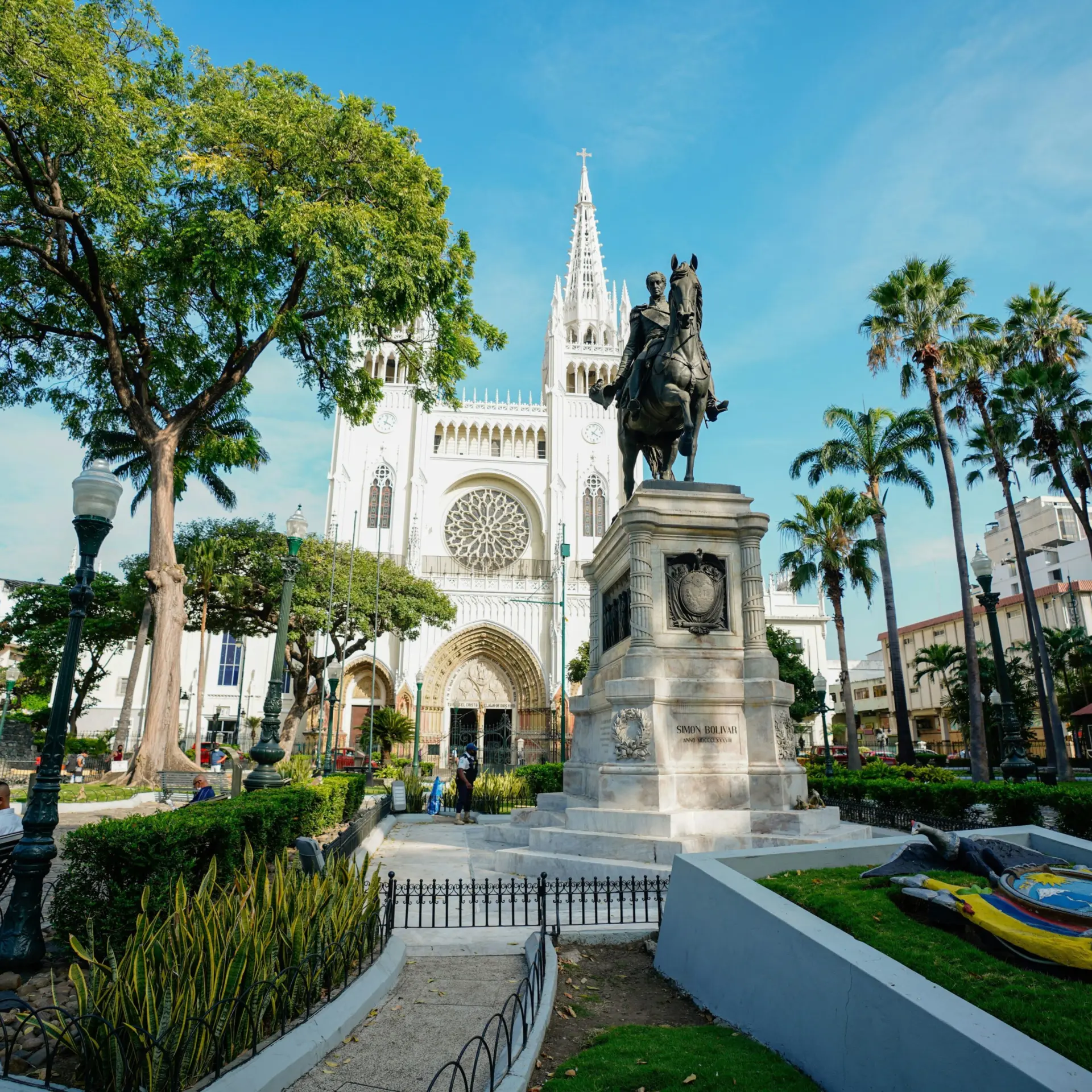
Your beautiful National Geographic Expeditions adventure starts today. You will fly to Guayaquil, located in southern Ecuador where you will arrive by nightfall. Upon arrival, you will be transferred by transfer to the hotel where you will spend the first night.
Inclusief:
- Transfer to your hotel
- Overnight accommodation including breakfast
Exclusief:
- Intercontinental flight
Travel to the Galapagos Islands
After breakfast, you will be transferred to the airport for your 1.5-hour flight to Baltra Airport on Santa Cruz, the largest island in the archipelago. On arrival, you will be welcomed and taken to the ship where you will board; your Galapagos expedition can begin!
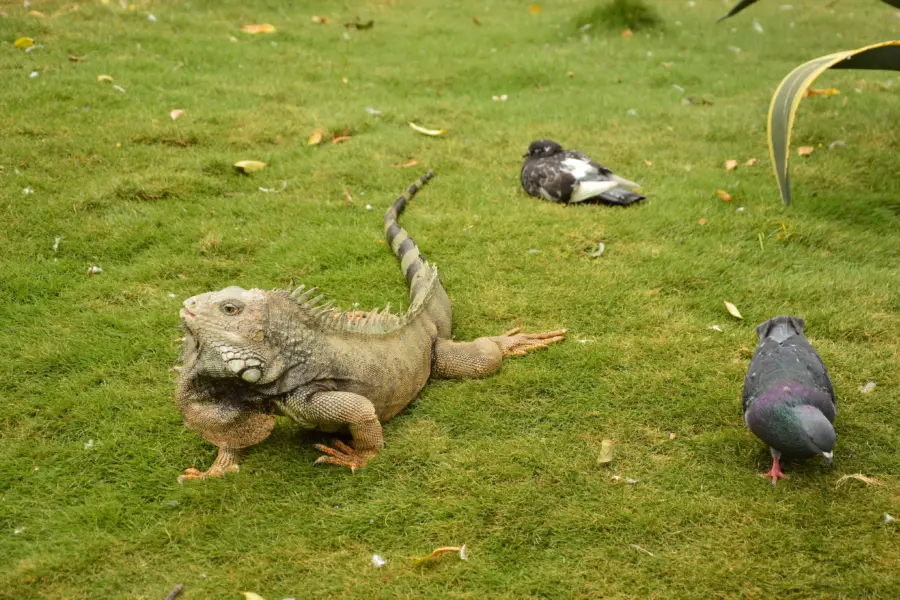
On these remote volcanic islands, a thousand kilometres off the Ecuadorian coast, you’ll find extraordinary biodiversity. Many animal species are found nowhere else in the world. You’ll find marine iguanas, giant Galápagos tortoises and blue-footed boobies. Sea lions, penguins and albatrosses also call the islands home. Beneath the surface of the sea, just like on land, life teems. Marine mammals and fish, including whales, manta rays and hammerhead sharks, inhabit the ocean.
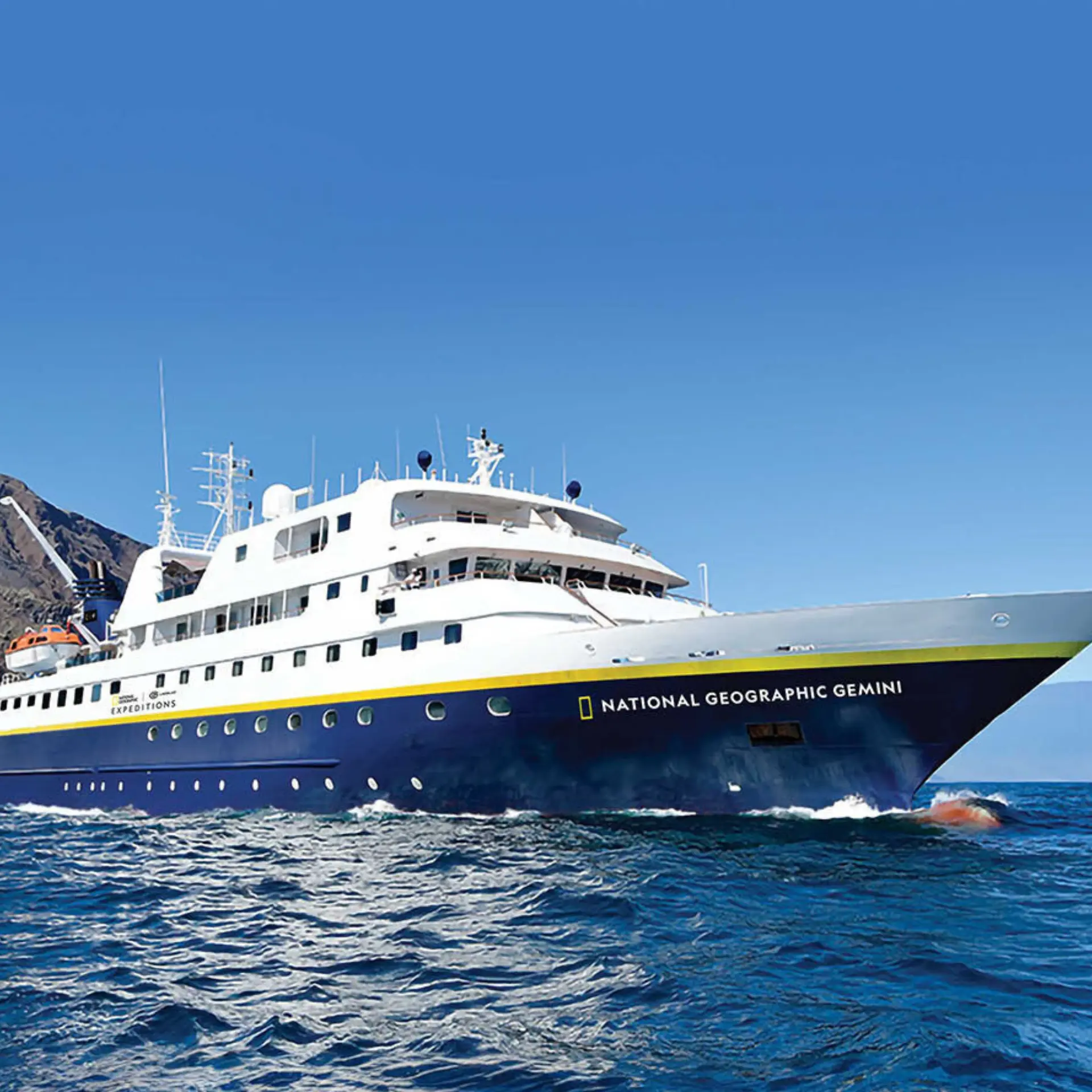
Over the next few days, you’ll be staying aboard the new ship, the National Geographic Gemini. The ship will feel like home in no time at all, offering a very welcoming environment where a sense of camaraderie develops amongst those on board. The crossings between islands usually take place at night to maximise the time you have during the day for exploring. This means you’ll wake up to fresh views from your cabin, ready for the day’s new experiences.
Inclusief:
- Transfer to the airport
- Domestic flight Guayaquil - Galapagos Islands (Baltra)
- Transfer to the port
- 8 days/7 nights expedition cruise aboard National Geographic Gemini on a full board basis including group activities accompanied by knowledgeable guides
Discover the wonders of the Galapagos
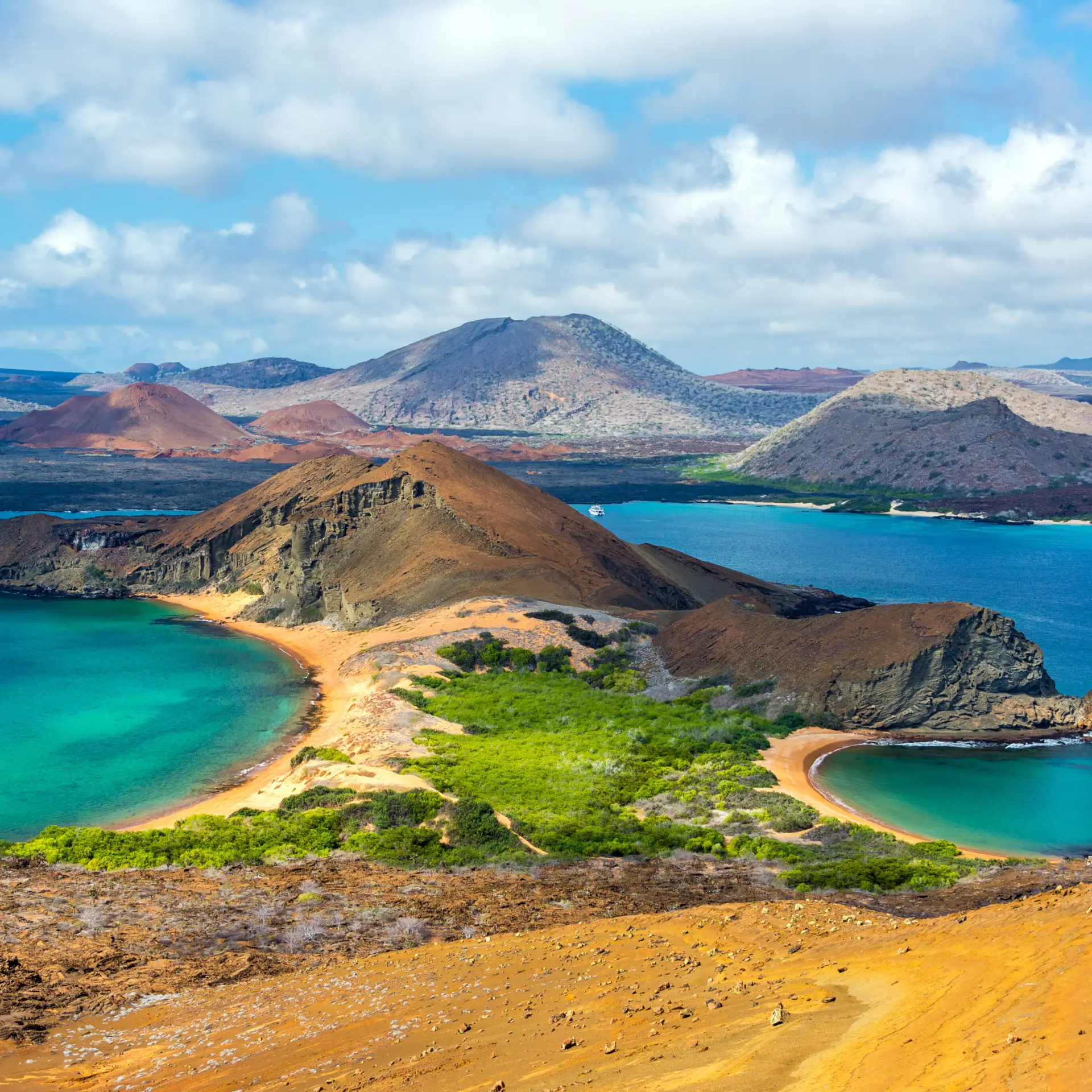
During the expedition, you will visit various islands in the Galápagos archipelago, depending on the itinerary and the national park regulations. Each destination offers unique experiences of nature. You can organise your own day with activities such as hiking, kayaking, snorkelling, stand-up paddleboarding and Zodiac boat trips. There are short and long walks with commentary from a naturalist, or you can stay on board to relax or enjoy a spa treatment.
Snorkelling is available almost every day, sometimes even twice a day, with equipment provided on board. Thanks to the nutrient-rich waters of the Galápagos, there is plenty of marine life to see. In addition, there are talks by naturalists, opportunities to go whale-spotting with the crew, visit the bridge and stargaze from the upper deck at night.
Below is an overview of the islands you may visit during your expedition cruise.
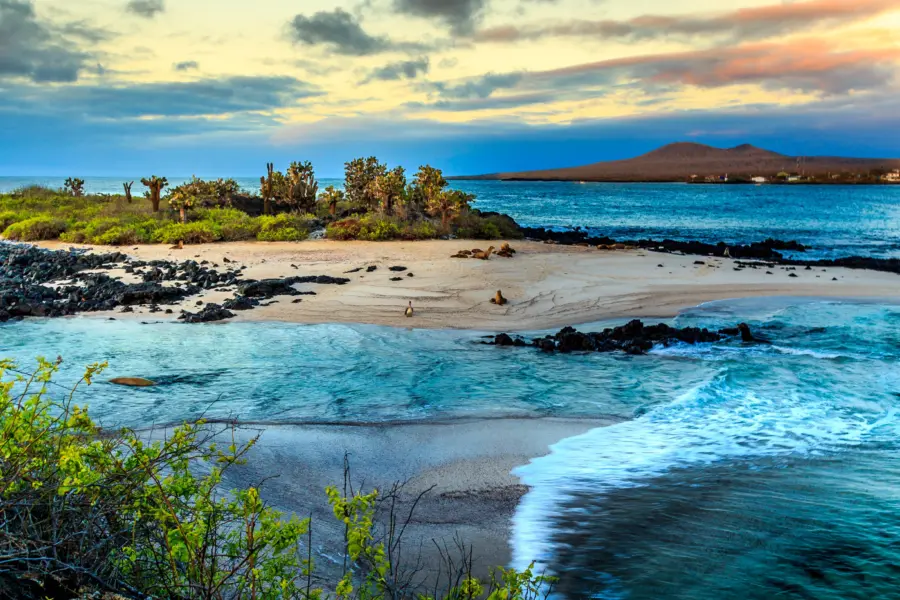
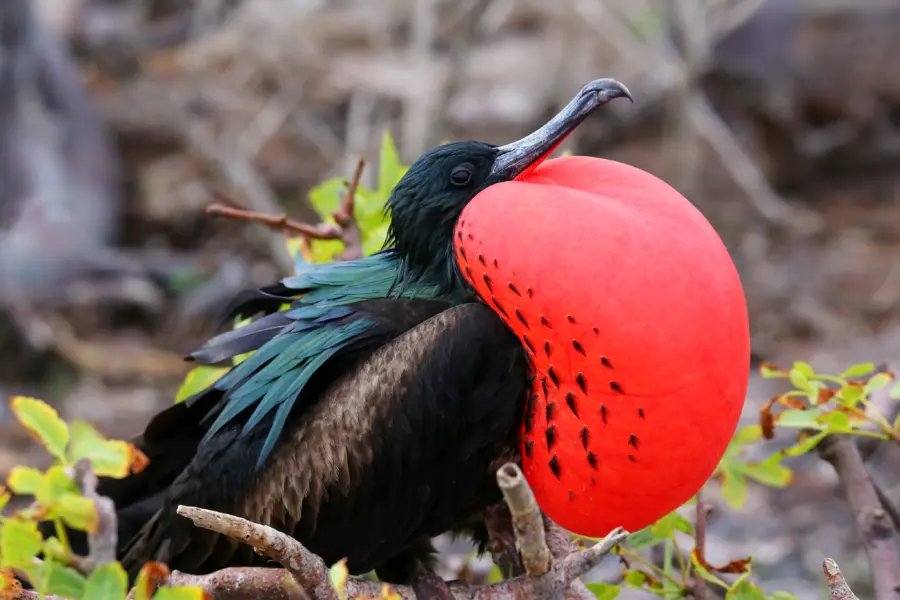
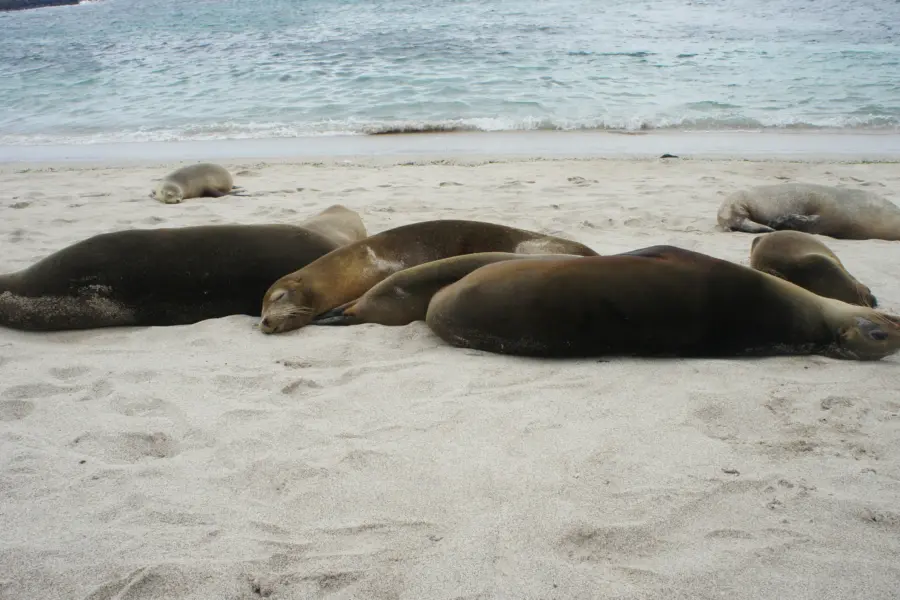
- North Seymour: Sea lions, frigate birds, blue-footed boobies and land iguanas among palo santo trees.
- Isabela: Volcanic landscapes, chance of whales, dolphins and giant tortoises.
- Fernandina: Youngest and most pristine island, with penguins, cormorants and large marine iguanas.
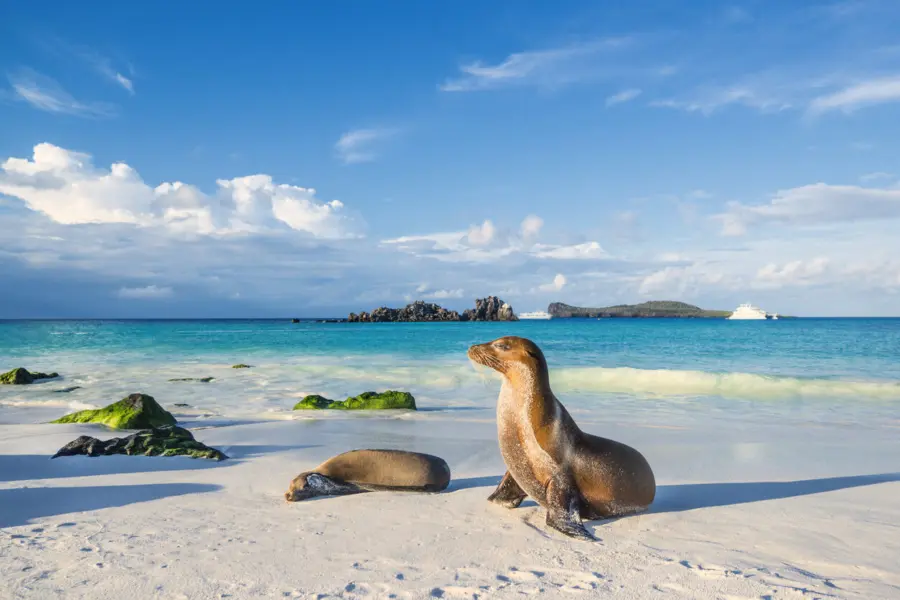
- Española: Home to the rare albatross, colourful marine iguanas and beautiful beaches.
- Floreana: Flamingo Lagoons, snorkelling at Champion Islet and visiting the historic Post Office Bay.
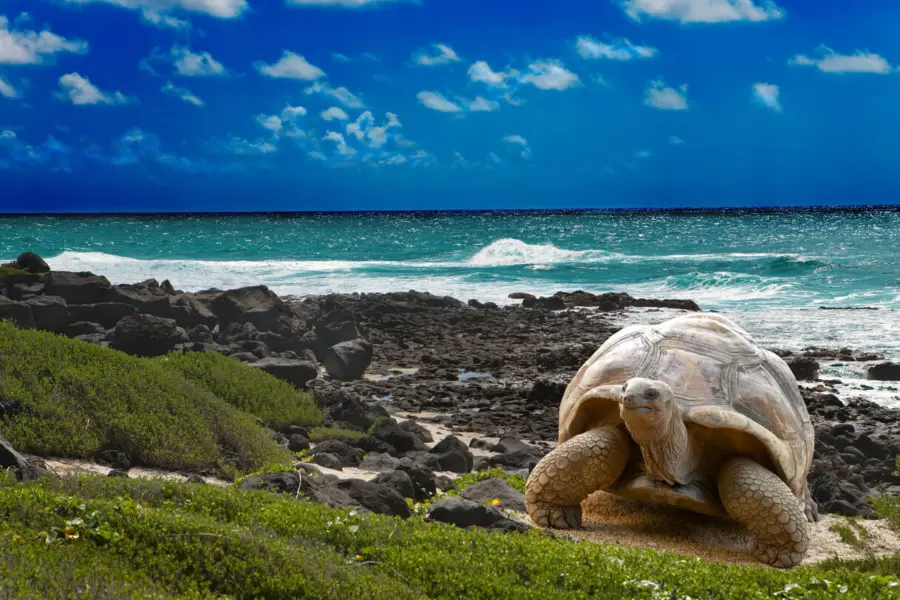
- Santa Cruz: Charles Darwin Research Station, giant tortoises in the wild and the largest city in the islands.
- Bartolomé: Panoramic views from the summit, snorkelling with penguins.
- Santiago: Black lava coasts, fur seals, snorkelling and kayaking opportunities.
- Genovesa: Millions of seabirds, including red-footed and blue-footed boobies, and chance of sharks and manta rays.
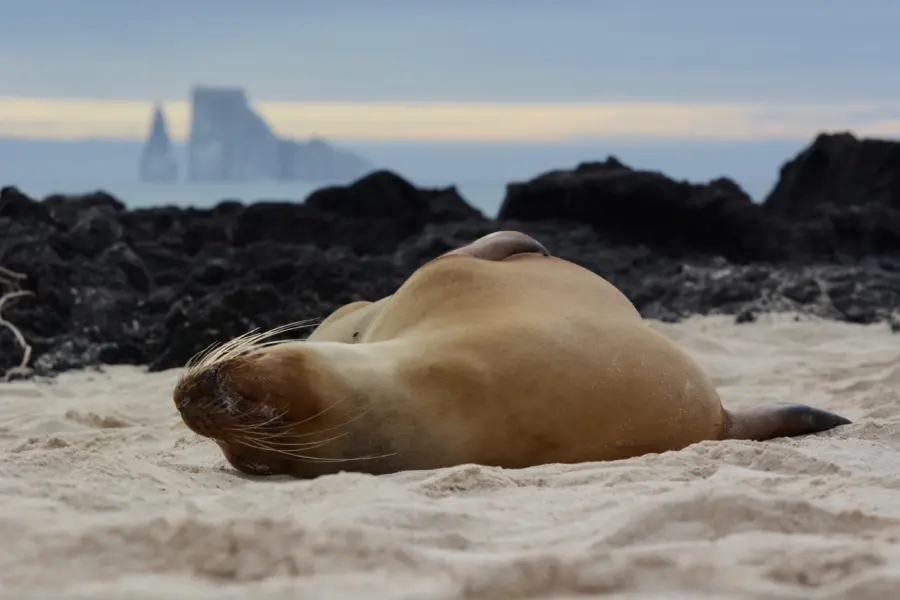
- San Cristobal: Iconic Kicker Rock, red boobies, sea lions and charming port city.
Inclusief:
- 8 days/7 nights expedition cruise aboard National Geographic Gemini on a full board basis including group activities accompanied by knowledgeable guides
Departure from the Galapagos Islands
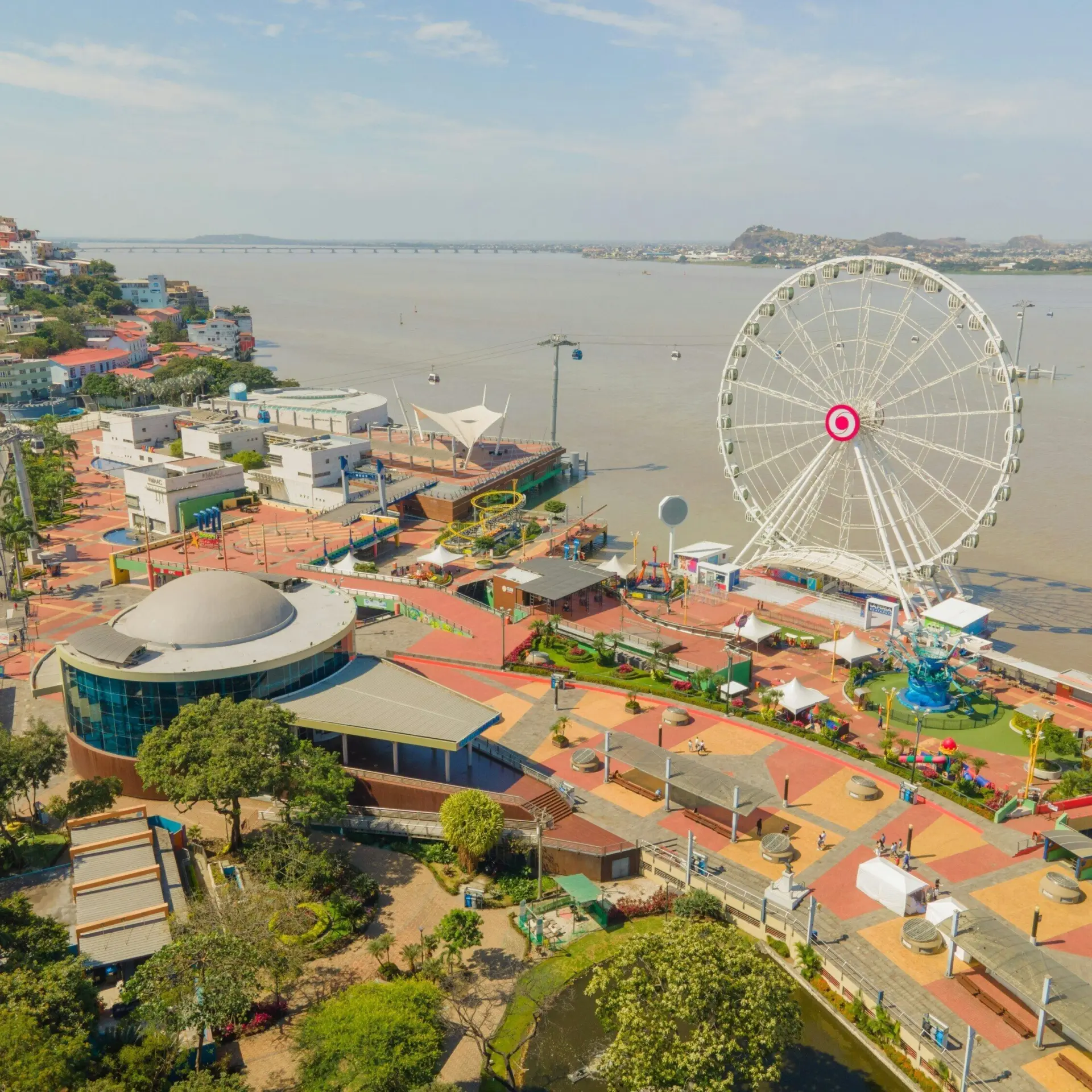
Your unforgettable National Geographic Expedtion cruise has unfortunately come to an end again. In the morning, you will disembark and travel by plane back to Guayaquil. Here you will have the afternoon and evening at your disposal to further explore the city. In the evening, Guayaquil is fun to stroll along the Malecón 2000 boulevard.
Travel Specialist Tips
On request, we can offer a selection of optional activities and excursions here.
Inclusief:
- Transfer to the airport
- Domestic flight to Guayaquil
- Transfer to hotel
- Overnight accommodation including breakfast
Accommodations
Hotel del Parque Oro Verde
Hotel del Parque is located in the exclusive district of Samborondón on the banks of the Daule River. You can experience the cultural traditions that make the hotel and its grounds so unique. The rooms are chicly decorated with Ecuadorian and contemporary style. During your stay, you can dine at the waterfront restaurant that serves fresh...
Hotel del Parque is located in the exclusive district of Samborondón on the banks of the Daule River. You can experience the cultural traditions that make the hotel and its grounds so unique. The rooms are chicly decorated with Ecuadorian and contemporary style. During your stay, dine at the waterfront restaurant that serves fresh seafood. Or enjoy a massage in a unique setting, the restored tower of the old chapel. Here, you will enjoy the tropical gardens and unwind in nature. You can also experience cultural traditions with chocolate tasting and coffee roasting. From the hotel, you can also explore historic Guayaquil.
Your stay: 1 night
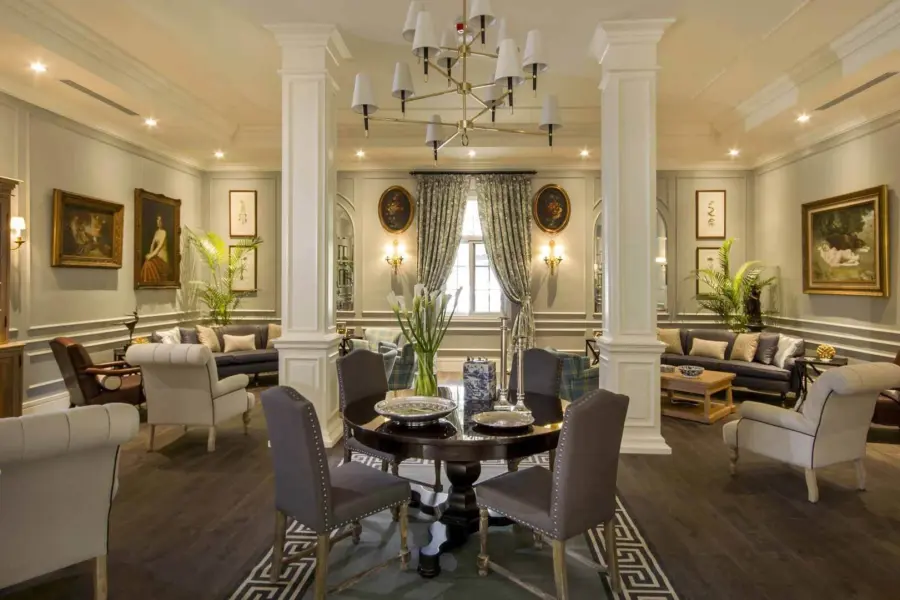
National Geographic Gemini
The National Geographic Gemini sails the Galapagos Islands year-round, offering an intimate expedition experience. The comfortable cabins feature large windows, sitting areas, mini fridges and televisions. Guests can dine in the outdoor café on the Lounge Deck or in the restaurant on the Marina Deck, both...
The National Geographic Gemini sails the Galapagos Islands year-round, offering an intimate expedition experience. The comfortable cabins feature large windows, sitting areas, mini fridges and televisions. Guests can dine in the outdoor café on the Lounge Deck or in the restaurant on the Marina Deck, both designed for relaxed, communal meals. Additional onboard facilities include a hot tub, a fitness centre and spa, a well-stocked library and a viewing platform, all designed for optimal exploration and comfort.
Your stay: 7 nights
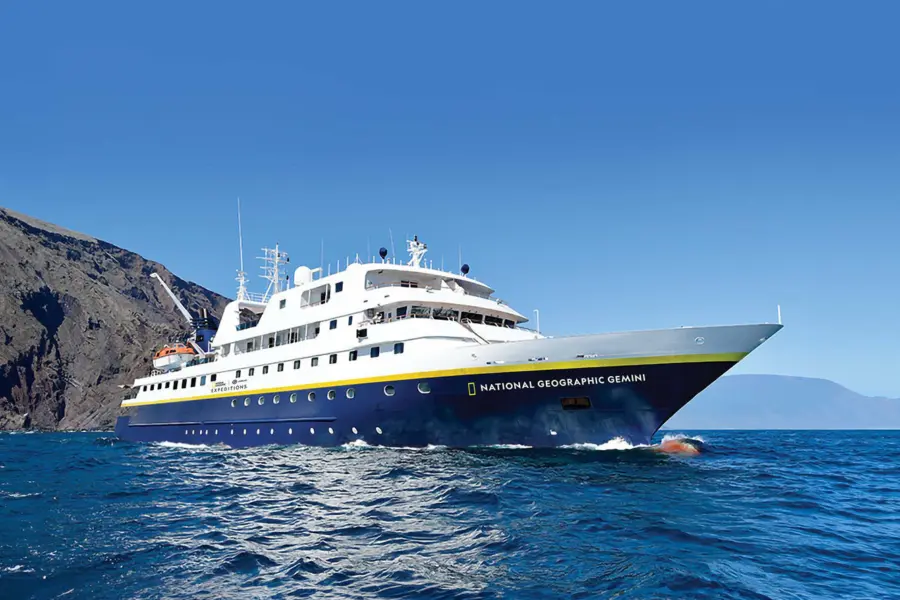
Hotel del Parque Oro Verde
Hotel del Parque is located in the exclusive district of Samborondón on the banks of the Daule River. You can experience the cultural traditions that make the hotel and its grounds so unique. The rooms are chicly decorated with Ecuadorian and contemporary style. During your stay, you can dine at the waterfront restaurant that serves fresh...
Hotel del Parque is located in the exclusive district of Samborondón on the banks of the Daule River. You can experience the cultural traditions that make the hotel and its grounds so unique. The rooms are chicly decorated with Ecuadorian and contemporary style. During your stay, dine at the waterfront restaurant that serves fresh seafood. Or enjoy a massage in a unique setting, the restored tower of the old chapel. Here, you will enjoy the tropical gardens and unwind in nature. You can also experience cultural traditions with chocolate tasting and coffee roasting. From the hotel, you can also explore historic Guayaquil.
Your stay: 1 night
Destinations
Galapagos Islands
The archipelago that inspired Charles Darwin to formulate his theory of evolution. On these remote volcanic islands, a thousand kilometres off the Ecuadorian coast, you’ll find extraordinary biodiversity. Many animal species are found nowhere else in the world. Here you’ll find marine iguanas, giant Galápagos tortoises and blue-footed boobies. Sea lions, penguins and albatrosses also call this place home. Beneath the surface of the sea, just as on land, life teems. Marine mammals and fish, including whales, manta rays and hammerhead sharks, inhabit the ocean.
Please note: The Galápagos Archipelago is a protected nature reserve where strict regulations must be observed during your visit; always follow your guide’s instructions to ensure you do not cause any damage to this very special and unique ecosystem.
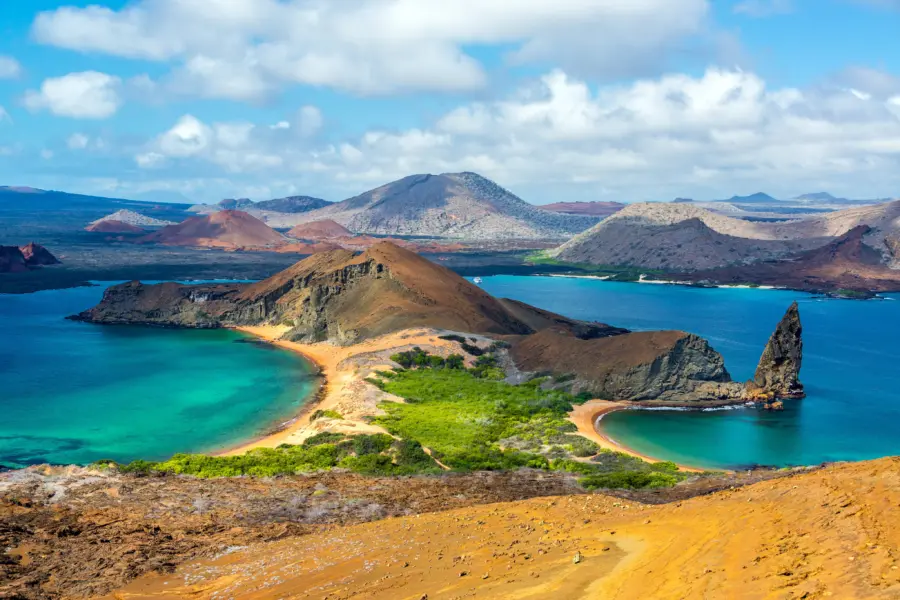
North Seymour Island
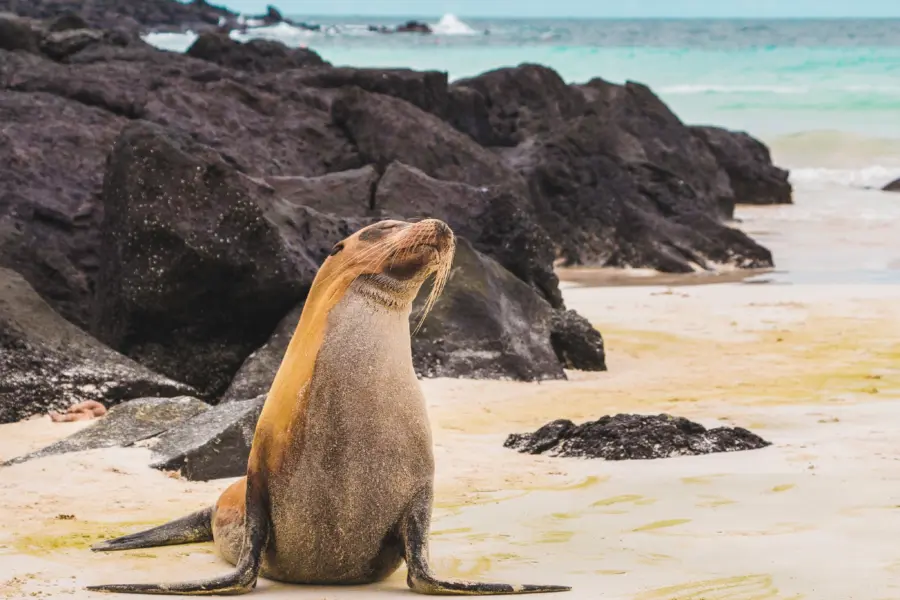
Despite its small size, North Seymour Island is well worth a visit for its amazing amount of wildlife. You will be treated to sea lions, iguanas basking in the sun and pelicans flying along the shore. The island is also famous for the Blue-footed John of Ghent. At Bachas, you can enjoy some excellent snorkelling spots and the lagoon where you are likely to see swarms of flamingos. With its extraordinary abundance of wildlife and proximity to Santa Cruz, North Seymour Island makes an ideal destination for an adventurous day trip.
Isabela Island
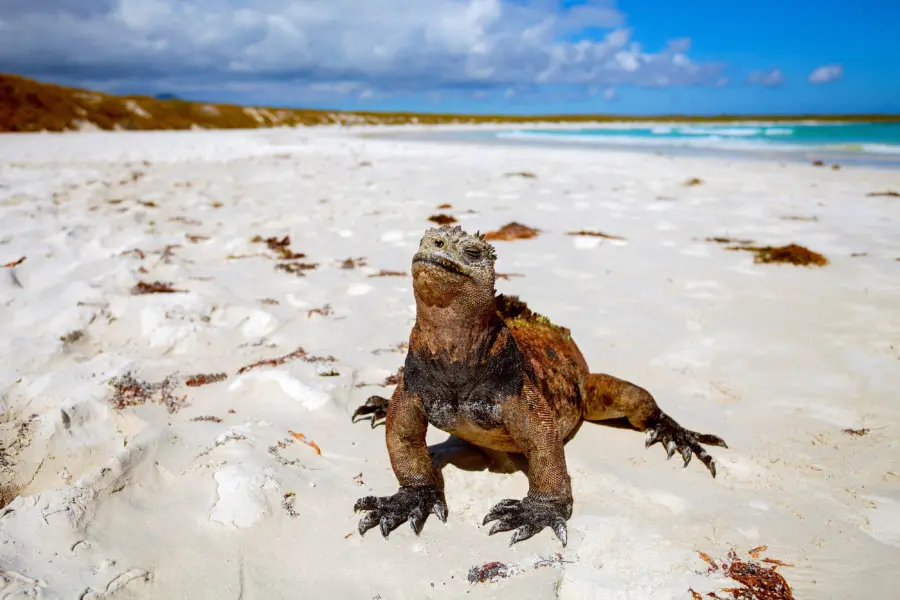
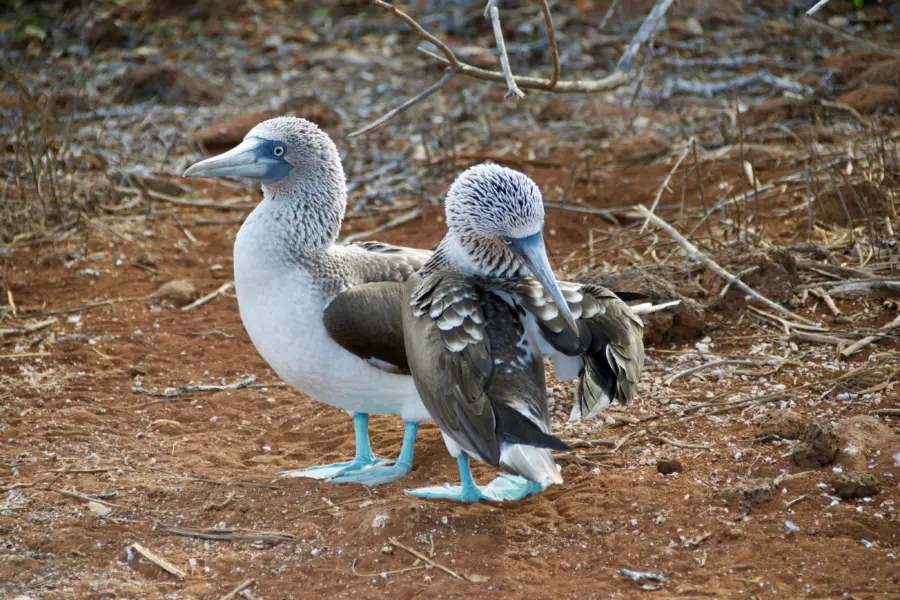
Isabela Island has no fewer than five volcanoes for which Volcano Wolf is the highest at over 1,700 metres, making it the highest point in Galapagos. The largest turtle population houses near the volcano Alcedo. Near Villamil are saltwater lakes where flamingos, among others, come to feed.
Fernandina Island
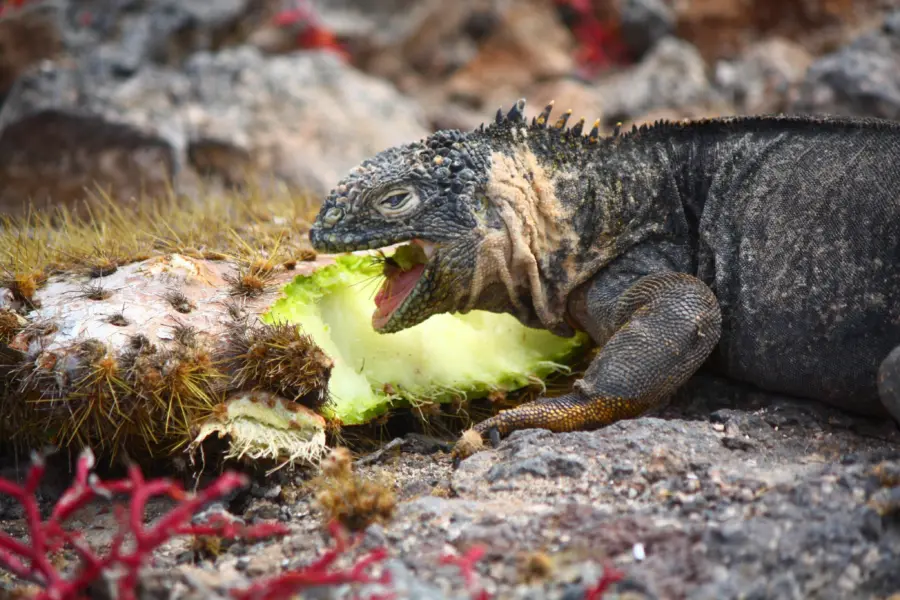
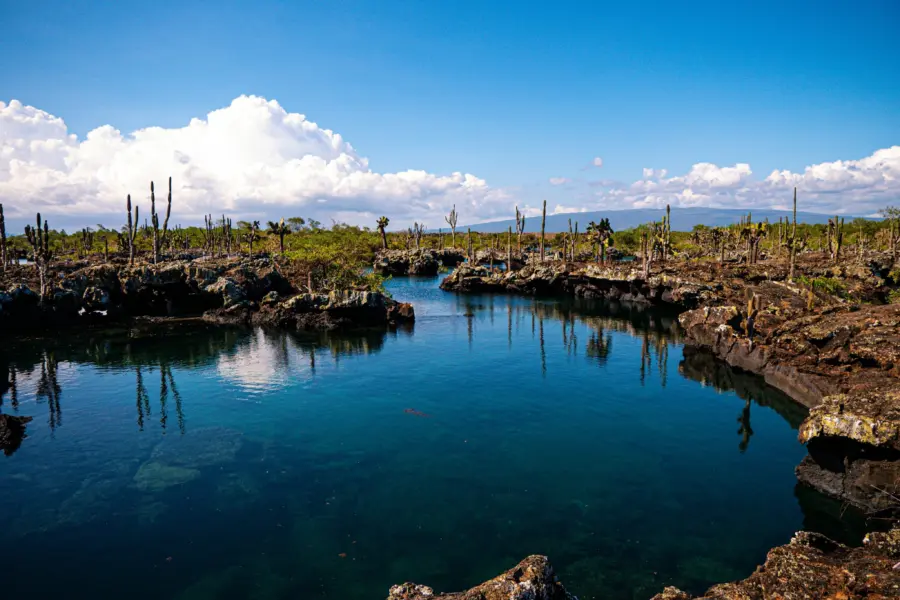
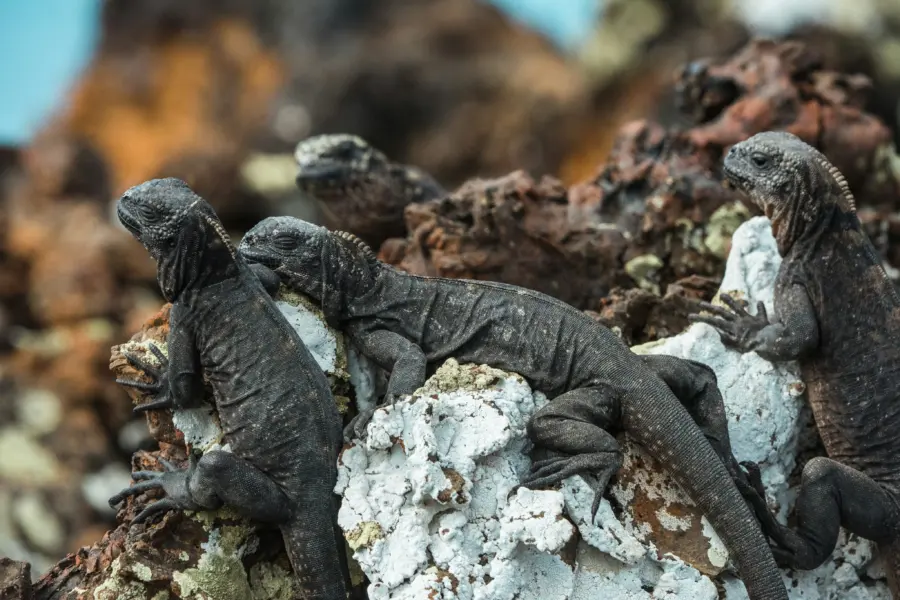
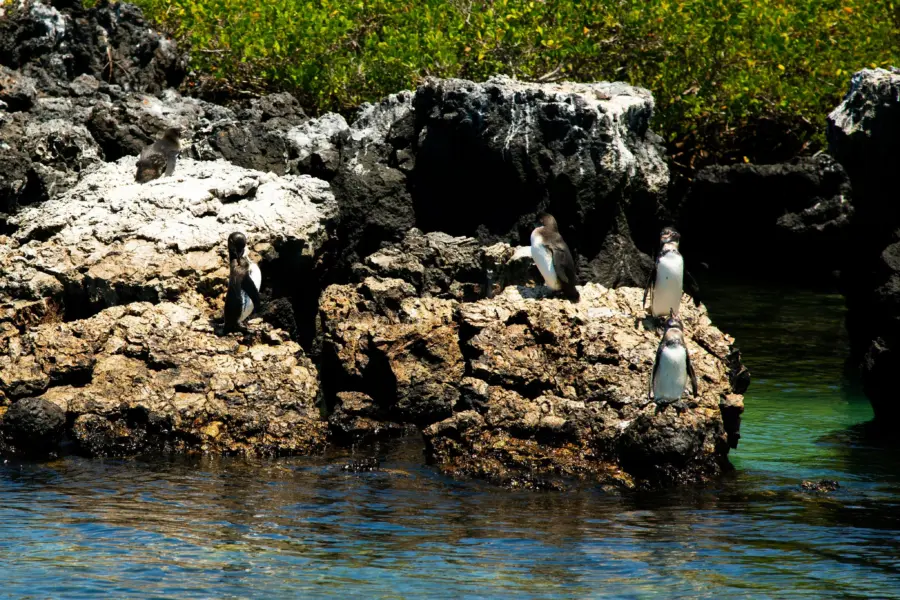
The westernmost island of the Galapagos, Fernandina (Narborough) is the youngest and most active volcanic island with several eruptions per year. The island boasts an amazingly pristine landscape with all kinds of lava flows and some spectacular mangrove forests. The island is home to a diversity of different wildlife, including the famous cormorants, Galapagos penguins, pelicans, Galapagos sea lions and the largest colony of iguanas. Punta Espinosa is the only place on the island where the unique Lava Cactus can be seen as well as the breathtaking mass of iguanas.
Espanola Island
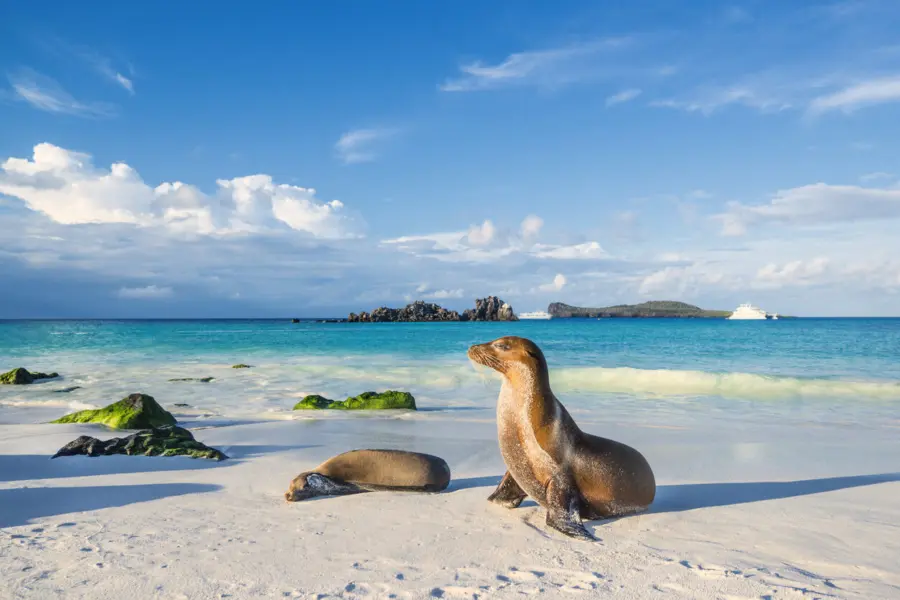
This island is known as 'Hood Island'. Española is home to an impressive number of native wildlife. Gardner Bay on the island's eastern shore is known for its beautiful beach where visitors can swim or snorkel among marine wildlife, including a large colony of sea lions. Visitors can follow a trail from Gardner Bay to Punta Suarez on the western tip of the island, considered one of the most outstanding natural areas in the entire archipelago. Here you will find a surprising variety of exotic birds and reptiles, including brightly coloured marine iguana and the lava lizard.

Floreana Island
Floreana Island is located the southernmost of all the islands. The island has a rich history of tales of pirates, pirates, whalers, and settlers. Visitors are invited to follow in the footsteps of the whalers of 1700 and send a postcard from the famous "post office". At the northern tip of the island is Punta Cormorant, with two beaches, one of which is a nesting site for Galapagos green turtles. Between the two beaches is a salt lagoon that attracts flamingos and other shorebirds.
Santa Cruz Island
Santa Cruz is centrally located and also the second largest island in the archipelago. Puerto Ayora is located here which in turn is the largest city in the Galapagos. Here you will therefore find everything else you could possibly need (from ATMs to bars and internet cafés). For visitors, it is a very varied island where all kinds of things can be undertaken.
Bartolome Island
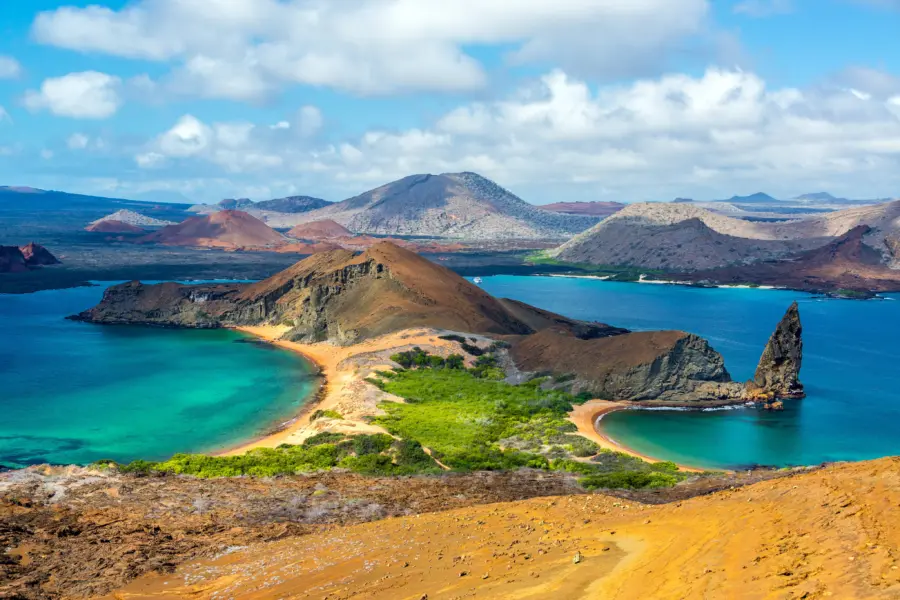
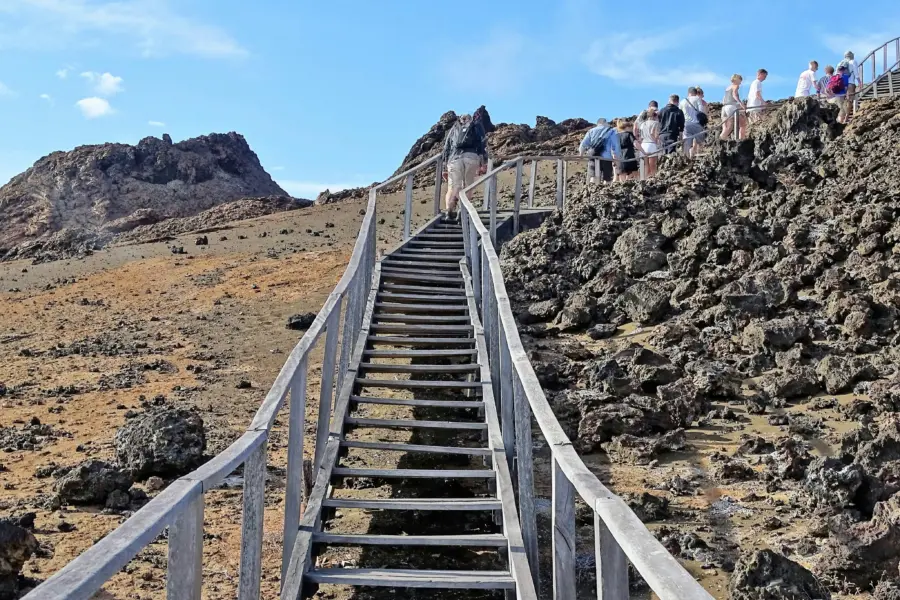
Bartolome is one of the most visited and photographed islands for its diversity of nature. At the foot of an extinct volcano are mangrove forests, tufa cones and black lava fields. Visitors usually swim and snorkel around the iconic Pinnacle Rock, where they are treated to an impressive natural environment that is home to penguins, sea turtles, white reef sharks and other marine animals. Many of these are found nowhere else on earth.
Santiago Island
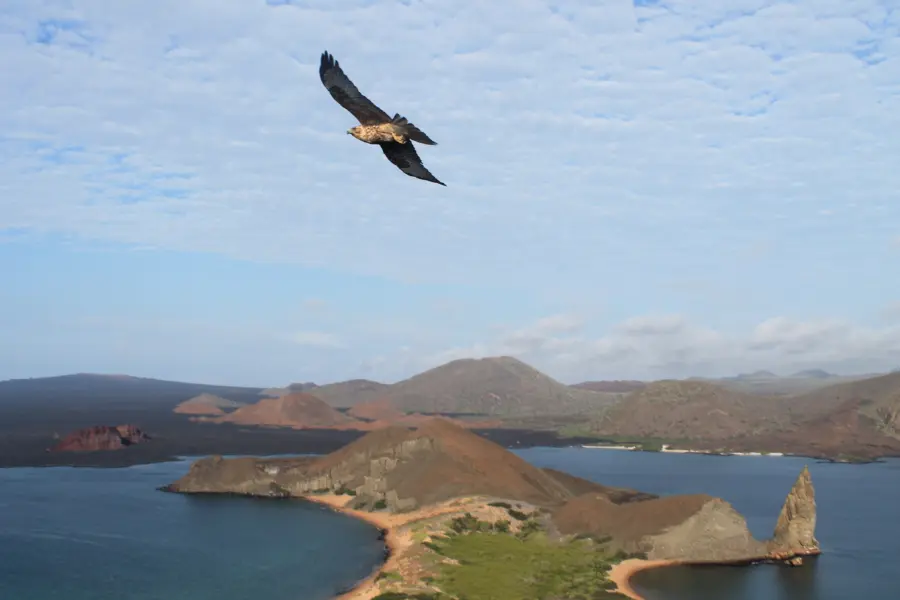
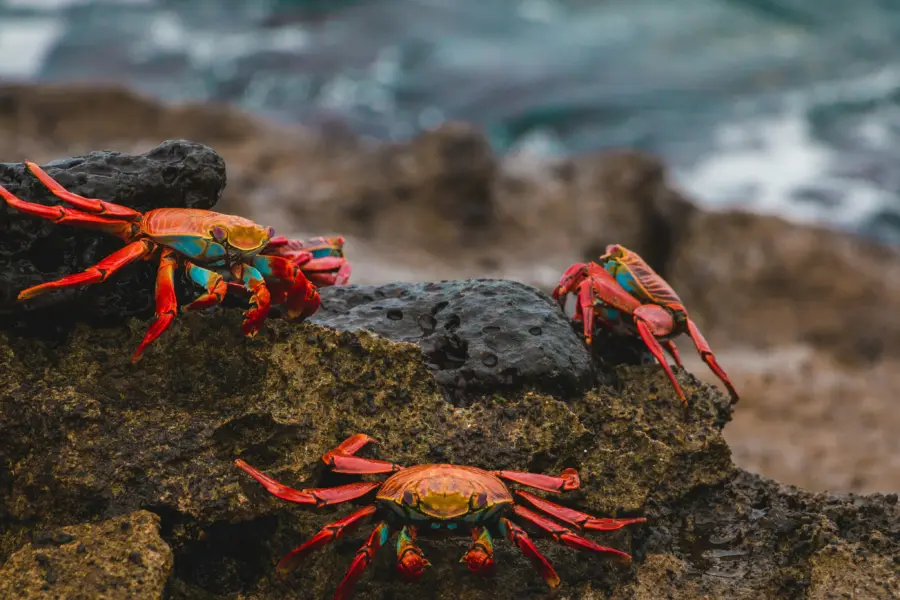
Northeast of Santa Cruz Island lies the elongated Santiago Island, also known as San Salvador Island or James Island. The island's best spot is undoubtedly Puerto Egas, where you will find a long lava coast with rock formations with an impressive variety of wildlife, including iguanas and fur seals. While geology lovers should head to Sullivan Bay to explore the black lava flow, diving enthusiasts can enjoy the Cousin's Rock dive site. This site is home to a triangular rock that rises about 10 metres above the water and consists of layers of volcanic rock.
Genovesa Island
Genovesa also known as "Bird Island", is located about 95 km north-east of Santa Cruz. This horseshoe-shaped island gets its name from its spectacular bird-watching opportunities. In addition, the island has a volcanic caldera whose wall collapsed, forming Great Darwin Bay. This beautiful bay is surrounded by cliffs and is home to frigate birds and swallow-like gulls, the only nocturnal species of gull in the world. The island also offers sanctuary to an impressive abundance of lava gulls, tropical birds, petrels and Darwin's finches. Visitors will also find a beautiful crater lake in the centre of the island, as well as a large Palo Santo forest.
San Cristobal Island
Of all the Galapagos islands, the island of San Cristobal has been inhabited the longest. This is because it is home to a source of fresh water. The highest point on the island measures 730 metres and is the top of a dormant volcano and is located most easterly. In clear weather, a trip to the El Junco lagoon is highly recommended; you will be surrounded by many birds. San Cristobal has a lively centre for the evening where not only you but also the many sea lions go, it gives a great view by the bay.
Guayaquil
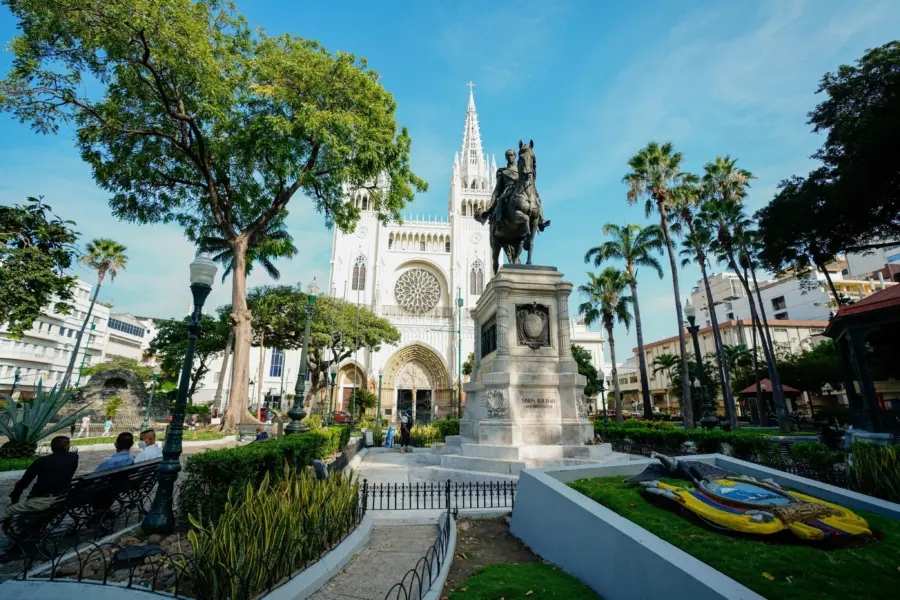
Guayaquil is Ecuador's largest city with the country's largest seaport and is mainly visited by people passing through on their way to the coast or people on their way to the Galapagos Islands. Guayaquil is known for its many good restaurants. You should definitely visit the Urdesa neighbourhood or the newer districts of La Alborada and La Garzota for delicious food. There are some special attractions in Guayaquil, such as the United Nations monument and the sprawling promenade.
Ecuador
Galapagos National Park
The spectacular Galápagos National Park is situated approximately 1,000 kilometres off the coast of Ecuador on Santa Cruz Island in the Galápagos archipelago. The park is often referred to as a ‘living museum’ due to its phenomenal melting pot of species.
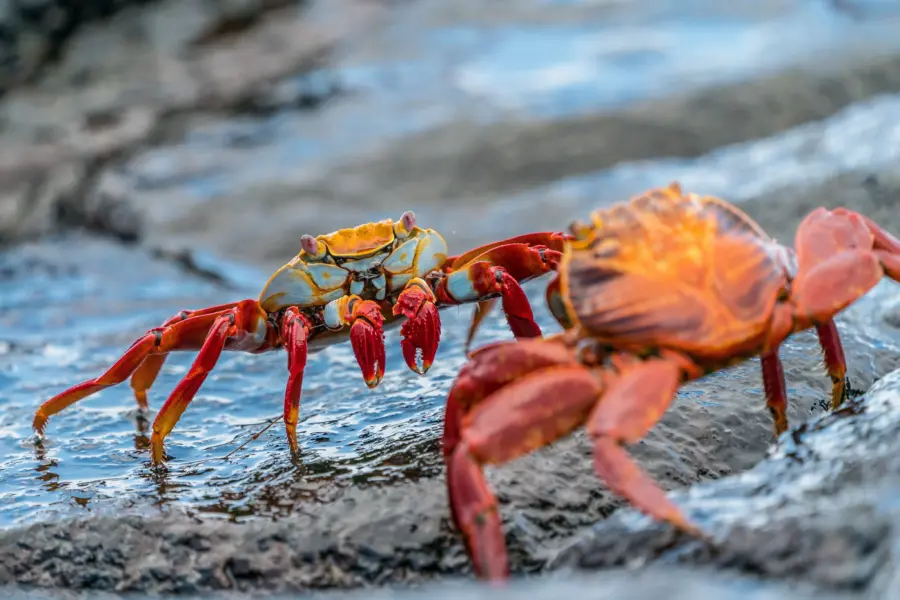
The area inspired Charles Darwin’s theories of evolution and is regarded as a living laboratory where evolution is still taking place. The park is home to a variety of animals and plants found nowhere else. These factors, together with ongoing volcanic and seismic activity, have earned the park its UNESCO status.
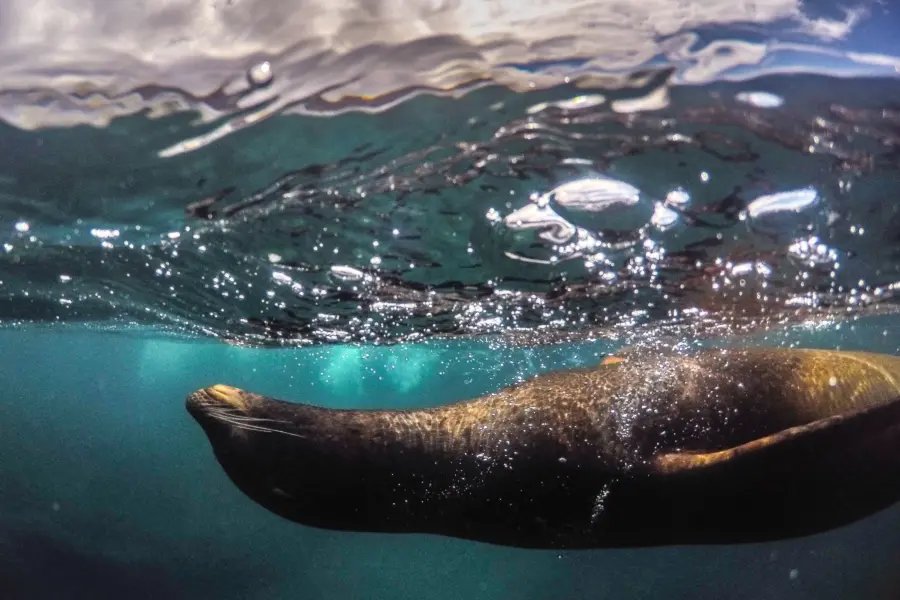
Visitors can spot animals such as land iguanas, giant tortoises, a variety of finches and many other animal and plant species. Situated at the confluence of three ocean currents, there is also an incredibly rich and abundant marine life off the coast.
Please note: The Galápagos Archipelago is a protected nature reserve where strict regulations must be observed during your visit; always follow your guide’s instructions to ensure you do not cause any damage to this very special and unique ecosystem.
Guayas Province
The Ecuadorian province of Guayas is set on the Pacific coast and is known for its array of picturesque beaches, and its energetic city areas filled with museums, lookout points and vibrant, trendy restaurant strips. The Playas and Engabao beaches offer wonderful swimming waters and good surfing conditions. Nature enthusiasts can take scenic horse riding trails, or discover more about the region's spectacular flora and fauna at the Parque Historico, which allows free entrance. Urbanites will enjoy exploring the capital, Guayaquil, with its sparkly waterfront boardwalk, Malecon, lined with chic restaurants, gardens, and modern buildings, while history enthusiasts can meander through enthralling artworks and archaeological artifacts at the Contemporary Museum of Art and Anthropology. To see some phenomenal views of the area, climb up the lighthouse in the colourful Cerro Santa Ana district.
Galapagos trip | Discover the Galapagos with National Geographic
We offer the described trip from €7,500 per person.
The price is indicative and is subject to factors including availability, cabin type and travel period.
Included
• Domestic flights
• Accommodation in Guayaquil in excellent accommodation
• 8-day Galapagos cruise aboard the National Geographic Gemini, with all meals, drinks and activities included (excluding a number of premium drinks)
• All meals as specified in the ‘itinerary’
• All necessary transfers as specified
• Galapagos Islands Transit Card (approx. US$ 20 per person)
• Galapagos National Park entrance fees (approx. US$ 20 per person)
• All excursions as mentioned in the ‘programme’, including use of kayaks, stand-up paddleboards and snorkelling equipment (including wetsuits, masks and fins)
• Tips in Guayaquil for local guides, drivers and tour leaders
• National Geographic or similar travel guide
• Administration fees (€50 per booking)
Positive impact of your trip:
• A contribution of €50 per person towards positive impact via the Avila Foundation
• Support for the National Geographic Society, which is committed to developing an international community of Explorers; experts dedicated to the conservation and protection of the planet
Not included
• Intercontinental flights
• Cabin class upgrade
• Travel and/or cancellation insurance
• Premium alcoholic drinks during the expedition cruise
• Tourist tax (where applicable)
• Seat reservations
• Meals and excursions not specified
• Personal expenses/tips
• Meals and optional excursions not mentioned
• Contribution to the Contingency Fund (€2.50 per booking)
• SGR contribution (€5 per person)