
 en


- Boutique
- 22-day trip
- From €9,325 p.p.
Mexico trip | Complete round trip Mexico
Discover Mexico in a complete roundtrip that combines the highlights with some lesser-known gems. You will start in Mexico City, where you will visit the city centre and the impressive Anthropology Museum, as well as discover the charming southern districts of San Ángel and Coyoacán. You will then travel to Teotihuacán, with its famous pyramids, and continue to Puebla, where you will stroll through the colonial centre and visit the magical village of Cholula. The journey continues to Oaxaca, with a culinary cooking workshop with a Zapotec family and a visit to local villages for a Mezcal tasting. Then the car part of your journey through southern Mexico begins. You will drive to San Cristóbal de las Casas, one of the most authentic towns in the region, and explore the surrounding villages and markets. You will then visit Palenque, with its famous Mayan ruins in the jungle, and the colonial cities of Campeche and Mérida. One of the highlights of the itinerary is a visit to Chichén Itzá, the world-famous Mayan city and one of the seven wonders of the world. Your trip ends in Tulum, where you relax on the beach and reminisce about a multifaceted journey through Mexico.
Travel programme
Travel overview
- Day 1 Flight to Mexico
- Day 2 Mexico City tour & National Museum of Anthropology
- Day 3 Coyoacán , San Ángel & Frida Kahlo Museum
- Day 4 Visit to Teotihuacan and transfer to Puebla
- Day 5 Visit to Puebla and Cholula
- Day 6 Free day in Puebla
- Day 7 Transfer to Oaxaca
- Day 8 Carpet-weaving workshop and lunch with a Zapotec family
- Day 9 Mezcal tasting and distillery tours
- Day 10 Journey to San Cristóbal de las Casas
- Day 11 Free day in San Cristóbal de las Casas
- Day 12 Cycling tour through local villages
- Day 13 Self-drive to Palenque and a visit to the waterfalls
- Day 14 Free day in Palenque
- Day 15 Visit to Mayan ruins and self-drive to Campeche
- Day 16 Mérida
- Day 17 Cycle tour from Acanceh to Homun
- Day 18 – 21 Beach party in Tulum
- Day 22 Departure from Mexico
- Day 23 Arrival
Air travel to Mexico
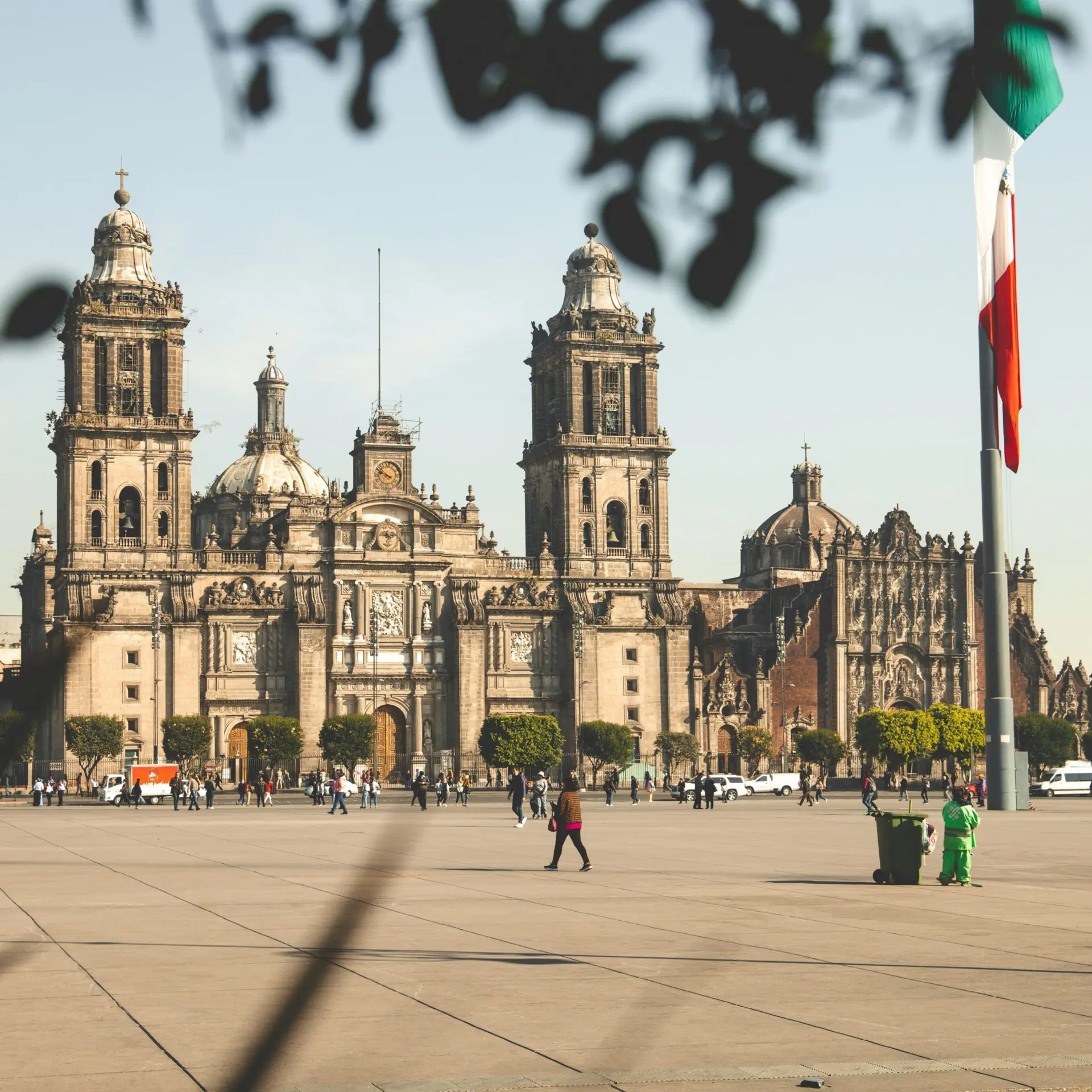
Welcome to Mexico! After an intercontinental flight, you’ll arrive in Mexico City, Mexico’s vibrant capital. On arrival, you’ll be met by our local representative and taken by a private chauffeur to your hotel, where you’ll be staying for the next few nights.
Mexico City is a city of contrasts: modern neighbourhoods and skyscrapers go hand in hand with colonial squares, colourful markets and historic buildings. With over 20 million inhabitants, it is one of the largest cities in the world, and at the same time the ideal base from which to discover Mexico’s rich culture and history.
Inclusief:
- Meet & greet at the airport
- Private transfer to your hotel
- Overnight accommodation including breakfast
Exclusief:
- Intercontinental flight
Mexico City tour & National Anthropology Museum
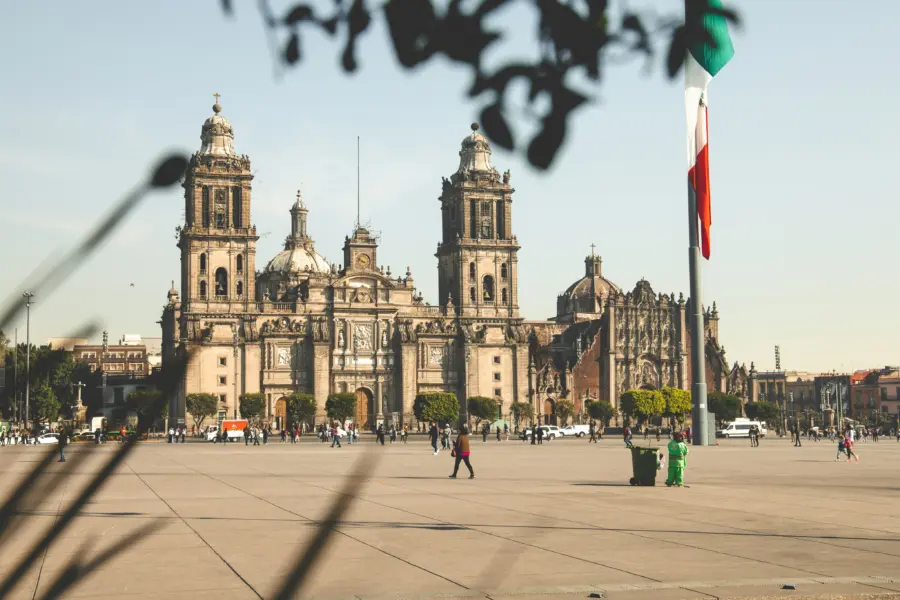
Together with your English-speaking guide, you’ll discover the highlights of Mexico City on a comfortable private tour. After breakfast, you’ll be picked up and taken to some of the city’s most iconic sights. You’ll visit the historic centre, where you’ll discover the impressive Zócalo, the central square surrounded by colonial buildings, the imposing cathedral and the National Palace with its famous murals by Diego Rivera. Along the way, your guide will tell you about the fascinating history of this city, which was built on the ruins of the Aztec city of Tenochtitlán.
After exploring the lively city centre, you’ll enjoy a delicious lunch at a local restaurant, where you’ll be introduced to the flavours of Mexican cuisine.
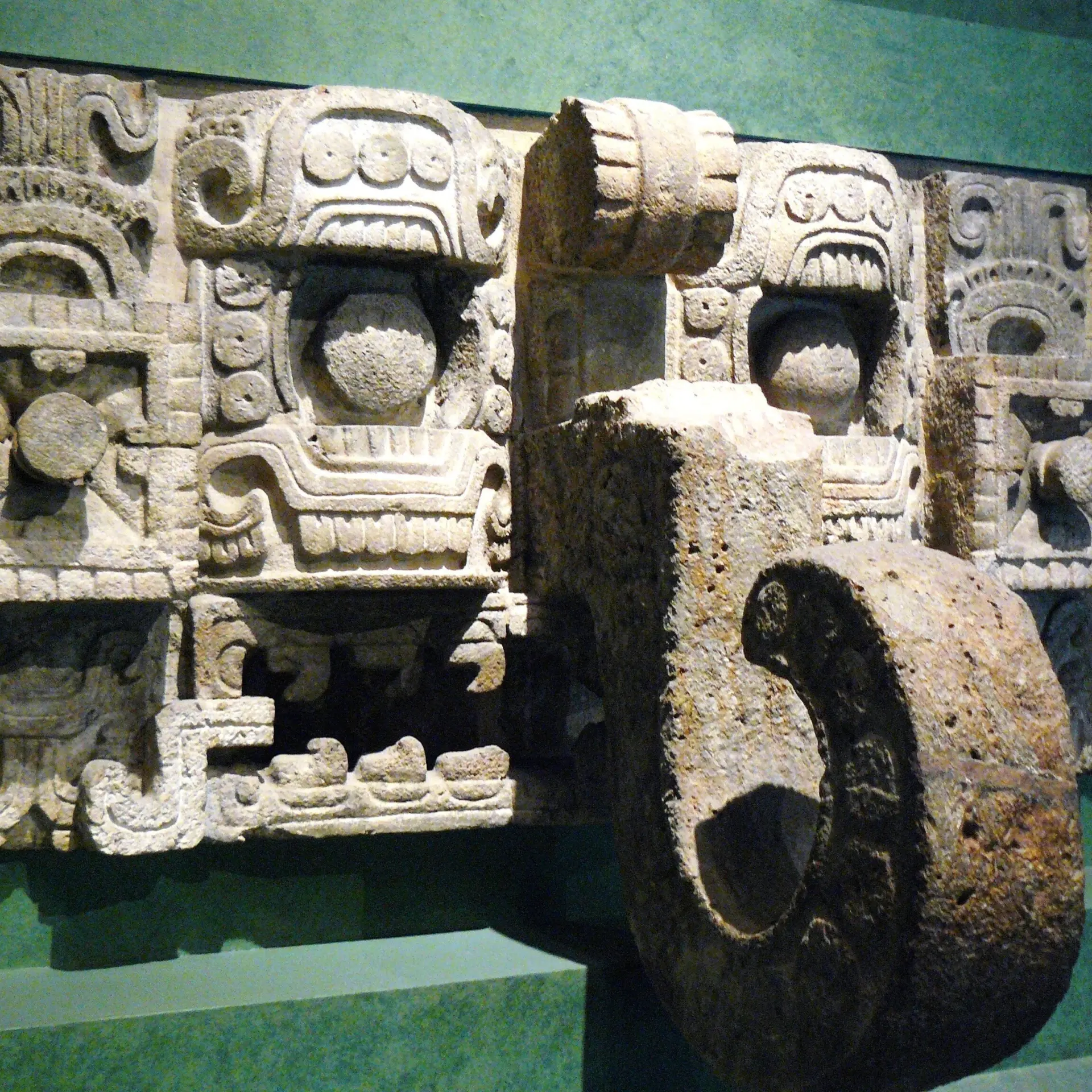
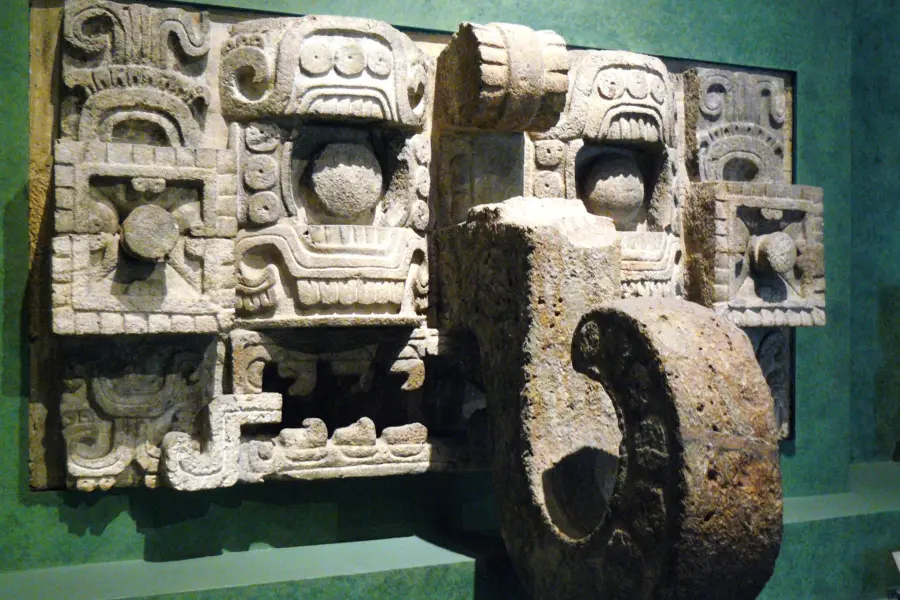
In the afternoon, the programme includes a visit to the National Museum of Anthropology, one of the world’s most important museums. Here you’ll admire masterpieces from the pre-Columbian era, including the famous Aztec Sun Stone and the impressive collections of the Maya and Olmec peoples. Your guide will ensure that you not only see the art and artefacts, but also understand the significance behind them.
Inclusief:
- Private city tour with anthropology museum including English-speaking guide, lunch and entrance fees
- Overnight accommodation including breakfast
Coyoacán, San Ángel & Frida Kahlo Museum

You’ll discover the colourful and artistic neighbourhoods of Mexico City on a private day tour, accompanied by an English-speaking guide. This tour takes you to the charming southern part of the city.
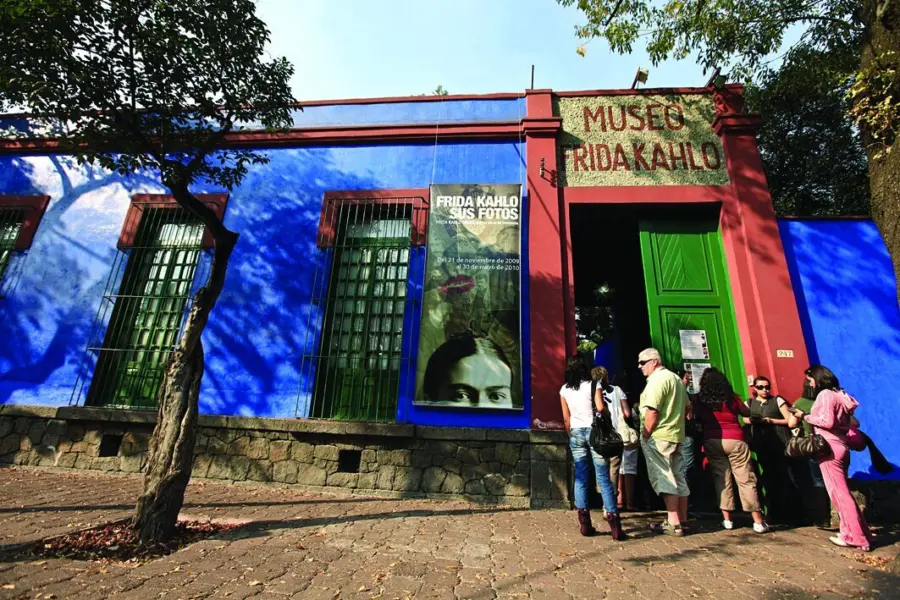
The day begins in Coyoacán, a picturesque neighbourhood with cobbled streets, charming squares and colourful houses. This neighbourhood is known as the cultural heart of Mexico City and has long been home to artists, writers and intellectuals. A highlight is a visit to the famous Frida Kahlo Museum, also known as the Casa Azul. The world-famous artist lived in this blue house with Diego Rivera. Inside, you’ll gain an intimate insight into her life and work: personal belongings, sketches, artworks and even the rooms where she lived have been preserved here.
After a delicious lunch at a local restaurant, you’ll continue on to San Ángel, an elegant and authentic neighbourhood with beautiful colonial houses. On Saturdays, the neighbourhood really comes to life with the famous Bazar del Sábado, an arts and crafts market where local artists exhibit their work. On other days too, San Ángel exudes a creative and historic atmosphere, with galleries, monasteries and tranquil squares where time seems to stand still.
Inclusief:
- Private day excursion Mexico City southern districts including English-speaking guide, lunch and entrance fees
- Overnight accommodation including breakfast
Visit to Teotihuacan and transfer to Puebla
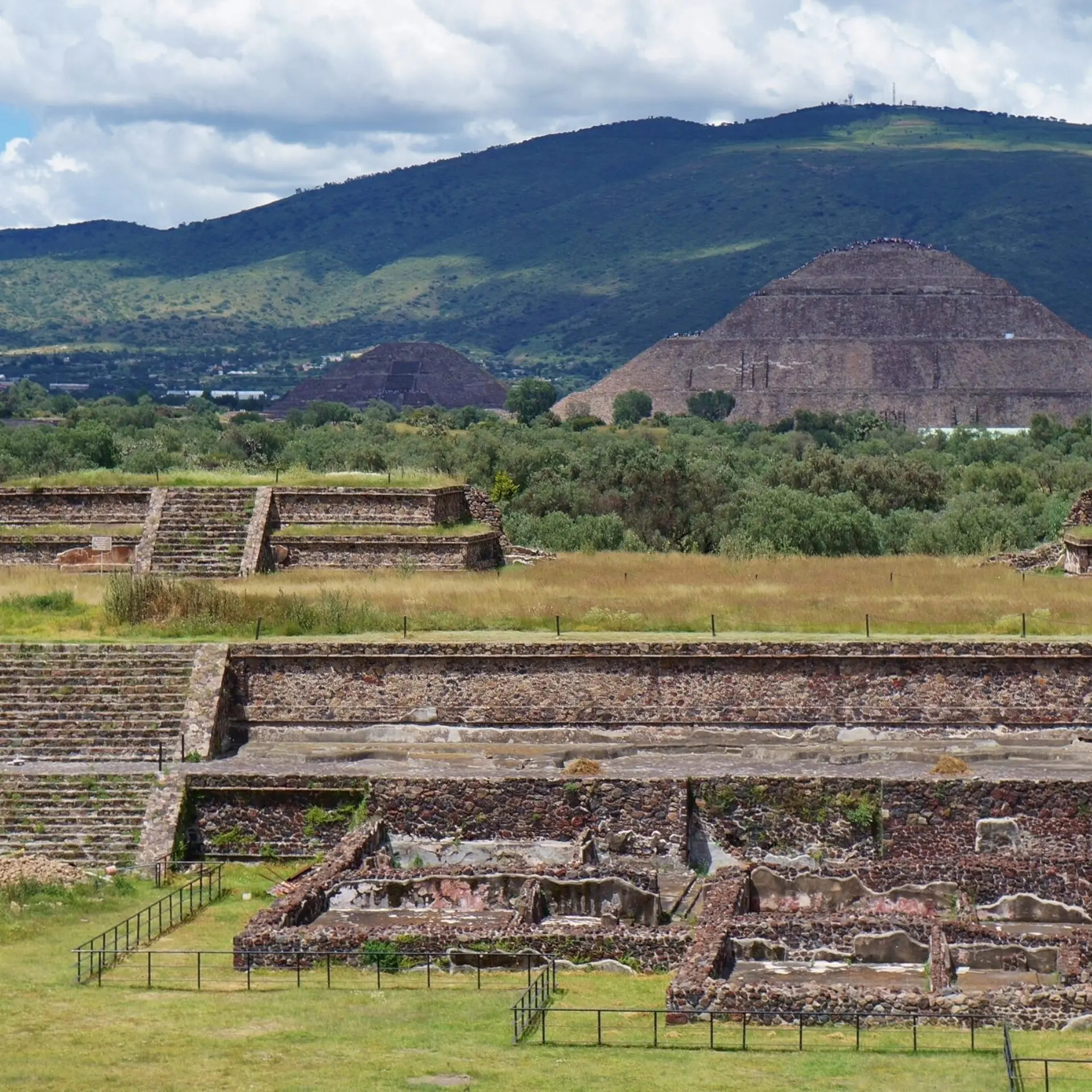
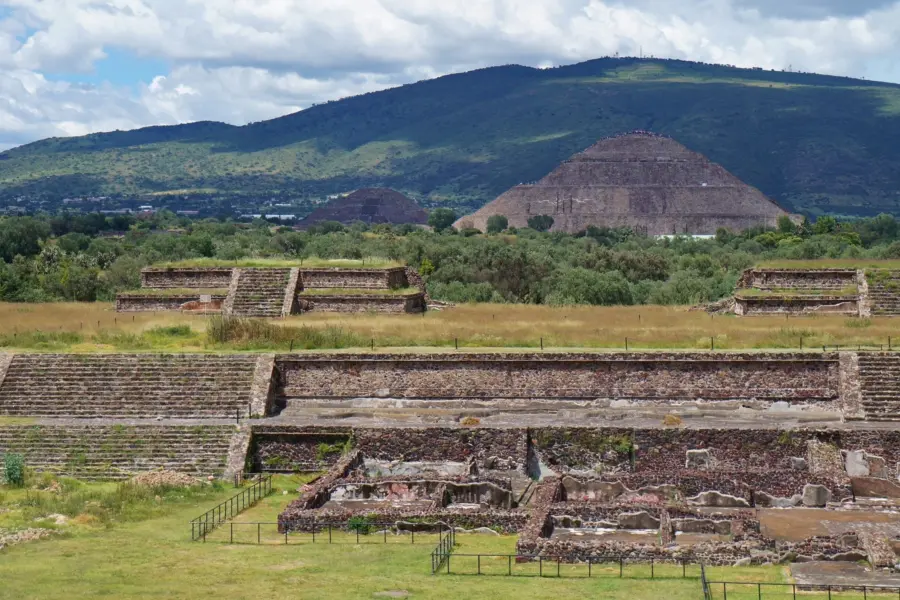
After breakfast, you will be collected by your English-speaking guide and driver for a comfortable private transfer to Puebla. On the way, you’ll stop off at the impressive archaeological site of Teotihuacán, also known as the City of the Gods. This mysterious pre-Columbian city, once one of the largest on the continent, is renowned for its imposing pyramids and ceremonial complexes. You’ll stroll along the famous Avenue of the Dead, admire the Pyramid of the Sun and the Pyramid of the Moon, and, together with your guide, discover the secrets and legends of this extraordinary place. The view from the pyramids (for those brave enough to climb them) is breathtaking.
After the visit, you’ll continue your journey to Puebla, a charming colonial city renowned for its Baroque churches, colourful streets and culinary traditions. You’ll arrive at your hotel in the late afternoon, where you can relax or get a first impression of this atmospheric city.
Inclusief:
- Private transfer to your accommodation
- Visit to Teotihuacán including English-speaking guide, lunch and entrance fees
- Overnight accommodation including breakfast
Visiting Puebla and Cholula
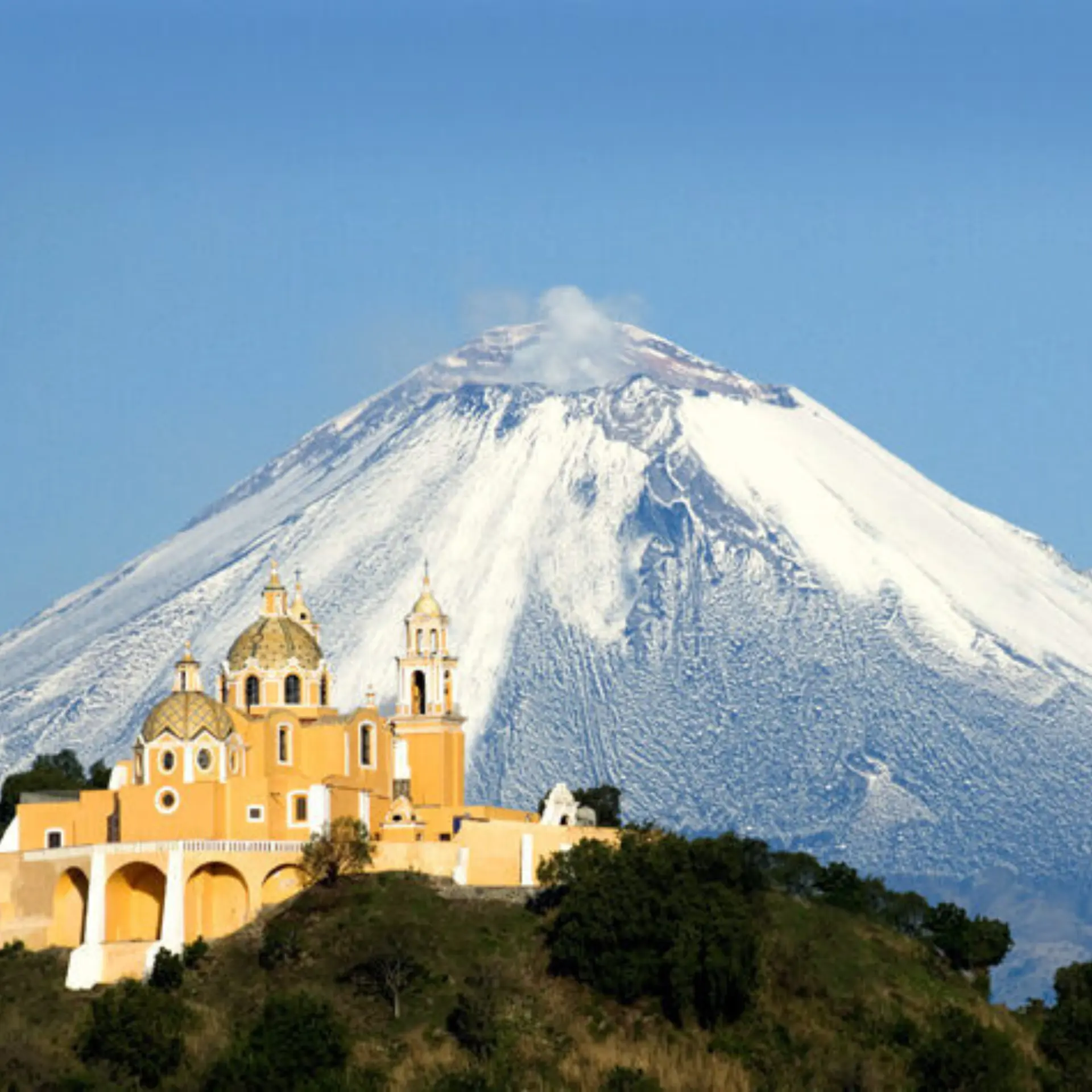
The itinerary includes a half-day excursion during which you will visit not only the colonial centre of Puebla but also the enchanting village of Cholula. The tour begins in Puebla, where your guide will take you past some of the main sights: the historic centre, the beautiful Baroque churches and charming squares steeped in history and culture. Along the way, you’ll enjoy a delicious lunch at a local restaurant, where you can sample typical Puebla dishes, such as the famous mole poblano.
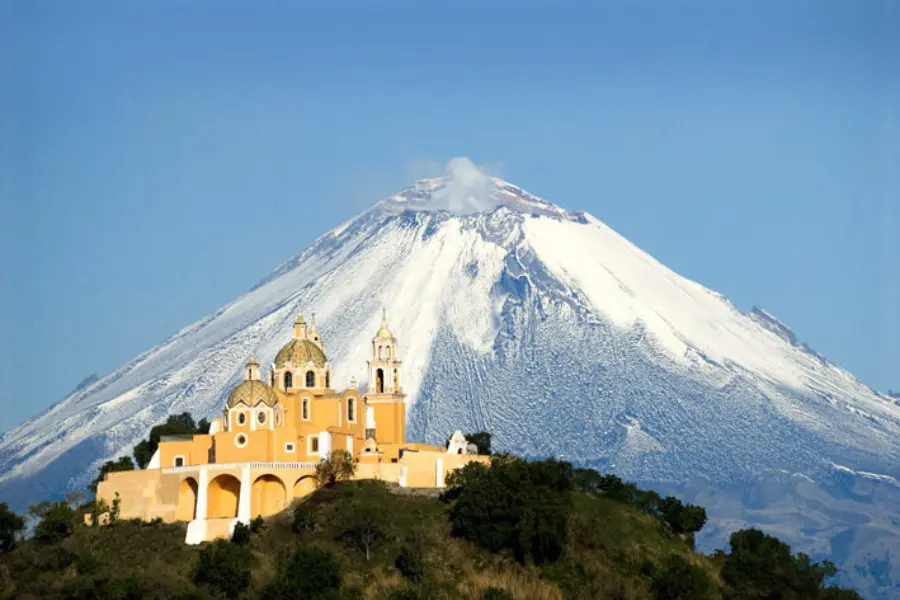
After visiting Puebla, you’ll travel to Cholula, a town renowned for its rich history and religious heritage. Here you’ll find the Great Pyramid of Cholula, the world’s largest pyramid by volume, topped by a church that symbolises the colonial era. Beneath this pyramid lies a network of underground tunnels, which you can explore with your guide. These tunnels offer a unique insight into the ancient building techniques and rituals of the pre-Spanish civilisations.
Inclusief:
- Private half-day tour Puebla and Cholula with visit to the tunnels including English-speaking guide, lunch and entrance fees
- Overnight accommodation including breakfast
Free day in Puebla
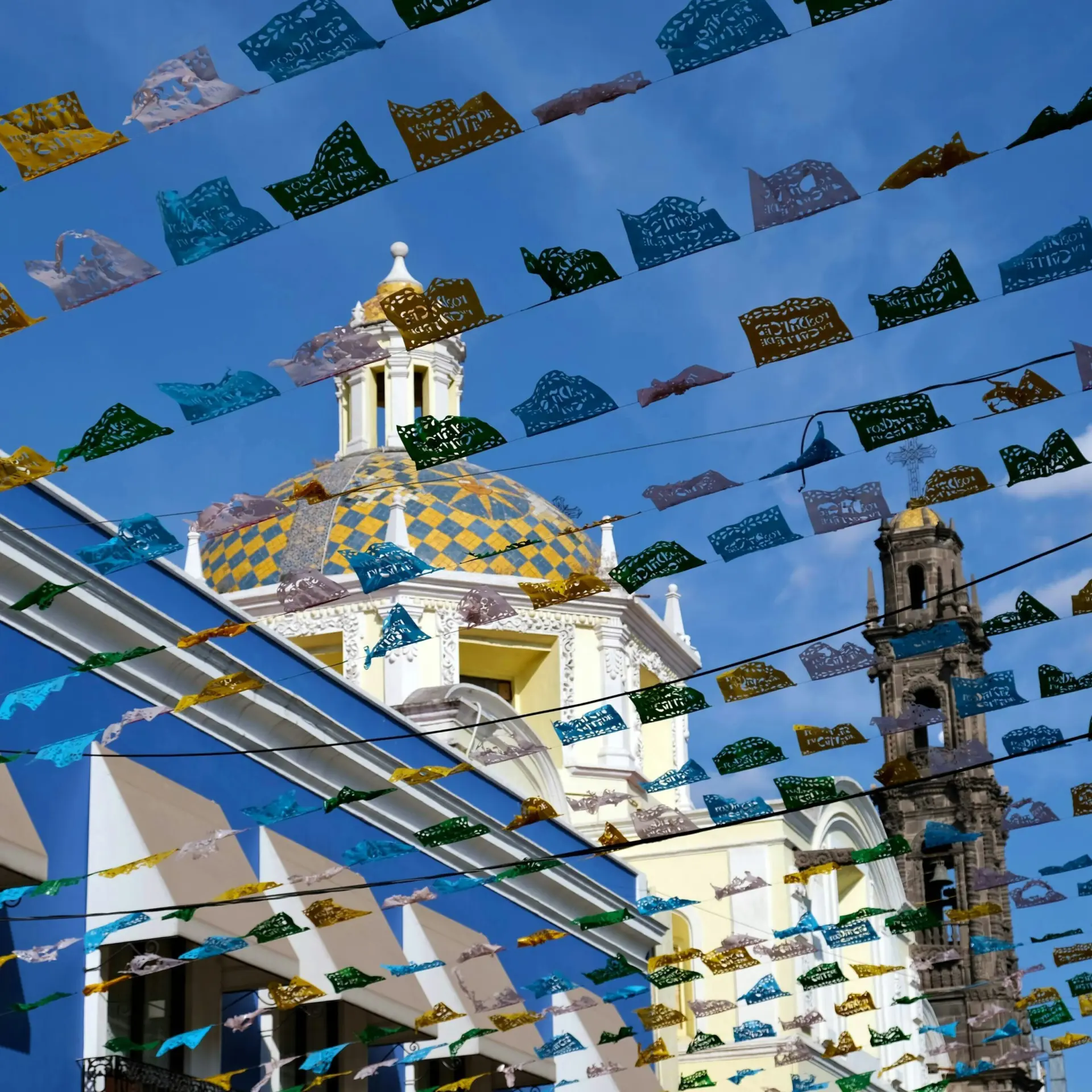
The final day in Puebla is at your leisure. Stroll through the colourful streets, visit one of the local markets, or enjoy a cup of coffee in one of the squares whilst watching the city’s daily life unfold.
For those wishing to add another unforgettable experience, we can arrange an optional excursion to Iztaccíhuatl National Park, situated in the impressive mountain range surrounding the Iztaccíhuatl and Popocatépetl volcanoes. During this excursion, you’ll enjoy breathtaking views of the majestic volcanoes, with a particularly spectacular view of the still-active Popocatépetl.
Inclusief:
- Overnight accommodation including breakfast
Transfer to Oaxaca
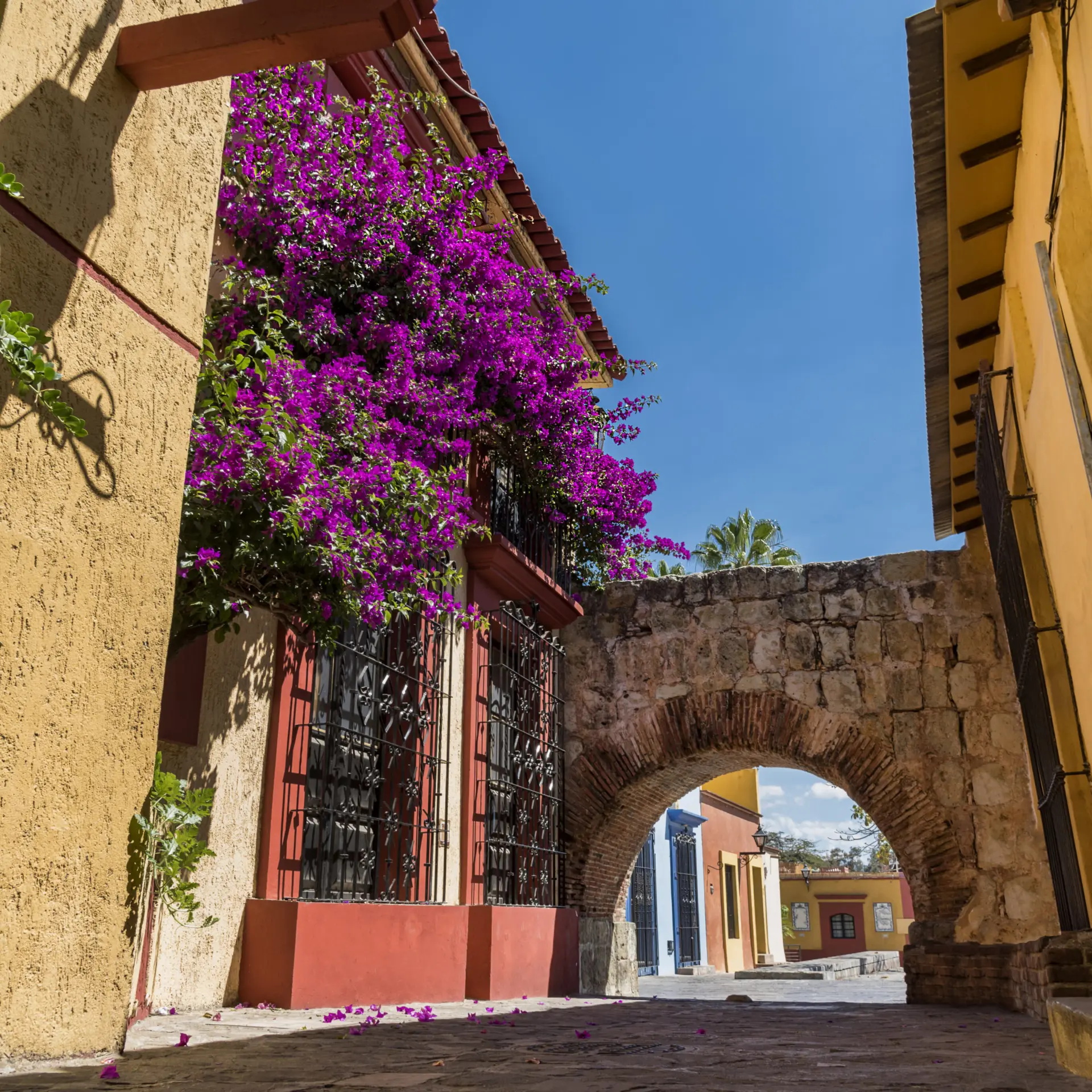
By private transfer, you will travel from Puebla to Oaxaca, one of Mexico's most cultural and historic cities. Along the way, enjoy the scenery and the transition from the central highlands to the colourful Valle de Oaxaca. Upon arrival in Oaxaca, you will be transferred to your hotel, where you will have the rest of the day free to rest or get a first impression of the city. Oaxaca is known for its lively markets, colonial buildings and local craft traditions.
Inclusief:
- Private transfer to your accommodation
- Overnight accommodation including breakfast
Carpet weaving workshop and lunch with a Zapotec Family
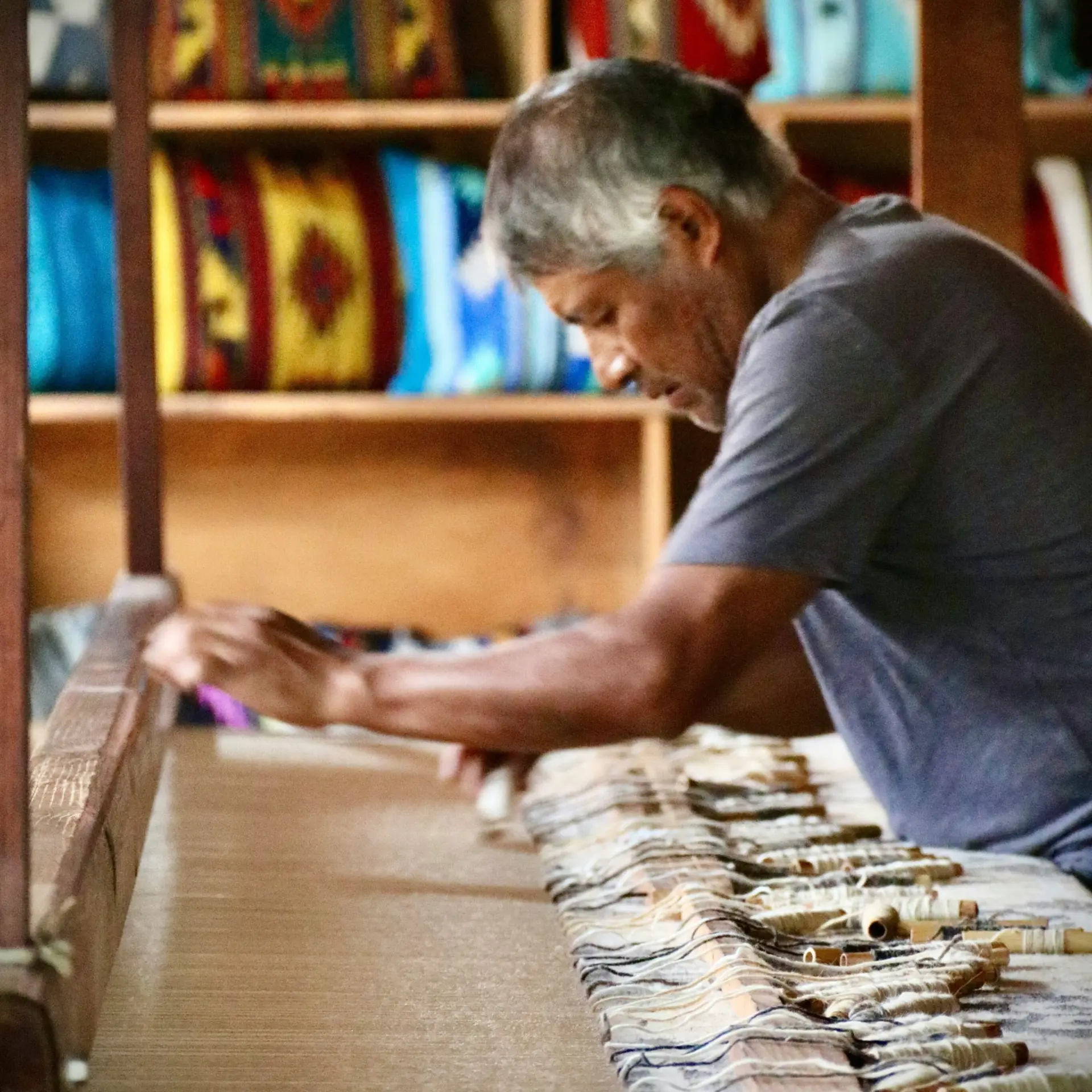
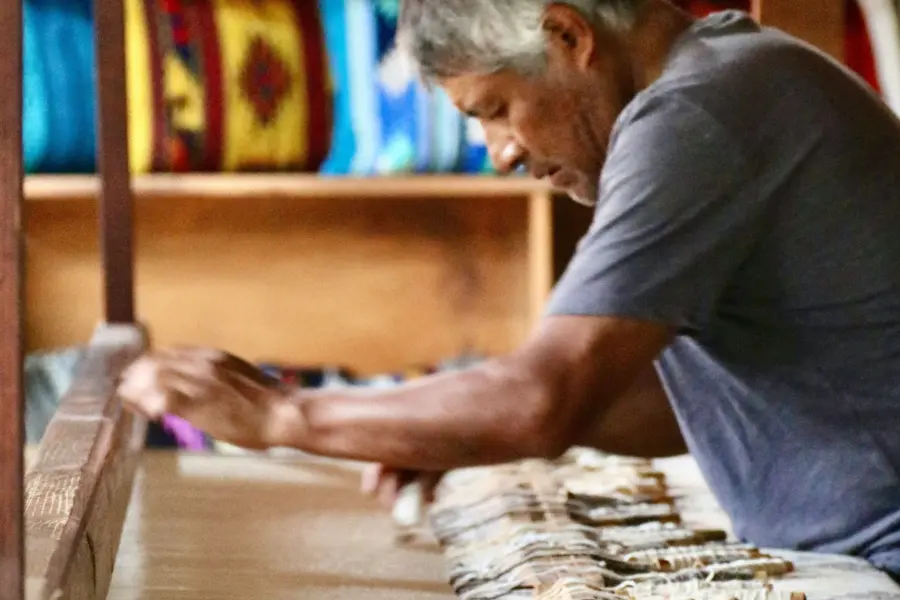
You’ll be introduced to the traditional way of life and the craft culture of the Zapotec community in the Oaxaca region. The day begins with an early visit to the village of Teotitlán del Valle, where you can wander amongst colourful stalls brimming with local produce, handicrafts and fresh ingredients. You will then visit a Zapotec family who specialise in weaving rugs and textiles. Here, you’ll be given a demonstration of the traditional weaving process, from spinning the wool to setting up the loom and creating the beautiful patterns that make these rugs so unique. You’ll learn about the symbolism behind the motifs and the techniques that have been passed down from generation to generation.
After this cultural experience, you’ll drive to Santa Ana del Valle, where you’ll take part in a cookery workshop with the Zapotec family. Under their guidance, you’ll prepare authentic dishes, whilst learning about local ingredients and traditional cooking techniques. After cooking, you’ll enjoy a delicious lunch with your hospitable hosts.
Inclusief:
- Excursion Teotitlán del Valle including English-speaking guide
- Carpet weaving workshop with a Zapotec family including English-speaking guide
- Cooking workshop with Zapotec family with lunch in Santa Ana del Valle including English-speaking guide
- Overnight accommodation including breakfast
Mezcal tasting and visit distilleries
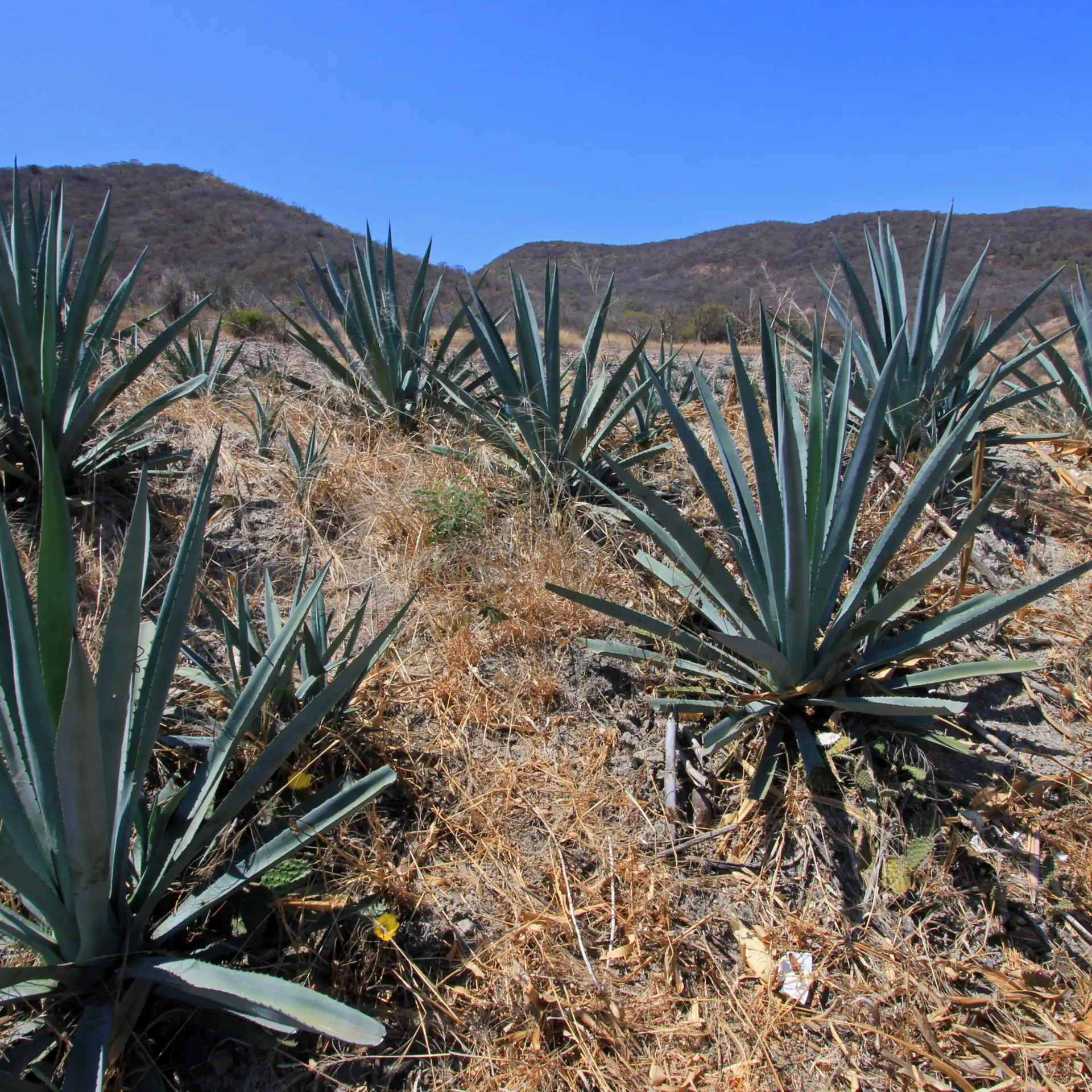
Alongside tequila, mezcal is one of Mexico’s best-known local drinks. During this excursion through the Oaxaca Valley, you’ll visit three traditional villages where top-quality artisanal mezcal is distilled in a simple and authentic manner. One of the highlights is a visit to the Mal de Amor distillery, where you’ll see the production process up close and sample this unique Oaxacan spirit.
Alternatively, you could spend the day on an excursion to the extraordinary Hierve al Agua, a natural phenomenon about an hour and a half’s drive from Oaxaca, where rock formations resemble a frozen waterfall due to the high limestone content in the water. Here you can enjoy a lovely nature walk and admire the view over the valley.
Inclusief:
- Private excursion Mezcal tasting and distillery including English-speaking guide
- Overnight accommodation including breakfast
Travel to San Cristobal de las Casas

A private transfer will take you to Oaxaca airport from where you will fly south to Tuxtla Gutierrez. On arrival, you will pick up a rental car with which you will explore southern Mexico on your own for the next period. Your first stop will be San Cristobal de las Casas.
Inclusief:
- Private transfer to the airport
- Domestic flight Oaxaco - Tuxtla Gutierrez (via Mexico City)
- Rental car
- Overnight accommodation including breakfast
Free day in San Cristóbal de las Casas
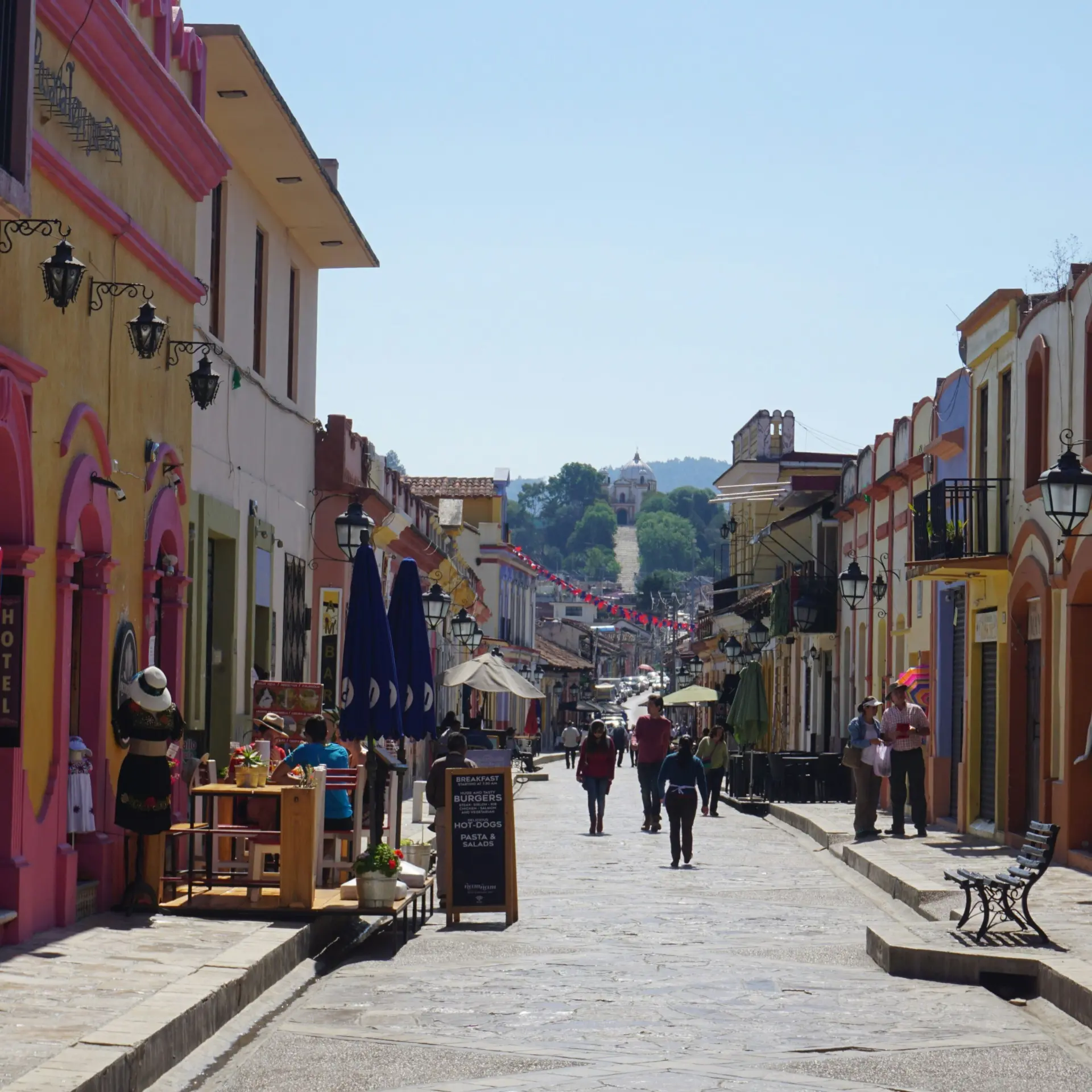
You will have plenty of time to enjoy this colourful mountain city at your own pace. Stroll through the cobbled streets with their colonial buildings, settle down on a cosy terrace or visit one of the lively markets full of handmade textiles and crafts. It is also an ideal base for trips to the surrounding villages, the Sumidero Gorge or coffee plantations in the mountains.
Inclusief:
- Rental car
- Overnight accommodation including breakfast
Bicycle excursion through local villages
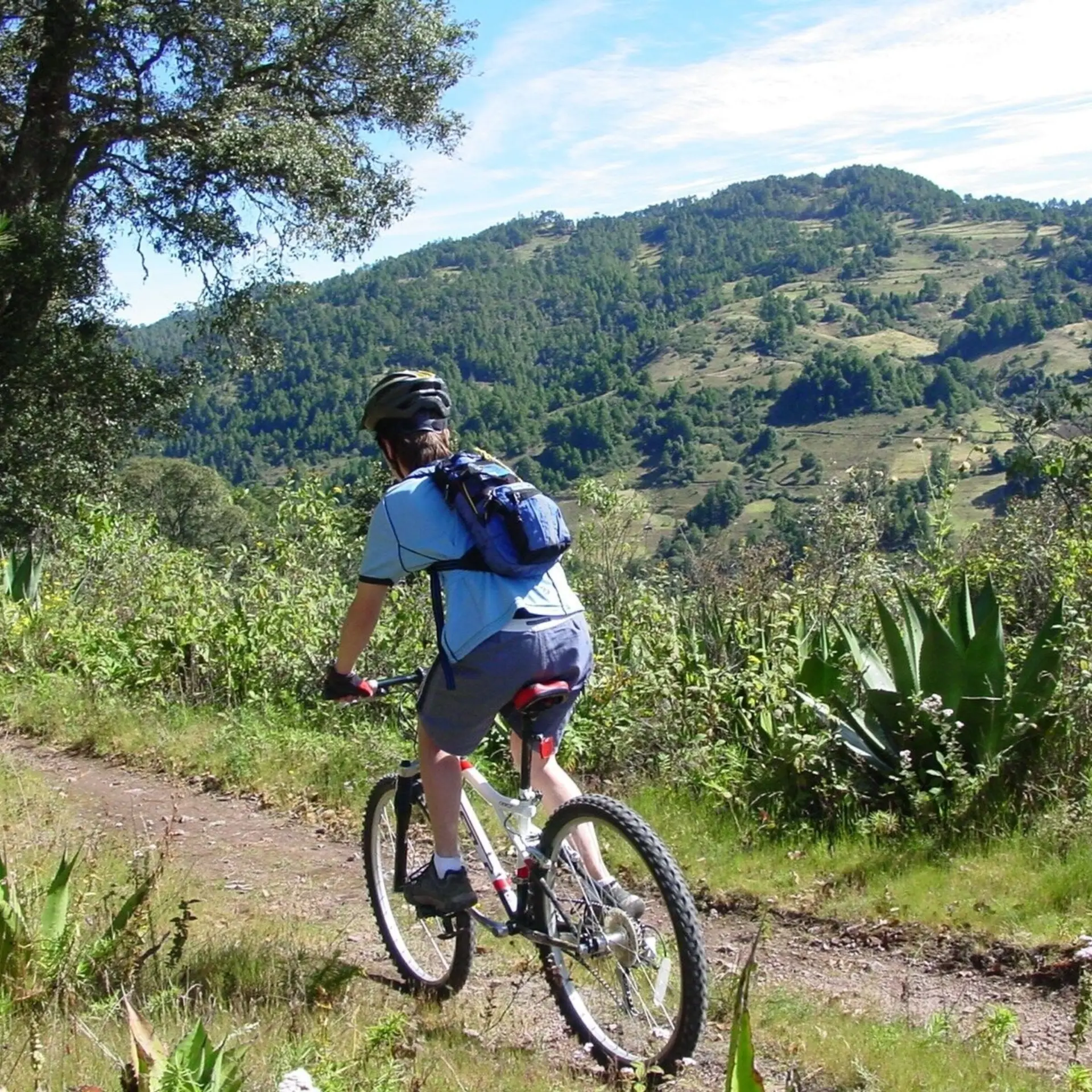
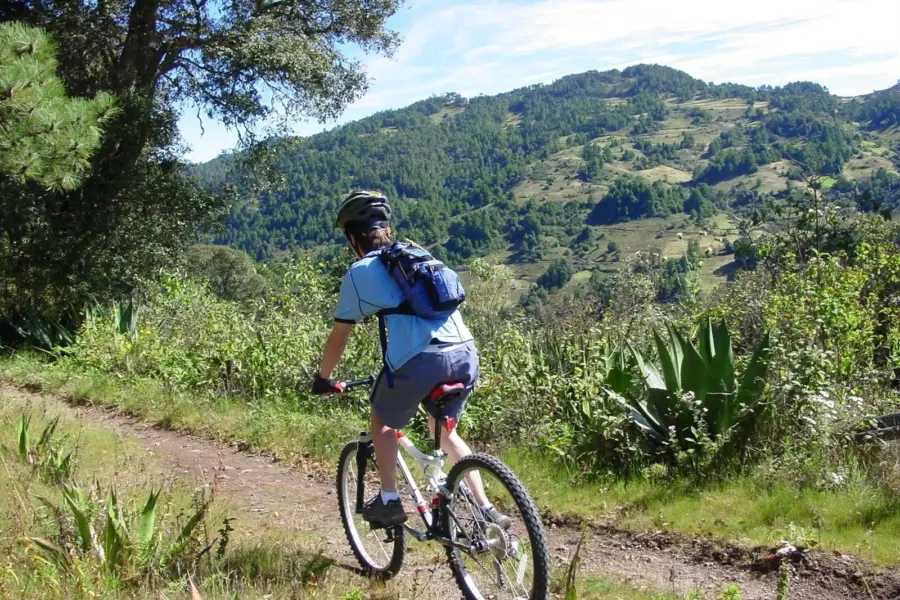
On your last day in San Cristóbal de las Casas, take a fun excursion to the village of San Juan Chamula and Zinacantán. By bike, you will ride to Zinacantán. During the ride, you will pass beautiful forests and stop at a beautiful viewpoint over Zinacantán. You will then gently descend into the village where you will have lunch with a Zinacantecan family. On the way, we recommend driving via Cañon del Sumidero. This is a beautiful canyon where you can take a boat trip between metre-high cliffs.
Inclusief:
- Rental car
- Private cycling excursion through San Juan Chamula and Zinacantán including English-speaking guide, lunch with local family and entrance fees
- Overnight accommodation including breakfast
Self-drive to Palenque and visit to waterfalls

You get in the car and set off for Palenque, a beautiful route straight through the lush green landscape of Chiapas. On the way, you’ll stop at two of the region’s most beautiful waterfalls.
First, you’ll visit Misol-Ha, an impressive waterfall, almost 30 metres high, which plunges into a clear pool. The journey then continues to the famous Agua Azul waterfalls. These waterfalls owe their name to the turquoise colour of the water as it cascades down a series of limestone terraces. In dry weather with plenty of sunlight, the water is a vivid blue and almost unreal in its beauty; after a spell of rain, the colour may be darker and less transparent, but the sight remains impressive.
After this experience, you’ll drive on towards Palenque, where you’ll be staying for the next few nights.
Tips from a Travel Specialist
Between September and November, it is not possible to book a tour to Agua Azul.
Inclusief:
- Rental car
- Private excursion Misol-Ha and Agua Azul waterfalls including English-speaking guide and entrance fees
- Overnight accommodation including breakfast
Day off Palenque
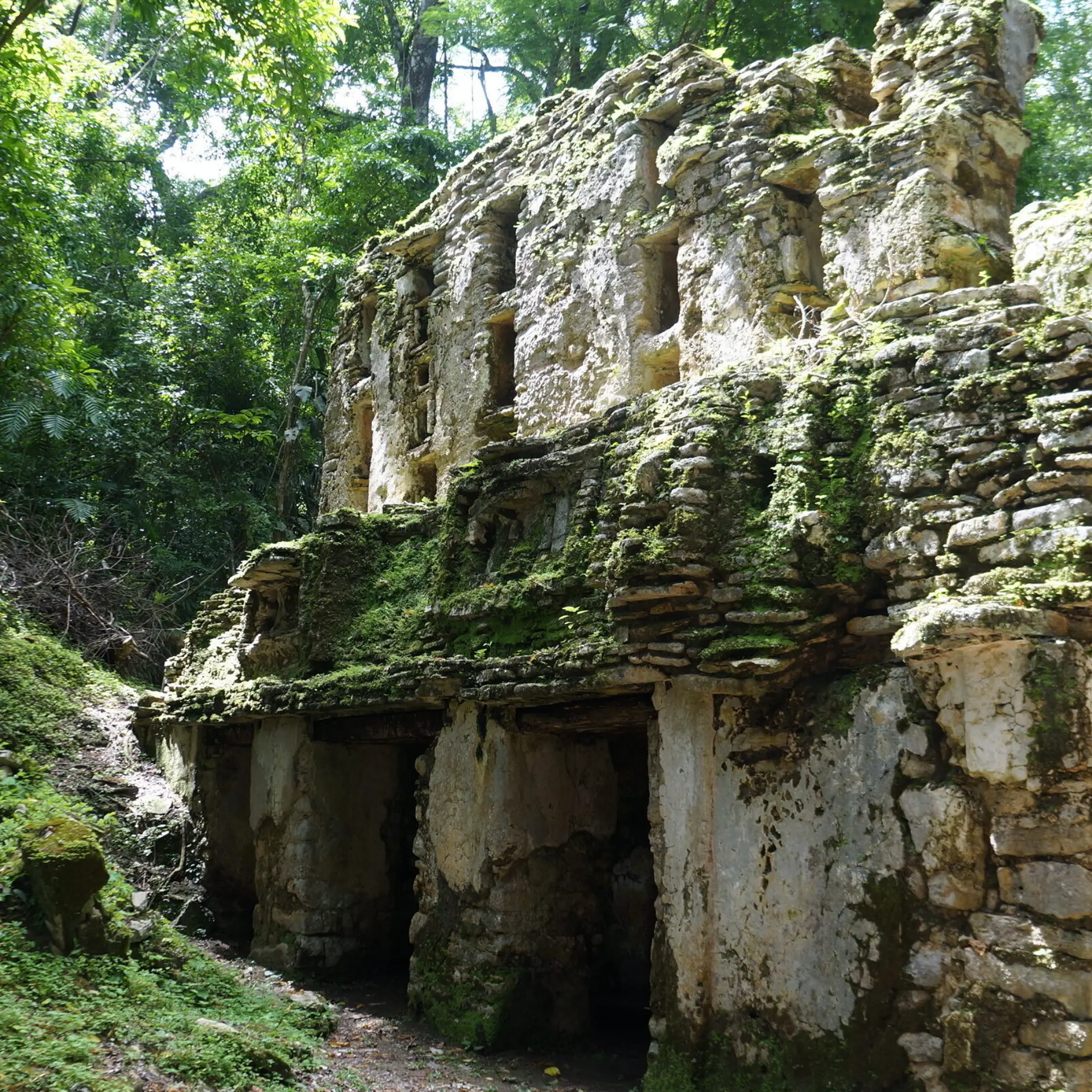
Palenque is most famous for the Mayan ruins of the same name, one of Mexico's most impressive archaeological sites. It is also possible to visit the archaeological sites of Yaxchilan and Bonampak. These are best combined with each other. You can choose to pre-book these complexes in a day excursion. It is a spirited excursion day that takes about 10-11 hours.
Inclusief:
- Rental car
- Overnight accommodation including breakfast
Visit to Mayan ruins and self-drive to Campeche
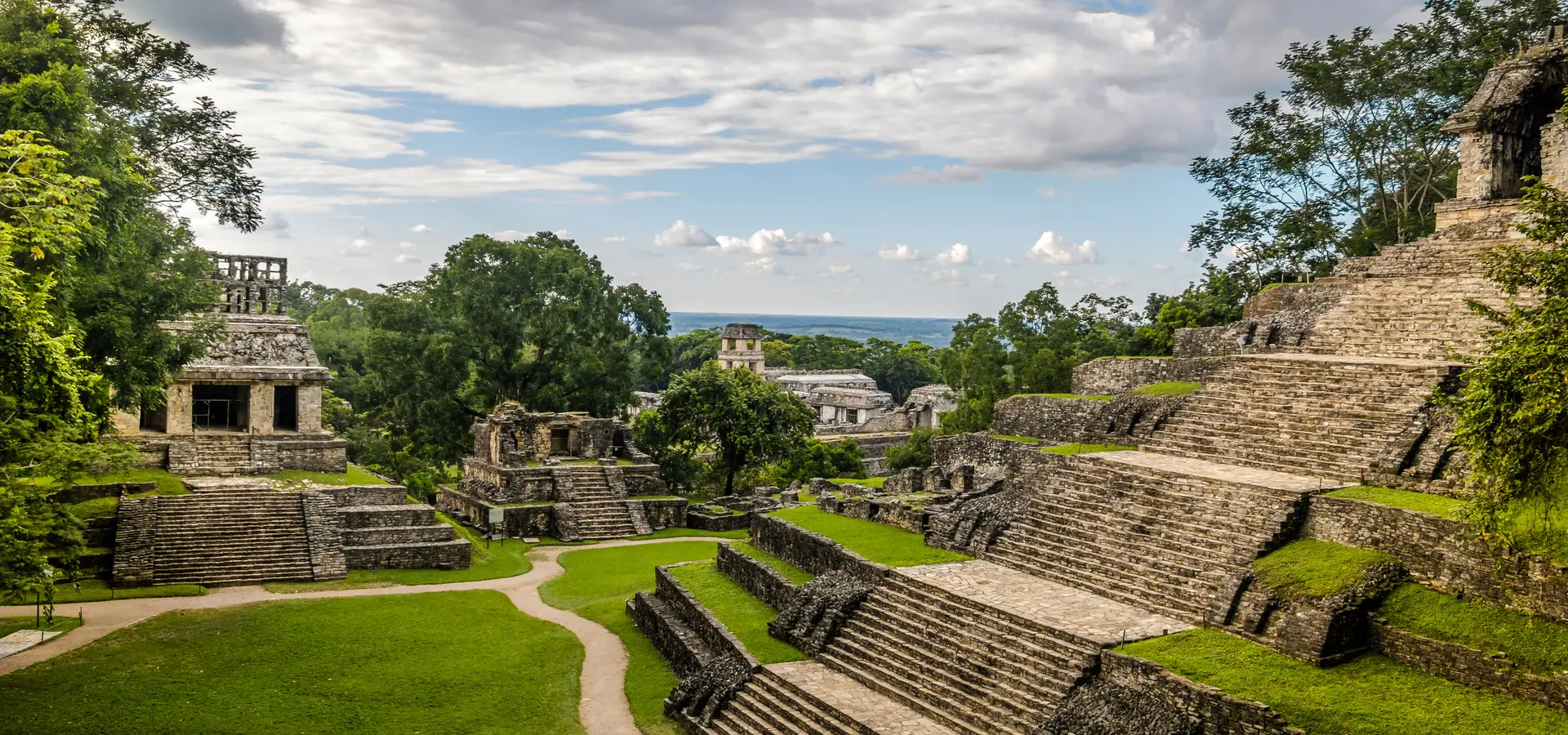
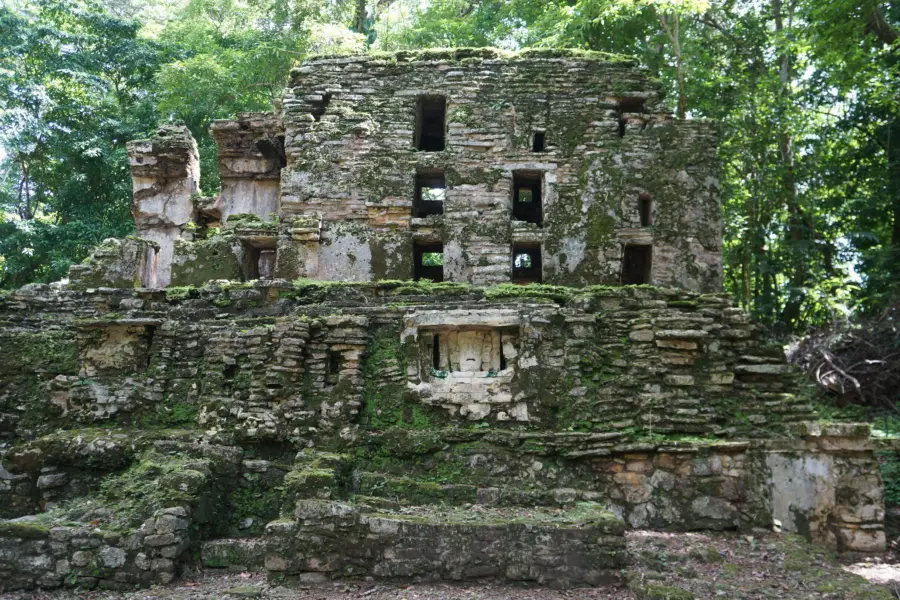
Before travelling to Campeche, you’ll first discover the ruins of Palenque, hidden away in the rainforest. This mysterious Mayan city is considered one of Chiapas’s most important attractions and is renowned for its impressive temples, palaces and sculptures, which still exude the grandeur of this ancient civilisation. As you stroll through the complex, you’ll hear the sounds of the jungle all around you.
After this visit, you’ll continue your journey towards Campeche, a charming colonial town on the Gulf of Mexico. Here, you’ll spend the night in a beautiful hacienda, where you can relax and enjoy the region’s authentic charm.
Inclusief:
- Rental car
- Private excursion Palenque ruins including English-speaking guide and entrance fees
- Overnight accommodation including breakfast
Merida
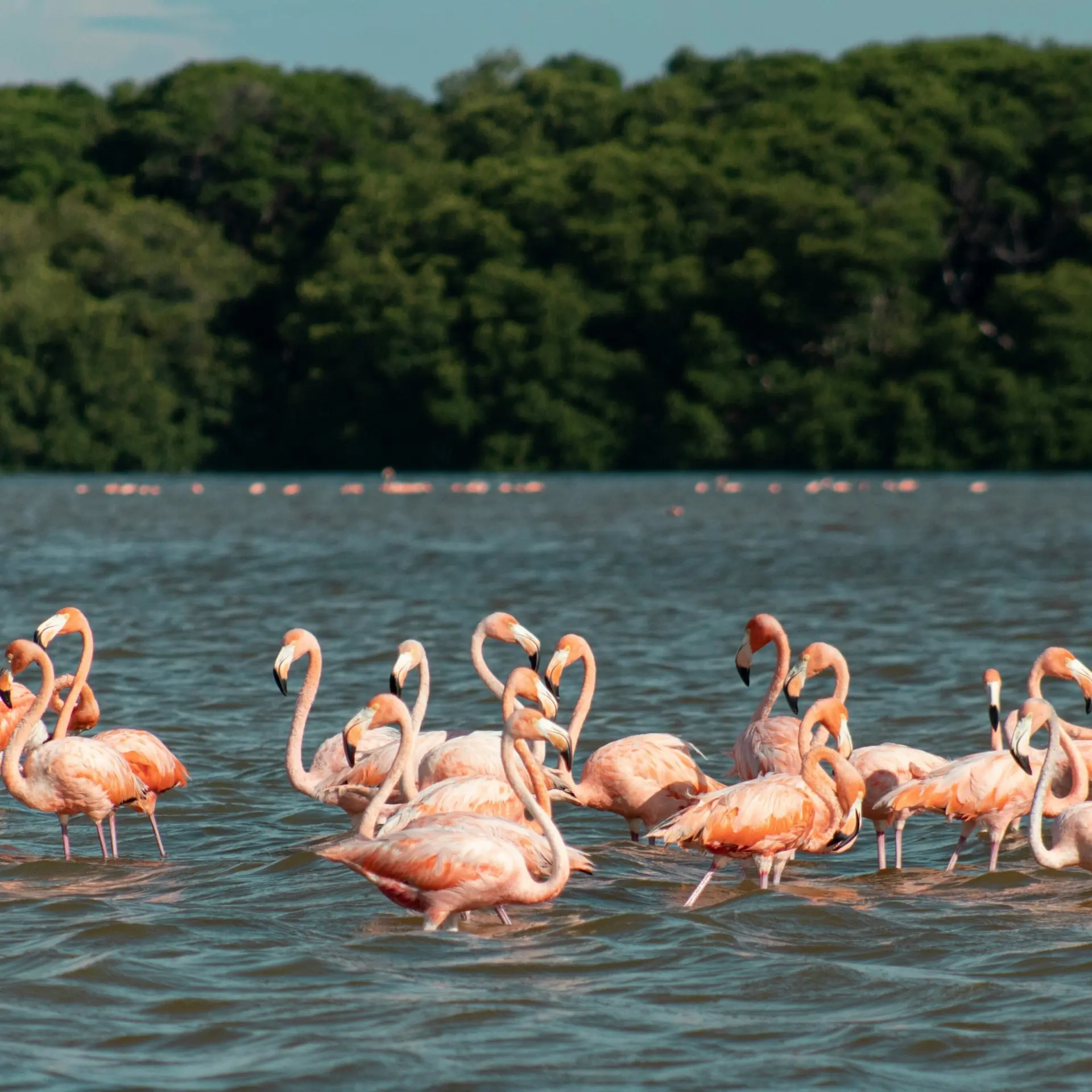
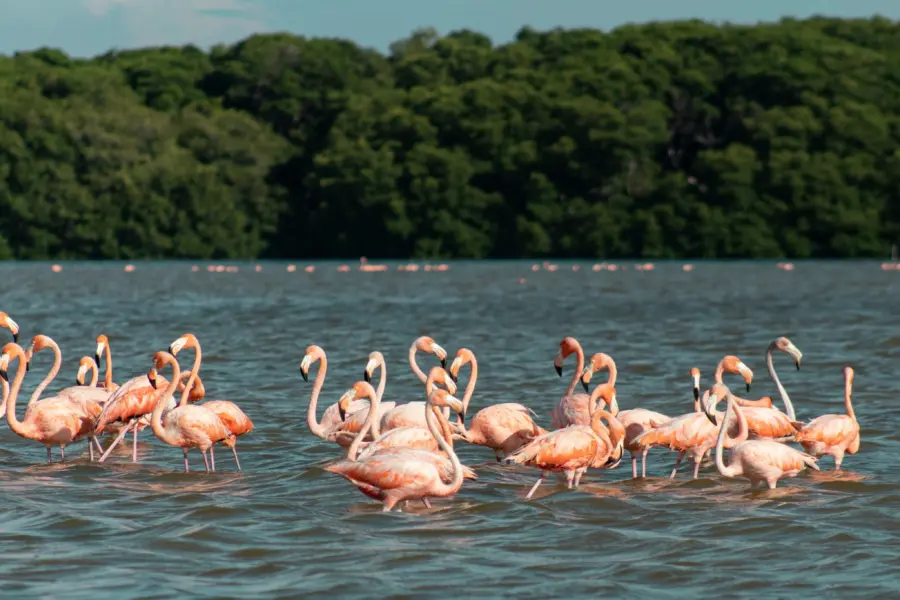
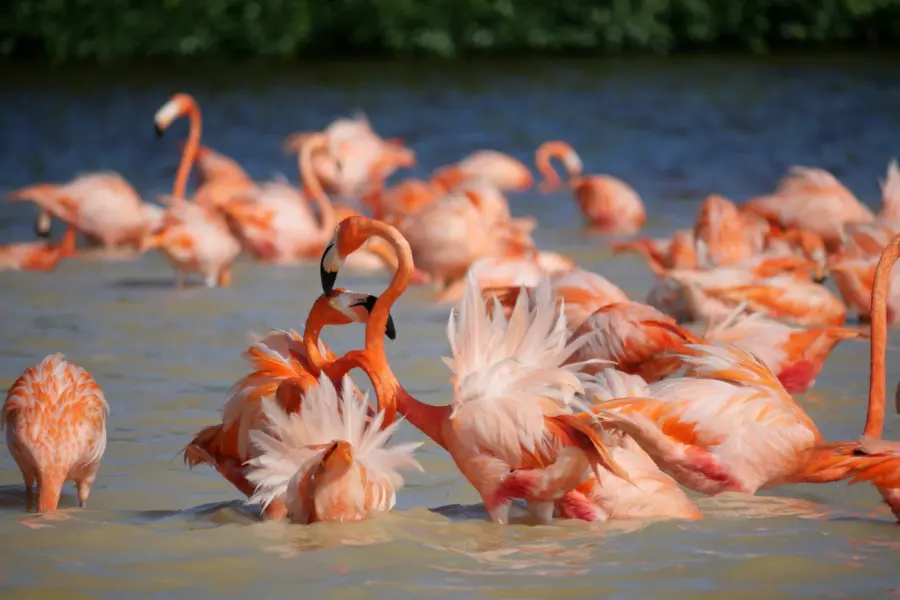
You’ll travel on from Campeche to Mérida. Before entering Mérida, you can enjoy a relaxing boat trip on the Rio Celestún. Here, you’ll have the chance to spot flamingos. It’s also possible to take a day trip and tour of Hacienda Sotuta de Peón. Generally speaking, there are fixed tour times, so do check the website carefully in advance for the latest information. If you can’t get enough of the Mayan ruins, you can visit Uxmal on the way. In terms of architectural style, it bears a strong resemblance to Palenque.
In the evening, Mérida can be a really lively place. Locals meet up in the city’s small parks, where children play or practise their dances and plays, and at the weekend certain streets in Mérida are transformed into open-air terraces. If you’d like to pick up some souvenirs, Mérida is the perfect place to do so!
Inclusief:
- Rental car
- Overnight accommodation including breakfast
Bicycle tour from Acanceh to Homun
Today’s itinerary features an active day. You’ll cycle from Acanceh to Homún, a charming and peaceful village just outside Mérida. The route takes you along country lanes and through traditional villages, where you’ll get a close-up look at daily life in the Mexican countryside.
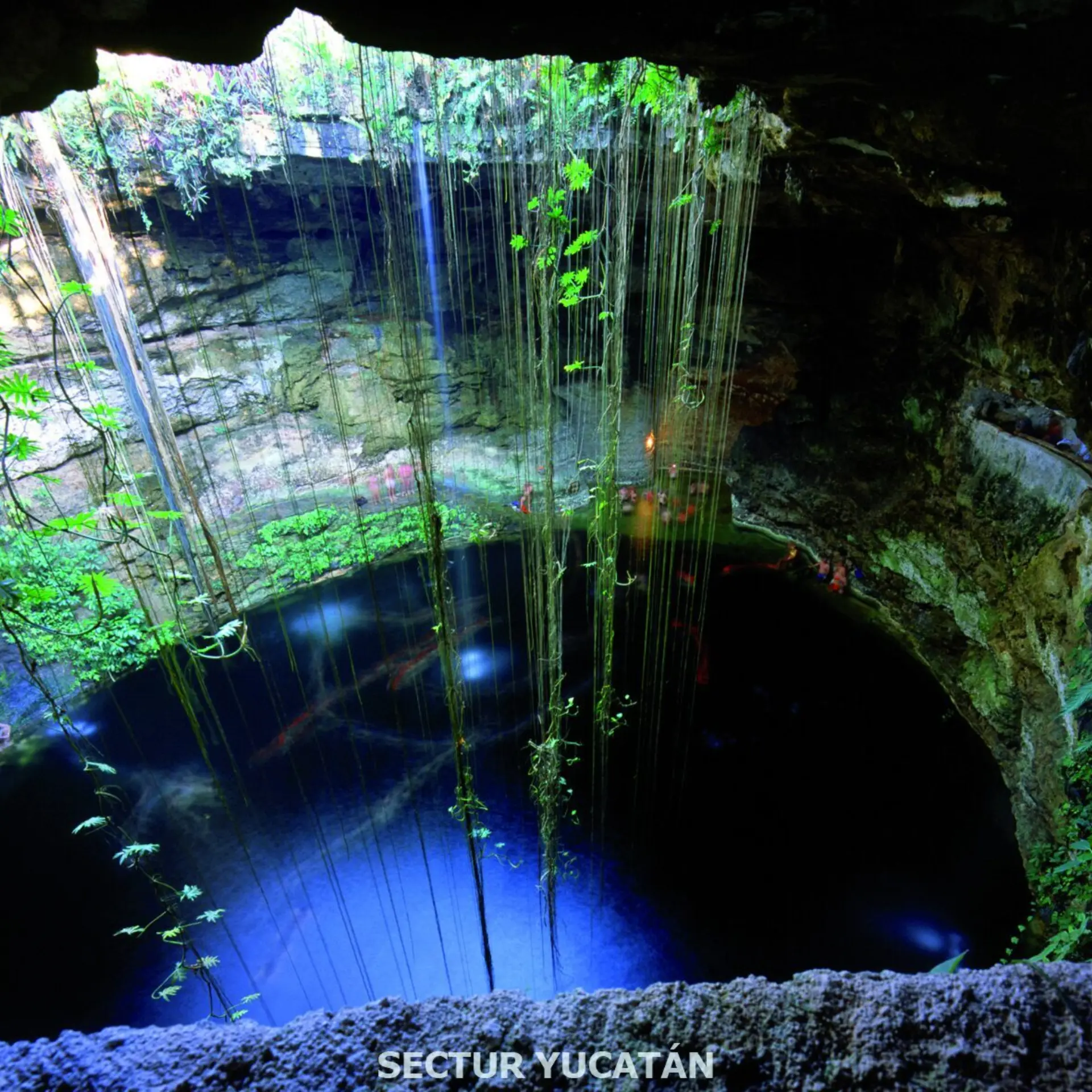
A wonderful reward awaits you in Homún: here you’ll find several stunning cenotes, the underground pools that are so characteristic of the Yucatán region. You’ll have time to take a refreshing dip in the crystal-clear water and enjoy these natural swimming pools.
Inclusief:
- Rental car
- Private bicycle tour and visit to Santa Barbara cenotes including English-speaking guide and entrance fees
- Overnight accommodation including breakfast
Beach getaway in Tulum
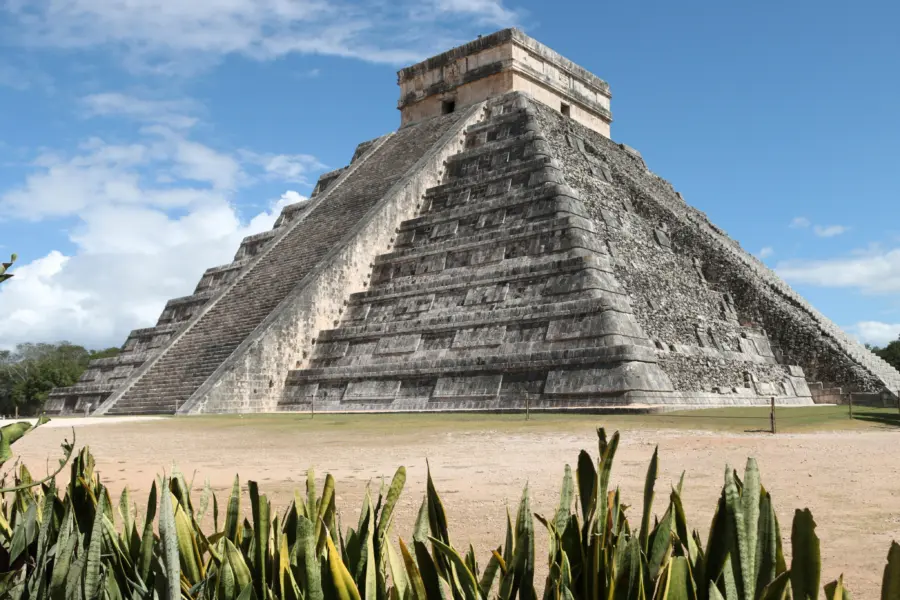
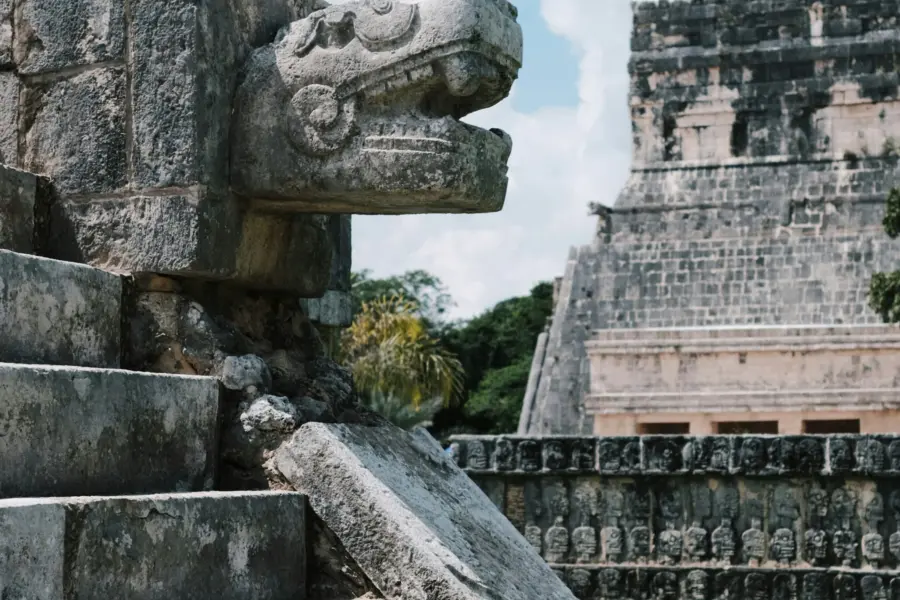
You’ll leave Mérida today and drive to the final destination of your trip, the idyllic Tulum. On the way, you’ll make a special stop at Chichén Itzá, one of the Seven Wonders of the World. This impressive Mayan city is famous for the iconic Pyramid of Kukulcán, the great ball court, the Observatory and the Temple of the Warriors. Stroll through the ancient squares and temples and immerse yourself in the rich history and culture of the Maya civilisation.
Once in Tulum, you’ll have complete freedom to explore the area at your own pace. Thanks to your hire car, you can explore the picturesque hinterland, from hidden cenotes and nature reserves to charming villages and cosy local restaurants.
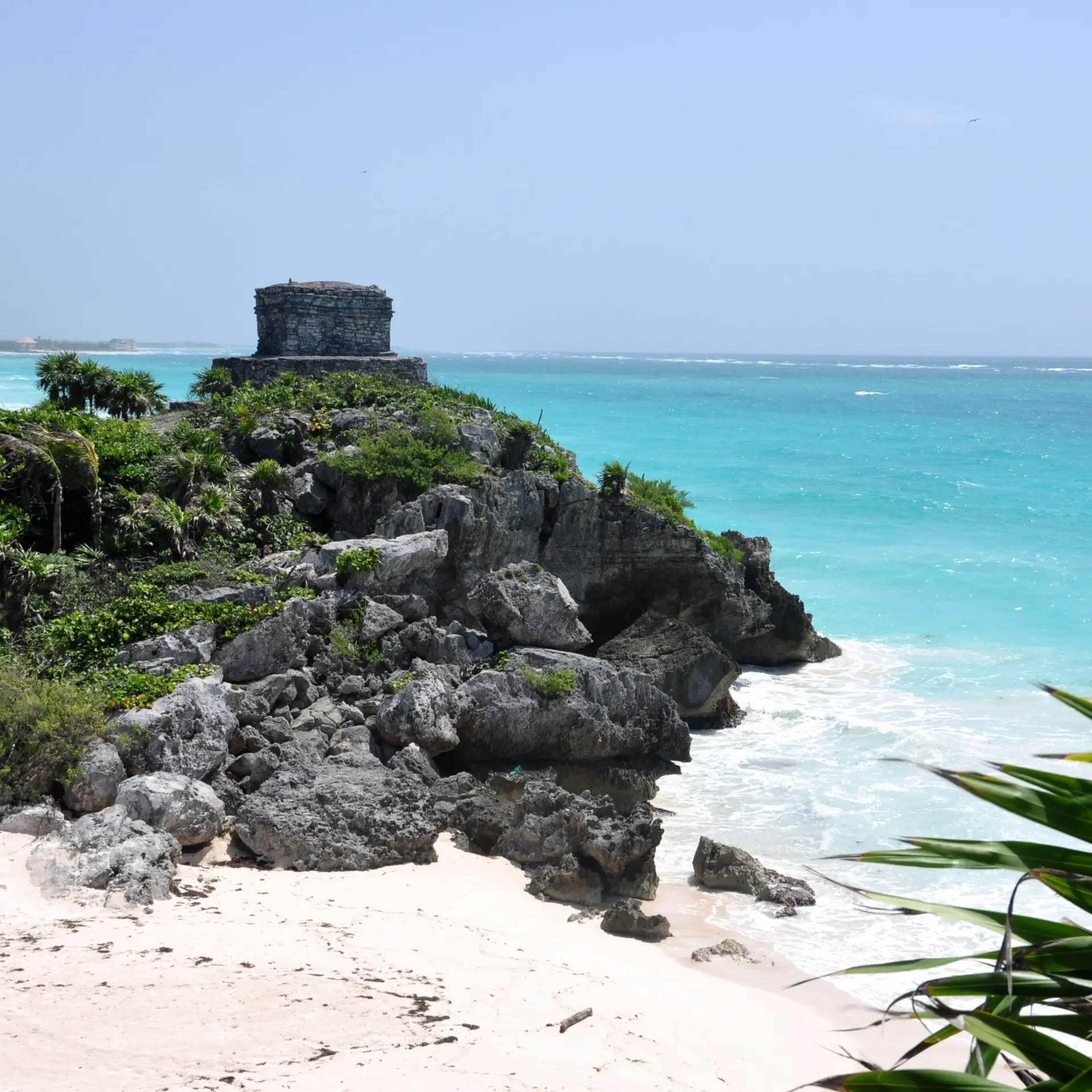
Your journey will come to a fitting end at one of the delightful boutique hotels by the sea, where you can relax on the white sandy beach, enjoy the clear turquoise waters and reflect on an unforgettable trip through Mexico.
Inclusief:
- Rental car
- Private excursion Chichen Itzá including English-speaking guide and entrance fees
- Overnight stays including breakfast
Accommodations
Casa Emilia
Casa Emilia is an atmospheric boutique accommodation in Mexico City. The hotel has only seven rooms, each with a unique and cosy style and well-equipped with modern amenities. Facilities offered by the hotel include an honesty bar, breakfast and bicycle rental (on request).
Your stay: 3 nights

Casareyna
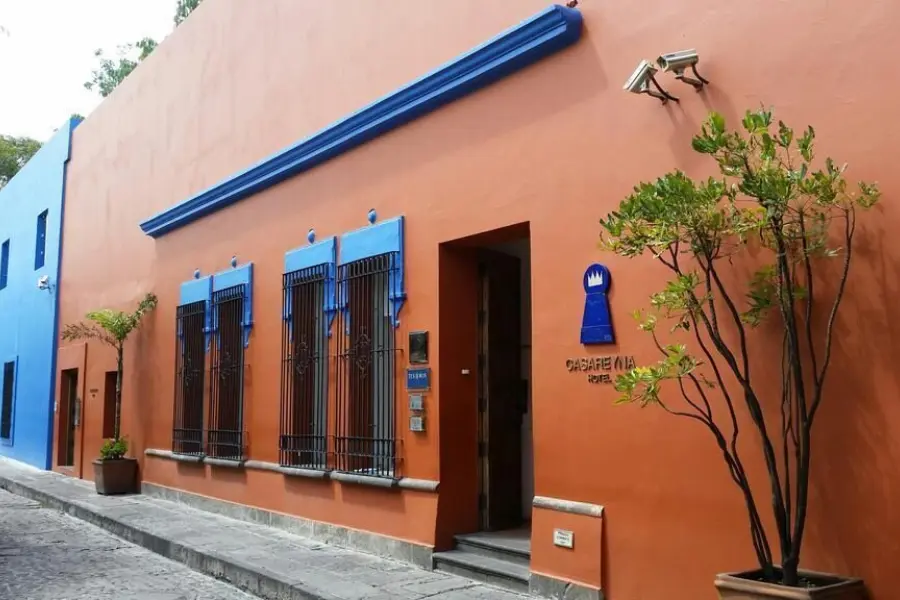
Boutique hotel Casa Reyna is located in an old mansion dated from the 16th to 18th centuries. The hotel offers 46 luxurious suites divided into three categories, standard, junior suite and master suite. Besides a restaurant and bar, the hotel has a boutique, art gallery, swimming pool, jacuzzi and spa....
Boutique hotel Casa Reyna is located in an old mansion dated from the 16th to 18th centuries. The hotel offers 46 luxurious suites divided into three categories, standard, junior suite and master suite. Besides a restaurant and bar, the hotel has a boutique, art gallery, swimming pool, jacuzzi and spa.
Casa Reyna stands out for the personal attention they give their guests characterised by care in every detail and warm professional service by a team of people whose main mission is a satisfied guest.
The hotel's restaurant is considered iconic in Puebla's authentic cuisine. The Poblanos themselves also like to come here to enjoy the great poblano cuisine with real flavours, homegrown spices, decent portions, top-quality ingredients and, of course, the excellent service and atmosphere.
Your stay: 3 nights
Hotel Casa Oaxaca
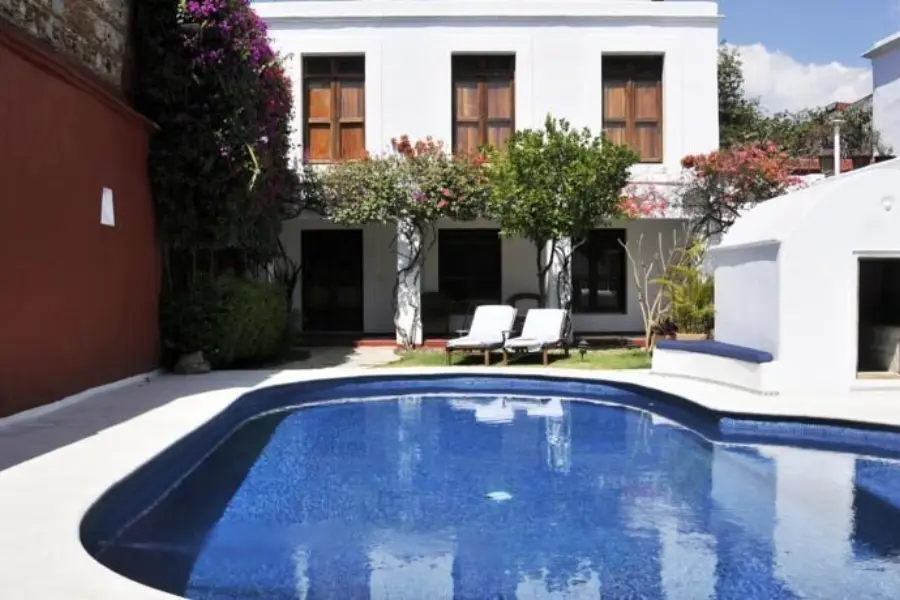
Casa Oaxaca is a boutique hotel in a traditional mansion that brings to life the stories and secrets of Oaxaca's past, present and future. Seven beautifully designed, distinctive rooms offer a unique experience with contemporary culture from Oaxaca. In the colonial architecture, you can see that the...
Casa Oaxaca is a boutique hotel in a traditional mansion that brings to life the stories and secrets of Oaxaca's past, present and future. Seven beautifully designed, distinctive rooms offer a unique experience with contemporary culture from Oaxaca. The colonial architecture sees the building's individual rooms built around an open-air terrace where you can enjoy local art and cheerful, regional vegetation.Enjoy the aromas of Oaxaca's peculiar spices, tantalising scents emanating from the kitchen and flooding the house with culinary traditions of Oaxaca.
Your stay: 3 nights
Hotel Bo
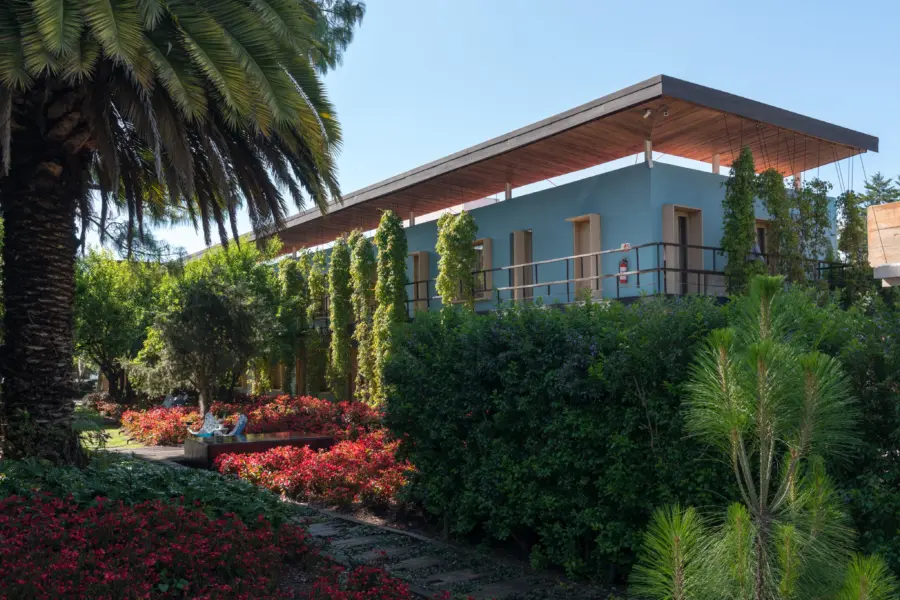
Hotel Bo is a boutique hotel with its own identity integrating the concept of a home and a hotel experience. In various languages of the region, the hotel's name means water. As in the traditional songs of the Chiapas region, the hotel showcases the 4 elements, water, fire, earth and...
Hotel Bo is a boutique hotel with its own identity integrating the concept of a home and a hotel experience. In various languages of the region, the hotel's name means water. As in the traditional songs of the Chiapas region, the hotel reflects the 4 elements, water, fire, earth and air. Hotel Bo completes your authentic experience in San Cristobal de las Casas from the unique way of reception to the hotel's secluded location and unexpected design.
Your stay: 3 nights
Boutique Hotel Quinta Chanabnal
Boutique Hotel Quinta Chanabnal is located three kilometres from the stunning Palenque archaeological site. The hotel has a traditional pre-Hispanic design with modern sophistication. The complex features two junior suites, five luxury suites and a presidential suite. The hotel's swimming pools are set amidst a...
Boutique Hotel Quinta Chanabnal is located three kilometres from the stunning Palenque archaeological site. The hotel has a traditional pre-Hispanic design with modern sophistication. The complex features two junior suites, five luxury suites and a presidential suite. Set amidst lush jungle flora, the hotel's swimming pools capture the atmosphere of the Mayan city of Palenque.
Your stay: 2 nights

Hacienda Campeche
A palette of richly chosen colours and an assortment of textures characterise the Hacienda Puerta Campeche. This luxurious hotel is a gem consisting of a collection of restored historic houses from the 17th century.
Experience a traditional lifestyle with modern luxury. Discover the beauty of this...
A palette of richly chosen colours and an assortment of textures characterise the Hacienda Puerta Campeche. This luxurious hotel is a gem consisting of a collection of restored historic houses from the 17th century.
Experience a traditional lifestyle with modern luxury. Discover the beauty of this colonial hotel, along with attentive, personalised service. From the swimming pool, with secret alcoves and open windows, you have a view of the outside world. Open the mahogany door and step onto the rust-coloured Mayan tiles of one of the 15 traditionally decorated rooms or suites. Fully restored while retaining original features but equipped with modern technology. Sink into the lovely mattresses or take a nap in the Mayan-style cotton-woven hammocks. At Hacienda Puerta Campeche, you can completely unwind.
Your stay: 1 night
Casa Lecanda
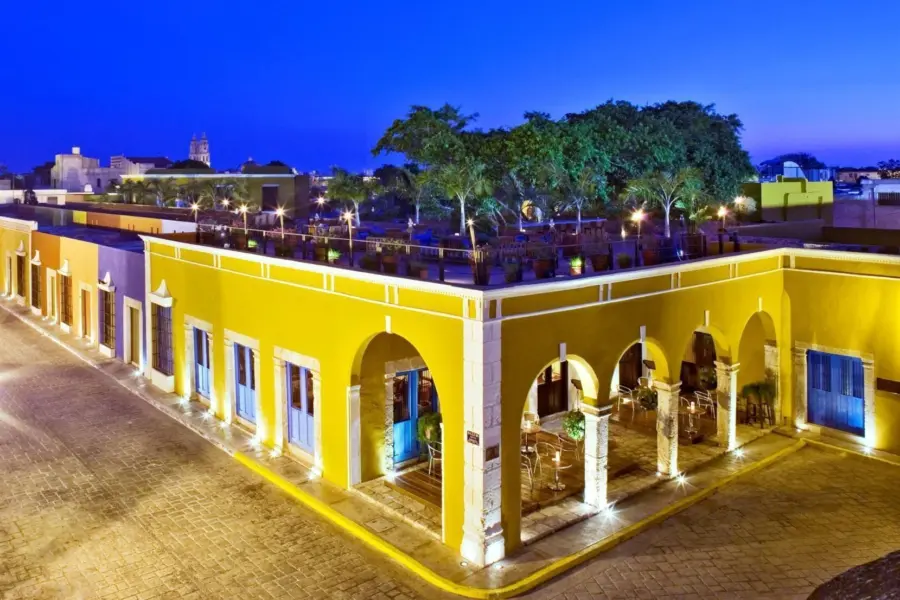
You will stay in a beautiful boutique hotel a short walk from the heart of Merida. Casa Lecanda is a source of tranquillity and untouched beauty in a beautiful colonial building equipped with contemporary comforts. Enjoy a wonderful extended stay in an oasis of tranquillity yet close to Merida's famous attractions....
You will stay in a beautiful boutique hotel a short walk from the heart of Merida. Casa Lecanda is a source of tranquillity and untouched beauty in a beautiful colonial building equipped with contemporary comforts. Enjoy a lovely extended stay in an oasis of tranquillity yet close to Merida's famous attractions. The small scale, highly personalised service and space patios within the hotel walls provide the ideal setting to experience Merida in the ultimate way.
Your stay: 2 nights
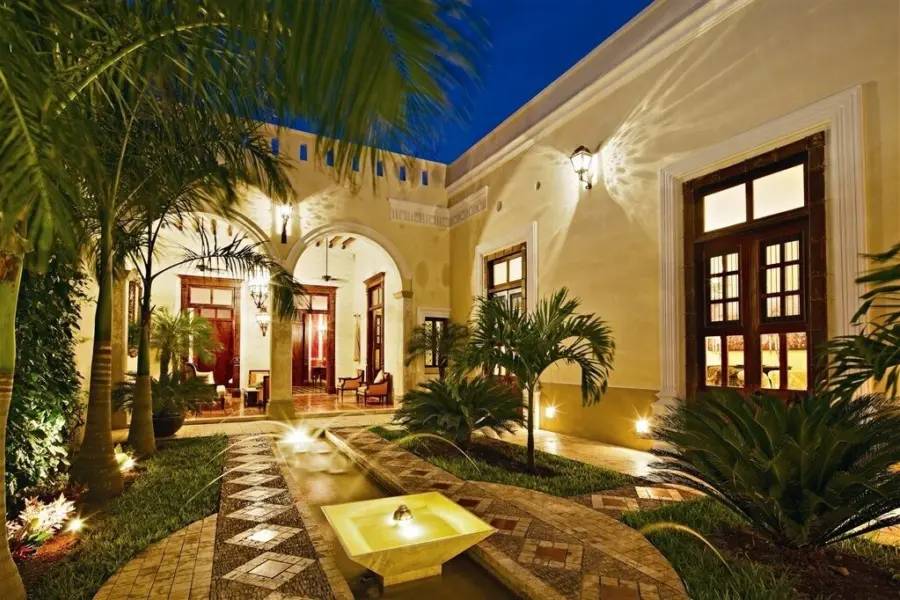
Radhoo Tulum
Radhoo Tulum is located near the town's lively main street and tranquil Tulum Beach. Nearby attractions include the Tulum Archaeological Site and the Parque Nacional Tulum. Air-conditioned rooms feature free Wi-Fi and private bathrooms, and some rooms offer terraces or views of the...
Radhoo Tulum is located near the town's lively main street and tranquil Tulum Beach. Nearby attractions include the Tulum Archaeological Site and the Parque Nacional Tulum. Rooms come with air conditioning, free Wi-Fi and private bathrooms, and some offer terraces or pool views. Dining options include a restaurant serving a variety of breakfast options. Leisure facilities include an outdoor pool, a garden and access to nearby beach clubs.
Your stay: 4 nights

Experiences
City tour Mexico City with anthropology museum
This excursion starts in Mexico City's historic centre at the central square "El Zócalo". Here you will also find the cathedral, which usually has a prominent location in the central square in Latin American cities. You will visit the National Palace and the Palace of Fine Arts. Across Reforma Avenue...
This excursion starts in Mexico City's historic centre at the central square "El Zócalo". Here you will also find the cathedral, which usually has a prominent location in the central square in Latin American cities. You will visit the National Palace and the Palace of Fine Arts. Along Reforma Avenue, you will drive to the Chapultepec park's residential area Las Lomas de Chapultepec to get a full impression of the world's largest city.
Mexico City's most recognisable landmark is the golden angel of independence that can be seen on the wide and elegant avenue called Paseo de la Reforma. Chapultepec park houses the eponymous castle, which today serves as a museum. From the castle, built on a hill, you overlook the park and its numerous museums, monuments, the national zoo and the National Museum of Anthropology which is particularly famous for its Aztec calendar stone. You will visit the museum in the afternoon.
Excursion Mexico City's Southern neighbourhoods
During this excursion, you will visit San Angel, located on the south side of Mexico City. With its narrow, cobbled streets and large colourful houses, it is sometimes hard to believe that San Angel is part of Mexico City. This may be due to the fact that until the 20th century, it was not officially part...
During this excursion, you will visit San Angel, located on the south side of Mexico City. With its narrow, cobbled streets and large colourful houses, it is sometimes hard to believe that San Angel is part of Mexico City. This may be due to the fact that it was not officially part of the city until the 20th century. You will wander around the central square a bit and learn more about the history of the area which was known as Tenanitla in pre-Hispanic times.
If you take this excursion on a Saturday, you can visit the "Bazar del Sabado", an arts and crafts market that brings people from all over the world to San Angel.
Next, continue to Coyoacán, where you will observe the colourful architecture. Sixty-seven buildings have been catalogued by INAH for their historical value.
We recommend having lunch (not included) at the Mercado Coyoacán. At this authentic market, sit back and let the refined Mexican flavours awaken your senses.
After lunch, visit the Church of St John the Baptist with its outdoor plaza where indigenous people used to listen to their priests' sermons in the open air.
You go to Frida Kahlo's Blue House. This is the house where Mexican painter Frida Kahlo was born and later died. Today, this is a museum dedicated to her life. Through a visit to her house, viewing her art and reading her words, you will learn more about an extraordinary woman who became an iconic figure both in Mexico and abroad.
Teotihuacan excursion
The ancient archaeological site Teotihuacán is about a 1-hour drive from Mexico City which in the ancient Indian language means "the birthplace of the gods". Your professional guide will take you to an area that echoes with the sound of Mesoamerican flutes whistling around the area. For a beautiful...
The ancient archaeological site Teotihuacán is about a 1-hour drive from Mexico City which in the ancient Indian language means "the birthplace of the gods". Your professional guide will take you to an area that echoes with the sound of Mesoamerican flutes whistling around the area. For great views of the city and valley of Teotihuacán, climb the 65-metre-high Pyramid of the Sun or the 43-metre-high Pyramid of the Moon.
Excursion Cholula
You take an excursion to Cholula, to the largest pyramid base in Central America on which a 16th-century church was built. Just seeing the photos will impress you with the beautiful overall picture. Your guide will take you exploring the city and on a clear day you can get phenomenal views....
You take an excursion to Cholula, to the largest pyramid base in Central America on which a 16th-century church was built. Just seeing the photos will impress you with the beautiful overall picture. Your guide will take you to explore the city and on a clear day you can get phenomenal views of the impressive Popocatepetl volcano.
Avila Experience - Cooking workshop Zapotec Family, Oaxaca
As a special guest, enjoy a regional cooking class and lunch at the home of a Zapotec family. A special experience where you will learn some secrets of Oaxaca's rich cuisine on a private basis with locals. Oaxaca is known worldwide for its fantastic food. Both Gourmet Magazine and the New York...
As a special guest, enjoy a regional cooking class and lunch at the home of a Zapotec family. A special experience where you will learn some secrets of Oaxaca's rich cuisine on a private basis with locals. Oaxaca is known worldwide for its fantastic food. Both Gourmet Magazine and the New York Times have praised this area of Mexico for having the most authentic food in Mexico.

Excursion Mezcal tasting and distillery
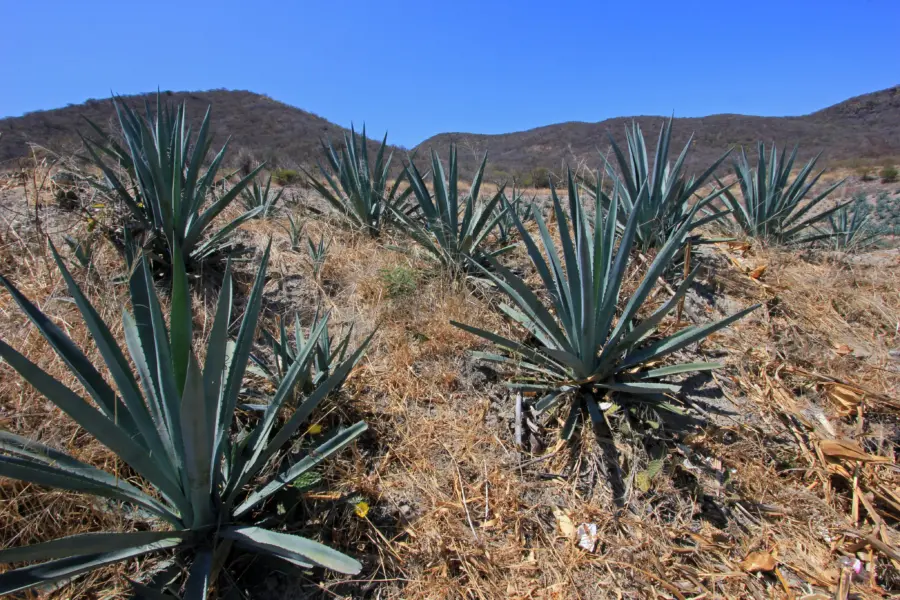
Mezcal, like Tequila, is a Mexican alcoholic drink made from Agave. During this full-day experience, you will go through the valley of Oaxaca to 3 different villages (pueblos) that produce top-quality Mezcal in simple but authentic distilleries.
Away from the beaten tourist path...
Mezcal, like Tequila, is a Mexican alcoholic drink made from Agave. During this full-day experience, you will go through the valley of Oaxaca to 3 different villages (pueblos) that produce top-quality Mezcal in simple but authentic distilleries.
Off the beaten tourist track, the 'mezcalerias' in San Dionisio Ocotopec, San Baltazar Chichicapam and Santa Catarina Minas produce high-quality mezcal using different distillation methods.
During your visit to the different producers, you will see how donkey power is still used in the fermentation process and learn about the different forms of distillation using traditional copper or pre-Colombian clay. Tasting a variety of mezcal, you will come to appreciate the broad and distinctive flavours of the drink, which are erormously dependent on the materials and distilling techniques used.
Along the way, you will have time to have lunch somewhere (not included). The guide can suggest some authentic and good restaurant options.
Avila Experience - cycling excursion San Juan Chamula and Zinacantán
You’ll embark on a cultural cycling tour through the Chiapas countryside. The excursion begins in San Juan Chamula, where you’ll visit the main church and the indigenous cemetery. You’ll then cycle the route to San Lorenzo Zinacantán. The route starts right through the centre of San Juan…
You will go on a cultural cycling tour along the "country side" of Chiapas. The excursion starts in San Juan Chamula where you will visit the main church and the indigenous cemetery. By bike, you will then cover the route to San Lorenzo Zinacantán. The route starts just through the centre of San Juan Chamula followed by a stone slope downhill. The tour takes about 1.5 hours over a distance of 10 kilometres.
After leaving the main road, you pass beautiful whispering pine forests before arriving at a stunning view of San Lorenzo Zinacantán. After a few nice photos from the excellent vantage point, you will descend further into the village to learn more about the history and traditions of the Maya and especially the inhabitants of this interesting town. Meet some locals and taste homemade tortillas and lunch at a Zinacantecan family's home. There you will also be asked if you wish to taste the local, home-brewed Aguardiente. A spirit distilled from sugar cane and corn. With a full stomach and feeling satisfied, you will then return to the hotel.
Excursion Yaxchilan and Bonampak
Your guide will meet you early at your hotel after which you will travel to your first stop, Bonampak. Bonampak has gained fame for its well-preserved murals. An ancient Mayan city from the 580s to 800s, you will walk and climb to the Temple of the Murals, where you will see the inside of three rooms...
Your guide will meet you early at your hotel after which you will travel to your first stop, Bonampak. Bonampak has gained fame for its well-preserved murals. It is an ancient Maya city from the 580s to 800s. You will walk and climb to the Temple of Murals, where you can view the inside of three rooms that have brightly coloured depictions of Maya life. These carefully restored murals show scenes of human sacrifice, wars, ceremonial blood loss and ritual dances. Your expert guide will help you decipher the painted scenes and explain how the Maya were able to create such bright colour tones by using natural materials.
Next, you will travel to Frontera Corozal (about 45 minutes), from where you will take a boat to get to the Mayan city of Yaxchilán. The boat goes down the Usumacinta River, which separates Mexico and Guatemala. During the 40-minute boat ride, you are likely to encounter people sitting on the banks fishing while children swim in the river. You may also come across various ornaments housed along the waterfront.
At Yaxchilán, you walk along a jungle trail that leads you to the main plaza. While watching out for the tree roots on the ground, you may just find a monkey swinging above your head, eager to guide you to the main plaza. With the guide, you will explore the archaeological site that was one of the most powerful Mayan cities along the Usumacinta during the late Mayan period. The strength of this city lies in the number of well-preserved and intricate structures, as well as the hieroglyphs and inscriptions found here that clearly tell its history. The guide will tell you more about the myths and legends of the site while the howler monkeys can also show their best side. You will return by boat to Frontera Corozal before travelling back to Palenque.
Tour Hacienda Sotuta de Peón
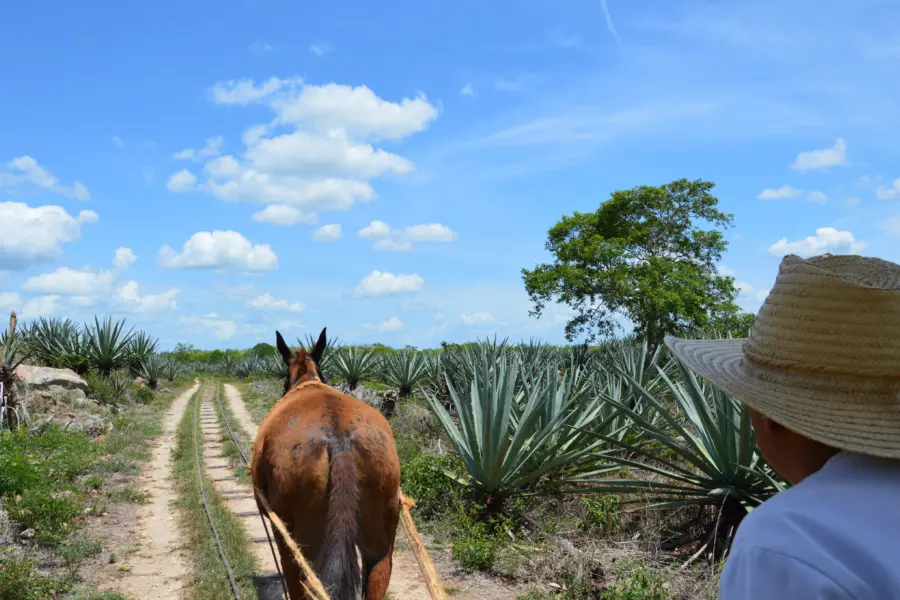
If you are curious about the work of a still-functioning Henequen hacienda where Henequen ropes are produced, Sotuta de Peon is a good option. Here, you can join a tour twice a day that introduces you to the production process, but a cart pulled by a horse will also take you through...
If you are curious about the work of a still-functioning Henequen hacienda where Henequen ropes are produced, Sotuta de Peon is a good option. Here you can join a tour twice a day that introduces you to the production process, but by horse-drawn cart you will also be guided through the fields, visit a maya house and take a refreshing dip in one of the infinite associated cenotes.
Cenotes
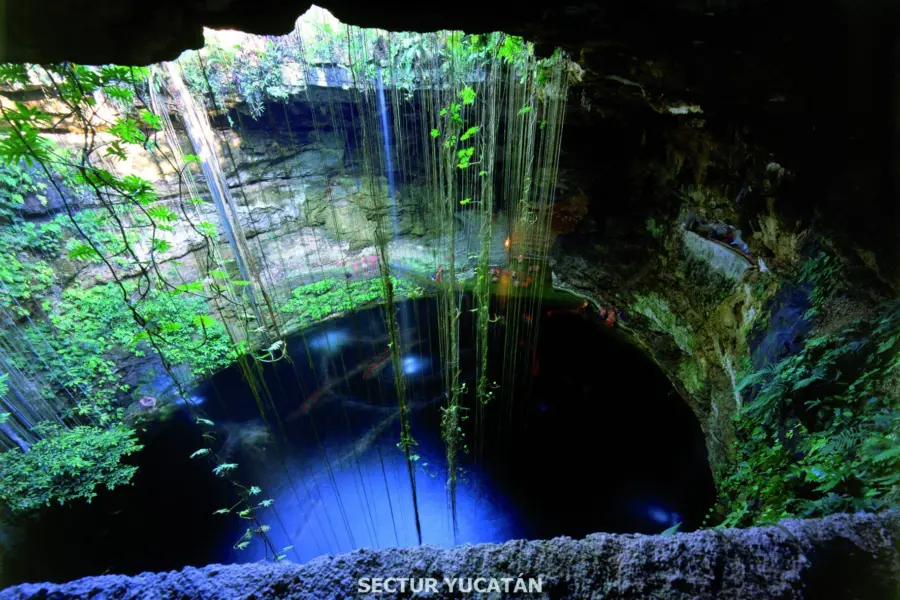
From several locations on the Yucatán peninsula, you can visit a Cenote. These are underground caves found specifically in this area. They are created by erosion of sea water into the limestone. In most cases, you can take a refreshing dip in the crystal-clear waters of the...
From several locations on the Yucatán peninsula, you can visit a Cenote. These are underground caves found specifically in this area. They are created by erosion of sea water into the limestone. In most cases, you can take a refreshing dip in the cenote's crystal-clear water. Each cenote has its own colour of water formed by the minerals and light. The colours can range from emerald green to turquoise blue. The cenotes are a true experience and not to be missed in any visit to Yucatán.
Destinations
Teotitlan del Valle
The picturesque village of Teotitlán del Valle is located in the beautiful Valles Centrales region, about 30 kilometres from Oaxaca. The town, founded in 1465 by the local Zapotec people, has a rich heritage that is still acclaimed today. Its famous, brightly coloured woollen carpets, handwoven and painted with local and mostly natural dyes, testify to a tradition rooted in the pre-Hispanic era; craft methods were passed down from generation to generation. With designs such as Zapotec hieroglyphics, imported Navajo art and reproductions of paintings by Picasso and Escher, the carpets are enchanting. The impressive 17th-century Templo de la Preciosa Sangre de Cristo is also a must-see.

Palenque
Palenque is renowned as one of Mexico’s most spectacular Mayan ruins. It is one of the best-preserved ancient Mayan cities and is famous for its highly refined architecture, sculptures and the many hieroglyphs left behind by the Mayans. The Pyramid of Inscriptions and the Great Palace are among the highlights of the complex.
As well as the ruins of Palenque, you can also plan a trip from Palenque to the ruins of Yaxchilan and Bonampak. Admire the well-preserved murals at Bonampak, which depict Mayan life and its associated rituals.


Celestun
Celestun is a quiet fishing village in the northwest corner of the Mexican state of Yucatán. It has an idyllic coastal location and its beautiful beaches are dotted with charming palapas (restaurants with thatched roofs), which offer an extraordinary variety of delicious seafood. Celestun is best known for its main tourist attraction, Reserva de la Biosfera Ria Celestun, a large coastal wetland reserve and wildlife refuge. The reserve provides a haven for more than 200 different bird species, including large flocks of flamingos, herons and pelicans. The area is also a breeding ground for endangered sea turtles. For those interested in history and culture, the beautiful abandoned historic Hacienda and the magnificent 19th-century lighthouse are worth a visit. Celestun is a delight to see at any time of the year, but if possible, try to visit during Mexico's "Holy Week", when local Mayan villagers flock to Celestun to celebrate the town's patron saint and take part in the lively festivities.
Tulum
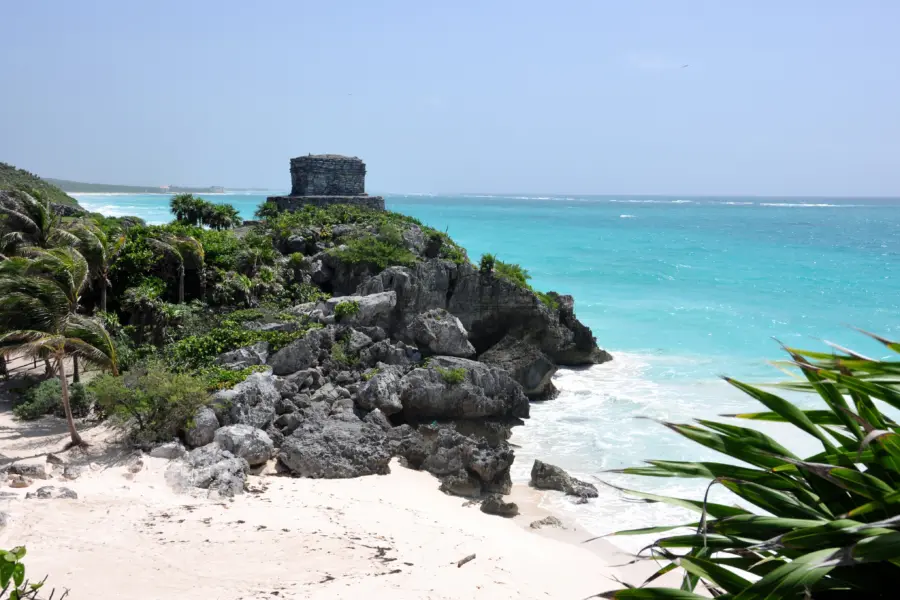
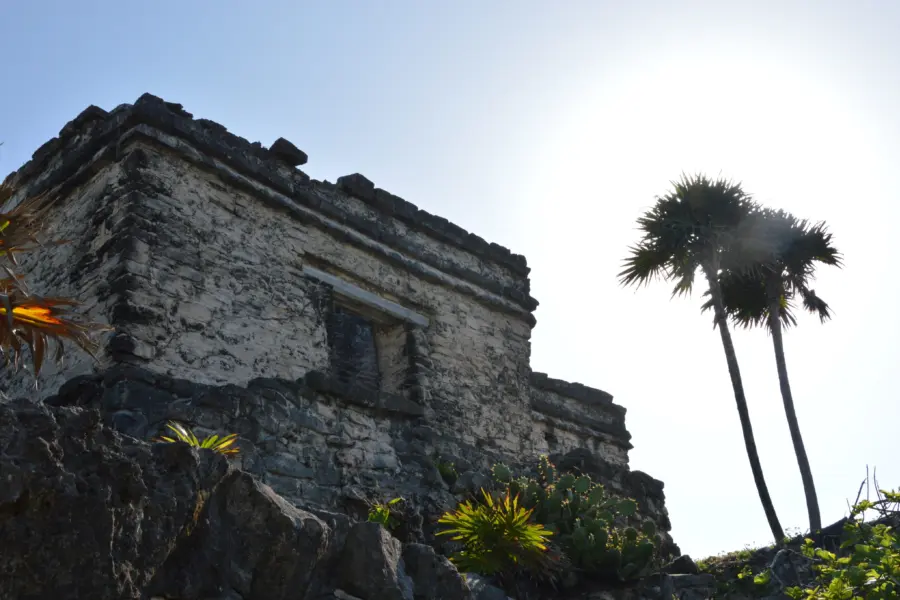
You will head to coastal Tulum, where you can find the only, well-preserved Mayan city right by the sea. The complex is built on top of a cliff which offers spectacular views. In and around the small village of Tulum are a number of accommodations, many of which focus on ecotourism. In the main street you can find different types of restaurants where you can eat, among other things, lots of fresh fish in the form of 'ceviches'. This is raw fish in lemon juice which in Mexico often consists of seafood. As a seaside resort, however, Tulum is nowhere near as developed as Playa del Carmen or Cancun and still has an intimate character. In any case, the beaches are beautiful and are also known as the most beautiful of the Riviera Maya. There are also plenty of opportunities for water sports enthusiasts as Mexico is great for snorkelling, diving, sailing and kayaking. Kite surfers can indulge at the Papaya Playa Project.
Chichen Itza
The Maya site Chichen Itzá is best known for the large Maya pyramid at the centre of the complex. This pyramid is often considered one of the new wonders of the world and an absolute must-see for any visitor to the Yucatan Peninsula. We recommend arriving at the Mayan complex early to get ahead of the crowds and heat. It is possible to visit the complex on your own. If you prefer a guided tour, you can hire a guide after paying your entrance ticket. These are certified guides.
Mexico City
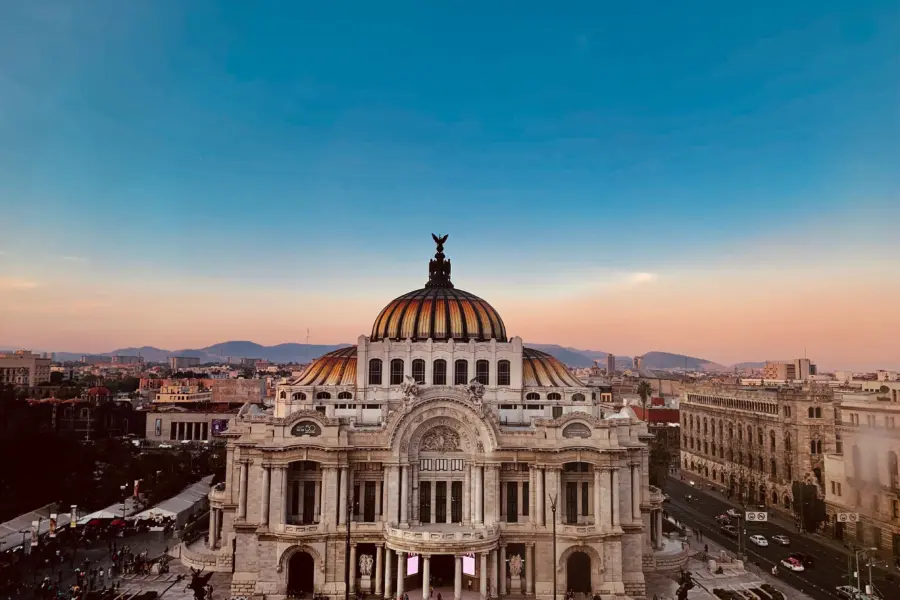
Mexico City, one of the world’s largest metropolises. Before the Spanish conquered ‘the New World’, the site of the current historic centre was home to ‘Tenochitlan’, the capital of the Aztecs. In 1521, the Spanish conquered and destroyed this city, building a new one on the ruins, modelled on Spanish standards. It became the capital of the Viceroyalty of New Spain. In the elegant Reforma district, you’ll find both colonial and contemporary architecture today. Be sure not to miss a visit to the Zócalo. This is one of the largest squares in the world and is dominated by the cathedral and the Palacio Nacional. In one of the corners, you can still find some remains of the most important Aztec temple complex. The square can be easily viewed from the terrace of the Hotel Majestic. The Palacio de Bellas Artes is regarded by many as the most beautiful building in the historic centre. Mexico City’s old town is a UNESCO World Heritage Site.
There is also plenty to see and do outside the historic centre of Mexico City. From magnificent ruins to impressive basilicas and perhaps even a dramatic serenade from a Mexican mariachi street band. With more than 5,500 stalls spread across seven sections, La Merced is one of the largest markets in the Americas and stands on the site of an Aztec market that existed before the Spanish conquest. It is very common for Mexicans to do their shopping at the market, and every neighbourhood has its own market, in addition to the large specialised markets.
Mexico City offers countless options for evening entertainment. Alongside the many restaurants, an increasing number of cosy cafés are also popping up. For true lovers of Latin American music, Bar León comes highly recommended. If you’re looking for a touch of authenticity, popping into a cantina is a great option (for example, El Nivel near the Zócalo). This is the Mexican version of a café where locals meet up for lunch or a drink together. Nowadays, guided tours can also be organised, taking you to various Mexican cantinas.
Mexico
Oaxaca
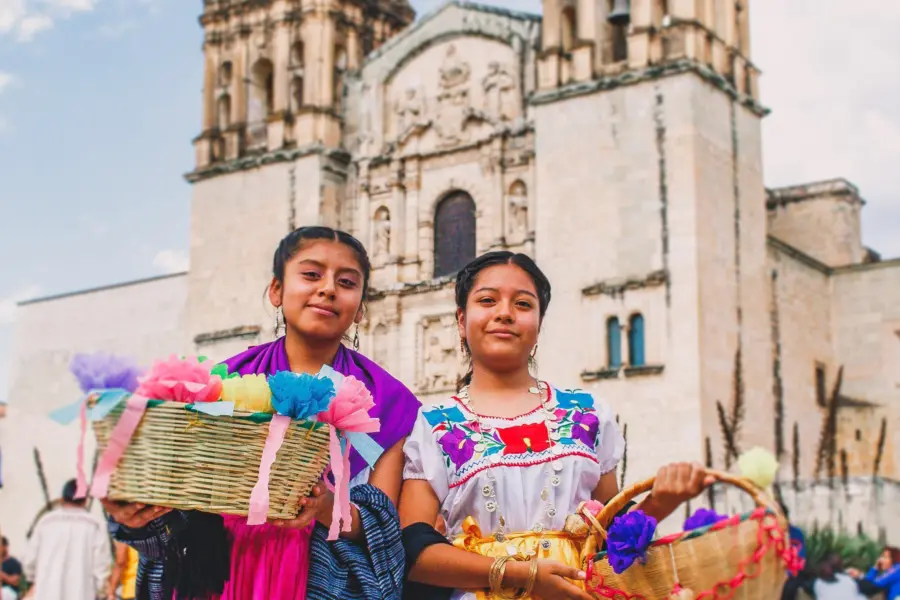
Oaxaca is one of Mexico's most beautiful colonial cities. The city is located in a green valley at an altitude of about 1,500 metres. There is a particularly pleasant atmosphere that is especially good to soak up around the Zócalo (main square). Here you will also find the imposing Santo Domingo church. Mexico's first Indian president Benito Juárez grew up in Oaxaca and his old residence is open to visitors today. Many people will not leave Oaxaca without having visited the pre-Columbian excavation Monte Alban just outside the city. This site was built by the Zapotecs and later taken over by the Mixtecs.
Campeche
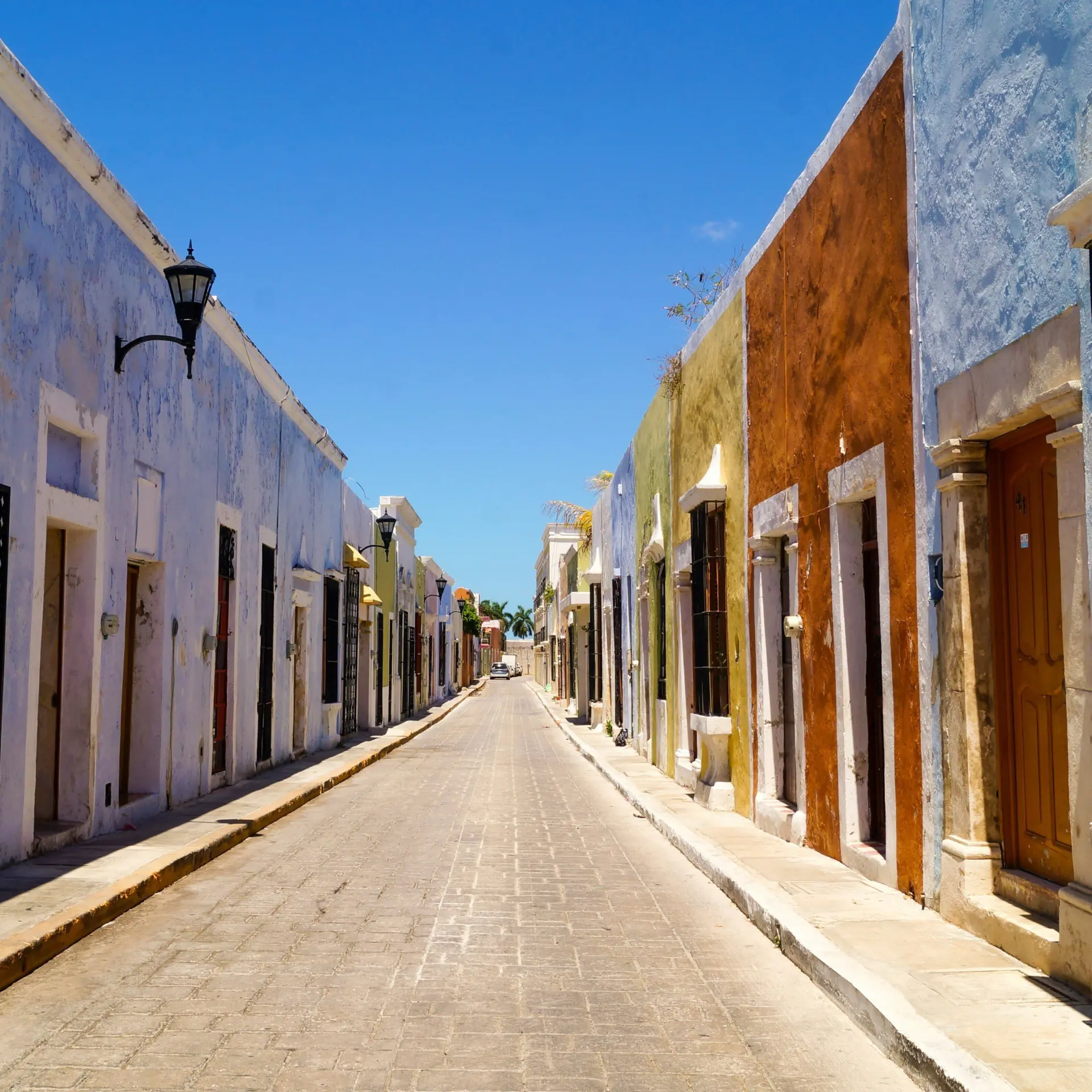
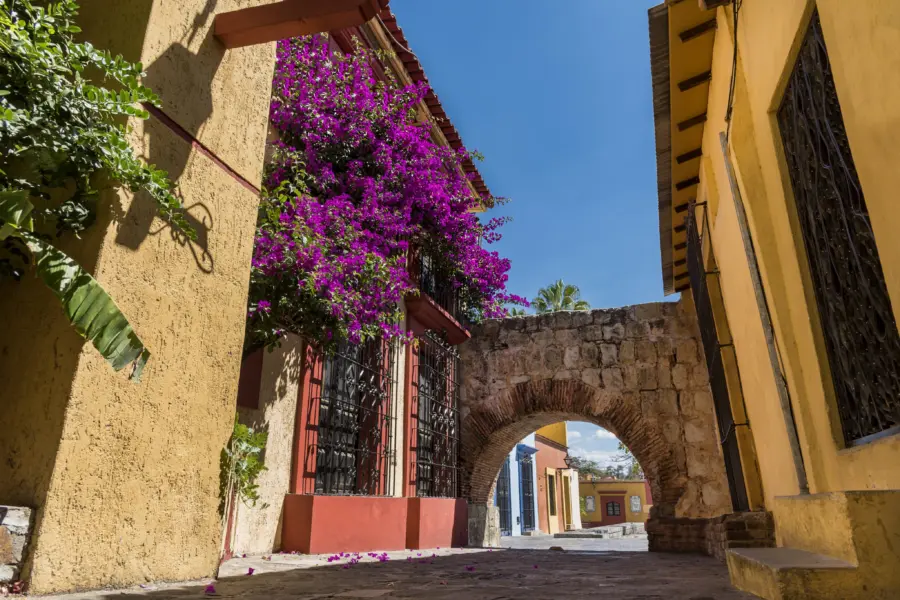
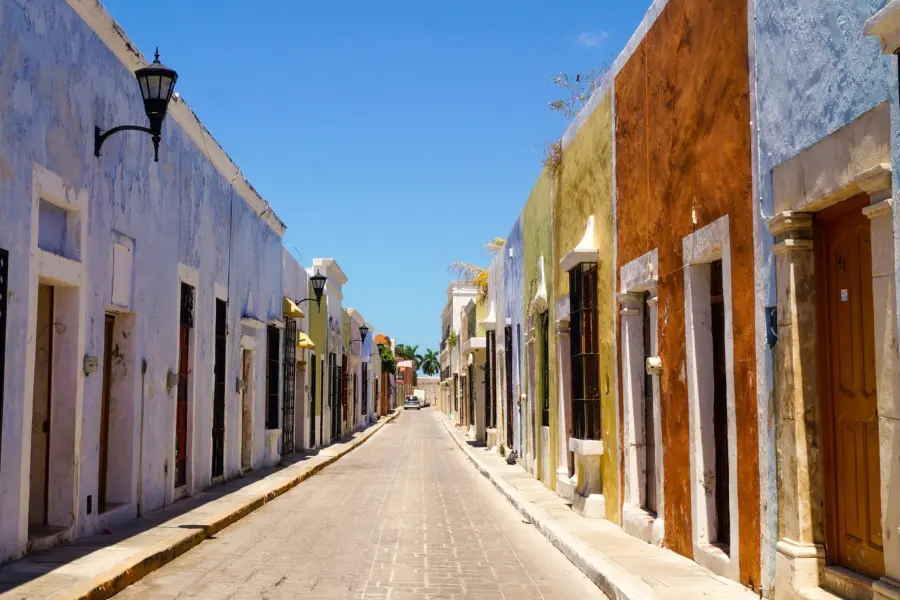
For years, Campeche, a former Maya fishing village, was a favourite target for pirates due to its convenient location. As a result, the city was looted and destroyed several times. As a result, in the late 17th century the city was filled with defences like no other in Mexico. The thick ramparts, forts and bastions have stood the test of time well and today are recognised as important cultural heritage. Together with the baroque downtown full of lively colonial houses, they form the city's main attraction today.
Merida
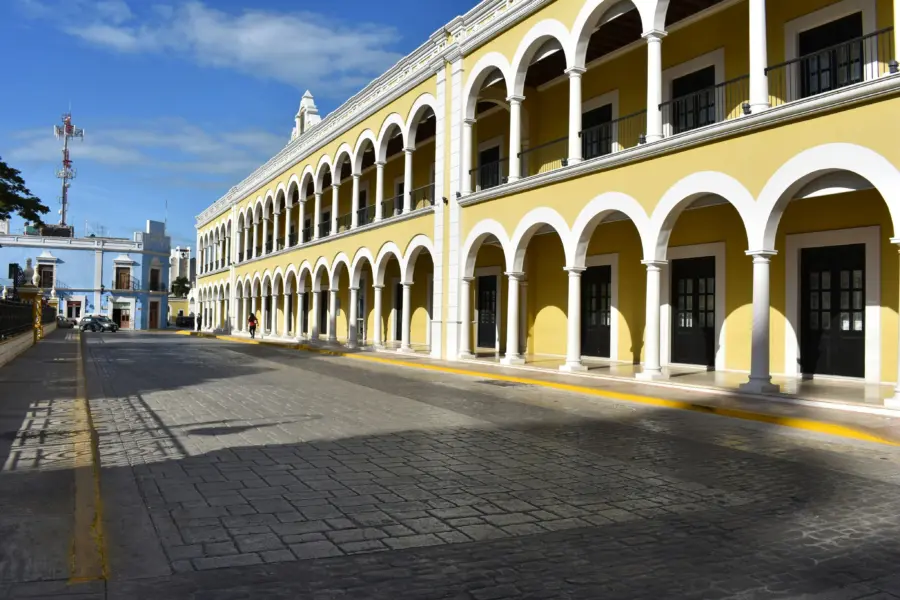
Mérida, also known as the ‘White City’ due to its whitewashed buildings, exudes a very relaxed atmosphere, and the wide avenues lined with colonial buildings have retained their authentic character well. Like most Spanish colonial cities, Mérida is built in a grid pattern around the central square. In the evenings and on Sundays, dance and music performances can be enjoyed outdoors in front of the town hall, the ‘Palacio Municipal’. The central square gradually fills up, and the locals not only showcase the best of local dance and music but also let you feel it.
To the north of the famous Calle 60, the ‘Paseo Montejo’ stretches for several kilometres. This avenue is also known as the ‘Champs-Élysées’ of Mérida and is lined with stylish mansions, most of which were built by Italian architects. At the end of this street stands the ‘Altar a la Patria’ (Altar to the Fatherland), a 20th-century monument designed by a Colombian architect. The monument features historical animals and figures alongside an eternal flame, symbolising Mexico’s independence.
Mérida, amongst other things, is known for its hammocks, which are available here in all colours and sizes. In Yucatán, Mexicans still use hammocks every day for sleeping. They are traditionally made from woven henequen, a plant that grows throughout Yucatán. Hats and bags are also made from this material. If you’re curious about how henequen is processed into rope and eventually turned into a hammock, then Hacienda Peón de Sotuta is well worth a visit.
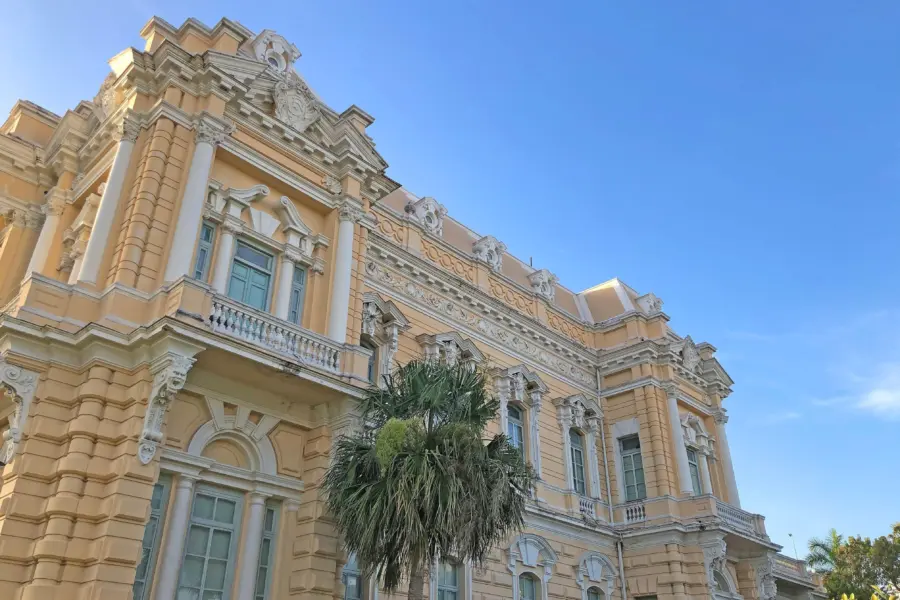
San Cristóbal de las Casas
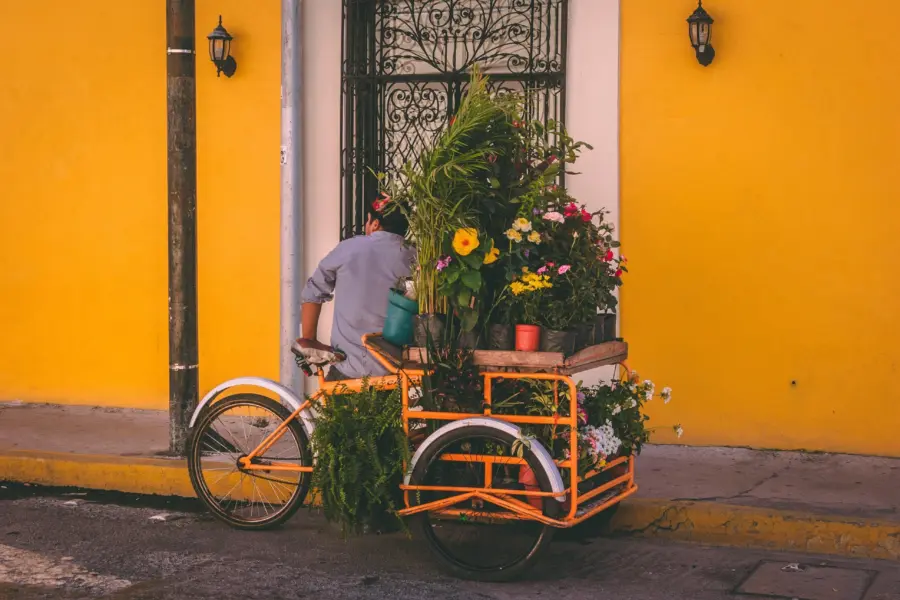
Located in the Chiapas region, San Cristobal de las Casas is a cosy colonial city with a mild mountain climate. The city of San Cristobal de las Casas is located in one of the most authentic regions of Mexico. In several villages in the immediate vicinity, such as Chamula and Zinacantan, ancient Mayan traditions are still kept alive. You can find a colourful Indian market somewhere every day of the week. There are also wonderful mountain hikes in this area or take a trip and boat trip through the Cañon del sumidero.


Chiapas
Bordering Guatemala to the southeast and the Pacific Ocean to the southwest, Chiapas is Mexico's southernmost state. This naturally beautiful region has mountainous highlands and lowland tropical rainforest dotted with beautiful Spanish colonial towns, pristine beaches, breathtaking waterfalls, beautiful aquamarine lakes, an active volcano and a predominantly Maya indigenous population. The impressive Maya archaeological sites of Chiapas are perhaps the main attraction. These include: the ancient ruins of Palenque, which contain some remarkable engravings and hieroglyphics and a serene forest setting; the smaller, but no less dramatic, twin sites of Yaxchilán and Bonampak; and Toniná with its steeply sloping main pyramid and macabre murals and statues. Other popular attractions include the spectacular Agua Azul waterfall park; and the colonial town of San Cristóbal de las Casas, which has a beautiful old centre and a lively market centre.
Puebla
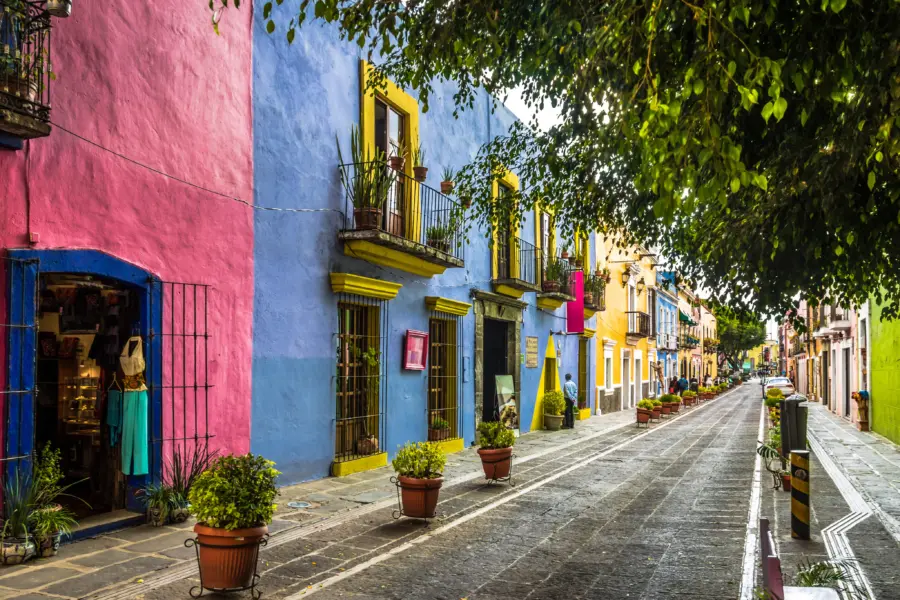
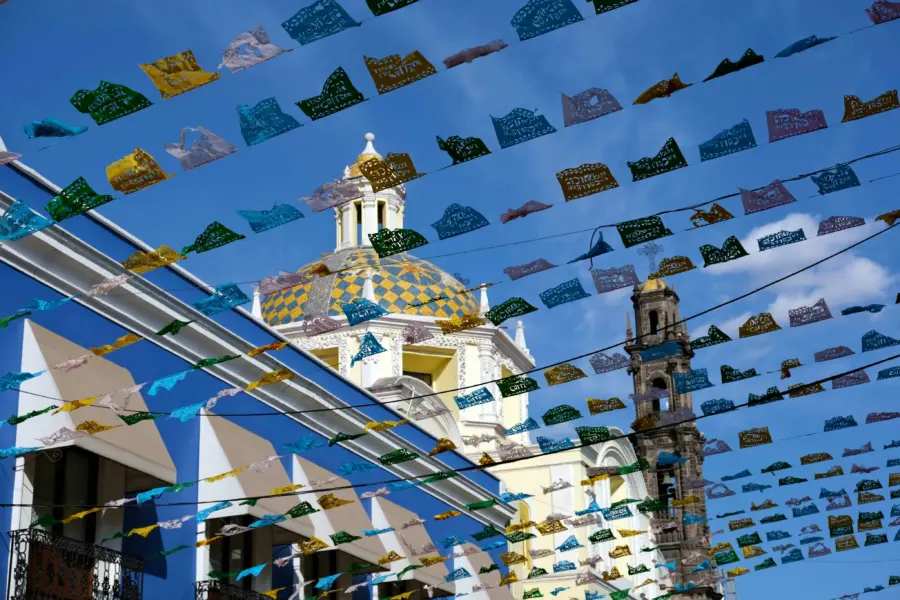
The city of Puebla, also known as Puebla de los Angeles, is located in east-central Mexico and serves as the capital and largest city of the eponymous state of Puebla. Called the 'city of angels', this prominent Spanish colonial city boasts elegant architecture. Puebla is known for its culinary history, thriving arts and nightlife and its impressive pottery, namely the famous Talavera tiles. Visit the city's well-preserved historic centre, a UNESCO World Heritage Site with many monasteries, a spectacular cathedral and more than seventy churches. Join a tile-painting workshop and taste some of Puebla's famous Mexican dishes. Above all, don't miss the breathtaking volcanoes just outside the city to the west, with the best views from the small town of Cholula.
Oaxaca State
The Oaxaca State, located in Mexico's southwest, is a famously diverse destination and arguably the best in the country for numerous reasons. The indigenous cultures here are many and are very much alive. Incredible fiestas, picturesque traditional villages, and ancient languages and customs await discovery. Nature lovers have an unusually lush landscape to explore of jungles and verdant hills, and the capital provides a modern hub of chic restaurants and top-notch clubs, set around a UNESCO-listed historic centre packed with impressive architecture. Must-sees include the Monte Albán archaeological ruins, which offer majestic views; the Pueblos Mancomunados settlements, decorated by sublime hiking trails; and the Pacific Coast beaches of Puerto Escondido (for surfing), Mazunte (for sunsets), and Zipolite (for nude sunbathing). Other highlights include legendary colourful markets, the gorgeous Hierve El Agua springs, and the fascinating Museo de las Culturas de Oaxaca.
Puebla State
Situated in East-Central Mexico, the State of Puebla is well known for its cultural riches, exciting culinary scene and captivating natural landscapes. The capital city, Puebla de Zaragoza, has been recognised as a UNESCO World Heritage Site due to its impressive historic attractions (make sure to visit the grand Forts of Loreto and Guadalupe, and the fascinating International Museum of Baroque Art). 'Mole poblano' and 'chiles en nogada' originate from this state, and can be enjoyed at a wide range of restaurants and eateries. Nature lovers and explorers should head to Cuestzalan to see the waterfalls, and Chignahuapan to enjoy the hot springs. The state is also home to two remarkable reserves, namely Popocatépetl National Park (where the active volcano of the same name is situated) and the unique and cactus-filled Tehuacán-Cuicatlán Biosphere Reserve, inhabited by jaguars, ocelots, cougars and jaguars.
Yucatan Peninsula
The Yucatán Peninsula is a multifaceted gem in the realm of dazzling travel destinations. Tucked away in Mexico's southeastern corner, it spans three Mexican states-Yucatán, Quintana Roo, and Campeche-as well as parts of Belize and Guatemala. Stepping onto this historic canvas, you'll encounter the haunting echoes of a rich Mayan heritage, seen in awe-inspiring Chichen Itza and Tulum ruins. Along the Caribbean coast, translucent waters beckon with opportunities for snorkelling, diving, and sun-soaked relaxation. Cenotes, mesmerising natural sinkholes formed by collapsed cave systems, dot the landscape, inviting refreshing swims and cave exploration. Quintana Roo takes the spotlight as a tourism hotspot, home to Cancún, Tulum, and Playa del Carmen, where pristine beaches meet vibrant nightlife. In Mérida, the charming capital of Yucatán state, colonial architecture and bustling markets offer immersive cultural experiences.
Chemuyil
Situated along the sunlit coastline of Mexico's Riviera Maya, Chemuyil is a charming village surrounded by verdant tropical forests and shimmering cenotes. This tranquil retreat is ideally positioned near the ancient ruins of Tulum, providing a glimpse into its Mayan heritage. The village is celebrated for its natural beauty, featuring pristine beaches and sparkling lagoons. The calm Caribbean waters resemble a serene pool, making it perfect for swimming and snorkelling. Underwater explorers can marvel at vibrant coral reefs and a diverse marine ecosystem, including colourful fish, manta rays, and the occasional sea turtle. In addition to water-based activities, Chemuyil is a gateway to the Xunaan-Há cenote, a stunning natural wonder ideal for swimming. Less than an hour away, the Sian Ka'an Biosphere Reserve, a UNESCO World Heritage site, offers breathtaking landscapes and a rich array of wildlife within its tropical forests and wetlands.
Mexico trip | Complete round trip Mexico
We offer the described trip from €9,325 per person.
The tour price is an estimate and is subject to factors including availability and travel dates.
Included
• Domestic flight as mentioned in the ‘itinerary’
• 21 nights’ accommodation in excellent and distinctive properties
• All meals as specified in the ‘itinerary’
• Hire car, Nissan Kicks or similar model, including insurance and excess waiver
• All necessary private transfers as mentioned
• All excursions as mentioned in the ‘programme’, including visits to Coyocán and San Ángel, Teotitlán del Valle with a cookery workshop at a local Zapotec family’s home, and visits to the Mayan ruins of Palenque and Chichén Itzá
• Meet and greet on arrival
• Entrance fees for scheduled excursions
• Booking fees (worth €50)
Positive impact of your trip:
• A contribution of €50 per person towards positive impact via the Avila Foundation
• Hand-woven rugs & cooking workshop with a local Zapotec family
• Cycling excursion in Zinacantán and lunch with a local family
• Cycling tour to the local villages of Acanceh and Homún
Not included
• Intercontinental flights
• Room category upgrade
• Travel and/or cancellation insurance
• Seat reservations
• Local car hire charges, such as administration fees, GPS, parking fees, tolls and fuel
• Personal expenses/tips
• Meals not specified and optional excursions
• Contribution to the Calamity Fund (€2.50 per booking)
• SGR contribution (€5 per person)