
 en


- Boutique
- 17-day trip
- From €5,200 p.p.
Bolivia trip | Round trip Bolivia
This beautiful Bolivia trip will introduce you to all the country's highlights! You will start in eastern Bolivia, in the city of Santa Cruz, after which you will travel on to the beautiful white city of Sucre. A great place to explore Bolivian culture, as you stroll through charming pebbled streets and admire the beautiful colonial architecture. Next stop is a visit to Potosí, once the richest city in the world because of the silver mine found here. The city still bears traces of its former wealth. You will visit the still-operating Cerro Rico silver mine here, where you will get a good idea of the hard work done here. Via the southern town of Tupiza, you travel on to the Salar de Uyuni; a fantastic expanse of salt flats. On an amazing multi-day excursion, you will explore the extraordinary world of Uyuni and the Bolivian Plateau, full of colourful lagoons, pink flamingos, stone trees, cacti and dazzling white salt. Via the city of La Paz, one of the highest cities in the world, you travel on to the spectacular Lake Titicaca. Here you will visit Isla del Sol island and have time to relax. From Santa Cruz, you will return to the Netherlands.
Travel programme
Travel overview
- Day 1 Start of your journey
- Days 2–4 Journey to Sucre
- Day 5 Journey to Potosí
- Day 6 Potosí mining tour
- Day 7 Journey to Tupiza
- Day 8 Multi-day Salar de Uyuni adventure
- Day 9 Bolivian Plateau
- Day 10 Last day in Uyuni
- Day 11 – 12 La Paz city tour
- Day 13 Journey to Lake Titicaca
- Day 14 Boat trip on Lake Titicaca
- Day 15 Return to La Paz
- Day 16 Journey to Santa Cruz
- Day 17 End of your trip
Start your journey
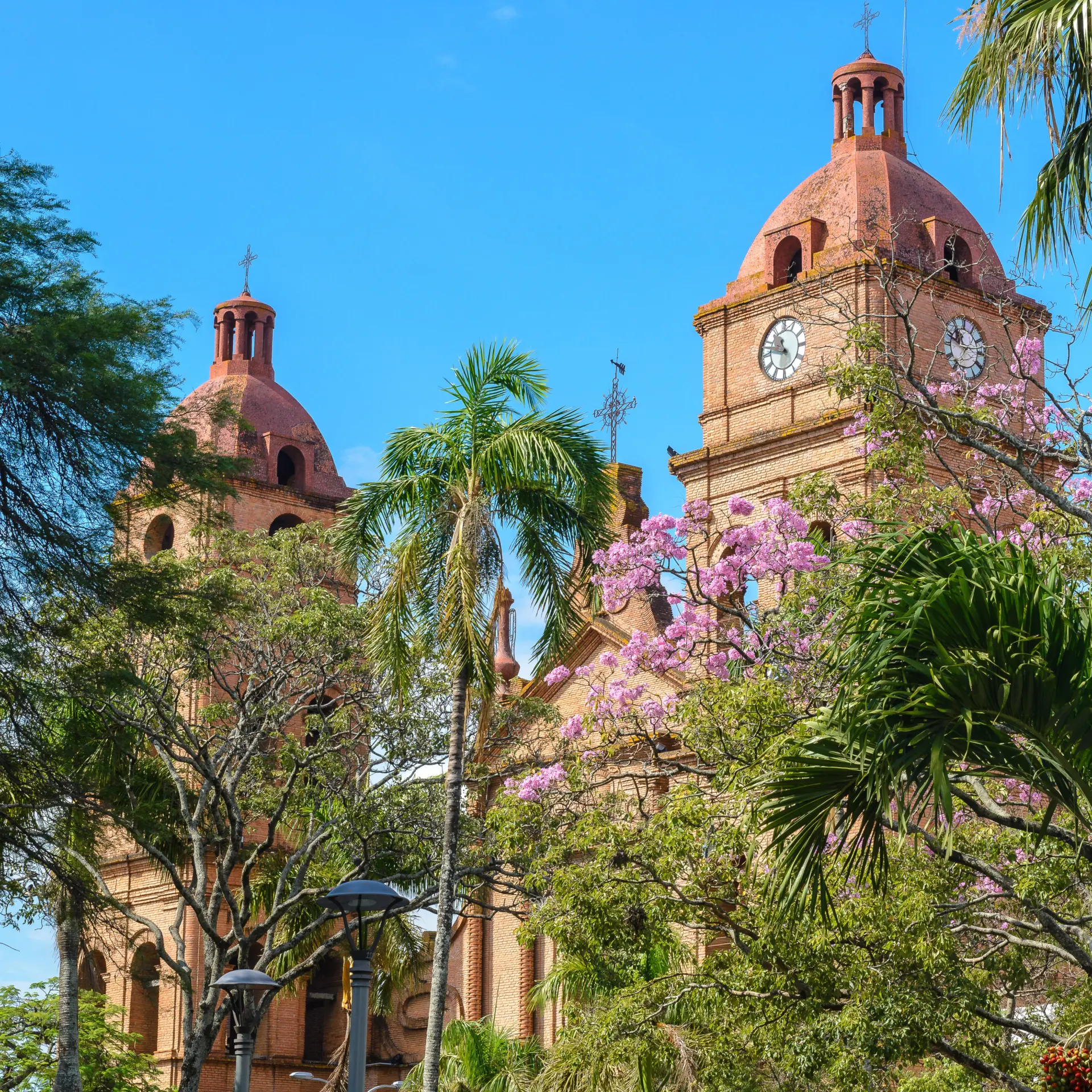
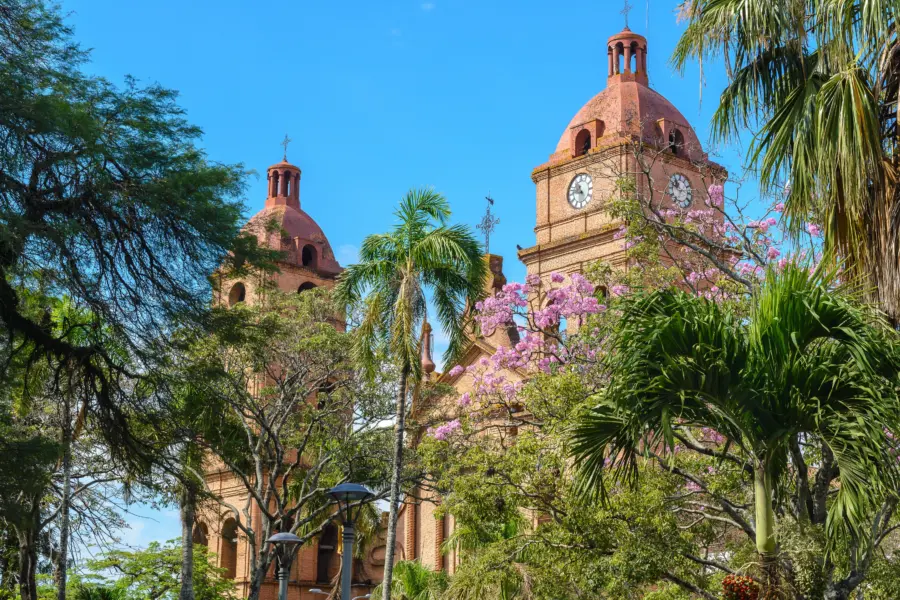
Welcome to Bolivia! After arriving at Santa Cruz airport, you will be warmly welcomed by a local representative. This is followed by your private transfer to the hotel, where you can recover from the flight and calmly acclimatise. Santa Cruz, located in the tropical lowlands of Bolivia, offers a relaxing start to your trip with a pleasant climate, atmospheric squares and a mix of colonial charm and modern vibrancy. In recent years, Santa Cruz has grown into a city of more than 1.5 million inhabitants and consists of several layers, so to speak, where Casco Viejo is the inner layer and where the old city centre is located.
Inclusief:
- Meet & Greet at the airport
- Private transfer to hotel
- Overnight accommodation including breakfast
Exclusief:
- Intercontinental flight
Travel to Sucre
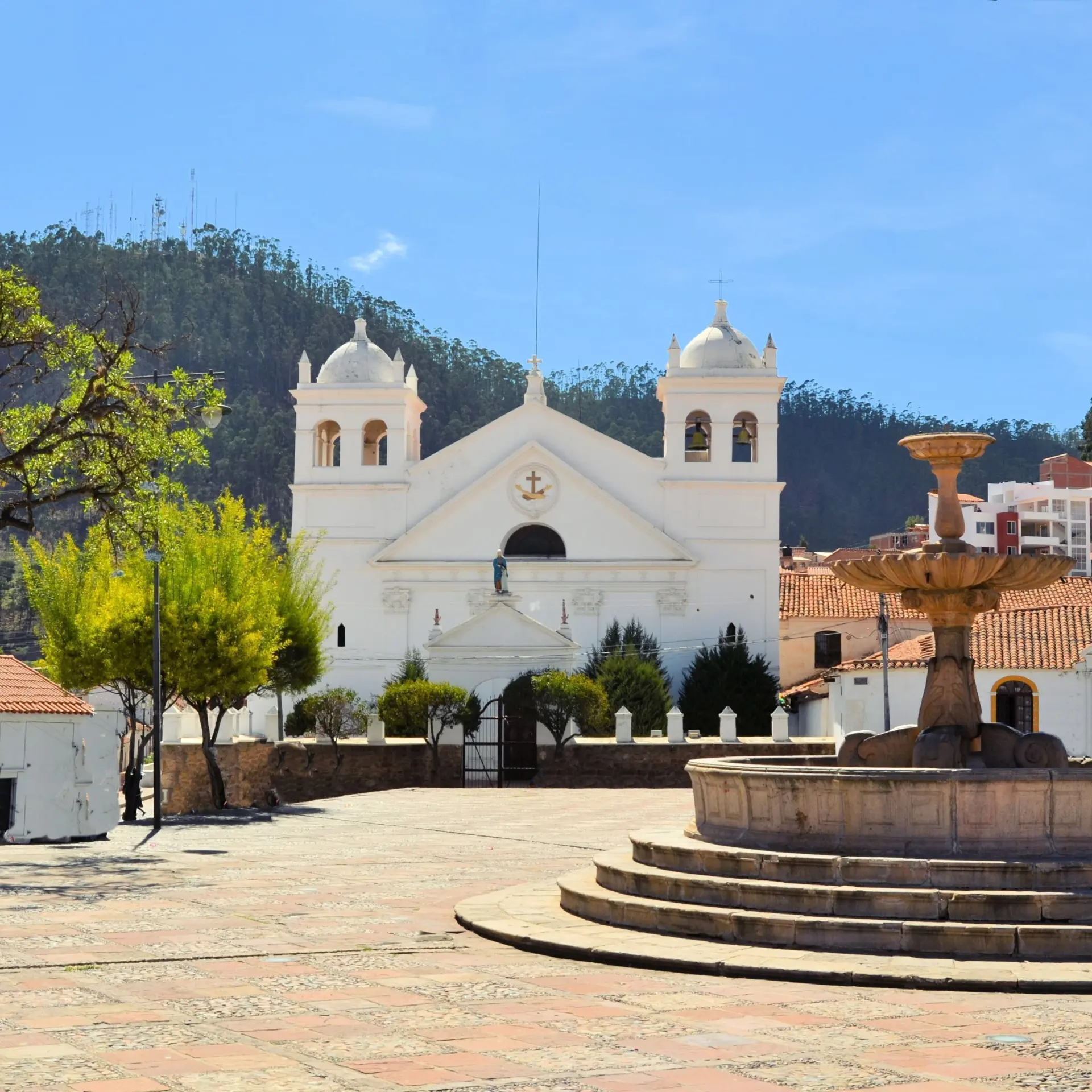
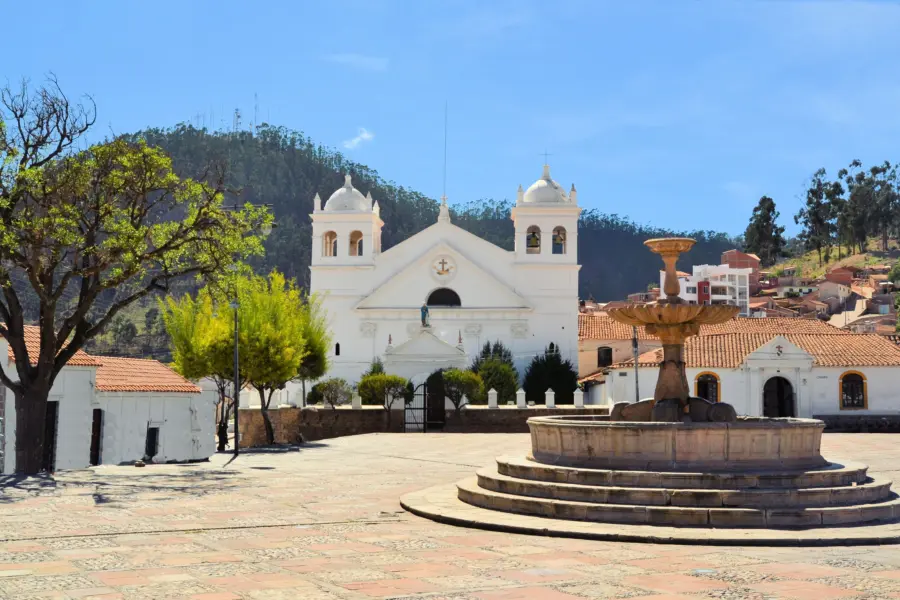
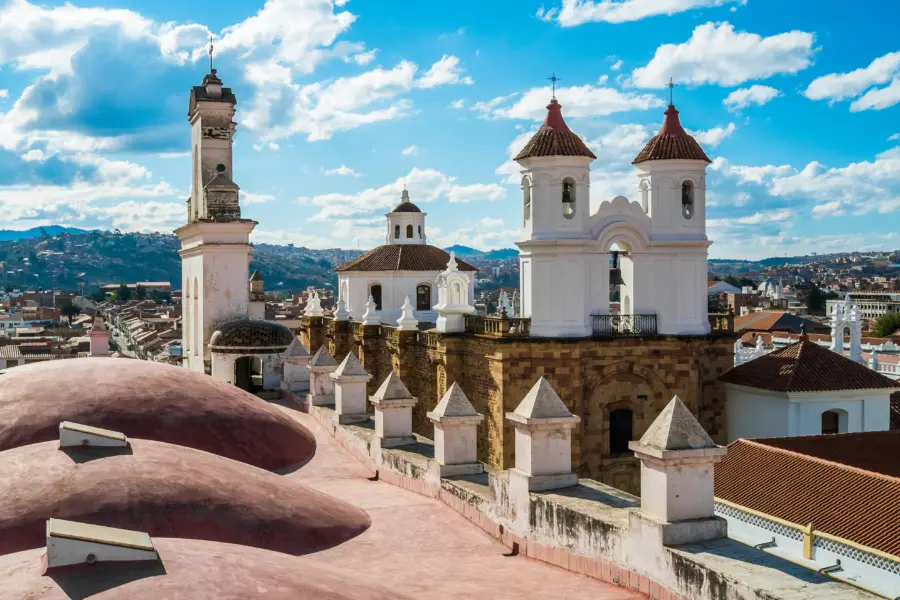
You’ll travel by private transfer to the airport, from where you’ll take a domestic flight to Sucre. Sucre, officially the constitutional capital of Bolivia, enchants visitors with its white colonial buildings featuring characteristic red roof tiles and numerous historic monuments. It is without doubt one of the most beautiful cities in Bolivia. From the Recoleta Monastery, you’ll enjoy a stunning panoramic view of the city. Just outside Sucre, you can admire impressive fossilised dinosaur tracks; minibuses depart for this from the city’s central square.
During your stay in Sucre, you’ll go on a private tour of the city. You’ll start at the La Recoleta viewpoint and the historic Pedro Anzures square, followed by a visit to the ASUR Museum, where traditional textile art from the Tarabuco, Jalq’a and Tinquipaya cultures is on display. You will then stroll past charming colonial streets and churches, including San Lázaro and Santo Domingo, towards the central square, 25 de Mayo, and the Casa de la Libertad, the site where Bolivia declared its independence. In the afternoon, you’ll visit the main cemetery, where numerous historical figures are buried. Along the way, you’ll also pass iconic buildings such as the Santa Bárbara Hospital and the Mariscal Sucre Theatre. The tour concludes with a magnificent view from the terrace of the San Felipe de Nery Church, after which you’ll return to your hotel.
You will also visit a local market in the Sucre area, such as Jatum Yampara, a cultural centre where you will discover the rich indigenous traditions, crafts and way of life of the Yampara community.
Inclusief:
- Private transfer to the airport
- Domestic flight Santa Cruz - Sucre
- Private transfer to your hotel
- Private excursion: City tour of Sucre including English-speaking guide
- Private excursion: Visit to a local market including English-speaking guide and lunch
- Overnight stays including breakfast
Travel to Potosí
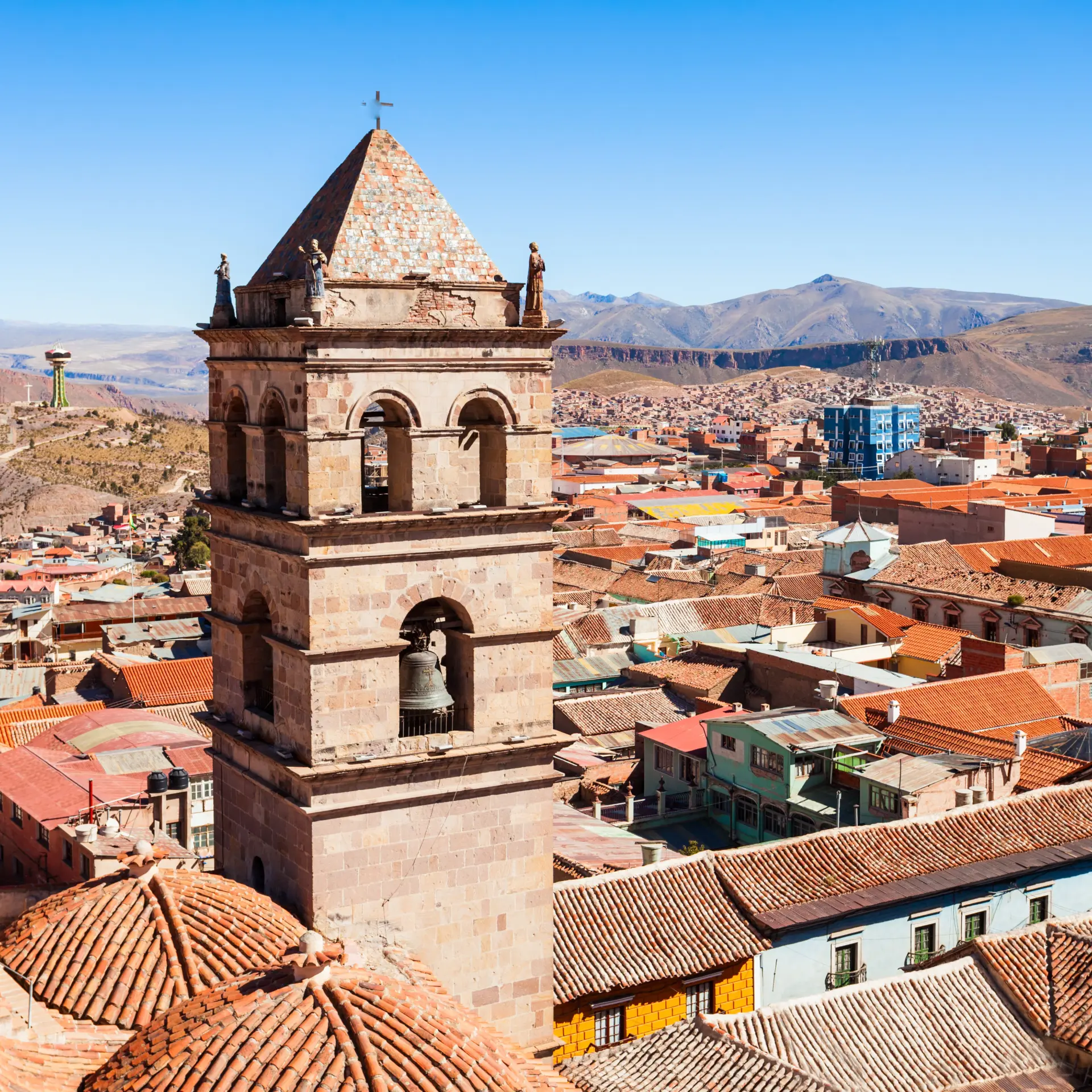
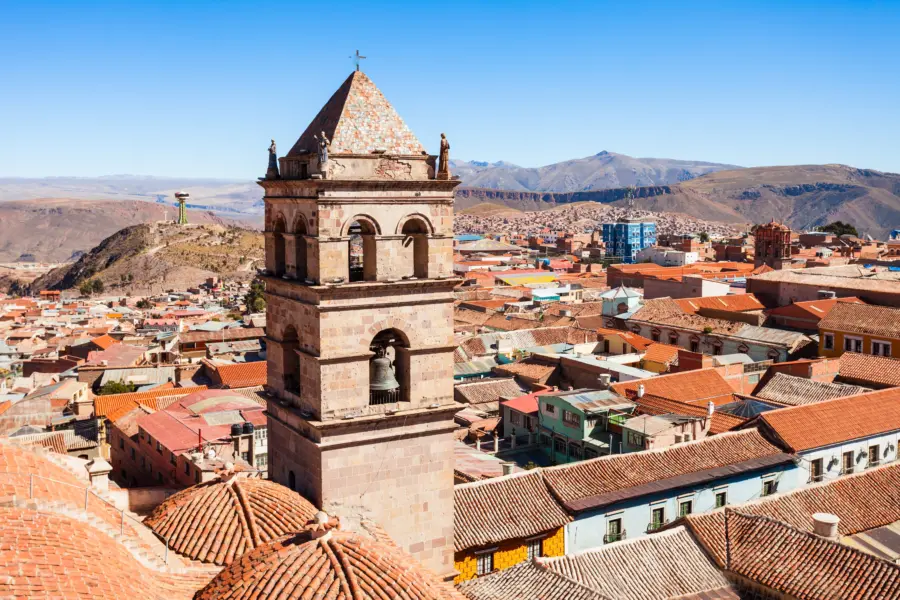
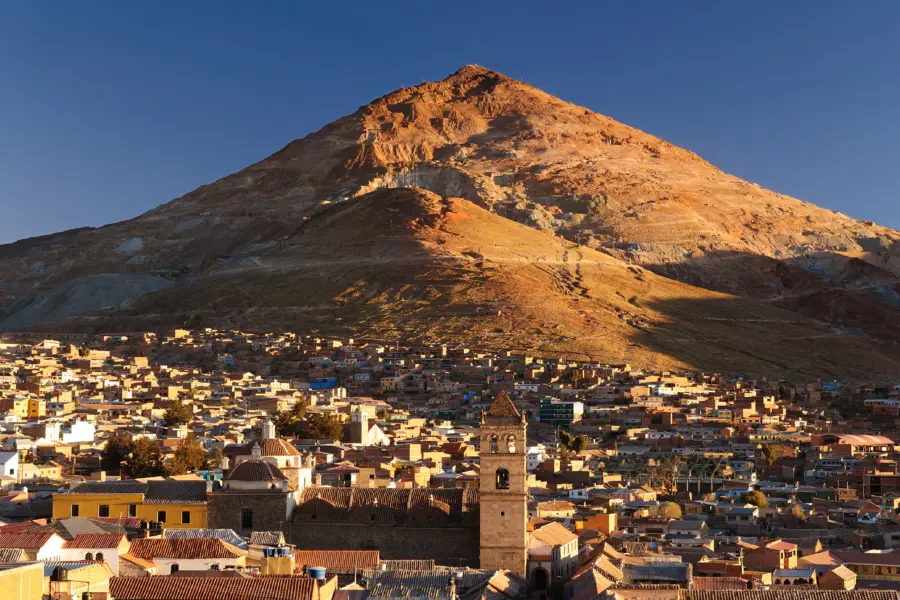
You’ll travel to your next destination, Potosí, by private transfer. This historic city owes its origins to the vast silver veins in the famous ‘Cerro Rico’, the ‘rich mountain’, which rises right next to the city. The discovery of silver in the 16th century made Potosí one of the richest and most influential cities in the Spanish colonial empire. The prosperity derived from silver is still evident in the city’s impressive colonial architecture, with beautiful old houses, imposing churches and elegant temples that bear witness to its glorious past. Although the silver mines are still active, the focus today is more on the extraction of zinc and lead. Yet every miner’s dream remains alive: the discovery of a new silver vein that could breathe new life into Potosí’s mythical past.
During your stay, you’ll have the chance to learn more about the mining traditions and the hard life of the miners, who continue to play a crucial role in the life of the city to this day.
Inclusief:
- Private transfer to your accommodation
- Overnight accommodation including breakfast
Potosí mining excursion
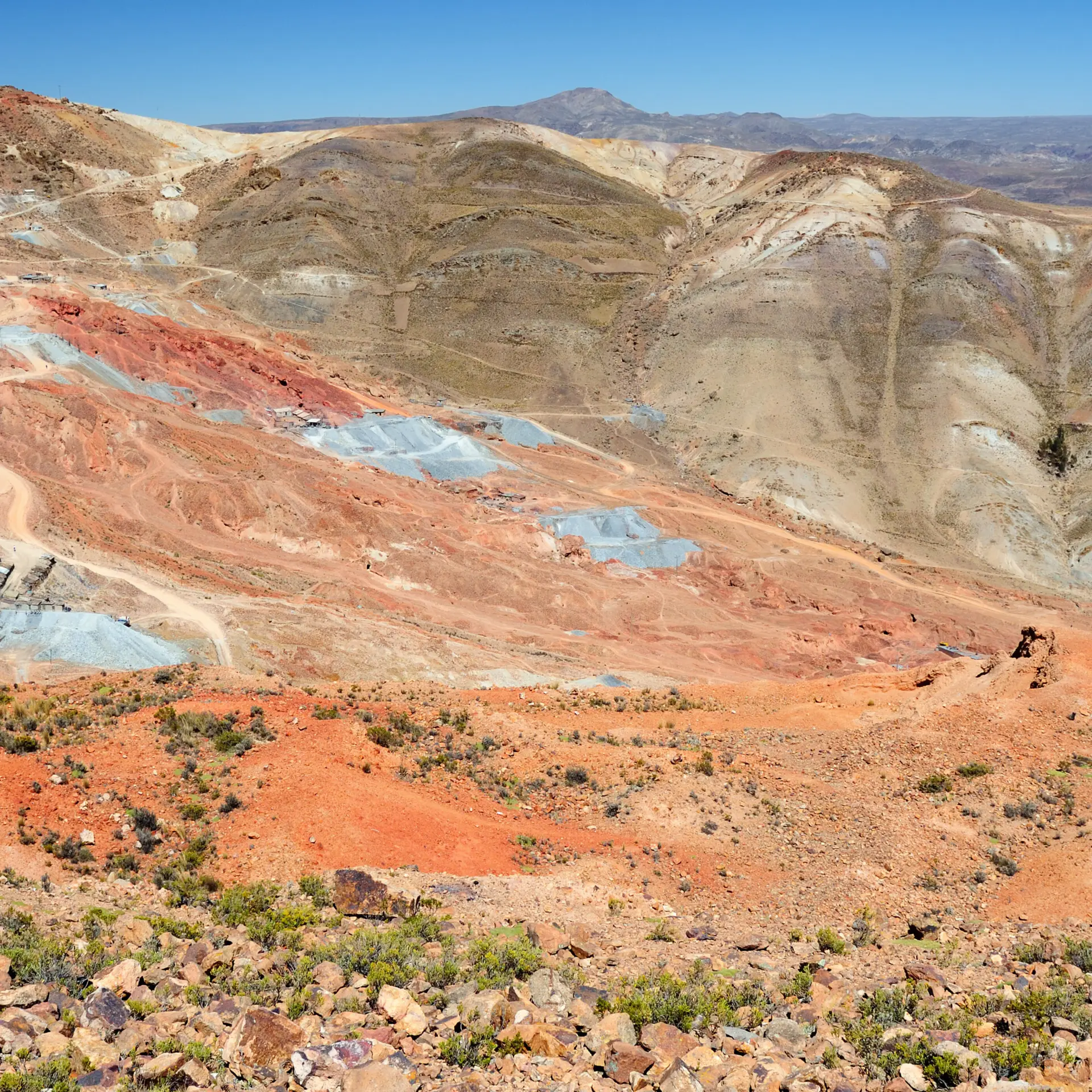
On a special excursion, explore the legendary silver mines of Potosí. This adventurous tour will give you a penetrating and realistic view of the daily life of the miners. Accompanied by experienced guides, you will descend into the ancient tunnels and corridors of 'Cerro Rico', where you will see the miners actually at work, engaged in the arduous and dangerous craft that has defined the lives of the local people for centuries. You will get an insight into the working conditions, the techniques used and the rituals that are part of mining life. This excursion offers not only a unique experience, but also a deeper appreciation of the strength and perseverance of the people who earn their living here.
Inclusief:
- Private excursion: visiting mines of Potosí with English-speaking guide
- Overnight accommodation including breakfast
Travel to Tupiza

You will travel on to Tupiza, a true paradise for nature lovers. This charming town is idyllically situated in a green valley along the river of the same name, the Río Tupiza. Surrounded by impressive, towering red rock formations, Tupiza offers a breathtaking and unique landscape that invites exploration and adventure. Like Potosí, Tupiza is strongly linked to the region's natural resources. The town lives from both agriculture and mining, with traditional life still very much evident in the daily rhythms of the locals here.
Inclusief:
- Private transfer to your hotel
- Overnight accommodation including breakfast
Multi-day Salar de Uyuni adventure

You’ll embark on an impressive 3-day jeep tour through one of the most otherworldly landscapes in the world: the Salar de Uyuni and the spectacular natural wonders of south-west Bolivia. This unique journey takes you past a series of iconic and fascinating sites, including the endless Uyuni salt flats, the brightly coloured lakes such as Lago Colorado and Lago Verde, the bizarre rock formations in the Dali Desert and the smoking volcanoes of the Andean highlands. Every day is different and reveals a new array of wonders: vibrantly coloured lagoons teeming with flamingos, bubbling geysers, thermal baths and rocks that appear to have been sculpted by the wind.
The mineral-tinged waters and rocks, the silence of the vast salt flats and the constant presence of dramatic mountain landscapes make this region one of the most surreal and photogenic destinations in the world.
Inclusief:
- Full-board accommodation including transfers and excursions
Bolivian plateau
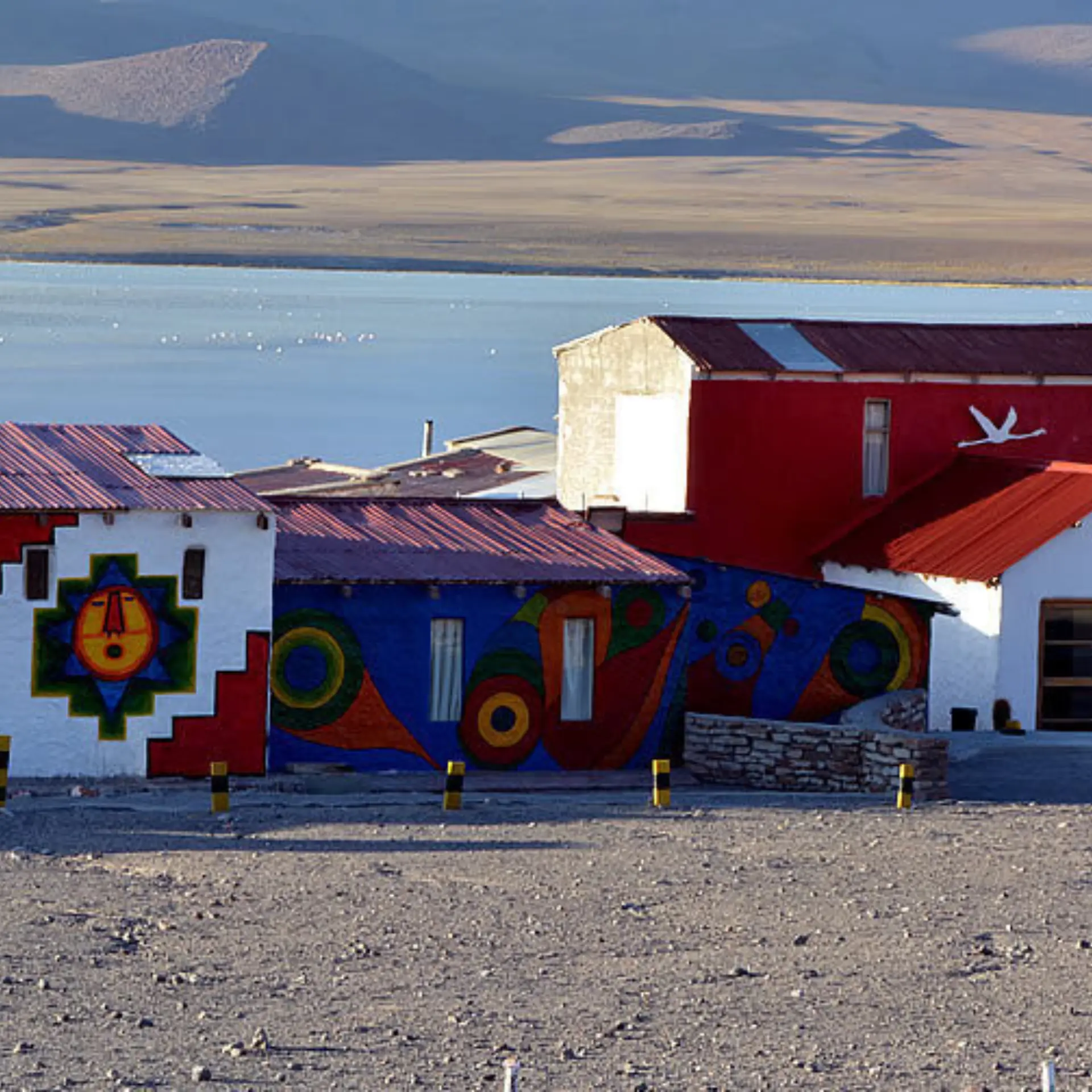
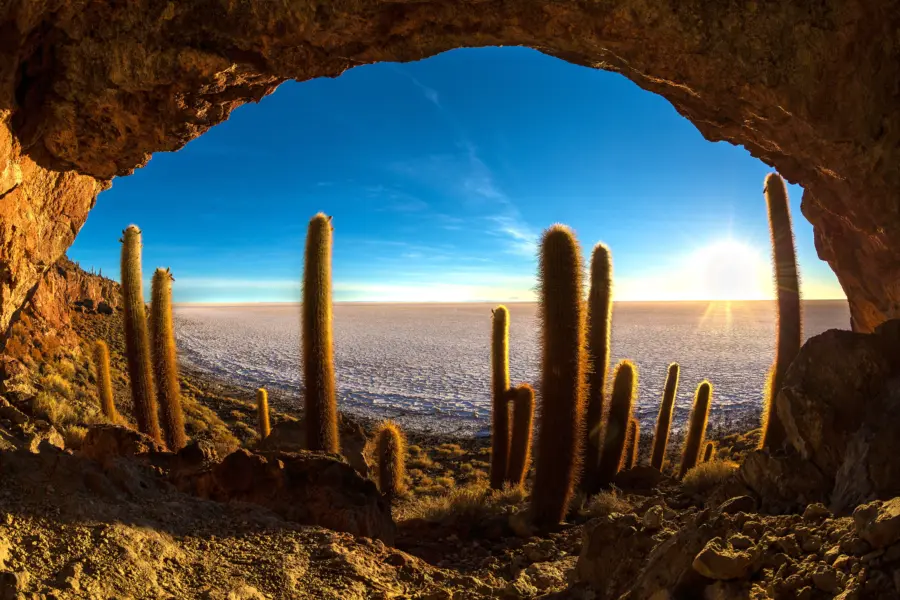
After breakfast, you’ll set off southwards to begin your extraordinary journey through the Altiplano. Your first destination is the world-famous Salar de Uyuni, the largest salt flat in the world. The dazzling white landscape seems endless and offers breathtaking views and surreal photo opportunities. In the middle of the salt flat, you’ll visit Incahuasi Island, a rocky islet covered in ancient giant cacti that can reach heights of up to ten metres. From the top of the island, you’ll enjoy a panoramic view of the glistening salt flats.
The route continues south-west, where you’ll stop at the community of San Juan, a small settlement with a rustic charm. Here, you’ll get a glimpse of the local way of life in this remote region. You will then travel on to the viewpoint of the Ollagüe volcano, a still-active volcano on the border between Bolivia and Chile. On a clear day, you may be able to see plumes of smoke rising from the crater.
The day ends with a visit to the high-altitude lagoons of Laguna Cañapa and Laguna Hedionda, known for their mineral-rich waters and the large numbers of flamingos that forage here. These colourful lakes, surrounded by volcanoes and bizarre rock formations, provide a spectacular backdrop for the sunset.
You will spend the night in simple accommodation near Laguna Hedionda, where you can enjoy the serene tranquillity of the Andean plateau.
Inclusief:
- Full-board accommodation including transfers and excursions
Last day in Uyuni
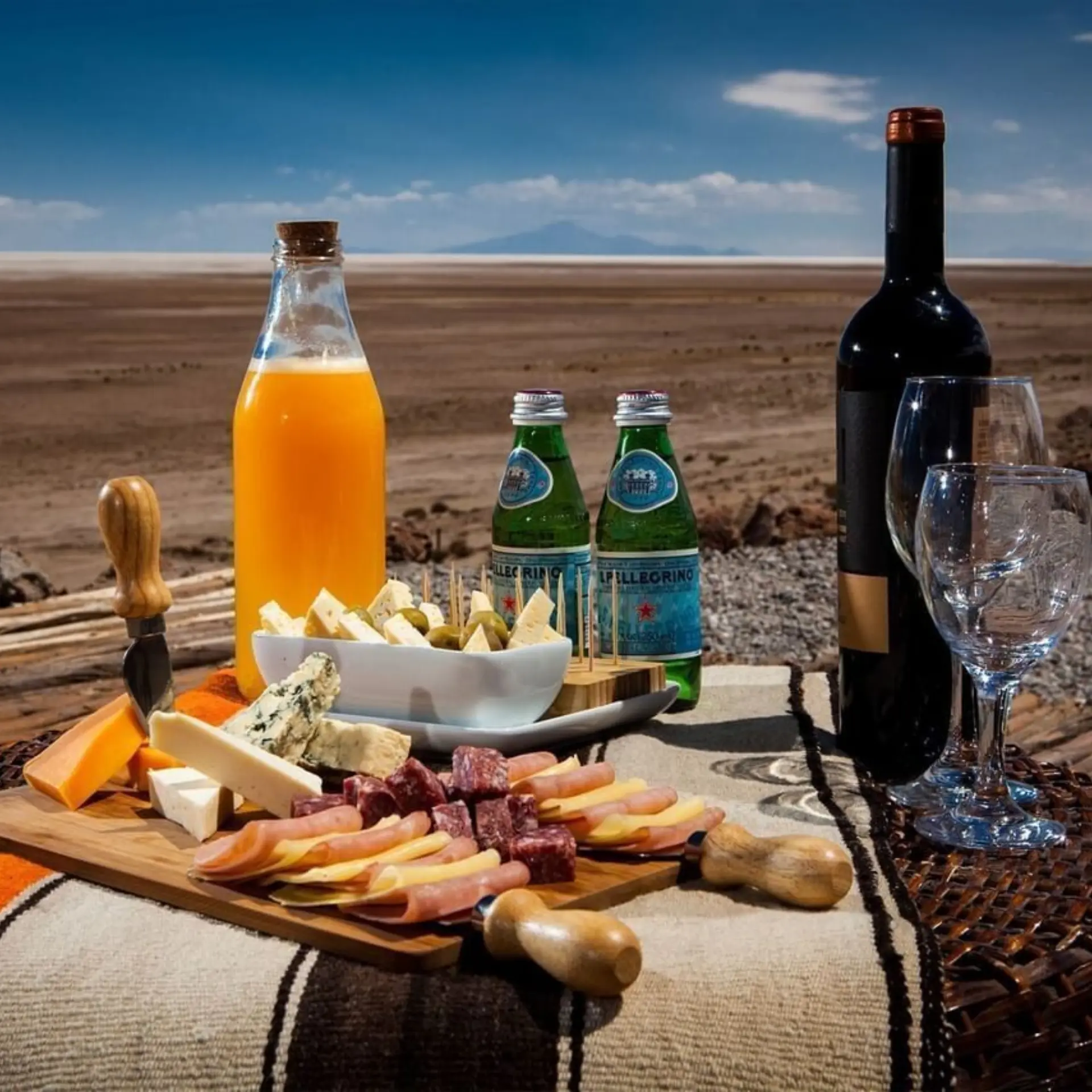
On this final day of your impressive expedition, you’ll set off early in the morning to explore a series of spectacular landscapes in south-western Bolivia. Your route takes you past the serene Laguna Honda and Laguna Charcota, where the reflections of the surrounding mountains on the water’s surface create a picturesque spectacle. You will then travel through the vast Siloli Desert, a barren yet breathtaking area with jagged rock formations, including the famous Árbol de Piedra, the ‘Stone Tree’, a natural sculpture formed by centuries of wind and sand erosion.
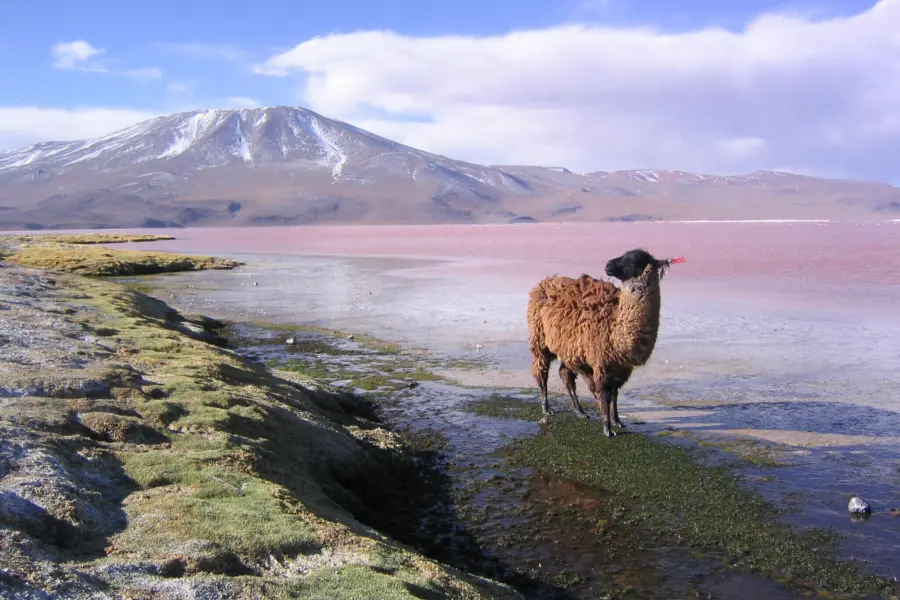
Not much further on, you’ll reach one of the highlights of the day: the vividly coloured Laguna Colorada (Red Lagoon). The reddish hue of the water, caused by algae and minerals, contrasts beautifully with the white borax fields and the pink flamingos that roam here in great numbers. A true natural wonder.
The journey continues to the geothermal area of Sol de Mañana, where active geysers, boiling mud pools and sulphur vapours bear witness to the immense forces beneath the Earth’s surface. The smell of sulphur and the hissing sound of the earth make this a truly impressive experience. To round off the day, you’ll visit the mysterious Laguna Verde, an emerald-green lake at the foot of the imposing Licancabur volcano. On a clear day, the volcano is beautifully reflected in the water – a magical moment to end your three-day adventure.
Later in the day, you’ll return to Uyuni, where you’ll spend the night in different accommodation to that on the first day. Here, you can look back on one of the most surreal and unforgettable journeys through the heart of south-west Bolivia.
Inclusief:
- Full-board accommodation including transfers and excursions
La Paz city tour
You’ll travel by private transfer and domestic flight to La Paz, Bolivia’s largest city and the country’s vibrant economic, political and cultural heart. La Paz is impressively nestled in a deep valley that drops abruptly from the Bolivian Altiplano. From almost anywhere in the city, you can see the majestic Huayna Potosí volcano rising on the horizon – a magnificent sight, especially on clear days.
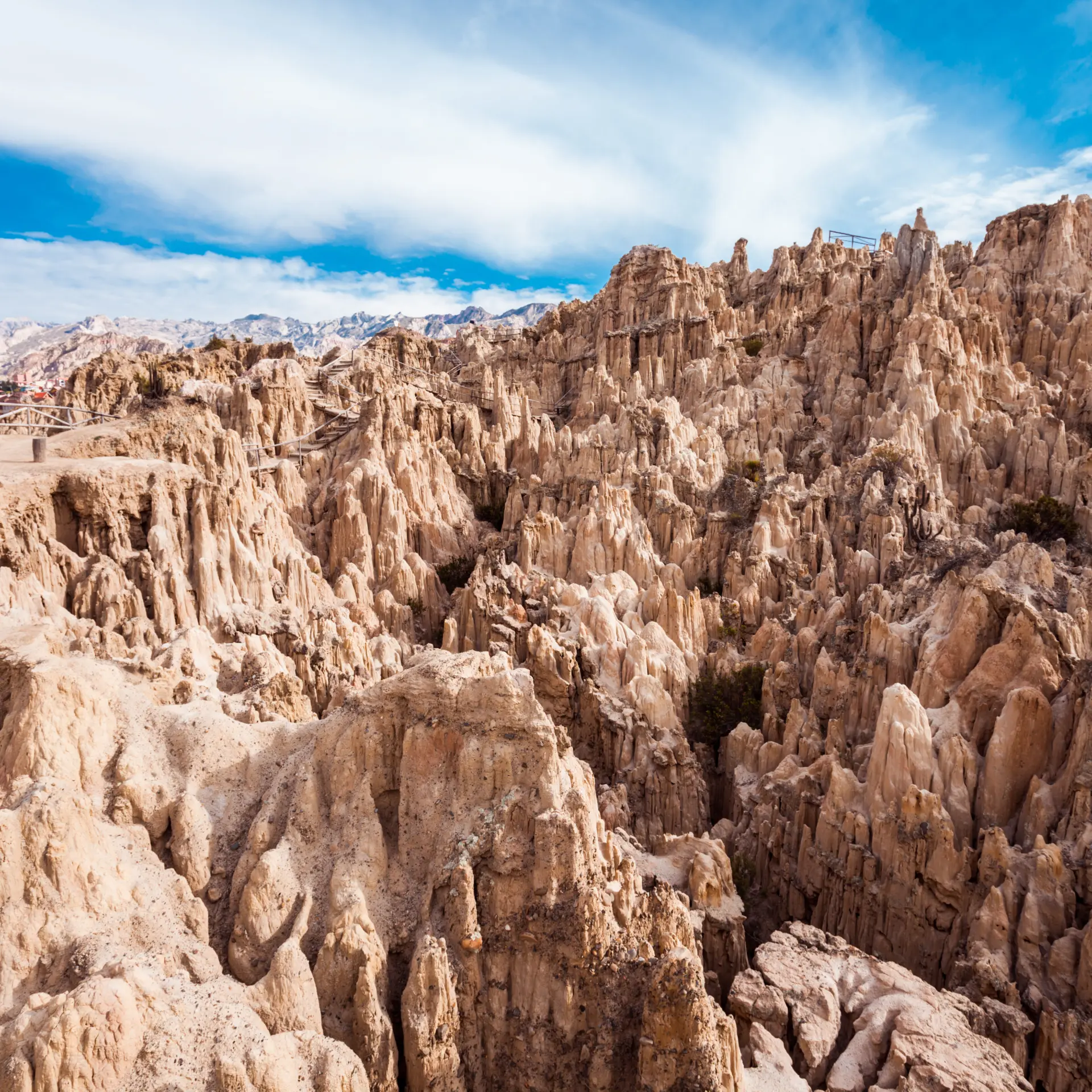
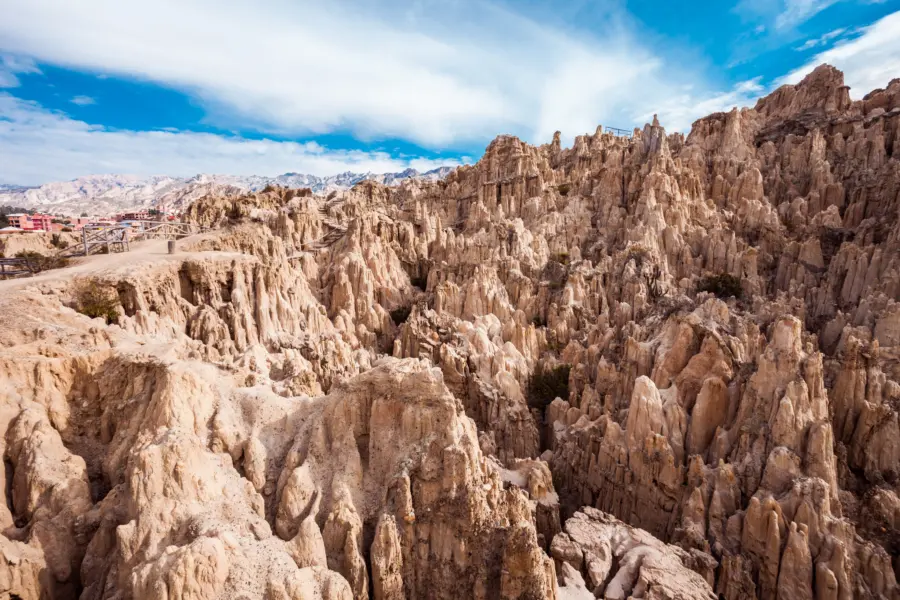
The following morning, you’ll get to know the city during an in-depth private city tour. You’ll visit, amongst other things, the colonial centre, colourful markets and historic squares. One of the highlights is a trip to the Valle de la Luna (Valley of the Moon), situated just outside the city. This surreal landscape of jagged sand and clay rock formations is reminiscent of an otherworldly setting and is perfect for short walks and photo opportunities. During the tour, you’ll enjoy a typical Bolivian lunch at a local venue, so you can get to know not only the city but also its flavours. In the afternoon, you’ll return to your hotel and can continue to enjoy the lively atmosphere of La Paz at your leisure.
Inclusief:
- Private transfer to the airport
- Domestic flight Uyuni - La Paz
- Private transfer to your hotel
- Private city tour including lunch
- Overnight stays including breakfast
Trip to Lake Titicaca
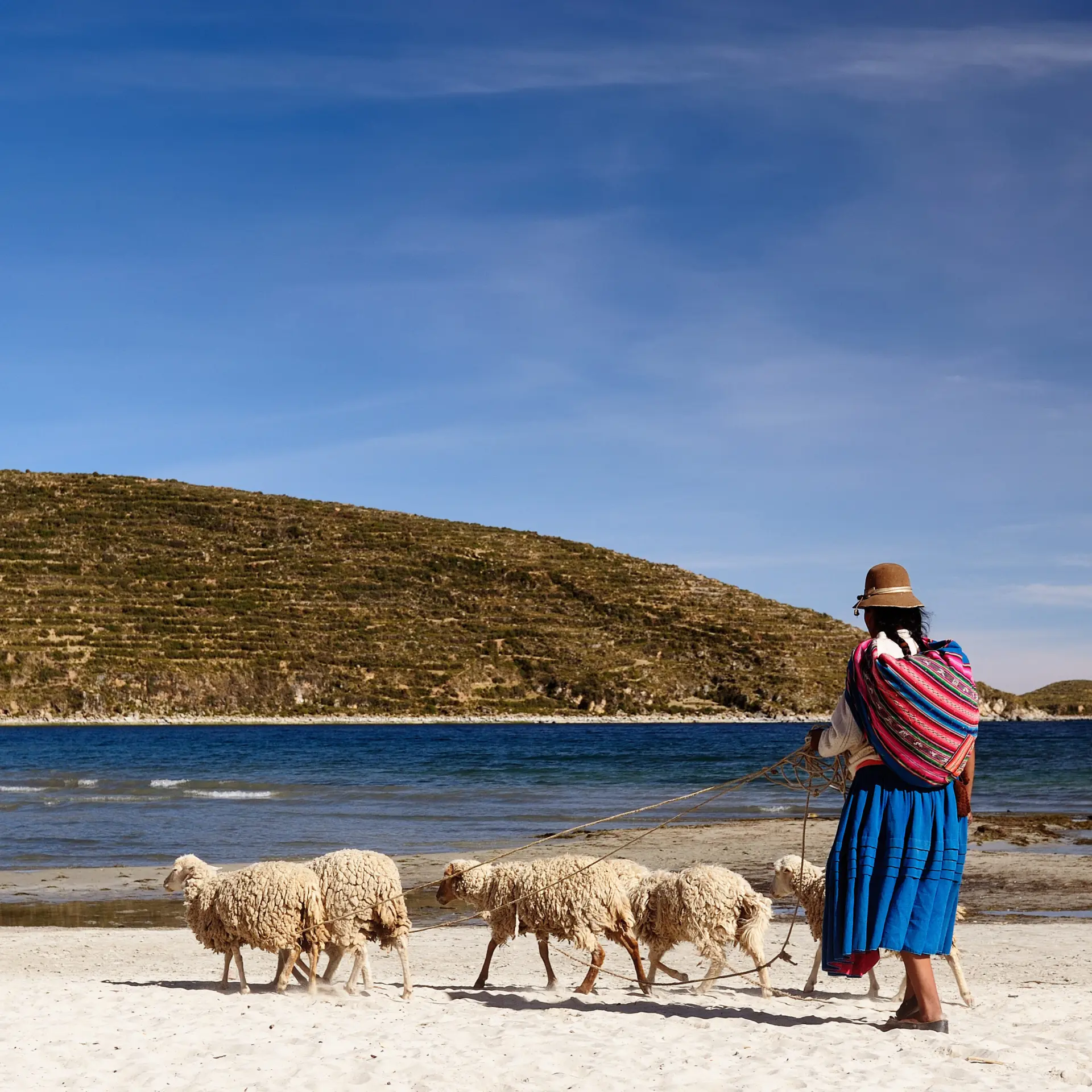
By private transfer, you will travel to Copacabana, located on the shores of Lake Titicaca. En route, you will visit Tiwanaku. Tiwanaku, also known as Tiahuanaco, the ruins of one of South America's most influential cities before the Inca era and by far Bolivia's most important Archaeological site. This impressive site was an important religious and political centre of the Andes for centuries. Copacabana is best known to Bolivians for its cathedral where people from all over the country come to have their cars blessed. It is a cosy town on Lake Titicaca where you will find several restaurants.
Inclusief:
- Private transfer to your hotel
- Private excursion: visit to Tiwanaku ruins with English-speaking guide
- Overnight accommodation including breakfast
Lake Titicaca boat trip
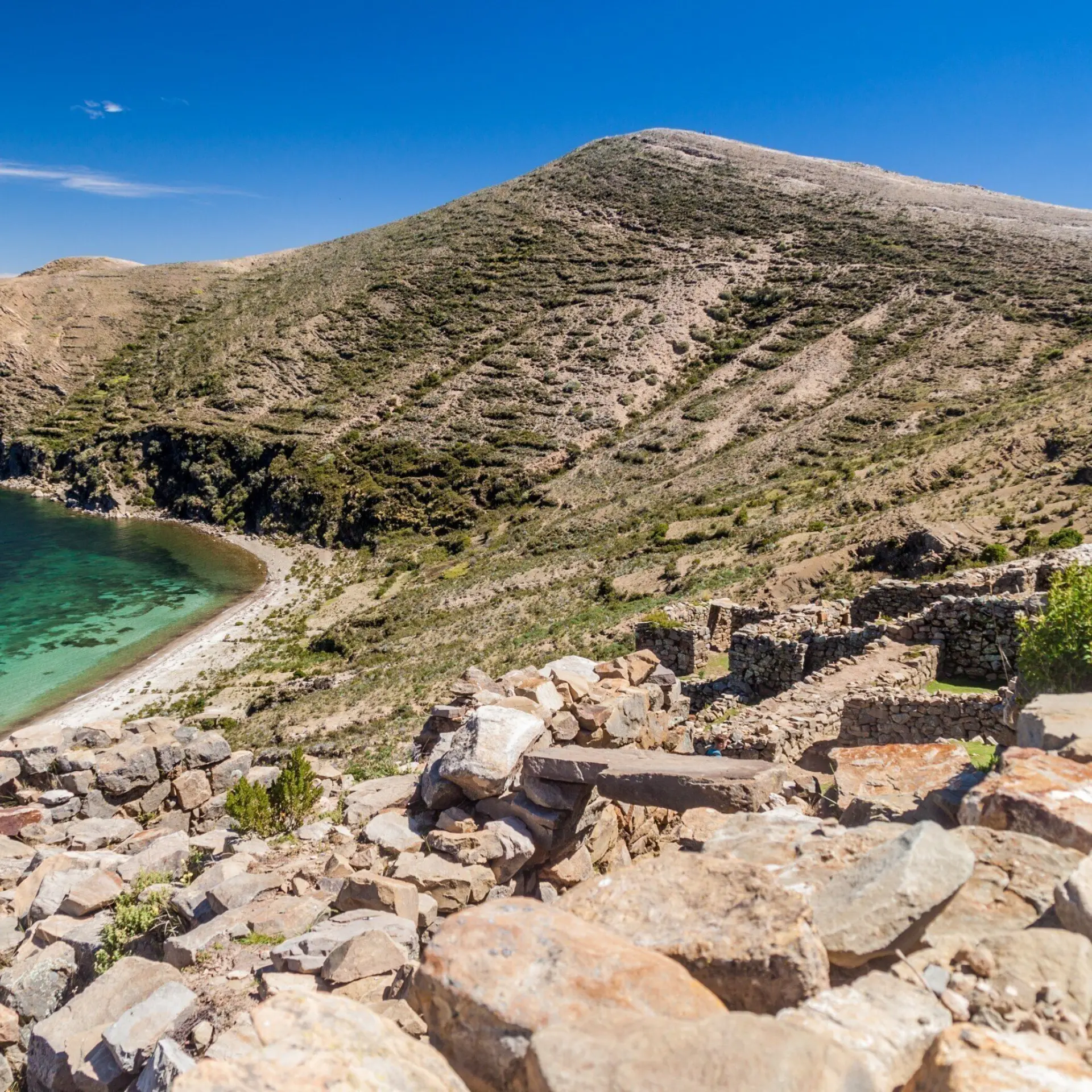
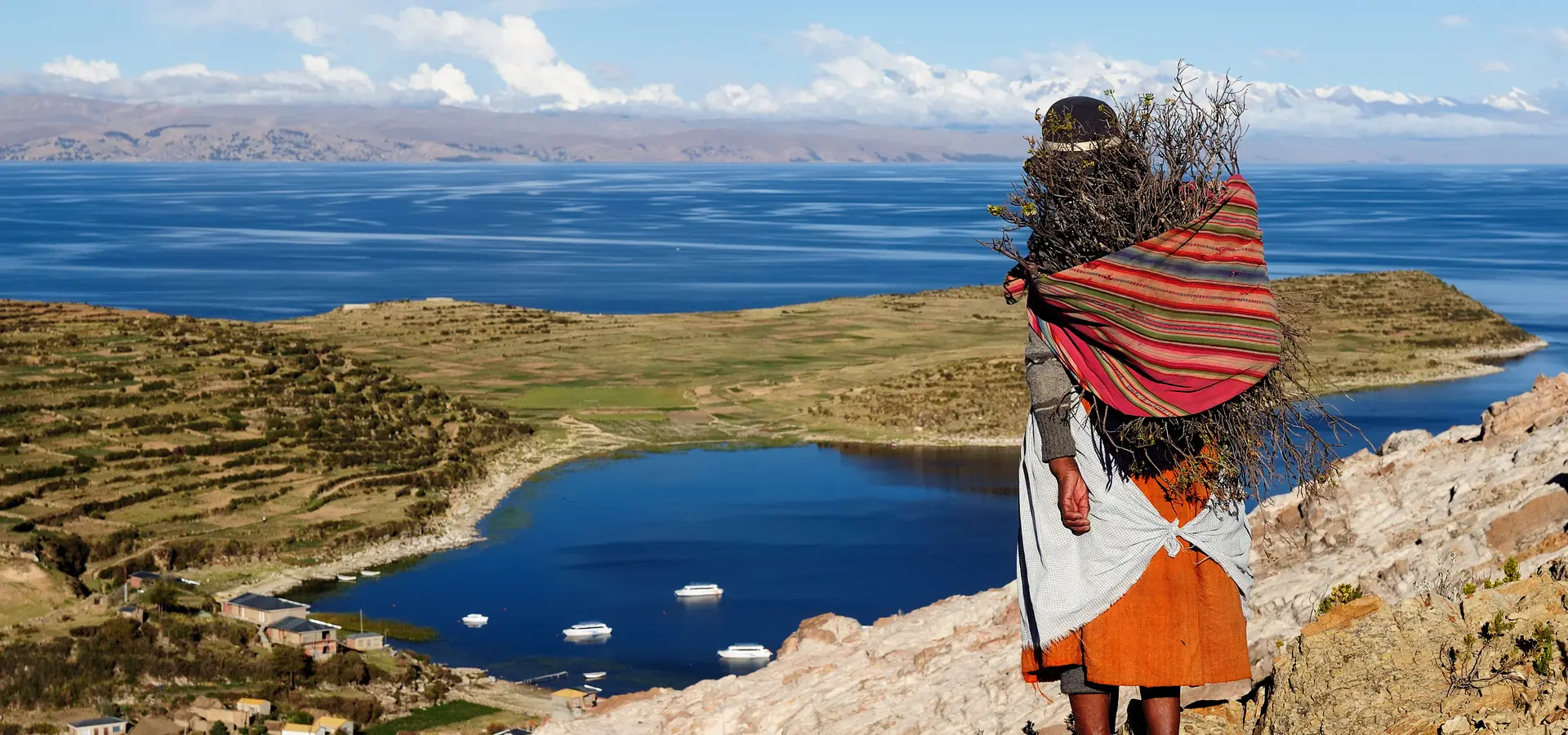
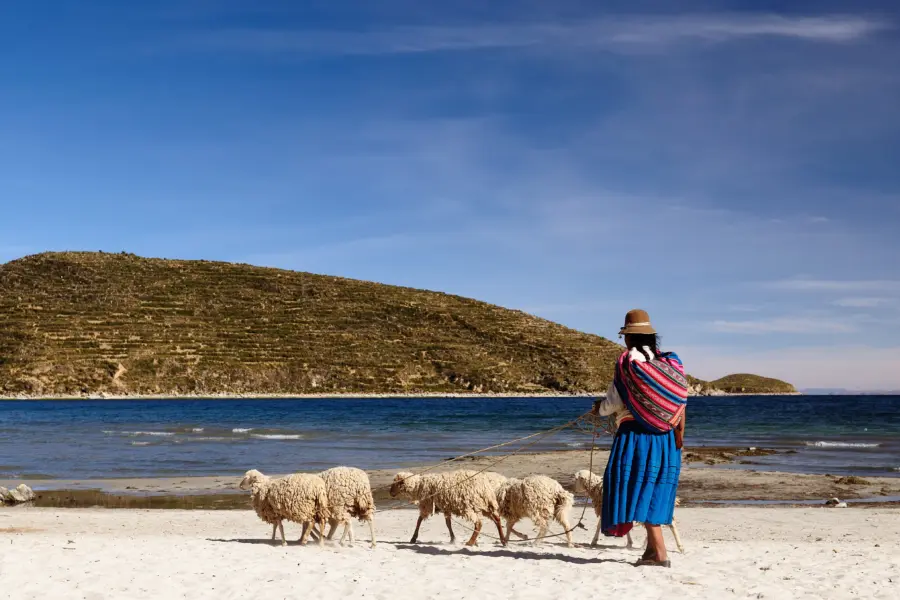
You’ll enjoy a special day trip across the mystical Lake Titicaca, the highest navigable lake in the world. By boat, you’ll sail across the deep-blue waters to two of the lake’s most extraordinary islands: Isla del Sol (Island of the Sun) and Isla de la Luna (Island of the Moon).
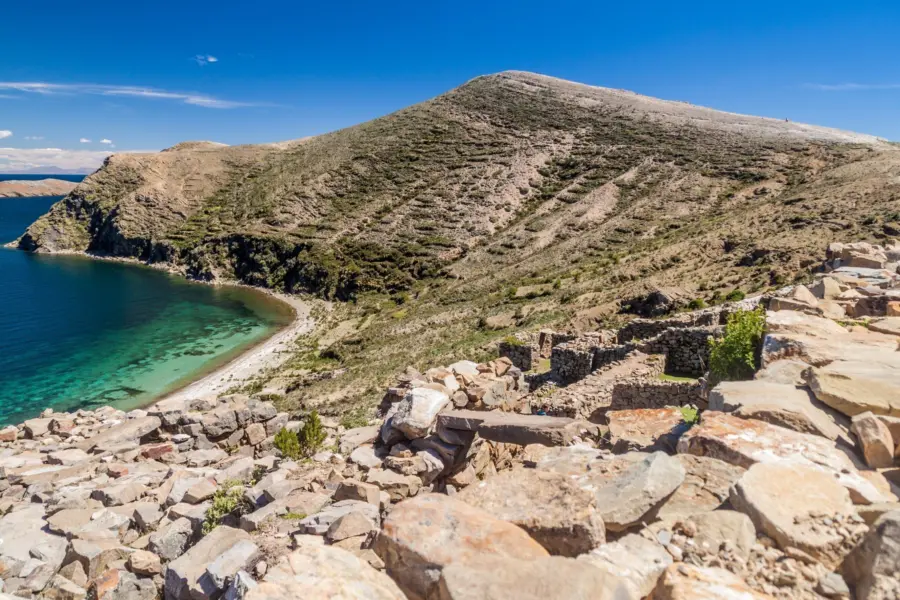
Your first stop is Isla del Sol, an island that plays a significant role in Inca mythology. According to legend, the first Incas, Manco Cápac and Mama Ocllo, were born here from the sunlight, sent by the sun god Inti to found the Inca Empire. During a walk across the island, you’ll visit ancient ruins and terraces dating from the Inca period, whilst enjoying stunning views over the vast Lake Titicaca. The tranquillity, the spiritual atmosphere and the impressive landscape make this island a truly special experience.
You will then sail on to Isla de la Luna, a smaller but equally fascinating island where the remains of an Inca monastery have been preserved. Here, too, you will soak up the ancient atmosphere and experience the deep connection between the local culture and the lake.
At the end of the afternoon, you’ll return by boat to Copacabana, where you can round off the day in peace and quiet.
Inclusief:
- Group day excursion: Isla del Sol and Isla de la Luna including lunch
- Overnight accommodation including breakfast
Back to La Paz
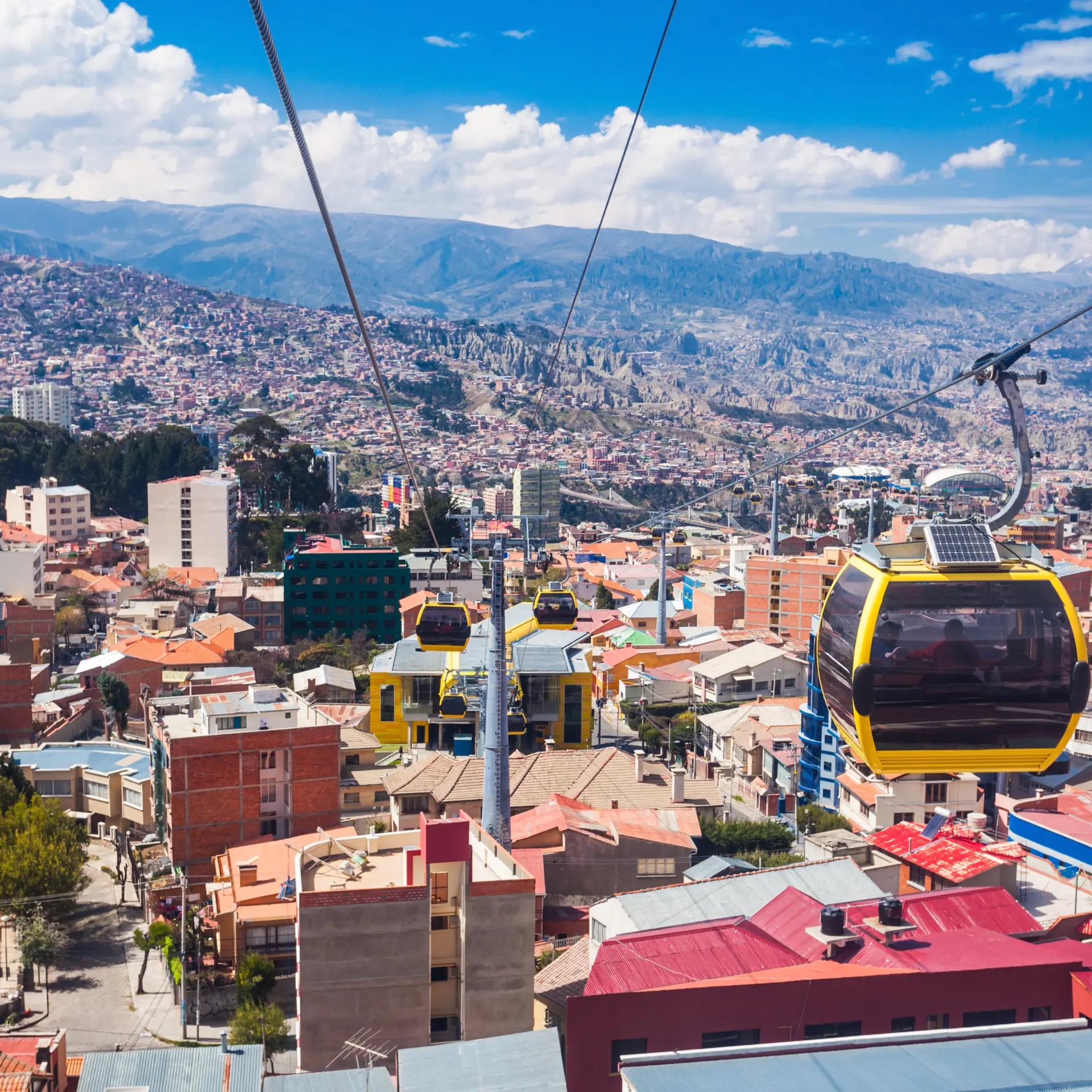
The drive takes you past the impressive landscape of Lake Titicacaand takes about four hours. A special moment during the trip is the crossing of the Strait of Tiquina, the narrowest part of the lake, where you cross the waterway by small ferry while the vehicle is transferred separately. Along the way, you will enjoy stunning views of the blue water, surrounding hills and traditional villages. Arriving in La Paz, you will be dropped off at your hotel and have the rest of the day free to further explore the city at your own pace or relax for a while.
Inclusief:
- Private transfer to your accommodation
- Overnight accommodation including breakfast
Travel to Santa Cruz
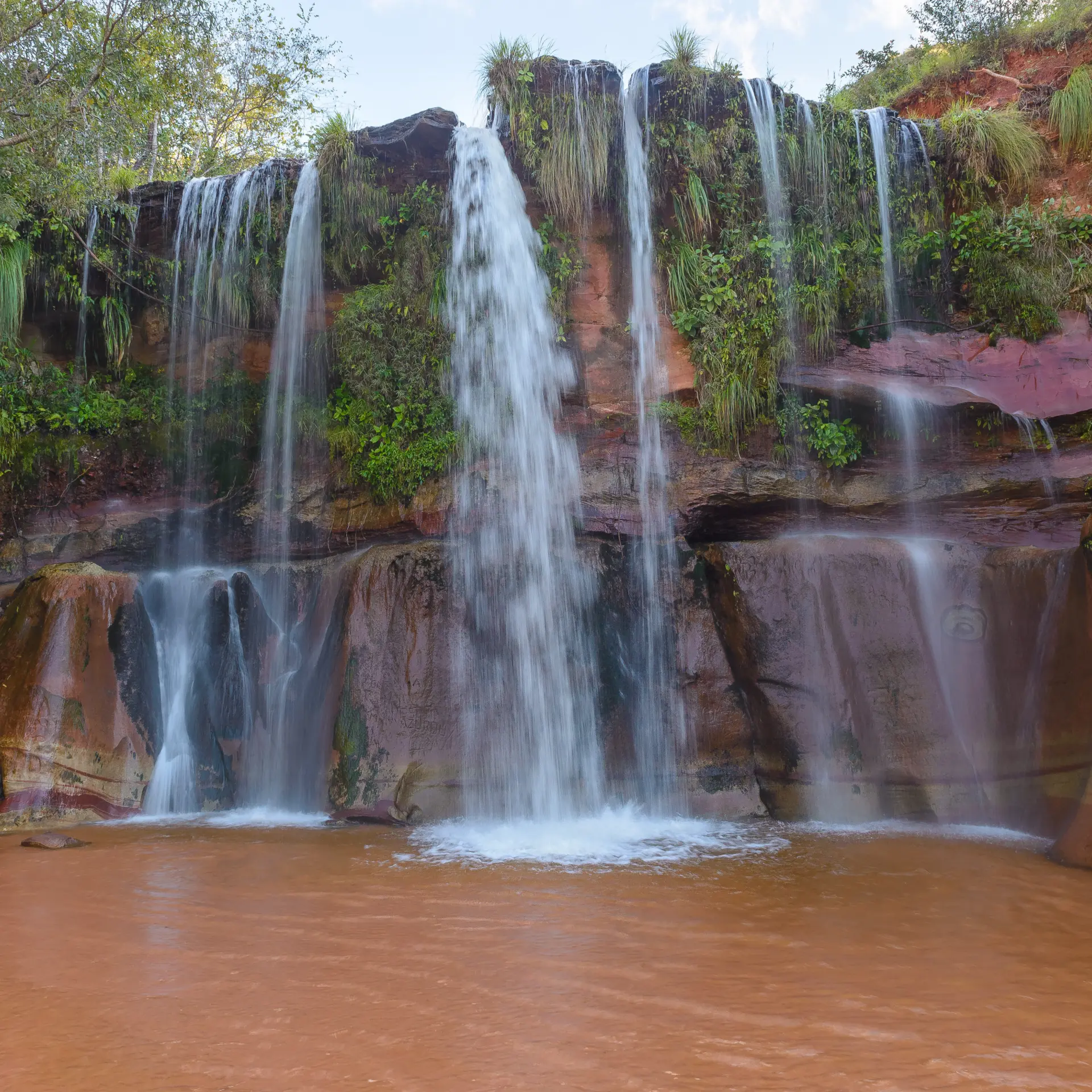
You will fly back to Santa Cruz on a domestic flight, wherever you started your journey in Bolivia. Upon arrival, you will be transferred to your hotel by private transfer. This last evening offers a great time to enjoy all the impressions and experiences you have gained during your tour of Bolivia.
Inclusief:
- Private transfer to the airport
- Domestic flight La Paz - Santa Cruz
- Private transfer to your accommodation
- Overnight accommodation including breakfast
Accommodations
Los Tajibos Hotel
Enjoy the beautiful green spaces that characterise Los Tajibos Hotel, with waterfalls, a radiant pool and comfortable accommodations. Relax in the exclusive spa or hot tub, enjoy the beauty salon and play a match on the tennis courts or a game of racquetball. The hotel features three...
Enjoy the beautiful green spaces that characterise Los Tajibos Hotel, with waterfalls, a radiant pool and comfortable accommodations. Relax in the exclusive spa or hot tub, enjoy the beauty salon and play a match on the tennis courts or a game of racquetball. The hotel has three dining options, La Terraza, Garden of Asia and Piegari.
Your stay: 1 night
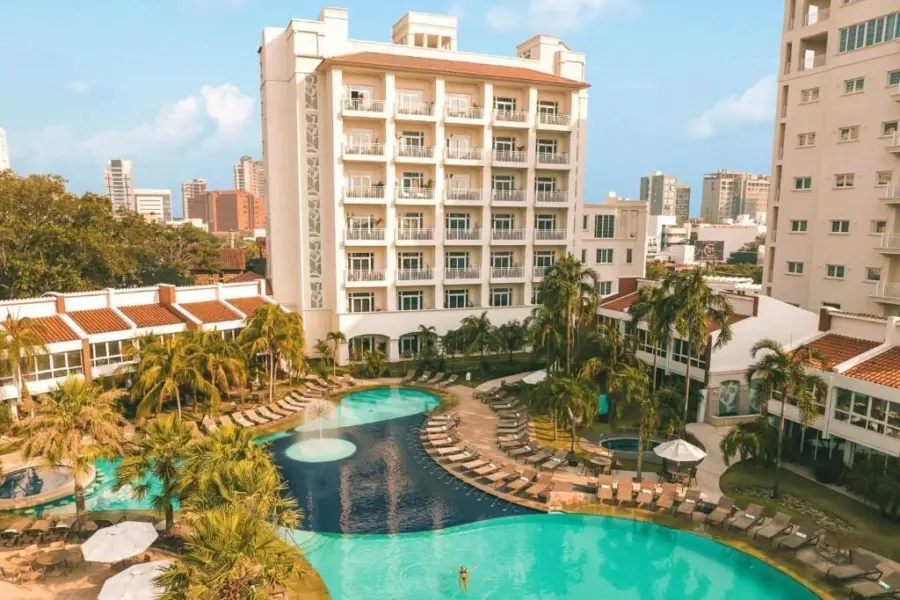
Mi Pueblo Samary Hotel Boutique
Mi Pueblo Samary Hotel Boutique offers accommodations with free WiFi, a restaurant and a sun terrace in Sucre, 1.2 km from Simon Bolivar Park. Guests can enjoy the on-site bar. Rooms are equipped with a flat-screen TV. Each room features a private bathroom. Extras include free...
Mi Pueblo Samary Hotel Boutique offers accommodations with free WiFi, a restaurant and a sun terrace in Sucre, 1.2 km from Simon Bolivar Park. Guests can enjoy the on-site bar. Rooms are equipped with a flat-screen TV. Each room features a private bathroom. Extras include free toiletries and a hairdryer. A free shuttle service is available at the accommodation. The hotel also offers car rental services. Surapata Park is 1.3 km from Mi Pueblo Samary Boutique and the bus station is 1.8 km away. The nearest airport is Juana Azurduy de Padilla International Airport, 6 km from Mi Pueblo Samary Hotel Boutique.
Your stay: 3 nights

Hotel Coloso Potosi
This modern five-star hotel is located in the centre of Potosí within walking distance of the central plaza. Hotel Coloso Potosí offers 50 warm and comfortable rooms to enjoy a pleasant stay. During your stay, you can relax for a while in the sauna or swimming pool, as well as enjoy delicious dishes that...
This modern five-star hotel is located in the centre of Potosí within walking distance of the central plaza. Hotel Coloso Potosí offers 50 warm and comfortable rooms to enjoy a pleasant stay. During your stay, relax in the sauna or swimming pool, as well as enjoy delicious dishes served in the restaurant.
Your stay: 2 nights
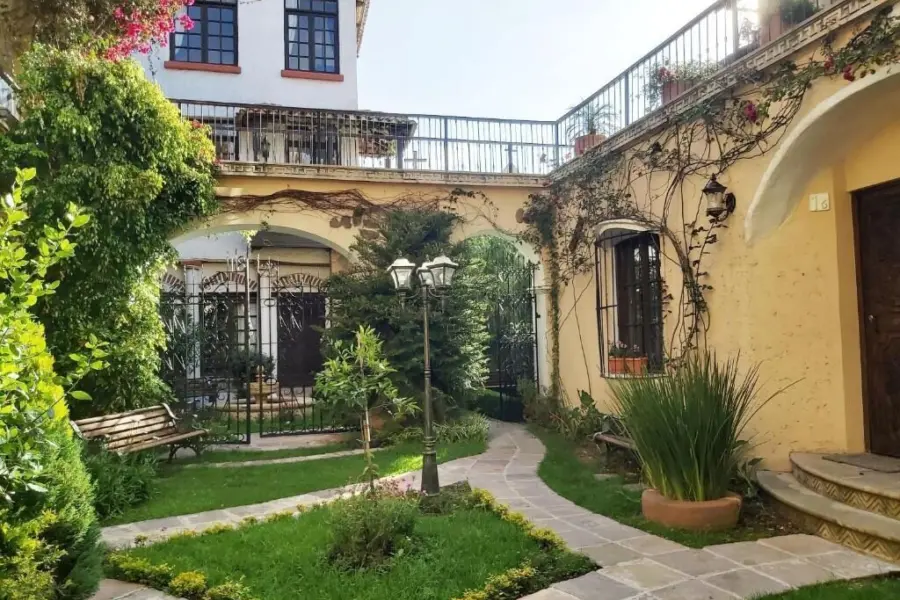
Hotel Mitru Tupiza
Hotel Mitru is located in the centre of the town of Tupiza, and within walking distance of the train station or bus station. Spectacular views of the hills can be admired from the terrace. The surroundings, infrastructure and personal attention make Hotel Mitru a beautiful place to enjoy the magic and restorative power of Tupiza....
Hotel Mitru is located in the centre of the town of Tupiza, and within walking distance of the train station or bus station. Spectacular views of the hills can be admired from the terrace. The surroundings, infrastructure and personal attention make Hotel Mitru a beautiful place to enjoy the magic and restorative power of Tupiza Valley. It is a place where guests can enjoy peace and nature surrounded by a magical landscape.
Your stay: 1 night

Jardines de Uyuni
El Jardines de Uyuni, a new hotel with a rural landscape in the Andes, has all the conveniences of a modern hotel. It was built to welcome travellers visiting the Salar de Uyuni, as it is the main gateway to the beautiful white salt flats.
Your stay: 1 night
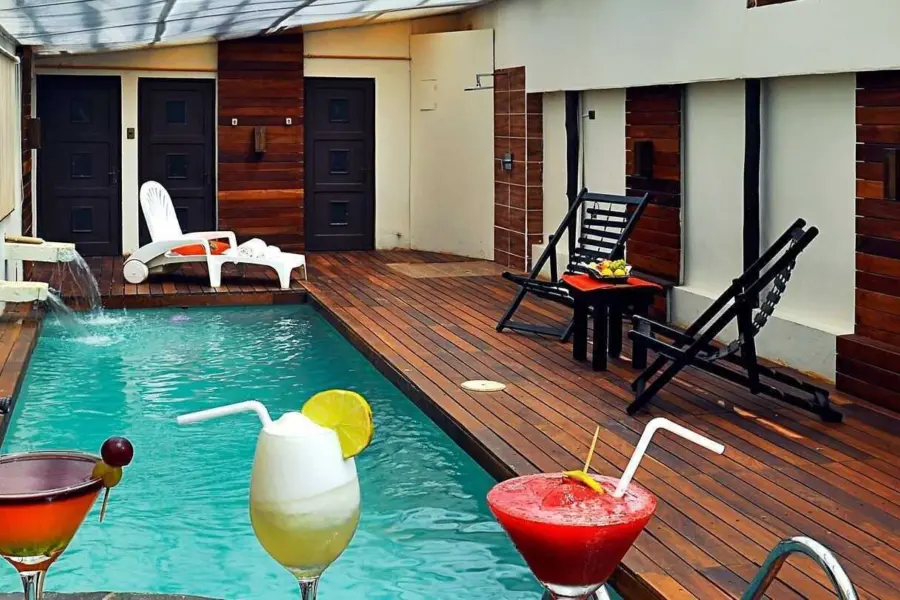
Flamencos Altiplano Eco-Hotel
Located on the shores of Laguna Hedionda which is the favourite spot of pink flamingos, is Los Flamencos Eco-hotel. Surrounded by beautiful nature, the hotel is sheltered by the hilly mountains of the Cordillera Real de los Andes. Its construction is inspired by Indian motifs, such as the...
Located on the shores of Laguna Hedionda which is the favourite spot of pink flamingos, is Los Flamencos Eco-hotel. Surrounded by beautiful nature, the hotel is sheltered by the hilly mountains of the Cordillera Real de los Andes. Its construction is inspired by Indian motifs, such as the Andean cross. The eco hotel is named after the countless flamingos that live in this unimaginable natural environment.
Your stay: 1 night
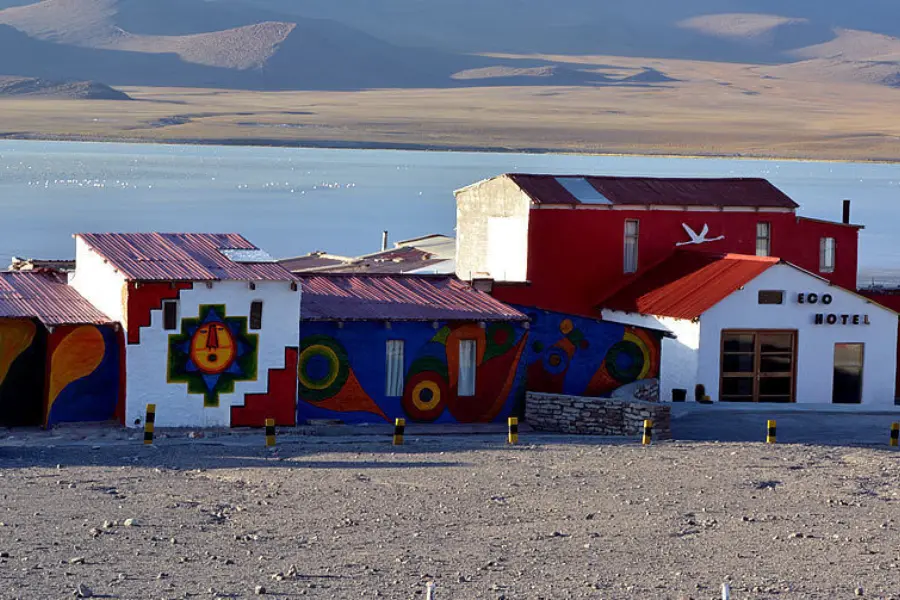
Luna Salada Hotel
Known for the world's largest salt flats, Uyuni is home to the Luna Salada hotel. The hotel offers hospitality and services of the highest quality and has found a good harmony with the natural environment and local culture.
Your stay: 1 night
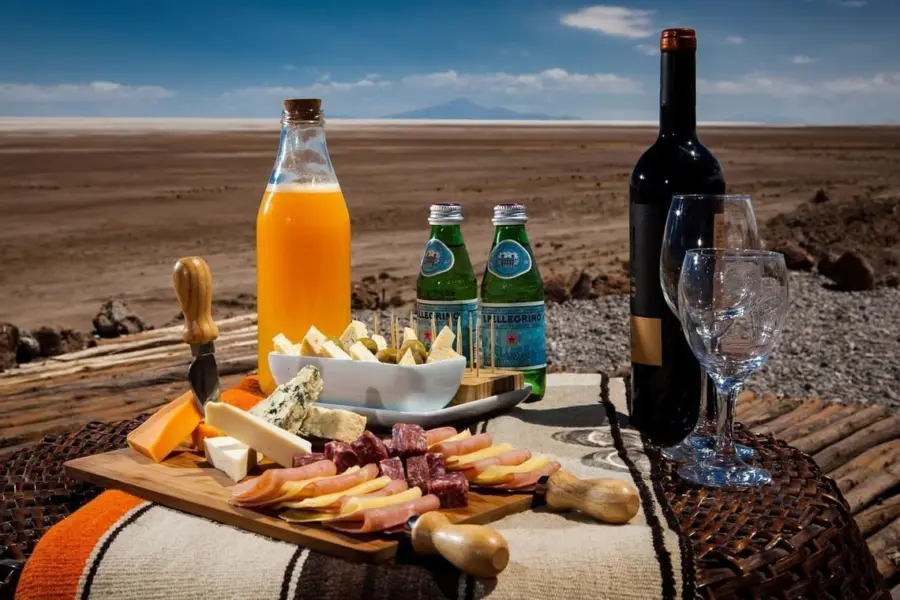
La Casona Hotel Boutique
La Casona Boutique Hotel is located on Avenida Mariscal Santa Cruz, one of La Paz's main streets. From the hotel, you can tour the city. Housed in a colonial building, the hotel features a restaurant where you can enjoy delicious dishes.
Your stay: 2 nights

Hotel Rosario Lago Titicaca
Hotel Rosario Lago Titicaca is located on the tranquil waters of Lake Titicaca in the town of Copacabana. It is full of history, mysticism and magic with beautiful sunsets that can be admired from the hotel rooms and terraces. Each room is uniquely decorated with elements of Andean culture, whose...
Hotel Rosario Lago Titicaca is located on the tranquil waters of Lake Titicaca in the town of Copacabana. It is full of history, mysticism and magic with beautiful sunsets that can be admired from the hotel rooms and terraces. Each room is uniquely decorated with elements of Andean culture, whose techniques, shapes and colours are obtained from indigenous ancestral knowledge.
Your stay: 2 nights
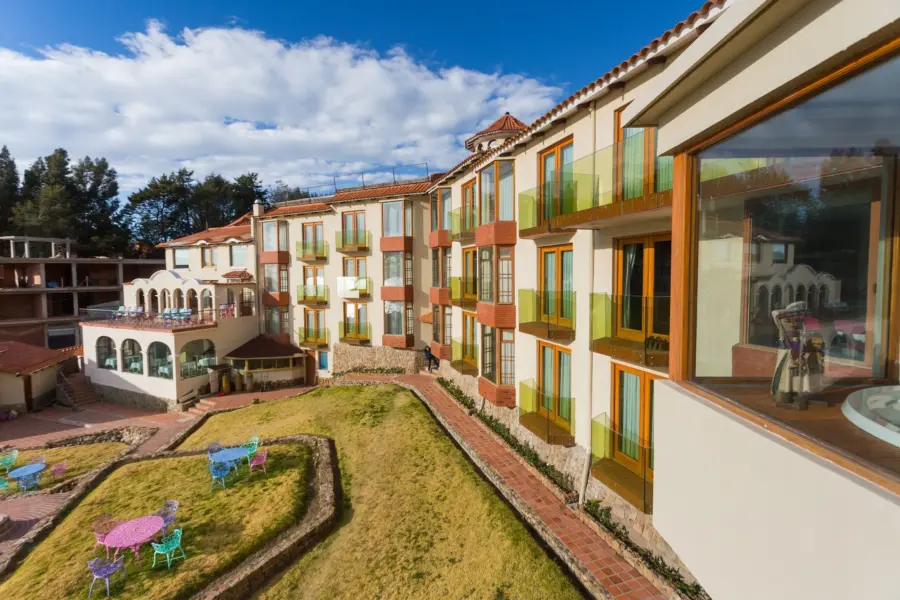
La Casona Hotel Boutique
La Casona Boutique Hotel is located on Avenida Mariscal Santa Cruz, one of La Paz's main streets. From the hotel, you can tour the city. Housed in a colonial building, the hotel features a restaurant where you can enjoy delicious dishes.
Your stay: 1 night
Los Tajibos Hotel
Enjoy the beautiful green spaces that characterise Los Tajibos Hotel, with waterfalls, a radiant pool and comfortable accommodations. Relax in the exclusive spa or hot tub, enjoy the beauty salon and play a match on the tennis courts or a game of racquetball. The hotel features three...
Enjoy the beautiful green spaces that characterise Los Tajibos Hotel, with waterfalls, a radiant pool and comfortable accommodations. Relax in the exclusive spa or hot tub, enjoy the beauty salon and play a match on the tennis courts or a game of racquetball. The hotel has three dining options, La Terraza, Garden of Asia and Piegari.
Your stay: 1 night
Experiences
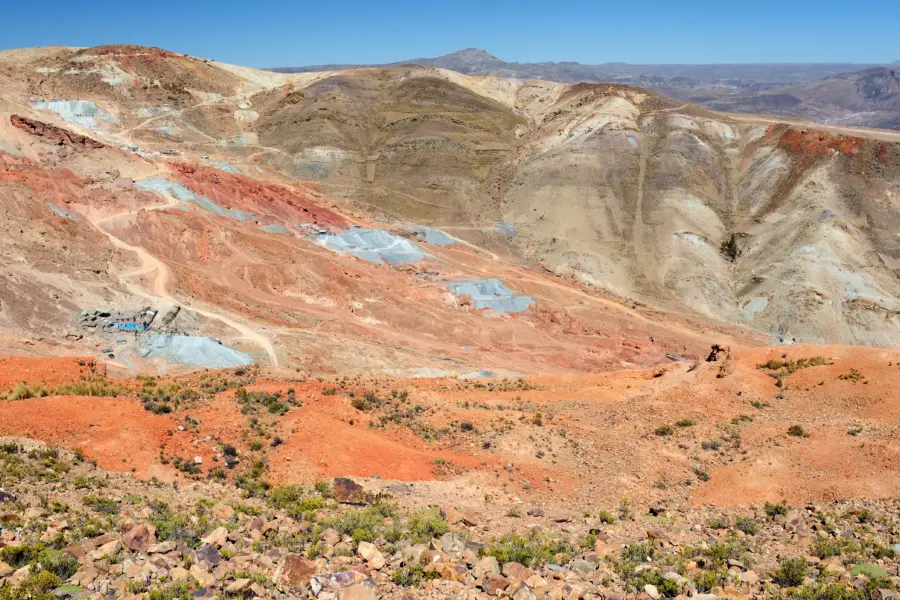
Private excursion Cerro Rico
You take an excursion to the Cerro Rico mines. An adventurous excursion where you get a realistic picture of what the life of a miner is like during a normal working day. You will actually see the miners at work.
Private city tour La Paz
In the morning, you will be offered a comprehensive city tour that includes a visit to the Moon Valley just outside the city. A small valley full of extraordinary rock formations where beautiful short walks can be made.
Avila Classic - day excursion Isla del Sol & Isla de la Luna
You will take a special day excursion by boat out onto the lake and explore the islands Isla de Sol and Isla de la Luna. Isla de Sol is, according to legends, the birthplace of the first Inca. The sunset here is unforgettable on a clear day. At the end of the day, you will return to Copacabana.
Destinations
Salar de Uyuni
The Salar de Uyuni, located in the Andes in southwestern Bolivia, is the largest salt flat in the world, stretching over almost 11,000 square kilometres. Once a prehistoric lake, the striking, otherworldly landscape extends to the horizon. The white expanse is adorned by rock formations, islands of cacti, and flocks of pink flamingos, and polygonal patterns of hardened salt. After the rains, it becomes an infinite mirror of the sky, creating an inverted starry sky after dark. This is a photographer's dream.
Santa Cruz
Santa Cruz is a young and fast-growing city with modern and dynamic features. The city is home to a diverse mix of people; from trendy yuppies and Japanese rice farmers to indigenous migrants from the Altiplano. In recent years, Santa Cruz has grown into a city of over 1.5 million inhabitants and consists of several layers, so to speak, where Casco Viejo is the inner layer and where the old city centre is located.
Bolivia
Sucre
Sucre is officially the capital of Bolivia and, with its white colonial buildings with red roof tiles and its many monuments, is undoubtedly one of the most beautiful cities in Bolivia. Situated in a valley in the south-central region of the country, Sucre enjoys an eternal spring – perfect weather for strolling through the narrow streets and discovering a city that remains almost exactly as it was a century ago.
This UNESCO World Heritage Site is home to some of the finest examples of Spanish colonial architecture in South America, and the whitewashed façades of the buildings have earned Sucre the title of ‘The White City’. From the Recoleta Monastery, you can enjoy stunning views over the city. Near Sucre, you can see fossilised dinosaur tracks; minibuses depart from the city’s central square. A stroll through the Tarabuco market is a wonderful, authentic experience. This is one of the largest indigenous markets in the country.
Oropeza Province
Located in south-central Bolivia, the Oropeza Province lies in the Chuquisaca Department and is home to the country's constitutional capital, Sucre. There are two incredible ancient sites to see: the Inka Mach'ay, around 2500 years old, believed to have belonged to the Sauces culture, with anthropomorphic, zoomorphic and geometric paintings, and declared a National Monument, and the Puma Mach'ay, which probably belongs to the Huruquilla culture and is around 1000 years old, with anthropomorphic and geometric images. The city of Sucre has been UNESCO listed for its heritage, with its abundant collection of beautiful colonial buildings, churches, and museums. The area is known for its university, progressive thought, and wonderfully mild climate.
Central Andes Bolivia
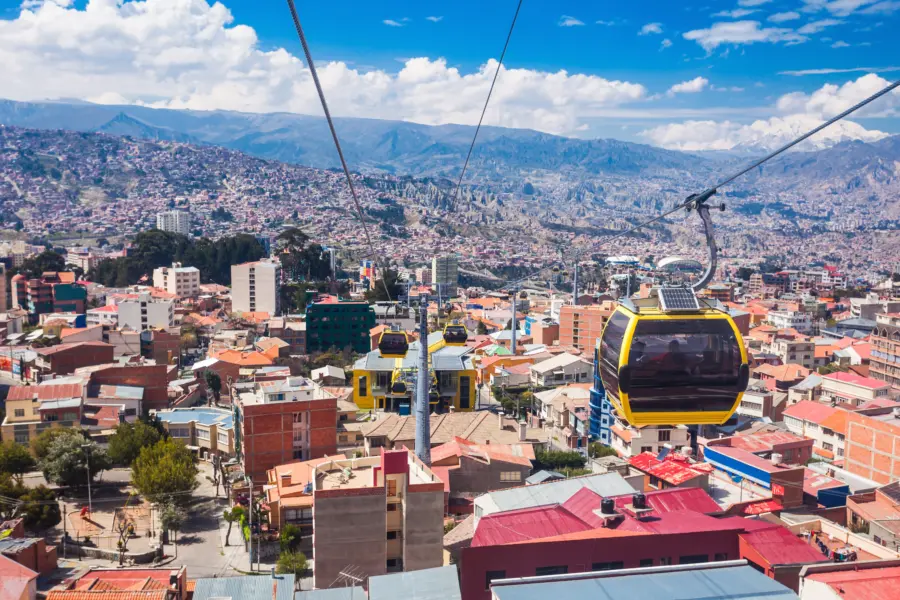
The dramatic and beautiful Andes mountain range, peaking at around 3,700 metres above sea level, extends into and dominates the southern and western parts of Bolivia. This mountain range envelops a gigantic plateau that is home to the historic but bustling capital La Paz. Located in the heart of the Andes, this city offers visitors a rich Bolivian cultural and historical experience. Visitors can take a cable car to enjoy the breathtaking panoramic views of the city and mountains. Potosi is another interesting city with its rich history of gold and silver mining. This area is home to the famous Lake Titicaca with its cobalt blue waters dotted with the intriguing Uros Islands and many peninsulas with traditional indigenous communities, making it a culturally rich location to visit. Don't miss the chance to visit the Salar de Uyuni, an enchanting salt desert and a photographer's dream.
Potosi
Potosi owes its origins to the silver ore in the 'Cerro Rico (rich mountain)' located right next to the city. The large silver reserves this mountain possessed gave Cerro Rico the nickname 'the treasure house of the Spanish ' in colonial times. During this time, Potosi flourished into one of the wealthiest cities in the world , bigger than Paris or London. Even though today this is past glory, traces of this wealth can still be found in the old colonial homes, churches and temples. The mines still exist and even though today zinc and lead are mostly mined, every miner still dreams of finding a new vein of silver.
Uyuni
Uyuni is a small village situated on the salt flat of the same name. Covering 1,200 square kilometres, the ‘Salar de Uyuni’ is the largest salt flat in the world. In the middle of this plain lies a small island of fossilised coral (thousands of years ago, Uyuni was an inland sea) where cacti up to 12 metres tall shoot up from the ground.

Siloli Desert
The Siloli Desert is the world's highest desert located at an altitude of 4550 metres. It lies close to the border of Bolivia and Chile and is considered an extension of the neighbouring Atacama Desert. Visitors to this remote part of the world can look forward to dramatic views of geometrically cracked salt flats and rust-coloured hills. The desert's most iconic feature is the Árbol de Piedra, a seven-metre-high sandstone formation that resembles a gnarled tree and was formed by the region's harsh winds over thousands of years. The small settlement of Ojo de Perdiz has an abundance of guesthouses and a fascinating community, while the nearby Pastos Grandes lagoon is a shallow salt lake that lies beneath a volcanic mountain, where you can see swarms of flamingos and enjoy the breathtaking scenery.
Ojo de Perdiz
At this beautiful spot in the desert, you can enjoy the ruggedness of surroundings. Highlights in this area include the Lagunas de Colores, the Sol de Mañana geyser and the Stone Tree, as well as many other attractions and beautiful landscapes.

La Paz
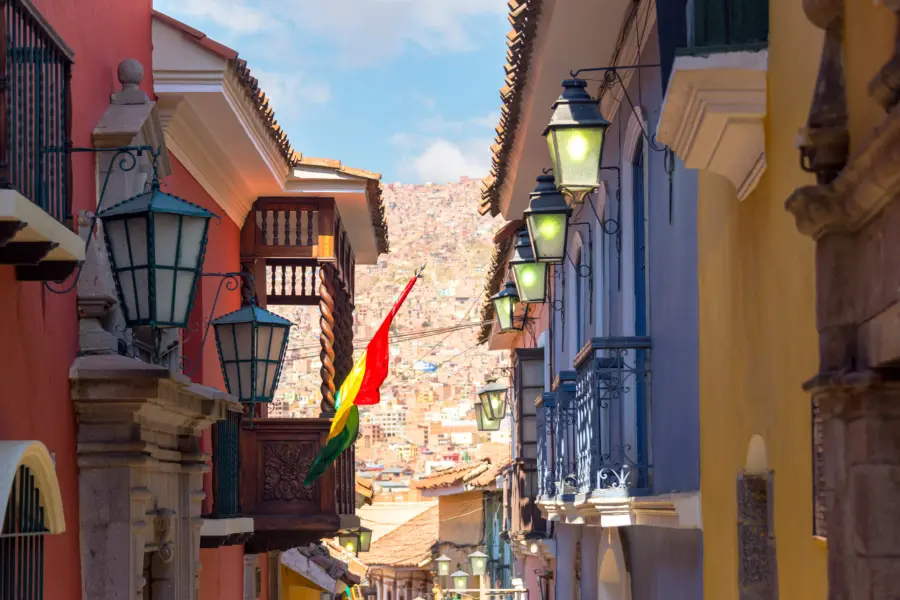
La Paz is the country's largest city and Bolivia's economic, political and business centre. The city is spectacularly located in a valley that plunges steeply down from the Bolivian plateau. La Paz is a special city, modern and cosmopolitan on the one hand and home to more than a million indigenous Bolivians on the other, which is reflected in the city's many festivals, traditions and customs. There is even a witches' market where all kinds of items to be used for rituals are sold. The 'huayna Potosi' volcano towers over the city, providing stunning views on clear days. Mind you, La Paz is at an altitude of over 3,000m!
Lake Titicaca
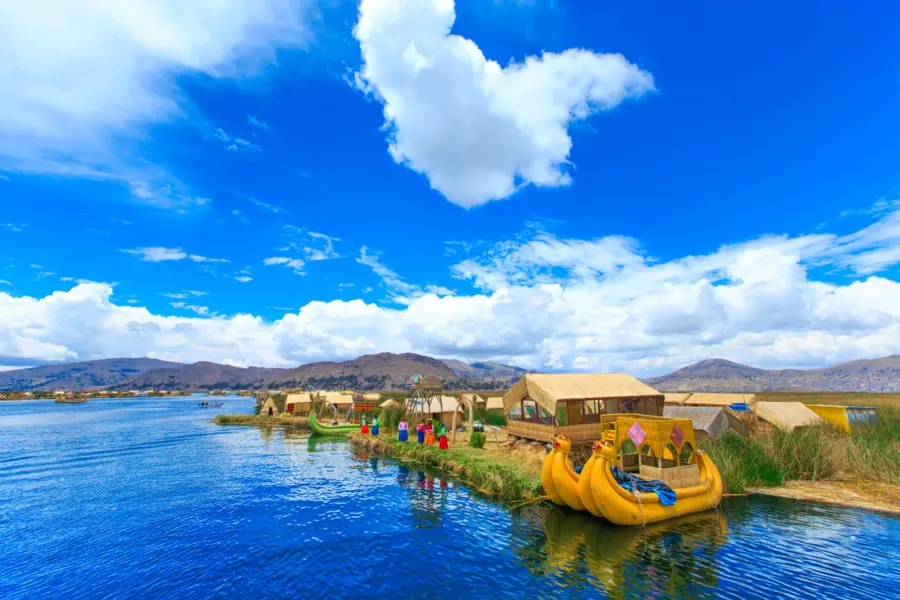
High in the Andes mountains on the border between Peru and Bolivia, Lake Titicaca is considered the highest commercially navigable lake in the world. The area was once a stronghold of Inca culture and this antiquity is still visible in the many Inca ruins scattered along the shoreline, as well as the vibrant traditional hand-woven textiles and clothing. One of the lake's most popular attractions are the 42 floating reed islands of the Uros people, accessible from Puno to the east. On Santa Maria, the largest of these, you can visit local homes to experience the traditional culture.

Copacabana
Copacabana is located on the shores of Lake Titicaca, the highest navigable lake in the world. For centuries, this small Bolivian town has been a sacred destination with pilgrims visiting the famous Camarin de la Virgen de Cadelaria. Among Bolivians, Copacabana is best known for this cathedral where people from all over the country come to have their cars blessed. It is a cosy town on Lake Titicaca where you will find several restaurants.
Colchani
The small town of Colchani is primarily a salt production centre on the border of the Uyuni salt flats, 80 kilometres northwest of the city of Uyuni. In recent years, however, this remote hamlet has gained traction on the tourist circuit for its striking views of the salt flats and authentic Bolivian culture. When not in the pan, while taking in the views and snapping photos, wander the small main street, where many vendors sell original handicrafts, or take a tour of one of the salt processing plants to see the industry. where the town was built. There is also a small museum, built entirely of salt and exhibits.
Tupiza
The capital of the Sud Chichas Province of Bolivia, Tupiza, lies in the Rio Tupiza Valley, surrounded by extraordinary rugged desert, red rock outcrops and grand, cactus-dotted hilltops. An array of trails allow visitors to explore the 'Wild West' countryside by jeep or bike or on horseback or foot. The town is renowned as the destination of the adventures of infamous outlaws Butch Cassidy and the Sundance Kid, and explorers can take a tour dedicated to the duo, which includes a museum, the plaza of their final shootout and the cemetery where they are believed to be buried. The huge central plaza and Mercado Negro Market, some fascinating museums, and several historic monuments add interest to the town.
Laguna Hedionda
Tucked high in Bolivia's remote Eduardo Avaroa Andean Fauna National Reserve, near the Chilean border, Laguna Hedionda is a striking high-altitude salt lake surrounded by surreal volcanic landscapes. This natural destination is celebrated for its vivid scenery and wildlife, especially its large flocks of pink flamingos that wade gracefully through the mineral-rich waters. At over 4,000 metres above sea level, the lake offers a truly otherworldly experience, where visitors can witness stark white salt flats, turquoise water, and distant snow-capped peaks. Travellers often visit Laguna Hedionda as part of a multi-day 4x4 tour through Bolivia's southwest altiplano, combining it with stops at other dramatic sites like the Uyuni Salt Flats and Laguna Colorada.
Bolivia trip | Round trip Bolivia
We offer the described trip from €5,200 per person.
The tour price is an estimate and is subject to factors including availability and travel dates.
Included
• Domestic flights as mentioned in the ‘daily information’
• 16 nights’ accommodation in excellent and distinctive properties
• Private transport with an English-speaking private driver
• All meals as mentioned in the ‘daily information’
• All excursions as mentioned in ‘daily information’, including a private tour of Sucre and a visit to the mines of Potosí
• All necessary private transfers as mentioned
• Entrance fees to national parks during the land programme
• National Geographic or similar travel guide
Positive impact of your trip:
• A contribution of €50 per person towards positive impact via the Avila Foundation
Not included
• International flights
• Room category upgrade
• Travel and/or cancellation insurance
• Tourist tax (where applicable)
• Seat reservations
• Personal expenses/tips
• Any departure tax when leaving the destination
• Meals not specified and optional excursions
• Contribution to the Calamity Fund (€2.50 per booking)
• SGR contribution (€5 per person)