
 en


- Boutique
- 19-day trip
- From €5,625 p.p.
Argentina trip | Round trip Argentina highlights
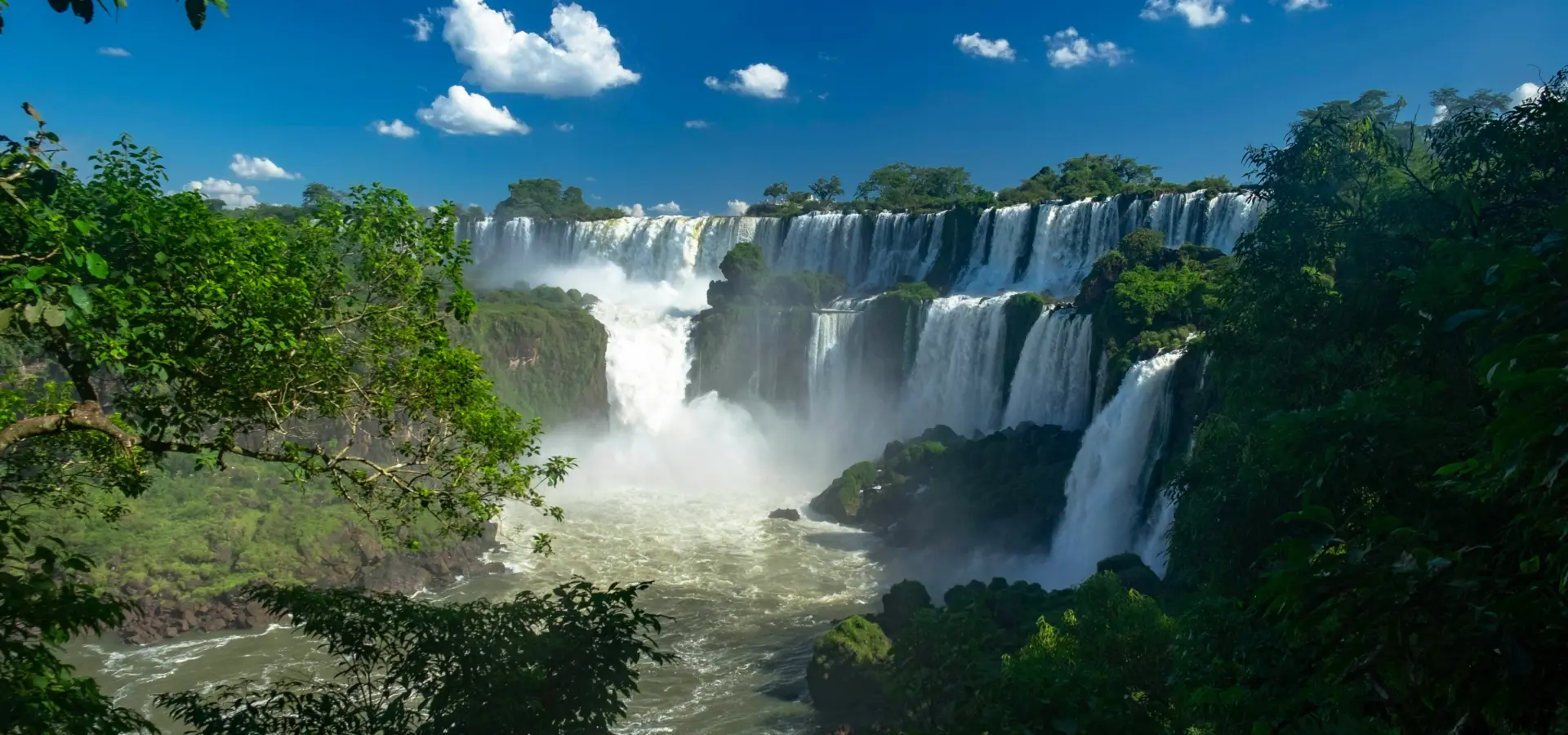
Argentina is a country full of highlights and during this wonderful trip you will discover the most beautiful places. Start in the capital Buenos Aires, a vibrant city that you will explore by bike. Then fly south to visit the impressive glacier region in Patagonia near El Calafate . Afterwards, you will travel to the colonial city of Salta from where you will take a fantastic self-drive in north-western Argentina by hire car. Drive through diverse landscapes, including canyons, salt flats, vineyards and bizarre rock formations. Local markets, adobe houses and alpacas complete the experience. You will end the trip at the mighty Iguazú Falls; dazzlingly beautiful!
Travel programme
Travel overview
- Day 1 Flight to Argentina
- Days 2–4 Buenos Aires
- Day 5 Journey to El Calafate
- Day 6 Perito Moreno Glacier
- Day 7 Free day in El Calafate
- Day 8 – 9 Journey to Salta
- Day 10 – 11 Self-drive : Salta – Tilcara
- Day 12 Self- drive from Tilcara to Salta (via Salinas Grandes)
- Day 13 Self-drive : Salta – Cachi
- Day 14 – 15 Self-drive : Cachi – Cafayate
- Day 16 Journey to Puerto Iguazú
- Day 17 Iguazú Falls (Argentine side) with boat trip
- Day 18 Iguazu Falls (Brazilian side)
- Day 19 Departure from Argentina
- Day 20 Arrival
Buenos Aires

Today you’ll arrive in the bustling city of Buenos Aires. The city comprises various neighbourhoods, each with its own story and charm. For the next few nights, you’ll be staying in the charming Palermo district, where you’ll find delicious restaurants, cosy cafés and antique shops. As you’ve just had a night flight, we’ve arranged an early check-in so that you can go straight to your hotel room upon arrival.
You’re free to spend your arrival day as you wish. This gives you the chance to get to know the city a little on your own. Take a stroll through Recoleta and enjoy a coffee on the terrace at Café La Biela. Or explore the neighbourhood where you’re staying, with its charming squares featuring outdoor cafés and lovely boutiques.
The following day, a guided bike tour through the central districts of Buenos Aires is on the programme. A really enjoyable way to discover the city. You’ll be picked up in the morning and the cycle tour will be over in time for lunch. During the tour, you’ll discover neighbourhoods such as Puerto Madero, La Boca and San Telmo. The following day is free to spend as you wish. Return to your favourite neighbourhood, visit antique shops or markets (the largest markets are held on Sundays, but in San Telmo there’s a smaller market in the square every day), visit one of the many interesting museums, and enjoy the city’s lively atmosphere from a terrace.
Tips from a Travel Specialist
Spend one of your evenings at a tango and dinner show, where you’ll be fully immersed in Argentine culture whilst enjoying a delicious meal. We can book this for you in advance – ask our travel specialist for recommendations on the best shows!
Included:
• Private transfer to your hotel with a guide
• Early check-in at your hotel
• Private guided city tour by bike, including an English-speaking guide (day 3)
• Accommodation including breakfast
Travel to El Calafate

It’s time to leave the bustling city behind and travel on to the next destination. You’ll travel to El Calafate, situated in the southern region of Patagonia, by private transfer and domestic flight.
Patagonia enchants with its unspoilt wilderness and impressive landscapes. With vast plains, snow-capped mountains, glistening lakes and glaciers, this region offers a paradise for nature lovers and adventurers. Unique flora and fauna, including the majestic Andean condor, make it an unforgettable destination for travellers who appreciate rugged beauty.
You’ll stay in comfortable accommodation near Lake Argentino. El Calafate is a small, charming village and the perfect base from which to visit Los Glaciares National Park. You’ll have the afternoon and evening at your leisure.
Included:
• Private transfer to the airport
• Domestic flight to El Calafate
• Private transfer to your hotel
• Overnight stay including breakfast
Perito Moreno glacier
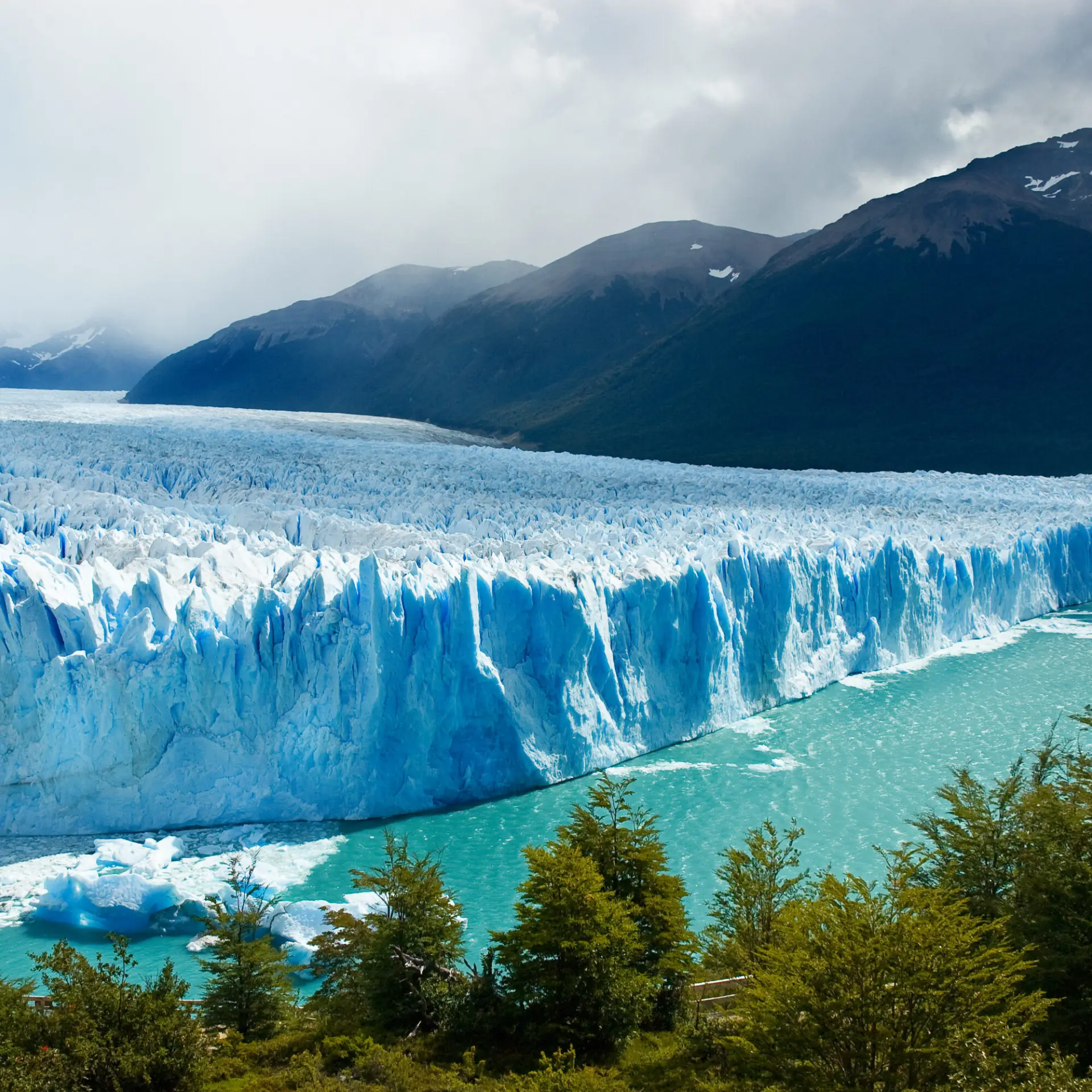
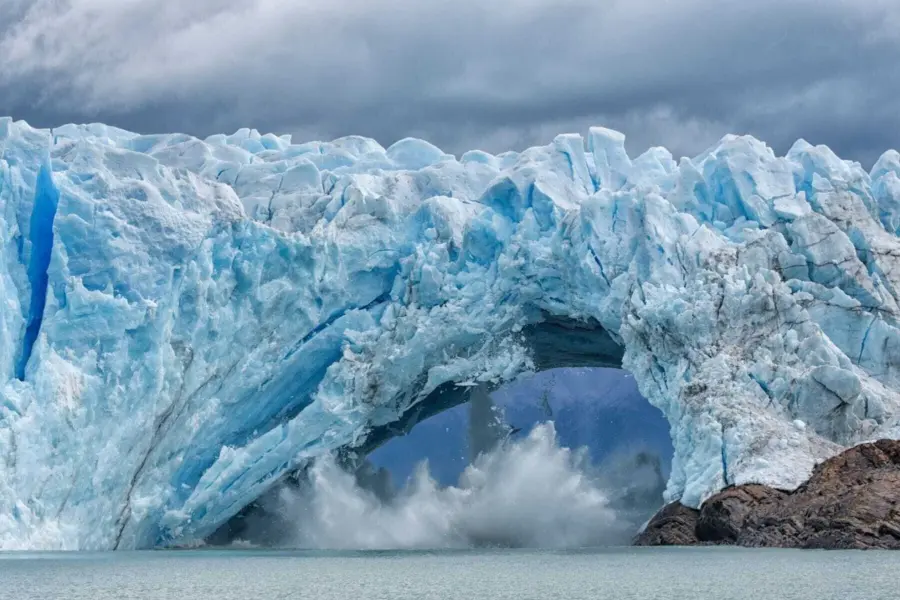
An excursion to the famous Perito Moreno Glacier is on the itinerary! This imposing glacier is situated in Los Glaciares National Park and is a breathtaking natural wonder. With its creaking ice and spectacular icebergs breaking off and plunging into the turquoise water, it offers a unique spectacle. A magical destination that reveals the grandeur of nature. On a private tour, you’ll visit the viewing platforms from which you’ll have a spectacular view of this cracking mass of ice. A fascinating sight!
Optionally, you can choose to extend the excursion prior to the trip with a mini ice trek or a navigation tour. The mini trek is subject to age restrictions (minimum 8 years and maximum 65 years old) due to safety risks.
Included:
• Perito Moreno excursion with private transport, including an English-speaking guide and entrance fees
• Overnight stay including breakfast
Free day in El Calafate
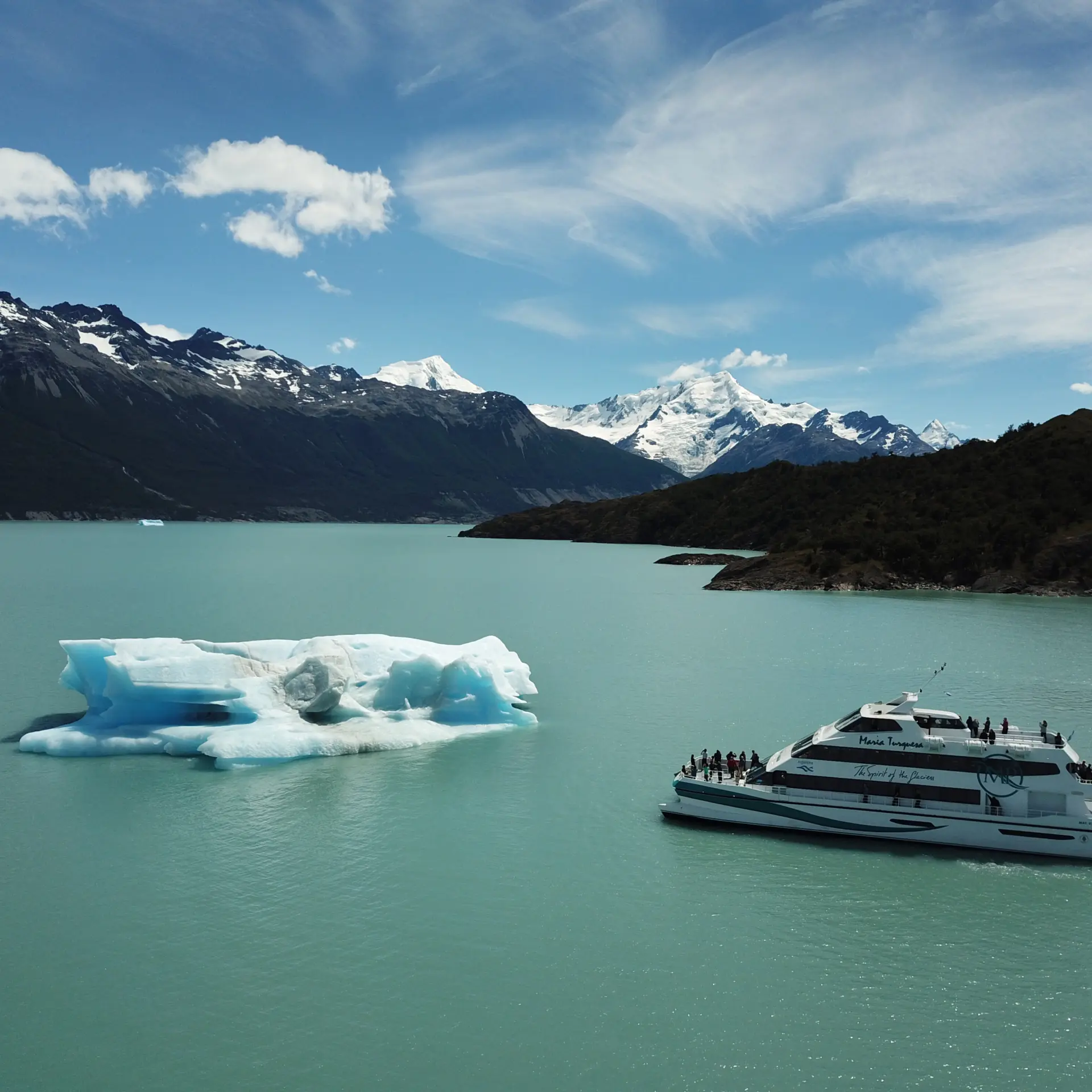
You have the day free to spend as you wish. There is an abundance of things to do in this beautiful area. If you’d like to see more glaciers, we recommend a day cruise on Lake Argentino. During the cruise, you’ll visit some of the area’s most famous glaciers, such as the Spegazzini Glacier. During the cruise, you’ll be able to admire the Upsala Glacier from a distance; in terms of surface area, it’s actually larger than the city of Buenos Aires.
Another option is an excursion to an authentic estancia where sheep are reared. Here, you’ll learn more about local Patagonian traditions and customs. You can also go kayaking, horse riding or join a geological tour. If you’d like to go for a walk or book one of the unique Avila Experiences, just ask us about the options!
Included:
• Accommodation including breakfast
Travel to Salta
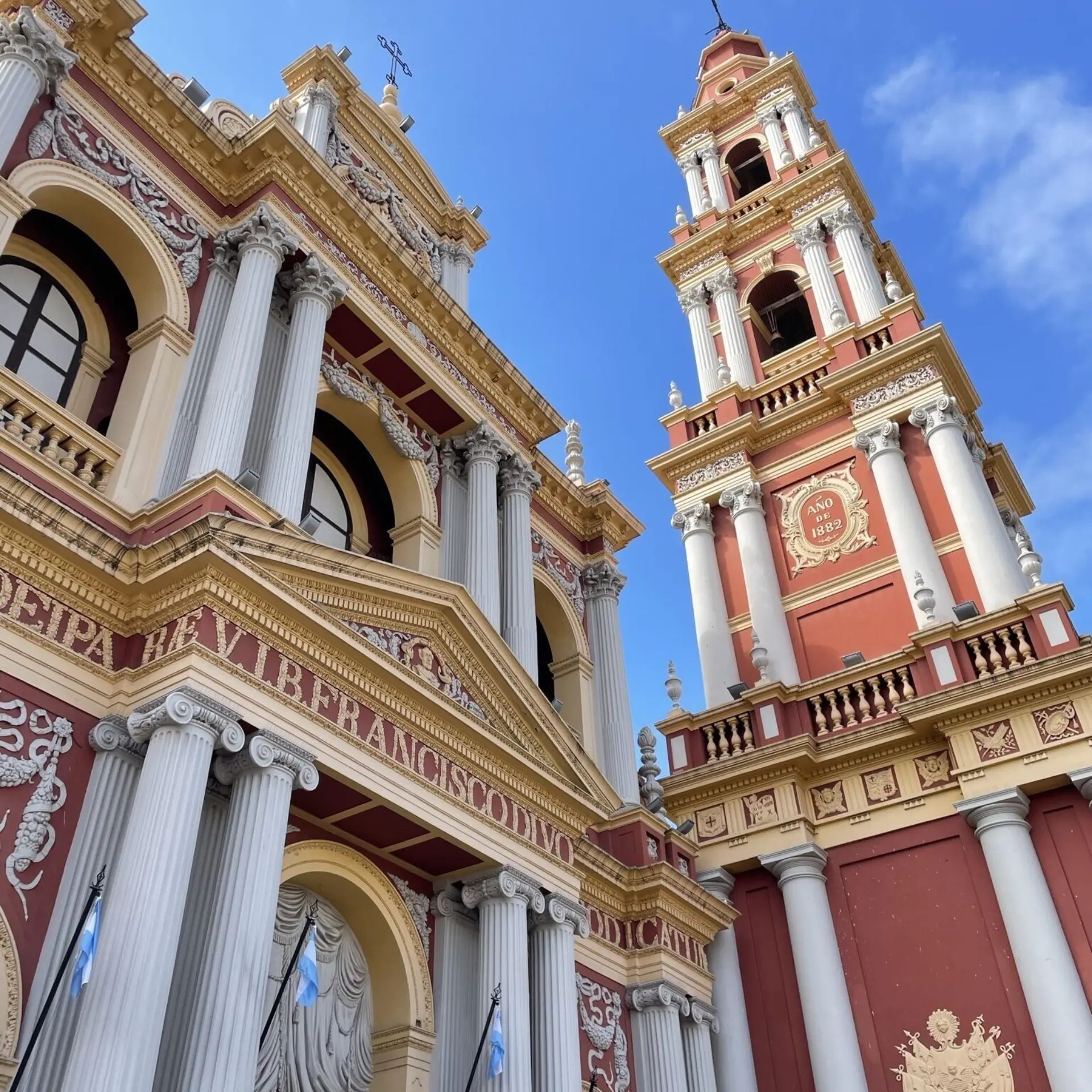
It’s time to leave Patagonia behind and fly on to the north-west of the country. Another special region with plenty of natural beauty. You’ll be staying in the beautiful city of Salta, one of the oldest and most beautiful colonial cities in the country. During your stay, you’ll have plenty of time to explore this charming city.
Stroll at your leisure through the narrow streets and admire the magnificent colonial buildings. You might also wish to visit the Museo de Arqueología de Alta Montaña. This museum plays a vital role in preserving cultural heritage and safeguarding the local culture. It offers a rich insight into the identity of the indigenous people. The mummy museum is also well worth a visit, or take the cable car up Mount San Bernardo for a fantastic view of the city.
Included:
• Private transfer to the airport
• Domestic flight to Salta (via Córdoba or Buenos Aires)
• Private transfer to your hotel
• Accommodation including breakfast
Self-drive Salta - Tilcara
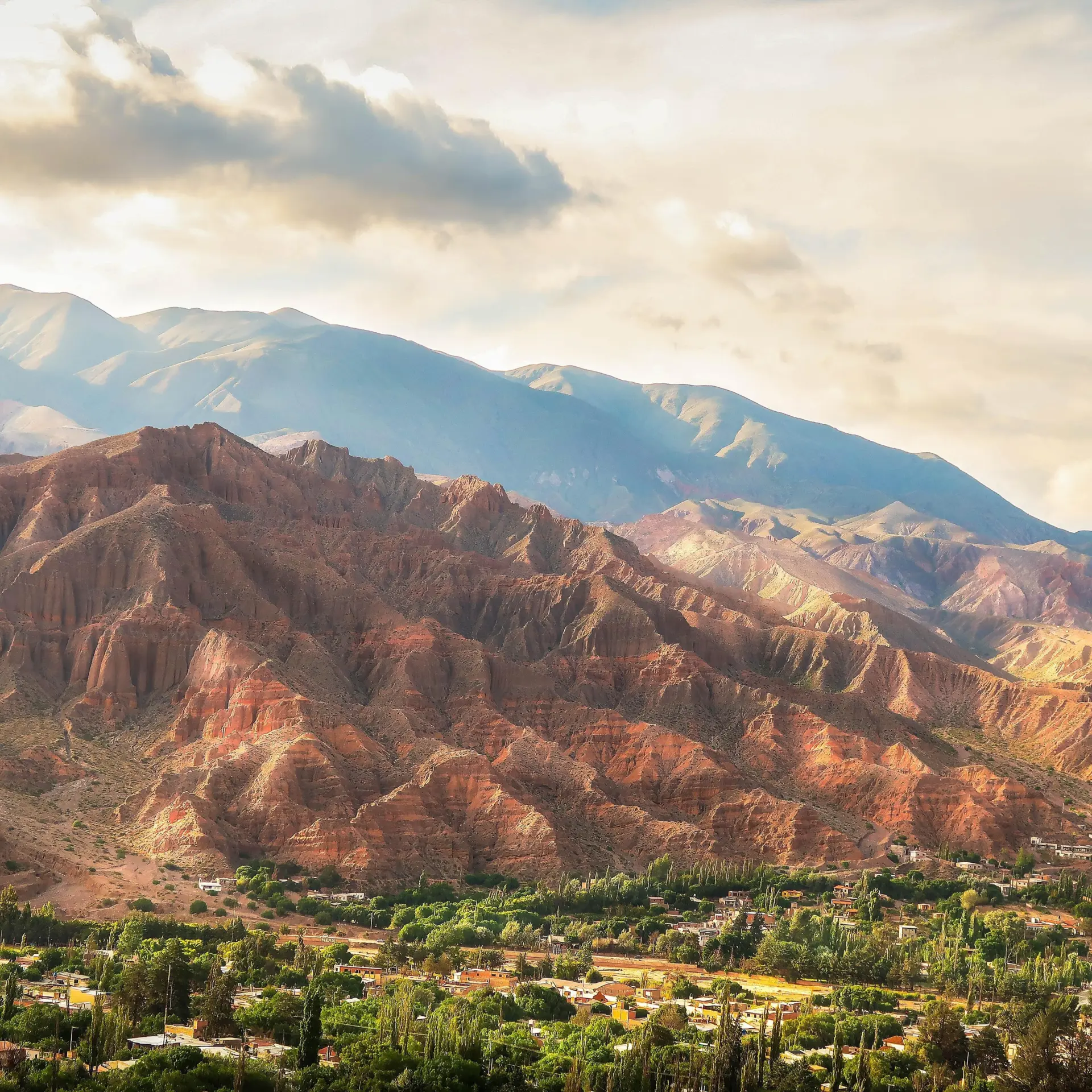
Your self-drive tour through the beautiful north-west of Argentina starts today! A car is waiting for you at the car hire office, which you can use to drive to the indigenous region of Jujuy. We recommend taking the Camino de Cornisa (Ruta 9) as your route. This route takes approximately 3.5 hours without stops.
The Tilcara region is best known for its colourful mountains and indigenous people. It is for this reason that the Quebrada de Humahuaca (the canyon in which Tilcara is situated) is a UNESCO World Heritage Site. From Tilcara, you can easily walk to the ruins of Pucará, or drive past various villages in the Quebrada de Humahuaca to soak up the atmosphere of the region. A visit to Purmamarca, with its famous seven-coloured mountain, is of course not to be missed!
Includes:
• Hire car
• Accommodation including breakfast
Exclusive:
• Transfer to the car hire office
Self drive Tilcara - Salta (via Salinas Grandes)

You’ll return to Salta. This time, you’ll be staying at a rural finca near the city. The centre of Salta is about a 30-minute drive away.
You can choose to drive back via the dazzling Salinas Grandes. This is a long, tiring drive, but absolutely worth the effort. You’ll drive along Ruta 52 past the salt flats towards the border with Chile. Before heading towards San Antonio de Los Cobres, be sure to drive on a little further to the salt flats themselves to get out of the car and feel the salty ground beneath your feet.
After the tarmac road you’ve been on so far, you’ll drive to San Antonio de los Cobres along a gravel road, but through a fascinating landscape. What’s more, throughout the entire route you’re likely to come across herds of llamas, alpacas and vicuñas. After San Antonio de los Cobres, the road alternates between tarmac and gravel all the way to Salta. The entire journey takes around 5.5 to 6.5 hours. It is an unforgettable day, especially if you have never been to a large salt flat before!
Included:
• Hire car
• Accommodation including breakfast
Self-drive Salta - Cachi
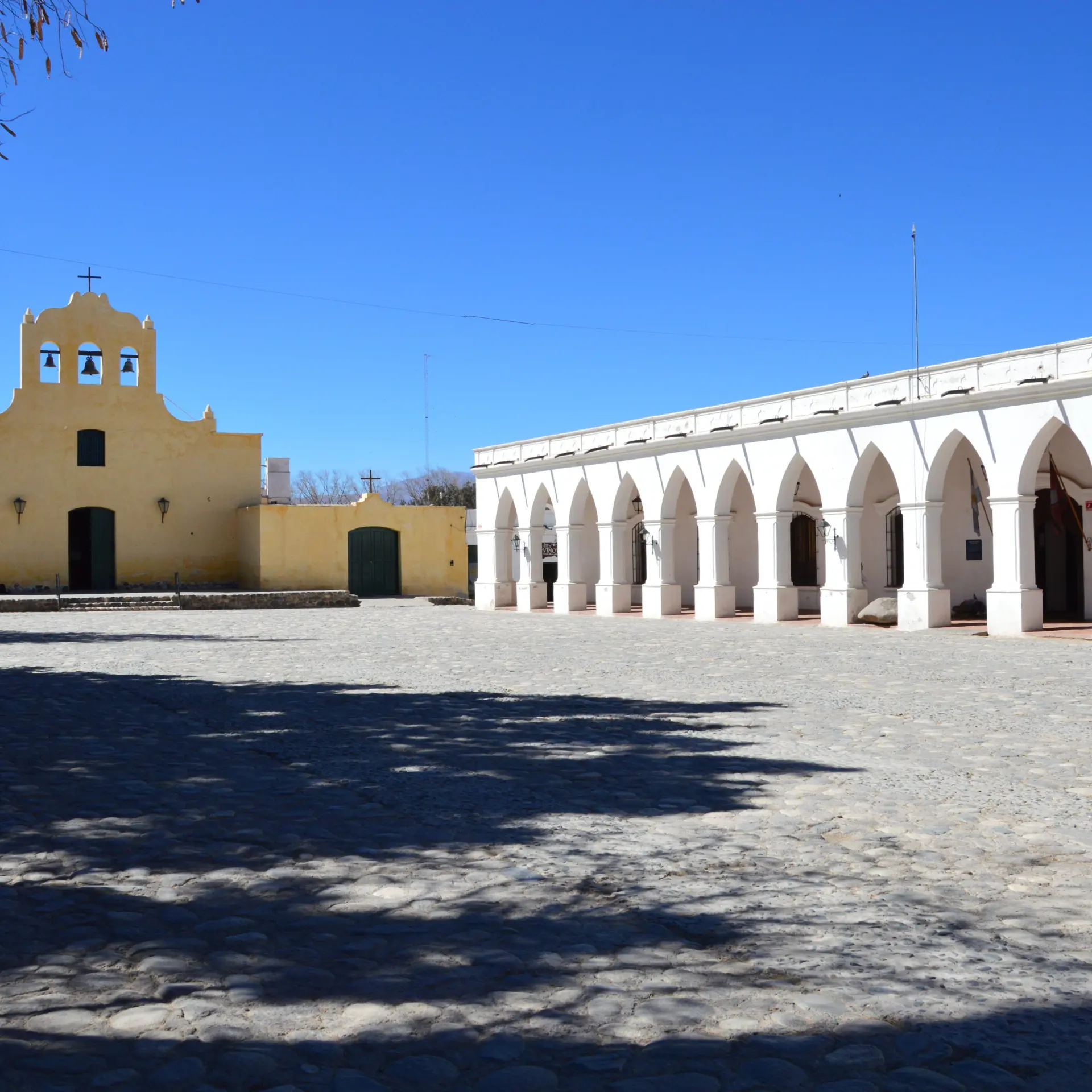
Your next stop on this beautiful self-drive tour is the white mountain village of Cachi. The route from Salta to Cachi takes you through Los Cardones National Park. Today’s drive takes around 3.5 hours without stops. Your journey begins on Ruta 68 through the Lerma Valley to the village of Carril. From Maray, you’ll eventually reach Bishop’s Cliff. A winding road leads into the mountains, offering a stunning panoramic view of the enchanting valley and small cottages surrounded by maize and fruit trees. At Piedra del Molino (millstone), you’ll reach your highest point at 3,384 metres above sea level.
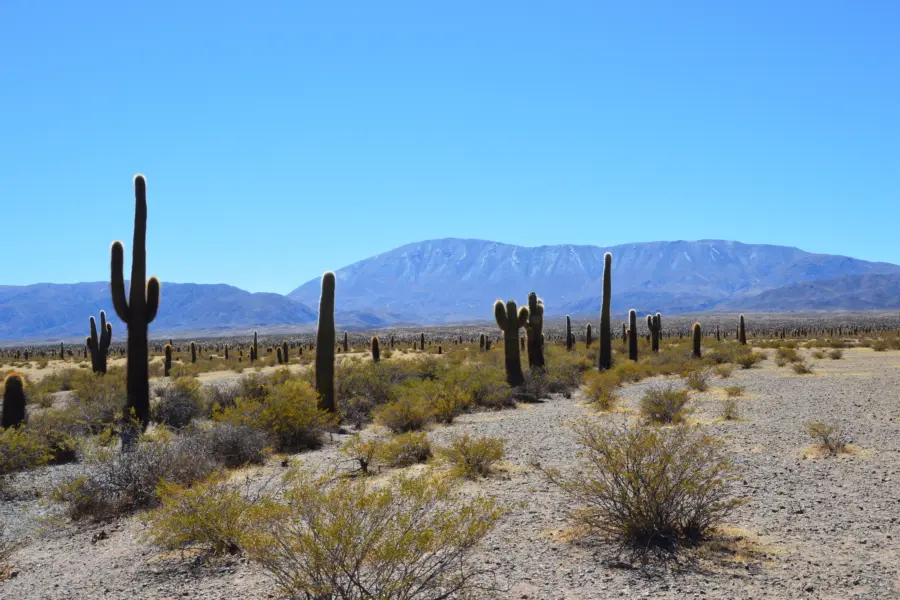
Once you have reached the highest point of the route, you continue your journey to Los Cardones National Park, a former Inca trail. The main vegetation consists of Cardon cacti. There are over 100 species of bird to spot, of which the condor is the most captivating. Just before you reach Cachi, you’ll be treated to a stunning panoramic view of Nevado de Cachi and Payogasta.
You will spend the coming night at La Merced del Alto, which is surrounded by hills, rivers and streams. From the summit, you are invited to explore the Calchaquines Valley or simply relax and enjoy the tranquillity this place has to offer.
Included:
• Hire car
• Accommodation including breakfast
Self-drive Cachi - Cafayate
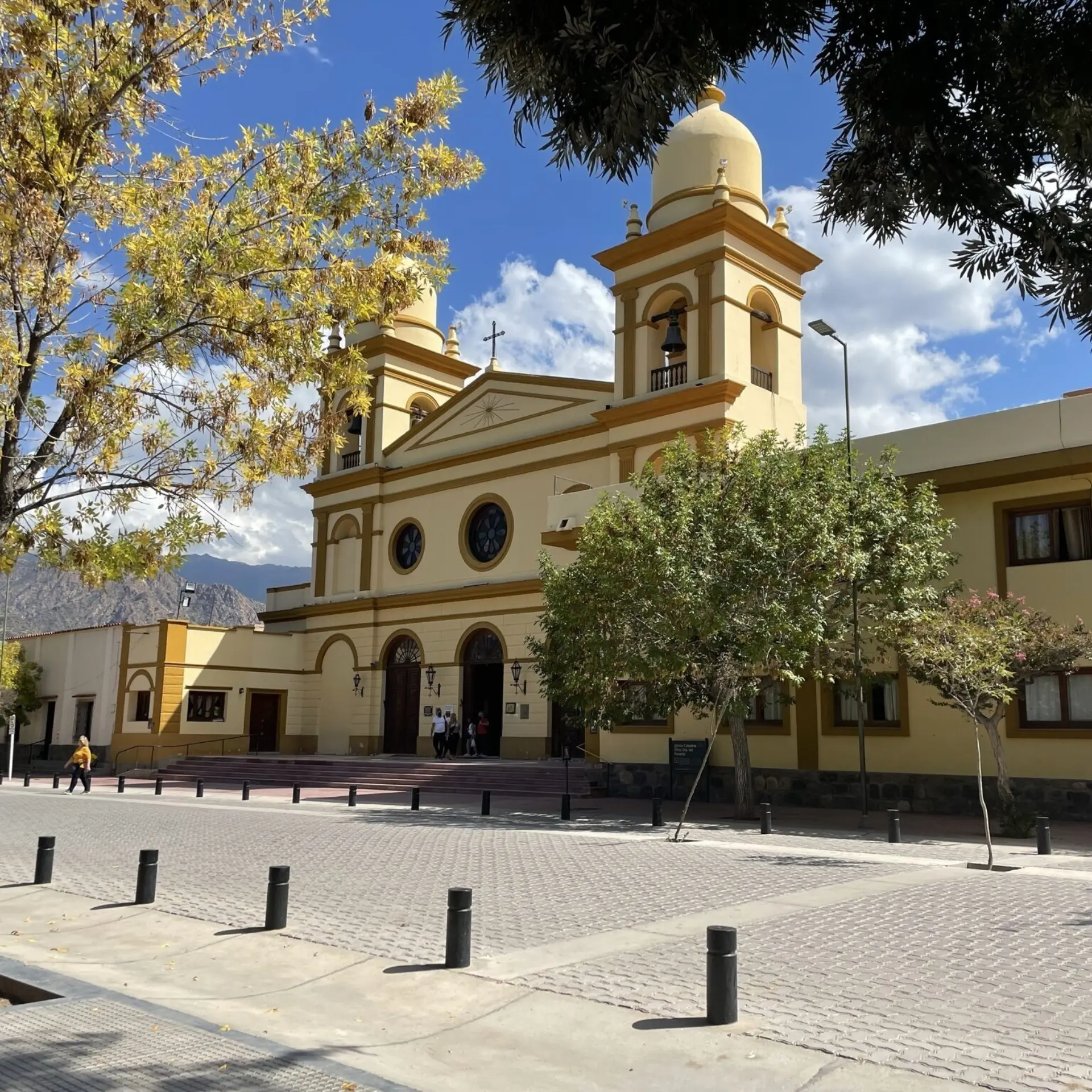
What would a trip through Argentina be without a visit to one of its wine regions? It takes about 4.5 hours to drive to the Cafayate wine region; tarmac is extremely rare on this stretch of road.
You’ll follow the famous ‘Ruta 40’ southwards. Near the picturesque village of Molinos (about a 2-hour drive), you can visit a farm with vicuñas (the smallest and, thanks to their fine wool, most beloved camelid of the Andes). From Molinos, you may wish to take a dusty side road – which even takes you across a few small rivers – to Estancia Colomé for a short visit (an extra 18 kilometres or so). This stylish, remote ranch boasts the highest-altitude vineyards in the world. The ‘estancia’ also houses an art museum (truly ‘in the middle of nowhere’). Please note that access is limited to poor during the wet season and that booking in advance is recommended.
After Molinos, you’ll soon find yourself in the Quebrada de las Flechas (the Valley of the Spearheads), where you’ll be greeted by a stunning landscape of unique rock formations and colours. It’s still about a 2.5-hour drive to Cafayate.
Cafayate lies in the heart of Argentina’s white wine region, and you can sample a glass at various bodegas. Cafayate is a popular weekend destination amongst Argentinians, and you’ll find a number of cosy, typically Argentinian restaurants there. Enjoy this beautiful area at a stunning wine resort. On your day off, you can hire bikes to visit the various bodegas and sample the Torrontés wines, or take a car to visit the Quebrada de las Conchas (also known as the Quebrada de Cafayate). This canyon offers a magnificent spectacle, absolute proof that Mother Nature is the world’s greatest artist.
Includes:
• Hire car
• Accommodation including breakfast
Travel to Puerto Iguazú

This final leg of the self-drive tour through the north-west takes you back to Salta via a tarmac road and takes around 3.5 hours in total. The first part of your journey takes you through the Quebrada de las Conchas. However, you won’t have time to stop along the way today, as you need to be at the airport in good time for your domestic flight to Iguazu (you can, however, explore this canyon at your leisure on day 15 of the programme, during your day off in Cafayate).
You’ll continue along Route 68 all the way to the village of Cerrillos, where you’ll turn off onto Route 24 before turning right shortly afterwards onto Avenida Circunvalación. Once you reach Route 51, turn right again and you will arrive at Salta Airport. Here, you will hand back the car and fly on to the magnificent Iguazú Falls! On arrival in Puerto Iguazú, you’ll be taken to your lovely accommodation on the Argentine side.
Included:
• Hire car
• Domestic flight to Iguazú
• Private transfer to your hotel with a guide
• Overnight stay including breakfast
Iguazú Falls Argentine side with boat trip
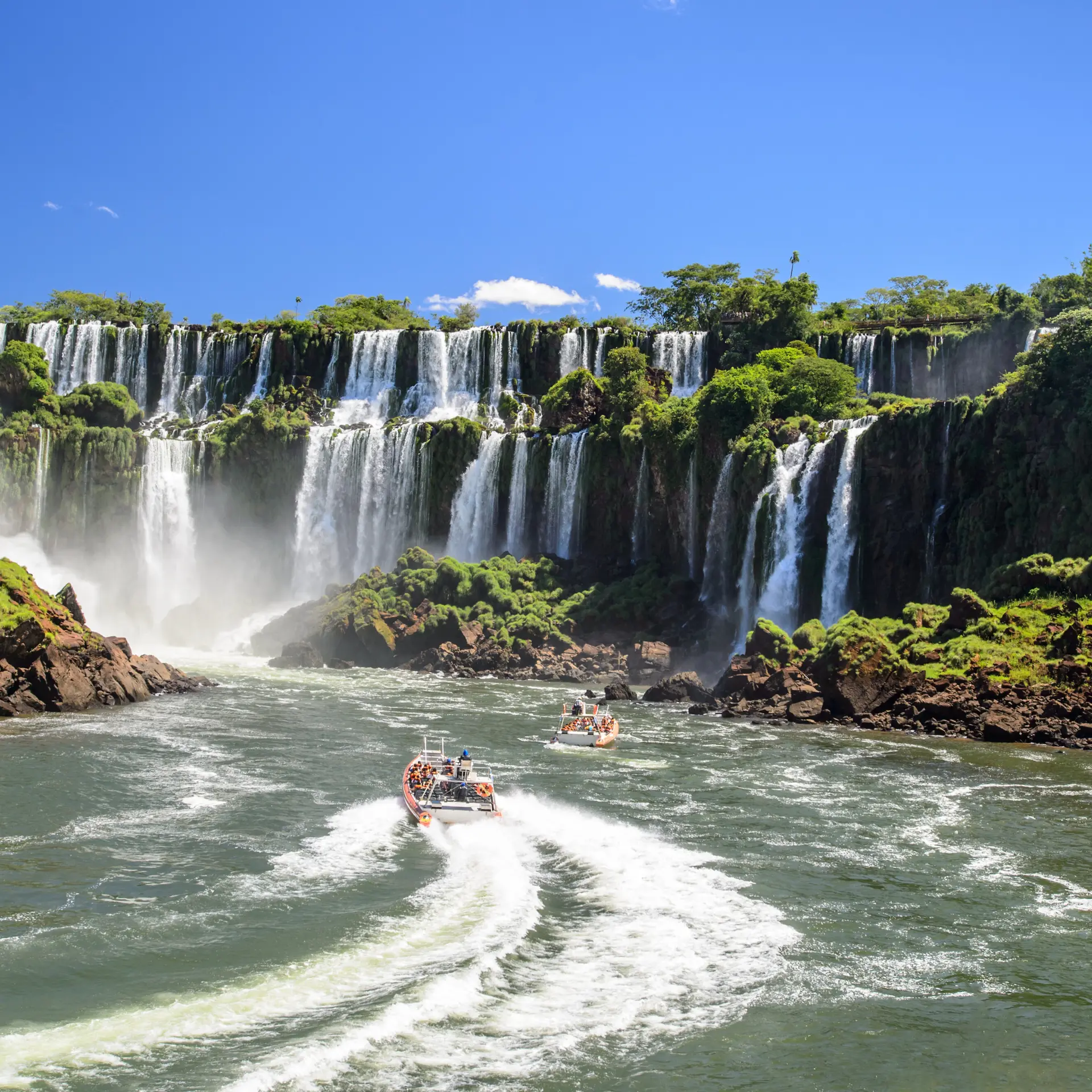
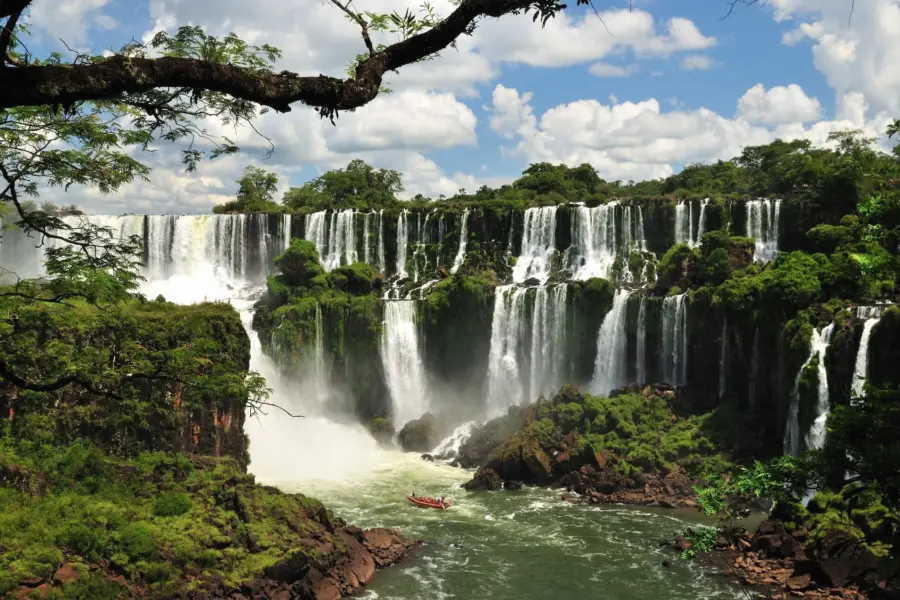
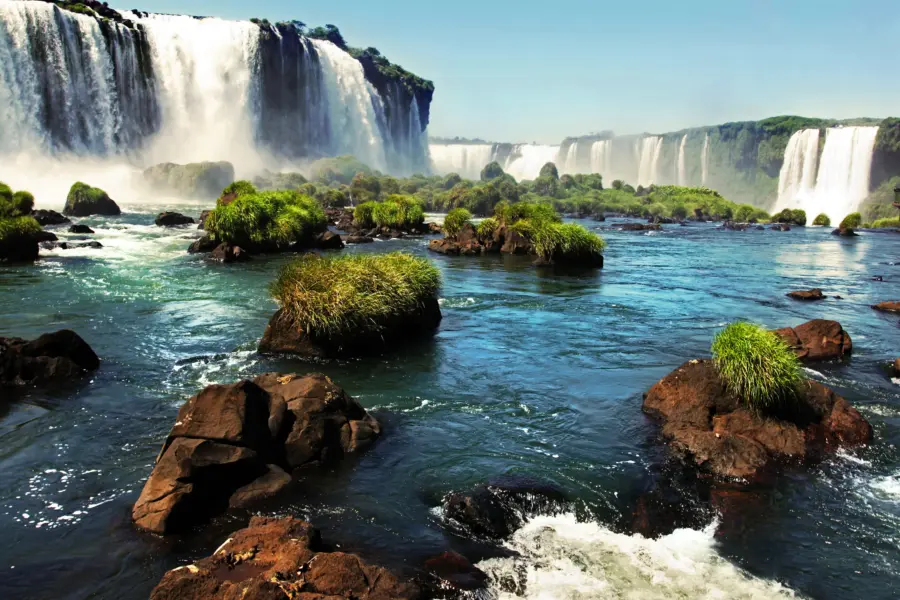
A vast expanse of water awaits you today. It’s time for a day trip to the Argentine side of Iguazú National Park. The Iguazú Falls are a breathtaking spectacle of natural beauty. Amidst the lush rainforest, powerful waterfalls plunge down. Footbridges offer breathtaking views of this UNESCO World Heritage Site, where roaring water and colourful flora come together to create an unforgettable experience.
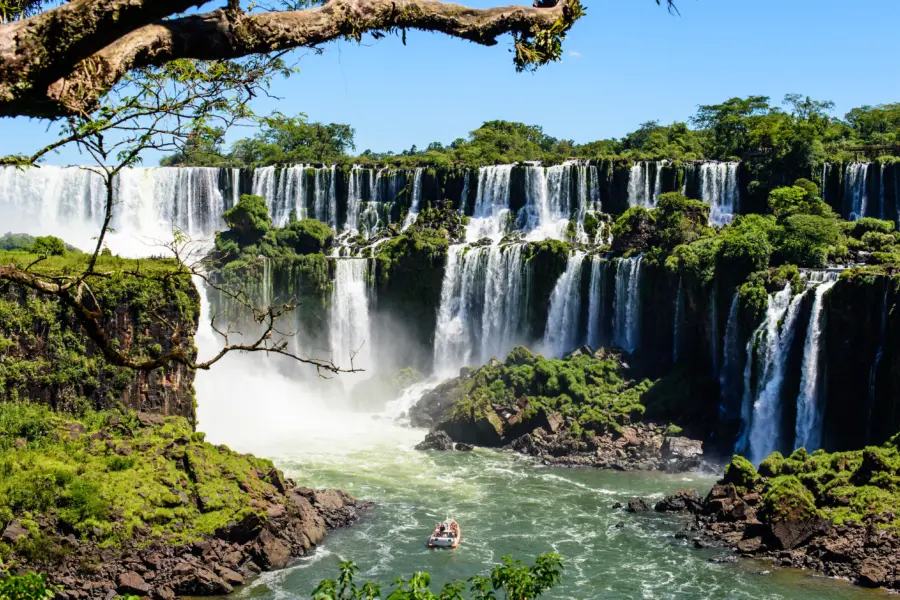
Here you’ll have plenty of time to explore South America’s greatest water spectacle. The Argentinian side of the falls is characterised by numerous walking trails that take you right up to the falling water, between the streams and through the jungle. You’ll also take a boat trip in a zodiac right to the foot of the falls. A refreshing activity where you’re bound to get wet! A rain poncho is no luxury here.
Included:
• Excursion to the Argentine side of the waterfalls with private transport, including an English-speaking guide and entrance fees
• Great Adventure boat trip in a group, including entrance fees
• Overnight stay including breakfast
Iguacu falls Brazilian side
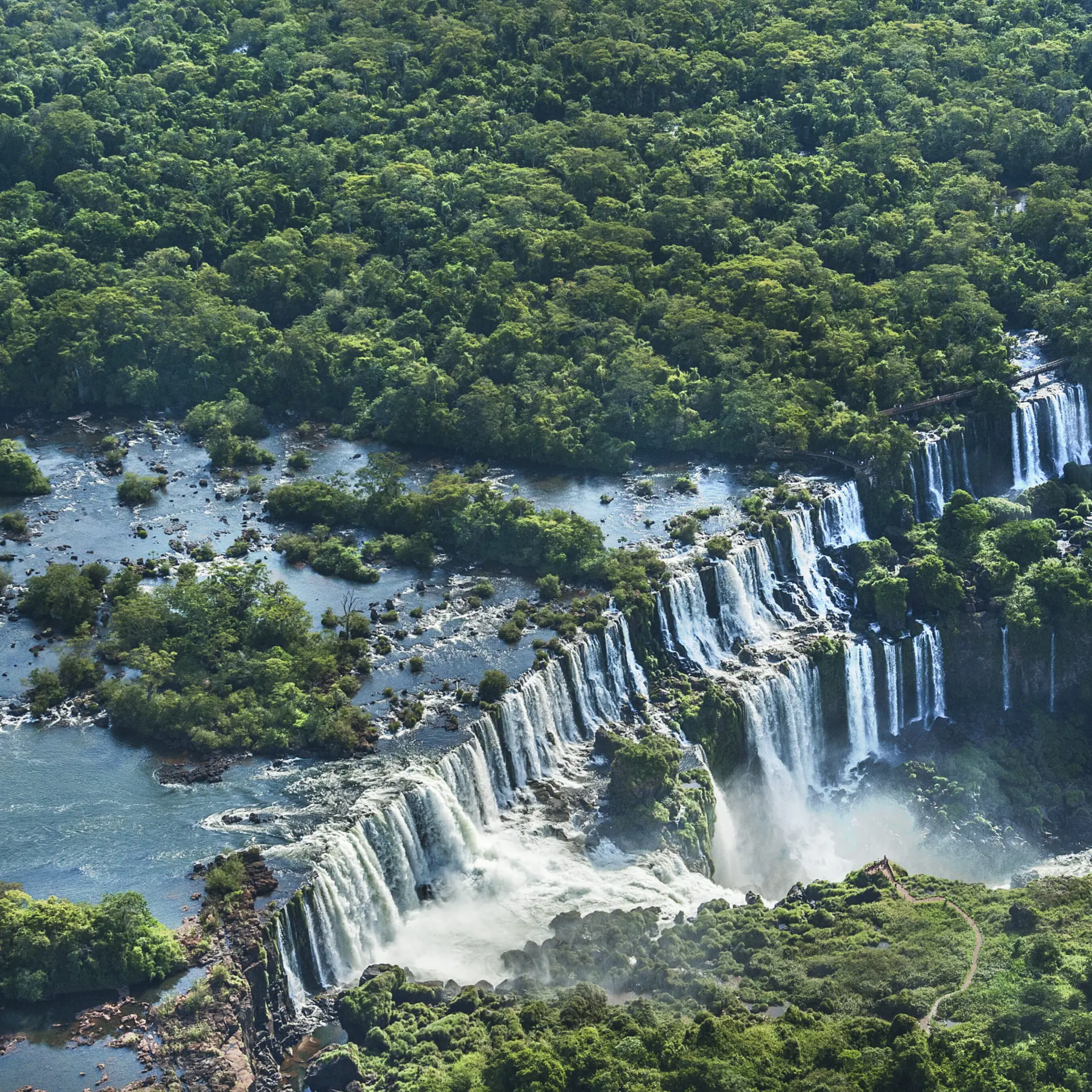
On the final full day of your wonderful trip through Argentina, you’ll pop over to Brazil for a short visit! You’ll visit the Brazilian side of Iguacu National Park; from this side, you’ll see a completely different view to the one from the day before. Here, you can enjoy a spectacular panoramic view of the various waterfalls and get a better sense of just how vast this nature reserve really is.
You may wish to extend this excursion with a visit to the region’s main dam, Itaipu. If you’d like to get a bird’s-eye view, a helicopter flight is also an option. We’d be happy to help you tailor your itinerary to your preferences.
Included:
• Half-day tour of the Brazilian side of the waterfalls with private transport, including an English-speaking guide
• Overnight stay including breakfast
Accommodations
Palo Santo Hotel
Palo Santo is a small luxury design and green hotel in Palermo, Buenos Aires. Its architecture showcases the beauty and sophistication of modern Argentine design. Palo Santo offers excellent service that aims to give its guests the best of the Buenos Aires experience. The hotel rooms are set up as designer flats...
Palo Santo is a small luxury design and green hotel in Palermo, Buenos Aires. Its architecture showcases the beauty and sophistication of modern Argentine design. Palo Santo offers excellent service that aims to give its guests the best of the Buenos Aires experience. The hotel rooms are set up as designer flats in which guests experience the best of contemporary Argentinian design. Every piece of furniture and decoration was hand-picked to create a cohesive aesthetic experience. Only noble materials were used: marble, aluminium, iron, concrete and natural Palo Santo hardwood.
Palo Santo is located in the bustling Palermo Hollywood district within walking distance of the lively Palermo Soho. The hotel itself has a fine restaurant, the Charqui Restaurant, which specialises in tasty, hearty, homemade Argentine dishes.
Positive impact
With more than 800 plants in and around the beautiful and green boutique hotel Palo Santo, it is Buenos Aires' first certified green hotel. The hotel has carefully selected materials, equipment and suppliers to reduce the environmental impact of the hotel's construction and operations. For more information on the hotel's comprehensive sustainability policy, please visit here: https://www.palosantohotel.com/portfolio-item/green/
Your stay: 3 nights
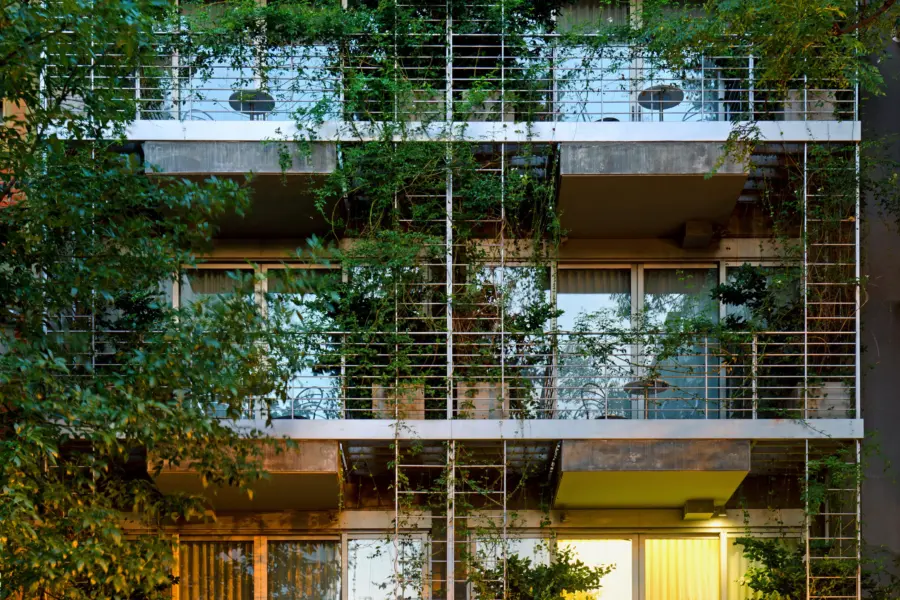
Image Hotel & Spa
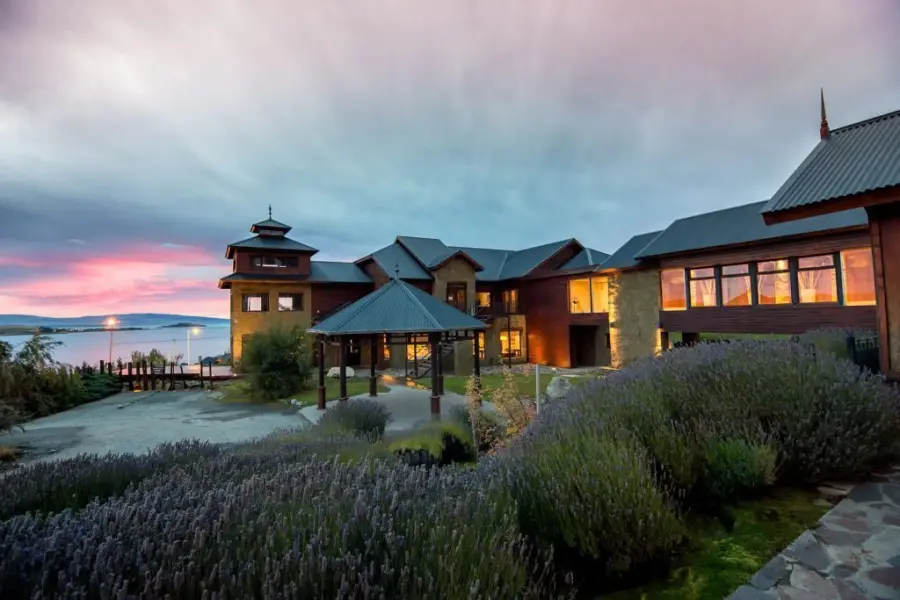
Imago Hotel & Spa is a lovely hotel to stay at in El Calafate with stunning views of Lago Argentino. It is located just minutes from Glacier National Park and also includes one of the best restaurants in the region. After an excursion to the glaciers, enjoy the spa facilities...
Imago Hotel & Spa is a lovely hotel to stay at in El Calafate with stunning views of Lago Argentino. It is located just minutes from Glacier National Park and also includes one of the best restaurants in the region. After an excursion to the glaciers, enjoy the hotel's spa facilities to completely unwind, with every detail designed to provide a relaxed atmosphere and a new approach to service. This relaxed elegance is also reflected in each of the spacious rooms. The hotel staff are more than happy to make your stay perfect.
Positive impact
Image Hotel & Spa are concerned about the environment and the impact it has on our planet. They are therefore concerned with water, energy and proper recycling of waste to reduce the ecological footprint. For more information on the hotel's comprehensive sustainability policy, you can read more here: https://imagohotelspa.com/en/nuestra-politica-sustentabilidad/
Your stay: 3 nights
Villa Vicuña Boutique Hotel
Located in the heart of Salta is this mansion from the early 20th century. Villa Vicuña is just two blocks away from the central square and within walking distance of Salta's historic centre with its local attractions. The warmth of the colonial house combined with its surroundings offers a...
Located in the heart of Salta is this mansion from the early 20th century. Villa Vicuña is just two blocks away from the central square and within walking distance of Salta's historic centre with its local attractions. The warmth of the colonial house combined with its surroundings offers an appealing stay. Furthermore, the rooms are decorated in a romantic style and the hotel features a lovely patio with swimming pool.
Your stay: 2 nights

Las Marias Hotel Boutique
Las Marias Boutique Hotel is located in the town of Tilcara, the cultural heart of the Humahuaca Valley. The accommodation offers cosy rooms and suites with every comfort. The suites also feature a lounge area with fireplace, kitchenette and an outdoor terrace with barbecue.
Every day, a...
Las Marias Boutique Hotel is located in the town of Tilcara, the cultural heart of the Humahuaca Valley. The accommodation offers cosy rooms and suites with every comfort. The suites also feature a lounge area with fireplace, kitchenette and an outdoor terrace with barbecue.
A buffet breakfast is provided daily and the hotel has a bar open during lunch and dinner times. Packed lunches can be requested for excursions if required.
Facilities include a swimming pool, gym, laundry service and free parking.
Your stay: 2 nights
House of Jasmines
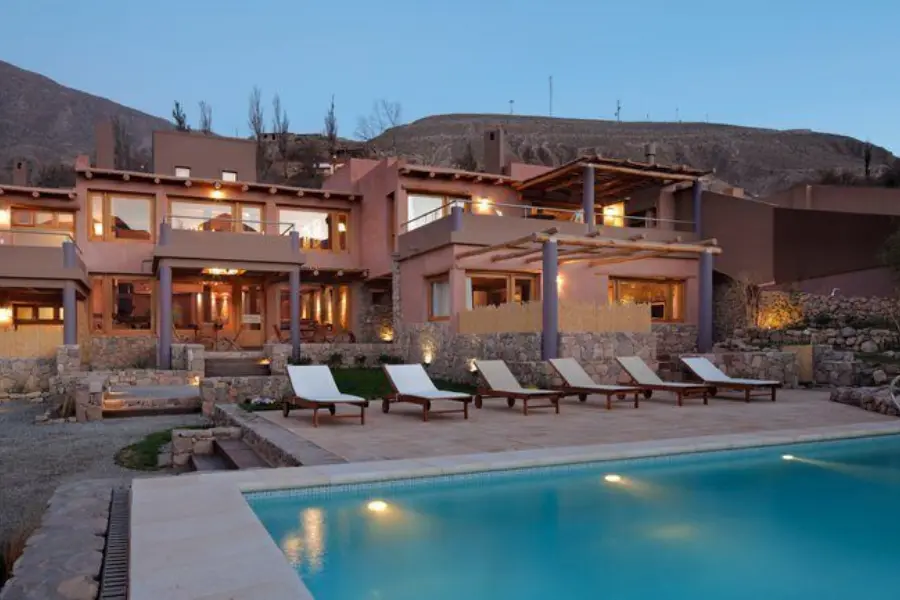
Close to the Andes and minutes from Salta, discover the luxury hotel House of Jasmines (member of Relais & Chateaux). At the end of an alley lined with eucalyptus trees, a centuries-old estancia welcomes travellers for an unforgettable stay.
Whether it is the hotel rooms, the large park of...
Close to the Andes and minutes from Salta, discover the luxury hotel House of Jasmines (member of Relais & Chateaux). At the end of an alley lined with eucalyptus trees, a centuries-old estancia welcomes travellers for an unforgettable stay.
Whether it's the hotel rooms, the large 100-hectare park or the wellness centre with SPA and outdoor pool, everything is designed to allow visitors to relax. Stay at the hotel and enjoy the restaurant La Table de House of Jasmines, which sublimates traditional Argentine gastronomy and presents local products from Salta province. The Estancia is also the ideal starting point to explore the varied landscapes of northern Argentina, home to many natural wonders. Get carried away by the warm and romantic atmosphere of the Argentine Northwest.
Your stay: 1 night
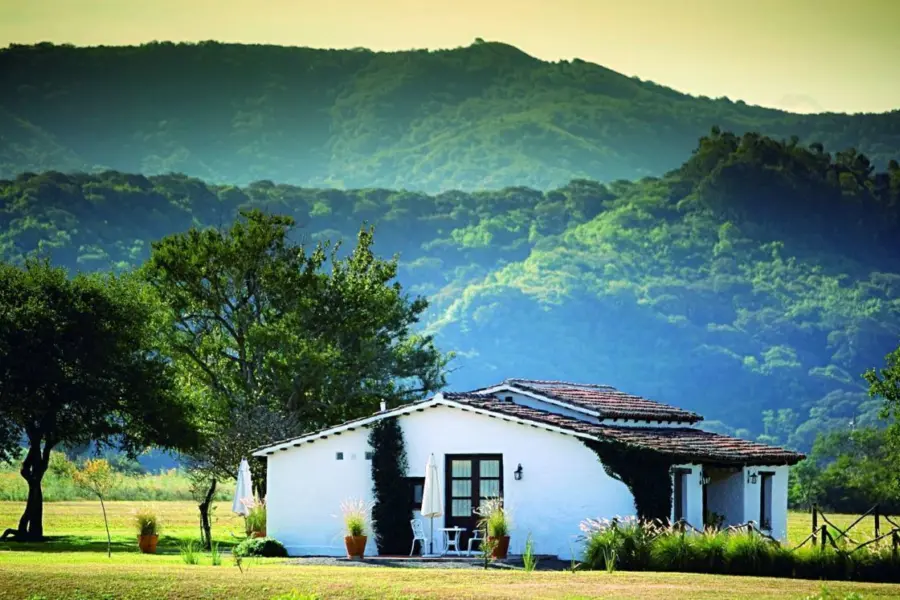
La Merced del Alto
At the foot of the Nevado de Cachi, La Merced del Alto dominates the breathtaking valley surrounded by hills, rivers and streams. From the top, you are invited to explore the surroundings of the Calchaquines valley or relax in the hotel's pool and enjoy the tranquillity this place has to offer...
At the foot of the Nevado de Cachi, La Merced del Alto dominates the breathtaking valley surrounded by hills, rivers and streams. From the top, you are invited to explore the surroundings of the Calchaquines valley or relax in the hotel's pool and enjoy the tranquillity this place has to offer.
Positive impact
La Merced del Alto in Cachi promotes sustainability through the use of local materials, energy-efficient systems, and water conservation. The hotel implements waste separation and composting, and supports the local economy by working with local suppliers and artisans.
Your stay: 1 night
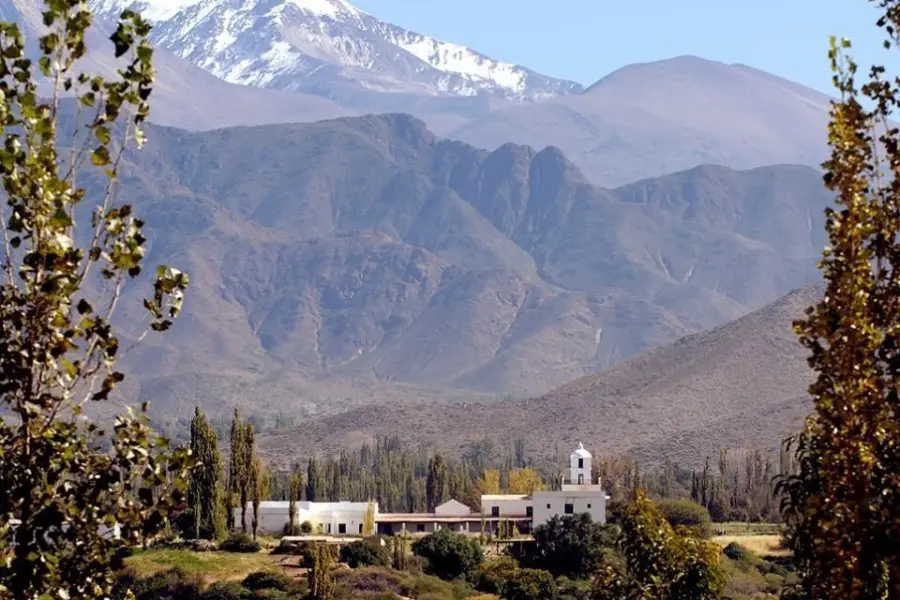
Patios De Cafayate
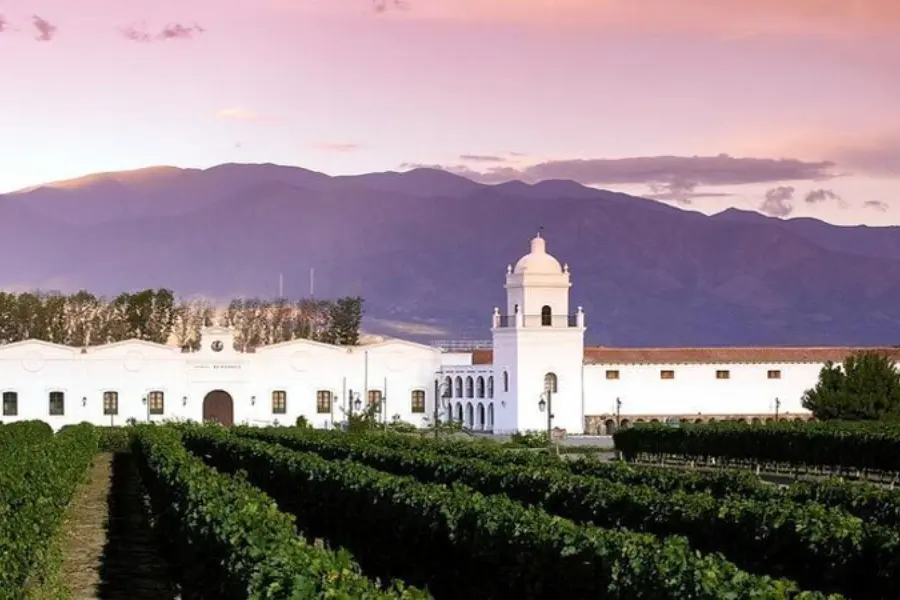
Stay in a prime location at the beautiful Patios de Cafayate hotel & spa. Rich in culture, wine and tradition, the Patios de Cafayate hotel realises stunning views over the Calchaquíes Valley vineyards. Stroll through the extensive gardens and admire the traditional architecture and antique, colonial...
Stay in a prime location at the beautiful Patios de Cafayate hotel & spa. Rich in culture, wine and tradition, the Patios de Cafayate hotel realises stunning views over the Calchaquíes Valley vineyards. Stroll through the extensive gardens and admire the traditional architecture and antique, colonial patios. The hotel features a spa with very special wellness treatments.
Your stay: 2 nights
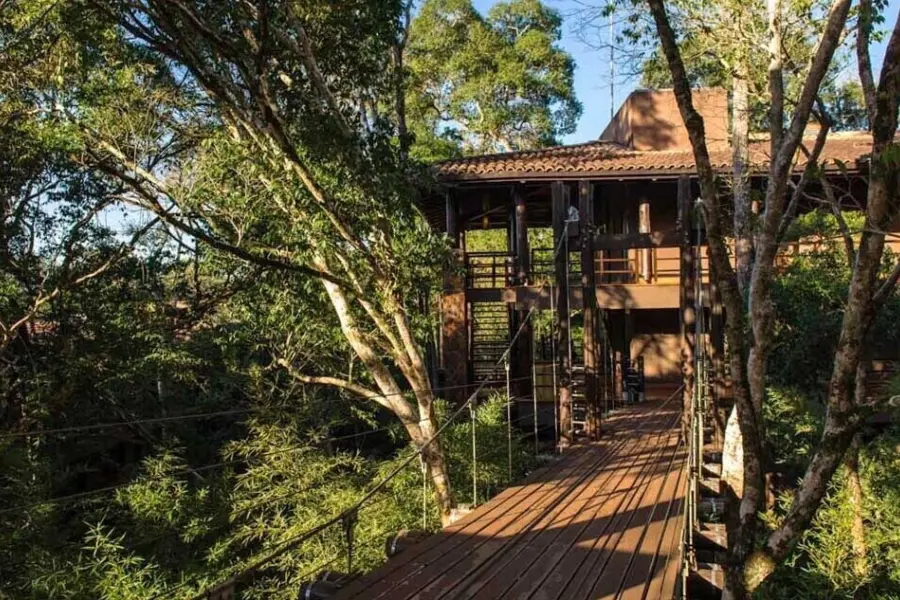
Loi Suites Iguazú
A beautiful 5-star boutique hotel tucked away in the subtropical forest of Iryapú. From here, you are only steps away from the fascinating Iguazú Falls. The hotel features a lovely spacious swimming pool for a refreshing dip after an intense day or unwind in the...
A beautiful 5-star boutique hotel tucked away in the subtropical forest of Iryapú. From here, you are only steps away from the fascinating Iguazú Falls. The hotel features a lovely spacious swimming pool for a refreshing dip after an intense day or unwind in the accompanying spa. Furthermore, the hotel has two different restaurants and you can walk through the resort via fun suspension bridges.
Your stay: 3 nights
Experiences
Perito Moreno excursion
You take an excursion to the famous Perito Moreno Glacier, one of the most extraordinary glaciers in the world. You will have time at the balconies from where the views of the Perito Moreno Glacier are spectacular. The thundering sound echoed by mountains on all sides when a chunk falls off is...
You take an excursion to the famous Perito Moreno Glacier, one of the most extraordinary glaciers in the world. You will have time at the balconies from where the views of the Perito Moreno Glacier are spectacular. The thundering sound echoed by mountains on all sides when a chunk falls off is unquestionably spectacular.

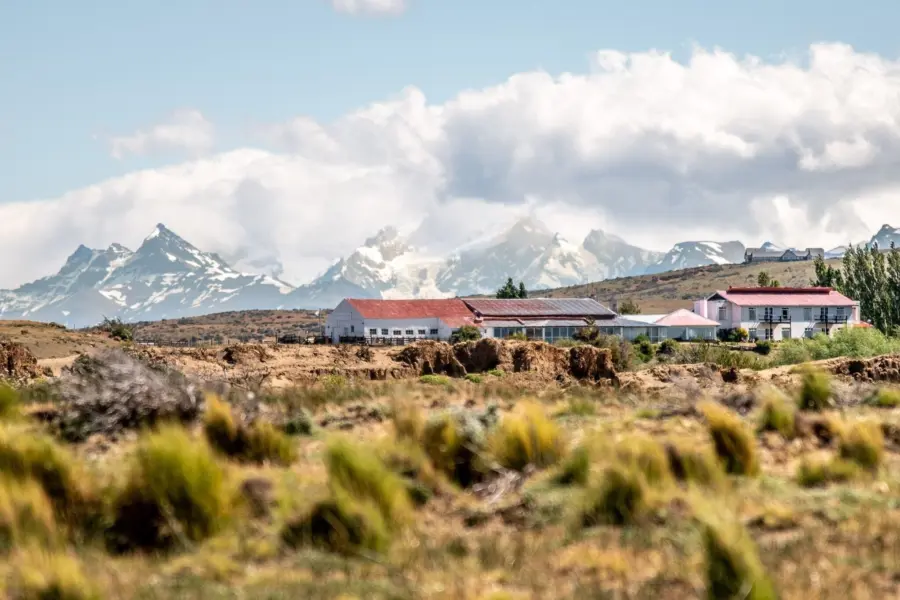
Excursion El Galpón día de campo
You will take a special and rural excursion to a traditional ranch where you will experience a day in the Argentine countryside. A very authentic and unique experience where during this day you will not only learn something about local traditions, but also learn about the tastes and daily activities....
You will take a special and rural excursion to a traditional ranch where you will experience a day in the Argentine countryside. A very authentic and unique experience where during this day you will not only learn about local traditions, but also get to know the tastes and daily activities. During the day, various activities and demonstrations will pass by. From shearing sheep to preparing a delicious Argentinian barbecue where empanadas and Patagonian lamb are not to be missed.
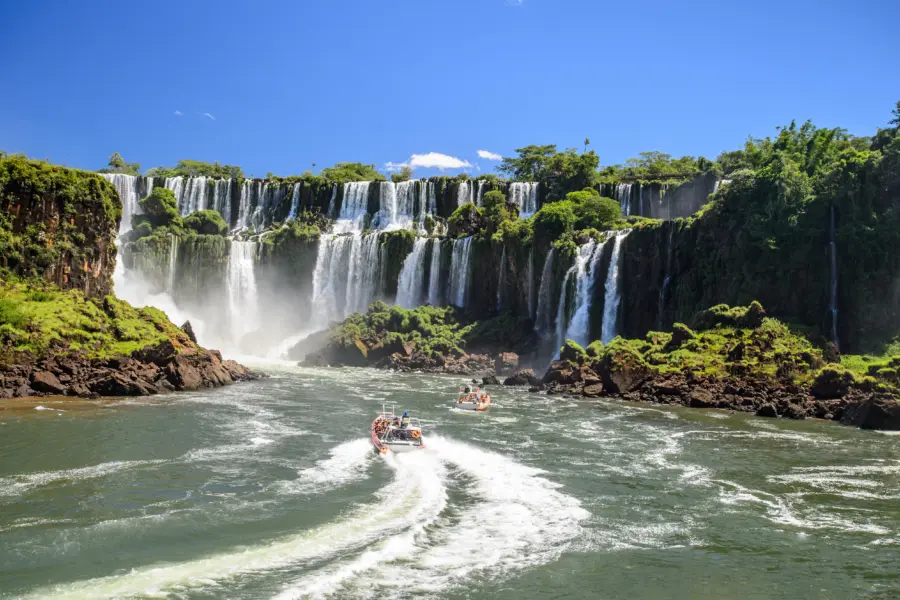
Iguazu Falls Argentine side with Great adventure
You will take a day excursion to the Argentine side of the national park. This part is characterised by hiking possibilities right down to the falling water and between the rivers and jungle. You will also take a zodiac boat to the foot of the falls. A spectacular adventure in which you will certainly...
You will take a day excursion to the Argentine side of the national park. This part is characterised by hiking possibilities right down to the falling water and between the rivers and jungle. You will also take a zodiac boat to the foot of the falls. A spectacular adventure where you will certainly not stay dry; a rain poncho is no luxury here!
Destinations
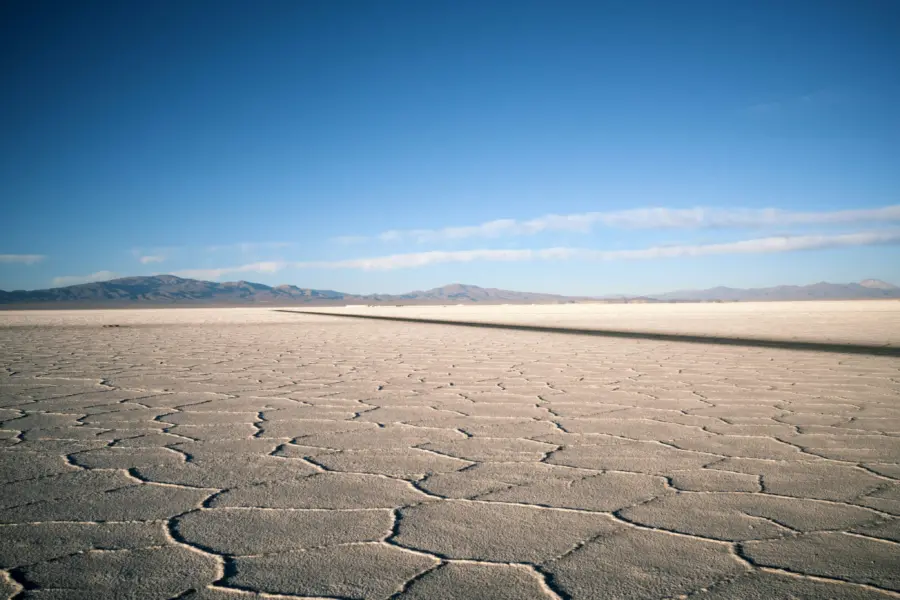
Salinas Grandes
Salinas Grandes, which covers both the provinces of Salta and Jujuy in northwestern Argentina, is a natural wonder that captivates visitors with its otherworldly beauty. As the third largest salt flats in the world, Salinas Grandes presents a breathtaking landscape of dazzling white salt that stretches as far as the eye can see. The Piletones de Sal, shallow salt pools, add to the surreal charm of the area. Besides the breathtaking vistas, Salinas Grandes offers an unparalleled stargazing experience. Away from light pollution, the night sky over the salt flats turns into a heavenly spectacle.

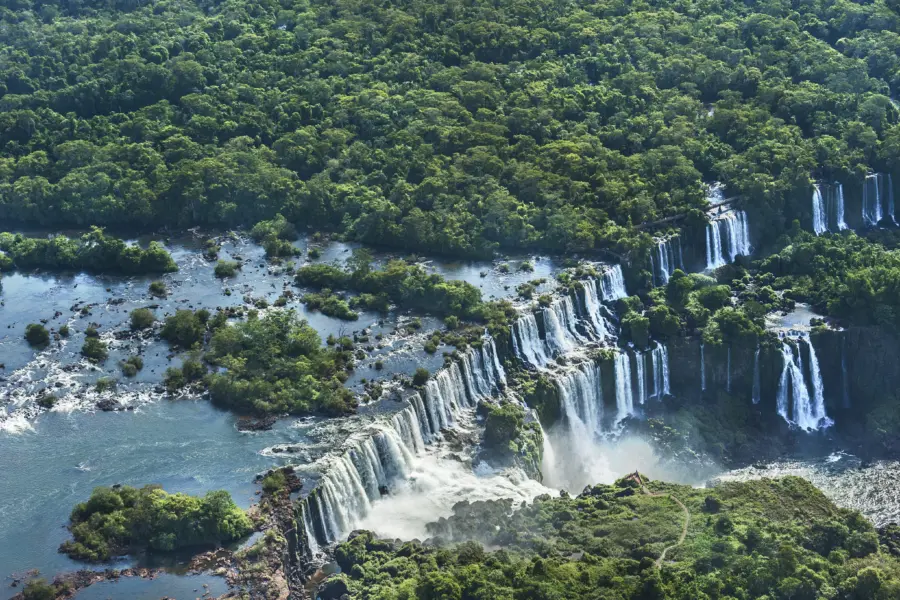
Foz do Iguacu
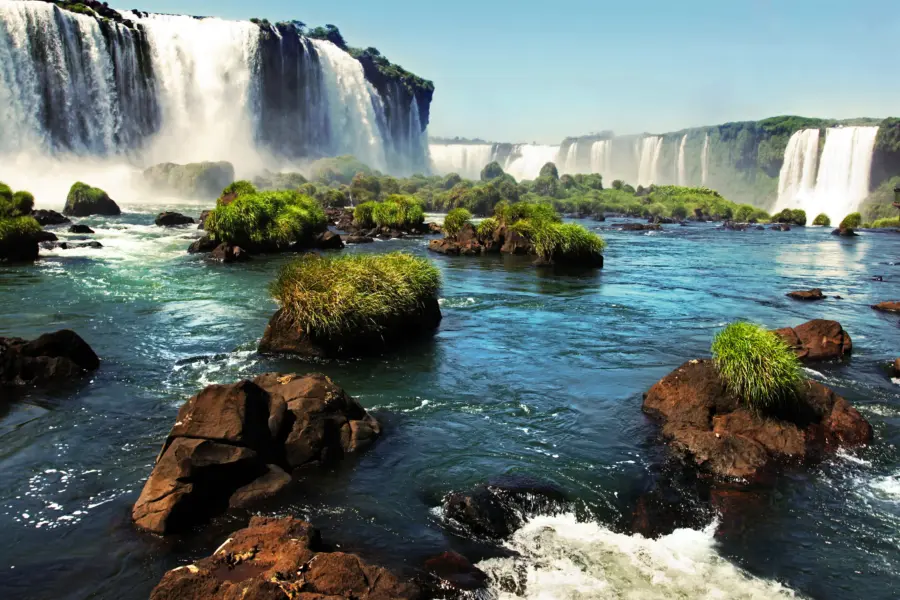
Of the three largest waterfalls in the world, the Iguazu Falls, located on the border of Brazil, Paraguay and Argentina, are perhaps the most spectacular, with the water crashing down. At the highest stretch, the water falls down to more than eighty metres. The waterfall has now carved away eight kilometres of rock. Hundreds of islands have formed, with a total of 275 larger and smaller waterfalls in between. From the Argentine side, you visit the Garganta del Diablo, a point where you have the best view of the falls. You walk on trails through the jungle towards it and along the way you will see large butterflies and coatis. From the Brazilian side, you will have a beautiful view and realise how overwhelming the falls are.
Iguazu Falls
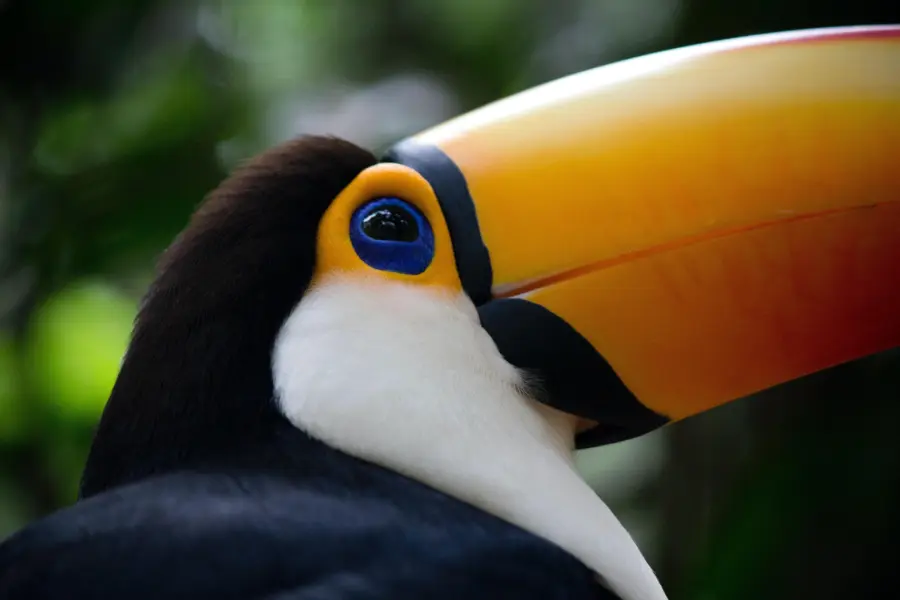
Foz do Iguazu, the world's largest set of waterfalls, is located in northern Argentina, in a border triangle of Brazil, Argentina and Paraguay. The Iguazu Falls are the world's most powerful waterfalls. There is nowhere else in the world where such a huge mass of water falls down simultaneously. The falls lie in the middle of a green jungle full of monkeys, toucans and caimans. Long before the Spanish and Portuguese colonised the area, the Guarani Indians lived in this region. 'Iguazu' in Guarani language means big water. This magnificent waterfall marks the confluence of the Iguazu River in Argentina and the Parana River in Brazil.
Puerto Iguazu
Iguazu is the world's largest set of waterfalls and is located in northern Argentina, in a border triangle of Brazil, Argentina and Paraguay. In addition, the Iguazu Falls are the world's most powerful waterfalls. Nowhere else in the world does such a huge mass of water fall down simultaneously. The falls lie in the middle of a green jungle full of monkeys, toucans and caimans. Long before the Spanish and Portuguese colonised the area, the Guarani Indians lived in this region. 'Iguazu' in Guarani language means big water. This beautiful waterfall marks the confluence of the Iguazu River in Argentina and the Parana River in Brazil. A popular tourist destination, it attracts visitors from all over the world to visit Iguazu National Park and its breathtaking waterfalls.
Pampas
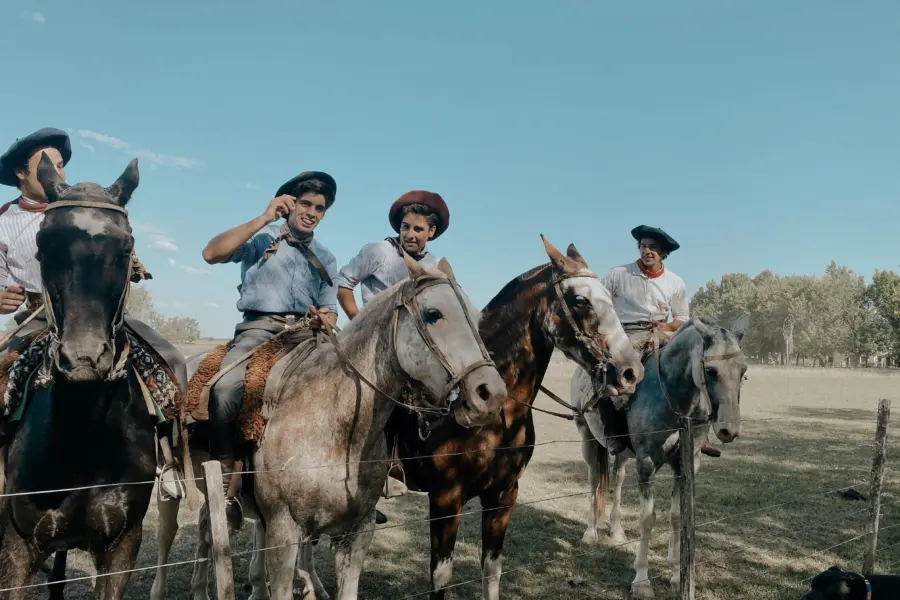
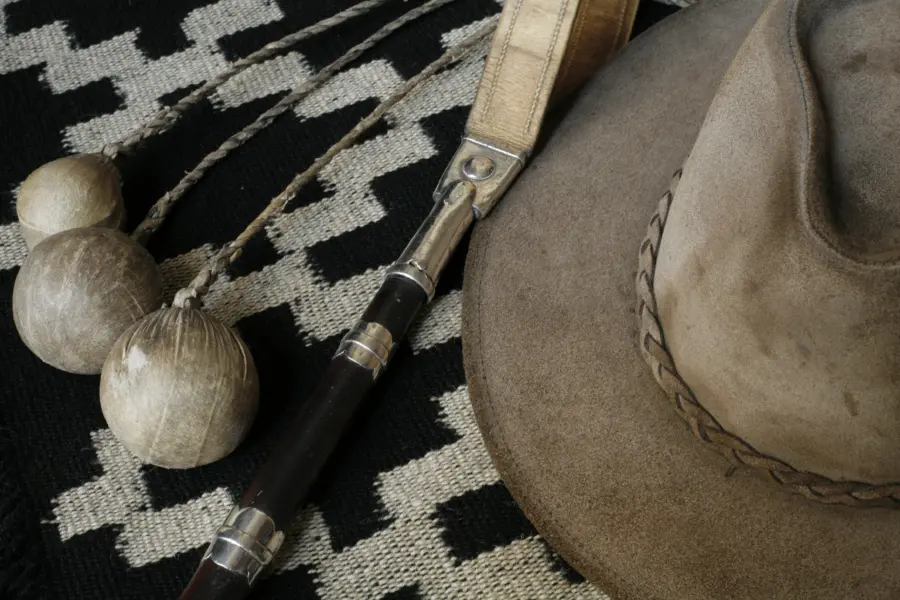
Those who think of Argentina almost certainly think of the Pampa with its gauchos (South American cowboys), horses and empty plains. Just outside bustling Buenos Aires, this part of Argentina begins. Here you will find the typical Argentine gauchos and you can possibly take part in various activities such as horseback riding, carriage rides, cycling or just walking around the beautiful terrain. You will also enjoy typical Argentine meals and the sport Polo in this area.
El Calafate
El Calafate is a charming little village near the famous ‘Los Glaciares’ National Park and is situated on the southern shore of Lago Argentino. For the vast majority of travellers, Los Glaciares National Park is the main reason for visiting El Calafate. The National Park is situated some 50 kilometres from the village and has plenty to offer every traveller.
The highlight is undoubtedly an excursion to the famous Perito Moreno Glacier, one of the most extraordinary glaciers in the world. You’ll have plenty of time at the viewing platforms, where the view of the Perito Moreno Glacier is spectacular. You can see chunks of ice breaking away from the ever-growing glacier, accompanied by a thunderous roar. A truly special and unique experience!

Buenos Aires
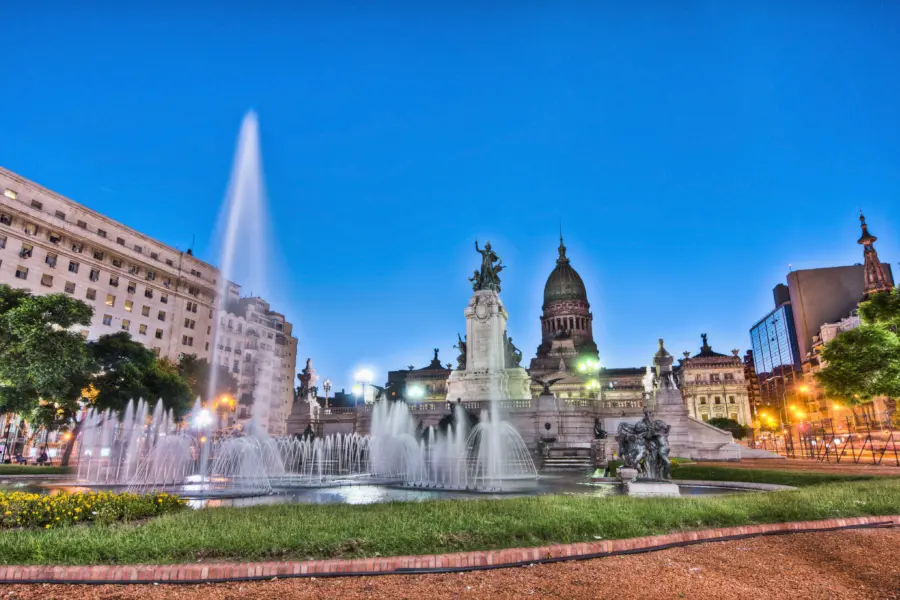
Buenos Aires is undoubtedly one of South America’s most popular cities, a metropolis with a strong identity of its own and a population of over 10 million. Visitors are treated to a wide range of attractions. In the ‘Microcentro’, you’ll find stately buildings, shopping boulevards and, of course, landmarks such as ‘la Casa Rosada’ and ‘Avenida 9 de Julio’ with its towering obelisk. In the old neighbourhoods of ‘La Boca’ and ‘San Telmo’, you can soak up the atmosphere of days gone by, when Italian and Spanish immigrants in search of a better life settled here in the late 19th century. La Boca actually offers the traveller just two streets that are somewhat touristy, and yet you simply must see the colourful little houses here. Of course, Buenos Aires is also known as the birthplace of Queen Máxima and Pope Francis.
San Telmo is the neighbourhood of antique shops and tango performances. It was in these neighbourhoods that this seductive dance originated. In the upmarket ‘Recoleta’ district, alongside exclusive shops and beautiful buildings, you’ll find the spectacular Recoleta Cemetery. Among others, Evita has her mausoleum here.
Palermo is home to extensive green parks and gardens. Palermo Soho and Palermo Hollywood have been on the up in recent years as nightlife districts with excellent restaurants and cosy wine bars. You’ll also find luxury boutiques and designer shops there.
Buenos Aires’ newest district, Puerto Madero, is certainly worth a visit; the old warehouses now serve as shops and restaurants, and amongst the modern buildings, the city’s architects have preserved large cranes and important historic buildings from the former harbour as monuments.

Salta
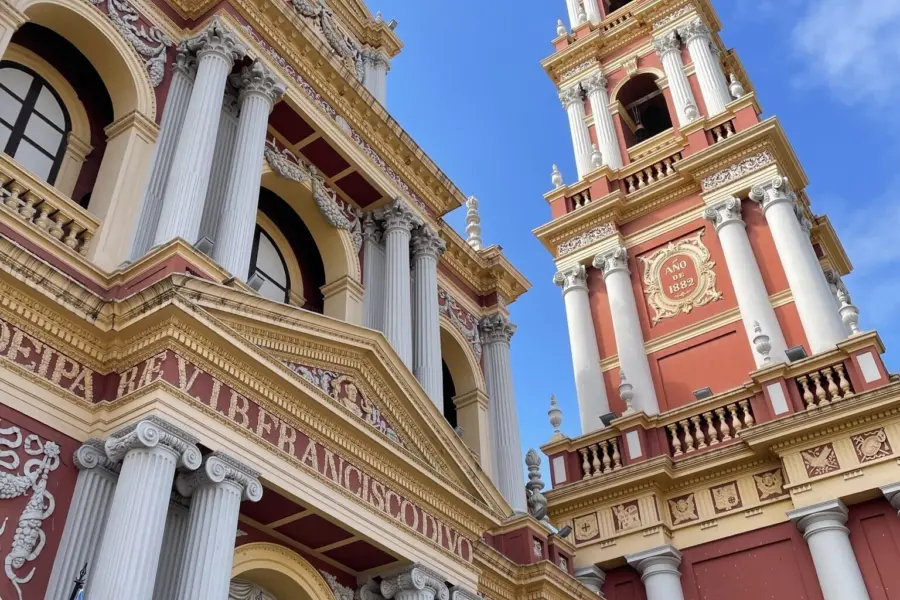
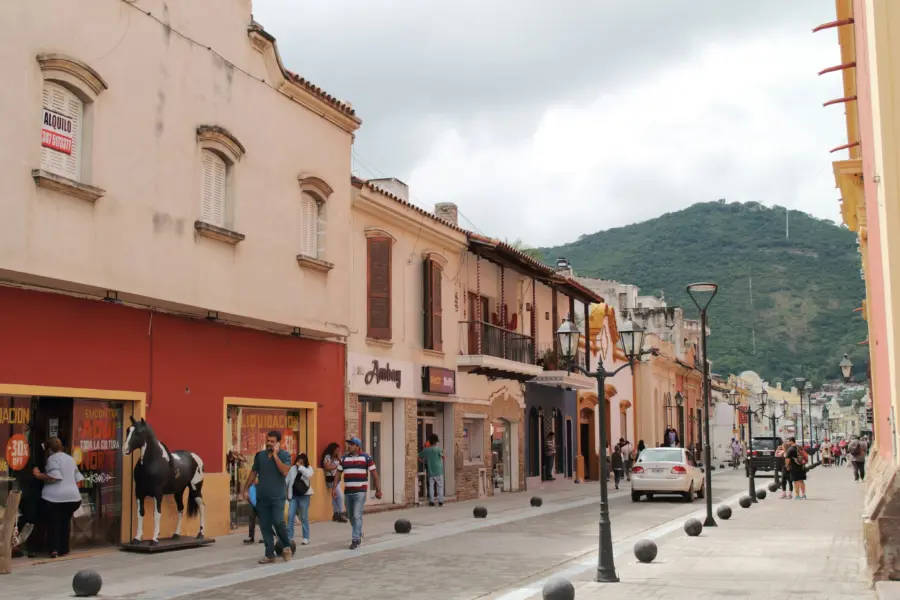
Salta was founded by the Spanish and was an important stop on the route from Buenos Aires to Lima in Peru. It was also and still is today a centre of silver mining. So today, silver, as well as gold, is still mined there. Furthermore, Salta is located in the vast and fertile Lerma Valley and has a well-preserved colonial centre. Salta is also considered one of the oldest and most beautiful colonial cities in the country. A cosy city with plenty of entertainment, restaurants and nightlife. Many monuments are well preserved.
Argentina
Tilcara
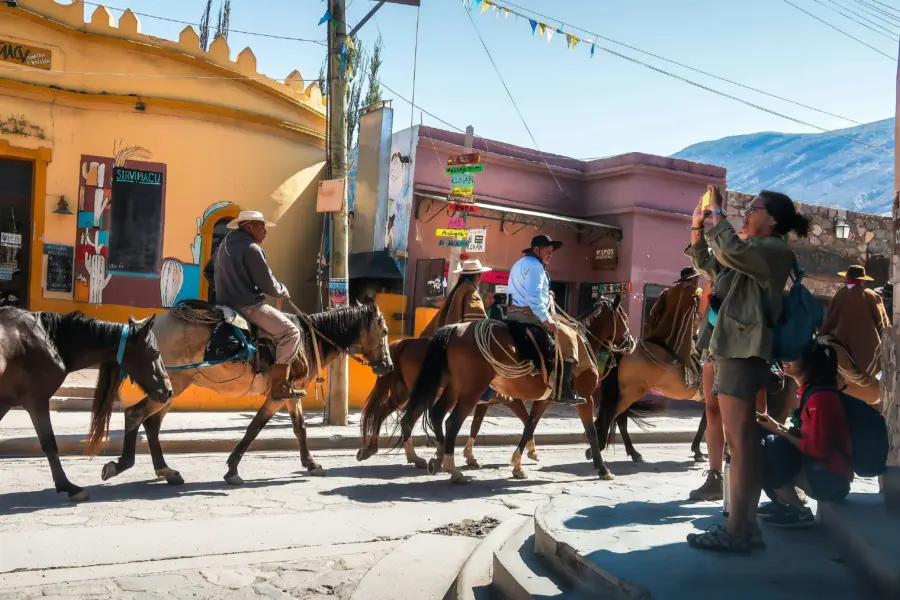
The picturesque, charming town of Tilcara is an ideal base from which to make day trips to the Quebrada de Humahuaca and nearby Purmamarca. The town offers a wide choice of accommodation, ranging from luxury boutique hotels to more modest options. The mix of local farmers and city dwellers seeking a quieter life creates an interesting balance in the dusty streets of the town of Tilcara.
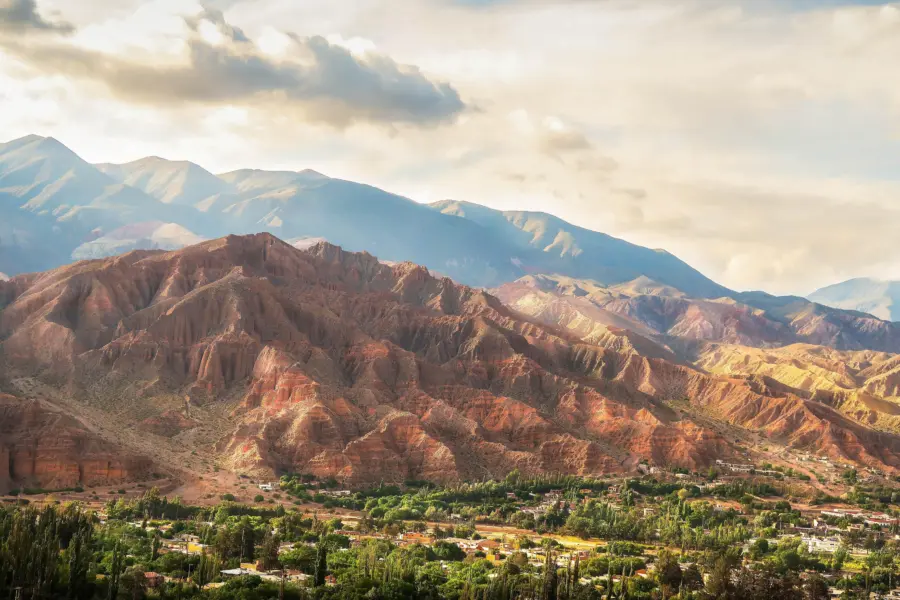
The Tilcara region is best known for its colourful mountains and indigenous people. It is for this reason that the Quebrada de Humahuaca (the canyon in which Tilcara is situated) is a UNESCO World Heritage Site. The stunning colours are caused by the various minerals in the rock. Tilcara is the perfect place to soak up the atmosphere of the region. There are markets and museums, and you’ll find archaeological sites in the surrounding area.
Cachi
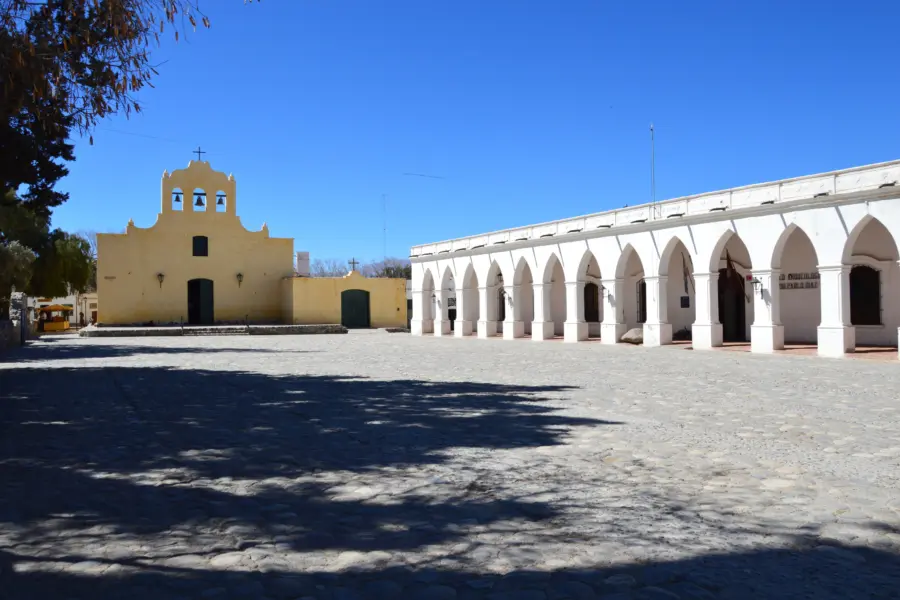
Cachi is a lovely town in Salta province in northwestern Argentina. The 'jewel of the Calchaqui Valley', Cachi boasts picturesque adobe (mud brick) architecture, spectacular highland scenery and popular local vineyards. While there are some great walks in and around Cachi and horse riding opportunities, don't miss the chance to take a day trip to the Parque Nacional Los Cardones, located just 40 kilometres away. This incredible National Park is home to rugged desert landscapes, towering cacti and interesting, colourful rock formations. Tours of the park are available and easily organised from Cachi. Another must-see natural attraction near Cachi is the Quebrada de las Flechas (Ravine of the arrows), an amazing area of jagged, vivid red rocks.
Cafayate
Cafayate is strikingly beautiful. Vibrant rows of vines contrast with the stark mountain ridges and undulating mountain scenery, making travel to Argentina's northern regions well worthwhile. This small town attracts wine lovers and nature lovers alike. Don't miss the striking geological land folds of the Cafayate Amphitheatre or the six-kilometre walk that follows the Colorado River. Wine-loving visitors are rewarded with delicious Torrontes wine, an Argentine white variety that can be found in many of the city's cool bodegas (wine cellars). Guests driving by car from Salta will enjoy the spectacular views along the scenic National Route 68.
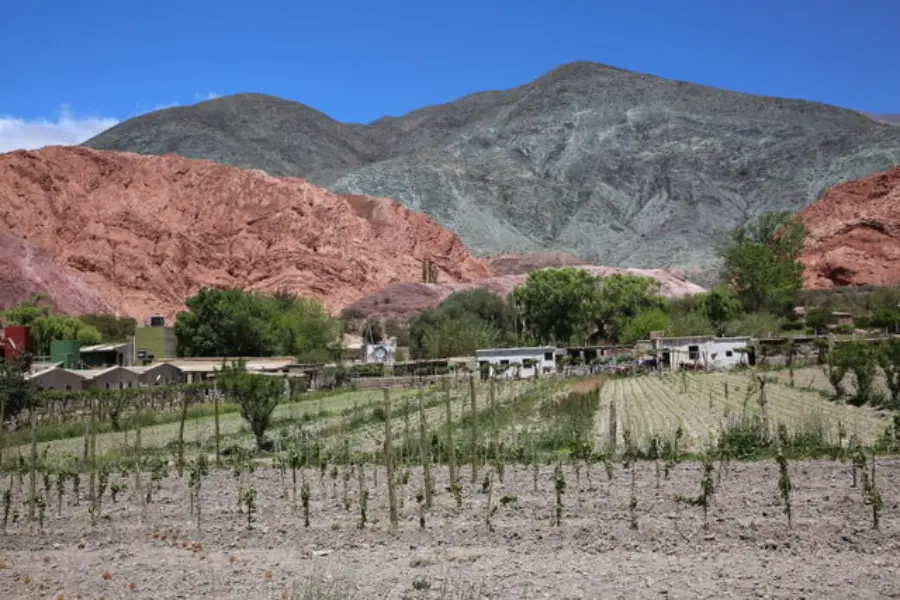
Calchaquí Valley
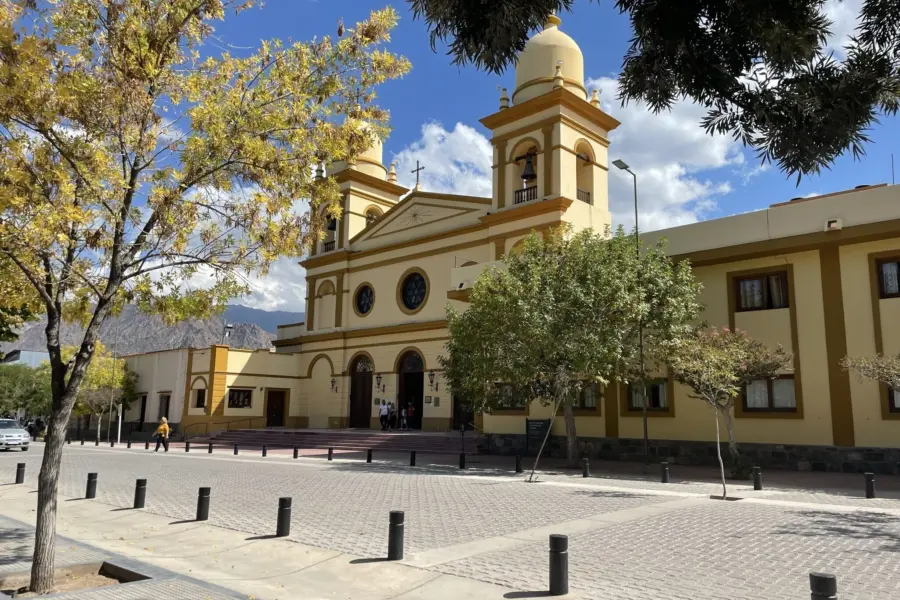
Calchaqui Valley is the postcard destination of Argentina's northern provinces known for its rust-brown mountains, deep gorges, winding rivers and vast valleys. The roads along this prized tourist circuit are dotted with charming old villages, vast vineyards and archaeological sites such as the ruins of Quilmes.
Quebrada de Humahuaca
Quebrada de Humahuaca is a valley named after Humahuaca - which is a small town in the province of Jujuy in Argentina. The Quebrada de Humahuaca is a UNESCO World Heritage Site because it has historical significance due to several battles in this region that were fought during the Spanish War of Independence. The route through the valley is part of an important cultural route called the Camino Inca and was an important trade route. There are therefore visible traces of prehistoric hunter and gatherer communities of the Inca Empire. The village of Humahuaca is small mountain village characterised by residents dressed in traditional costumes, small churches and mud houses.
Northwest Argentina
Northwestern Argentina comprises the provinces of Catamarca, Jujuy, La Rioja, Salta, Santiago del Estero and Tucumán and covers some impressive landscapes. The region's landscape is characterised by fertile valleys, majestic Andean mountains, tropical jungles, and red rock canyons and mountain passes. Visitors can go trekking in Quebrada de las Conchas, explore the scenic provinces and discover some popular destinations, such as: Quebrada de Humahuaca Valley, the Cerro de Los Siete Colores, Cafayate Calchaquí Valley, Tafí del Valle, as well as many colourful bustling towns.
Northeast Argentina
Northeast Argentina includes the provinces of Misiones, Corrientes and Entre Ríos. But is also home to one of the world's most beautiful waterfalls - the Iguazu Falls. This beautiful area is crossed by the meandering Iguazu, Parana and Uruguay rivers, vast wetlands alive with a variety of birds and a host of vibrant cities. Visitors can explore the colonial architecture of Santa Fe, visit the stylish city of Corrientes and discover the capital Posadas, which serves as the gateway resting place of Jesuit missions. There are also a variety of beautiful national parks in the northeast, home to a variety of wildlife. Other popular attractions include: Mocona Falls and the serene wetlands of Esteros del Ibera.
Buenos Aires Province
Located in the Pampa lowlands of Argentina, Buenos Aires province, meaning 'good air', is the country's largest province. Although the province bears the same name as the city of Buenos Aires, it does not include it. The current provincial capital is La Plata, a thriving cosmopolitan city. The province offers spectacularly beautiful natural landscapes, including a stunning Atlantic coast, numerous rivers, sparkling lagoons and the Sierra de la Ventana mountain range. Visitors can explore the cities of Mar del Plata, La Costa Partido, Villa Gesell and Miramar. Sample a range of exceptional wines along Argentina's world-famous wine route; and enjoy a trip to a gaucho ranch to experience the life of the gaucho, with traditional music, dancing, delicious food and horse riding. Don't miss the chance to enjoy the world's best Argentine beef in one of the many steakhouses scattered across the province.
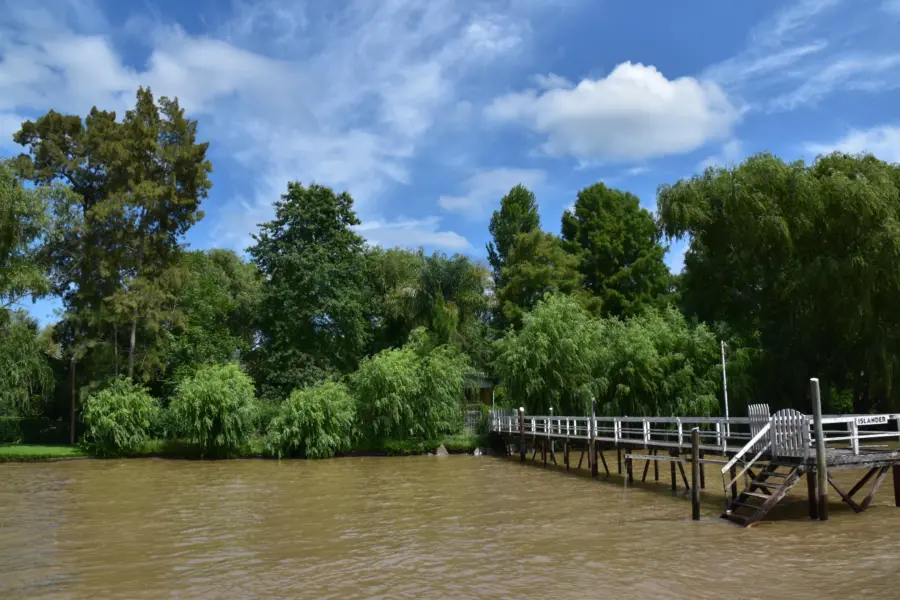
Santa Cruz Province
Located in southern Argentina, Santa Cruz province is dominated by the Andes and the ice fields of Patagonia to the west and meets the Atlantic Ocean to the east. The indigenous people are the Telhuelches, who remained independent until the end of the 19th century due to almost three centuries of colonialist expansion in the region. Santa Cruz's natural highlight is the Los Glacieres national park - in particular the Perito Moreno glacier, which thunderously collapses every few years in an impressive spectacle. The town of El Calafate is the main gateway to this icy wonderland, while the nearby village of El Chaltén is an excellent hiking destination at the foot of Mount Fitzroy. Puerto Deseado, at the mouth of the Deseado River on the province's east coast, is a small fishing village with dramatic scenery and rich coastal wildlife. You will find dolphins, sea lions and both the southern rock penguin and the Magellanic penguin, among others.
Jujuy Province
Jujuy, a province in Aremote, is located in the remote northwest of Argentina. The landscape is characterised by dramatic rock formations and the rolling hills of the Quebrada de Humahuaca, a UNESCO-protected cactus-lined gorge. The province is dotted with indigenous Quechuan villages north of the provincial capital, San Salvador de Jujuy; and is home to the iconic, multicoloured Cerro de los Siete Colores '(Seven-Coloured Hill). Visitors come here for the breathtaking landscapes and to learn more about the strong indigenous culture known for their pagan rituals. Don't miss the chance to explore the province's many towns rich in culture and surrounded by nature, including Purmamarca, Tilcara and Humahuaca.
Southern Andes Argentina
The Argentine part of the majestic Andes is a playground for visitors interested in breathtaking landscapes, adventure activities, alpine forests, the pampas and the Chaco Desert. Alpine towns like Bariloche offer a wide range of outdoor activities, such as skiing and hiking. Another gem is the village of San Martín de los Andes with its spectacular scenery of Lake Lacár, located right on the edge of Parque Nacional Lanín, where outdoor sports and adventure abound.
Argentina trip | Round trip Argentina highlights
We offer the described trip from €5,625 per person.
The tour price is indicative and is subject to availability and the travel period, amongst other factors.
Included
• Domestic flights as specified in ‘your itinerary’ with a 15 kg baggage allowance
• 17 nights’ accommodation in distinctive and high-quality properties
• All meals as specified in ‘your itinerary’
• Hire car, Nissan Frontier or similar model, including insurance, unlimited mileage and taxes
• All necessary private transfers as mentioned
• All excursions as listed in ‘your itinerary’, including the Perito Moreno Glacier, a cycle tour of Buenos Aires and the Iguazu Falls
• Entrance fees to national parks for scheduled excursions
• Booking fees (worth €50)
Positive impact of your trip:
• A contribution of €50 per person towards a positive impact via the Avila Foundation
• Our local partner in Argentina donates to the Fundacion Escolares foundation, which is committed to the development of schools in remote areas of the country
• Accommodation at the Palo Santo Hotel in Buenos Aires
• Cycling tour in Buenos Aires
• Accommodation at the Imago Hotel in El Calafate
• Accommodation at La Merced del Alto in Cachi
Not included
• Intercontinental flights
• Room category upgrade
• Travel and/or cancellation insurance
• Tourist tax in, amongst others, Buenos Aires and Iguazu (to be paid on site at the hotel)
• Additional baggage allowance for domestic flights
• Seat reservations on flights
• Meals and excursions not specified
• Local car hire costs, such as administration fees, parking charges, tolls, fuel and excess waiver
• Contribution to the emergency fund (€2.50 per booking)
• SGR contribution (€5 per person)