
 en



- Boutique
- 9-day trip
- From €13,795 p.p.
Galapagos trip | Beyond the footsteps of Darwin with M/Y Grace
On board the classic motor yacht Grace , you will experience the sublime Galápagos archipelago just as Darwin did: personally and with attentive private service, combined with modern comfort and elegance. M/Y Grace offers a highly refined, yet adventurous, experience. It is no surprise that Princess Grace Kelly chose this vessel for her royal honeymoon. You will stay in the exclusive Grace Kelly Suite and be accompanied by highly experienced nature guides, with the focus on discovering the unique wildlife of the Galápagos.
You’ll begin your journey in Quito, the capital of Ecuador, before flying to the Galápagos Islands. During your cruise, you’ll explore the wondrous world of this ultimate eco-destination on foot or whilst snorkelling. You’ll visit various islands, such as Floreana, where you can admire many pink flamingos, Espanola Island and San Cristóbal. The underwater life in the Galápagos is stunning, featuring seahorses, sea turtles, rays, seals and you might even spot the remarkable sunfish. After exploring the abundant wildlife on Santa Fe and South Plaza Islands, you’ll sail to North Seymour Island and the uninhabited Bartolomé. On Santa Cruz Island, you’ll visit the fascinating Charles Darwin Centre, where you can also see the mighty giant tortoises. Full of wonderful travel experiences, you’ll then return home.
Travel programme
Travel overview
- Day 1 Flight to Ecuador
- Day 2 Journey to the Galápagos Islands
- Day 3 Floreana Island
- Day 4 Espanola Island
- Day 5 San Cristóbal Island and Isla Lobos
- Day 6 Santa Fe Island and South Plaza Island
- Day 7 North Seymour and Bartolomé Island
- Day 8 Sombrero Chino and Santa Cruz Island
- Day 9 Departure from the Galápagos
Air travel to Ecuador
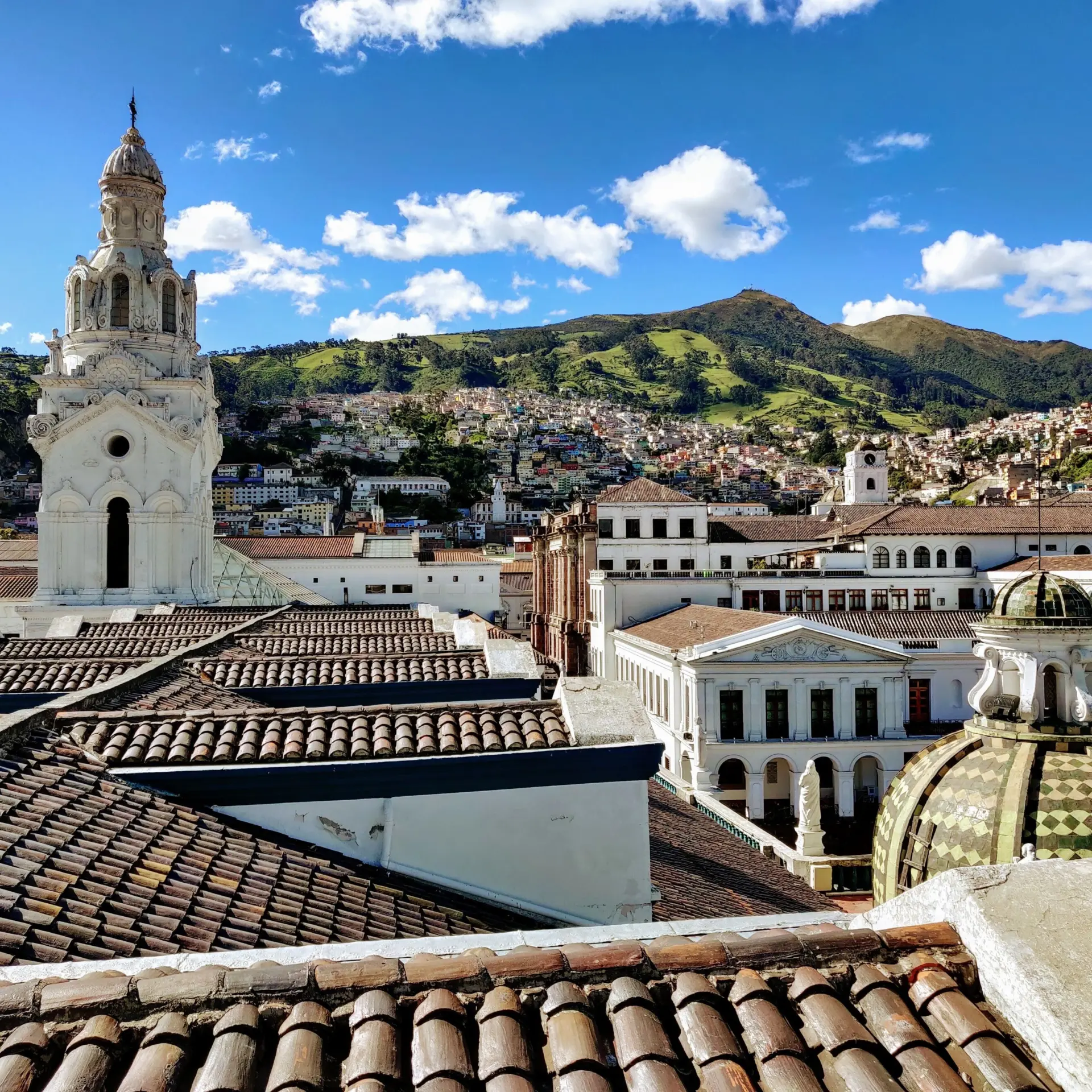
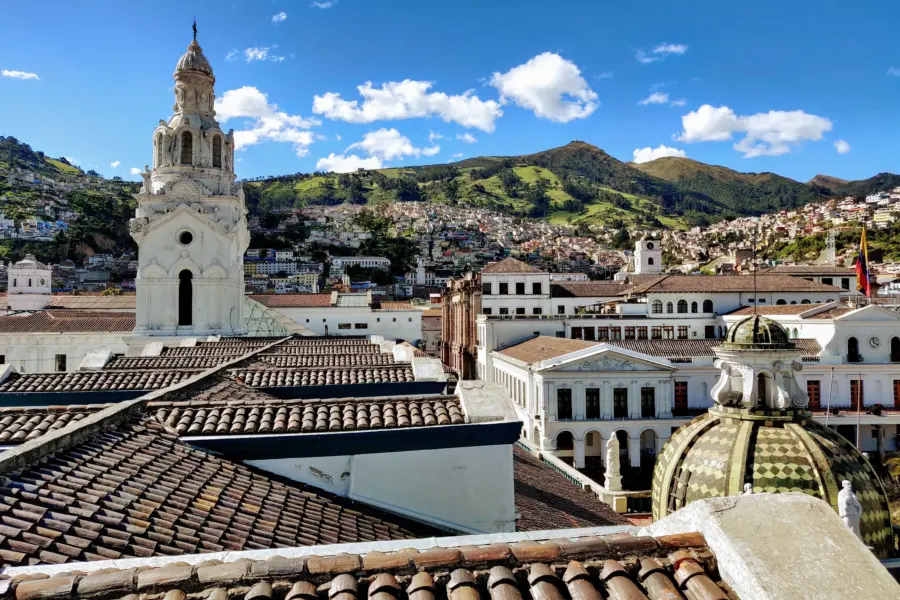
You’ll begin your journey in Ecuador’s capital, situated in the Andes. Quito’s beautifully restored colonial centre was the first city centre in the world to be designated a UNESCO World Heritage Site. Its many cathedrals, stately buildings and squares bear witness to a rich history. On arrival, you will be welcomed by our local representative, who will then take you to your hotel. You will spend the night at Casa Gangotena, a delightful Relais & Châteaux hotel in the city’s colonial centre.
Relais & Châteaux is a global community of luxury hotels and restaurants owned and managed by families, which places great emphasis on the richness and diversity of the world’s culinary and hospitality traditions. Casa Gangotena is the only Relais & Châteaux hotel in Quito.
Inclusief:
- Meet & Greet at the airport
- Private transfer to your hotel
- Overnight accommodation including breakfast
Exclusief:
- Intercontinental flight
Travel to the Galapagos Islands
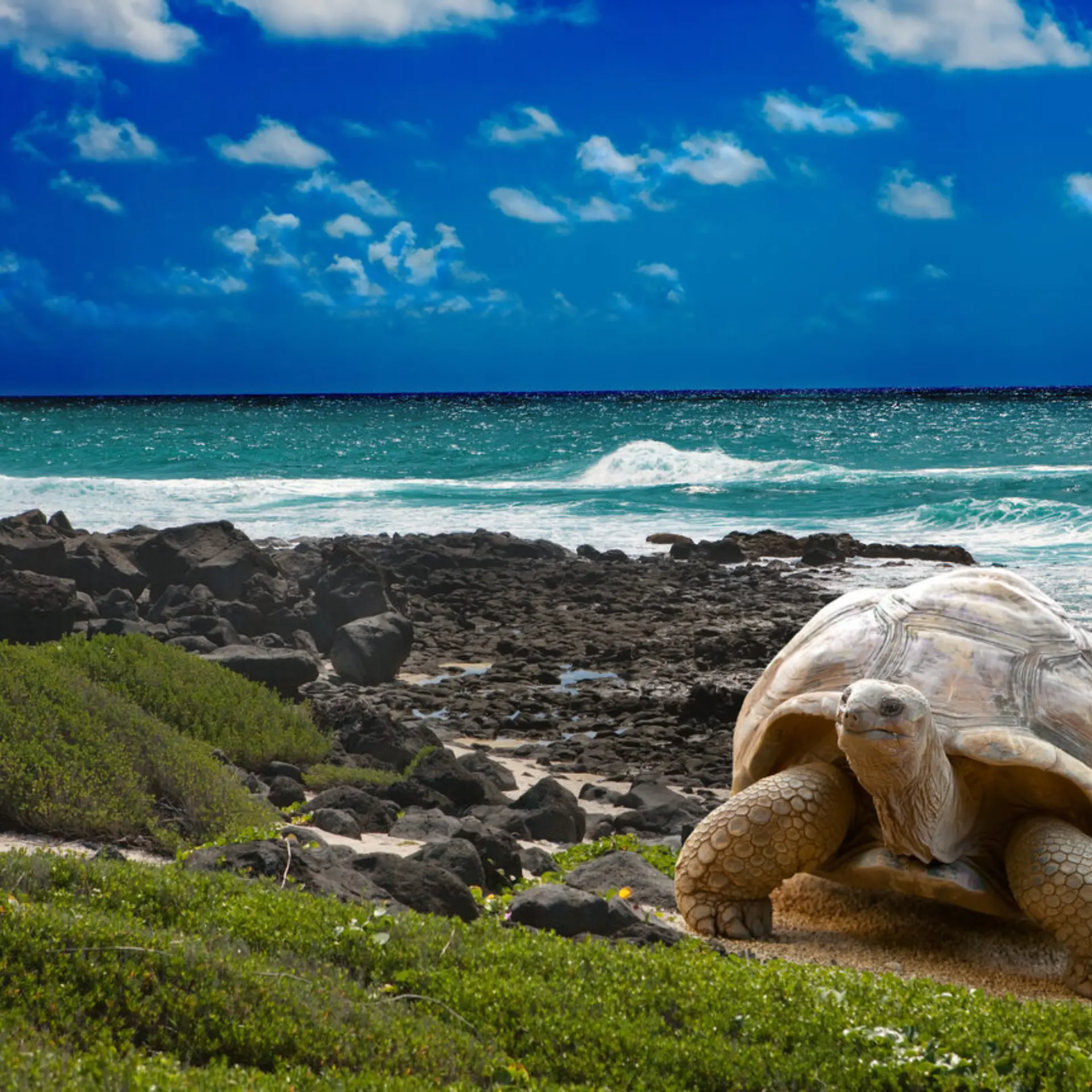
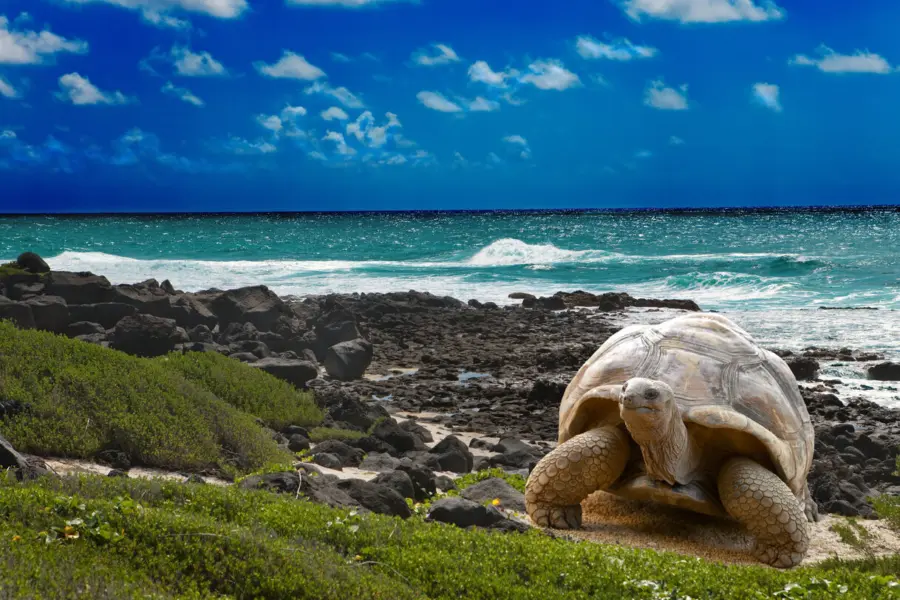
The coming days will be all about the Galápagos Archipelago – the group of islands that inspired Charles Darwin to develop his theory of evolution. On these remote volcanic islands, a thousand kilometres off the Ecuadorian coast, you’ll find an extraordinary level of biodiversity. Many animal species are found nowhere else in the world. You’ll find marine iguanas, giant Galápagos tortoises and blue-footed boobies. Sea lions, penguins and albatrosses also call the islands home. Beneath the surface of the sea, just like on land, life teems. Marine mammals and fish, including whales, manta rays and hammerhead sharks, inhabit the ocean.
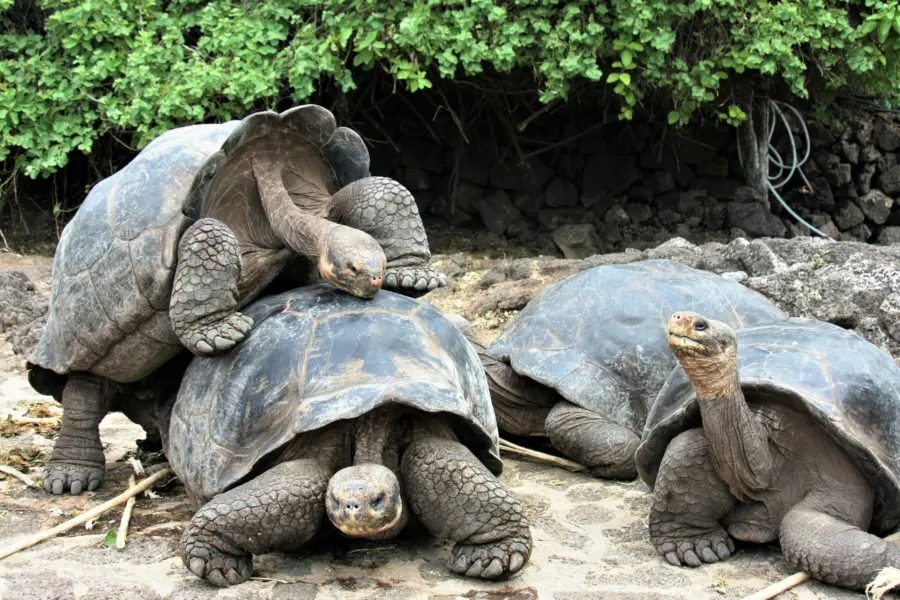
After a domestic flight, you’ll arrive in Baltra, and it’s time to explore the highlands of Santa Cruz. In clear weather, this area offers stunning views of rolling hills and extinct volcanic cones covered in grass and lush greenery all year round. It is also a great place to observe the giant tortoises in their natural habitat. You will then visit the Charles Darwin Research Station. Many species of tortoise live together at this centre. An organisation dedicated to a scientific approach to the conservation of the Galápagos and its wildlife is also based here, where you will learn about the conservation of the islands.
After this visit, during which you will likely have already spotted your first wildlife, you’ll board the classic motor yacht Grace for dinner and a daily briefing from your guide. You’ll raise a toast with the captain and crew to the days ahead on board. You’ll be staying in the most luxurious suite on board: the Grace Kelly Suite.
Inclusief:
- Private transfer to the airport
- Domestic flight Quito - Baltra
- Group transfer to the cruise ship
- 8 days/7 nights Grace Galapagos Cruise on full board basis including group activities accompanied by knowledgeable guides
Floreana island
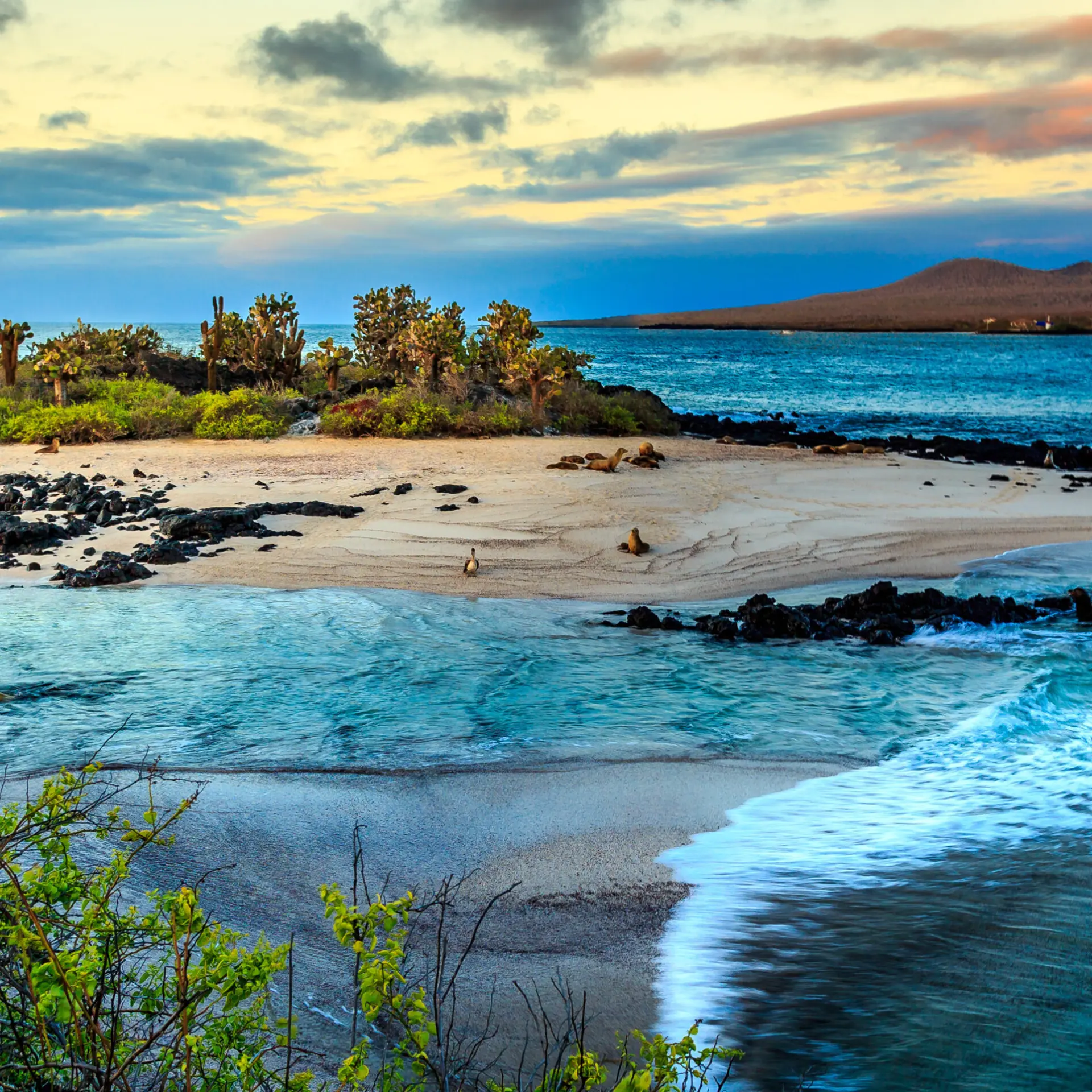
In the morning, you’ll arrive at your first destination, Floreana Island. Here, you’ll visit the Peace Asylum, a 450-metre-high hill on the island rich in historical significance, as it was the settlement of the islands’ first colonists. Enjoy a landscape of lush green vegetation and spectacular views of the surrounding hills and the Pacific Ocean. It is also a fantastic spot for snorkelling, where you can swim with sea turtles and sea lions.
Next, you’ll visit Cormorant Point, which is also situated on the Floreana Peninsula. The peninsula forms the northernmost tip of Floreana, consisting of smaller volcanic cones covered in tropical dry forest (palo santo). The green sand on the beach contains a high percentage of olivine crystals that have been blown out by the surrounding tuff cones. The sandy beach on the southern side of the peninsula consists of even finer white coral sand that feels very soft underfoot. This site is probably home to the best flamingo lagoon in the Galápagos; it is also one of the largest on the islands. It lies between two tuff lava cones, which lend the area a unique atmosphere.
The afternoon is dedicated to Devil’s Crown. Devil’s Crown is a fantastic spot for snorkelling; it is one of the most beautiful places to snorkel in the Galápagos Islands. The underwater world here is home to reef sharks, starfish, sea turtles, sea lions and a large number of tropical fish species.
Inclusief:
- 8 days/7 nights Grace Galapagos Cruise on full board basis including group activities accompanied by knowledgeable guides
Espanola island
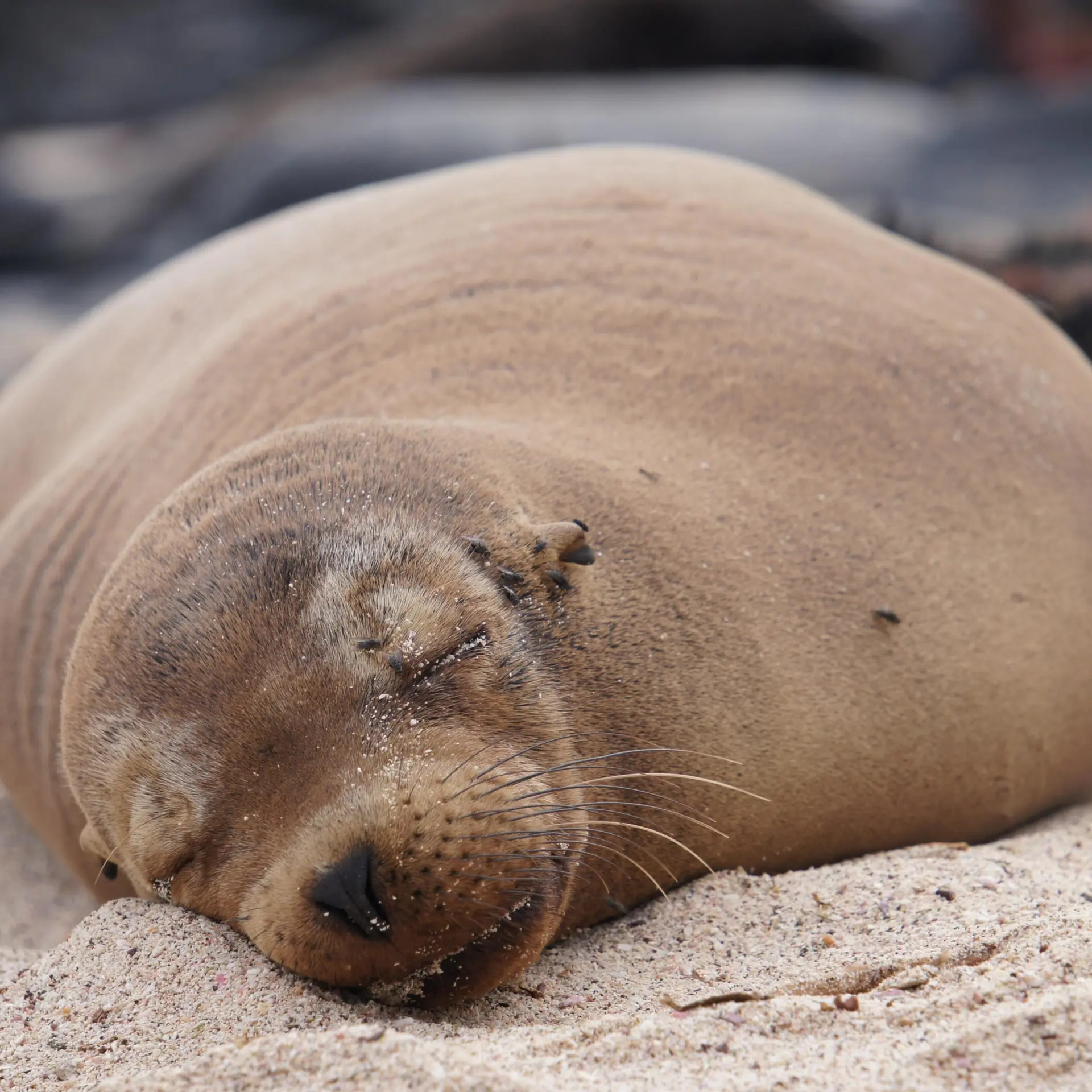
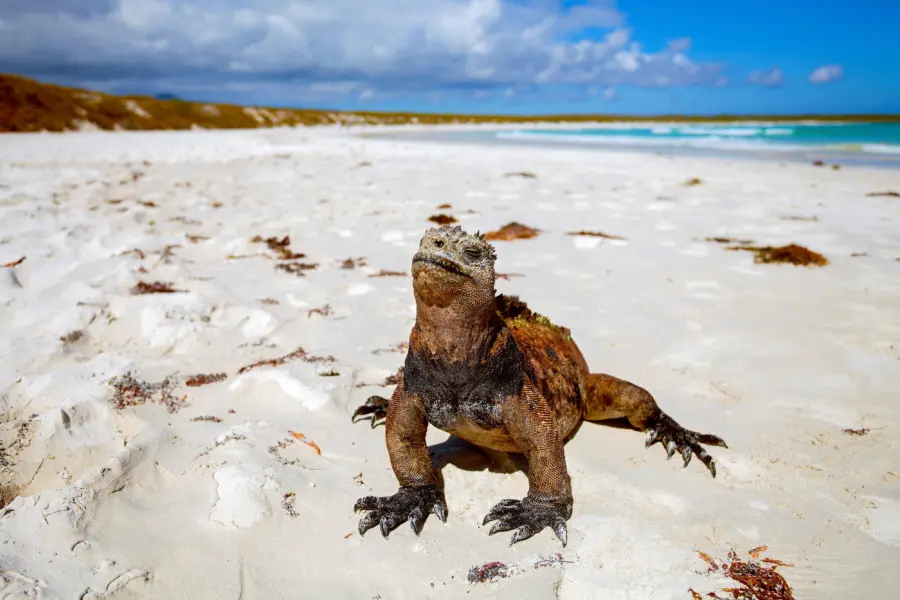
You’ll arrive at the next island, Espanola. In the morning, you’ll visit Suarez Point. Huge ocean waves crash against the southern cliffs of Suarez Point, forming a spectacular blowhole where the water shoots metres high into the air (depending on the season, the tide and how rough the sea is). Suarez Point also boasts a huge variety of flora and fauna. Lazing sea lions greet visitors at the rocky landing site, forcing them to step over the animals to reach the path. Playful young sea lions are often spotted in the water, waiting for their mothers to return with food. Brightly coloured marine iguanas can be found along the coastal areas. These are the only marine iguanas that retain their bright colours all year round. This spot also boasts impressive breeding colonies of blue-footed boobies and Nazca boobies, which build their nests right alongside the visitor path along the island’s western cliffs.
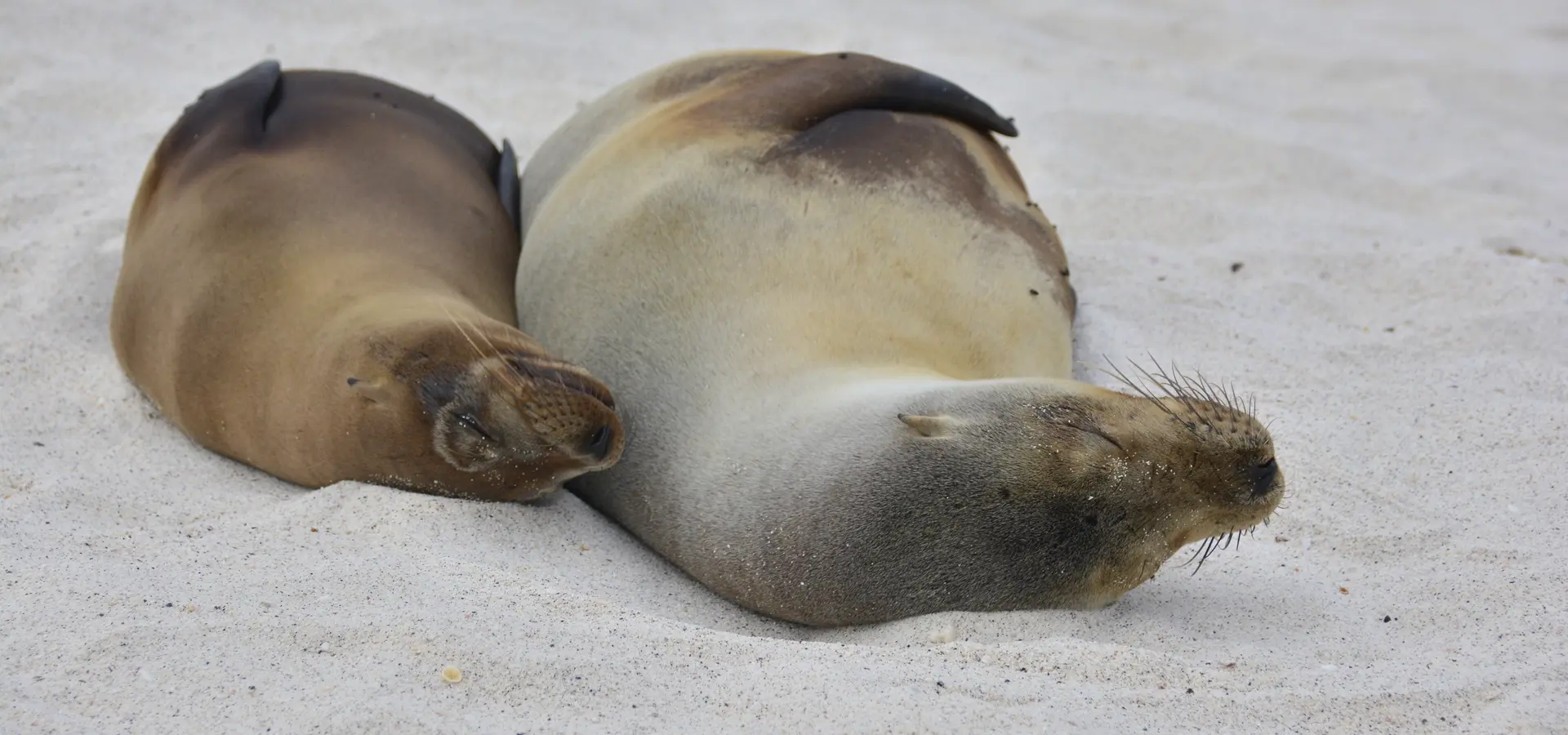
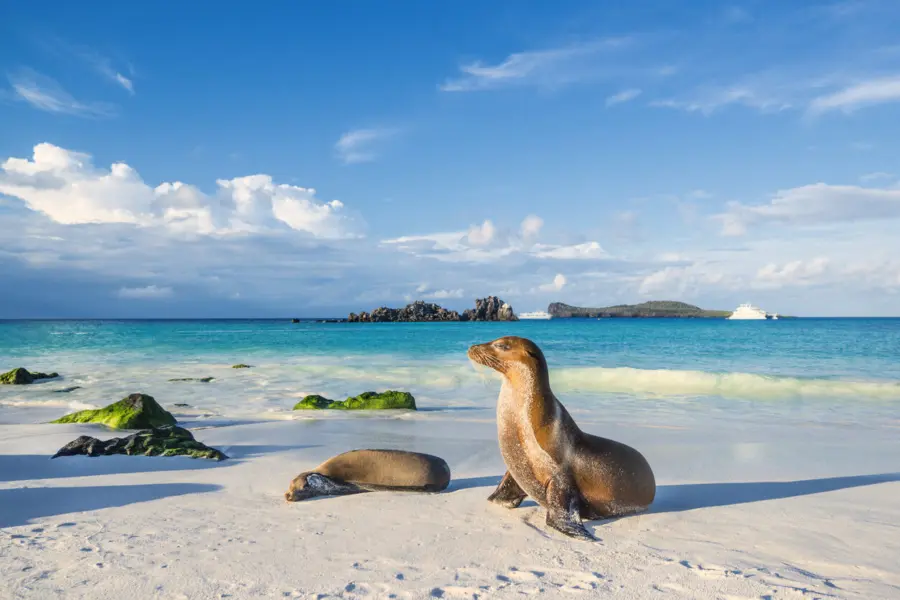
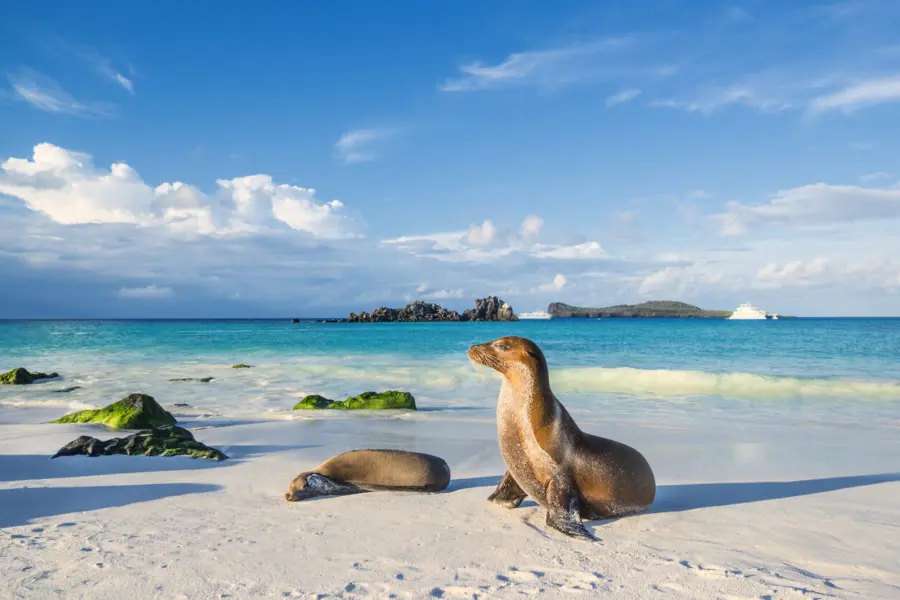
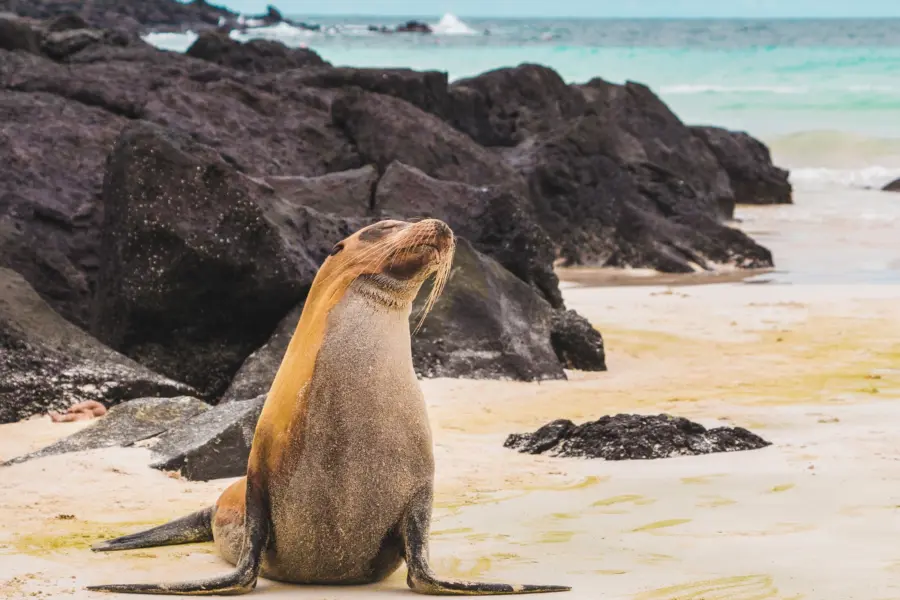
Next, it’s time for your next stop: Gardner Bay. The striking white beach at Gardner Bay is an important nesting site for tropical green turtles. The main attraction, however, is undoubtedly the sea lion colony. This is also where the famous image of white beaches, clear water and sea lions on the beach originates. The females keep returning to this spot all year round to nurse their pups until they are three years old, even though the pups start fishing for themselves from the age of five months. The colony grows even larger during the mating season. You’ll also visit Gardner Island, known for its many animal species.
Inclusief:
- 8 days/7 nights Grace Galapagos Cruise on full board basis including group activities accompanied by knowledgeable guides
San Crisobal island and Isla Lobos
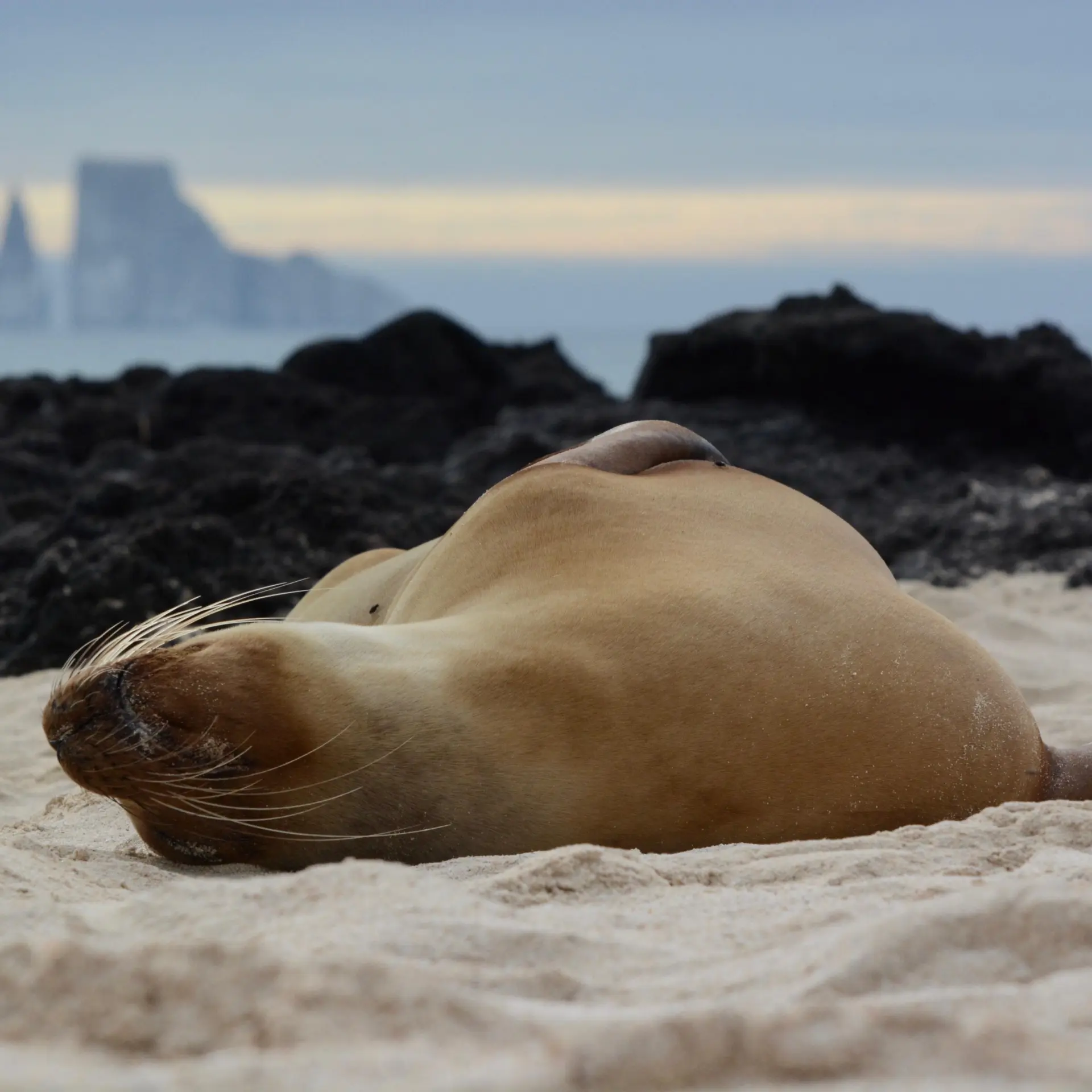
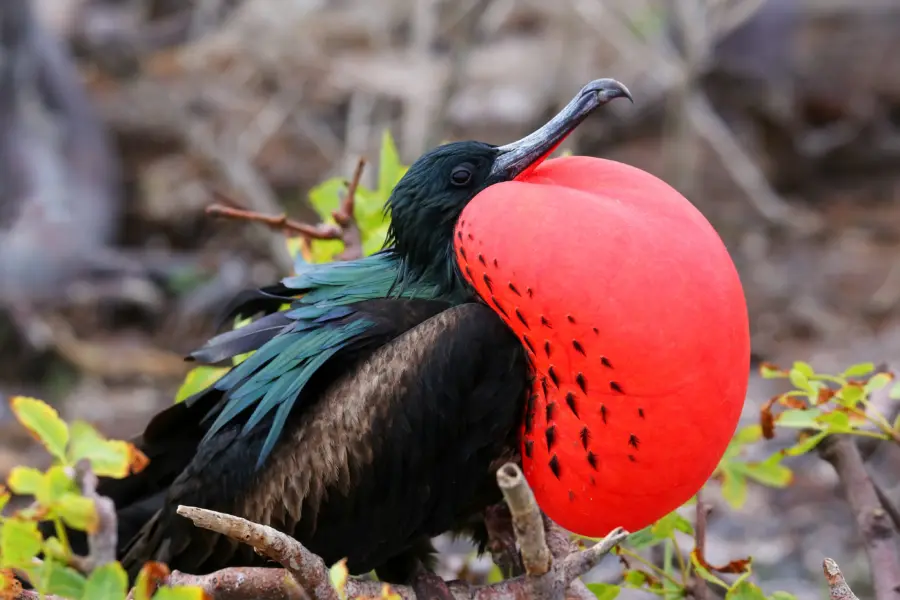
Today you will arrive on the island of San Cristobal. In the morning, you will visit Pitt Point at the easternmost tip of San Cristobal Island and, indeed, of the archipelago itself. These cliffs were the first piece of land that HMS Beagle and Charles Darwin saw when they arrived in the Galapagos on 15 September 1835. On the small green sandy beach, you’ll be welcomed by a sea lion colony where the males rest and prepare for the battle to gain dominance over a group of females. On the island, you’ll find an interesting mix of tropical dry forest vegetation, including palo santo trees, yellow cordia shrubs, small prickly pear cacti and carpet grass, which turns red during the dry season. All three species of boobies are found on this island, as are both species of frigatebirds, which inflate their red throats during the breeding season to impress the females.
In the afternoon, you’ll sail to the beach on Lobos Island. As well as the sea lions, which you can approach at close quarters, you can also see blue-footed boobies and great frigatebirds, which try to impress the females (and tourists) during the breeding season with dances and their puffed-up throats, which turn into balloons. Finally, you’ll visit Kicker Rock, a rock formation with a distinctive shape.
Inclusief:
- 8 days/7 nights Grace Galapagos Cruise on full board basis including group activities accompanied by knowledgeable guides
Santa Fe Island and South Plaza Island
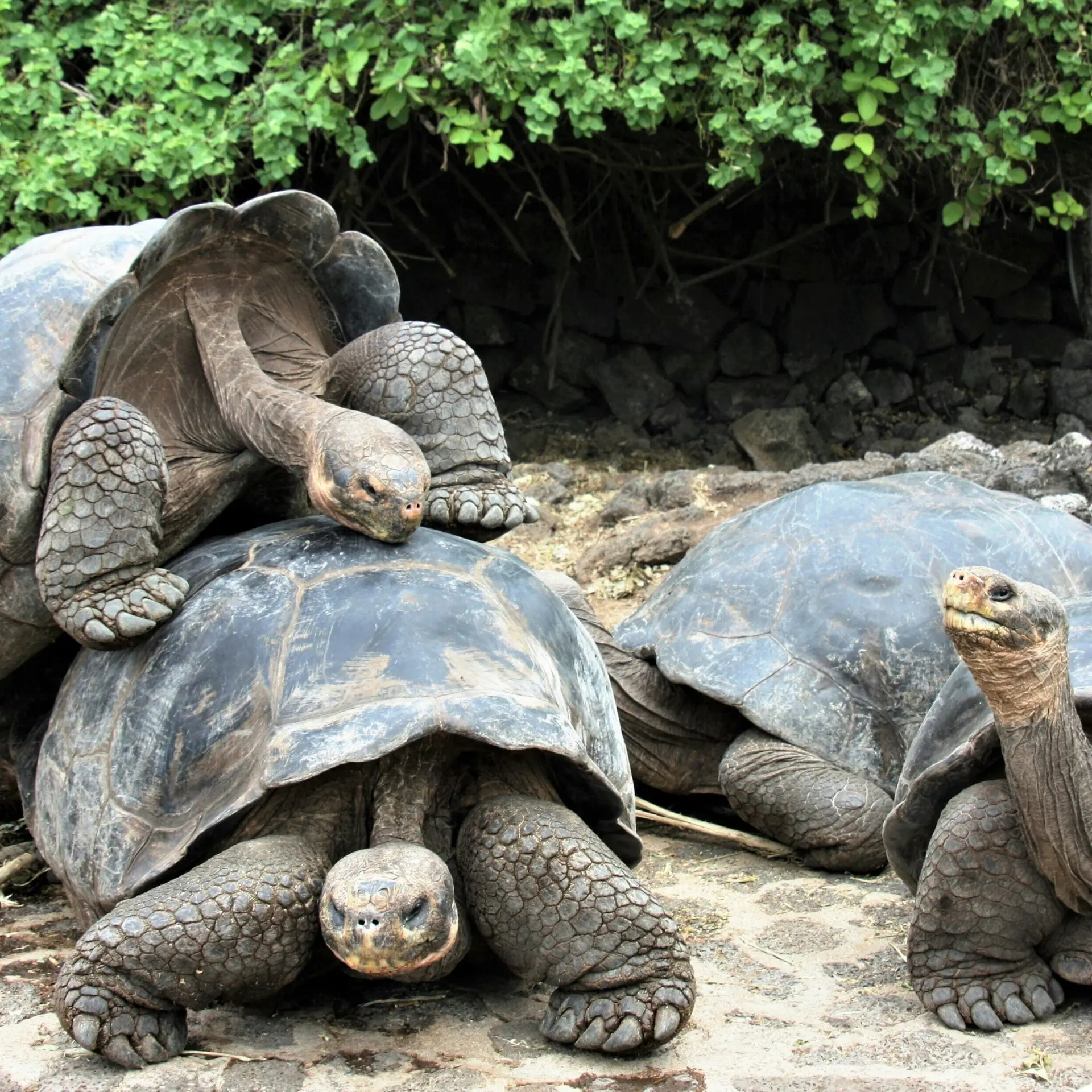
In the morning, you’ll visit Santa Fe, home to one of the archipelago’s most beautiful and sheltered bays. The bay, with its crystal-clear waters, offers some of the best snorkelling opportunities. It is also one of the best places to see sea turtles, swim with sea lions and catch a glimpse of the Galapagos white-tipped shark.
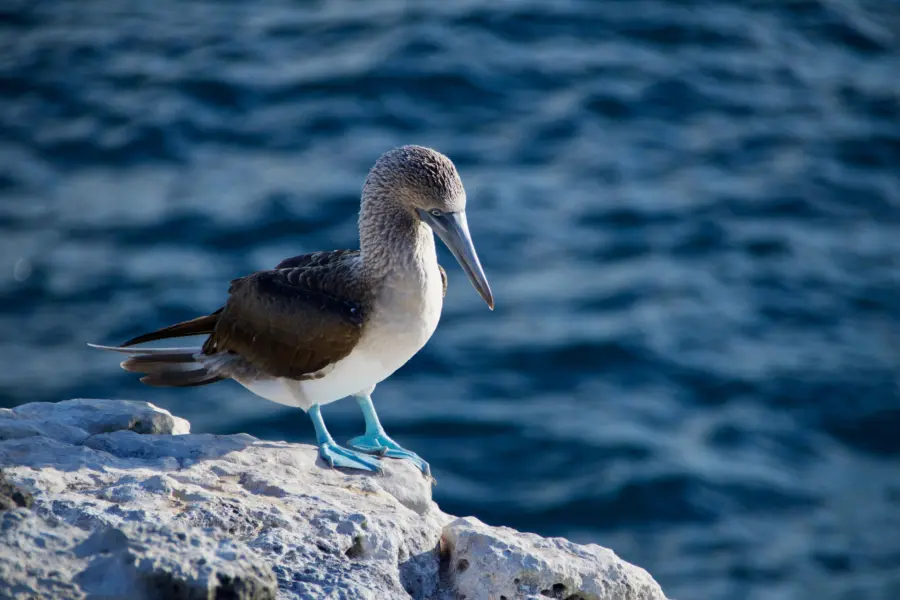
Afterwards, it’s time to sail on to the next island: South Plaza, one of the smallest but most colourful islands in the Galápagos. You’ll see swallow-tailed gulls nesting, whilst red-billed tropical birds, frigatebirds and shearwaters fly around in a dance-like manner. Here, you’ll have a good chance of spotting the blue-footed booby along the edge of the cliff.
Inclusief:
- 8 days/7 nights Grace Galapagos Cruise on full board basis including group activities accompanied by knowledgeable guides
North Seymour and Bartolomé island
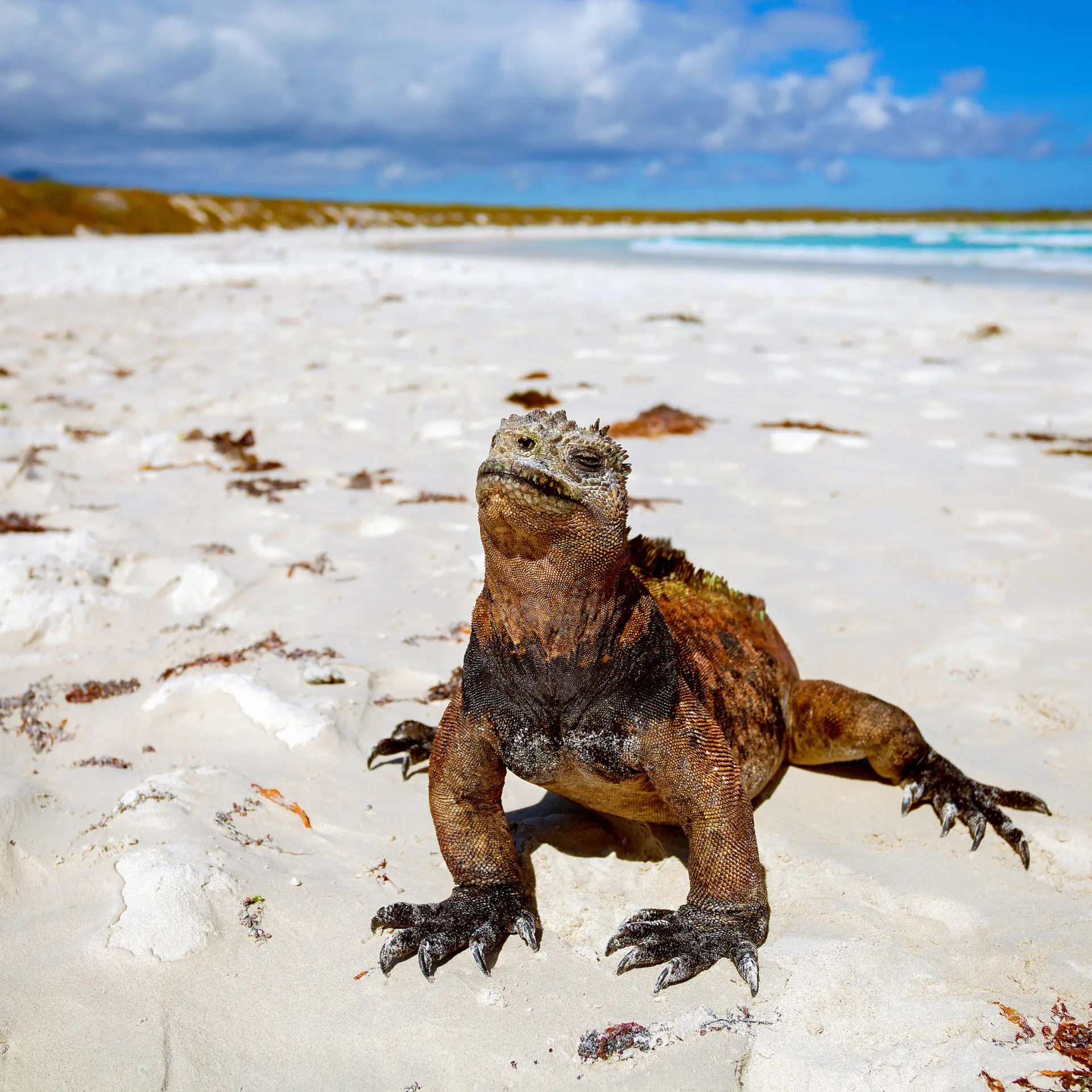
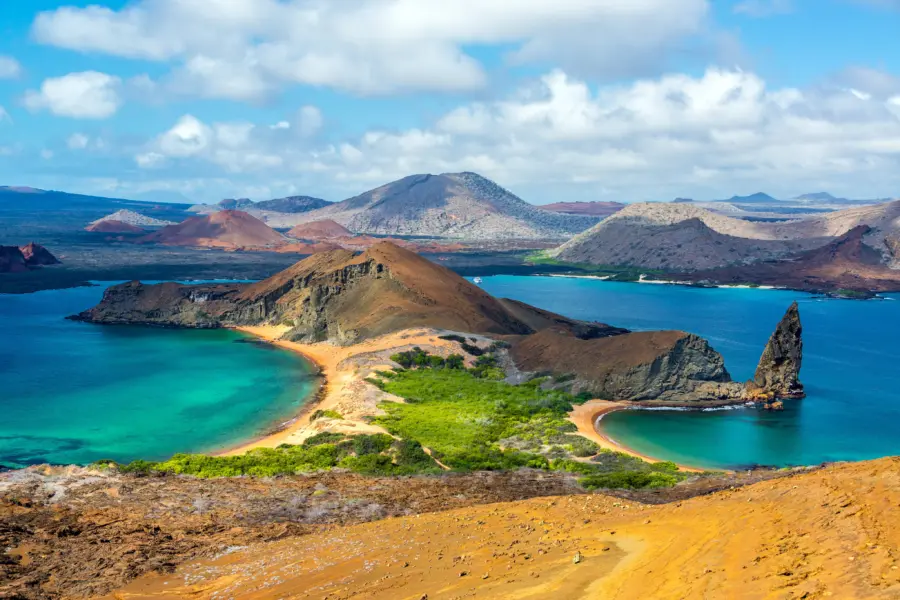
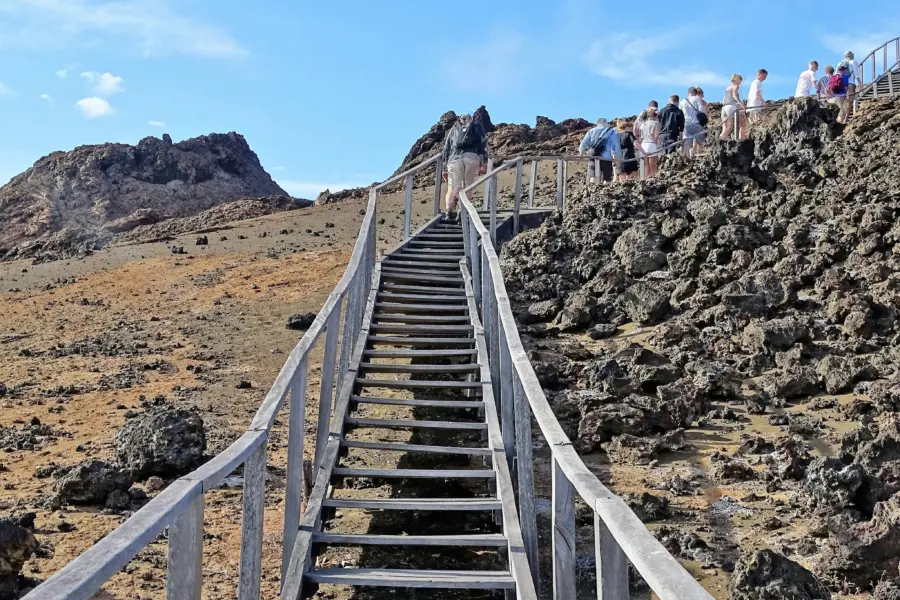
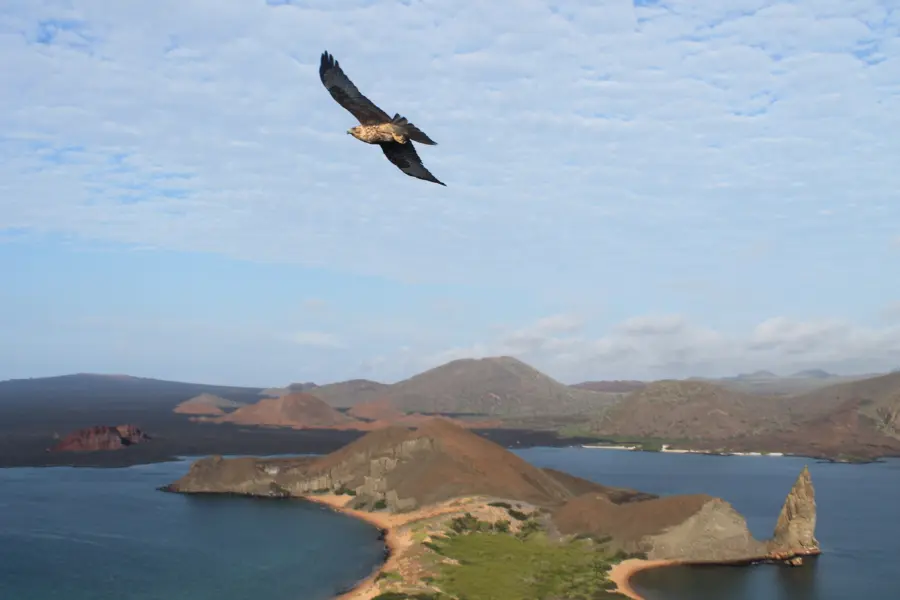
The first destination to go to is North Seymour Island. This island is characterised by its dry vegetation zone and an abundance of Galapagos sea lions, blue-footed gannets and beautiful frigate birds can be found here. After this visit, sail on and arrive at tiny Bartolomé Island, where you will find the famous Pinnacle Rock. The beautiful volcanic island is one of the youngest islands, and on a geological scale it was just born out of fire. Although lifeless at first glance, Bartolomé offers some of the wildest landscapes and best panoramas in the entire archipelago. A staircase leads you to the top of the volcano where you will have the best views of all the islands.
Inclusief:
- 8 days/7 nights Grace Galapagos Cruise on full board basis including group activities accompanied by knowledgeable guides
Sombrero Chino and Santa Cruz island
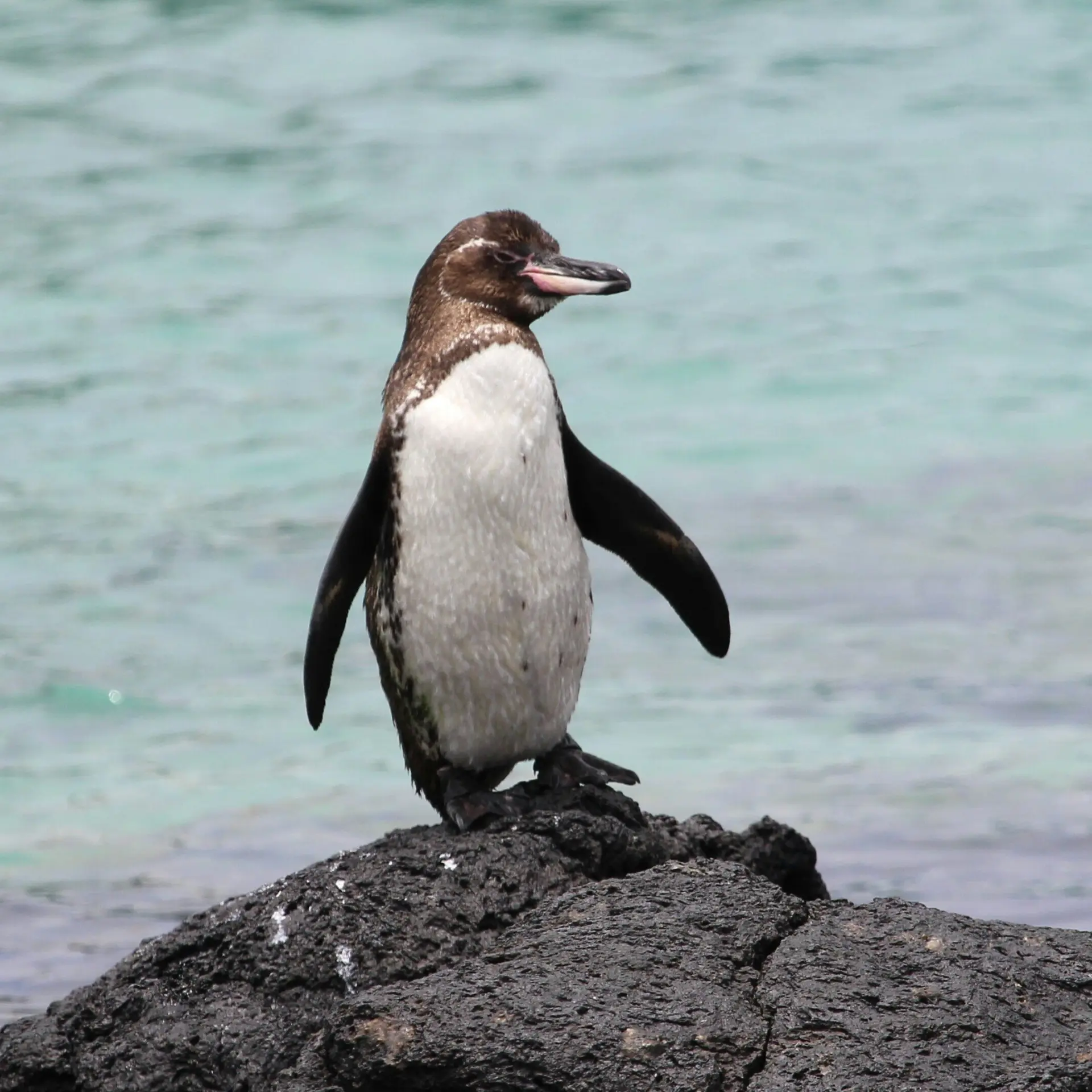
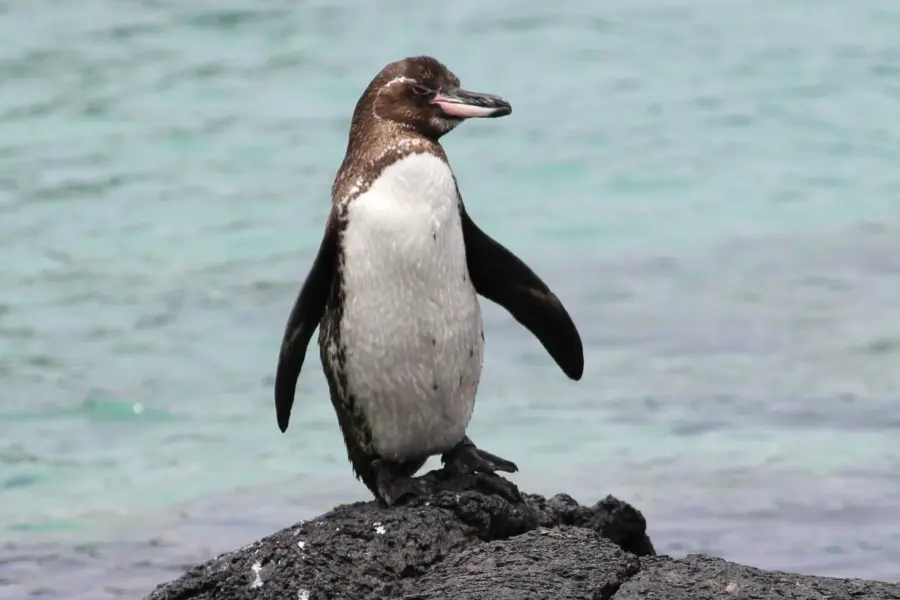
It’s time to visit Sombrero Chino, where you’ll have the chance to see the endangered Galápagos penguin. You’ll also learn about the fascinating geology during a morning walk on this volcanic island. This small island lies just off the coast of Santiago and, as its name suggests, is shaped like a Chinese hat. The island has a landing strip situated in the north, next to the white sandy beach.
In the afternoon, you’ll sail to the north coast of Santa Cruz. Here you’ll find the fascinating landscapes of Cerro Dragón (Dragon Hill). The first part of the walk takes you past a brackish-water lagoon frequented by shorebirds, ducks and American flamingos, whilst the path heading inland offers stunning views over the bay and the western islands of the archipelago, as well as the chance to spot land iguanas.
Inclusief:
- 8 days/7 nights Grace Galapagos Cruise on full board basis including group activities accompanied by knowledgeable guides
Accommodations
Casa Gangotena Hotel
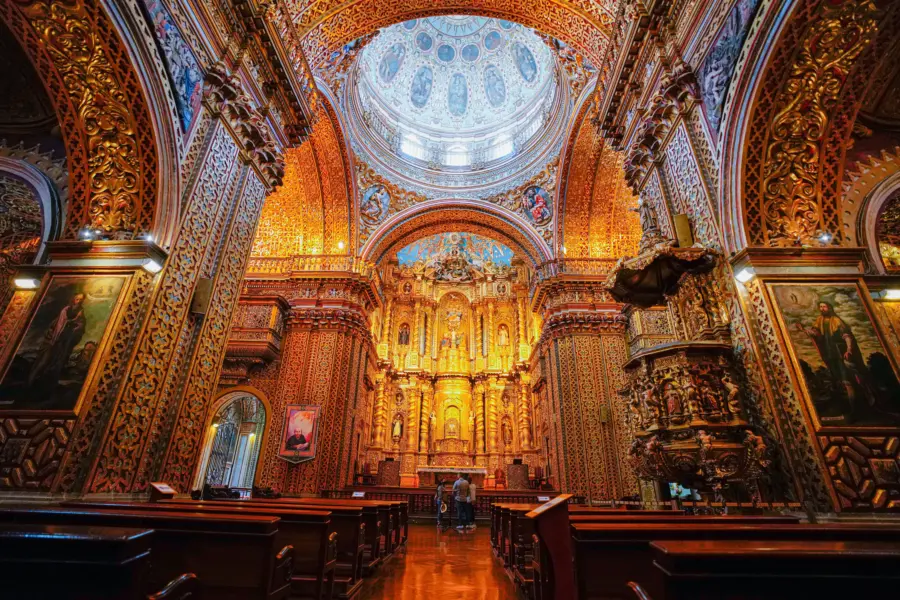
Casa Gangotena is located on the corner of Plaza San Francisco in Quito, just steps away from several attractions such as the Jesuit Church of La Compañía de Jesús, Plaza Santo Domingo, the palace and the hustle and bustle of Quito's Old Town.
The historic mansion has been restored as an elegant...
Casa Gangotena is located on the corner of Plaza San Francisco in Quito, just steps away from several attractions such as the Jesuit Church of La Compañía de Jesús, Plaza Santo Domingo, the palace and the hustle and bustle of Quito's Old Town.
The historic mansion has been restored as an elegant boutique hotel with neoclassical elements. There is a restaurant and lounge areas both indoors and outdoors. There are stunning views from the terrace. There are several room types, all in style and equipped with all conveniences.
The hotel also offers five different experiences inclusive. All experiences are conducted on site, except the Secrets of Quito walk. On each visit, a Casa Gangotena staff member will accompany you, as if you were being guided by a family member.
Casa Gangotena is a member of Relais & Châteaux; a global community of family-owned and family-managed luxury hotels and restaurants that values the richness and diversity of the world's culinary and hospitality traditions. Casa Gangotena is the only Relais & Châteaux hotel in Quito.
Your stay: 1 night

M/Y Grace
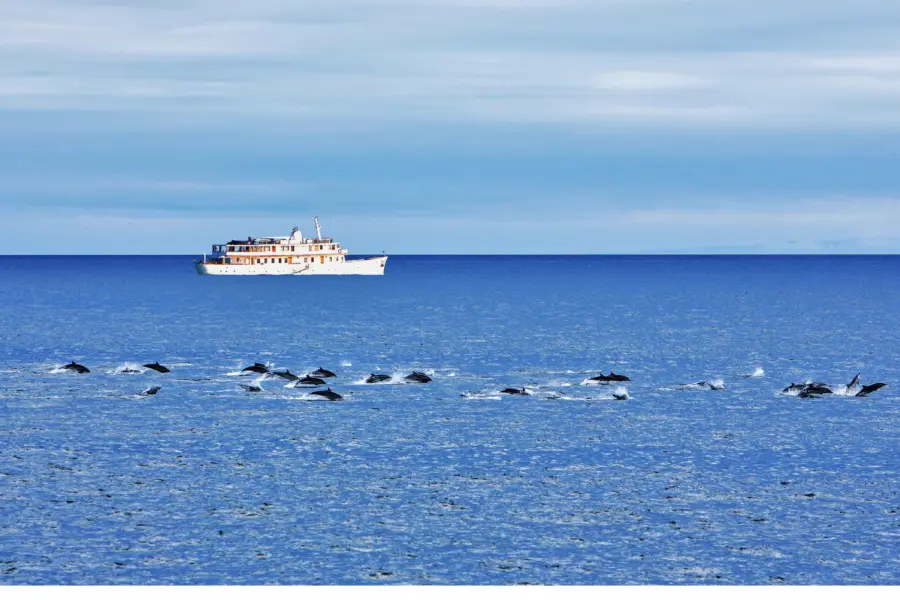
The M / Y Grace is a luxury passenger ship that takes you on a journey to the Galapagos Islands. Accommodation is available in several cabins with private bathrooms. The ship has a dining area where breakfast and lunch are served buffet style. Meals can also be enjoyed outside on the terrace...
The M / Y Grace is a luxury passenger ship that takes you on a journey to the Galapagos Islands. Accommodation is available in several cabins with private bathrooms. The ship has a dining area where breakfast and lunch are served buffet style. Meals can also be enjoyed outside on the terrace, enjoying stunning ocean views. There is also a lounge on the sun terrace where you can enjoy a range of cocktails.
Your stay: 7 nights
Destinations
Santa Cruz Island
Santa Cruz is centrally located and also the second largest island in the archipelago. Puerto Ayora is located here which in turn is the largest city in the Galapagos. Here you will therefore find everything else you could possibly need (from ATMs to bars and internet cafés). For visitors, it is a very varied island where all kinds of things can be undertaken.
Floreana Island
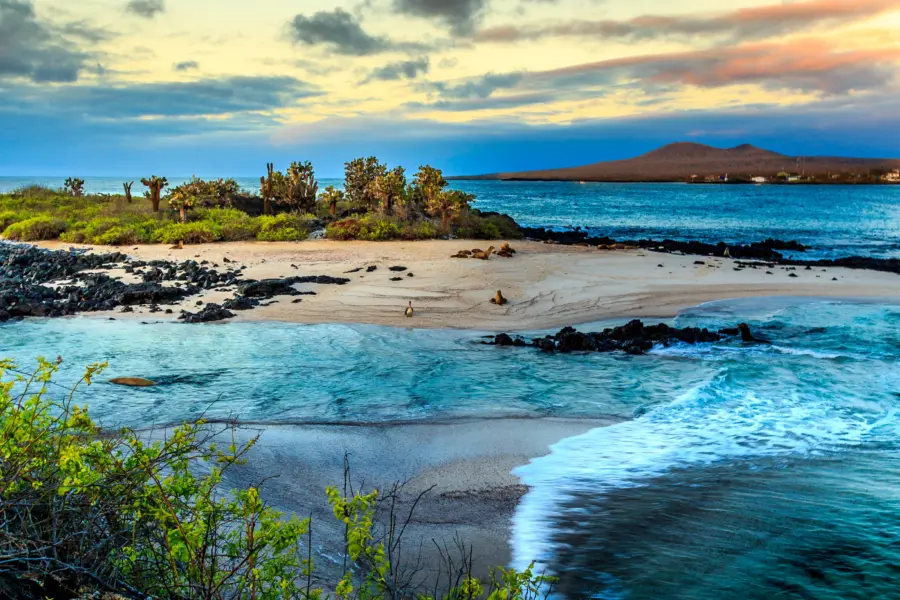
Floreana Island is located the southernmost of all the islands. The island has a rich history of tales of pirates, pirates, whalers, and settlers. Visitors are invited to follow in the footsteps of the whalers of 1700 and send a postcard from the famous "post office". At the northern tip of the island is Punta Cormorant, with two beaches, one of which is a nesting site for Galapagos green turtles. Between the two beaches is a salt lagoon that attracts flamingos and other shorebirds.
Espanola Island
This island is known as 'Hood Island'. Española is home to an impressive number of native wildlife. Gardner Bay on the island's eastern shore is known for its beautiful beach where visitors can swim or snorkel among marine wildlife, including a large colony of sea lions. Visitors can follow a trail from Gardner Bay to Punta Suarez on the western tip of the island, considered one of the most outstanding natural areas in the entire archipelago. Here you will find a surprising variety of exotic birds and reptiles, including brightly coloured marine iguana and the lava lizard.
San Cristobal Island
Of all the Galapagos islands, the island of San Cristobal has been inhabited the longest. This is because it is home to a source of fresh water. The highest point on the island measures 730 metres and is the top of a dormant volcano and is located most easterly. In clear weather, a trip to the El Junco lagoon is highly recommended; you will be surrounded by many birds. San Cristobal has a lively centre for the evening where not only you but also the many sea lions go, it gives a great view by the bay.
Isla Lobos
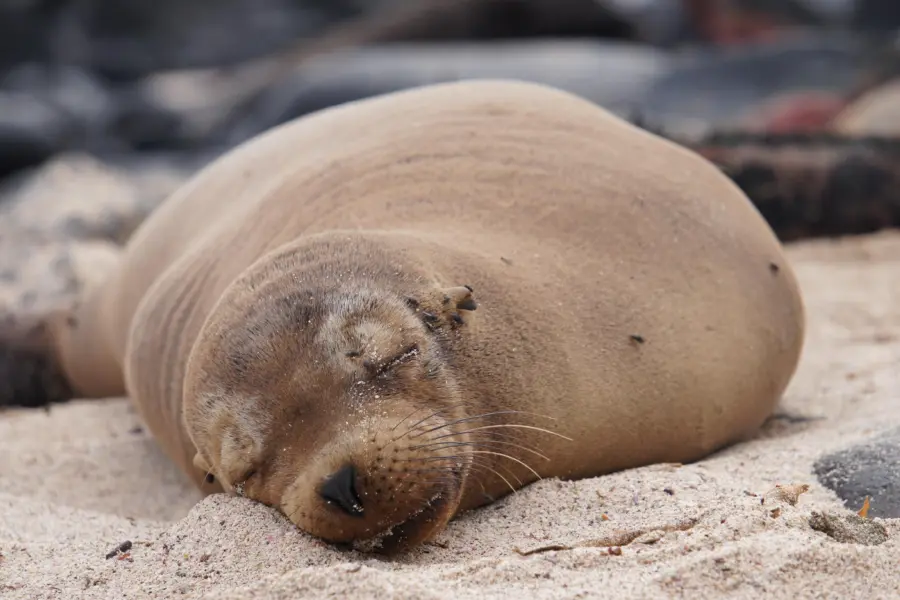
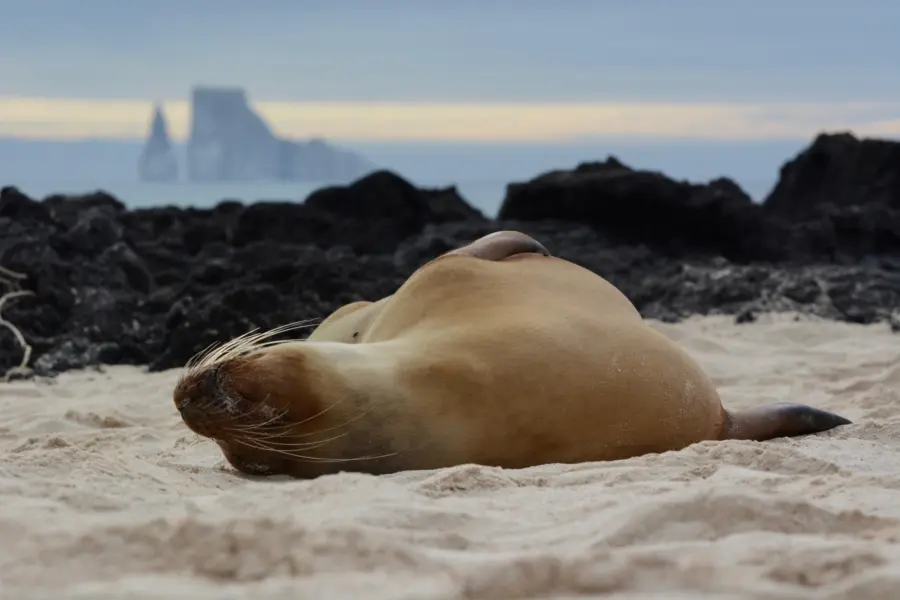
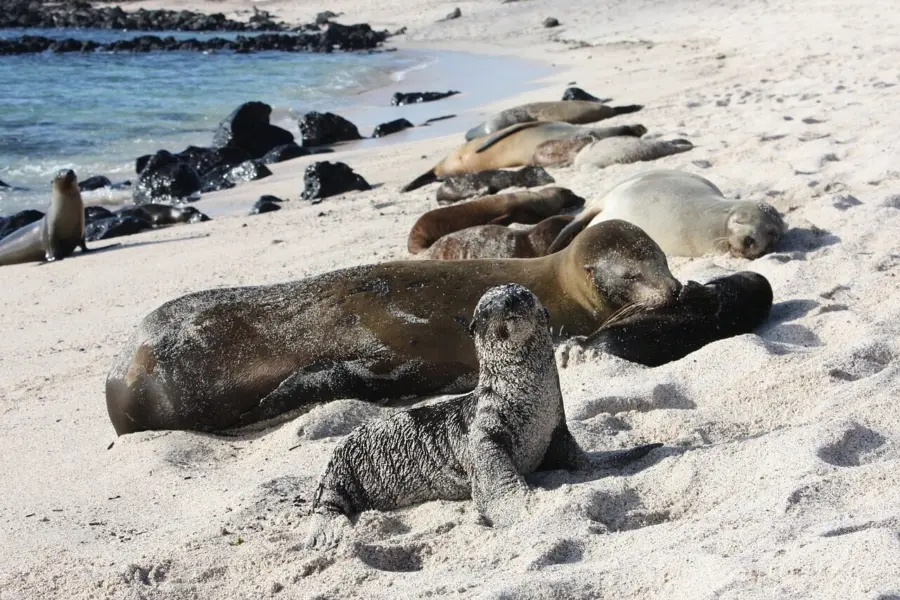
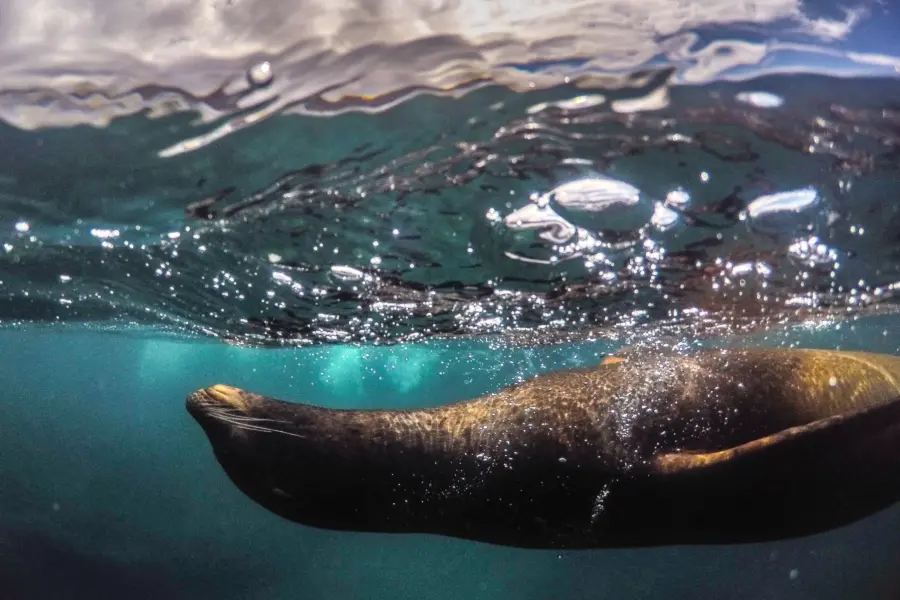
The name of this island 'sea lion island' is very appropriate given the large numbers of sea lions that colonise the island here. You will never get enough of these. Moreover, the island has good snorkelling opportunities. The curious and playful Galapagos sea lion likes to come and have a look.
Santa Fe Island
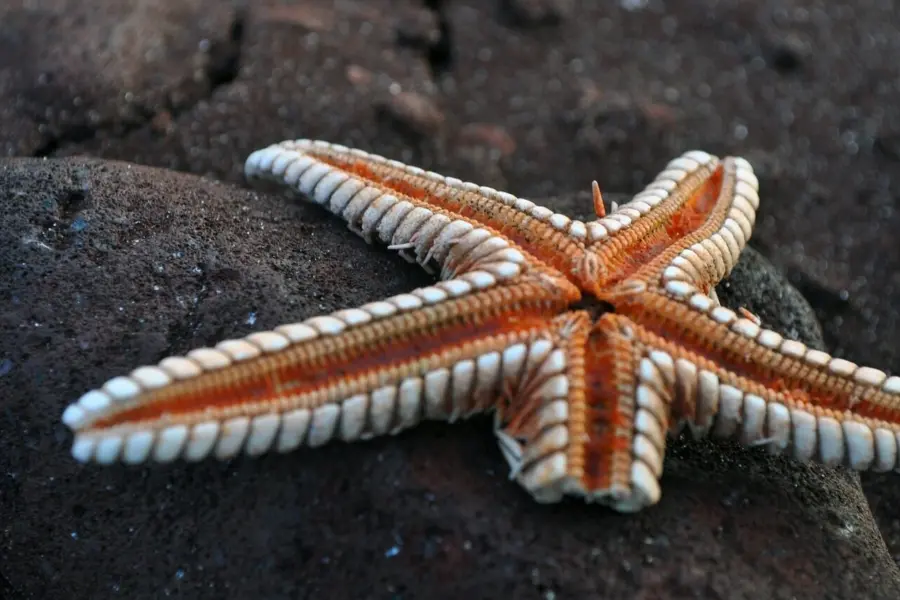
Just over 12 km south-east of Santa Cruz lies the relatively small island of Santa Fe. It is one of the oldest islands in the Galapagos archipelago. The seabed consists mainly of rocks that are almost four million years old. The island is known for both the Barrington Land Iguana and the towering cacti, which can grow up to 6 metres high. The beautiful Barrington Bay is the only place on the island that visitors can access. This spot offers two walking trails: one leads to a cliff with a picturesque view, and the other to a forest home to giant opuntia cacti. In addition, the beach is very popular with sea lions, and you can explore the stunning underwater world here. And if you’re lucky, you might even spot some sea turtles.
South Plaza Island
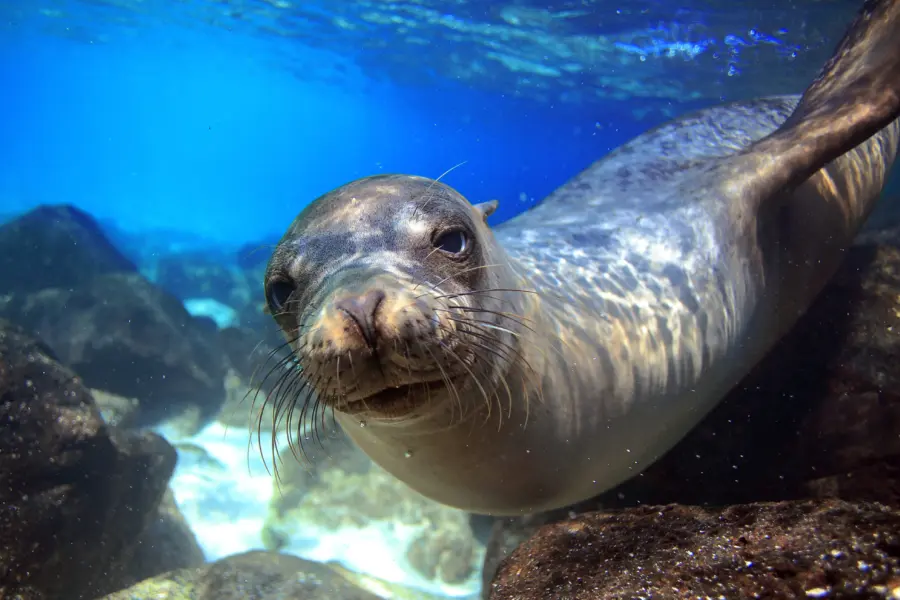
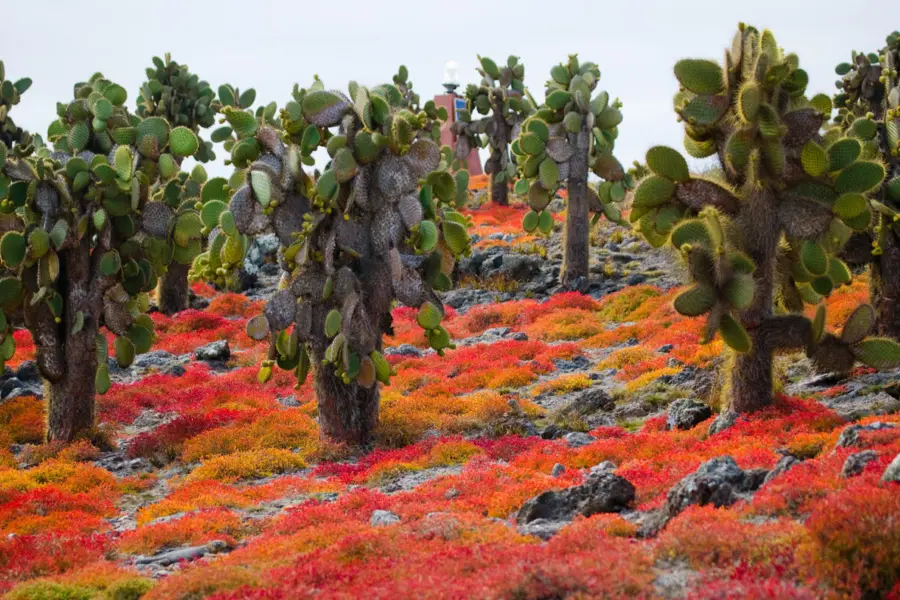
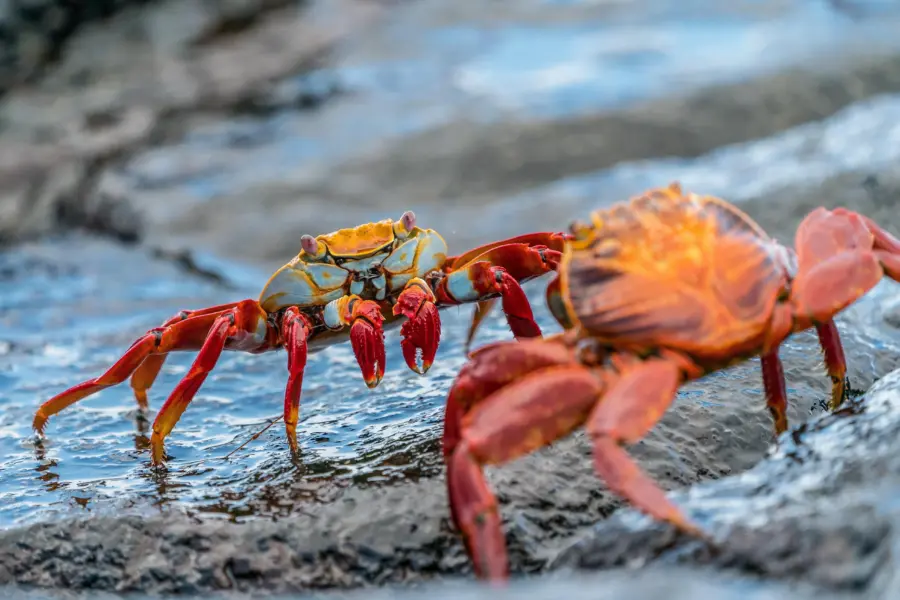
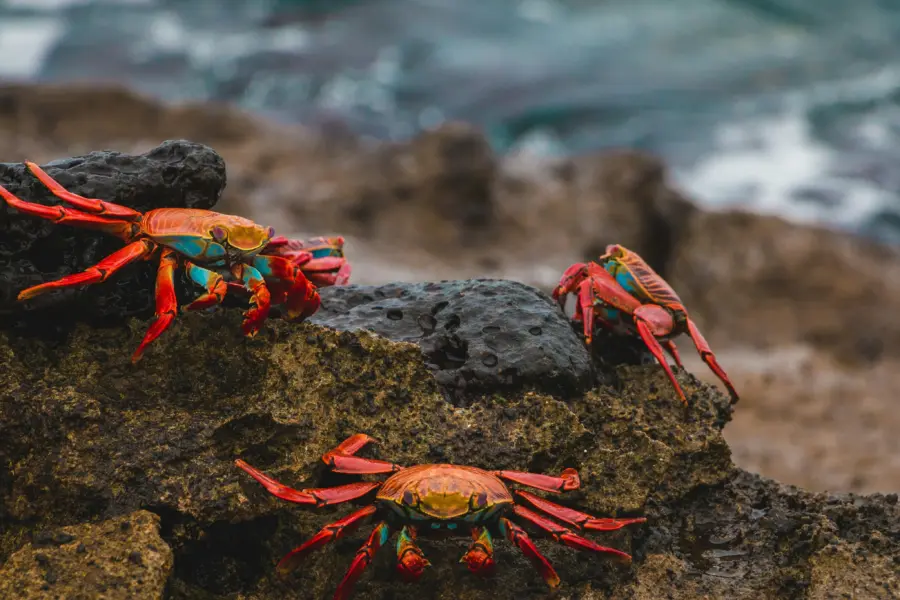
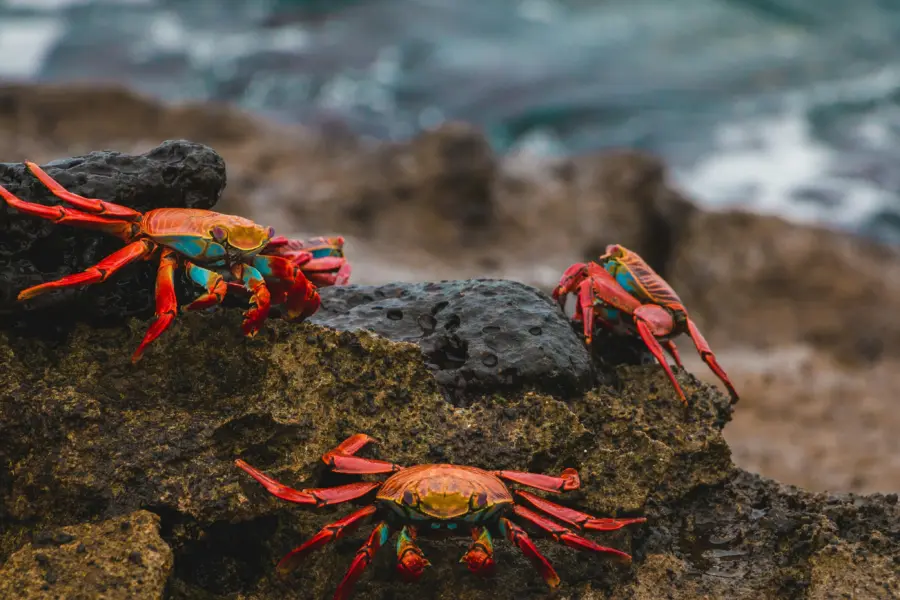
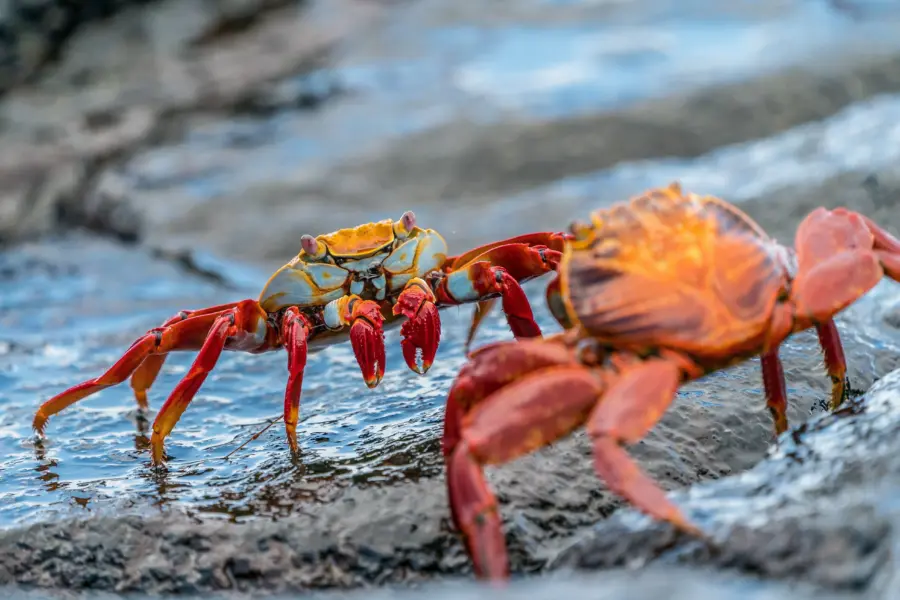
South Plaza Island is located just off the east coast of the Galapagos island of Santa Cruz and offers extraordinary natural beauty. Uninhabited by humans, the island is home to an abundance of plant and animal species. In the dry season, weeds paint the landscape a bright violet, while in winter it has a green appearance. Fascinating colour-changing cacti are scattered here and there across the island. This is the only place on earth where the Galapagos hybrid iguanas can be spotted. Also here are land iguanas, marine iguanas, sea lions, Sally Lightfood crabs and an impressive array of seabird species. The waters surrounding South Plaza offer fantastic snorkelling opportunities.
North Seymour Island
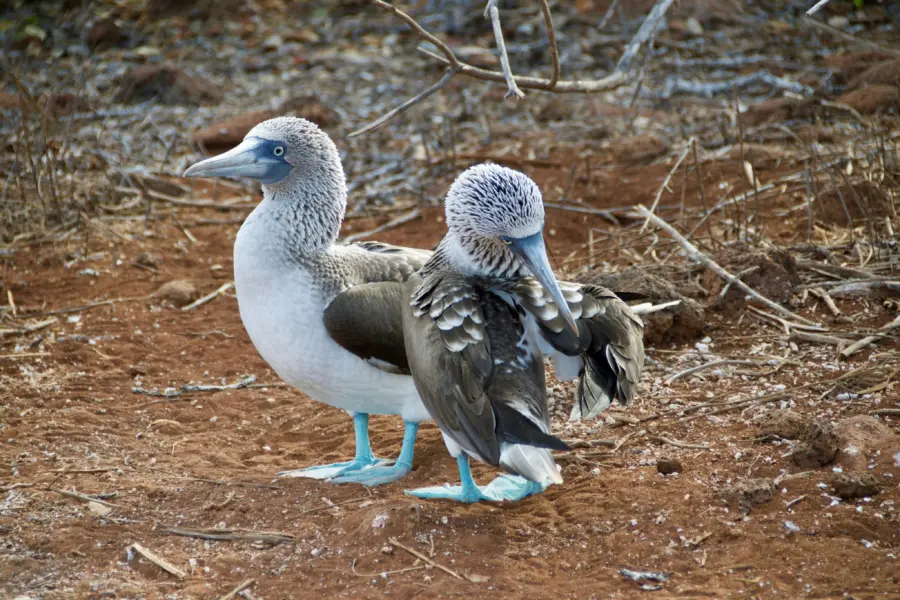
Despite its small size, North Seymour Island is well worth a visit for its amazing amount of wildlife. You will be treated to sea lions, iguanas basking in the sun and pelicans flying along the shore. The island is also famous for the Blue-footed John of Ghent. At Bachas, you can enjoy some excellent snorkelling spots and the lagoon where you are likely to see swarms of flamingos. With its extraordinary abundance of wildlife and proximity to Santa Cruz, North Seymour Island makes an ideal destination for an adventurous day trip.
Bartolome Island
Bartolome is one of the most visited and photographed islands for its diversity of nature. At the foot of an extinct volcano are mangrove forests, tufa cones and black lava fields. Visitors usually swim and snorkel around the iconic Pinnacle Rock, where they are treated to an impressive natural environment that is home to penguins, sea turtles, white reef sharks and other marine animals. Many of these are found nowhere else on earth.
Sombrero Chino
This islet is located just off the coast of the island of Santiago and, as the name suggests, it is shaped like a Chinese hat. The island has a landing strip which is located to the north on the white sandy beach. From here you can follow a hiking trail where you are almost certain to spot Galapagos penguins. sea lions and crabs. The hiking trail takes you to the western part of the island where you can clearly see its volcanic features. An otherworldly landscape topped off by Iguanas bathing in tide pools.
Galapagos Islands
The archipelago that inspired Charles Darwin to formulate his theory of evolution. On these remote volcanic islands, a thousand kilometres off the Ecuadorian coast, you’ll find extraordinary biodiversity. Many animal species are found nowhere else in the world. Here you’ll find marine iguanas, giant Galápagos tortoises and blue-footed boobies. Sea lions, penguins and albatrosses also call this place home. Beneath the surface of the sea, just as on land, life teems. Marine mammals and fish, including whales, manta rays and hammerhead sharks, inhabit the ocean.
Please note: The Galápagos Archipelago is a protected nature reserve where strict regulations must be observed during your visit; always follow your guide’s instructions to ensure you do not cause any damage to this very special and unique ecosystem.
Santiago Island
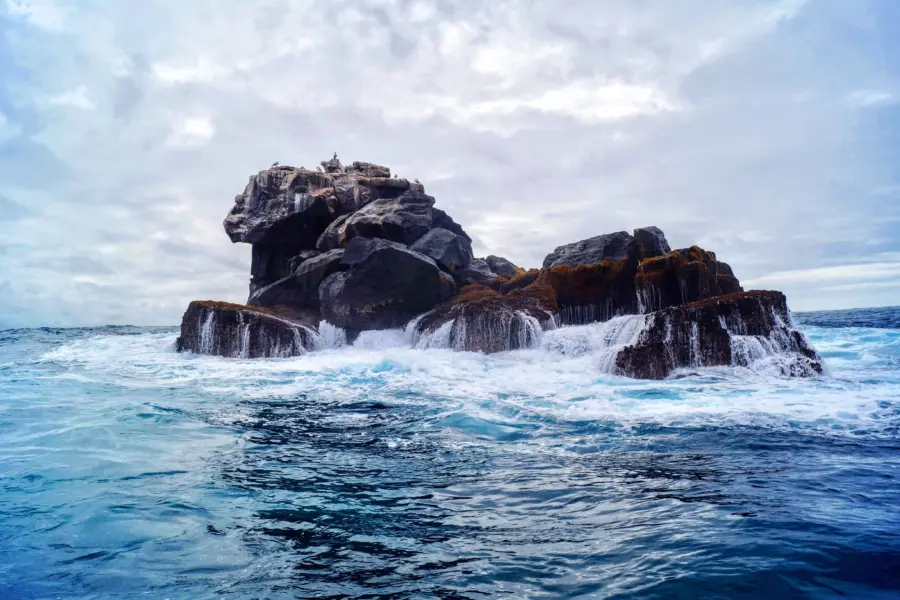
Northeast of Santa Cruz Island lies the elongated Santiago Island, also known as San Salvador Island or James Island. The island's best spot is undoubtedly Puerto Egas, where you will find a long lava coast with rock formations with an impressive variety of wildlife, including iguanas and fur seals. While geology lovers should head to Sullivan Bay to explore the black lava flow, diving enthusiasts can enjoy the Cousin's Rock dive site. This site is home to a triangular rock that rises about 10 metres above the water and consists of layers of volcanic rock.
Puerto Ayora
Santa Cruz is centrally located and also the second largest island in the archipelago. Puerto Ayora is located here which in turn is the largest city in the Galapagos. Here you will therefore find everything else you could possibly need (from ATMs to bars and internet cafés). For visitors, it is a very varied island where all kinds of things can be done, including the Charles Darwin Research station. Should you want to do some more activities, this is of course also among the possibilities. The Cerro Dragon national park in the highlands of Santa Cruz or the El Chato turtle reserve are among the possibilities, if time permits.
Quito
Quito averages 2,850 metres above sea level in the Andes mountains. The colonial downtown was one of the first city centres to be inscribed on the World Heritage List and is beautifully maintained. Quito is ranked among the continent's most beautiful cities. It also has one of the largest colonial centres in Latin America; only Havana in Cuba has a larger historic core, but is not nearly as beautifully restored. Outside the old city centre, Quito also has modern neighbourhoods.... On a clear day, Quito offers stunning views of the snow-capped summit of the Cotopaxi volcano. And where Rio de Janeiro has the famous statue of Christ, in Quito a stone Maria looks out over the city from the 'Panecillo' hill.
Plazas Islands
South Plaza Island is one of the smallest and richest of the Galapagos Islands. The island is best known for its beautiful Sesuvium, which changes colour depending on the season. On the southern edge of the island, you will find high cliffs that provide an excellent vantage point for the many bird species including frigate birds, red-billed tropical birds, swallow-tailed gulls and blue gannets. A large population of land iguanas roam the island along with large sea lion colonies.
Ecuador
Galapagos National Park
The spectacular Galápagos National Park is situated approximately 1,000 kilometres off the coast of Ecuador on Santa Cruz Island in the Galápagos archipelago. The park is often referred to as a ‘living museum’ due to its phenomenal melting pot of species.
The area inspired Charles Darwin’s theories of evolution and is regarded as a living laboratory where evolution is still taking place. The park is home to a variety of animals and plants found nowhere else. These factors, together with ongoing volcanic and seismic activity, have earned the park its UNESCO status.
Visitors can spot animals such as land iguanas, giant tortoises, a variety of finches and many other animal and plant species. Situated at the confluence of three ocean currents, there is also an incredibly rich and abundant marine life off the coast.
Please note: The Galápagos Archipelago is a protected nature reserve where strict regulations must be observed during your visit; always follow your guide’s instructions to ensure you do not cause any damage to this very special and unique ecosystem.
Northern Andes Ecuador
With a dramatic landscape of soaring peaks, numerous volcanoes and exuberant cloud forests are the Northern Andes, a long, narrow plateau looming over Ecuador's western region. Visitors to the area can lose themselves in the wide variety of things to do on the mountain slopes, ranging from exciting outdoor activities to fascinating cultural experiences. Highlights include a scenic hike and canopy tour along the verdant landscape of Mindo Cloud Forest and a stroll along the cobblestone streets of Quito's Old Town to see the beautiful colonial architecture. Don't miss a visit to the small town of Otavalo, home to the hugely popular Otavalo Market, known as the largest market for traditional jewellery, textiles and handicrafts in South America.
Galapagos trip | Beyond the footsteps of Darwin with M/Y Grace
We offer the described trip from €13,795 per person.
The tour price is an estimate and is subject to factors including availability and travel dates.
Included
• Domestic flights
• Overnight stay in excellent accommodation in Quito
• 8-day Grace Galapagos cruise on a full-board basis, including group activities, snorkelling equipment (masks, snorkels, fins & wetsuits), kayaking equipment and accommodation in the exclusive Grace Kelly Suite. A selection of wines, local beer, cocktails, spirits, soft drinks, juice, coffee, hot chocolate, water and tea is included throughout the cruise.
• All meals as listed in the ‘itinerary’
• Galapagos Islands Transit Card (approx. US$ 20 per person)
• Galápagos National Park entrance fees (approx. US$ 20 per person)
• All excursions as listed in the ‘programme’
• All necessary transfers as mentioned
• Meet & Greet on arrival
• Administration fees (€50 per booking)
Positive impact of your trip:
• A contribution of €100 per person towards a positive impact via the Avila Foundation
Not included
• Intercontinental flights
• Room category upgrade
• Travel and/or cancellation insurance
• Tourist tax (where applicable)
• The Grace Galapagos cruise does not include:
- Premium wines, beer, cocktails and spirits.
- Fuel surcharge
• Seat reservations
• Personal expenses/tips
• Entrance fees, where applicable
• Meals not specified and optional excursions
• Contribution to the Contingency Fund (€2.50 per booking)
• SGR contribution (€5 per person)