
 en


- Signature
- 12-day trip
- From €14,995 p.p.
Tanzania trip | Ultimate safari North and South Tanzania with tropical Zanzibar
This luxury roundtrip takes you to both the north and south of Tanzania. You will visit the world-famous Serengeti, where more visitors can be found and therefore it can be a bit busier. Consequently, it is an iconic safari park and is definitely worth a visit. You combine your visit to the Serengeti with a stay in Ruaha National Park. Despite the fact that Ruaha is Tanzania's largest national park, you will encounter far fewer other visitors here. This naturally offers an even more exclusive safari experience. Moreover, a wide variety of wild animals can be found here, including large herds of elephants and the special wild dogs. You will only stay in very luxurious accommodations, equipped with all conveniences. You will therefore end your trip in style on tropical Zanzibar, where you will stay at the beautiful Zuri. You thus experience Tanzania's two best safari parks combined with paradisiacal Zanzibar. A trip you will remember forever!
Travel programme
Travel overview
- Day 1 Flight to Tanzania
- Day 2 En route to the Serengeti
- Day 3 – 4 Safari highlights in the Serengeti
- Days 5–7 Discover the stunning Ruaha National Park
- Day 8 Travel day to beautiful Zanzibar
- Days 9–11 Tropical stay on Zanzibar
- Day 12 Departure from Tanzania
Air travel to Tanzania
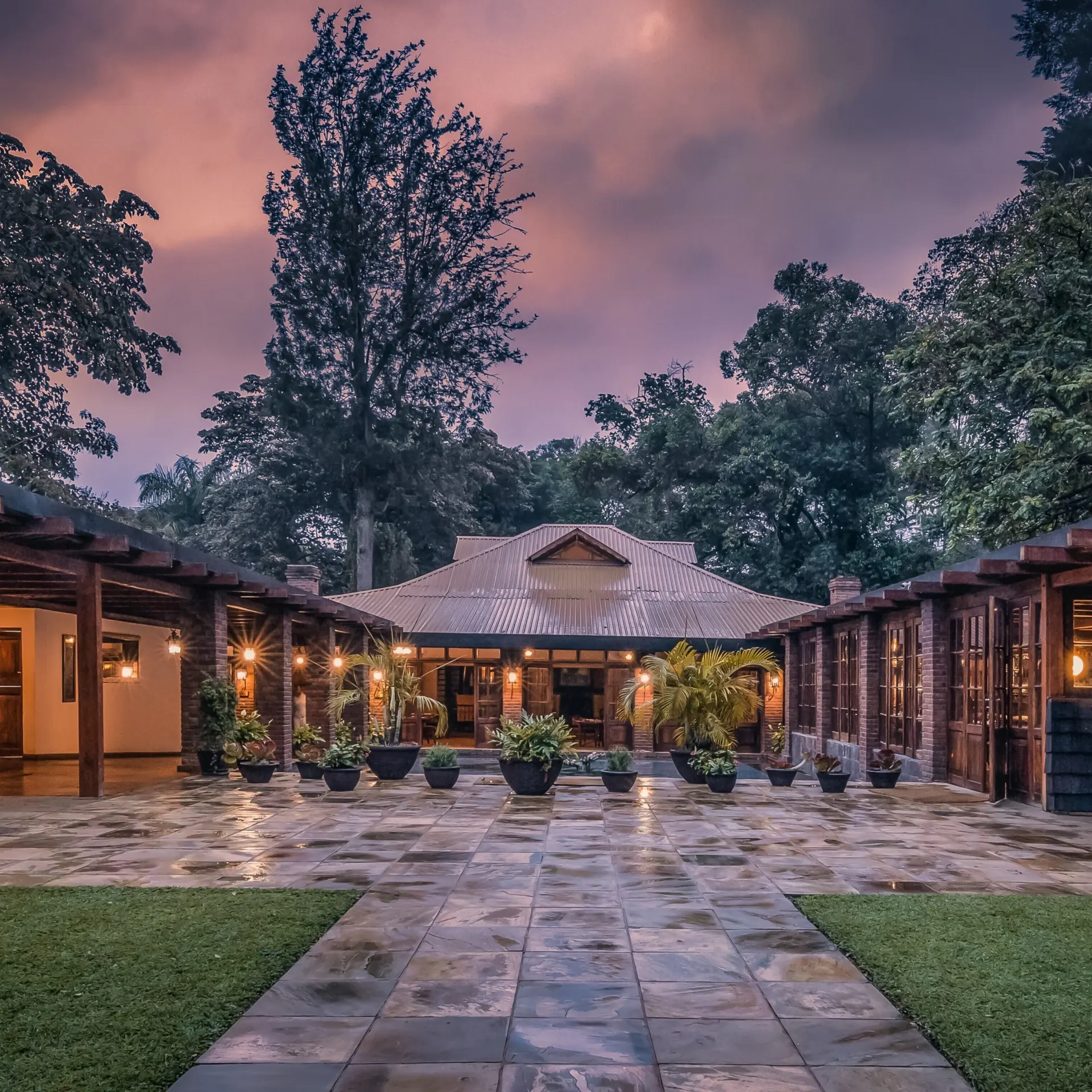
After departing from the airport, your plane sets sail for Kilimanjaro International Airport, 'The Gateway to Africa's Wildlife Heritage'. On arrival at Kilimanjaro Airport, you will be met by your Tanzanian guide. He greets you with a warm smile. After loading your luggage into the spacious Land Cruiser, you will drive to your accommodation near Arusha. Here you will spend your first night on African soil.
Included:
• Meet & Greet on arrival
• Private safari in a Toyota Landcruiser 4x4 accompanied by an English-speaking driver/guide
• Overnight stay including breakfast
Exclusive:
• Intercontinental flight to Tanzania
En route to the Serengeti
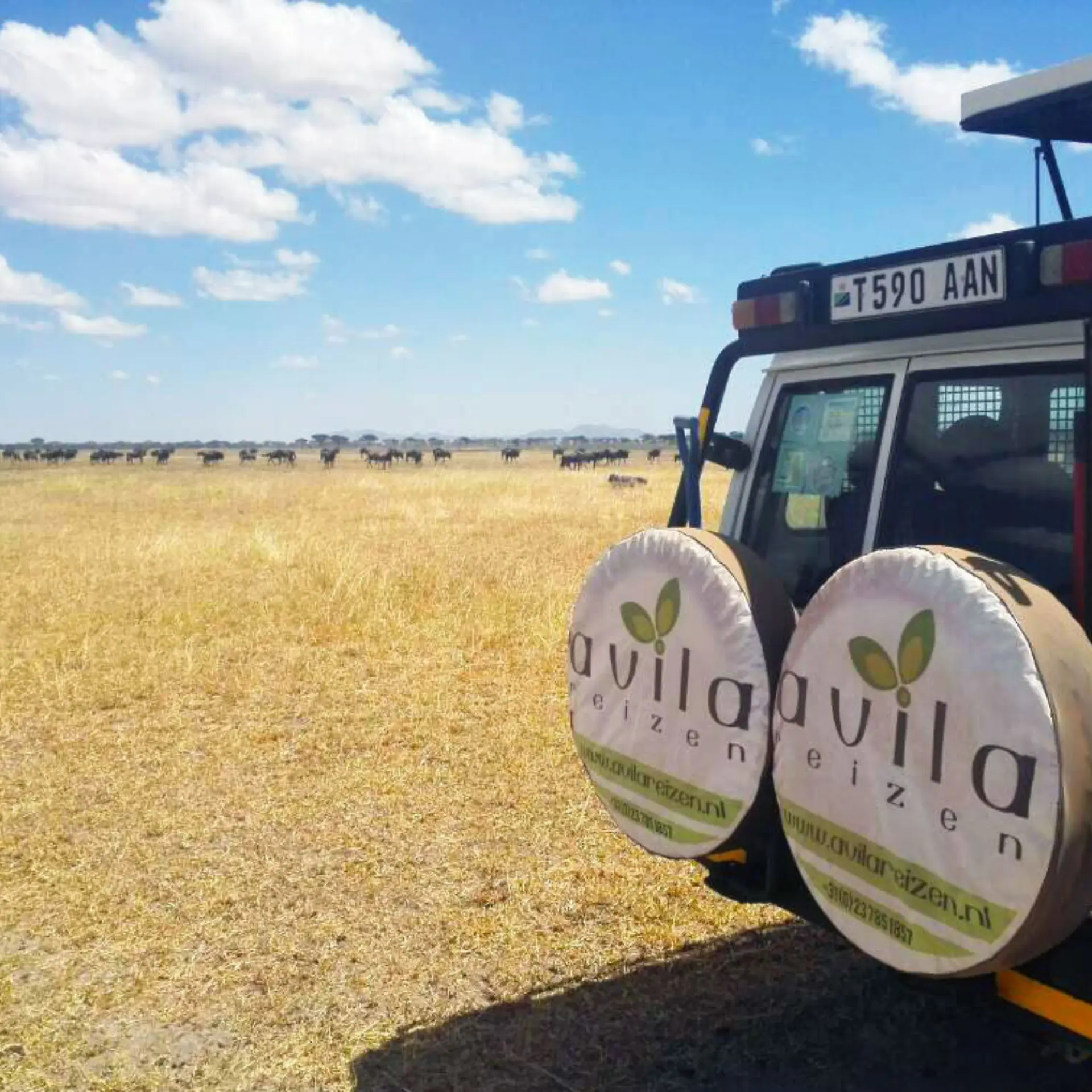
After breakfast, you will be collected and taken to Arusha Airport. Here, you will board the plane and set off for the legendary Serengeti, where you will be staying in the central part of the park for the next few nights. You can look forward to several days of incredible safari adventures!
Upon arrival at the local airstrip, you’ll be warmly welcomed by your lodge guide. You’ll travel in an open 4x4 to your lodge, where you’ll stay for three nights. Once you’ve arrived at the lodge, you can enjoy a tasty lunch and have some time to relax after your day’s journey. In the afternoon, your first game drive is on the programme. Set out in search of the Big Five and the many other animals that make the Serengeti so special! After this fantastic first safari, you’ll return to your lodge, where a delicious dinner will be served beneath a sparkling starry sky.
Included:
• Private transfer to Arusha Airport
• Domestic flight to the Serengeti (including 15kg hold luggage and 5kg hand luggage in soft-sided travel bags without wheels)
• Transfer to your accommodation
• Accommodation on a full-board basis, including (shared) safari activities
Safari highlights in the Serengeti
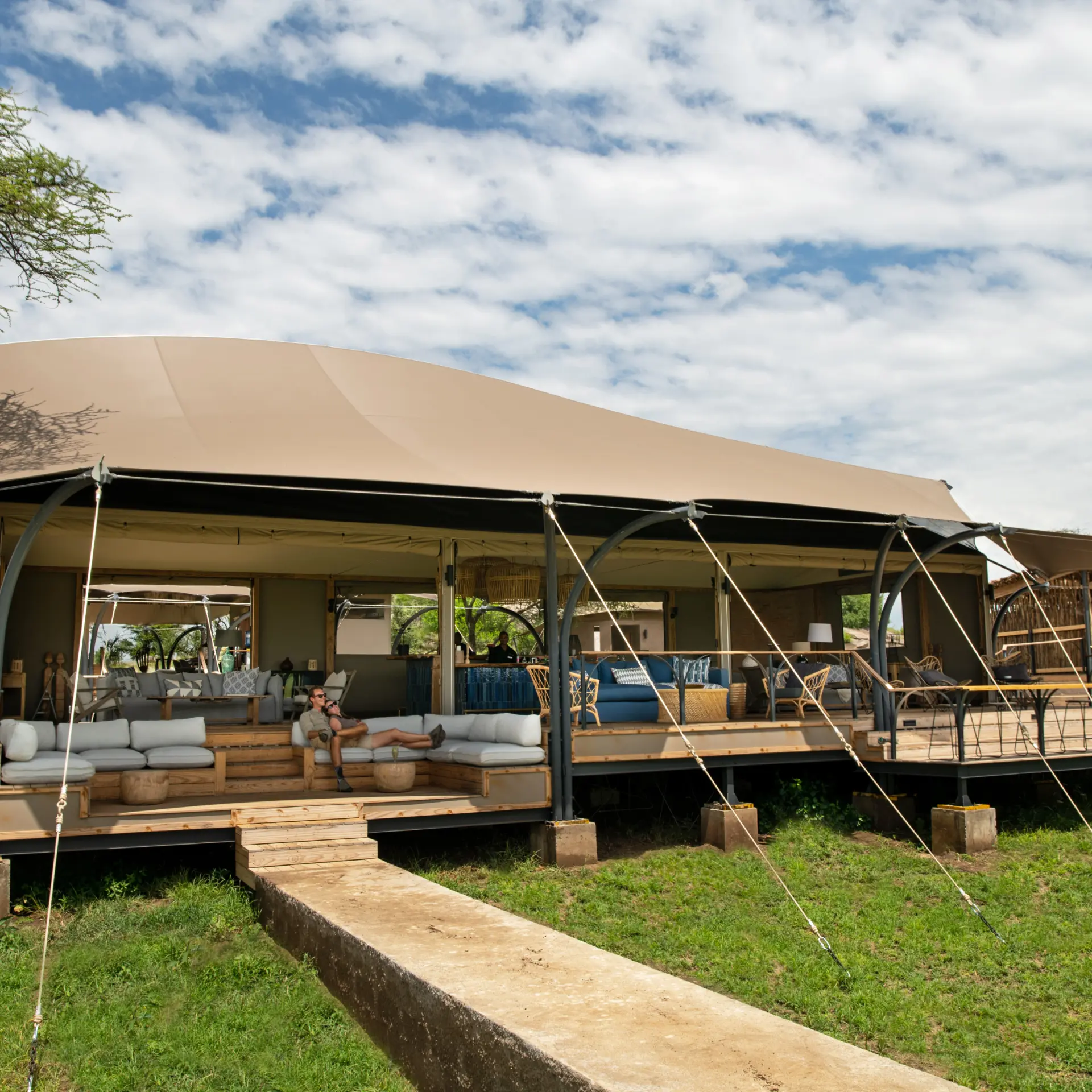
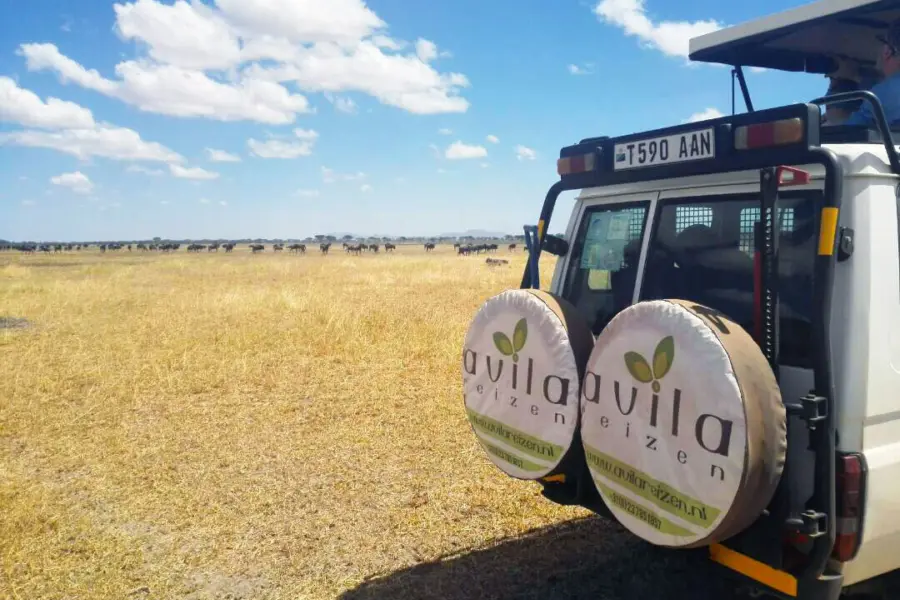
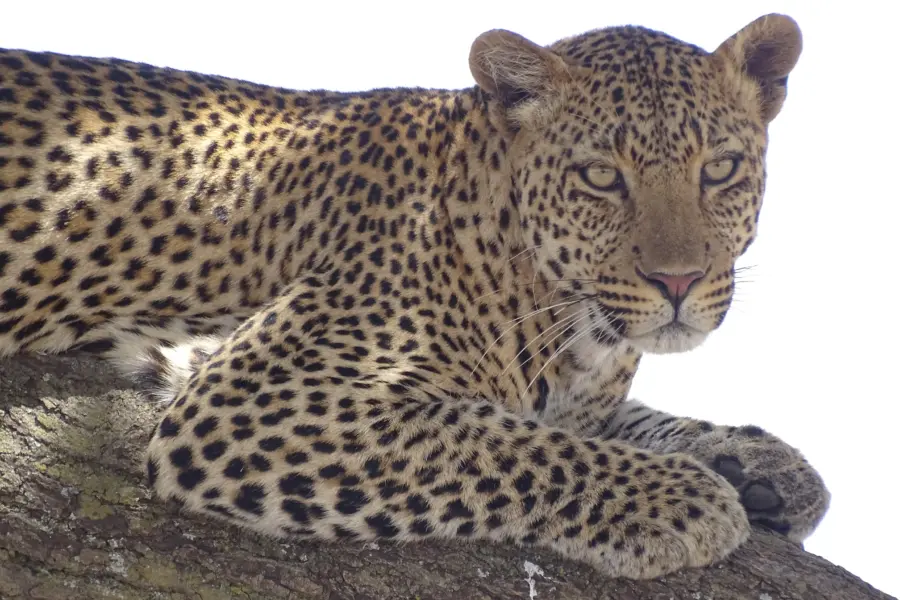
Over the next few days, you’ll be on the lookout for lions, leopards and many other extraordinary animals. You’ll drive through the savannah, where you’ll enjoy the extraordinary natural surroundings over the coming days. What makes the Serengeti unique is that you can clearly observe the interactions between the animals here. Your time in the Serengeti is sure to be unforgettable!
Optionally, you can make your time in the Serengeti even more special by going on a hot-air balloon safari. Float for an hour over the endless plains, with the chance to spot wildlife too. You’ll round off this special experience with a champagne breakfast in the bush!
Included:
• Accommodation on a full-board basis, including (shared) safari activities
Discover stunning Ruaha National Park
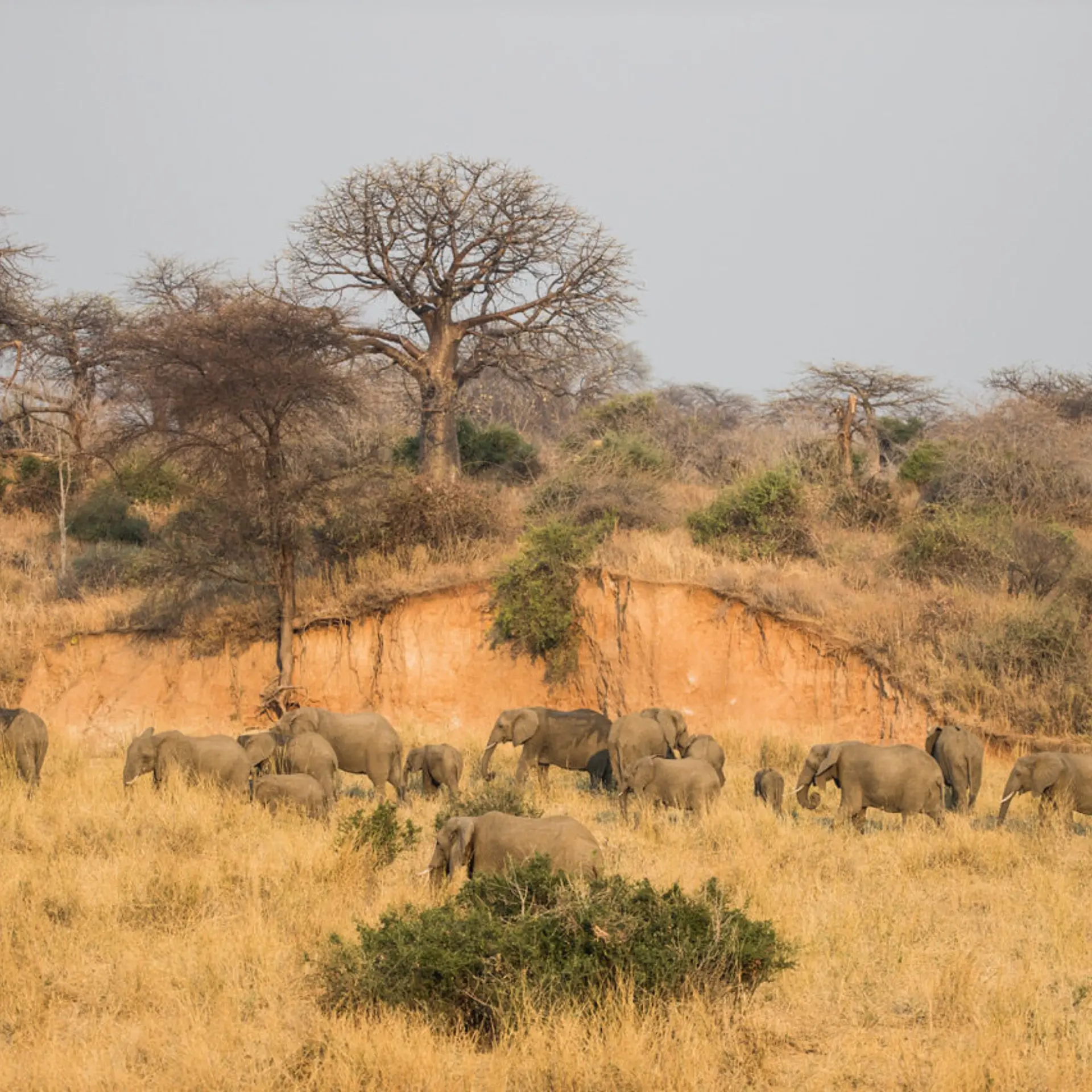
You’ll board the plane again, which will take you to Ruaha National Park after a short flight. Upon arrival at the airstrip, your guide will be waiting for you and will take you to your accommodation. You’ll be staying at the beautifully situated Ikuka Safari Camp for the next few days.
Tucked away far off the beaten track lies Tanzania’s largest national park, Ruaha. This park ranks among the finest safari parks in the whole of Africa, boasting high concentrations of wildlife whilst attracting almost no other visitors. Together with Selous, Ruaha is one of the finest safari gems on Tanzania’s southern safari circuit. But precisely because Ruaha is more open and features vast plains, spotting wildlife and birds here is easier than in the more densely vegetated Selous.
Ruaha is characterised by numerous large herds of elephants, which charmingly make their way along the riverbanks. Ruaha is also known as the home of the most beautiful species of gazelle, the greater kudu, with its magnificent spiral horns. It is a true paradise for birdwatchers too, as more than 500 different species of exotic birds can be found here.
Over the coming days, make the most of the safari highlights in this magnificent park!
Included:
• Transfer to the local airstrip
• Shared charter flight to Ruaha National Park (including 15kg hold luggage and 5kg hand luggage in soft-sided travel bags without wheels)
• Transfer to your accommodation
• Accommodation on a full-board basis, including (shared) safari activities
Travel day to beautiful Zanzibar
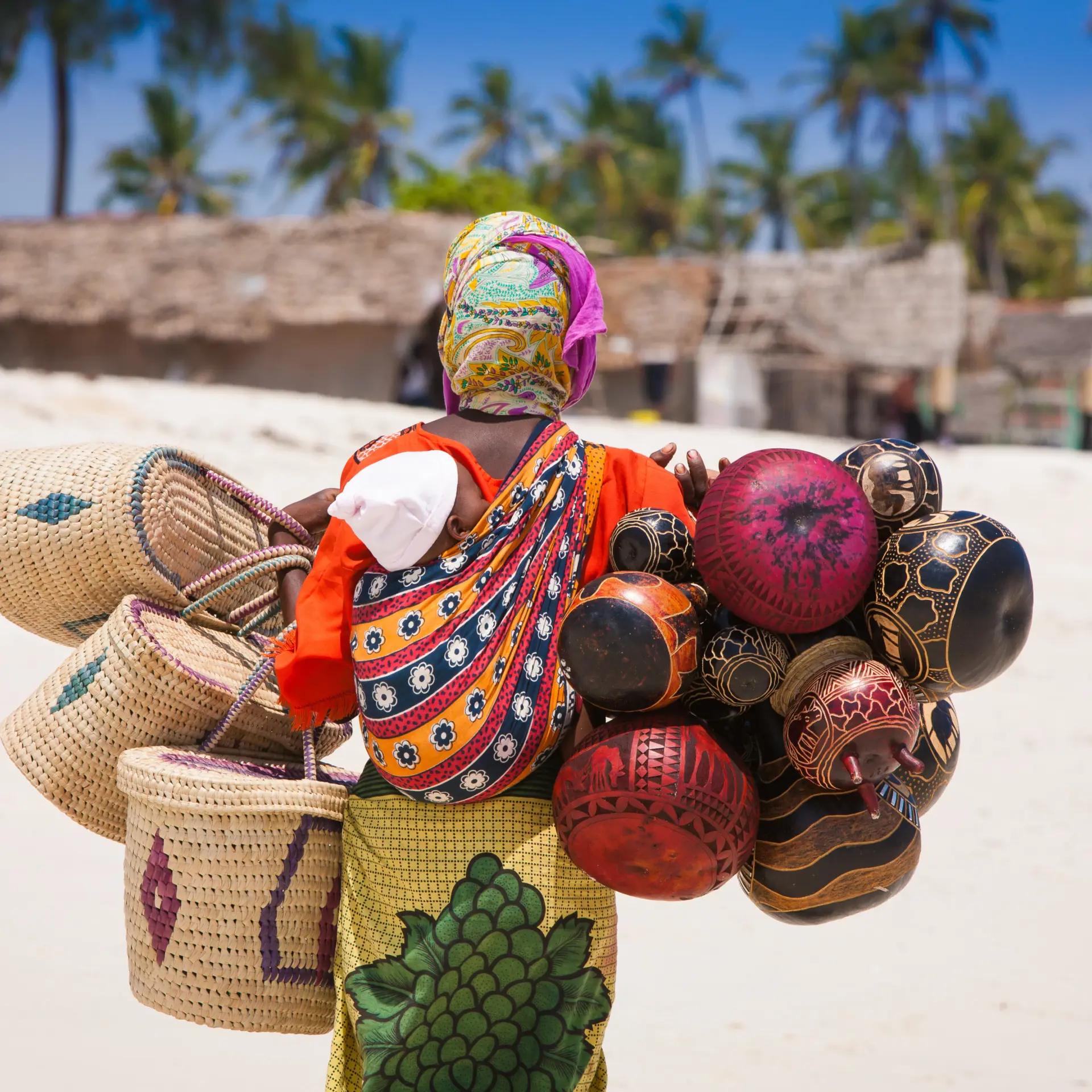
After breakfast, you will be transferred to the nearest airstrip, where you will take the domestic flight to tropical Zanzibar. After arriving at Zanzibar airport, you will be picked up by our local representative on the island and transferred to your accommodation. This is where you will spend the next few days! And this is far from a punishment; with its azure blue sea and pearly white beaches, Zanzibar is the perfect place to relax and let the past few days' safaris sink in.
Included:
• Transfer to Msembe Airstrip
• Domestic flight to Zanzibar – via Dar es Salaam (including 15kg hold luggage and 5kg hand luggage in soft-sided travel bags without wheels)
• Private transfer to your accommodation
• Accommodation on an all-inclusive basis
Tropical stay on Zanzibar
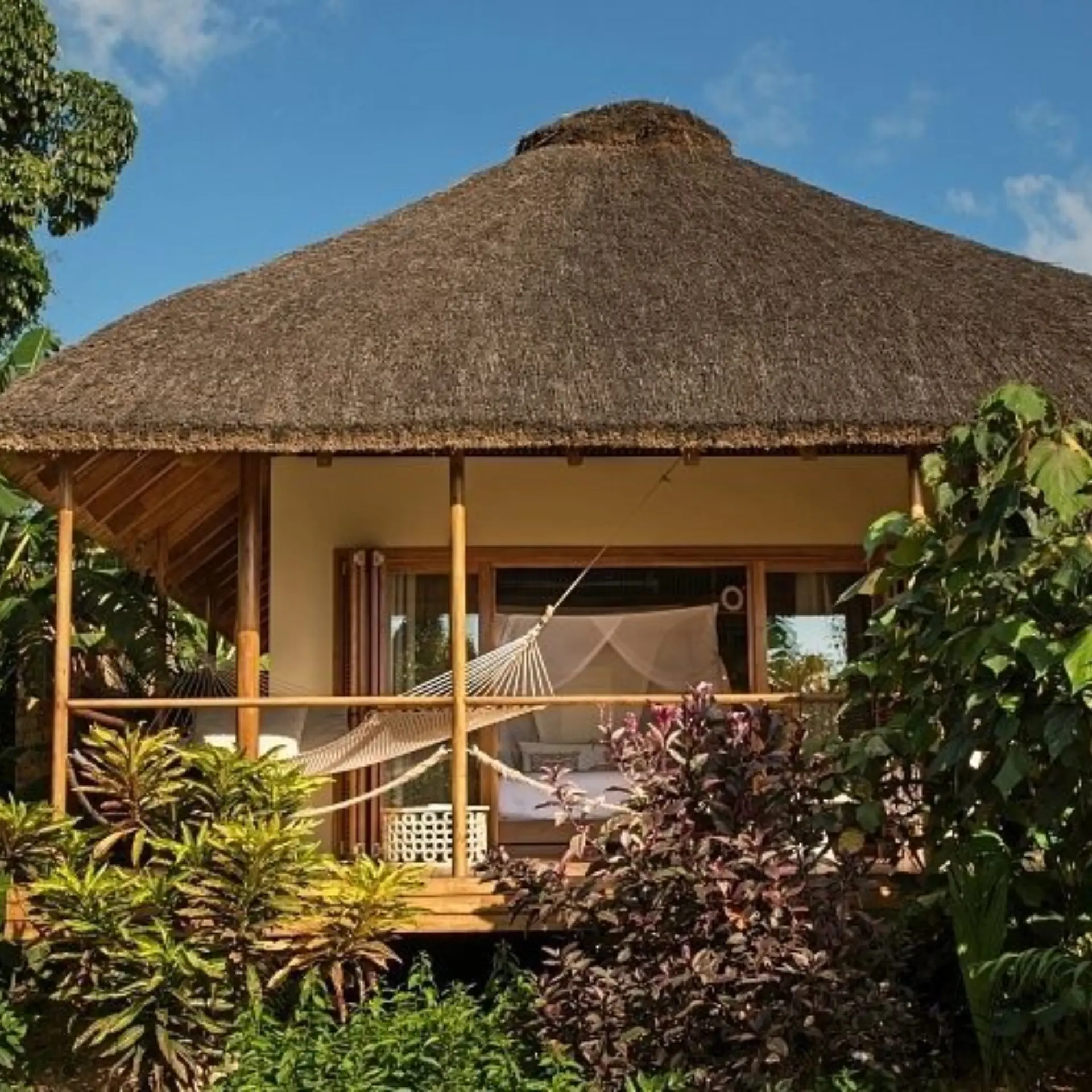
Over the coming days, make the most of the sun, sea, beach and the distinctive Zanzibar culture.
During your stay, you’ll have the opportunity to take part in a number of optional excursions. For example, you could visit Jozani Forest – a beautiful woodland that is home to the Red Colobus Monkey. During a lovely walk, you’ll set out in search of these and other primates.
There are also opportunities to explore Zanzibar’s mangroves on a SUP board. Stand-up paddleboarding has, of course, become increasingly popular, and how cool is it to do it in Zanzibar’s stunning mangroves? A completely different side of Zanzibar!
Included:
• Accommodation on an all-inclusive basis
Accommodations
Elewana Arusha Coffee Lodge
Set in the middle of a verdant coffee plantation, Elewana Arusha Coffee Lodge is a haven of tranquillity and a wonderful place to stay after a long international flight, or after an exciting safari.
Stay in one of the 30 luxury wooden chalets - 12 Plantation Suites and 18 Plantation Rooms - located among the tropical...
Set in the middle of a verdant coffee plantation, Elewana Arusha Coffee Lodge is a haven of tranquillity and a wonderful place to stay after a long international flight, or after an exciting safari.
Stay in one of the 30 luxury wooden chalets - 12 Plantation Suites and 18 Plantation Rooms - set among tropical gardens and the sea of coffee trees.
The road, a tree-lined driveway, leads you to the warm and inviting lodge with its quiet understated aura of luxury. You will find vibrant gardens, a spa and a swimming pool. In addition, you can dine well at the restaurant, Bacchus, and café-bistro, 3 ° South.
Your stay: 1 night
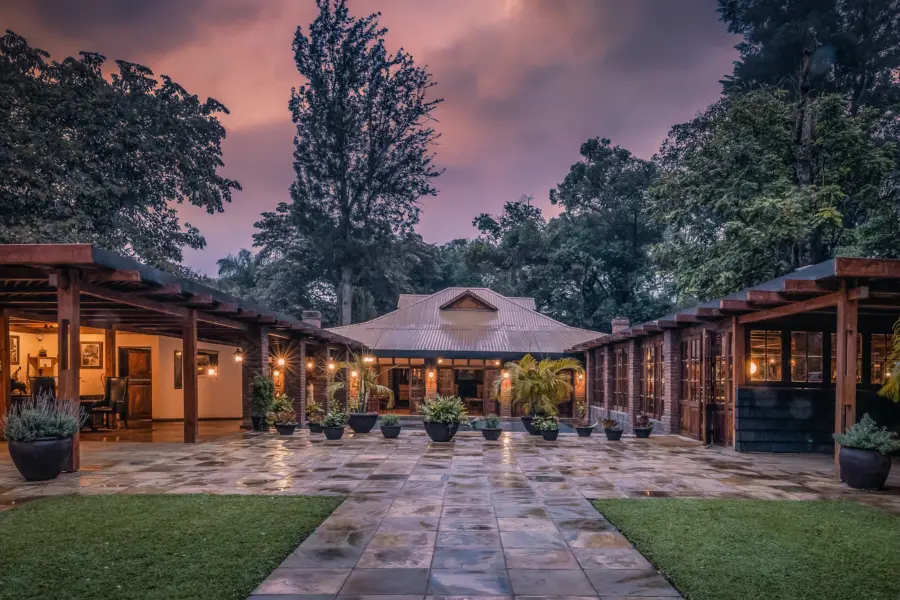
Lemala Nanyukie Lodge
Lemala Nanyukie is located just outside the popular Seronera area. Here you can watch private safaris of the world-famous concentration of felines and wildlife, thanks to the abundance of water in the many rivers. Between April and June, and again between November and January, this area is crossed by the...
Lemala Nanyukie is located just outside the popular Seronera area. Here you can watch private safaris of the world-famous concentration of felines and wildlife, thanks to the abundance of water in the many rivers. Between April and June, and again between November and January, this area is crossed by the annual wildebeest migration, which always provides a special experience.
Lemala Nanyukie has a large lounge and bar, and the indoor lounge areas also offer many fine places to retreat. Whether your preference is a private area by the fireplace, or large, comfortable sofas where you can share experiences with fellow travellers: there is room for everyone. A well-stocked bar is just steps away, and experienced bar staff will prepare your favourite drink and serve it just the way you like it.
Your stay: 3 nights
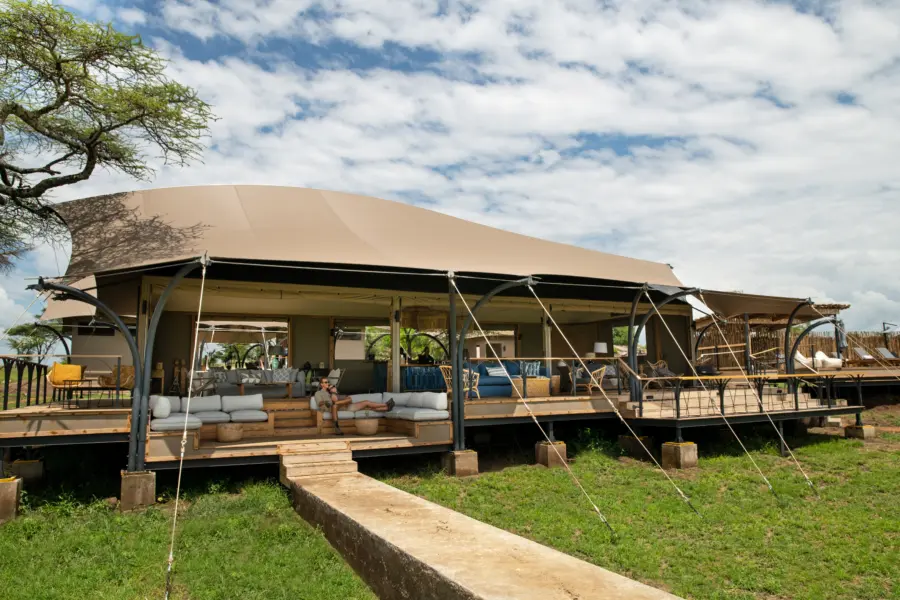
Ikuka Safari Camp
Ikuka Safari Camp is a stunning safari camp in Ruaha National Park, which takes full advantage of a spectacular location atop the Mwagusi Hill. As such, the accommodation is unique in the park. The views are perfectly complemented by an intimate and personal feel that can only be found in smaller...
Ikuka Safari Camp is a stunning safari camp in Ruaha National Park, which takes full advantage of a spectacular location atop the Mwagusi Hill. As such, the accommodation is unique in the park. The views are perfectly complemented by an intimate and personal feel that can only be found in smaller accommodations in the African bush. The seven guest banda houses on the property are designed to blend in with the surroundings and give you the greatest possible experience of being connected to nature through stone, thatch and natural wood structures. You will wake up in the morning to the call of nature from the comfort of a large, cosy bed. When you are ready to start the day's adventure, freshen up in the en-suite bathroom with a large stone sink, a shower and a toilet. You can then collapse with a cup of coffee or tea on your own raised wooden terrace, which surrounds the entire banda, or in the relaxing sitting area, both of which offer breathtaking views of Ruaha's wilderness reserve. The perfect place to explore Ruaha!
Your stay: 3 nights
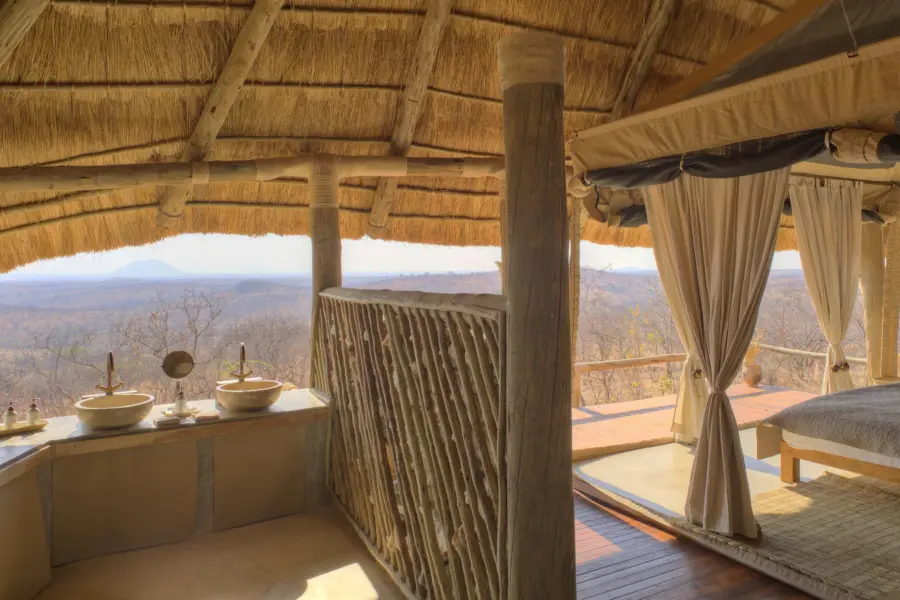
Zuri Zanzibar Hotel & Resort
The Zuri Zanzibar Resort is located on one of the most beautiful beaches on the beautiful island of Zanzibar. The lush garden houses 55 private bungalows and villas and opens onto a 300-metre-wide private beach, facing west to enjoy the mesmerising sunsets over the azure waters...
The Zuri Zanzibar Resort is located on one of the most beautiful beaches on the beautiful island of Zanzibar. The lush garden houses 55 private bungalows and villas and opens onto a 300-metre-wide private beach, facing west to enjoy mesmerising sunsets over the azure waters of the Indian Ocean.
The 55 bungalows and villas are spaced apart, ensuring your privacy. Thanks to African construction, high ceilings offer a very spacious feeling. In addition, most bungalows and villas enjoy ocean views.
Also extraordinary is the tropical garden in which all units are located. This botanical garden was worked on for two years. There is also a large herb garden or spice garden on the premises. Enjoy the tranquillity or learn more about the Swahili way of cooking during a cooking workshop with one of the resort's chefs.
Naturally, the resort has multiple restaurants drawing from European, Arabic, African and Indian cuisines. In addition, the resort offers unrivalled Spa facilities, yoga, outdoor fitness and a whole range of activities both at the resort and on the island.
Your stay: 4 nights

Destinations
Central Serengeti
Tanzania’s oldest and most popular national park (a World Heritage Site) has recently been named one of the 7th Wonders of the World. The Serengeti is famous for its annual migration, when the hooves of over a hundred thousand zebras and Thomson’s gazelles join those of thousands of wildebeest as they migrate to the green grasslands. Once the migration is over, the Serengeti offers perhaps the most spectacular safari in Africa. Large herds of buffalo, smaller groups of elephants and giraffes, and thousands upon thousands of elands, topis, impalas and Grant’s gazelles populate the endless plains.
The spectacle of ‘the hunter and the hunted’ dominates Tanzania’s largest national park. With so much prey on the plains, it is a veritable feast for the predators. In February and March, the wildebeest calves are born and often fall prey to hungry predators almost immediately.
But there is more to the Serengeti than large mammals. Lizards and all manner of crawling creatures live around the surfaces of the park’s isolated granite outcrops. There are nearly a hundred different species of dung beetle, as well as over 500 species of bird, ranging from the enormous ostrich to the bizarre secretary bird on the open grasslands. In the sky, you can see vultures circling, on the lookout for a free meal from the remains of the predators’ previous prey.
Arusha
The city of Arusha, with a population of just under 300,000, is situated in northern Tanzania on the plateau of the Great Rift Valley, a mountain range stretching from Syria to Mozambique. Arusha is primarily known as a base for safaris in the Serengeti or the Ngorongoro Crater, or for climbing Kilimanjaro. However, smaller wildlife parks such as Arusha National Park are also just around the corner.
Arusha is also known as ‘the heart of Africa’ because the city lies exactly halfway between Cape Town and Cairo. According to the locals, the clock tower in the city centre stands exactly halfway between these two cities, but that is not true: the real ‘midpoint’ lies 25 kilometres outside the city.
Arusha has a bustling, noisy city centre with a variety of markets. The fruit and vegetable markets along the main street (Sokoine Road) are always particularly busy. Due to the many tourists who visit this region every year, Arusha offers a wide variety of restaurants and eateries. A must-see in Arusha is the National History Museum, the highlight of which is the entire wing dedicated to human evolution.
In the area around Arusha, the precious stone ‘tanzanite’ is found in the ground; it is often used in jewellery, such as rings and earrings. At the Arusha Cultural Heritage Site, you can learn more about these blue-purple stones. You’ll also find a collection of art objects, clothing, wood carvings and other products from Tanzania’s more than 120 tribes. At the adjoining covered market, jewellery and all kinds of handicrafts and art are also on sale.
Arusha National Park
This exceptionally beautiful area is divided into three parts: Mt Meru, the Ngurdoto Crater and the Momela Lakes. This means there is a wide range of landscapes. Arusha is not known for its large wildlife, but offers a wide range of smaller animals, many birds and the breathtaking highland Afromontane forests.
Tanzania
The name Tanzania conjures up images of wildebeest running wild across the vast savannah, rainforests filled with monkeys and birds and vast plains teeming with wildlife. All these natural wonders and more are on offer in this exceptional and diverse African country. Visitors visit Tanzania to partake in at least one of four well-known Tanzanian tourism experiences: a relaxing seaside holiday on the picturesque island of Zanzibar, a tour of some of the world's most renowned diving sites around the beautiful Spice Islands, a safari adventure in some of Africa's most impressive game reserves or a hiking excursion around Mount Kilimanjaro National Park. Whichever of these incredible holidays you choose, you will no doubt be welcomed by the friendly locals who, despite the fact that the country is home to 120 different ethnic groups and cultures, live in harmony with each other. You can therefore enjoy numerous, delicious exotic dishes. With all this diversity, it will be a tough decision which Tanzanian holiday experience you want to go on!
Eastern Serengeti
The rich acacia-strewn plains of the eastern Serengeti are home to an abundance of wildlife. Visitors gather here to watch the world-famous migration of wildebeest. Some of the best safaris can be enjoyed from Lobo on the eastern edge of the Serengeti National Park along the Grumeti River. Popular activities include taking a guided walk through the spectacularly scenic terrain of the wild Serengeti, jumping on a hot-air balloon safari, picnicking in the bush and learning about Maasai culture and history. Don't miss the chance to visit the world-famous Gol Kopjes for the best cheeta sighting in Africa.
Northern Serengeti
Together with the Masai Mara Game Park in Kenya, the Serengeti forms a unique ecosystem. The acacia trees on the endless grassy plains are the hallmark of an African safari. Add to that the Masai warriors and their grazing cattle, and the picture is complete. Unlike the southern part of the Serengeti, the northern part remains green all year round.
The annual wildebeest migration through the Serengeti and Masai Mara is the largest movement of land mammals in the world. More than a million animals follow the pattern of the rains. Between July and October, the migration is in the northern Serengeti. The famous scenes of the migration’s greatest spectacle – the crossing of the Mara River – can be found here. But that’s not the only wildlife; large groups of lions, elephants, giraffes, gazelles and so on also roam the endless plains.
Serengeti National Park
Tanzania’s oldest and most popular national park (a World Heritage Site) has recently been named one of the 7th Wonders of the World. The Serengeti is famous for its annual migration, when the hooves of over a hundred thousand zebras and Thomson’s gazelles join those of thousands of wildebeest as they migrate to the green grasslands. Once the migration is over, the Serengeti offers perhaps the most spectacular safari in Africa. Large herds of buffalo, smaller groups of elephants and giraffes, and thousands upon thousands of elands, topis, impalas and Grant’s gazelles populate the endless plains.
The spectacle of ‘the hunter and the hunted’ dominates Tanzania’s largest national park. With so much prey on the plains, it is a veritable feast for the predators. In February and March, the wildebeest calves are born and often fall prey to hungry predators almost immediately.
But there is more to the Serengeti than large mammals. Lizards and all manner of crawling creatures live around the surfaces of the park’s isolated granite outcrops. There are nearly a hundred different species of dung beetle, as well as over 500 species of bird, ranging from the enormous ostrich to the bizarre secretary bird on the open grasslands. In the sky, you can see vultures circling, on the lookout for a free meal from the remains of the predators’ previous prey.
Zanzibar
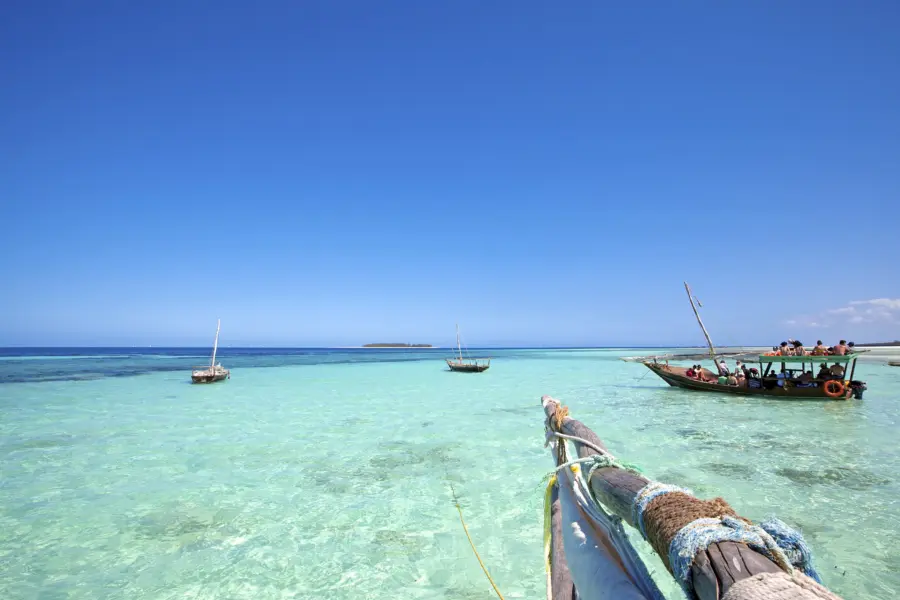
The island is best known for its snow-white beaches, particularly those along the north and east coasts. The island also offers excellent opportunities for diving and deep-sea fishing. Zanzibar is one of the most beautiful diving destinations in the Indian Ocean, boasting stunning coral reefs. Enthusiasts can spot whale sharks or swim with dolphins. A boat trip on a traditional dhow is also a special experience.
The cultural heart of the island is the old town, Stone Town, with its maze of narrow alleyways, lively bazaars, mosques and elegant Arab houses. Here you can discover charming boutiques, bars and restaurants.
Tanzania Coast
Fringing the Indian Ocean, the Tanzanian Coast is known for its warm waters, endless beaches, coral reefs, lonely dhows, and ancient fishing villages. This spectacular stretch of coast boasts a collection of breathtakingly beautiful islands including the world-renowned Zanzibar archipelago and the Mafia islands. Visit the soft white-sand shores just south of Tanga, enjoy excellent snorkelling and diving along extensive offshore reefs, and laze blissfully in a hammock all day while drinking in the electric blue waters of this pristine coastline. Other popular activities include exploring the little villages which dot the coastline. as well as visiting the variety of marine national parks which are teeming with sea life.
Ruaha National Park
Following its recent expansion, Ruaha is currently the largest national park in East Africa and the second largest on the African continent. It is also Tanzania's most extensive elephant territory and also home to a plethora of bird species, including kingfishers, plovers, egrets, hornbills and sunbirds. Crocodiles and hippos live in the Great Ruaha River, which flows along the park's eastern border. In the dry season between July and November, animals flock to the last remaining water sources, an exceptional wildlife spectacle.
Nungwi
Once little more than a ramshackle fishing village, Nungwi has been transformed into one of Unguja island's busiest beach destinations and its second most populated village after its capital, Stone Town. Situated at the island's northernmost tip, Nungwi is blessed with some of Zanzibar's most idyllic swimming beaches as the water surrounding this section of the island is fairly deep and mostly unaffected by the change of tides. The village is also renowned as a party hotspot with plenty of boisterous nightlife and a thriving social scene hosted by the village's slew of hotels, bars, shops and restaurants. Spend your days lazing on the spectacular beaches, floating in the idyllic turquoise waters or indulging in a massage. Then, as the sun sets, join the revellers as the town comes alive, cocktails flow freely and the beach bonfires begin to blaze. Daily itineraries tend to be gloriously simple: sunbathe, swim, party, repeat!
Kendwa
Situated on the tropical island of Unguja, close to the Tanzanian coast, the village of Kendwa lies on the north-western coast of this beautiful island. It is renowned for its powder-fine white sandy beaches lapped by crystal-clear turquoise waters, home to an unspoilt underwater world and surrounded by a range of tourist resorts. Visitors can enjoy snorkelling excursions to discover the abundant marine life in these azure waters or take a trip on a local wooden dhow for a picturesque sunset cruise.
For those looking for evening entertainment, the full moon party is an absolute must. Don’t miss the chance to get to know the local community and learn about Zanzibari culture on a fascinating village tour, ideal for those who want to go beyond the usual resort activities. Other popular activities include parasailing, banana boat rides, diving and jet-skiing.
Tanzania trip | Ultimate safari North and South Tanzania with tropical Zanzibar
We offer the described tour from €14,995 per person.
The price is indicative and is subject to factors including availability and travel dates.
Included
• Shared charter flights in Tanzania (including 15kg hold luggage and 5kg hand luggage in soft-sided travel bags without wheels)
• Accommodation in high-quality and distinctive lodges, tented camps and hotels
• All meals as specified in the ‘itinerary’
• Private safari in a Toyota Landcruiser 4x4 accompanied by an English-speaking driver/guide
• All necessary transfers as mentioned
• All excursions as mentioned in the ‘programme’, including game drives in the Serengeti
• National park entrance fees (camp fees, concession fees, park fees)
• AMREF Flying Doctors insurance
• National Geographic or similar travel guide
• Administration fees (€50 per booking)
Positive impact of your trip:
• Contribution of €100 per person towards a positive impact via the Avila Foundation
• CO₂ offsetting for the safari vehicle – Carbon Tanzania (worth $10 per person)
Not included
• Intercontinental flights to and from Tanzania
• Tourist visa for Tanzania
• Room category upgrade
• Travel and/or cancellation insurance
• Personal expenses/tips
• Any increases in national park entrance fees
• Any departure tax
• Zanzibar tourist tax (US$2–5 per person per night, payable locally)
• Meals and excursions not mentioned
• Contribution to the contingency fund (€2.50 per booking)
• SGR contribution (€5 per person)