
 en



- Boutique
- 14-day trip
- From €9,595 p.p.
Tanzania trip | Private safari Tanzania spectacular Great Migration
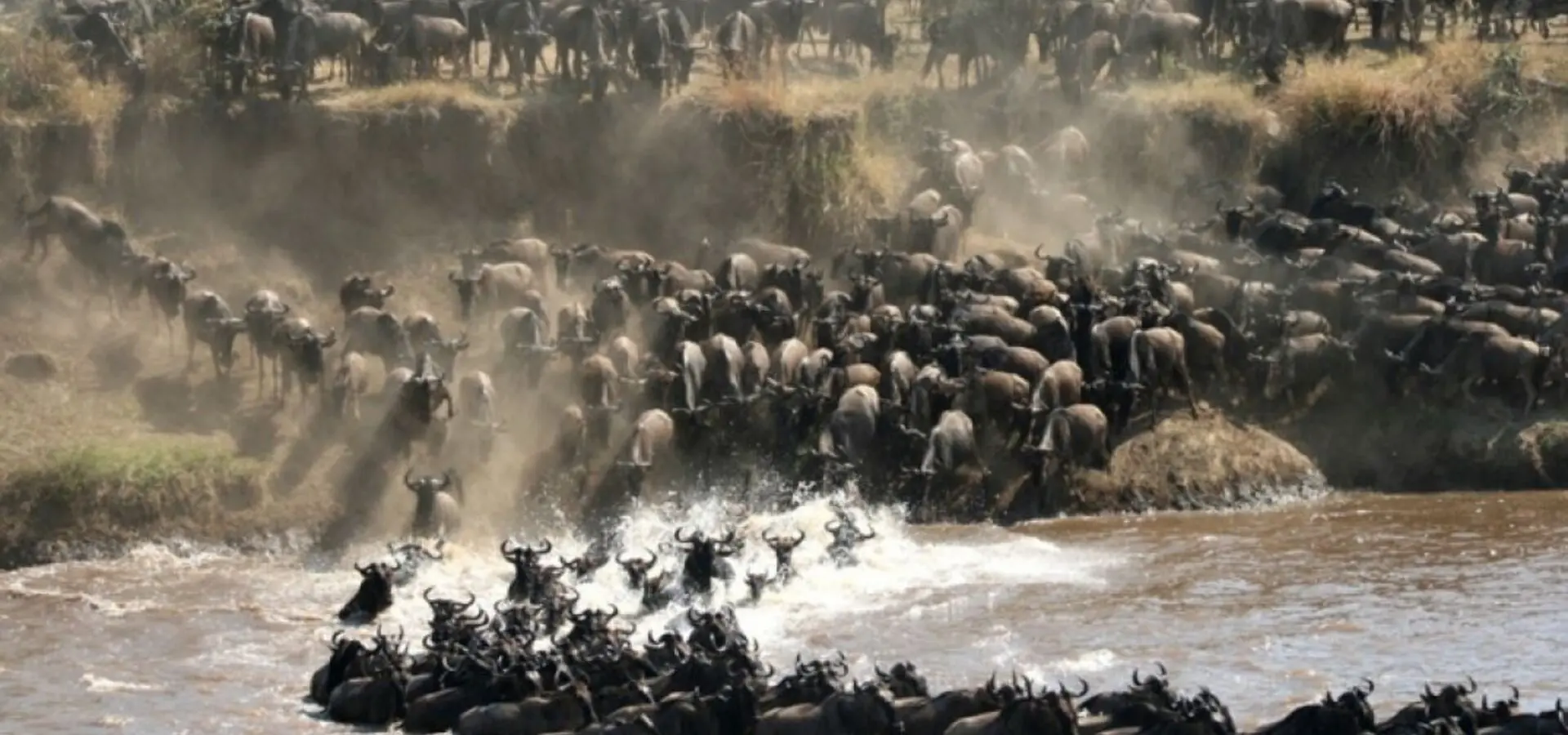
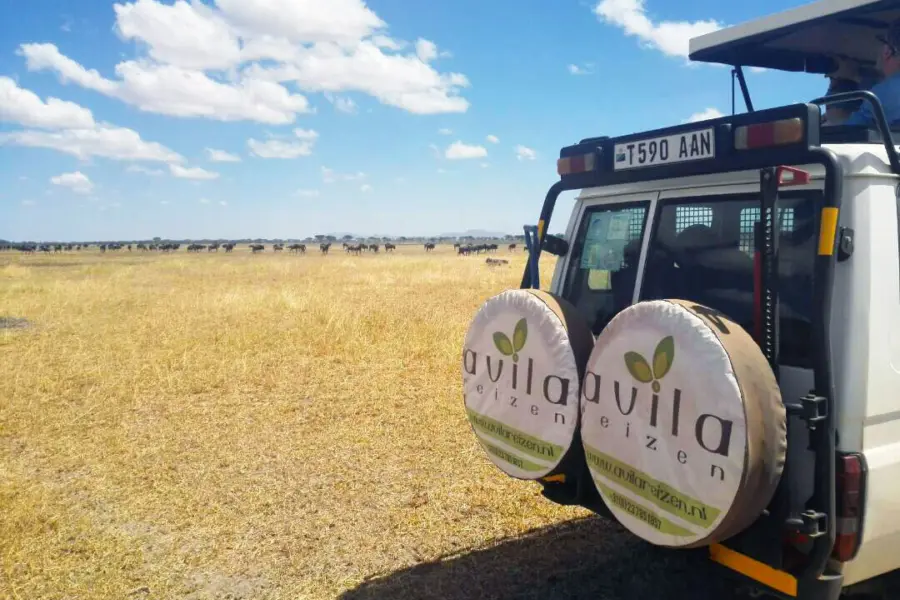
During this beautiful round trip, you will visit several nature parks in northern Tanzania. During your visit to these national parks you will make several insane game drives. This will give you the chance to spot the famous Big Five! Besides the Big Five, there are of course many other animal species such as hippos, hyenas, zebras and hundreds of different bird species. The focus of the trip is on the Great Migration, with millions of wildebeest chasing the rains and migrating to the plains of Kenya's Masai Mara. During the months of June to September, the herds are in the north of the Serengeti. To reach the plains of the Mara, the wildebeest and zebra have to cross the Mara River. A most spectacular phenomenon to see thousands of animals making the dangerous crossing at the same time. A crazy experience that is unsurpassed, you will be accompanied by your own private guide during your trip. The guide will take you in a large 4x4 Land Cruiser to the different parks and can tell you all about the nature, animals and local cultures. You will conclude your wonderful trip on tropical Zanzibar, where you can spend a few days on the paradise beach reflecting on all the safari highlights.
Travel programme
Travel overview
- Day 1 Flight to Tanzania
- Day 2 En route to Tarangire National Park
- Day 3 Enjoy safari highlights in Tarangire
- Day 4 Cycle tour through a local village
- Day 5 On safari in the famous Ngorongoro Crater
- Day 6 The first game drive in the Serengeti
- Days 7–9 Witness the Great Migration in the Serengeti
- Days 10–13 Enjoy the sun, sea and beach on tropical Zanzibar
- Day 14 Departure from Tanzania
Air travel to Tanzania
After departing from the airport, your plane sets sail for Kilimanjaro International Airport, 'The Gateway to Africa's Wildlife Heritage'. On arrival at Kilimanjaro Airport, you will be met by your Tanzanian guide. He greets you with a warm smile. After loading your luggage into the spacious Land Cruiser, you will drive to your accommodation near Arusha. Here you will spend your first night on African soil.
Included:
• Meet & Greet on arrival
• Private safari in a Toyota Landcruiser 4x4 accompanied by an English-speaking driver/guide
• Overnight stay including breakfast
Exclusive:
• Intercontinental flight to Kilimanjaro
En route to Tarangire National Park
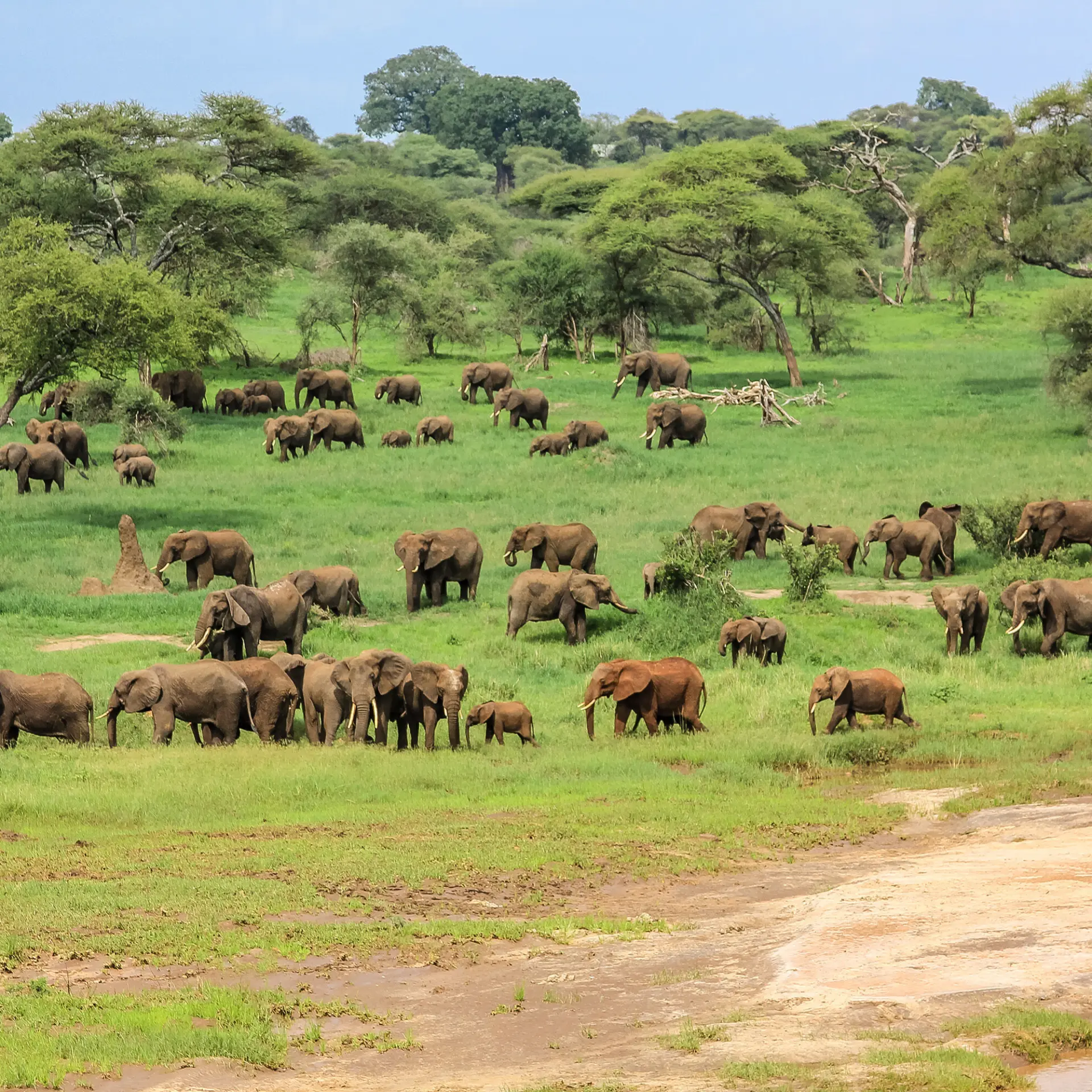
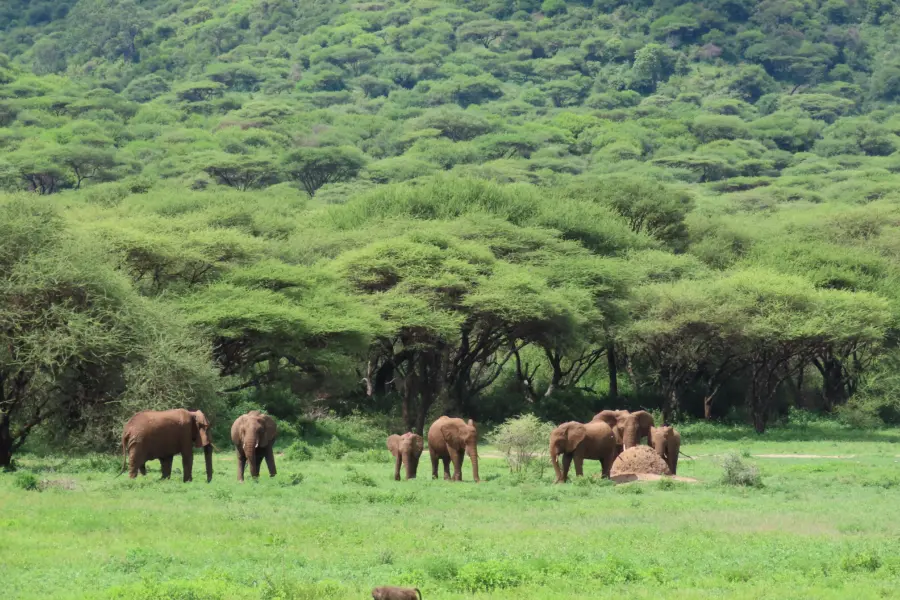
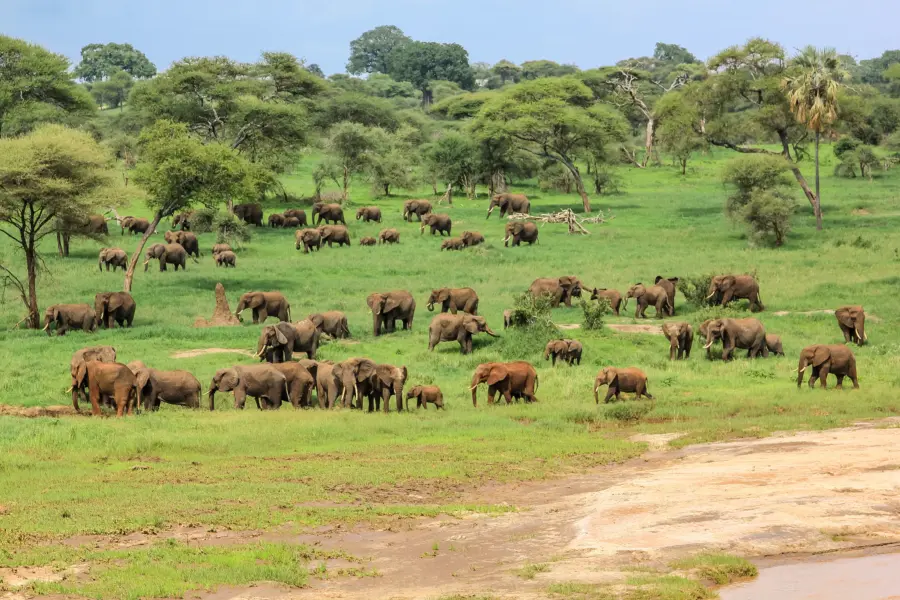
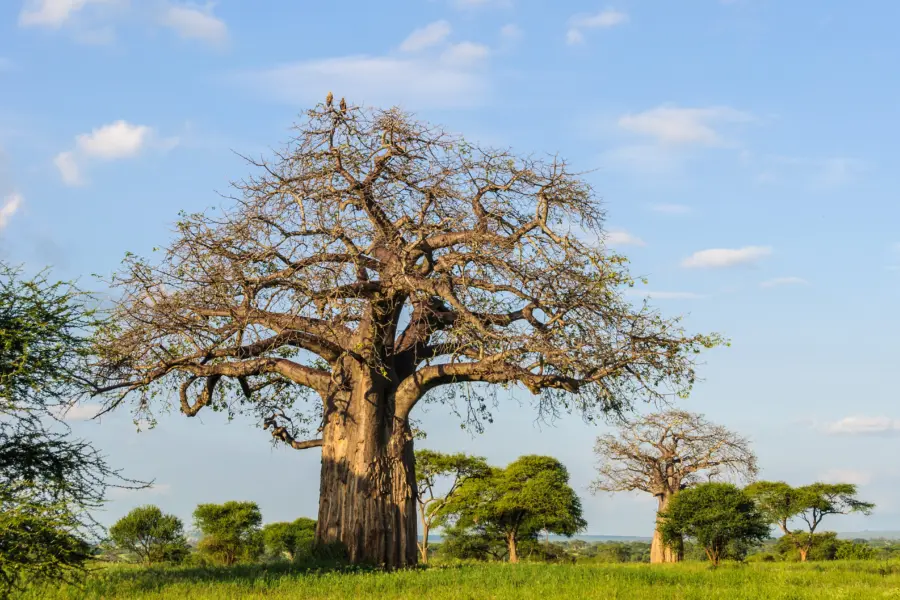
Waking up to hundreds of birds chirping happily and enjoying a lovely hot shower, you can look forward to a day in one of Tanzania's most beautiful parks. Today you will go in search of many different wild animals in Tarangire National Park. You will drive from Arusha to this beautiful national park. As soon as you drive through the gate, the safari starts immediately! Tarangire is known for its huge herds of elephants and baobab trees. You will also find numerous zebras, wildebeests, giraffes and other small animals among the many bushes. In Tarangire, you will experience the true African safari feeling. At the end of the day, you will drive to your accommodation, where you will enjoy a delicious dinner!
Includes:
• Private safari in a Toyota Landcruiser 4x4 accompanied by an English-speaking driver/guide
• Afternoon game drive in Tarangire
• Overnight stay on a full-board basis
Enjoy safari highlights in Tarangire
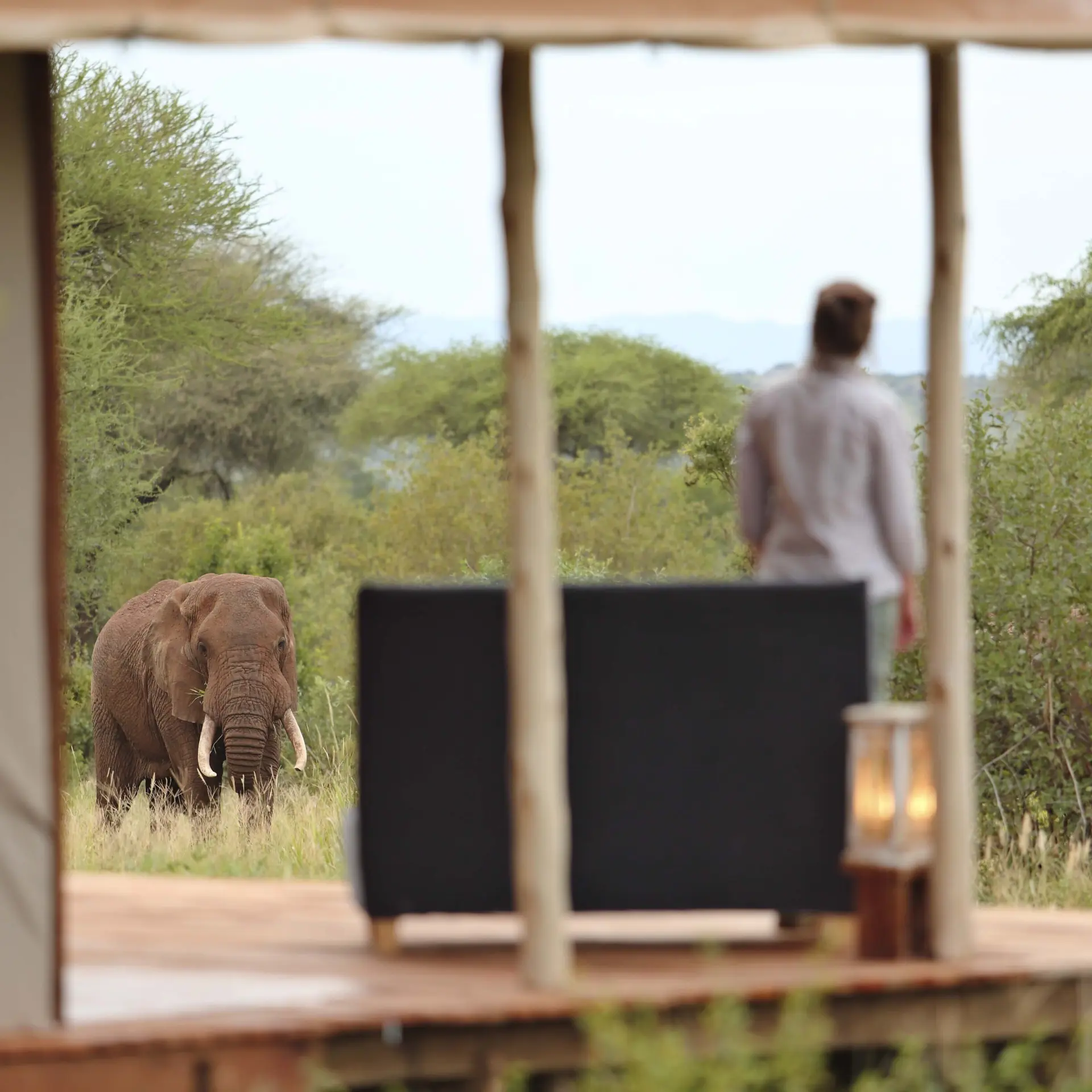
Today, you will spend the whole day in Tarangire National Park. Have your camera ready, as a herd of elephants could pass by any minute! Optionally, you can also go on an evening game drive. This gives you the chance to spot animals, which hardly show themselves during the day and only become active in the evening when the temperature drops. Highly recommended!
Included:
• Private safari in a Toyota LandCruiser 4x4 accompanied by an English-speaking driver/guide
• Full-day game drive in Tarangire
• Accommodation on a full-board basis
Bicycle tour of local village
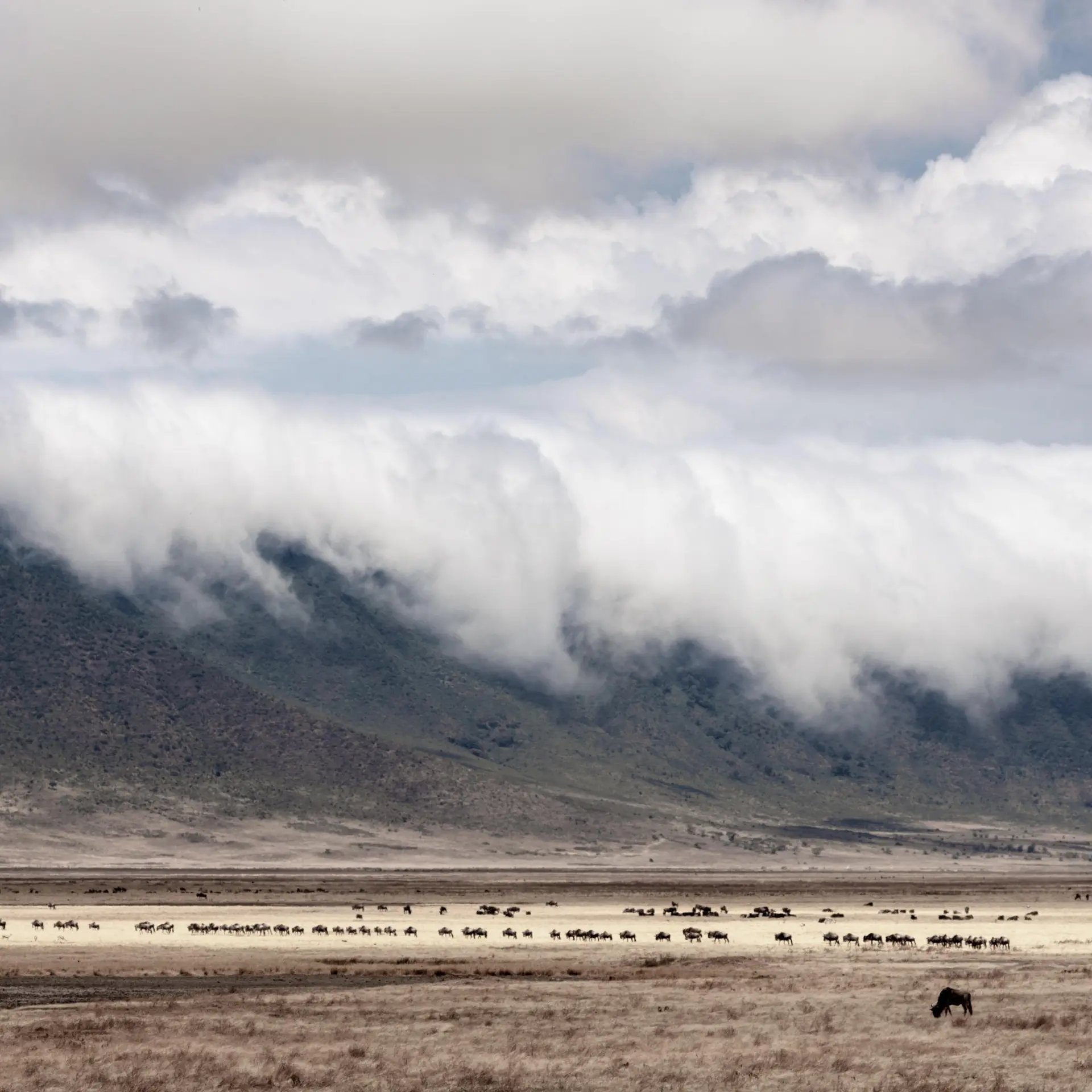
Today you will leave a little early after breakfast and drive through the beautiful African countryside to Mto wa Mbu, a small village north of Lake Manyara National Park. You will take a scenic bike ride there, introducing you to local life in this village. You will then cycle on to Lake Manyara, where you will cycle a bit more along the lake's shores. Being able to spot animals from the bike is a crazy experience. After the bike ride, you will be transferred to your accommodation, which is located on the edge of the Ngorongoro Crater. Here you will enjoy a tasty dinner in the evening under a gleaming starry sky.
Includes:
• Private safari in a Toyota Landcruiser 4x4 accompanied by an English-speaking driver/guide
• Cycle tour through Mto wa Mbu and Manyara
• Accommodation on a full-board basis
On safari in the famous Ngorongoro Crater
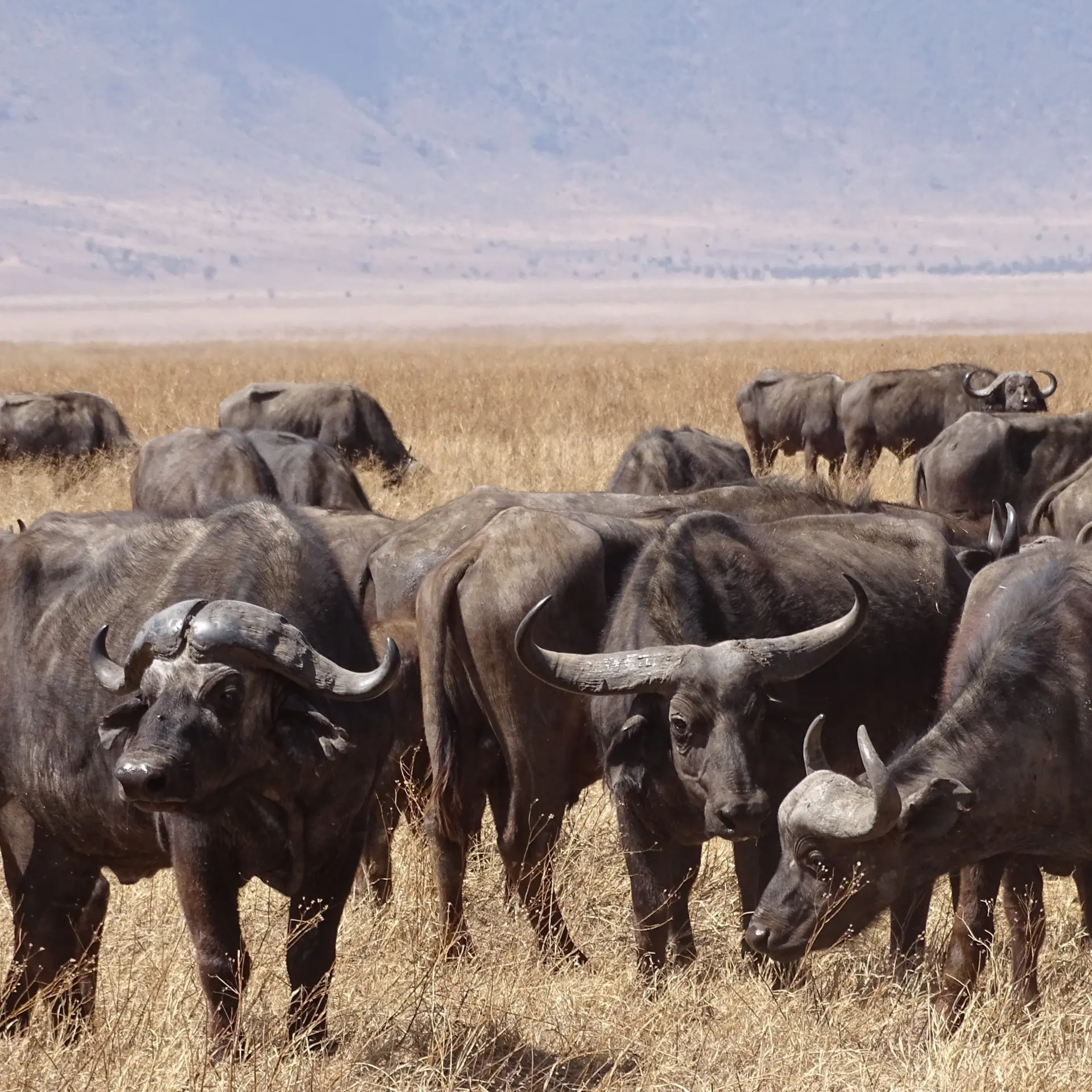
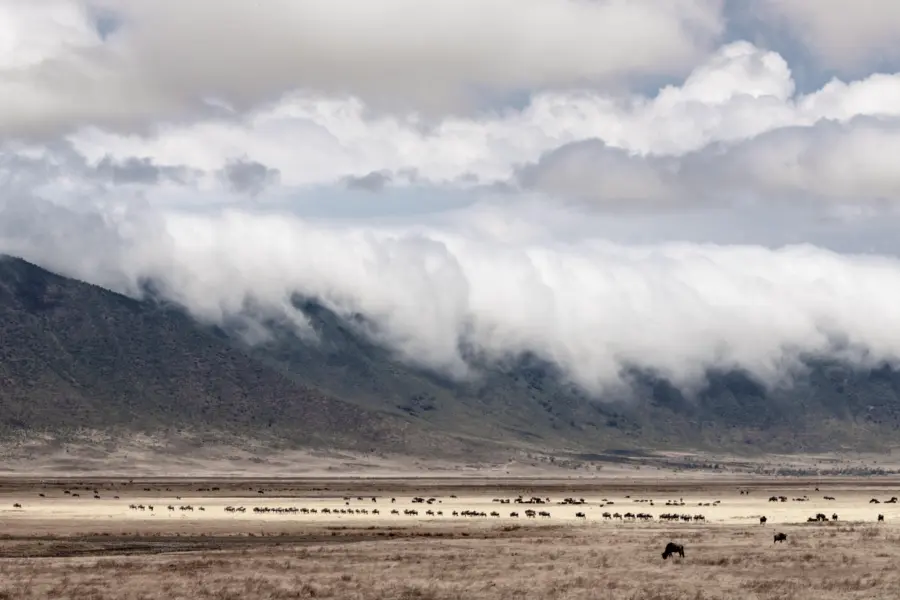
It’s time for one of the absolute highlights of your safari in Tanzania: the Ngorongoro Crater. You’ll drive down into the crater, where you can spend a full day enjoying the vast concentration of wildlife. The crater has a diameter of 17 km. Standing on the crater rim and looking out over this geological masterpiece, it is hard not to be moved. And it gets even better. As you descend, you find yourself in one of Africa’s most beautiful wildlife areas. Predators, in particular, are found in great numbers (it is said that this is home to the highest density of lions in the world). Large prides of lions, Lake Magadi with its flamingos, and herds of buffalo, zebras and wildebeest form a magnificent spectacle, with the crater rim always in the background.
After this incredible day, you’ll drive back to your accommodation, where you can reflect on all the safari highlights.
Includes:
• Private safari in a Toyota LandCruiser 4x4 accompanied by an English-speaking driver/guide
• Game drives in the Ngorongoro Crater
• Accommodation on a full-board basis
The first game drive in the Serengeti
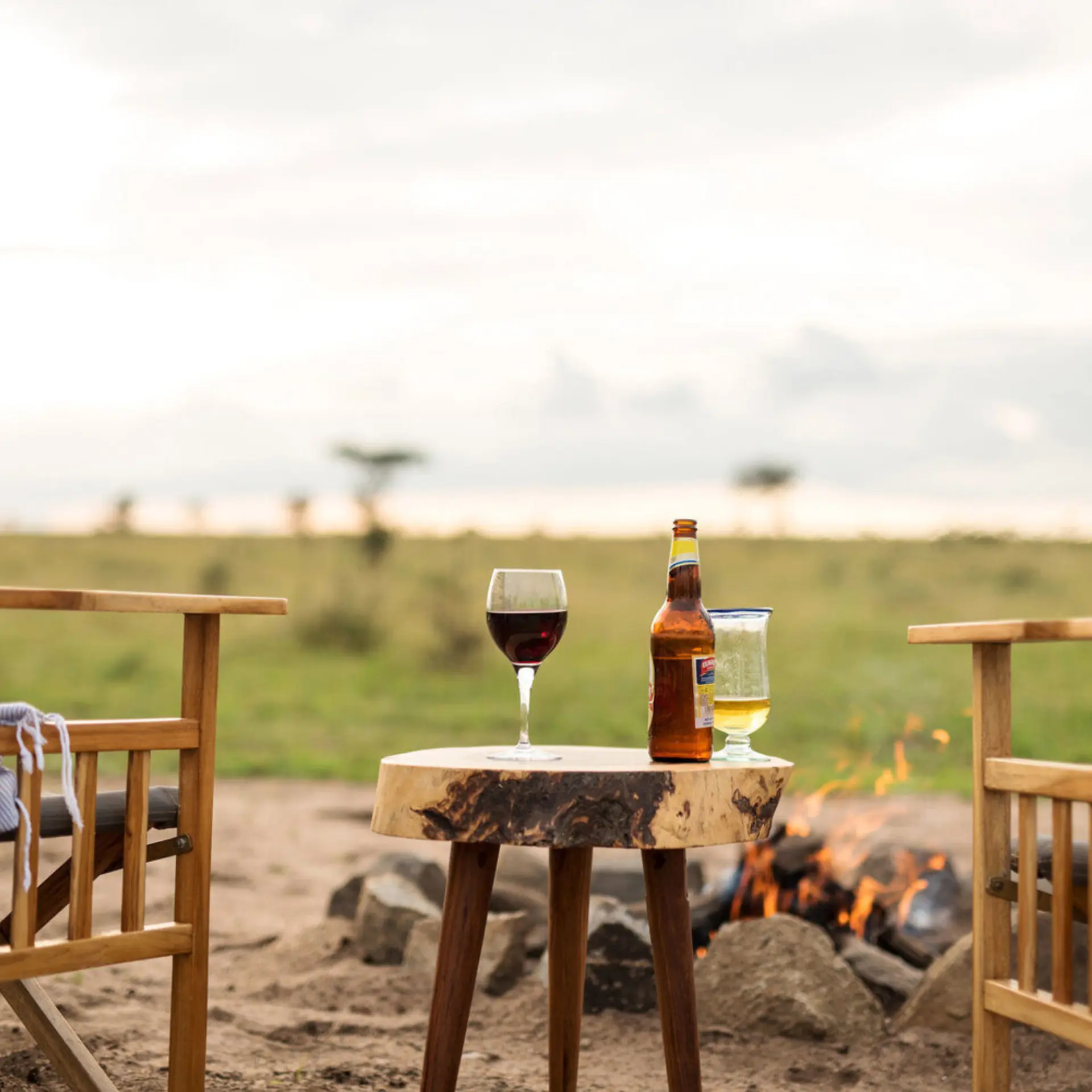
You will continue your journey after breakfast and set sail for the legendary Serengeti. You will spend the next night in the central part of this immense park at a comfortable tented camp. As soon as you enter the park, the safari can begin. So keep your eyes open - who knows what you might encounter. You will arrive at your camp in time for lunch. After a delicious lunch, there is time for some relaxation. Mid-afternoon, your guide will be waiting for you again to take you for a spectacular game drive through the Serengeti. You will search for the Big Five as well as many other animal species. Whatever you encounter during the game drive, it promises to be a wonderful safari either way!
Includes:
• Private safari in a Toyota LandCruiser 4x4 accompanied by an English-speaking driver/guide
• Game drives in Central Serengeti
• Accommodation on a full-board basis
Spot the Great Migration in the Serengeti
After a wonderful safari in the central part of the Serengeti, it’s high time to head north through this magnificent park. From your camp, you’ll take a packed lunch of your own choosing, which you can enjoy en route at a lovely spot in the park.
During your stay, the Great Migration will be in the northern part of the Serengeti. The herds of wildebeest and zebras are on their way to the plains of the Masai Mara in Kenya. The highlight is undoubtedly the impressive crossing of the Mara River. Together with your guide, you’ll pick out a good spot where, hopefully, this spectacle will take place! It’s a truly remarkable sight to see all the wildebeest crossing the river at once, whilst the crocodiles lie in wait for their chance to strike.
Whether you get to see this or not, your time in the Serengeti will be unforgettable either way!
Includes:
• Private safari in a Toyota LandCruiser 4x4 accompanied by an English-speaking driver/guide
• Game drives in the Serengeti (Great Migration)
• Accommodation on a full-board basis
Enjoy sun, sea and sand on tropical Zanzibar
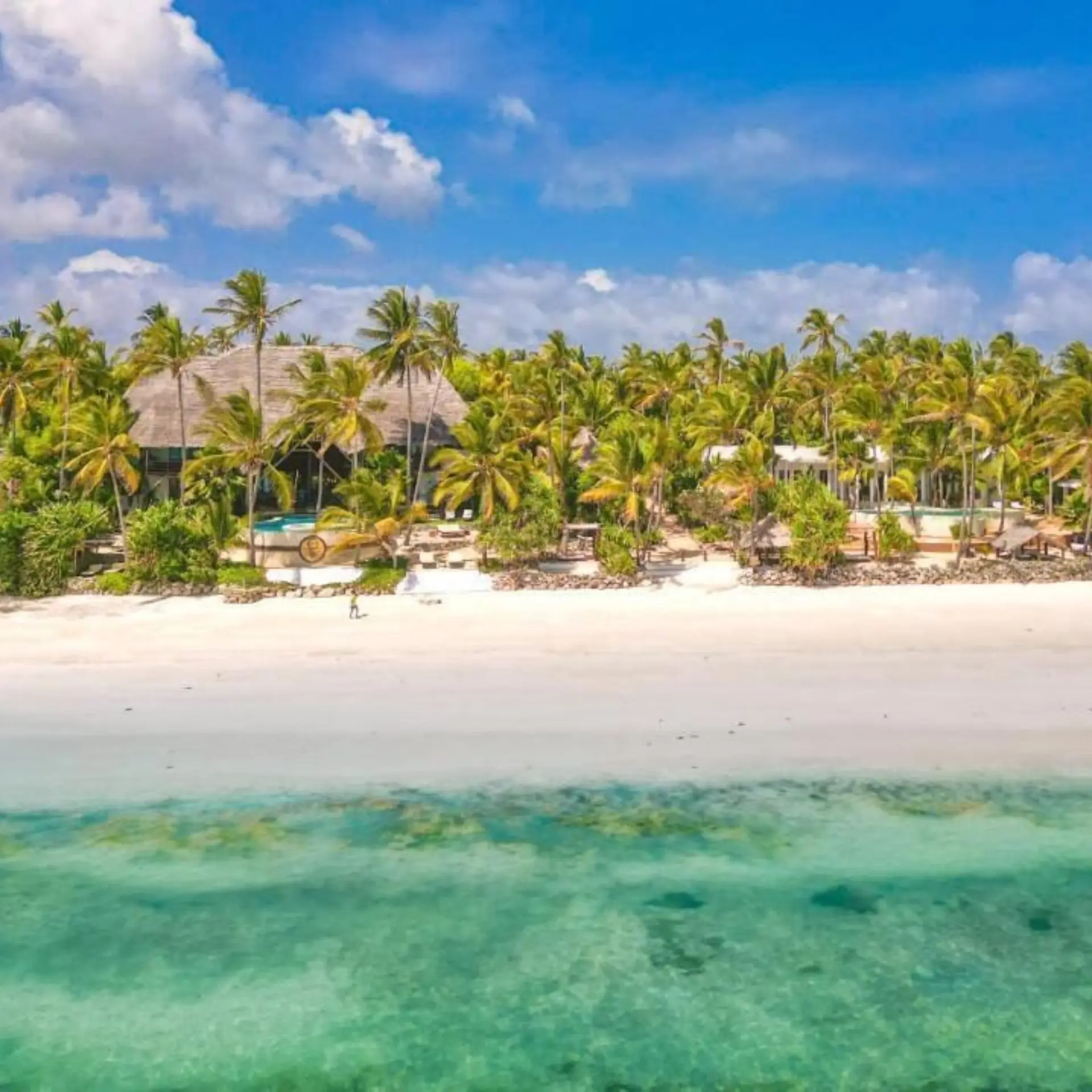
Your safari through the stunning nature reserves has come to an end. Your guide will take you to the nearest airstrip. You’ll say goodbye to your guide and then board the plane, which will take you to the tropical island of Zanzibar in the Indian Ocean. With its azure-blue sea and pearly-white beaches, it is the perfect place to relax and reflect on the safaris of the past few days. At Zanzibar Airport, you’ll receive a warm welcome and be taken by private transfer to your beach hotel. Here, you can look forward to a few days of enjoying the sun, sea, beach and the unique Zanzibari culture.
During your stay, you’ll have the opportunity to take part in a few optional excursions. For example, you could visit Jozani Forest – a beautiful woodland that is home to the Red Colobus Monkey. During a lovely walk, you’ll set out in search of these and other primates.
There are also opportunities to explore Zanzibar’s mangroves on a SUP board. Stand-up paddleboarding has, of course, become increasingly popular, and how cool is it to do it in Zanzibar’s stunning mangroves? A completely different side of Zanzibar!
Includes:
• Private safari in a Toyota LandCruiser 4x4 accompanied by an English-speaking driver/guide
• Domestic flight to Zanzibar (including 15 kg of hold luggage and 5 kg of hand luggage in soft-sided travel bags without wheels)
• Private transfer to your accommodation
• Accommodation on a half-board basis
Accommodations
Arusha Villa
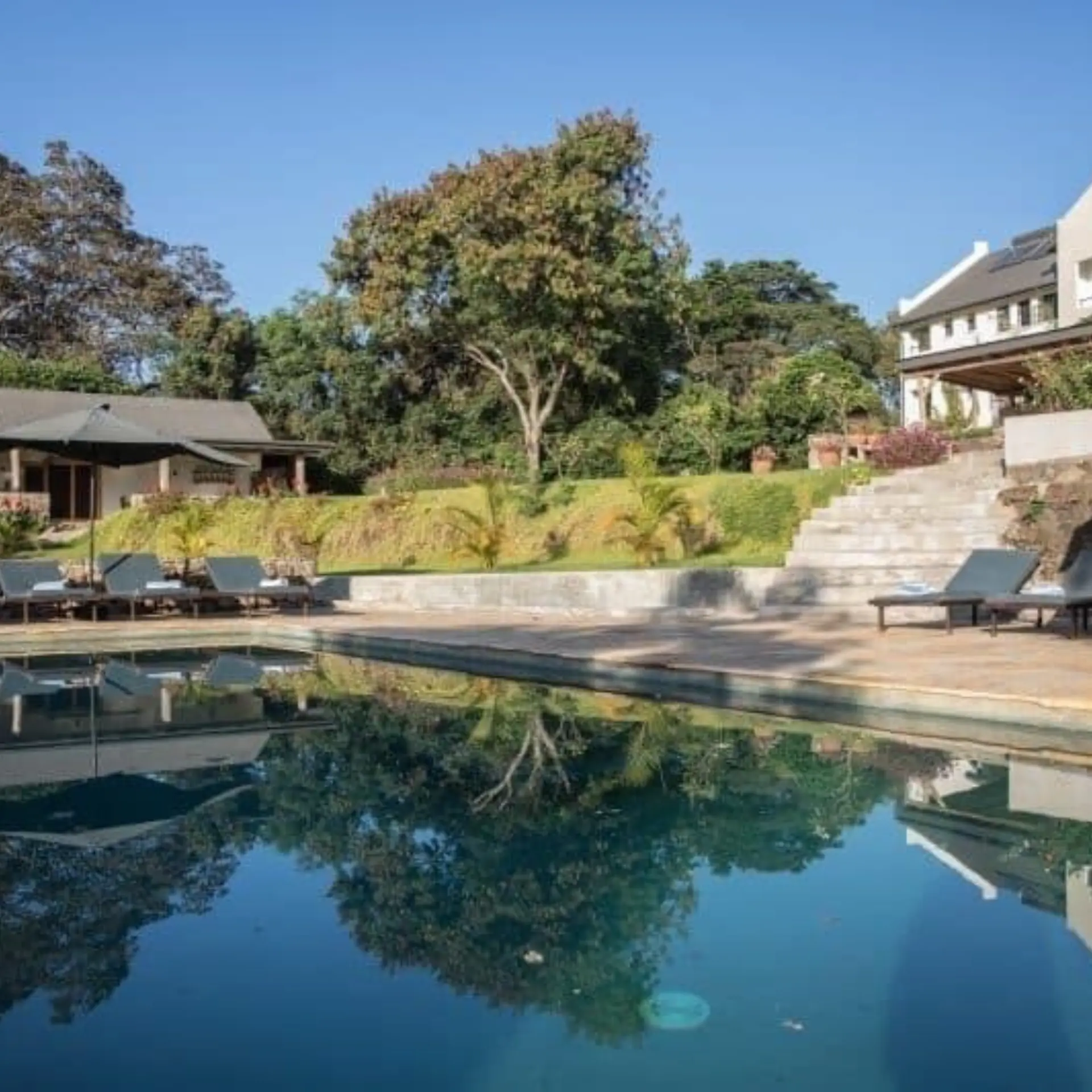
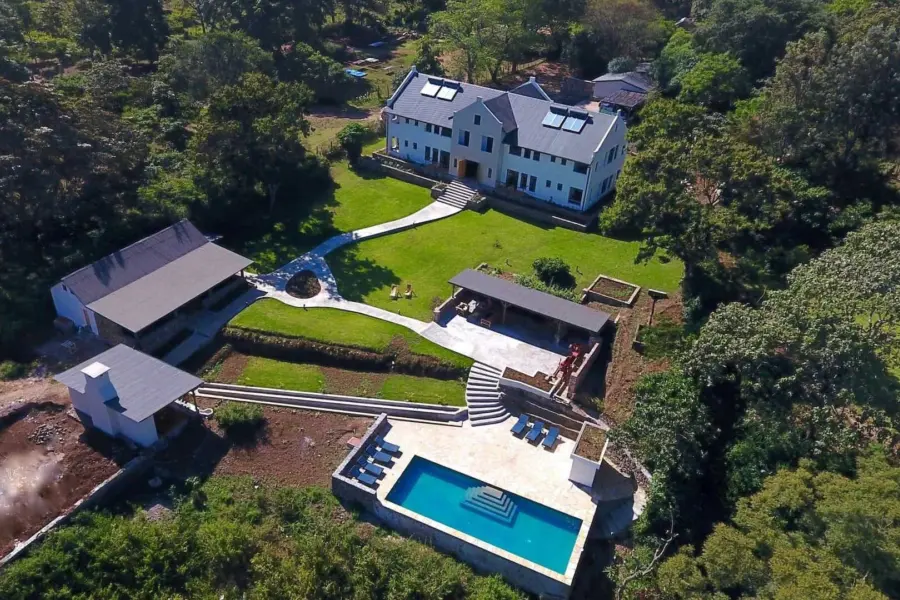
Located on the outskirts of Arusha, Arusha Villa is a great starting point for your safari or base for some day trips. The Dutch owners also live at the property, and are also present when there are guests. This allows them to provide you with even better service.
The boutique hotel is located on a coffee plantation...
Located on the outskirts of Arusha, Arusha Villa is a great starting point for your safari or base for some day trips. The Dutch owners also live at the property, and are also present when there are guests. This allows them to provide you with even better service.
The boutique hotel is located on a coffee plantation where monkeys meander through the trees and the views over the valley are stunning. You can walk through the plantation in search of the black-and-white colobus monkeys, with their long swishing tails. Or you can explore the villages in the area, together with the guide. For children, there is always something to do at the vegetable garden and, of course, the swimming pool!
In the evening, you can enjoy the stars with a cold beer, a glass of wine or a proper drink accompanied by exquisite food. Your hosts will be delighted to tell you about their experiences with the local people, the projects they support and the places in the area that you simply mustn’t miss.
Your stay: 1 night
Tarangire Ndovu Tented Lodge
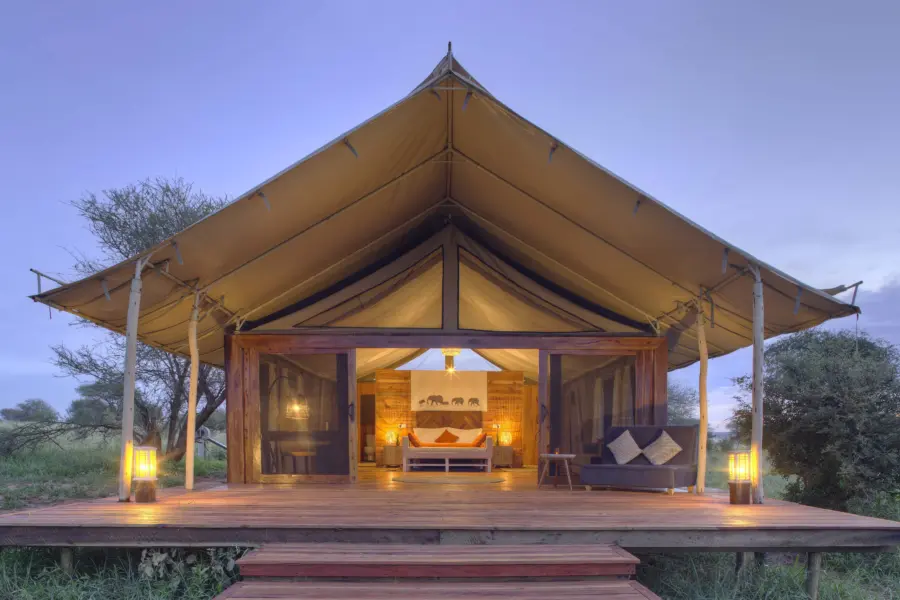
Tarangire Ndovu Tented Lodge is located in the heart of Tarangire, the wild lands and landscapes of Tanzania. Tarangire is famous for its huge herds of elephants, a true sense of wilderness and a soft backdrop of baobabs. It is the less visited but more intriguing park on the northern...
Tarangire Ndovu Tented Lodge is located in the heart of Tarangire, the wild lands and landscapes of Tanzania. Tarangire is famous for its huge herds of elephants, a true sense of wilderness and a soft backdrop of baobabs. It is the less visited but more intriguing park on the northern circuit.
At Tarangire Ndovu Tented Lodge, we have 10 standard tented suites PLUS 2 x 2-bedroom interconnecting family tents open all year round. During these dry months, huge herds of elephants migrate through the corridor between Manyara and Tarangire and spend their time in and around the park. This is due to their ability to discover permanent sources of fresh water. We aim to maintain the uniqueness and intimacy of the camp, while being guided by location, wildlife and other factors of responsible tourism. The main thatched area is open from bar to lounge to dining area - and offset with a beautiful rimflow pool at the front of the property overlooking the wild plains ahead, all the way to the wall of the Great Rift Valley.
Your stay: 2 nights
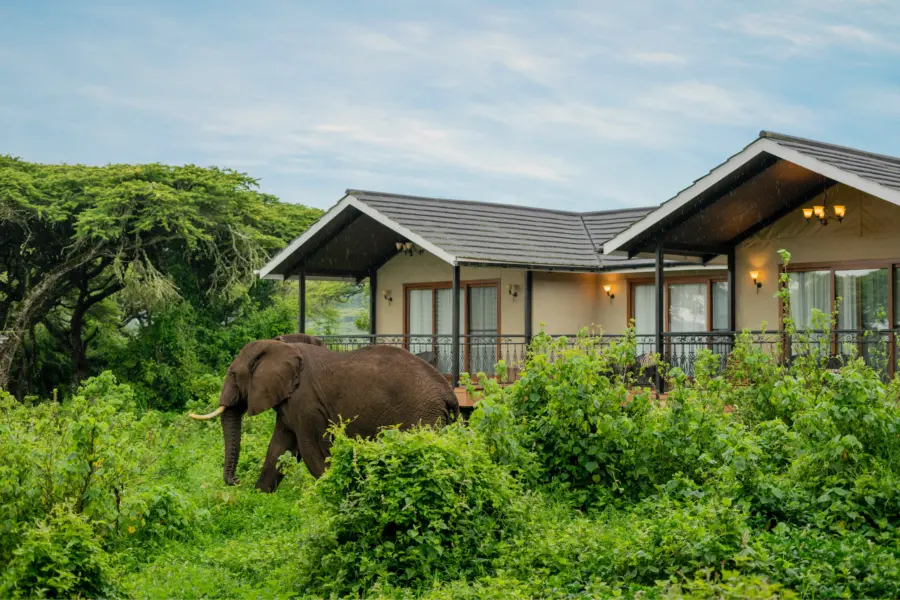
Ngorongoro Lion's Paw Camp
Ngorongoro Lions Paw is a luxury lodge located on the eastern edge of Ngorongoro Crater, offering breathtaking views of one of the world's most renowned natural wonders. The accommodation has 15 luxury suites, offering a comfortable and stylish stay.
Lions Paw offers a...
Ngorongoro Lions Paw is a luxury lodge located on the eastern edge of Ngorongoro Crater, offering breathtaking views of one of the world's most renowned natural wonders. The accommodation has 15 luxury suites, offering a comfortable and stylish stay.
Lions Paw offers a truly exclusive experience, giving guests unparalleled early access to the breathtaking Ngorongoro Crater and the privilege of being the last to remain in the majestic crater.
Every room, lounge and dining room at the lodge offers breathtaking views of the crater.
Offering exceptional service, beautiful surroundings, luxury accommodation and an abundance of nature and wildlife, Ngorongoro Lions Paw offers guests an unparalleled and unforgettable African safari experience in the heart of the enchanting landscape.
Your stay: 2 nights
Nyumbani Collection
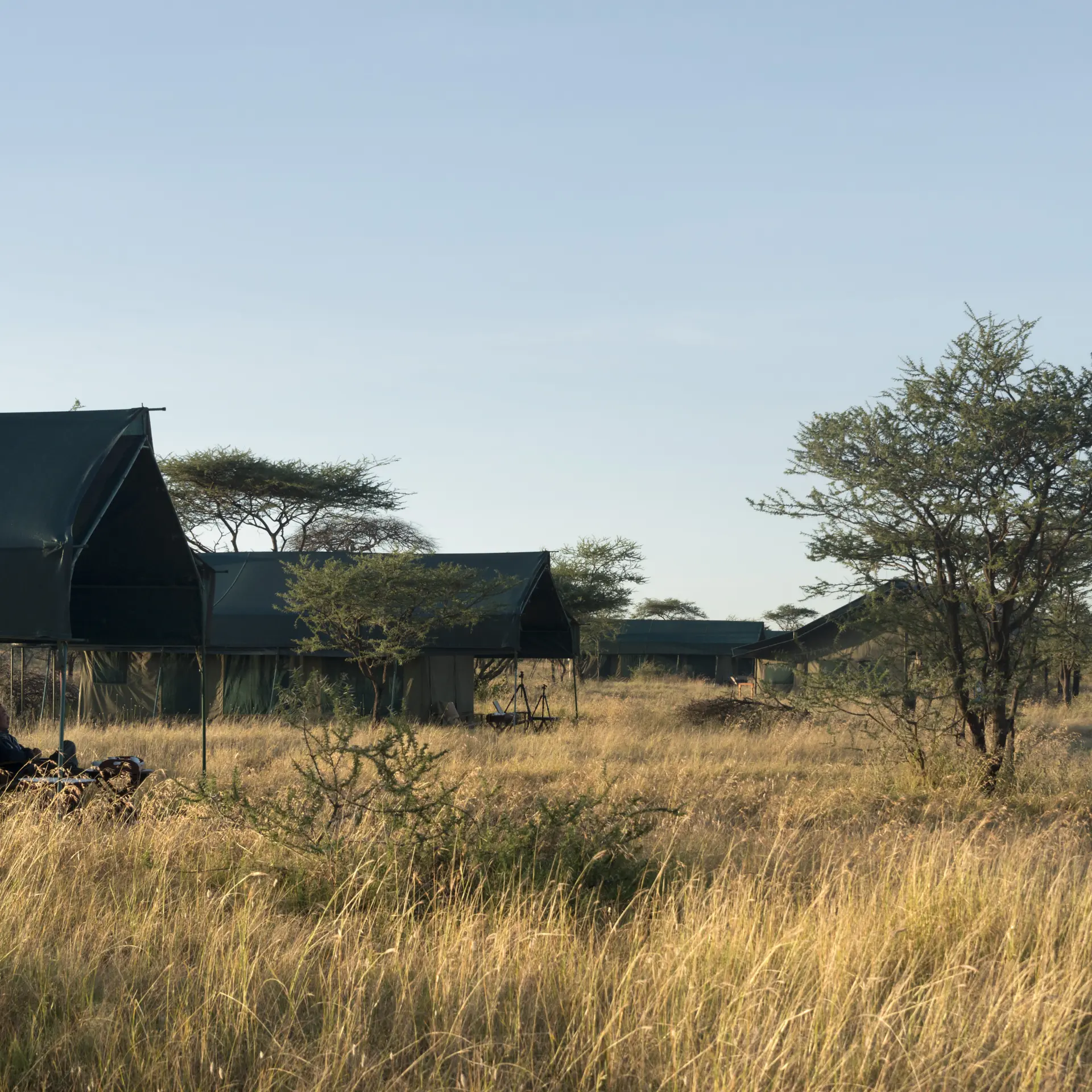
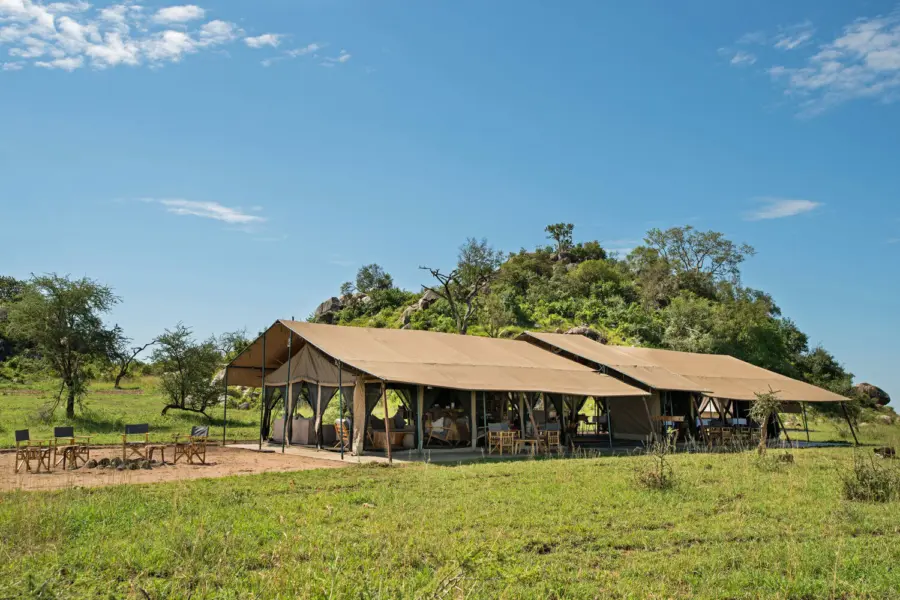
The contemporary, mobile tented camp is located in the central part of the Serengeti and consists of just eight luxury tents. Each spacious safari tent has its own seating area where you can relax during the day, while at night you can enjoy a dazzling starry sky.The essence of Nyumbani is African and consists mostly of...
The contemporary, mobile tented camp is located in the central part of the Serengeti and consists of just eight luxury tents. Each spacious safari tent has its own seating area where you can relax during the day, and enjoy dazzling starry skies at night. The essence of Nyumbani is African and mostly consists of simple, earthy colours for a stylish and rustic character. Between exhilarating daily activities and game drives, you can enjoy delicious cocktails while observing the endless plains.
Your stay: 1 night
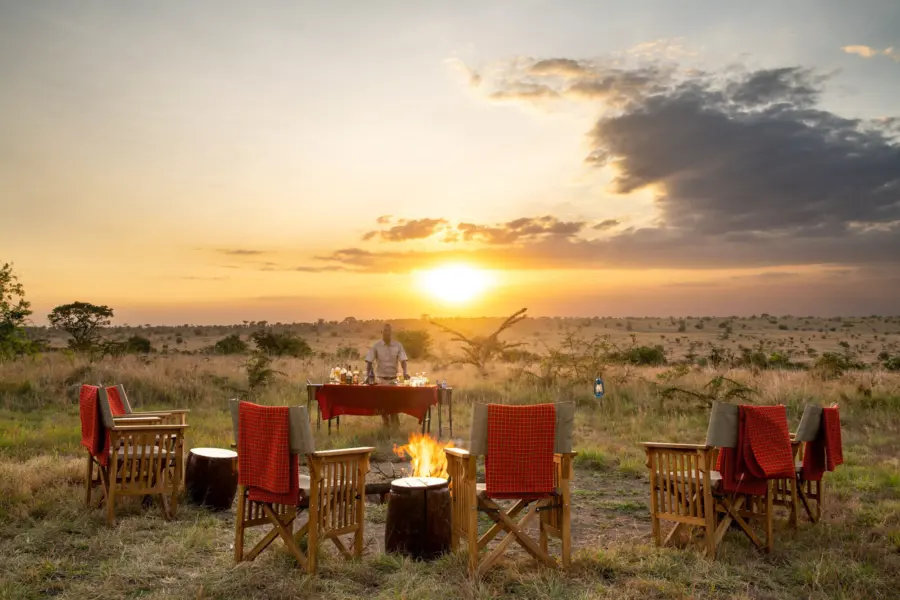
Nyikani Migration Camp - Kogatende
From May to November, Chaka Camp is located in northern Serengeti, just minutes from the Mara River. Most wildebeest crossings of the Mara River, often featured in magazines and on television, are a once-in-a-lifetime event. Watch the herds gather on the...
From May to November, Chaka Camp is located in northern Serengeti, just minutes from the Mara River. Most wildebeest crossings of the Mara River, often featured in magazines and on television, are a once-in-a-lifetime event. Watch the herds gather on the riverbank and then take the first leap into the water, often into the open mouths of waiting crocodiles. Chaka Camp's location offers easy access to several crossings along the river. A short distance from Kogatende Airstrip, this once remote destination is now easily accessible by bushplane.
Chaka Camp offers an intimate bush experience in the Serengeti. Designed to be lightweight to move with the season, Chaka follows the migration south to Ndutu from December to March.
Your stay: 3 nights
Boutique Hotel Matlai
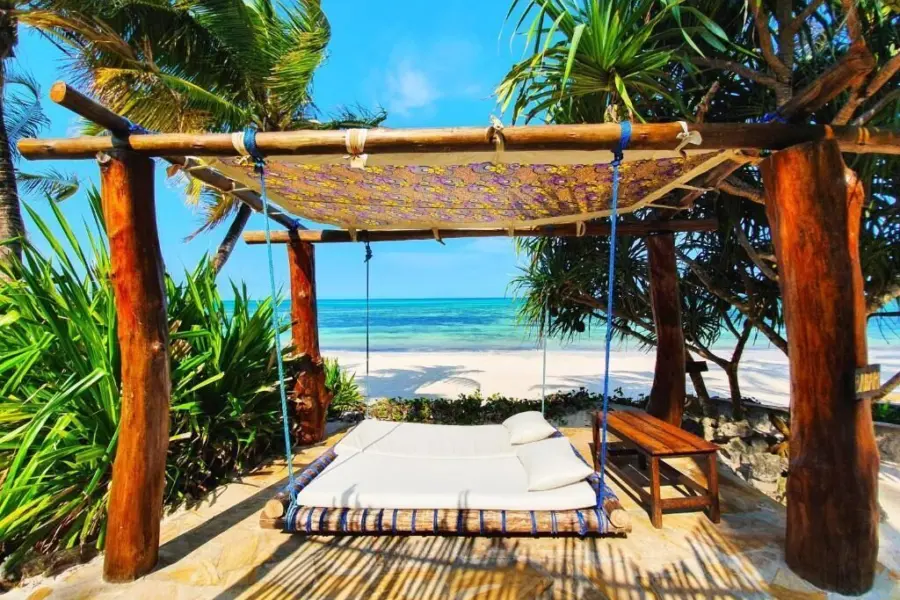
**Boutique Hotel Matlai** is an elegant retreat on the beach of Pingwe, Tanzania, surrounded by lush tropical gardens. It offers luxury in two exclusive villas, **Asili House** and **Villa Kidosho**, each with air conditioning, mosquito nets and private bathrooms. Guests enjoy refined cuisine in...
**Boutique Hotel Matlai** is an elegant retreat on the beach of Pingwe, Tanzania, surrounded by lush tropical gardens. It offers luxury in two exclusive villas, **Asili House** and **Villa Kidosho**, each with air conditioning, mosquito nets and private bathrooms. Guests enjoy refined cuisine at the restaurant, private pools, a soothing spa and sun-drenched terraces overlooking the ocean. A perfect place for relaxation and luxury amid breathtaking nature.
Your stay: 4 nights
Destinations
Ngorongoro Crater
The Ngorongoro Crater is safari at its best and it is no surprise that it is one of Tanzania's top tourist drawcards. Inside the crater, daily wildlife drama plays out as large herds of zebra and wildebeest graze near lions, leopards, elephants, hyenas and black rhinos. Outside the crater, Masai herders also live among the wildlife.
Arusha
The city of Arusha, with a population of just under 300,000, is situated in northern Tanzania on the plateau of the Great Rift Valley, a mountain range stretching from Syria to Mozambique. Arusha is primarily known as a base for safaris in the Serengeti or the Ngorongoro Crater, or for climbing Kilimanjaro. However, smaller wildlife parks such as Arusha National Park are also just around the corner.
Arusha is also known as ‘the heart of Africa’ because the city lies exactly halfway between Cape Town and Cairo. According to the locals, the clock tower in the city centre stands exactly halfway between these two cities, but that is not true: the real ‘midpoint’ lies 25 kilometres outside the city.
Arusha has a bustling, noisy city centre with a variety of markets. The fruit and vegetable markets along the main street (Sokoine Road) are always particularly busy. Due to the many tourists who visit this region every year, Arusha offers a wide variety of restaurants and eateries. A must-see in Arusha is the National History Museum, the highlight of which is the entire wing dedicated to human evolution.
In the area around Arusha, the precious stone ‘tanzanite’ is found in the ground; it is often used in jewellery, such as rings and earrings. At the Arusha Cultural Heritage Site, you can learn more about these blue-purple stones. You’ll also find a collection of art objects, clothing, wood carvings and other products from Tanzania’s more than 120 tribes. At the adjoining covered market, jewellery and all kinds of handicrafts and art are also on sale.
Arusha National Park
This exceptionally beautiful area is divided into three parts: Mt Meru, the Ngurdoto Crater and the Momela Lakes. This means there is a wide range of landscapes. Arusha is not known for its large wildlife, but offers a wide range of smaller animals, many birds and the breathtaking highland Afromontane forests.
Tarangire National Park
The image that is sure to stay with you is the African landscape of giants. A landscape where huge, thousand-year-old baobab trees dominate the view. Tarangire National Park is also home to the largest elephant population in Northern Tanzania. During the dry season, the blazing sun parches the landscape, turning the earth into clouds of dry red dust, whilst the once-green grass becomes as brittle as straw. During the dry season, the Tarangire River shrinks to a mere shadow of its former self in the wet season. Yet it is teeming with wildlife. When there is no longer any water to be found on the plains, the wildlife heads for the river in great numbers in search of the scarce water.
Herds of up to 300 elephants trample the dry riverbed in search of underground streams, whilst migrating wildebeest, zebras, buffalo, impalas and gazelles jostle for a spot in the ever-shrinking pools. During the dry season, you’ll find the largest concentration of wildlife here outside the Serengeti. A true paradise for the many predators – and the only place in Tanzania where, in the arid landscape, antelopes such as the oryx and the distinctive long-necked gerenuk are regularly spotted.During the dry months between July and November, large herds of zebras and wildebeest, roan antelopes and other antelopes migrate through the park on their way to the green grasslands of Amboseli National Park in Kenya.In the northern part of the park lie the Silale Marshes, renowned as a veritable bird paradise. Here you’ll be able to spot marabou storks, ostriches, various species of heron, bee-eaters and hornbills.
Manyara Region
Stretching from fertile lowlands to the dramatic East African Rift Escarpment, Tanzania's Manyara Region presents and enthralling landscape. The renowned Lake Manyara National Park within this region is a wildlife haven, home to tree-climbing lions, elegant giraffes, and graceful flamingos along its shores. The Rift Valley escarpment gifts visitors with mesmerising panoramic views, while the vibrant Mto wa Mbu village immerses them in the rich local culture. Bird enthusiasts can indulge in spotting over 400 avian species, including striking flamingos and majestic pelicans. The hidden gem of the Tarangire River invites boat safaris and bird-watching, while Mount Hanang, a sacred volcanic mountain, allures climbers and hikers with its panoramic vistas. For thrilling safaris and abundant wildlife, Tarangire National Park is a must-visit. Alternatively, the tranquil shores of Lake Babati provide a serene escape, while the Kikuletwa River's hot springs offer a rejuvenating natural spa experience.
Ngorongoro Conservation Area
The Ngorongoro Conservation Area includes the famous crater and lesser-known regions to the north such as Olduvai Gorge and vast grasslands that run all the way to the Serengeti. The local Masai herd their cattle and goats among Africa's famous animals, as they have done for centuries.
Serengeti National Park
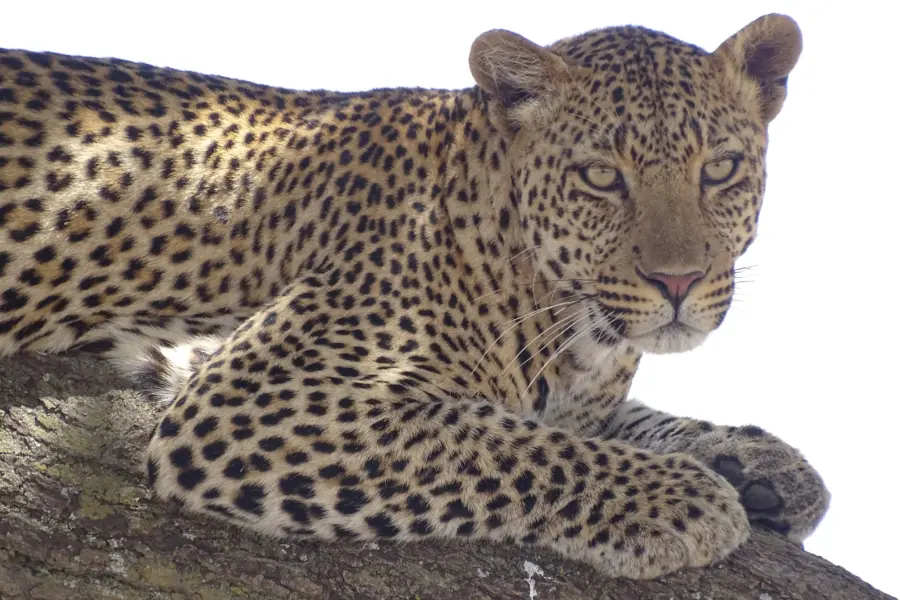
Tanzania’s oldest and most popular national park (a World Heritage Site) has recently been named one of the 7th Wonders of the World. The Serengeti is famous for its annual migration, when the hooves of over a hundred thousand zebras and Thomson’s gazelles join those of thousands of wildebeest as they migrate to the green grasslands. Once the migration is over, the Serengeti offers perhaps the most spectacular safari in Africa. Large herds of buffalo, smaller groups of elephants and giraffes, and thousands upon thousands of elands, topis, impalas and Grant’s gazelles populate the endless plains.
The spectacle of ‘the hunter and the hunted’ dominates Tanzania’s largest national park. With so much prey on the plains, it is a veritable feast for the predators. In February and March, the wildebeest calves are born and often fall prey to hungry predators almost immediately.
But there is more to the Serengeti than large mammals. Lizards and all manner of crawling creatures live around the surfaces of the park’s isolated granite outcrops. There are nearly a hundred different species of dung beetle, as well as over 500 species of bird, ranging from the enormous ostrich to the bizarre secretary bird on the open grasslands. In the sky, you can see vultures circling, on the lookout for a free meal from the remains of the predators’ previous prey.
Eastern Serengeti
The rich acacia-strewn plains of the eastern Serengeti are home to an abundance of wildlife. Visitors gather here to watch the world-famous migration of wildebeest. Some of the best safaris can be enjoyed from Lobo on the eastern edge of the Serengeti National Park along the Grumeti River. Popular activities include taking a guided walk through the spectacularly scenic terrain of the wild Serengeti, jumping on a hot-air balloon safari, picnicking in the bush and learning about Maasai culture and history. Don't miss the chance to visit the world-famous Gol Kopjes for the best cheeta sighting in Africa.
Central Serengeti
Tanzania’s oldest and most popular national park (a World Heritage Site) has recently been named one of the 7th Wonders of the World. The Serengeti is famous for its annual migration, when the hooves of over a hundred thousand zebras and Thomson’s gazelles join those of thousands of wildebeest as they migrate to the green grasslands. Once the migration is over, the Serengeti offers perhaps the most spectacular safari in Africa. Large herds of buffalo, smaller groups of elephants and giraffes, and thousands upon thousands of elands, topis, impalas and Grant’s gazelles populate the endless plains.
The spectacle of ‘the hunter and the hunted’ dominates Tanzania’s largest national park. With so much prey on the plains, it is a veritable feast for the predators. In February and March, the wildebeest calves are born and often fall prey to hungry predators almost immediately.
But there is more to the Serengeti than large mammals. Lizards and all manner of crawling creatures live around the surfaces of the park’s isolated granite outcrops. There are nearly a hundred different species of dung beetle, as well as over 500 species of bird, ranging from the enormous ostrich to the bizarre secretary bird on the open grasslands. In the sky, you can see vultures circling, on the lookout for a free meal from the remains of the predators’ previous prey.
Northern Serengeti
Together with the Masai Mara Game Park in Kenya, the Serengeti forms a unique ecosystem. The acacia trees on the endless grassy plains are the hallmark of an African safari. Add to that the Masai warriors and their grazing cattle, and the picture is complete. Unlike the southern part of the Serengeti, the northern part remains green all year round.
The annual wildebeest migration through the Serengeti and Masai Mara is the largest movement of land mammals in the world. More than a million animals follow the pattern of the rains. Between July and October, the migration is in the northern Serengeti. The famous scenes of the migration’s greatest spectacle – the crossing of the Mara River – can be found here. But that’s not the only wildlife; large groups of lions, elephants, giraffes, gazelles and so on also roam the endless plains.
Zanzibar
The island is best known for its snow-white beaches, particularly those along the north and east coasts. The island also offers excellent opportunities for diving and deep-sea fishing. Zanzibar is one of the most beautiful diving destinations in the Indian Ocean, boasting stunning coral reefs. Enthusiasts can spot whale sharks or swim with dolphins. A boat trip on a traditional dhow is also a special experience.
The cultural heart of the island is the old town, Stone Town, with its maze of narrow alleyways, lively bazaars, mosques and elegant Arab houses. Here you can discover charming boutiques, bars and restaurants.
Tanzania Coast
Fringing the Indian Ocean, the Tanzanian Coast is known for its warm waters, endless beaches, coral reefs, lonely dhows, and ancient fishing villages. This spectacular stretch of coast boasts a collection of breathtakingly beautiful islands including the world-renowned Zanzibar archipelago and the Mafia islands. Visit the soft white-sand shores just south of Tanga, enjoy excellent snorkelling and diving along extensive offshore reefs, and laze blissfully in a hammock all day while drinking in the electric blue waters of this pristine coastline. Other popular activities include exploring the little villages which dot the coastline. as well as visiting the variety of marine national parks which are teeming with sea life.
Tanzania
The name Tanzania conjures up images of wildebeest running wild across the vast savannah, rainforests filled with monkeys and birds and vast plains teeming with wildlife. All these natural wonders and more are on offer in this exceptional and diverse African country. Visitors visit Tanzania to partake in at least one of four well-known Tanzanian tourism experiences: a relaxing seaside holiday on the picturesque island of Zanzibar, a tour of some of the world's most renowned diving sites around the beautiful Spice Islands, a safari adventure in some of Africa's most impressive game reserves or a hiking excursion around Mount Kilimanjaro National Park. Whichever of these incredible holidays you choose, you will no doubt be welcomed by the friendly locals who, despite the fact that the country is home to 120 different ethnic groups and cultures, live in harmony with each other. You can therefore enjoy numerous, delicious exotic dishes. With all this diversity, it will be a tough decision which Tanzanian holiday experience you want to go on!
Michamvi Peninsula
The Michamvi Peninsula, stretching 10 kilometres in length and located in the south-eastern corner of Zanzibar, is known for its spectacular natural beauty, and the range of luxury hotels and tropical island retreats. The peninsula is known for its pristine palm-fringed beaches, interspersed with calm, crystal-clear waters. Guests can look forward to a wide range of activities, including: snorkelling in the calm waters, a diving excursion to the coral reef and relaxing on the numerous pristine beaches that make up this picturesque peninsula. Don't miss the chance to visit Zanzibar's most idyllic restaurant; located on a spur of the coral and only accessible at low tide, 'The Rock' serves an impressive array of fresh seafood, including: shrimp, fish, crab and even crayfish.
Pingwe
Pingwe is a beautiful beach village on the east coast of the Tanzanian island of Unguja, on the northern tip of the Michamvi Peninsula. The village is surrounded by incredible natural beauty - white sandy beaches lapped by crystal clear turquoise waters. Visitors can enjoy breathtaking sunsets, a delicious seafood lunch at the unique Rock Restaurant located on a small coral rock about 30 metres from Pingwe Beach and stunning views of Chwaka Bay.
Tanzania trip | Private safari Tanzania spectacular Great Migration
We offer the described trip from €9,595 per person.
The tour price is an estimate and is subject to factors including availability and travel dates.
Included
• Shared charter flights in Tanzania (including 15kg hold luggage and 5kg hand luggage in soft-sided travel bags without wheels)
• Accommodation in high-quality and distinctive lodges, tented camps and hotels
• All meals as specified in the ‘itinerary’
• Private safari in a Toyota Landcruiser 4x4 accompanied by an English-speaking driver/guide
• All necessary transfers as mentioned
• All excursions as mentioned in the ‘programme’, including game drives in the Serengeti
• National park entrance fees (camp fees, concession fees, park fees)
• AMREF Flying Doctors insurance
• National Geographic or similar travel guide
• Administration fees (€50 per booking)
Positive impact of your trip:
• Contribution of €50 per person towards a positive impact via the Avila Foundation
• CO₂ offsetting for the safari vehicle – Carbon Tanzania (worth $10 per person)
• Cycle tour through Mto wa Mbu and Manyara
Not included
• Intercontinental flights to and from Tanzania
• Tourist visa for Tanzania
• Room category upgrade
• Travel and/or cancellation insurance
• Personal expenses/tips
• Any increases in national park entrance fees
• Any departure tax
• Zanzibar tourist tax (US$2–5 per person per night, payable locally)
• Meals and excursions not mentioned
• Contribution to the contingency fund (€2.50 per booking)
• SGR contribution (€5 per person)