
 en



- Boutique
- 16-day trip
- From €7,825 per person
Tanzania holiday | Family holiday: Northern Tanzania safari highlights
Tanzania is rightly one of the most beautiful countries in Africa to explore with the whole family . The safaris are of a high standard, almost guaranteeing you will experience many safari highlights. During this private safari , you will set off together with your guide, who will show you all the beautiful spots of northern Tanzania. Among others, you will visit the smaller Tarangire, known for its many large herds of elephants and the presence of giant baobab trees. Of course, a visit to the world-famous Serengeti and Ngorongoro Crater should not be missed! You will stay at a beautiful tented camp in both areas, which have also put together special programmes for children. For example, the children learn to recognise an animal track or how to use a bow and arrow. So it will be a fantastic trip for the children too, which they will never forget! You finish the trip on tropical Zanzibar, where the days are all about sun, sea, beach, good food and, above all, reminiscing about a wonderful round trip.
Travel programme
Travel overview
- Day 1 Flight to Tanzania
- Day 2 The first day of the safari
- Day 3 En route to Tarangire National Park
- Day 4 Spot plenty of wildlife in Tarangire
- Day 5 Explore a local village by bike
- Day 6 A magnificent day on safari in Lake Manyara National Park
- Days 7–9 Safari highlights in the stunning Serengeti
- Day 10 Overnight stay on the rim of the Ngorongoro Crater
- Day 11 On safari in the breathtaking Ngorongoro Crater
- Days 12–15 Enjoy the sun, sea, beach and Zanzibar culture
- Day 16 Departure from Zanzibar
Air travel to Tanzania
After departing from the airport, your plane sets sail for Kilimanjaro International Airport, 'The Gateway to Africa's Wildlife Heritage'. On arrival at Kilimanjaro Airport, you will be welcomed by your Tanzanian guide, who will greet you with a warm smile. After your luggage is loaded into the spacious Land Cruiser, you will be driven to your accommodation near Arusha. There you will spend your first night on the African continent.
Included
• Meet & Greet on arrival
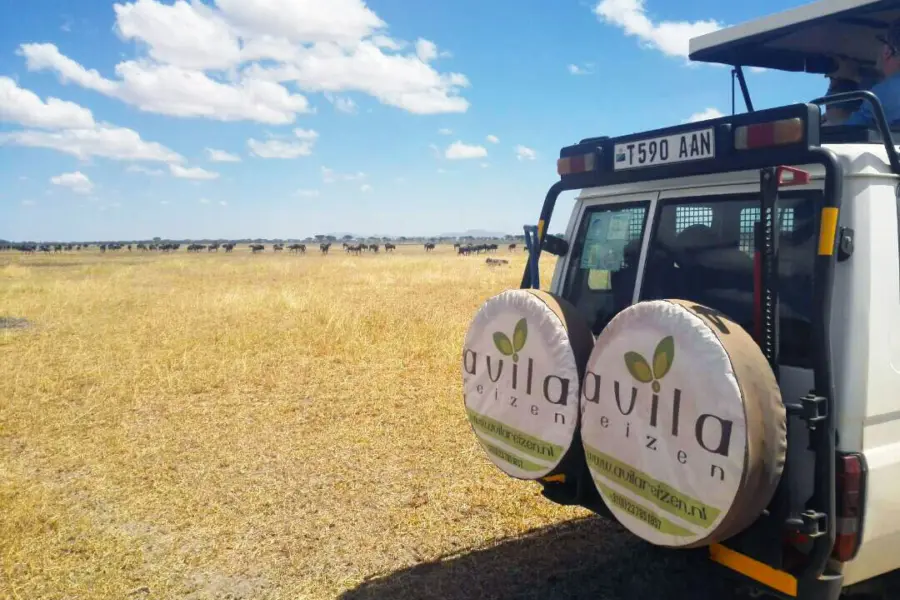
• Private safari in a Toyota Landcruiser 4x4 accompanied by an English-speaking driver/guide
• Overnight stay including breakfast
Not included
- Intercontinental flight
The first safari day of the trip
Today you’ll be exploring Arusha National Park! After breakfast, you’ll drive into the park and spend the whole day there spotting wildlife and enjoying nature.
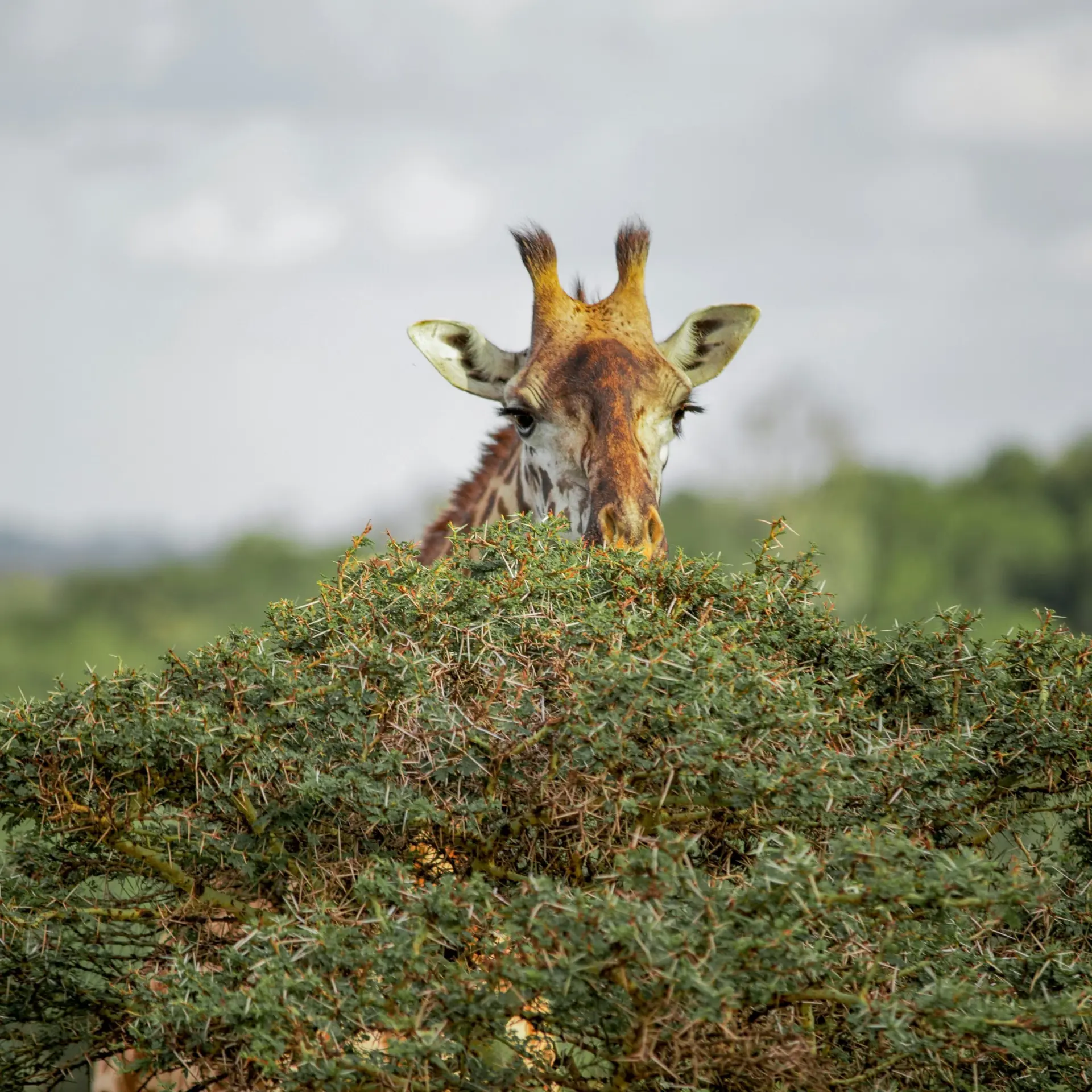
Arusha National Park is incredibly diverse, featuring high mountains, craters, lakes and stunning flora and fauna. It is also one of the few parks in Tanzania where walking tours are permitted. With a bit of luck, you’ll spot various bird species during your walk, including flamingos. The park is also home to giraffes, buffalos and various species of antelope, as well as the exotic white and black colobus monkeys, which are often seen swinging high up in the trees.
Included
• Private safari in a Toyota LandCruiser 4x4 accompanied by an English-speaking driver/guide
• Full-day game drive in Arusha National Park (including a bush walk)
• Accommodation on a full-board basis
En route to Tarangire National Park

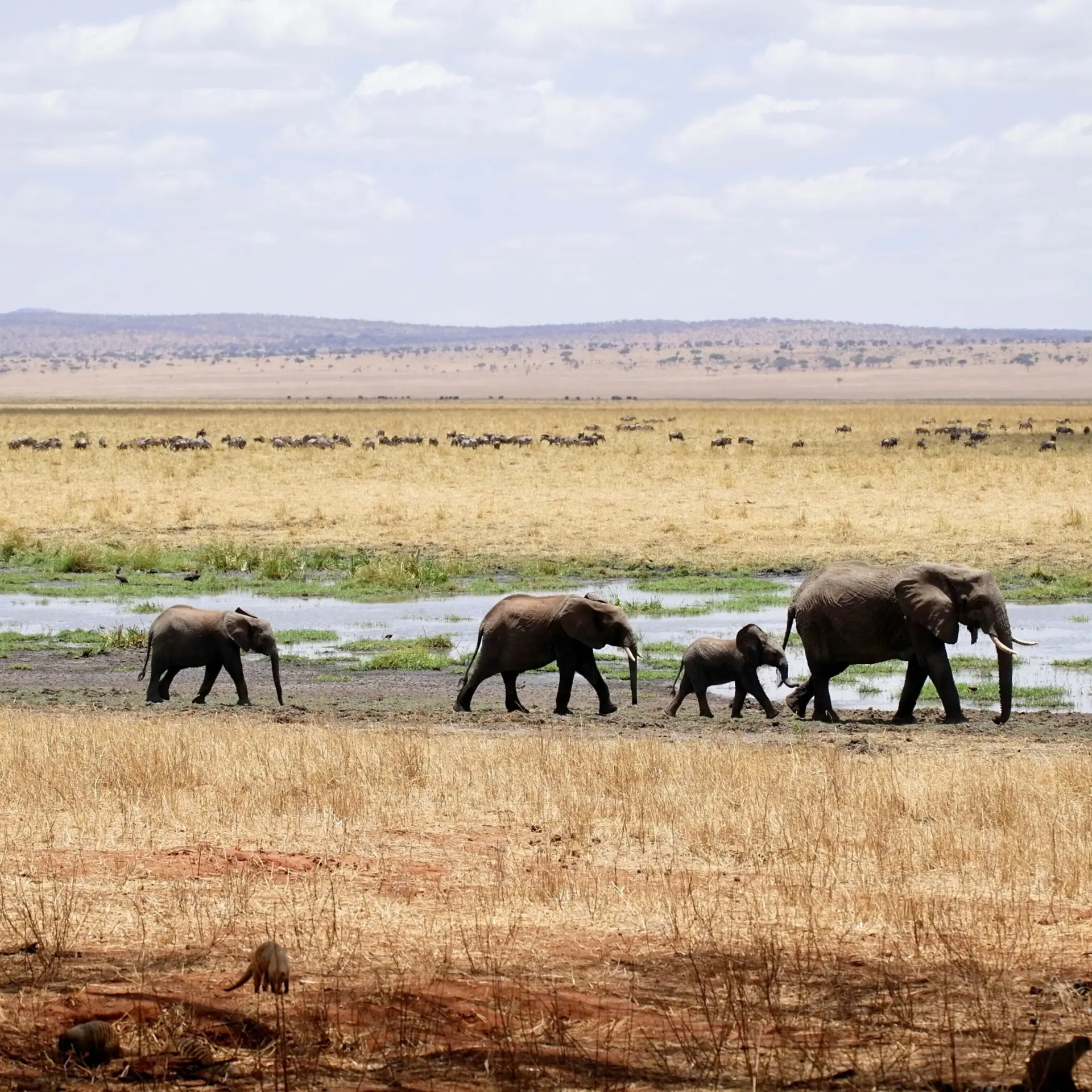
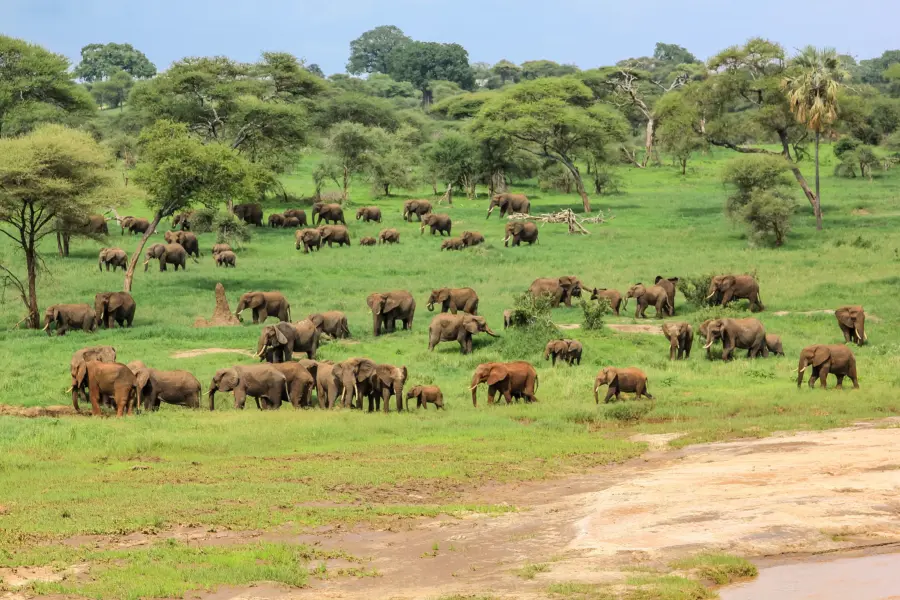
Waking up to the cheerful chirping of hundreds of birds and enjoying a hot shower, you can look forward to a day in one of Tanzania's most beautiful parks. Today you will go on a game safari in Tarangire National Park. You will depart from Arusha for this beautiful park. As soon as you pass the gate, the safari begins immediately! Tarangire is famous for its huge elephant herds and baobab trees. You will also discover many zebras, wildebeests, giraffes and other small animals among the bushes. In Tarangire, you will experience the true African safari feeling. At the end of the day, you will return to your accommodation for a delicious dinner.
Included
• Private safari in a Toyota LandCruiser 4x4 accompanied by an English-speaking driver/guide
• Afternoon game drive in Tarangire
• Overnight stay on a full-board basis
Spot many wild animals in Tarangire
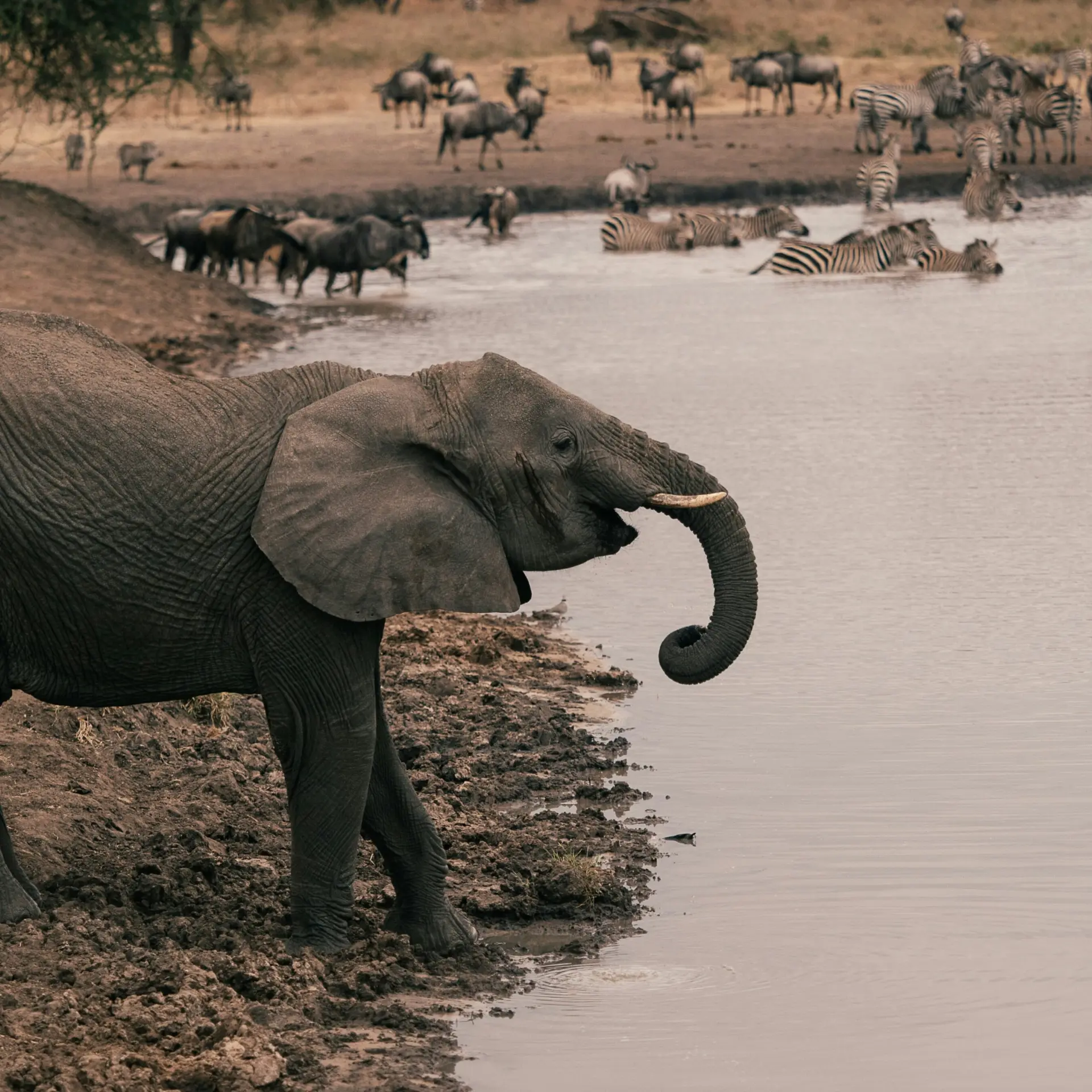
Today, you will spend the whole day in Tarangire National Park. Have your camera ready, as a herd of elephants could pass by any minute! In the evening you will have the opportunity to go on another game drive, to also encounter animals moving around in the dark.
Included
• Private safari in a Toyota Landcruiser 4x4 accompanied by an English-speaking driver/guide
• Full-day game drive in Tarangire
• Accommodation on a full-board basis
Discover a local village by bicycle
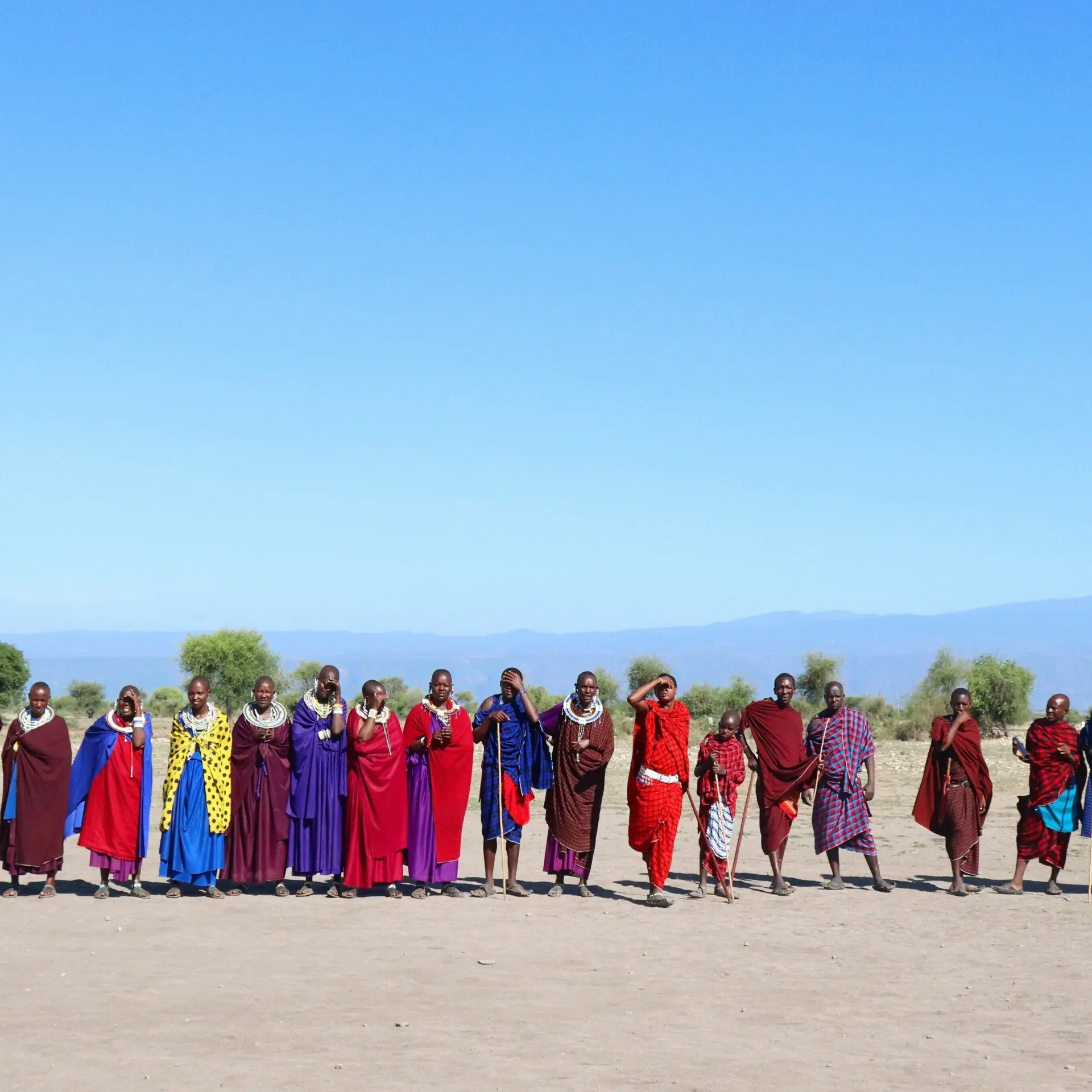
You will leave a little early today after breakfast and drive through the beautiful African countryside to Manyara National Park. Here you will have plenty of time to drive through the entire park. After lunch, it's time for a scenic cycling excursion that takes you through the local village of Mto wa Mbu, where you will get to know local life in this village. Alternatively, you can choose to do this by tuk tuk. You will then cycle on to the shores of Lake Manyara, where you will cycle along the lake for a bit more. Being able to spot animals from the bike is an amazing experience. After the bike ride, you will be transferred to your accommodation in Karatu, where dinner will be served in the evening.
Included
• Private safari in a Toyota Landcruiser 4x4 accompanied by an English-speaking driver/guide
• Cycle tour through Mto wa Mbu and Manyara
• Accommodation on a full-board basis
Stunning safari day in Lake Manyara National Park
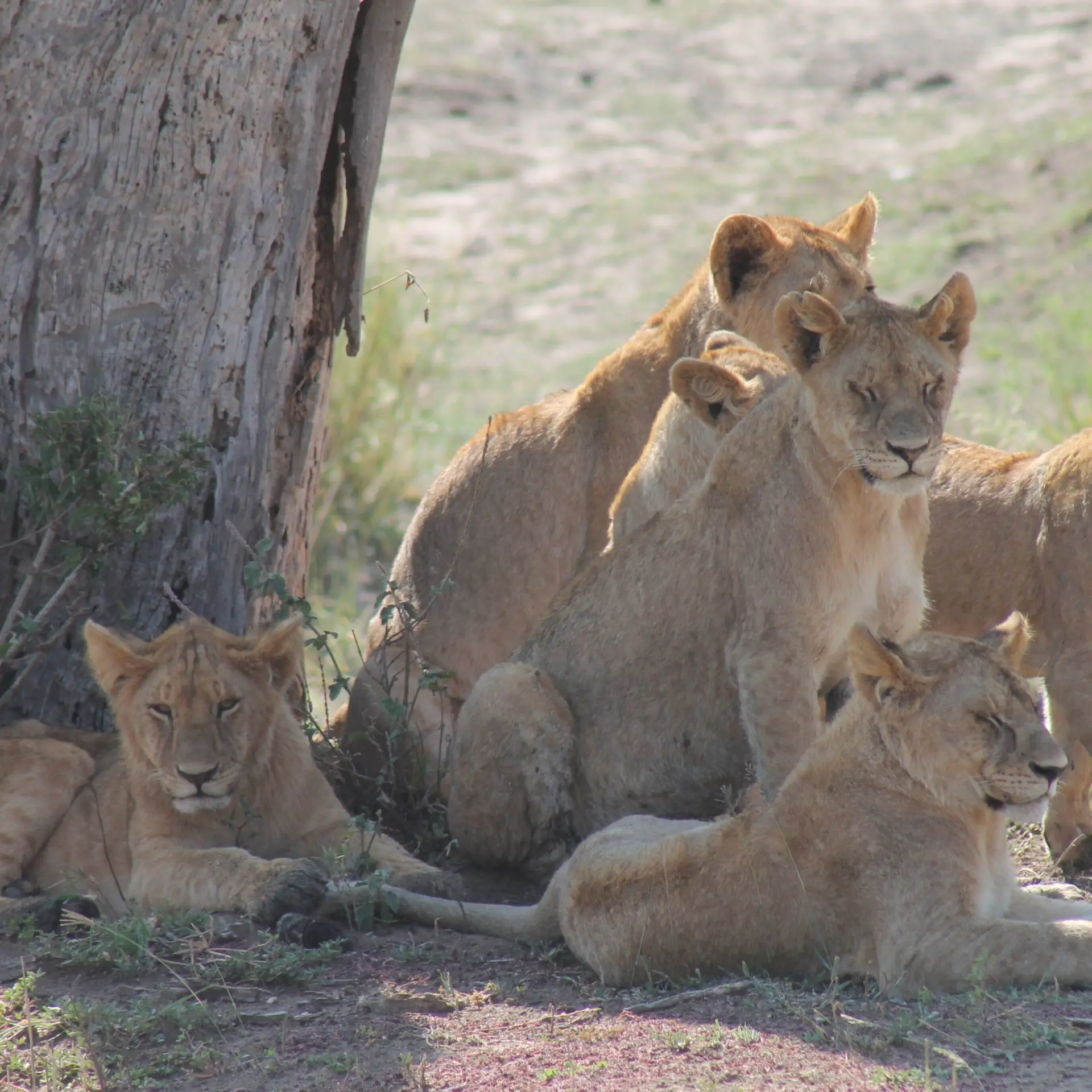
Start the day with a good breakfast at your accommodation Gibb's Farm. You will spend the whole day today in Laka Manyara National Park. Manyara is a smaller park with a patch of rainforest, savannah and, of course, Lake Manyara with its flamingos. You will encounter elephants, giraffes, wildebeests, zebras, impalas and, with any luck, lions or leopards. You can also choose to go higher up and take a walk along the treetops. This optional activity is highly recommended! At the end of the day, as the sun slowly sets, you will drive back to your lodge. Afterwards, you will enjoy a delicious dinner.
Included
• Private safari in a Toyota LandCruiser 4x4 accompanied by an English-speaking driver/guide
• Game drives in Lake Manyara National Park
• Accommodation on a full-board basis
Safari highlights in the beautiful Serengeti

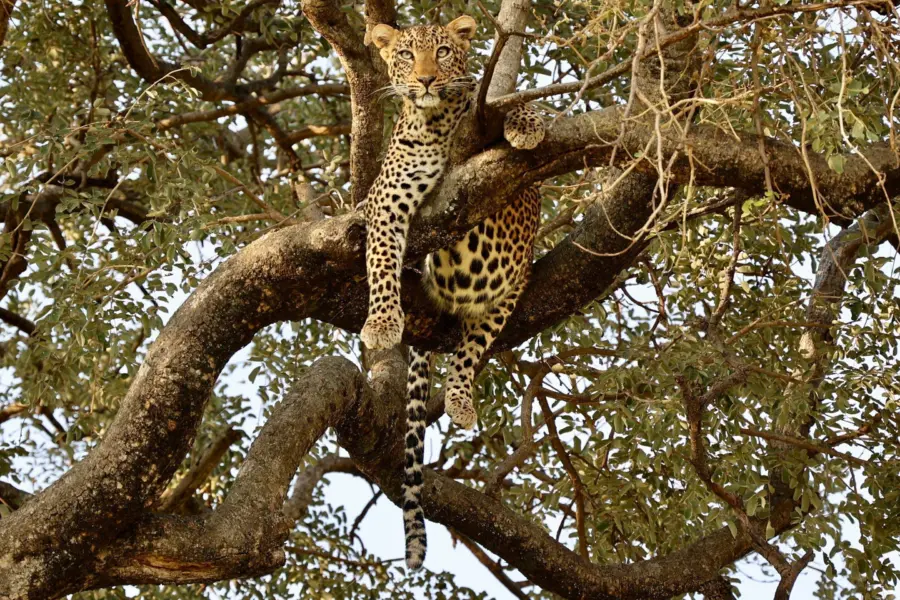
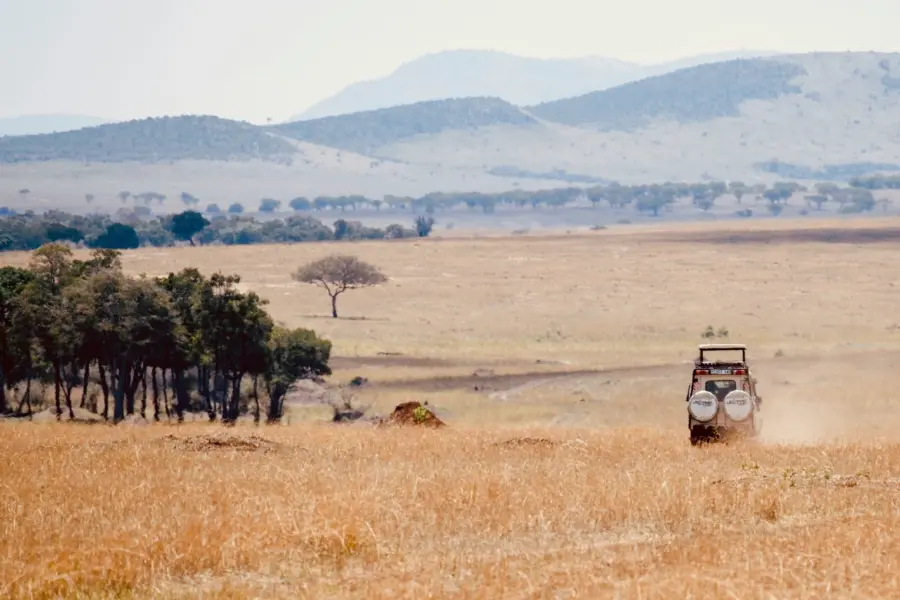
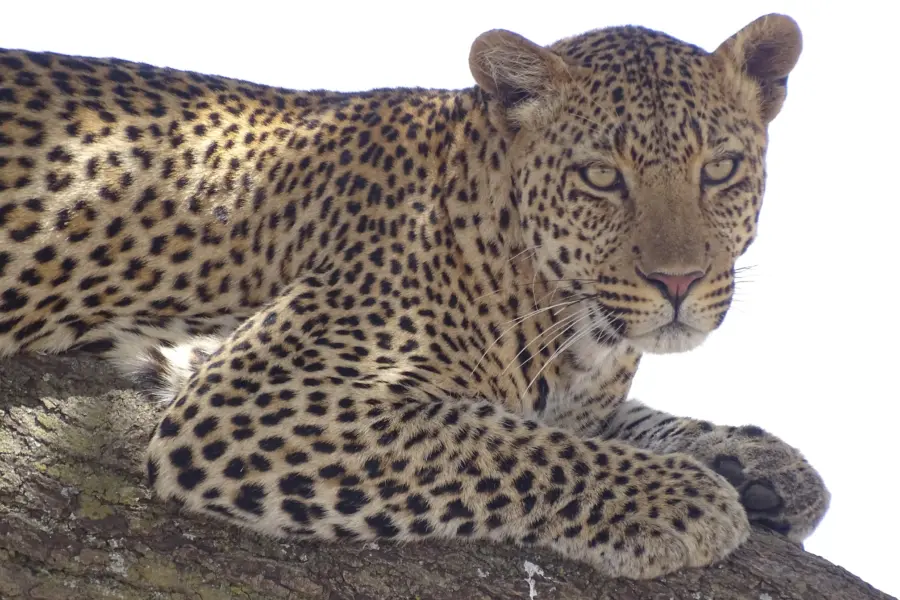
After breakfast, you’ll continue your journey and head for the legendary Serengeti, where you’ll be staying in the central part of the park for the next few nights. Enjoy a few amazing days on safari! Over the next few days, you’ll be on the lookout for lions, leopards and many other extraordinary animals. You’ll take your own packed lunch with you and can enjoy it at a beautiful spot in the park. You’ll drive through the savannah, where you’ll enjoy the extraordinary natural surroundings over the coming days. What makes the Serengeti unique is that you can clearly observe the interactions between the animals here. Your time in the Serengeti is sure to be unforgettable!
The ‘Lemala Cubs’ programme offers activities specially designed for children under 12. Whilst you’re enjoying a game drive, your children will learn, in a fun, educational and engaging way, about the importance of protecting Africa’s wildlife and natural environment.
Tips from a Travel Specialist
As an optional extra, you can take a hot-air balloon ride over the plains of the Serengeti.
Included
• Private safari in a Toyota LandCruiser 4x4 accompanied by an English-speaking driver/guide
• Game drives in Central Serengeti
• Lemala Cubs for children under 12
• Accommodation on a full-board basis
Staying on the crater rim of Ngorongoro
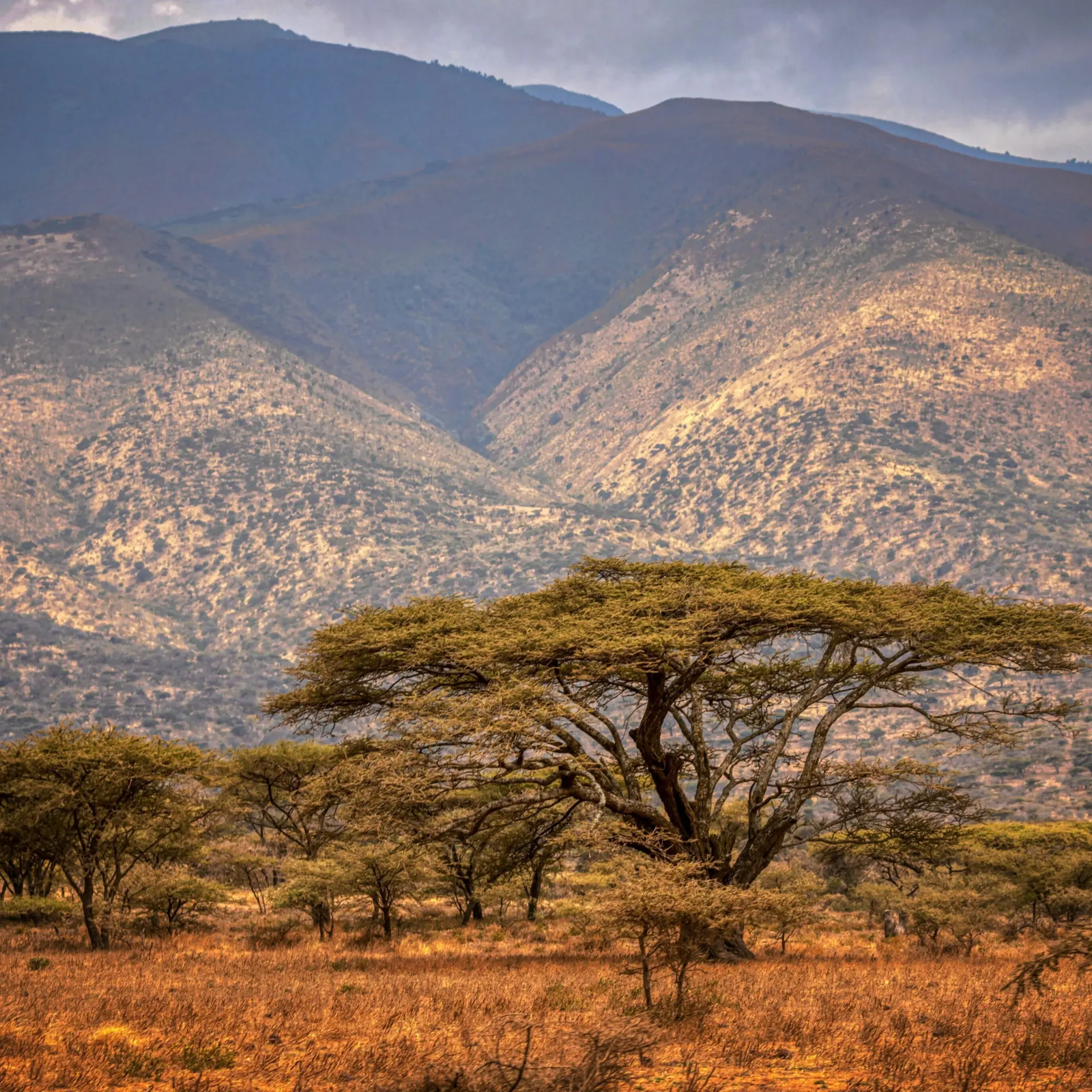
After breakfast, your guide will be ready to assist you once again. You’ll bid farewell to the Serengeti before travelling on to your next accommodation. You’re expected to arrive at your accommodation in the early afternoon, where you can make the most of all the facilities on offer. Your accommodation is situated near the world-famous Ngorongoro Crater, which you will visit the following day.
In the afternoon, you’ll take part in a guided walk along the crater rim with a local Maasai guide. You’ll be treated to the most spectacular views.
Included
• Private safari in a Toyota LandCruiser 4x4, accompanied by an English-speaking driver/guide
• Walk along the crater rim with a Maasai
• Overnight stay on a full-board basis
On safari in the insane Ngorongoro Crater
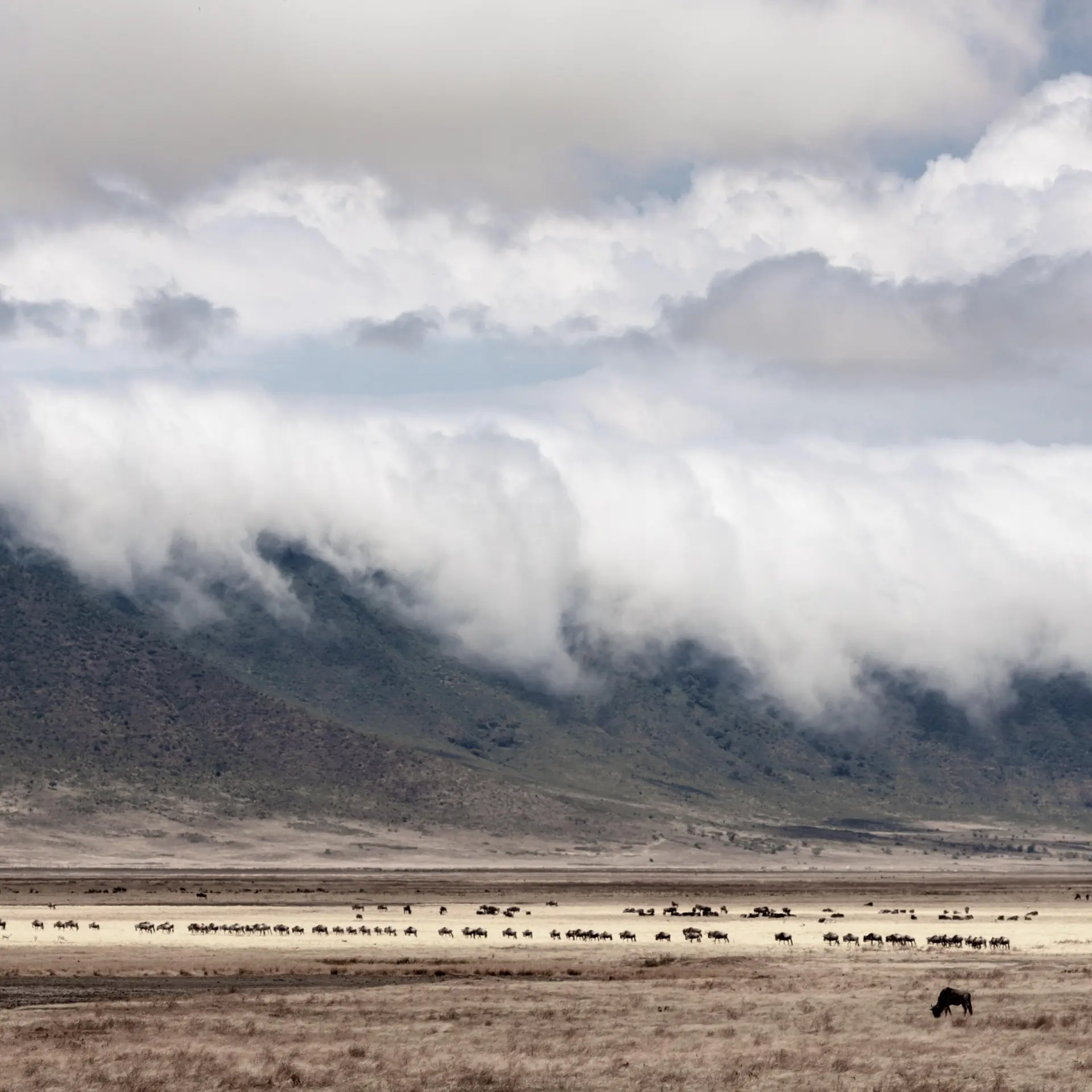
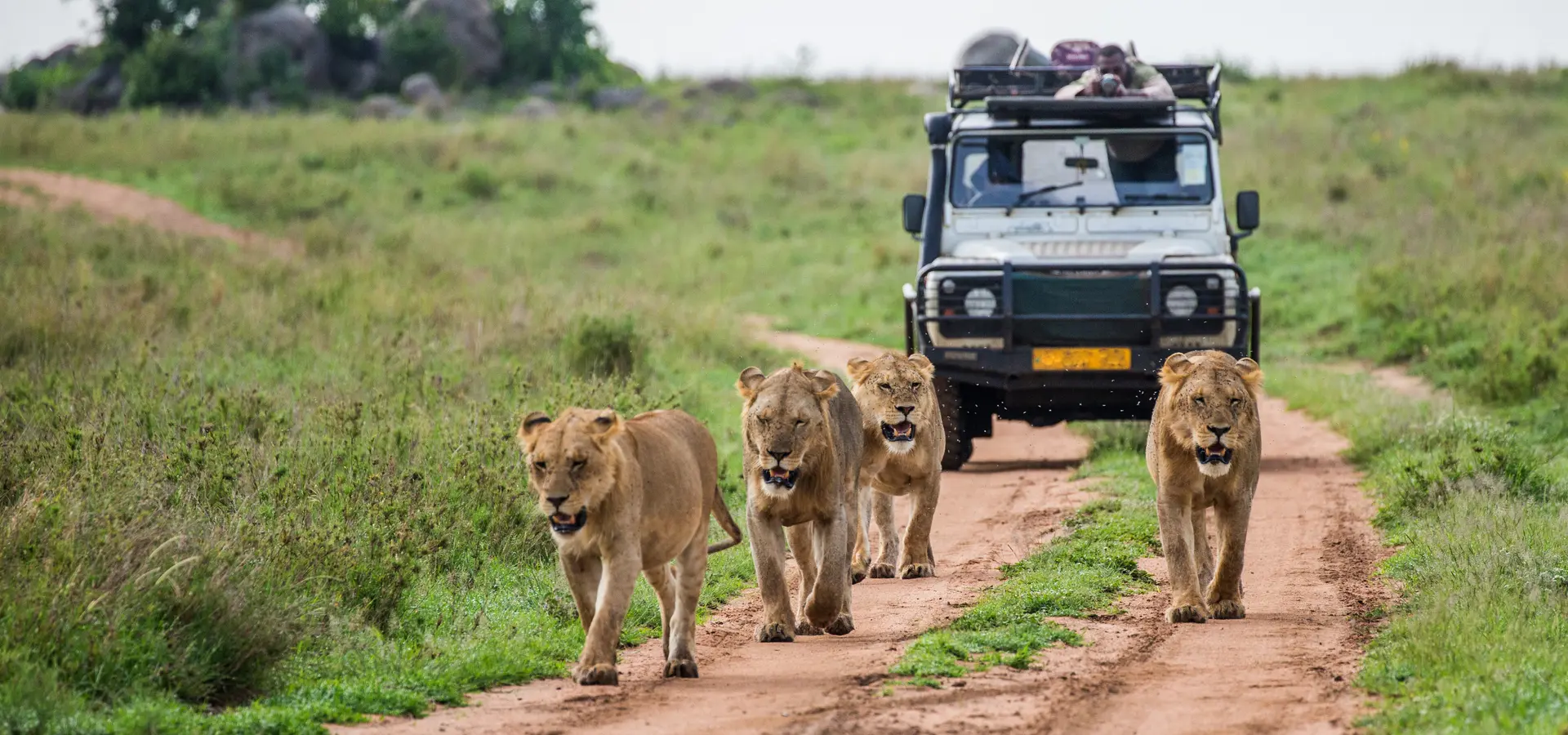
It’s time for one of the absolute highlights of your safari in Tanzania: the Ngorongoro Crater. You’ll drive down into the crater, where you can spend a full day enjoying the huge concentration of wildlife. The crater has a diameter of 17 km. Standing on the crater rim and looking out over this geological masterpiece, it is hard not to be moved. And it gets even better. As you descend, you’ll find yourself in one of the richest parts of Africa – in terms of wildlife, of course! Predators in particular are found in great numbers (it’s said that the world’s highest density of lions lives here). Large prides of lions, Lake Magadi with its flamingos, and herds of buffalo, zebras and wildebeest form a magnificent spectacle, with the crater rim always in the background.
Just as in the Serengeti, you’ll be staying at a Lemala camp here, which organises special safari activities for children. Among other things, the children learn to recognise animals and their tracks, can help the chefs in the kitchen and can set off with the Maasai to learn, for example, how to shoot with a bow and arrow. After this incredible day in the crater, you’ll drive back to your accommodation, where you’ll enjoy a delicious dinner in the evening.
Included
• Private safari in a Toyota LandCruiser 4x4 accompanied by an English-speaking driver/guide
• Game drives in the Ngorongoro Crater
• Lemala Cubs programme for children under 12
• Accommodation on a full-board basis
Enjoy sun, sea, beach and Zanzibar culture
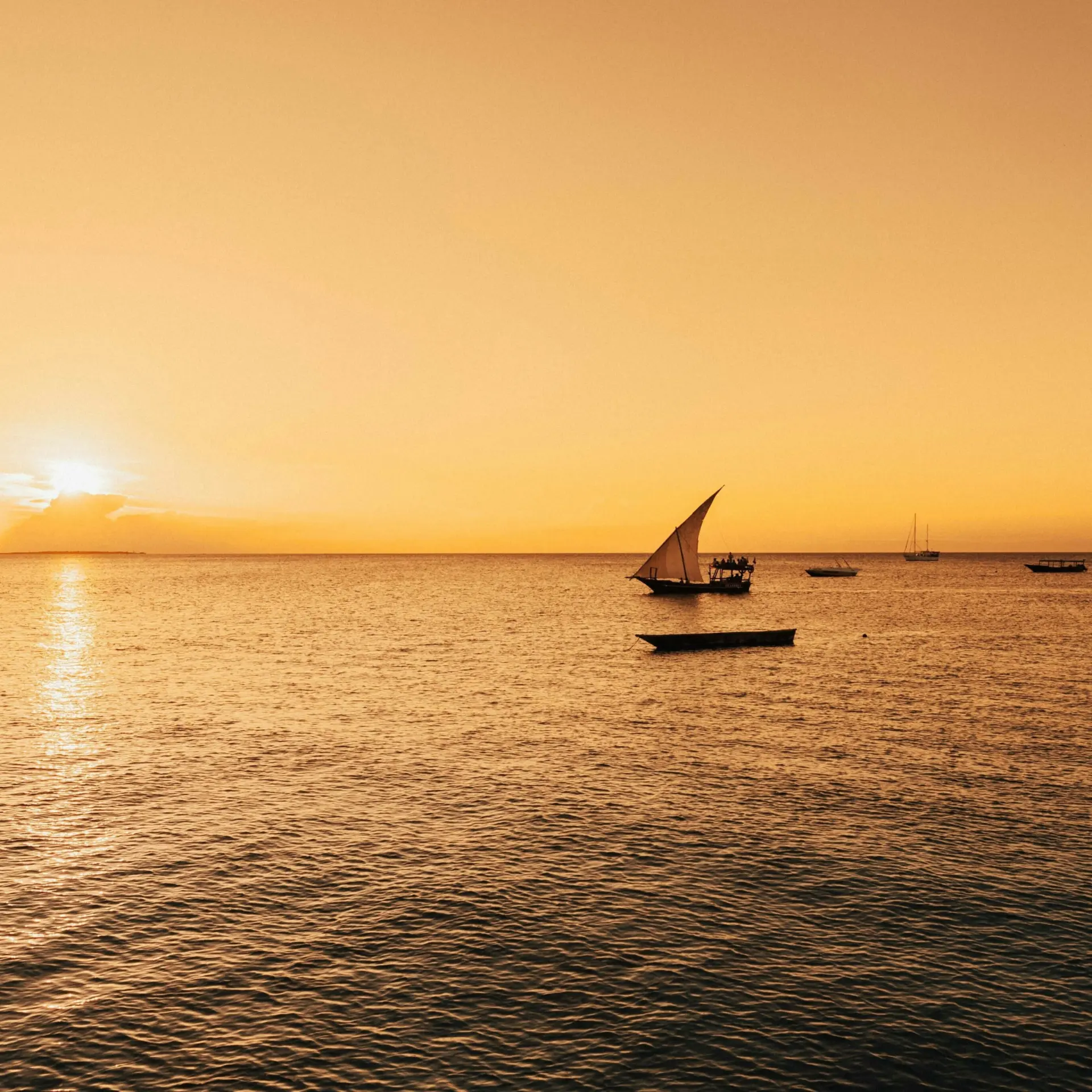
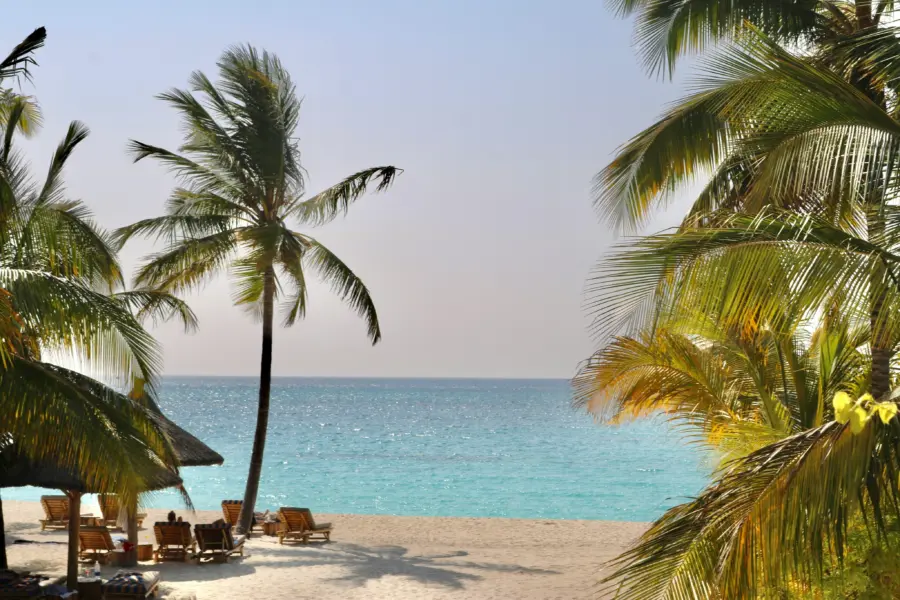
After breakfast, you will be taken to Arusha Airport, where you will say goodbye to your guide after a fantastic safari. You will then board the domestic flight to tropical Zanzibar. Upon arrival at Zanzibar Airport, you’ll be met and taken to your accommodation. This is where you’ll be spending the next few days! And that’s far from a hardship; with its azure-blue sea and pearly-white beaches, Zanzibar is the perfect place to relax and let the safaris of the past few days sink in.
Over the next few days, you can enjoy the sun, sea and beach to the full and reflect on all the safari highlights. As well as relaxing, you can also take a stroll along the beach and watch the locals fishing. The men often fish with trawl nets, whilst the women harvest seaweed that they cultivate in these shallow waters.
Included
• Private safari in a Toyota LandCruiser 4x4 accompanied by an English-speaking driver/guide
• Domestic flight to Zanzibar (including 15kg hold luggage and 5kg hand luggage in soft travel bags)
• Private transfer to your accommodation
• Accommodation on a half-board basis
Accommodations
Ngare Sero Mountain Lodge
Set in tropical gardens amidst lush forest and crystal clear waters on the slopes of Mount Meru, Ngare Sero Mountain Lodge is a blissful place to relax and unwind in the breathtaking beauty of East Africa. The property is a former colonial farmhouse from the early 20th century and...
Set in tropical gardens amidst lush forest and crystal clear waters on the slopes of Mount Meru, Ngare Sero Mountain Lodge is a blissful place to relax and unwind in the breathtaking beauty of East Africa. The property is a former colonial farmhouse from the early 20th century and has already been completely refurbished. It is one of the oldest family lodges in Arusha. With just 10 cosy garden rooms and 2 Main House Suites, the lodge has been offering personal service to its guests since 1974.
Spend your days in nature - take a walk in the forest inhabited by colobus and Sykes monkeys, as well as hundreds of small animals and bird species or paddle the lakes and try your luck at trout fishing. Take a refreshing dip in the pool and enjoy the sunset on the veranda and watch the changing colours of Kilimanjaro glacier.
Located just 30 minutes from Kilimanjaro International Airport and Arusha city centre, the Lodge is a perfect base for your safari in northern Tanzania.
Pack for a purpose
Ngare Sero Mountain Lodge is affiliated with Pack for a Purpose. Pack for a Purpose is a charitable organisation that allows travellers to spend several kilos of their luggage weight to help local residents. Think school supplies, clothes, medical equipment and other necessities donated to the local project through the lodge. To make sure you bring what is actually needed locally, the lodge explains the project.
Click here for information about the project at Ngare Sero Mountain Lodge:
https://www.packforapurpose.org/destinations/africa/tanzania/ngare-sero-mountain-lodge/
Your stay: 2 nights
Nimali Tarangire
Nimali means wealth in swahili and the lodge exudes this. Nimali Tarangire is an exclusive luxury lodge located on the eastern border of Tarangire National Park, which is known for its beautiful baobab trees and large concentration of elephants. Located on the riverbed, the lodge is well hidden...
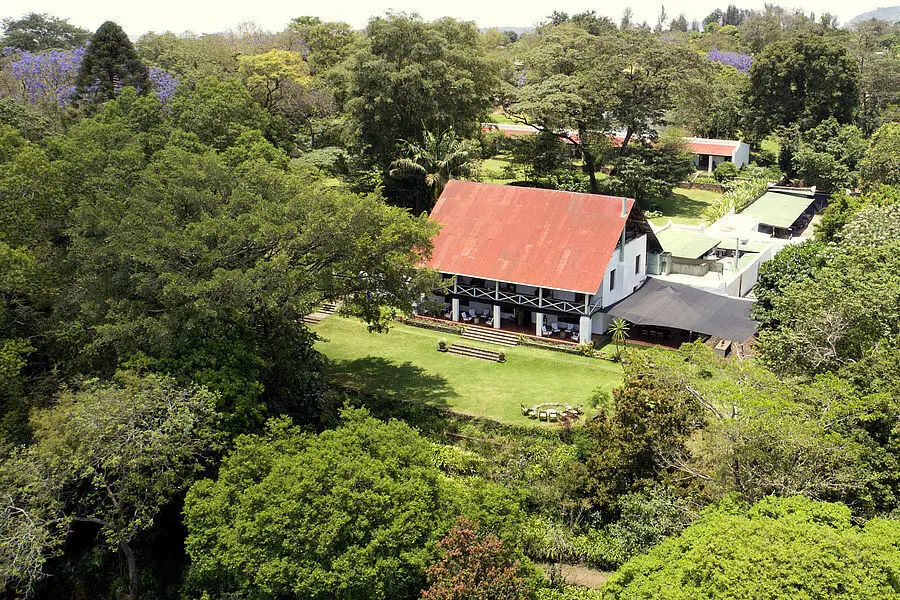
Nimali means wealth in swahili and the lodge exudes this. Nimali Tarangire is an exclusive luxury lodge located on the eastern border of Tarangire National Park, which is known for its beautiful baobab trees and large concentration of elephants. The lodge sits on the riverbed and is well hidden among the acacia and baobab trees.
Natural materials are combined with contemporary décor to offer guests a unique and unforgettable bush experience. The main areas consist of a spacious living room, a library and a central dining area overlooking the swimming pool and a waterhole that attracts wildlife. Every evening, you can relax in the lounge and enjoy the sunset by the open fire.
Under the personal attention and care of courteous and attentive staff, guests are pampered in every way; all their needs and comforts are taken care of. Every effort is made to ensure guests feel at home and have an incredibly unique Tanzanian experience. Located just 2.5 hours from Arusha city, Nimali Tarangire is the perfect base for the northern safari circuit.
Your stay: 2 nights
Gibb's Farm
Gibb's Farm is set in the forests near Ngorongoro Crater and overlooks the ancient Great Rift Valley. An old coffee farm from the 1920s, it has been converted into a warm, rustic and luxurious hotel. The 21 cottages overlook the gardens where you can walk and enjoy the peaceful surroundings. Here you will discover...
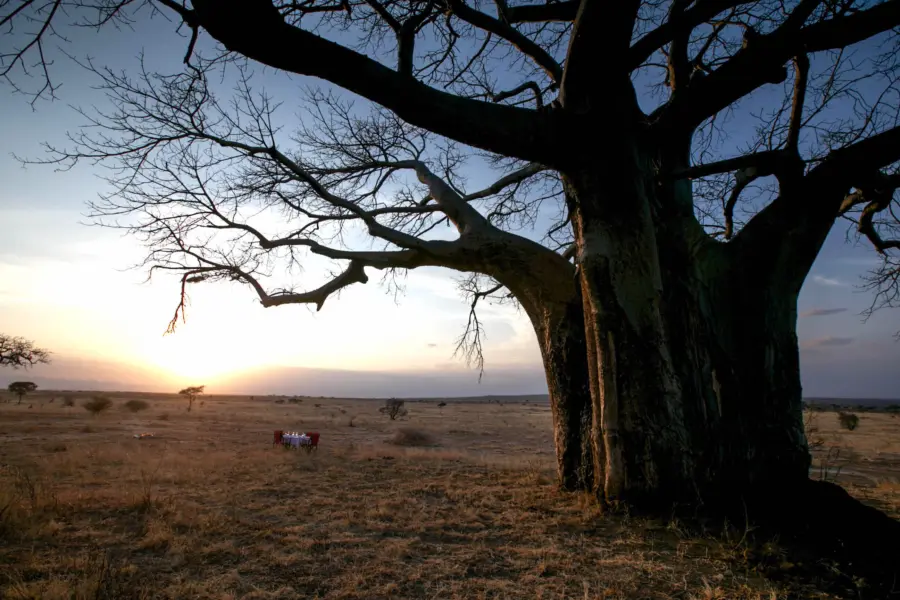
Gibb's Farm is set in the forests near Ngorongoro Crater and overlooks the ancient Great Rift Valley. An old coffee farm from the 1920s, it has been converted into a warm, rustic and luxurious hotel. The 21 cottages overlook the gardens where you can stroll and enjoy the peaceful surroundings. Here you will discover the history and culture of East Africa. Each cottage has its own design theme with details of the old farmhouse and beautiful art pieces inspired by local art. The farm has an organic garden with many flowers, which offers a nice place to have your afternoon tea or take a walk.
Your stay: 2 nights

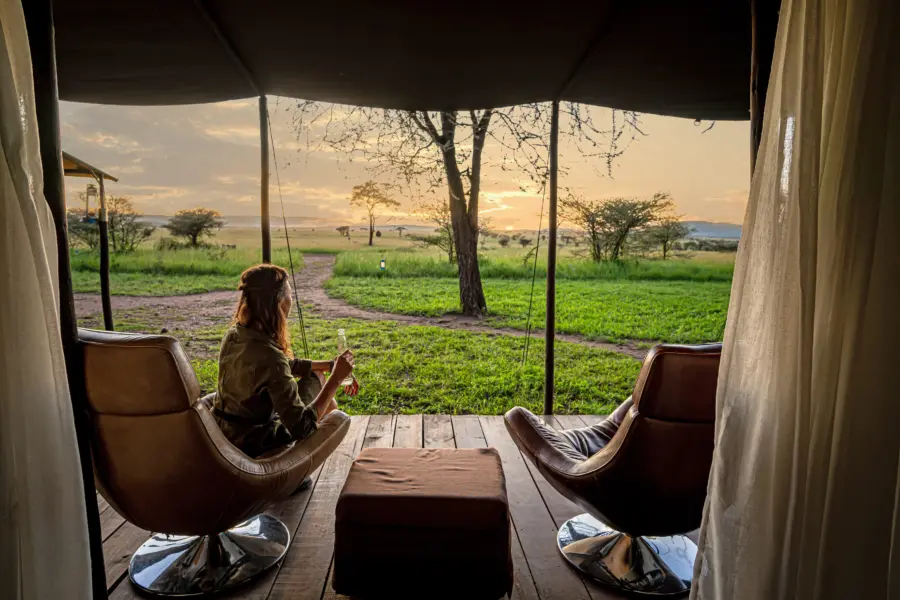
Lemala Ewanjan Tented Camp
Lemala Ewanjan is an authentic, intimate tented camp, situated in a remote part of the wildlife-rich Seronera Valley in the Central Serengeti. This area is renowned for its abundant wildlife sightings all year round, thanks to the plentiful water in its many rivers. Furthermore, it is home to large populations of large…
Lemala Ewanjan is an authentic, intimate tented camp, situated in a remote part of the wildlife-rich Seronera Valley in the Central Serengeti. This area is renowned for its year-round wildlife sightings, thanks to the abundance of water in its many rivers. It is also home to large populations of big cats.
We have carefully positioned Lemala Ewanjan at the end of a blind valley to enjoy uninterrupted views. The camp was replaced with brand new tents in July 2018 and now features 10 standard rooms and 2 x 2-bedroom tents, ideal for families, friends and groups travelling together.
The en-suite tents are spacious and comfortable, and have an outdoor deck with stunning views of the surroundings. Each tent is equipped with two queen-size beds with warm duvets, a toilet, large safari-style shower, abundant running water, wooden storage cabinets and floors, 24-hour solar-powered lighting, and outside there are sun loungers to enjoy tea or coffee in the early morning or a refreshing gin-tonic in the afternoon.
Your stay: 3 nights
Lemala Ngorongoro Tented Camp
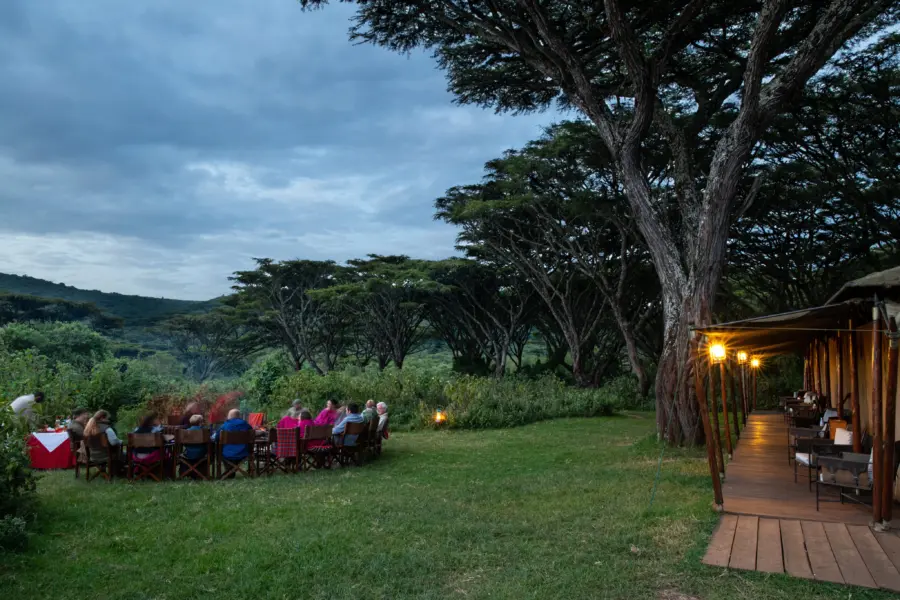
Lemala Ngorongoro is intimately situated in a beautiful old acacia forest close to the edge of the beautiful Ngorongoro Crater. Being next to the quiet access road to Lemala Crater on the eastern side, a key advantage of staying at Lemala Ngorongoro is the quick and easy drive down to the...
Lemala Ngorongoro is intimately situated in a beautiful old acacia forest close to the edge of the beautiful Ngorongoro Crater. Being next to the quiet access road to Lemala Crater on the eastern side, a key advantage of staying at Lemala Ngorongoro is the quick and easy drive down to the crater floor in the morning; Lemala guests are usually an hour ahead of others descending via the much busier access road to Seneto Crater on the western rim. Game drives from the camp can start as early as 6.15am, and guests can be among Ngorongoro's abundant flora and fauna within 10-15 minutes - crucial for photographers seeking the best light conditions. Guided walks are also available in the forest and along the crater rim with an armed forest ranger and Maasai guide.
Lemala Ngorongoro Tented Camp has 9 spacious tents carefully positioned to provide privacy and with minimal impact on the pristine forest environment. They accommodate two queen-size beds, and since it can get cool at night on the edge of Ngorongoro Crater, little luxuries like warm winter duvets, hot water bottles and gas heaters ensure a comfortable night's sleep.
Your stay: 2 nights
Kisiwa on the Beach
Kisiwa on the Beach is located on a beautiful white beach on the east coast of Zanzibar. It is a villa resort, near the fishing village of Paje. All private villas are located in the garden and are designed to maximise sea views. In addition, they are tastefully furnished with handmade...
Kisiwa on the Beach is located on a beautiful white beach on the east coast of Zanzibar. It is a villa resort, near the fishing village of Paje. All private villas are located in the garden and are designed to maximise sea views. In addition, they are tastefully decorated with handmade furniture. From your villa, you can take beautiful walks on the beach past fishing village or enjoy the sun with a cold cocktail next to the pool.
Your stay: 4 nights

Destinations
Tarangire National Park
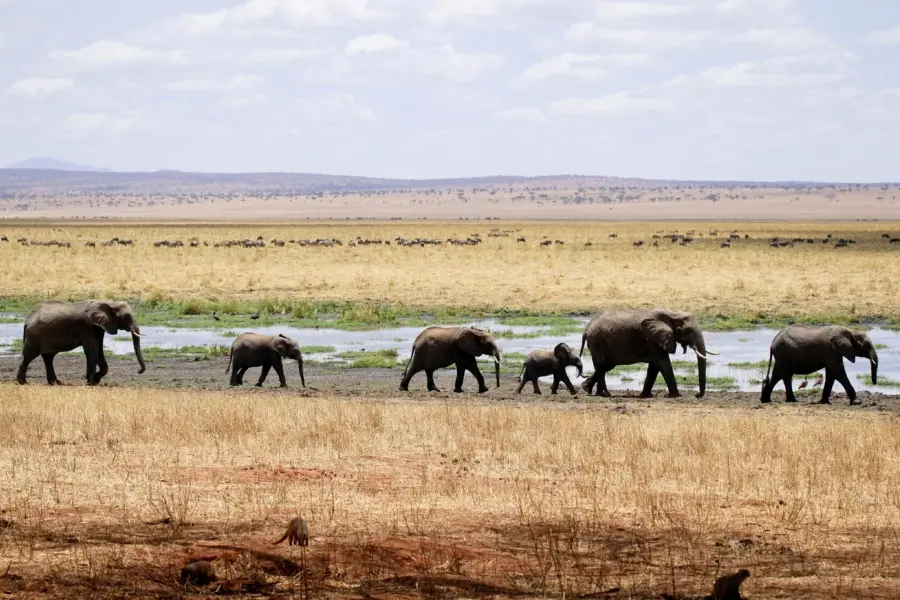
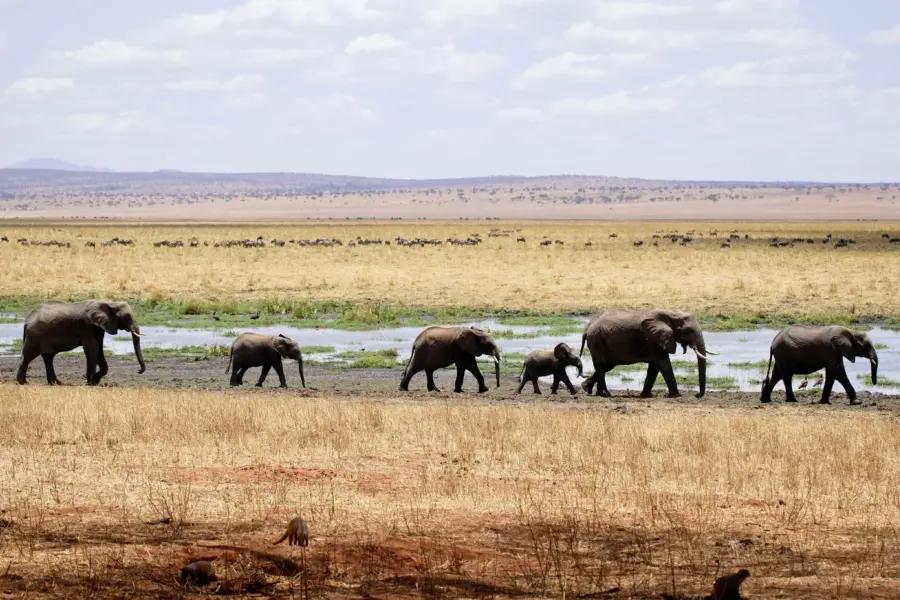
The image that is sure to stay with you is the African landscape of giants. A landscape where huge, thousand-year-old baobab trees dominate the view. Tarangire National Park is also home to the largest elephant population in Northern Tanzania. During the dry season, the blazing sun parches the landscape, turning the earth into clouds of dry red dust, whilst the once-green grass becomes as brittle as straw. During the dry season, the Tarangire River shrinks to a mere shadow of its former self in the wet season. Yet it is teeming with wildlife. When there is no longer any water to be found on the plains, the wildlife heads for the river in great numbers in search of the scarce water.
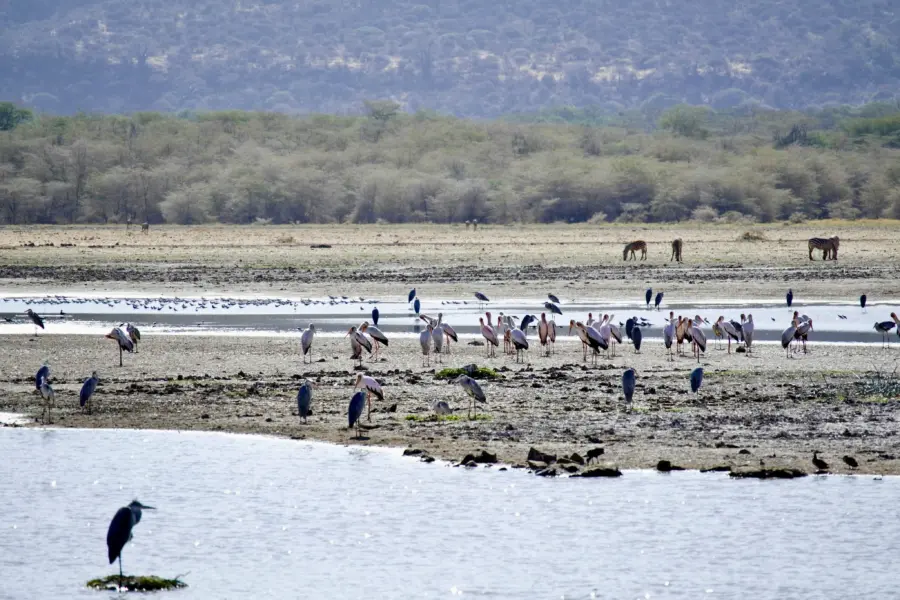
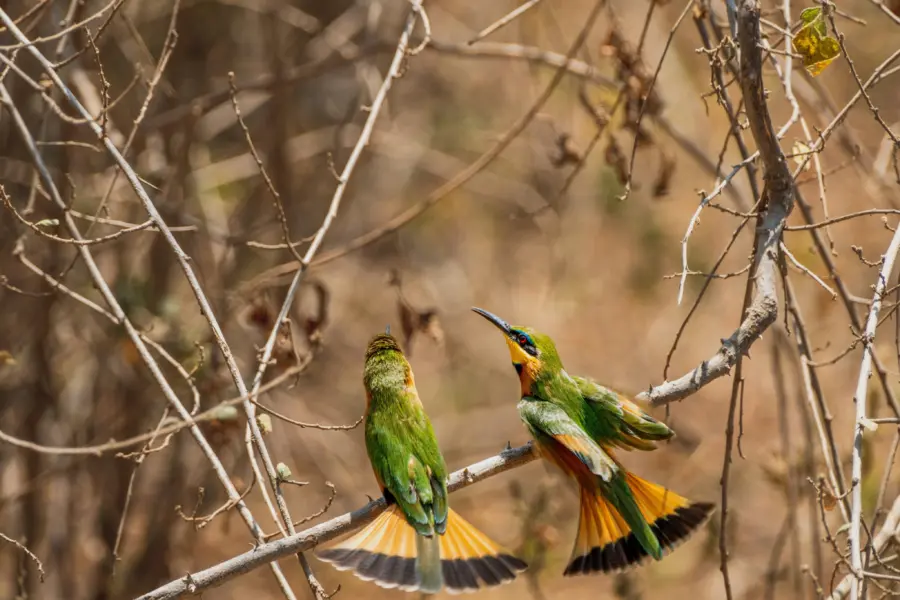
Herds of up to 300 elephants trample the dry riverbed in search of underground streams, whilst migrating wildebeest, zebras, buffalo, impalas and gazelles jostle for a spot in the ever-shrinking pools. During the dry season, you’ll find the largest concentration of wildlife here outside the Serengeti. A true paradise for the many predators – and the only place in Tanzania where, in the arid landscape, antelopes such as the oryx and the distinctive long-necked gerenuk are regularly spotted.During the dry months between July and November, large herds of zebras and wildebeest, roan antelopes and other antelopes migrate through the park on their way to the green grasslands of Amboseli National Park in Kenya.In the northern part of the park lie the Silale Marshes, renowned as a veritable bird paradise. Here you’ll be able to spot marabou storks, ostriches, various species of heron, bee-eaters and hornbills.
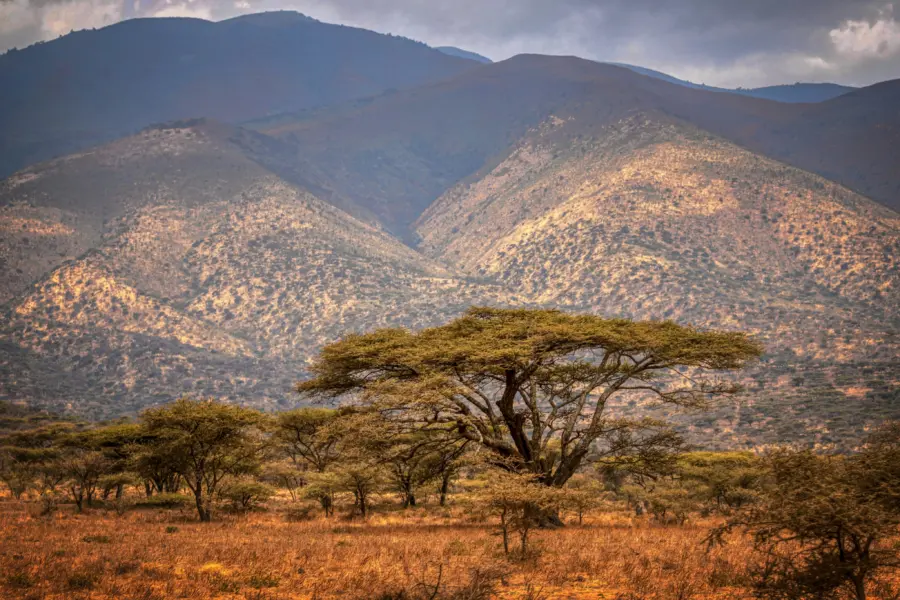
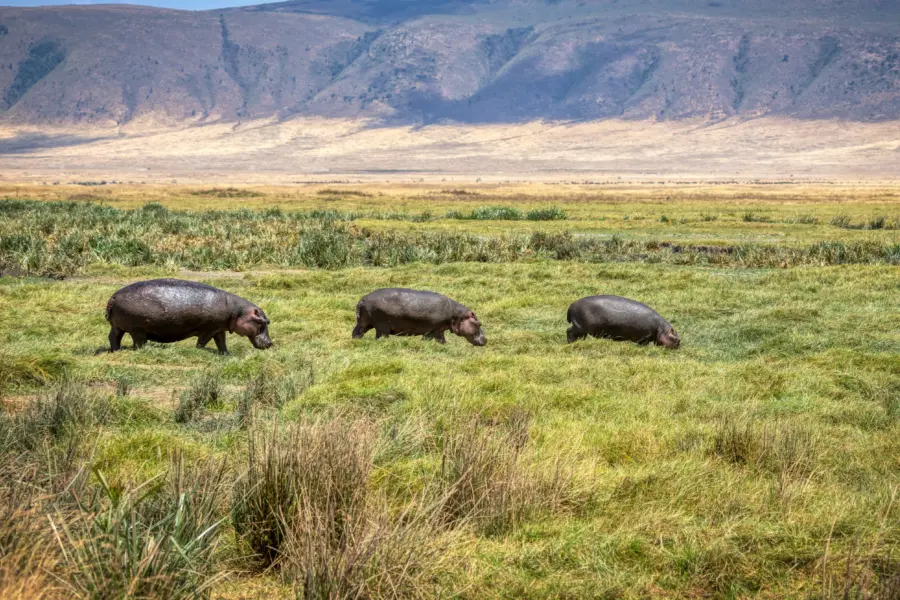
Ngorongoro Crater
The Ngorongoro Crater is safari at its best and it is no surprise that it is one of Tanzania's top tourist drawcards. Inside the crater, daily wildlife drama plays out as large herds of zebra and wildebeest graze near lions, leopards, elephants, hyenas and black rhinos. Outside the crater, Masai herders also live among the wildlife.
Arusha National Park
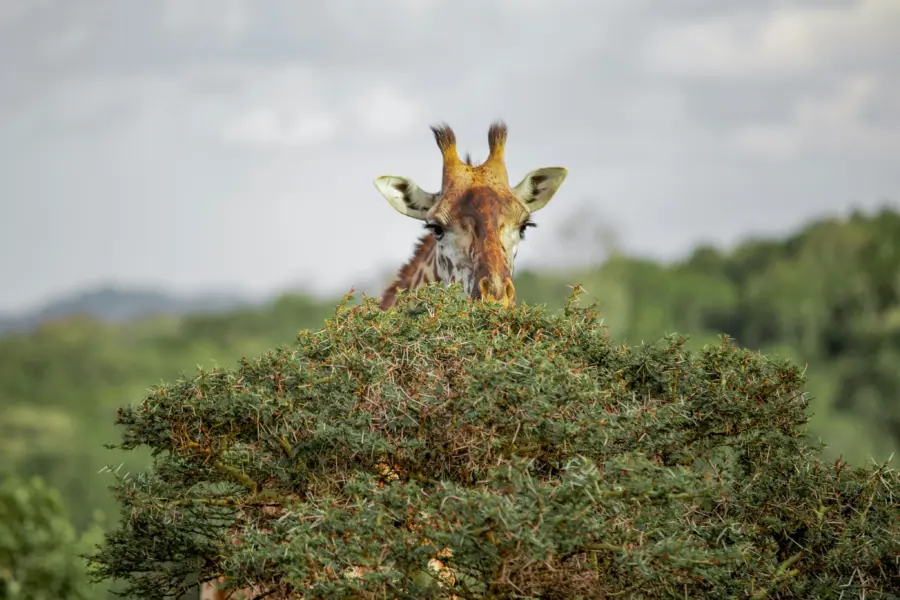
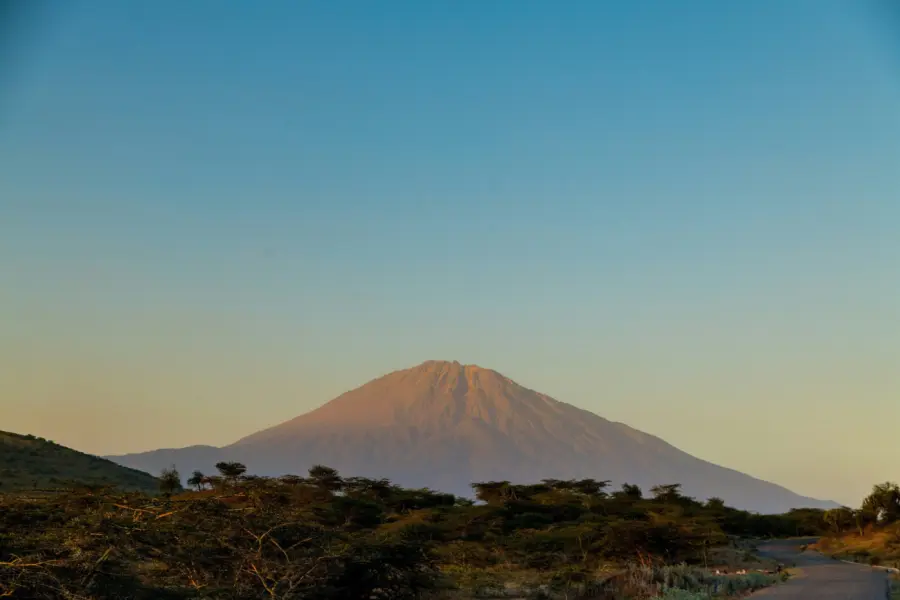
This exceptionally beautiful area is divided into three parts: Mt Meru, the Ngurdoto Crater and the Momela Lakes. This means there is a wide range of landscapes. Arusha is not known for its large wildlife, but offers a wide range of smaller animals, many birds and the breathtaking highland Afromontane forests.
Arusha
The city of Arusha, with a population of just under 300,000, is situated in northern Tanzania on the plateau of the Great Rift Valley, a mountain range stretching from Syria to Mozambique. Arusha is primarily known as a base for safaris in the Serengeti or the Ngorongoro Crater, or for climbing Kilimanjaro. However, smaller wildlife parks such as Arusha National Park are also just around the corner.
Arusha is also known as ‘the heart of Africa’ because the city lies exactly halfway between Cape Town and Cairo. According to the locals, the clock tower in the city centre stands exactly halfway between these two cities, but that is not true: the real ‘midpoint’ lies 25 kilometres outside the city.
Arusha has a bustling, noisy city centre with a variety of markets. The fruit and vegetable markets along the main street (Sokoine Road) are always particularly busy. Due to the many tourists who visit this region every year, Arusha offers a wide variety of restaurants and eateries. A must-see in Arusha is the National History Museum, the highlight of which is the entire wing dedicated to human evolution.
In the area around Arusha, the precious stone ‘tanzanite’ is found in the ground; it is often used in jewellery, such as rings and earrings. At the Arusha Cultural Heritage Site, you can learn more about these blue-purple stones. You’ll also find a collection of art objects, clothing, wood carvings and other products from Tanzania’s more than 120 tribes. At the adjoining covered market, jewellery and all kinds of handicrafts and art are also on sale.
Tanzania
The name Tanzania conjures up images of wildebeest running wild across the vast savannah, rainforests filled with monkeys and birds and vast plains teeming with wildlife. All these natural wonders and more are on offer in this exceptional and diverse African country. Visitors visit Tanzania to partake in at least one of four well-known Tanzanian tourism experiences: a relaxing seaside holiday on the picturesque island of Zanzibar, a tour of some of the world's most renowned diving sites around the beautiful Spice Islands, a safari adventure in some of Africa's most impressive game reserves or a hiking excursion around Mount Kilimanjaro National Park. Whichever of these incredible holidays you choose, you will no doubt be welcomed by the friendly locals who, despite the fact that the country is home to 120 different ethnic groups and cultures, live in harmony with each other. You can therefore enjoy numerous, delicious exotic dishes. With all this diversity, it will be a tough decision which Tanzanian holiday experience you want to go on!
Randilen
Randilen, designated by the Maasai people, is a 327km² communal wildlife management area that organically extends from the north-eastern boundary of Tarangire National Park and adheres to strict ecological principles that benefit both wildlife and the community. During the dry season between July and October, wildlife is concentrated around a few water sources, notably the Tarangire River Valley. During the green season, wildlife migrates to the surrounding hills and comes alive with lushness, blooming flowers, epic skies and exuberant wildlife. Besides elephants and buffalo, you are most likely to see giraffe, zebra, wildebeest, waterbuck, bushbuck, impala, kudu, eland and warthog. Predators include lions and leopards, as well as jackals and mongooses.
Karatu
Travellers en route to the Serengeti and Ngorongoro Crater pass through the town of Karatu in the green hills of Tanzania's northern highlands. This small, colourful town, presided over by the towering Ol Deani volcano, serves as a popular overnight stop for visitors wishing to explore the many game parks in the area. The town offers a variety of activities, including browsing the bustling market, tasting beer at a local brewery, visiting a traditional home or taking a guided walk through the Ngorongoro forest in search of waterfalls and caves. Whether you are looking for cultural tours, hiking and cycling opportunities, a chance to enjoy an authentic rural Tanzania experience, or just a break between safari trips, this underrated town has plenty to offer.
Ngorongoro Region
The Ngorongoro region is a huge area near the Ngorongoro Crater and from here you can explore several special places in Tanzania such as the Ngorongoro Crater, Lake Natron and Lake Manyara.
Lake Manyara National Park
Ernest Hemingway called this the most beautiful lake in Africa, and whilst it is always difficult to make direct comparisons, it is undoubtedly one of the continent’s most beautiful lakes.
It is particularly well known for the large number of baboons that live here, but it is also home to hippos, impalas, wildebeest, giraffes and many migratory birds.
The natural beauty and abundance of wildlife in this area guarantee a truly special few days.
Ngorongoro Conservation Area
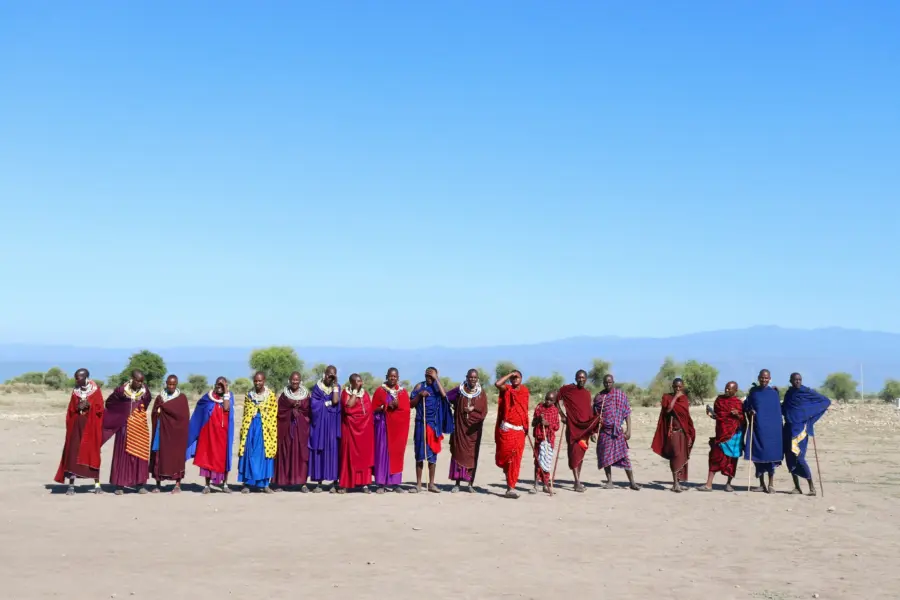
The Ngorongoro Conservation Area includes the famous crater and lesser-known regions to the north such as Olduvai Gorge and vast grasslands that run all the way to the Serengeti. The local Masai herd their cattle and goats among Africa's famous animals, as they have done for centuries.
Serengeti National Park
Tanzania’s oldest and most popular national park (a World Heritage Site) has recently been named one of the 7th Wonders of the World. The Serengeti is famous for its annual migration, when the hooves of over a hundred thousand zebras and Thomson’s gazelles join those of thousands of wildebeest as they migrate to the green grasslands. Once the migration is over, the Serengeti offers perhaps the most spectacular safari in Africa. Large herds of buffalo, smaller groups of elephants and giraffes, and thousands upon thousands of elands, topis, impalas and Grant’s gazelles populate the endless plains.
The spectacle of ‘the hunter and the hunted’ dominates Tanzania’s largest national park. With so much prey on the plains, it is a veritable feast for the predators. In February and March, the wildebeest calves are born and often fall prey to hungry predators almost immediately.
But there is more to the Serengeti than large mammals. Lizards and all manner of crawling creatures live around the surfaces of the park’s isolated granite outcrops. There are nearly a hundred different species of dung beetle, as well as over 500 species of bird, ranging from the enormous ostrich to the bizarre secretary bird on the open grasslands. In the sky, you can see vultures circling, on the lookout for a free meal from the remains of the predators’ previous prey.
Central Serengeti
Tanzania’s oldest and most popular national park (a World Heritage Site) has recently been named one of the 7th Wonders of the World. The Serengeti is famous for its annual migration, when the hooves of over a hundred thousand zebras and Thomson’s gazelles join those of thousands of wildebeest as they migrate to the green grasslands. Once the migration is over, the Serengeti offers perhaps the most spectacular safari in Africa. Large herds of buffalo, smaller groups of elephants and giraffes, and thousands upon thousands of elands, topis, impalas and Grant’s gazelles populate the endless plains.
The spectacle of ‘the hunter and the hunted’ dominates Tanzania’s largest national park. With so much prey on the plains, it is a veritable feast for the predators. In February and March, the wildebeest calves are born and often fall prey to hungry predators almost immediately.
But there is more to the Serengeti than large mammals. Lizards and all manner of crawling creatures live around the surfaces of the park’s isolated granite outcrops. There are nearly a hundred different species of dung beetle, as well as over 500 species of bird, ranging from the enormous ostrich to the bizarre secretary bird on the open grasslands. In the sky, you can see vultures circling, on the lookout for a free meal from the remains of the predators’ previous prey.
Northern Serengeti
Together with the Masai Mara Game Park in Kenya, the Serengeti forms a unique ecosystem. The acacia trees on the endless grassy plains are the hallmark of an African safari. Add to that the Masai warriors and their grazing cattle, and the picture is complete. Unlike the southern part of the Serengeti, the northern part remains green all year round.
The annual wildebeest migration through the Serengeti and Masai Mara is the largest movement of land mammals in the world. More than a million animals follow the pattern of the rains. Between July and October, the migration is in the northern Serengeti. The famous scenes of the migration’s greatest spectacle – the crossing of the Mara River – can be found here. But that’s not the only wildlife; large groups of lions, elephants, giraffes, gazelles and so on also roam the endless plains.
Paje
Paje is a small fishing village on the east coast of Zanzibar. This place is known as a good place for kitesurfing for beginners in the lagoon protected by the reef. The village lies on a beautiful coastline where you can have a good swim in the warm azure sea. If the tide is right, you can explore the coral reef. Paje has two supermarkets and several small shops selling locally produced souvenirs. Here you can unwind and enjoy the slow pace of the island.
Zanzibar South
The southern region of Zanzibar, also known as Unguja South Region, is known for its pristine white sand beaches surrounded by calm turquoise waters. Visitors can explore the town of Koani, the region's capital; take a boat ride on the crystal-clear waters of Menai Bay to spot dolphins in the surf at Kizimkazi, go on a sandbank picnic, visit East Africa's oldest mosque, go off the beaten track to visit the terrifying abandoned eco-resort, snorkel through colourful underwater wonderlands and visit local villages. Other popular attractions and activities include: the former fishing village of Jambiani, now a tourist mecca; cycling to the ancient caves of Kuumbi and enjoying the vibrant nightlife of Paje. Don't miss the chance to visit the world-famous restaurant of Michamvi, located on a rock just off the south-east coast.
Zanzibar
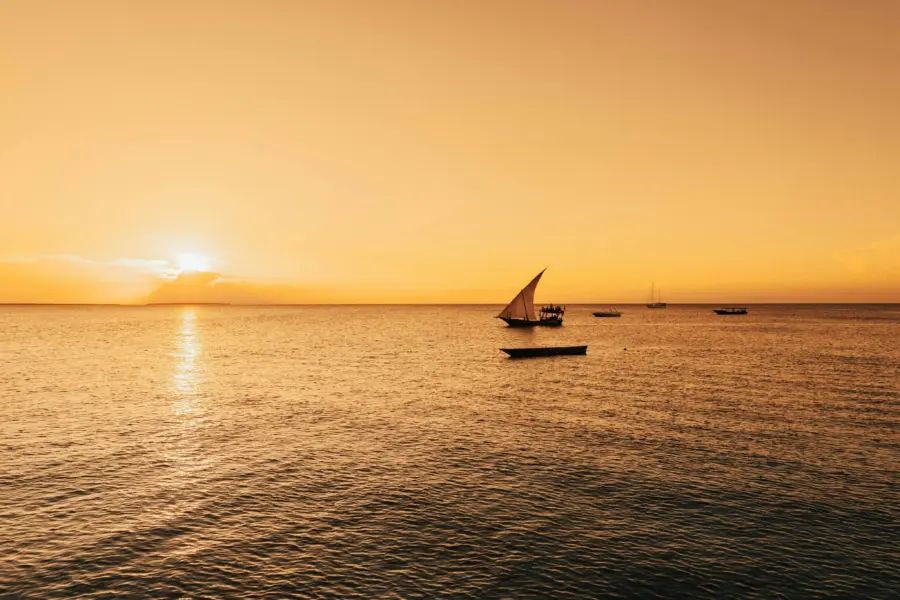
The island is best known for its snow-white beaches, particularly those along the north and east coasts. The island also offers excellent opportunities for diving and deep-sea fishing. Zanzibar is one of the most beautiful diving destinations in the Indian Ocean, boasting stunning coral reefs. Enthusiasts can spot whale sharks or swim with dolphins. A boat trip on a traditional dhow is also a special experience.
The cultural heart of the island is the old town, Stone Town, with its maze of narrow alleyways, lively bazaars, mosques and elegant Arab houses. Here you can discover charming boutiques, bars and restaurants.
Tanzania Coast
The Tanzanian coast borders the Indian Ocean and is renowned for its warm waters, endless beaches, coral reefs, secluded dhows and ancient fishing villages. This spectacular stretch of coastline boasts a collection of breathtakingly beautiful islands, including the world-famous Zanzibar Archipelago and the Mafia Islands. Visit the soft white sandy beaches just south of Tanga, enjoy excellent snorkelling and diving along vast offshore reefs, and laze blissfully in a hammock all day whilst gazing out at the electric blue waters of this unspoilt coastline. Other popular activities include exploring the small villages along the coastline, as well as visiting the variety of national marine parks teeming with marine life.
Tanzania holiday | Family holiday: Northern Tanzania safari highlights
We offer the described trip from €7,825 per person.
The tour price is based on two adults and two children under the age of 12 and is subject to availability and travel dates, amongst other factors.
Included
• Domestic flight to Zanzibar (including 15kg hold luggage and 5kg hand luggage in soft travel bags)
• Accommodation in high-quality and distinctive lodges and tented camps
• All meals as specified in the ‘itinerary’
• Private safari from day 1 to day 12 in a Toyota Landcruiser 4x4, accompanied by an English-speaking driver/guide
• All necessary transfers as mentioned
• All excursions as listed in the ‘programme’, including special activities for the children
• National park entrance fees (camp fees, concession fees, park fees)
• AMREF Flying Doctors insurance
• National Geographic or similar travel guide
• Administration fees (€50 per booking)
Positive impact of your trip:
• Contribution of €50 per person towards a positive impact via the Avila Foundation
• CO₂ offsetting for the safari vehicle – Carbon Tanzania (worth $10 per person)
• Cycle tour through Mto wa Mbu and Manyara
• Walk along the crater rim with a Maasai
Not included
• Intercontinental flights to and from Tanzania
• Tanzania tourist visa
• Room category upgrade
• Travel and/or cancellation insurance
• Personal expenses/tips
• Any increases in national park entrance fees
• Any departure tax
• Zanzibar tourist tax (US$2–5 per person per night, payable locally)
• Meals and excursions not specified
• Contribution to the contingency fund (€2.50 per booking)
• SGR contribution (€5 per person)