Oman: a land of contrasts and seasons
Oman has a variety of climates and seasons, each with its own charm. The best time to visit depends on the regions you wish to visit and the activities you have in mind. Generally speaking, spring and autumn are particularly well-suited to a tour, but other seasons also have their own appeal. Below is an overview by season:
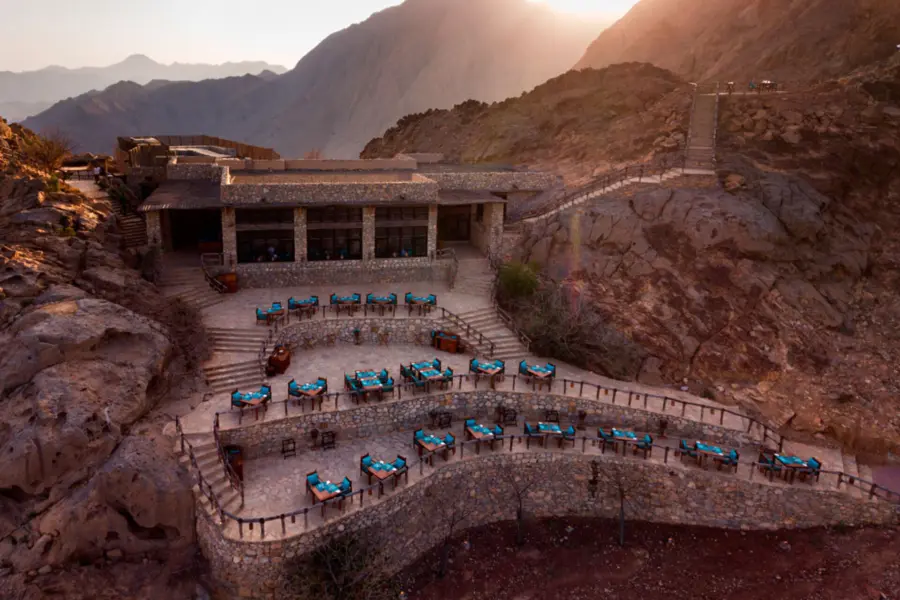
Spring (February – April): This is one of the most beautiful times of year to discover Oman. Temperatures are pleasant and, particularly in mountainous areas such as Jebel Akhdar, nature is in full bloom. This period is ideal for walks, cultural visits and exploring souqs. In March, the Damascus roses bloom in Jebel Akhdar, adding an extra special touch to your trip.
Summer (May – September): This is the hottest time of the year, particularly in the desert and low-lying areas. Travel during this time is mainly concentrated in the cooler mountain regions and along the coast, where the refreshing sea breeze and higher altitudes ensure greater comfort. Many travellers choose to avoid this period, but with the right itinerary and accommodation, travel is still possible.
Autumn (October – November): Offers excellent conditions for a tour of Oman. Temperatures are falling and the climate is comfortable for activities in the desert, the mountains and the cities. This is an ideal time to explore the landscapes of the Wahiba Sands and the green wadis.
Winter (December – January): Often regarded as the most pleasant season. Temperatures are mild during the day and cool down pleasantly in the evening. This period is ideal for desert tours, cultural visits to cities such as Muscat and Nizwa, and enjoying the great outdoors without extreme heat.
Please note: Oman has distinct regional climate differences, ranging from cool mountainous areas to hot desert regions and milder coastal areas. For those who prefer to travel outside the peak season and wish to explore the country at a leisurely pace, spring and autumn in particular offer favourable conditions.

 en